Cloudborne Travel
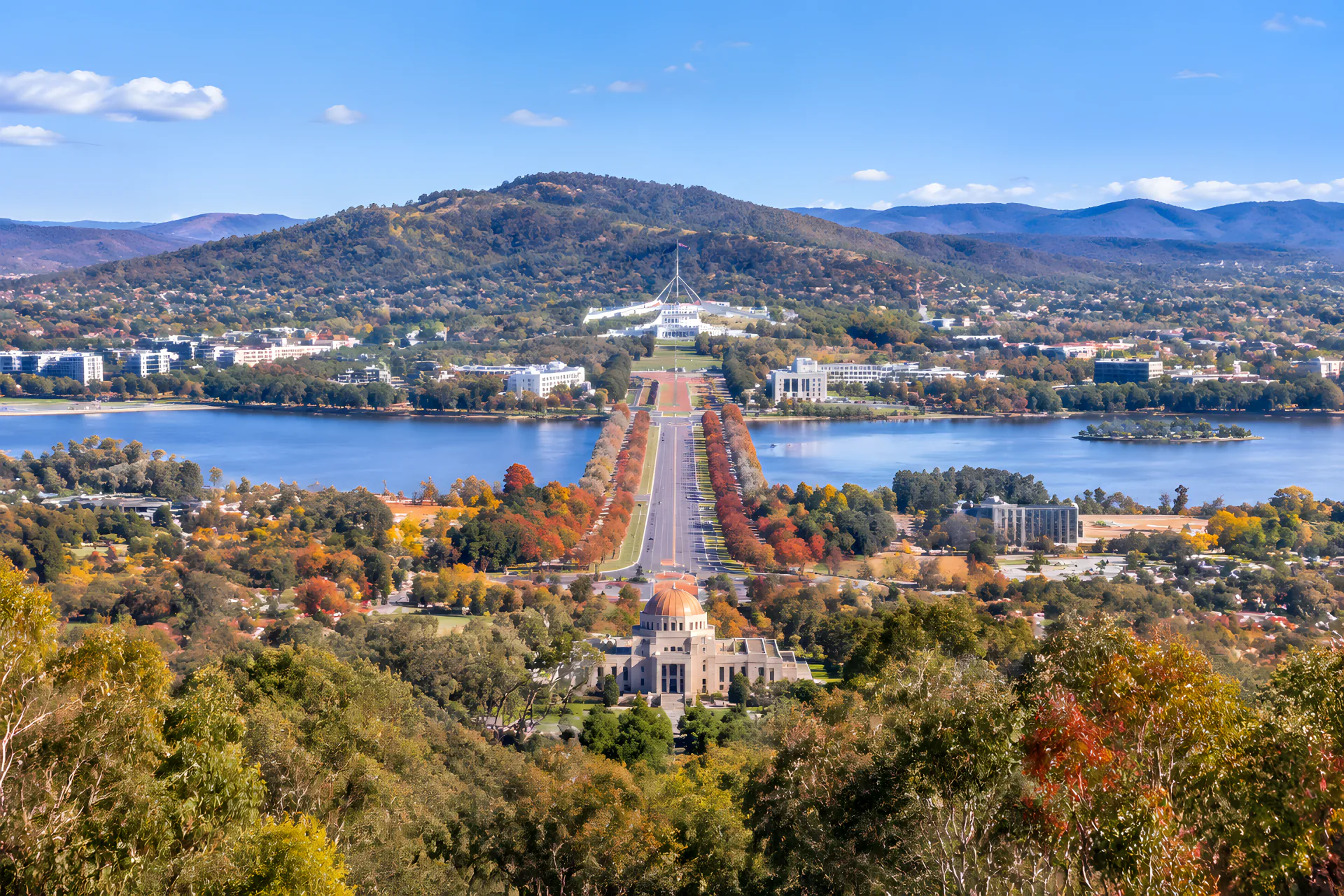
The Australian Capital Territory is essentially Canberra: a capital built from scratch to a master plan in the last century, with Parliament, national museums, and galleries arranged around artificial Lake Burley Griffin. The city is quiet, with little traffic, and feels completely different from Sydney or Melbourne.
It suits anyone interested in history, politics, or art, as well as families visiting the science museum. Parliament House, the war memorial, and the National Gallery are all free, and you can see two or three in a day. Spend another half a day in a reserve outside the city to see kangaroos and koalas. Two days is enough. If you're driving from Sydney, you can add Jervis Bay on the South Coast along the way.
Canberra sits on an inland plateau, so the seasons are more pronounced than on the coast: deciduous trees turn yellow and red across the city in March–April, mornings often bring frost in June–August, and December–February is hot and dry. Public transport is limited, so taxis or a rental car are the fastest way to get between sights.
March–April has the best fall colors; Floriade runs from mid-September to mid-October; early mornings and evenings are often around 0 °C in June–August.
Monthly weather
Based on CanberraBest time to visit Monthly precipitation (mm) Open-Meteo (ERA5), 1996–2025 average
| Month | Average high (°C) | Average low (°C) | Monthly precipitation (mm) | Days with 1 mm or more of precipitation |
|---|---|---|---|---|
| Jan | 27.7 | 14.6 | 45 | 7 |
| Feb | 26.3 | 14.3 | 51 | 6 |
| Mar(Good time to visit) | 23.9 | 12.3 | 42 | 6 |
| Apr(Good time to visit) | 20 | 8.1 | 31 | 4 |
| May | 15.8 | 4.5 | 30 | 4 |
| Jun | 12.2 | 2.8 | 50 | 7 |
| Jul | 11.6 | 1.9 | 36 | 7 |
| Aug | 13.1 | 2.3 | 51 | 8 |
| Sep(Good time to visit) | 16.5 | 4.5 | 50 | 7 |
| Oct(Good time to visit) | 19.6 | 7.1 | 54 | 7 |
| Nov(Good time to visit) | 22.7 | 10.2 | 63 | 8 |
| Dec | 25.6 | 12.3 | 53 | 7 |
Sights
-
 1
Australian Parliament House
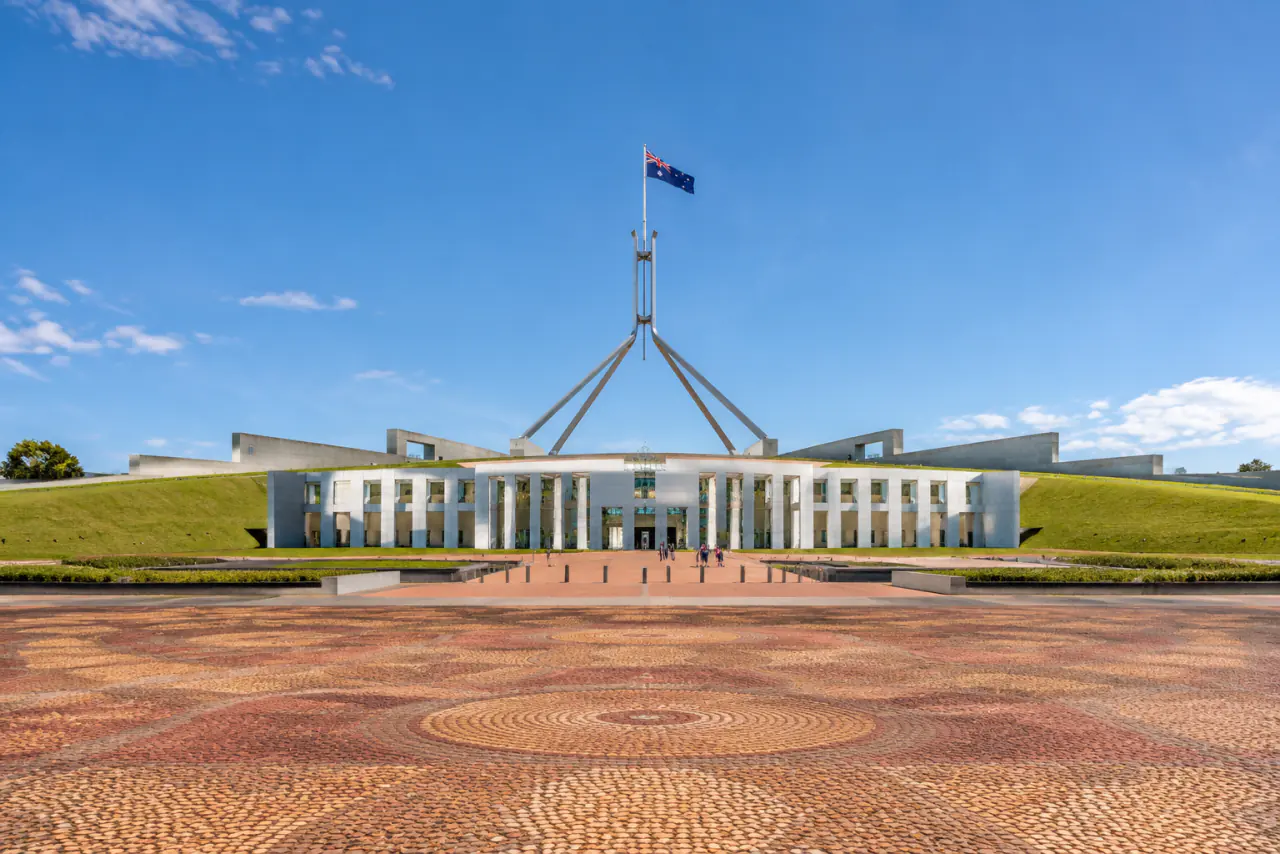
Built into a hill, Australian Parliament House has a broad grass-covered roof topped by a huge stainless-steel flagpole. Entry is free. After security, you can explore the halls and art collection on your own or join a free short tour held daily. When Parliament is sitting, you can enter the public gallery to watch Question Time in the House of Representatives. It's even livelier than on TV.
Check the sitting calendar on the official website. Entry security is similar to airport security, so don't bring knives.
-
 2
Australian War Memorial
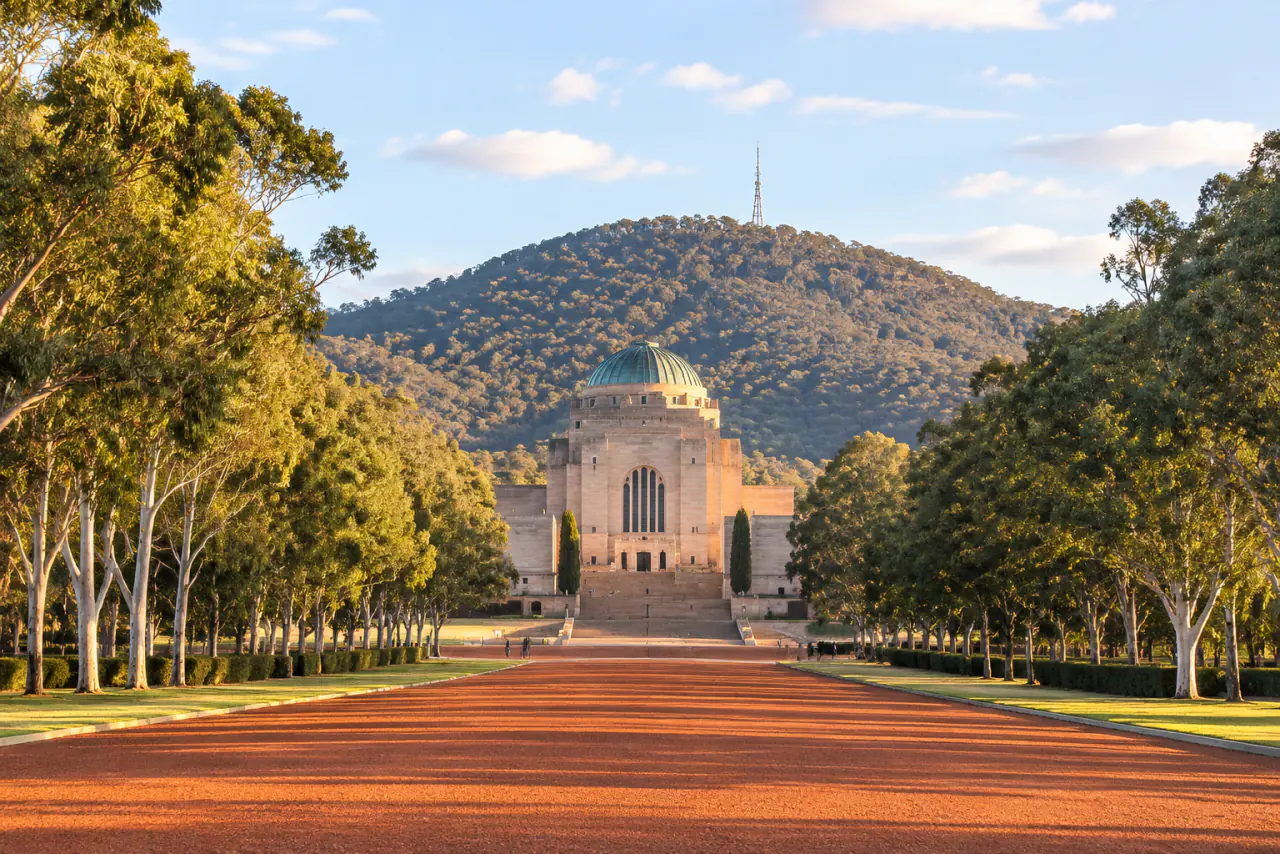
Part memorial and part museum, it covers Australia's military history from Gallipoli in World War I to peacekeeping missions, using aircraft, tanks, and full-scale models. The most moving experience is the Last Post Ceremony held before closing each day. It tells the story of one fallen service member and ends with a bugle call. Anzac Parade runs straight from the memorial toward Parliament House across the lake.
The ceremony takes place in the Commemorative Courtyard at 16:30 each day. Arrive 15 minutes early. Some galleries are being renovated.
-
 3
National Gallery of Australia
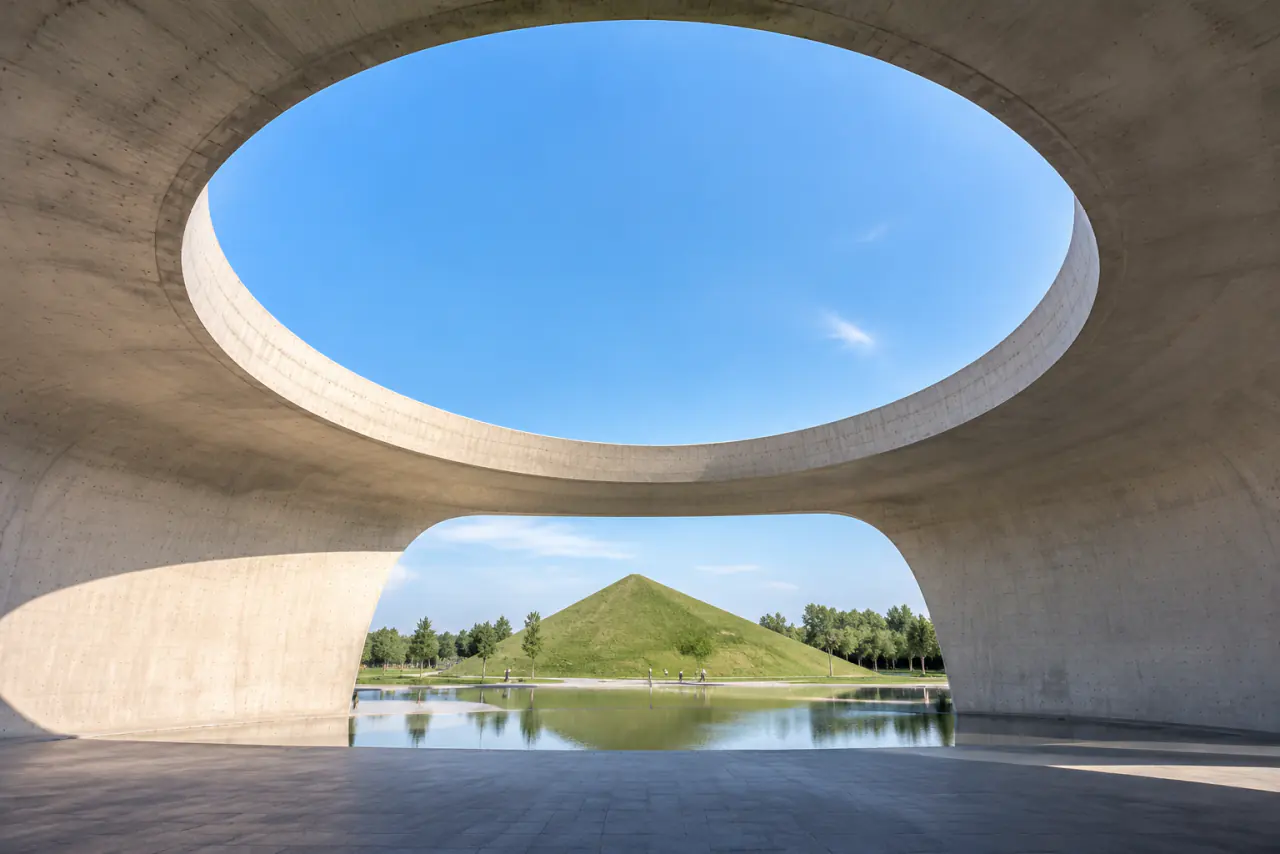
Australia's largest art museum is free to visit. At the entrance is the Aboriginal Memorial, made from 200 painted hollow logs. Indigenous art is the collection's main highlight, alongside Western modern works such as Pollock's Blue Poles. In the lakeside sculpture garden, James Turrell's Skyspace installation Within Without lets you sit inside and watch the sky.
Open daily from 10:00–17:00. Special exhibitions require separate tickets; the permanent collection is free.
-
 4
Mount Ainslie Lookout
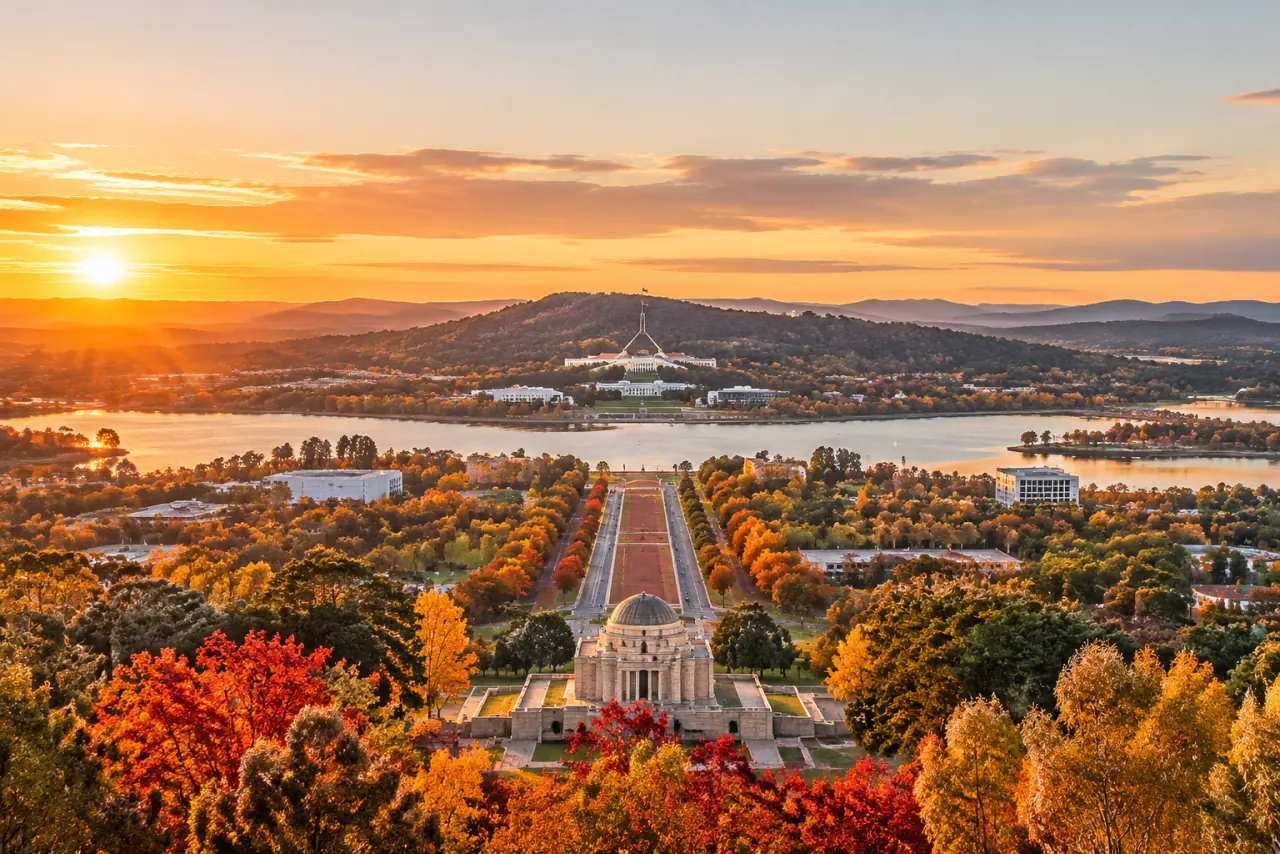
This is the best place to understand Canberra's design. From the summit, Anzac Parade, Lake Burley Griffin, and Parliament House line up in a straight axis—the city center drawn by the planners. You can drive straight to the top. If you're fit, walk up from behind the war memorial on a trail that takes about 45 minutes to 1 hour one way.
Go before sunset for the best views. After dark, you can see the city lights. The summit is windy in winter, so bring a jacket.
-
 5
Lake Burley Griffin & Commonwealth Park
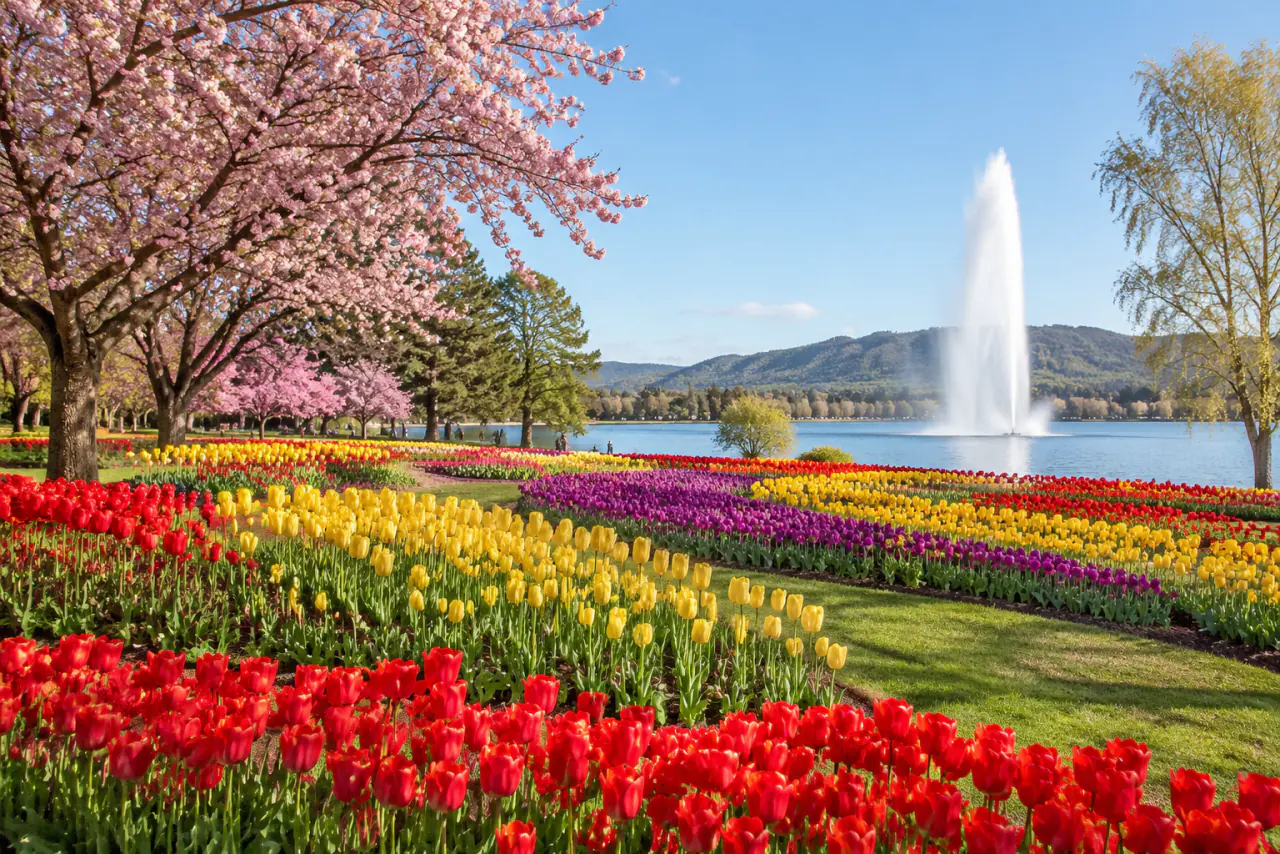
Canberra's artificial lake is lined with the National Library, Questacon, and the National Portrait Gallery. The most relaxing option is to rent a bike and ride around the central section of the lake, passing the Captain Cook Memorial Jet and the National Carillon. From mid-September to mid-October, Commonwealth Park on the lake's north shore hosts Floriade, with fields of tulips in bloom.
The Canberra Balloon Spectacular takes place in March. Dozens of hot-air balloons fly over the lake in the early morning, so check the dates in advance.
-
 6
Tidbinbilla Nature Reserve
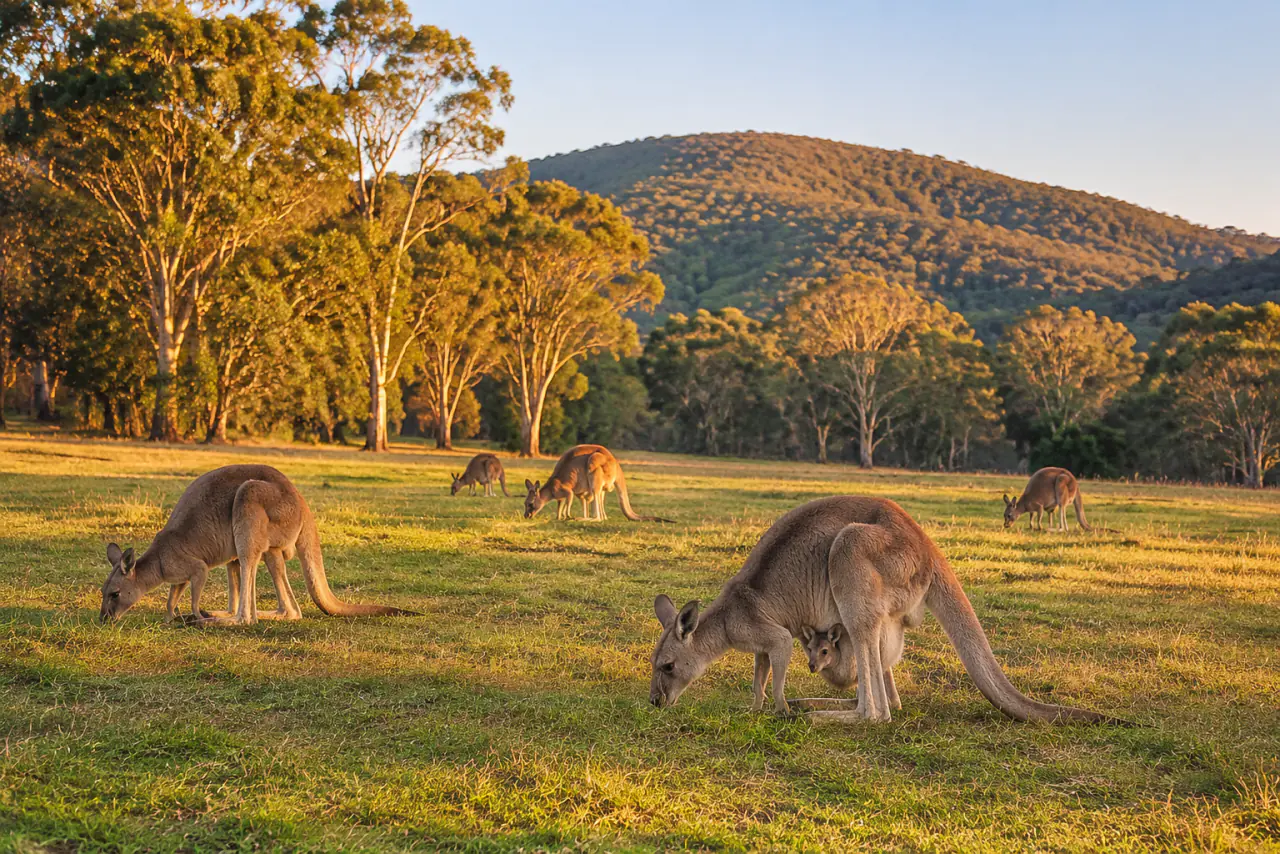
This valley reserve is about a 40-minute drive southwest of the city. Kangaroos and emus are common in the grasslands, and the koala trail through the eucalyptus forest offers close-up views. Platypuses and black swans live in the wetlands. Trails range from flat paths a few hundred meters long to half-day hikes. It feels more like the Australian bush than a city zoo and works well as a half-day drive.
Animals are most active in the early morning and evening. The reserve charges admission per vehicle; check the official website for opening hours.
What to eat

Canberra Region Black Truffles
Cold winters and suitable soil make the Canberra region an important black truffle area in Australia. The harvest runs from June–August. Restaurants offer truffle menus, and nearby farms let you follow dogs into the woods to search for truffles. Anything you find can be sliced fresh over scrambled eggs or pasta.
Seasonal menus at city restaurants from June–August; nearby truffle farms
Canberra District Wine
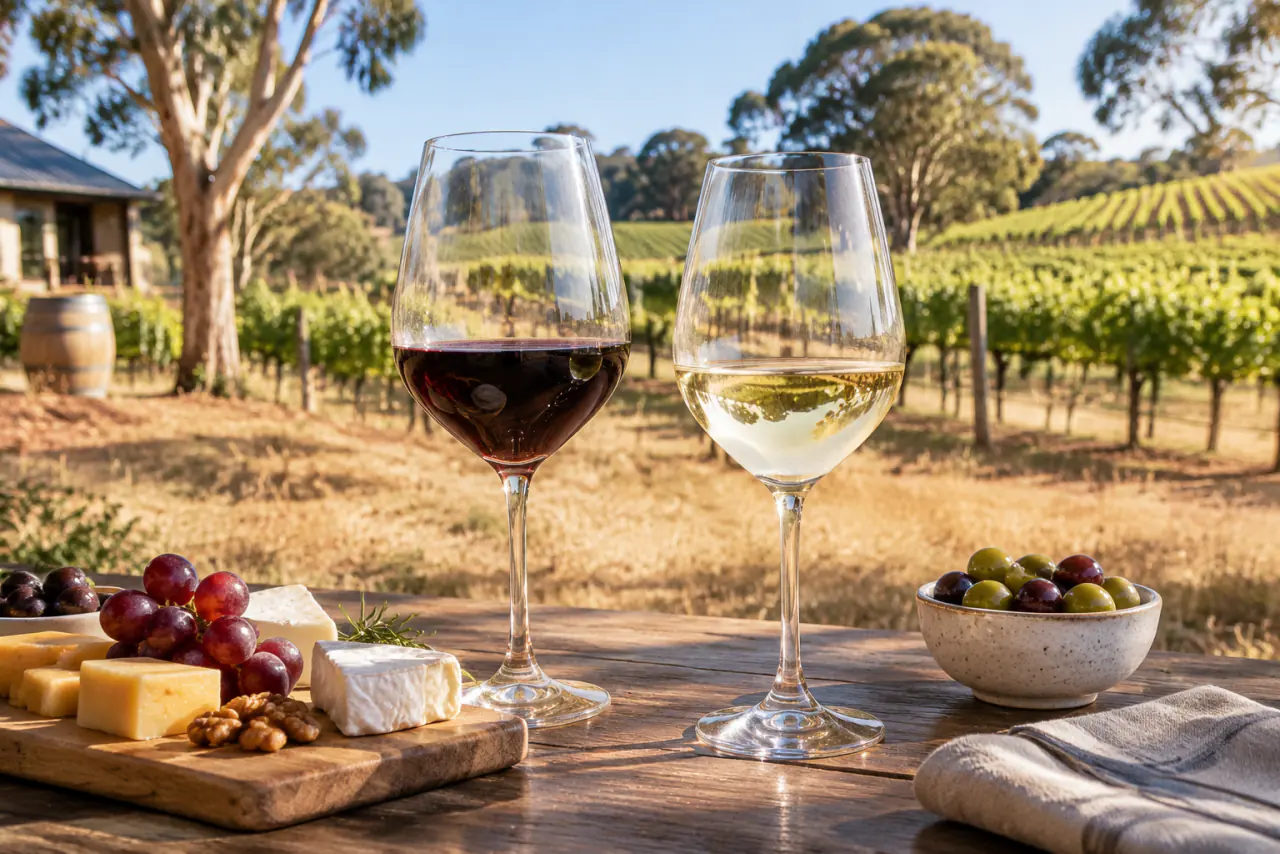
The Canberra region's high elevation and large temperature swings produce crisp, lemony Riesling. Shiraz blended with a little Viognier is another local specialty. Most wineries are around Murrumbateman, north of the city, about a 30–40-minute drive away. The tasting rooms are small, and you may get to chat with the winemaker.
Winery tasting rooms around Murrumbateman north of the city
Dickson Asian Eateries
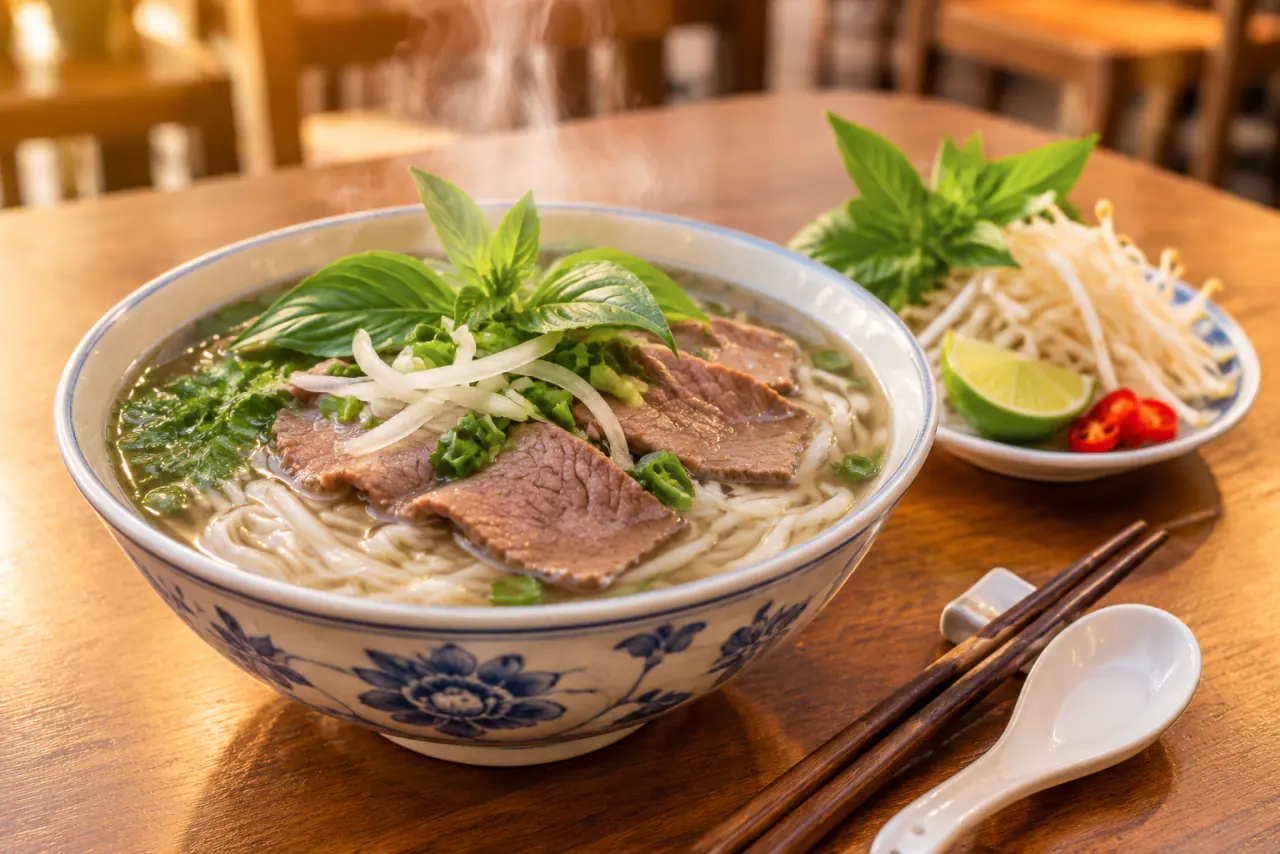
Woolley Street in Dickson, north of the city, is Canberra's Chinatown. Chinese, Vietnamese, Malaysian, and Korean restaurants sit side by side, with better prices than in the city center. It's the ideal place when you're tired of Western food, and many restaurants stay open relatively late.
Around Woolley Street in Dickson · About A$20–35 per person
Getting there · Where to stay
There are no direct flights. Fly to Sydney or Melbourne first (about 9–12 hours), then take a domestic flight or drive from Sydney.
About 3 hours by car; about 50 minutes by plane; long-distance buses also take about 3–3.5 hours.
About 1 hour 10 minutes by plane; about 7–8 hours by car.
Stay in City or Braddon, north of the center, for easy dining. For quick access to Parliament and the museums, stay south of the lake in Barton or Kingston.
Know this before you go
- Parliament House, the Australian War Memorial, and the National Gallery are all free, and they fit neatly into the same day.
- City sights are spread out and buses run infrequently. For two or more people, a taxi or rental car saves time compared with taking the bus.
- Australians drive on the left. Licence and translation requirements depend on your licence and circumstances, so check the latest requirements with Access Canberra before you leave.
- Roads can be icy in the early mornings from June–August, so drive slowly. Kangaroos often cross roads around the city outskirts at dusk.