Cloudborne Travel
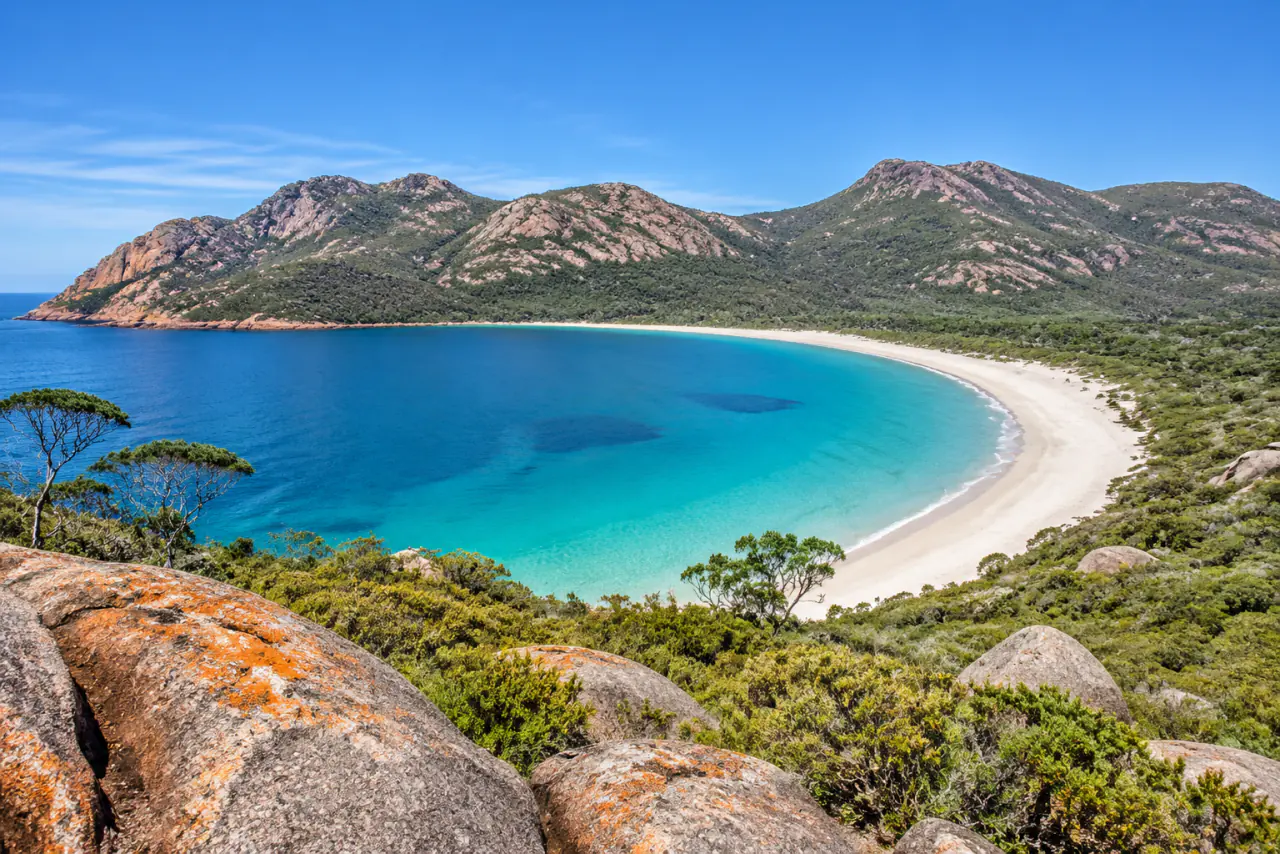
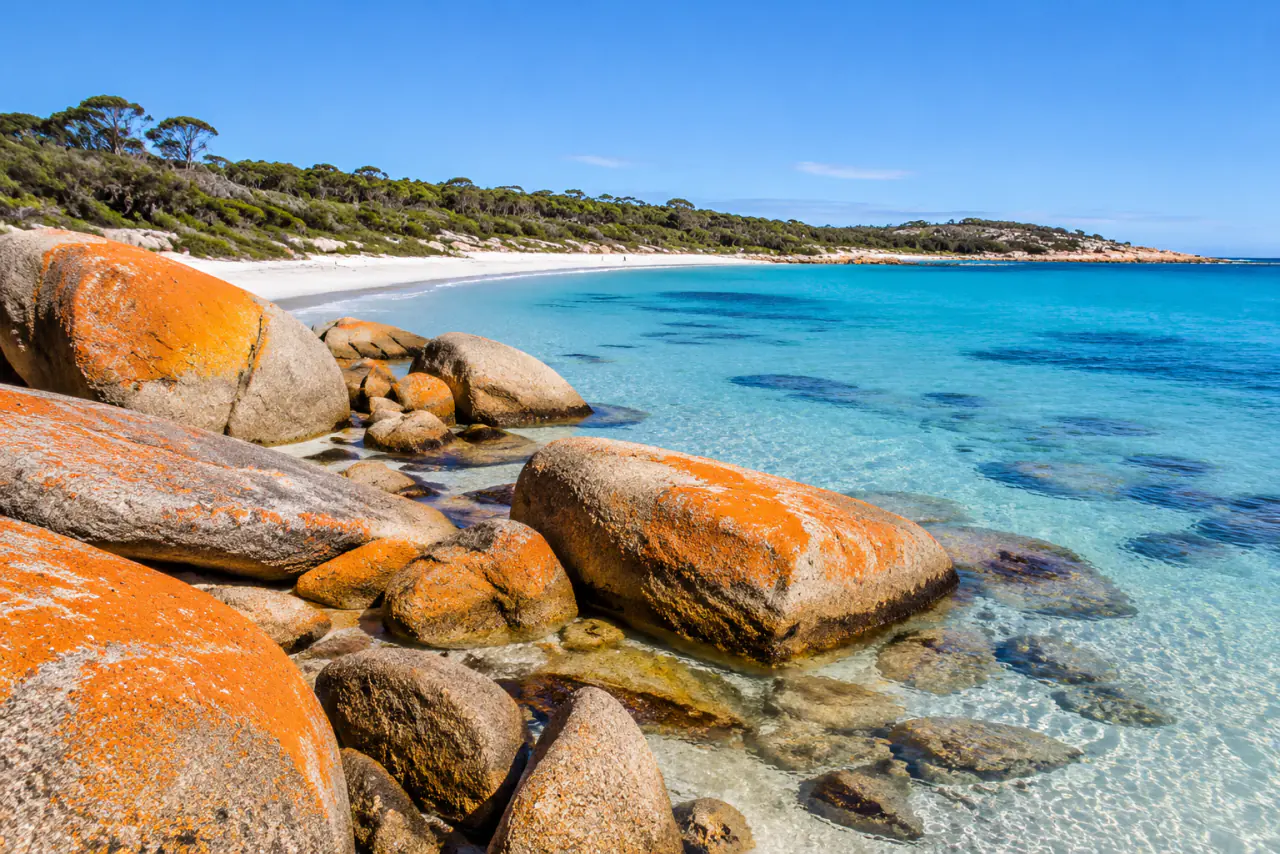
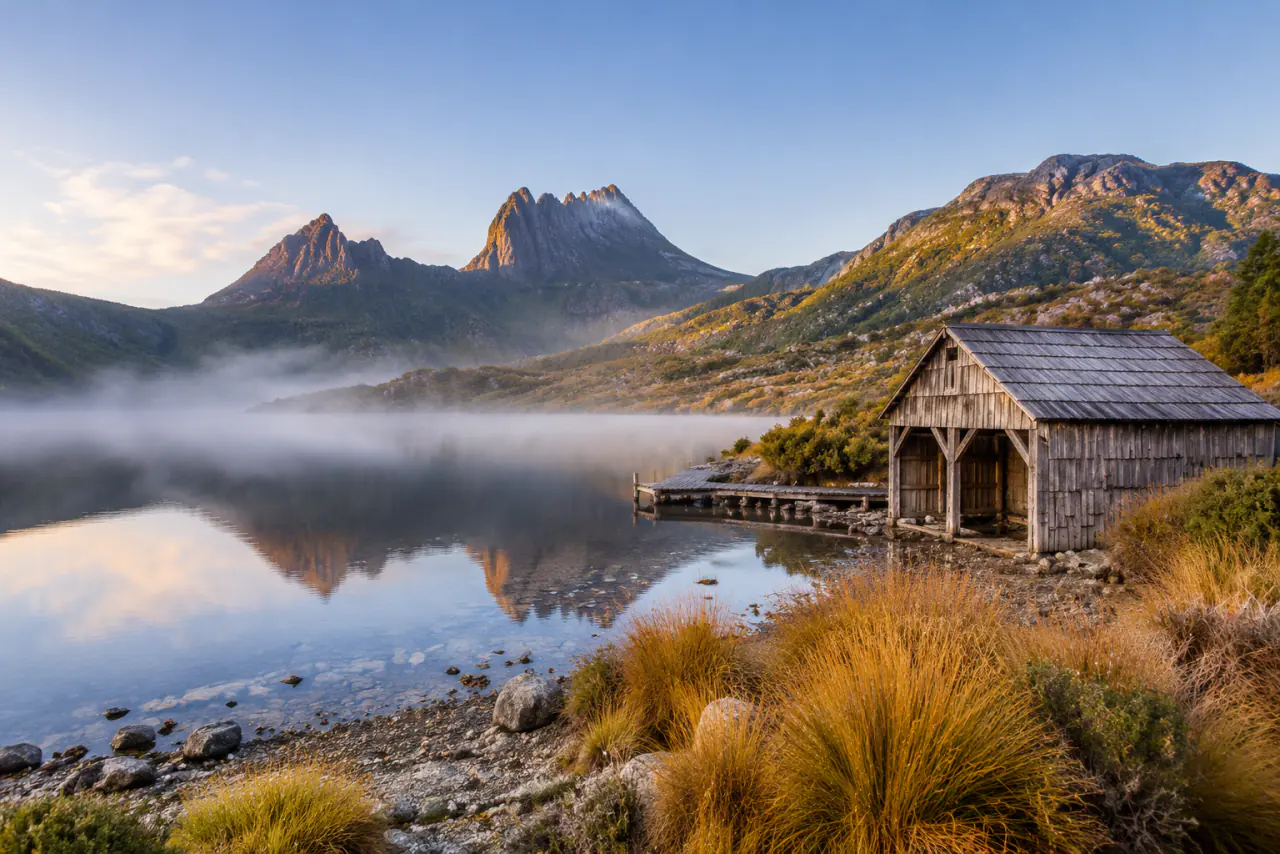
Tasmania is a large island south of mainland Australia. About two-fifths of its land is national park or protected area. The draw here is the air, mountains, and sea: Cradle Mountain's glacial lakes, Wineglass Bay's sweeping curve, and the orange-lichen-covered granite at the Bay of Fires. Wombats, wallabies, and echidnas can appear at any moment along the road.
A self-drive trip is the best way to go. The most common route starts in Hobart and ends in Launceston, or the other way around, over about a week: spend 2–3 days in Hobart and nearby, then head north along the east coast to Freycinet and the Bay of Fires, and finally go west to Cradle Mountain. The island is not huge, but the mountain roads are winding. Keep each day's driving to no more than 3–4 hours.
Hobart itself is worth a longer stay: visit Salamanca Market on Saturday, take a boat to MONA for contemporary art, and drive up Mount Wellington for views over the city. Oysters, scallops, cheese, whisky, and cool-climate wines are all excellent. Small farms around the island sell directly to visitors.
December–March is the warmest period, with long days. The deciduous beech at Cradle Mountain turns golden in late April–early May. June–August is cold, and mountain areas often get snow.
Monthly weather
Based on HobartBest time to visit Monthly precipitation (mm) Open-Meteo (ERA5), 1996–2025 average
| Month | Average high (°C) | Average low (°C) | Monthly precipitation (mm) | Days with 1 mm or more of precipitation |
|---|---|---|---|---|
| Jan(Good time to visit) | 21.6 | 13 | 49 | 8 |
| Feb(Good time to visit) | 21.3 | 13 | 47 | 7 |
| Mar(Good time to visit) | 19.9 | 12 | 46 | 8 |
| Apr(Good time to visit) | 17.2 | 9.9 | 45 | 9 |
| May | 14.7 | 8.4 | 47 | 10 |
| Jun | 12.6 | 6.8 | 50 | 9 |
| Jul | 12.3 | 6.2 | 47 | 10 |
| Aug | 13.1 | 6.5 | 59 | 11 |
| Sep | 14.6 | 7.5 | 57 | 12 |
| Oct | 16.2 | 8.6 | 63 | 12 |
| Nov | 17.9 | 10.1 | 60 | 11 |
| Dec(Good time to visit) | 19.6 | 11.6 | 55 | 10 |
Sights
-
 1
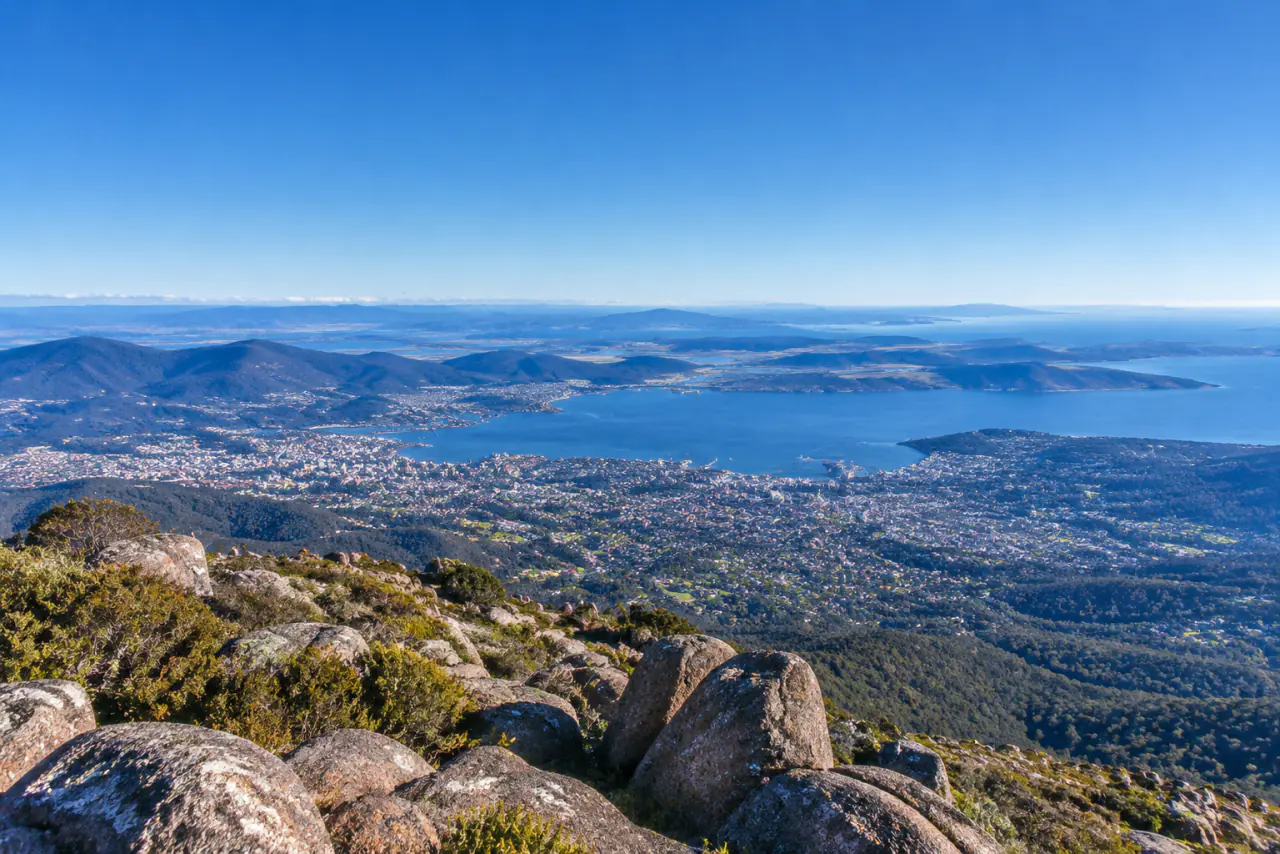
kunanyi / Mount Wellington
This mountain rises about 1,270 meters behind Hobart. It takes about 30 minutes to drive from the city center to the summit. From the lookout, you can see the entire city, the Derwent River, and distant peninsulas. The summit is covered with huge dolerite columns and boulders. If you're fit, you can hike part of a trail from The Springs halfway up the mountain.
The summit can be more than 10 degrees colder than the city. Snow is possible in any month, so bring a warm jacket. The road may close during high winds or heavy snow.
-
 2
Salamanca Market & Battery Point
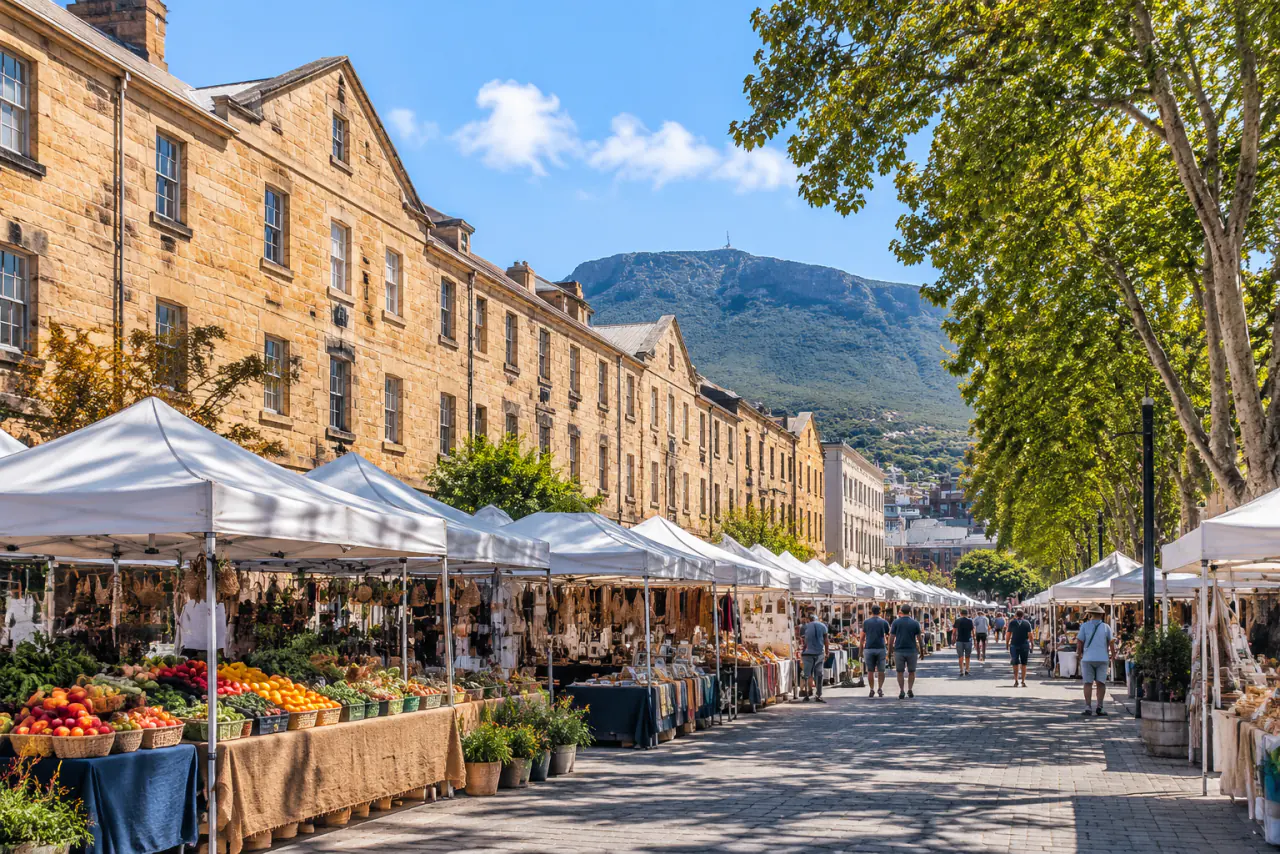
Every Saturday, several hundred stalls fill Salamanca Square in front of its sandstone warehouses. You'll find local produce, cheese, honey, woodwork, crafts, and plenty of snacks. The warehouses date from the 19th-century whaling era and now house galleries and restaurants. After the market, walk uphill to Battery Point, where colonial cottages and narrow lanes are ideal for a stroll.
The market is open only on Saturdays, 8:30–15:00. Go in the morning for the widest selection. On weekdays, explore the warehouses and Battery Point instead.
-
 3
Mona (Museum of Old and New Art)
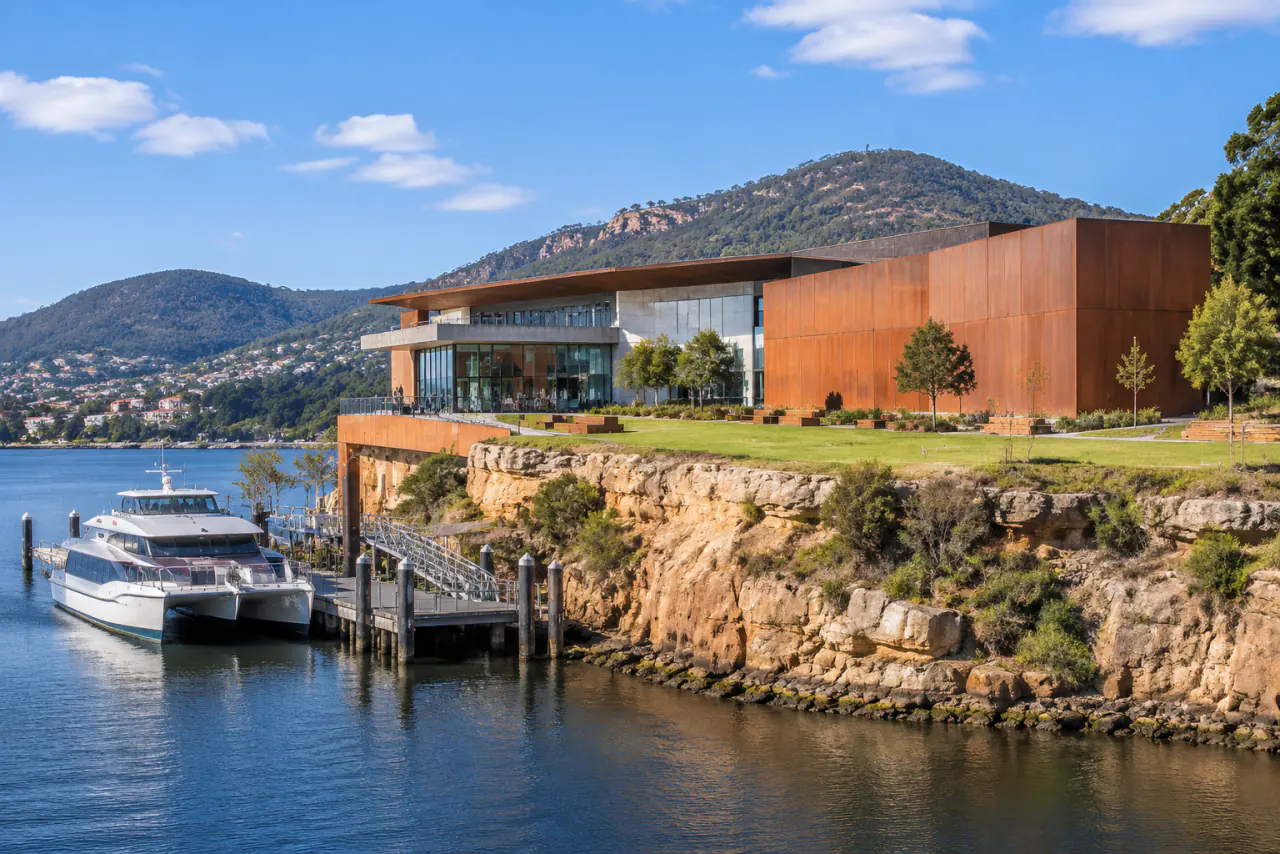
This underground museum was built by a private collector into the sandstone cliffs beside the river. Its collection ranges from ancient Egyptian artifacts to highly provocative contemporary installations, and some works are not suitable for children. The best way to get there is by the museum's fast ferry from Brooke Street Pier in Hobart. The trip takes about 30 minutes, followed by a climb up the steps from the dock. The museum has a winery and restaurants, so you can spend most of a day here.
Open Thursday–Monday and closed Tuesday and Wednesday. Nonlocal adults pay about A$45. Booking museum and ferry tickets ahead is recommended.
-
 4
Port Arthur Historic Site
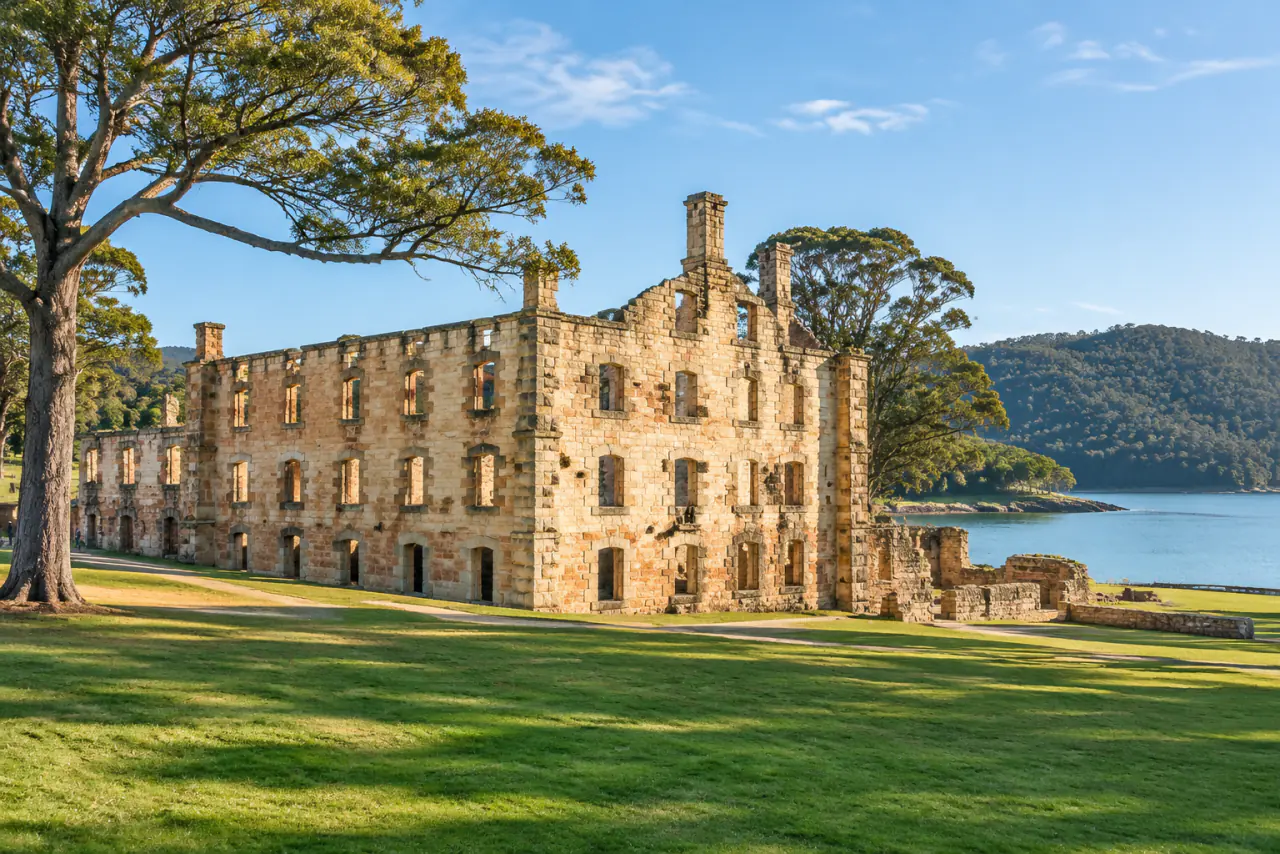
This 19th-century convict prison site is a World Heritage site. The most striking building is the roofless four-story sandstone prison. The grounds also include a church, officers' residences, a psychiatric hospital, and the Separate Prison, where inmates were held in isolation. Lawns stretch down to the bay. The site is about a 1.5-hour drive from Hobart. On the way, you can stop at sea arches and Tasman Peninsula blowholes.
Open daily, 9:00–17:00. Lantern-lit ghost-story tours cost about A$35 and run Wednesday–Sunday.
-
 5
Bruny Island
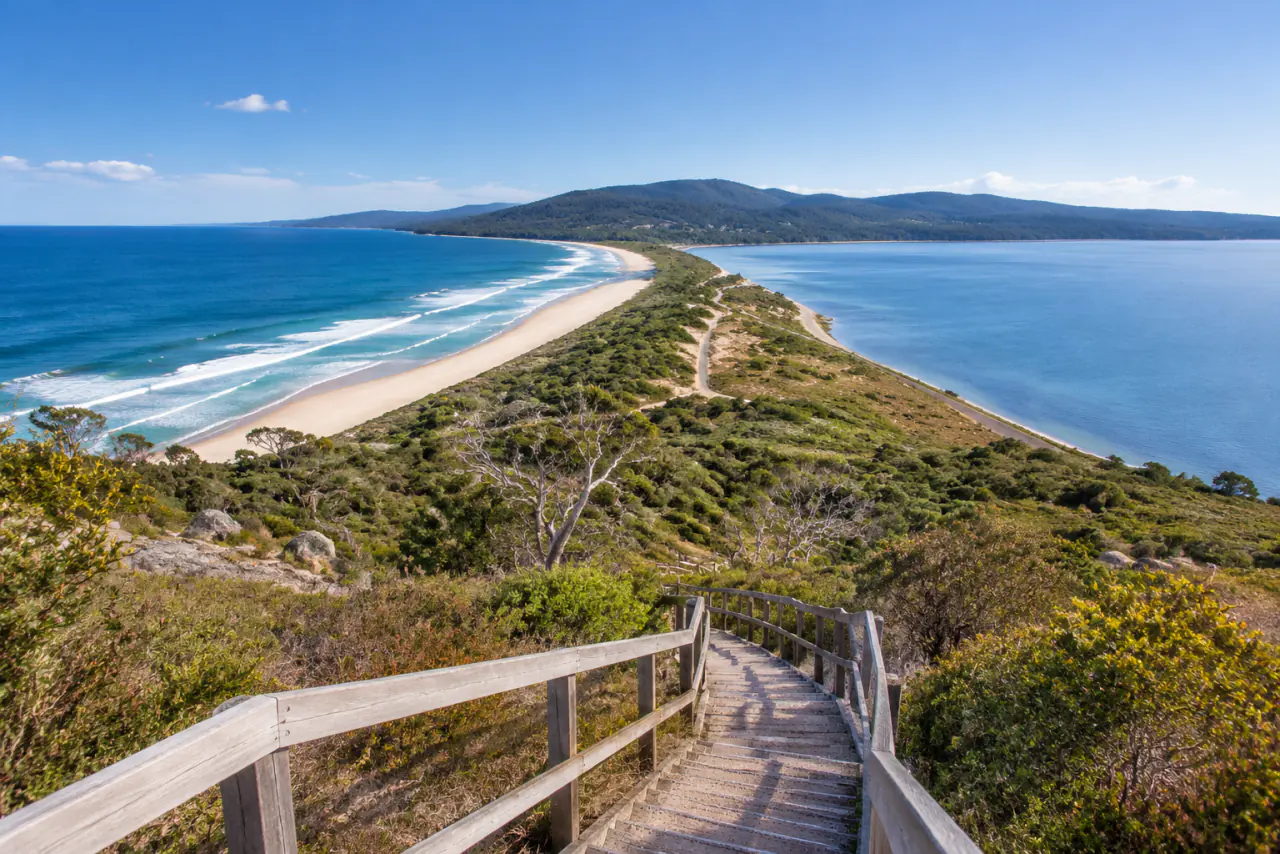
Drive about 40 minutes south of Hobart to Kettering, then take the 20-minute car ferry to the island. The island's north and south sections are joined by a narrow sandy isthmus. Climb to the nearby lookout for spectacular views of both bays. Food is the main attraction: freshly shucked oysters, cheese, honey, and berries. You can also take a speedboat along the southern cliffs to see seals. On clear nights, people often watch for the aurora australis in the island's south.
Ferries run about every 20 minutes. A small car costs about A$59 return or more. Boarding is first come, first served. Many roads on the island are gravel, so drive slowly.
-
 6
Freycinet National Park & Wineglass Bay
This is Tasmania's most famous landscape: a perfect arc of white sand between pink granite mountains. The walk from the car park to the Wineglass Bay lookout and back is about 2.6 kilometers and takes 1–1.5 hours, with plenty of uphill sections. To reach the beach, continue onto the Hazards Beach Circuit for a total of about 11 kilometers and 4–5 hours. The drive from either Hobart or Launceston takes 2.5–3 hours.
A national park pass is required. The car park fills quickly around midday in summer, so arrive before 9:00.
-
 7
Bay of Fires
This long stretch of northeastern coast runs north from Binalong Bay. It has white sand, clear water, and granite boulders covered in orange-red lichen that seem to catch fire in the sun. The town of Binalong Bay is at the southern end. Drive slowly along the coast and look for quiet coves. The drive from St Helens takes about 15 minutes, and the entire route is free.
The water is cool year-round. Beaches without lifeguards can have strong currents, so take care if you go in. The area is best for wading and playing in the water.
-
 8
Cradle Mountain & Dove Lake
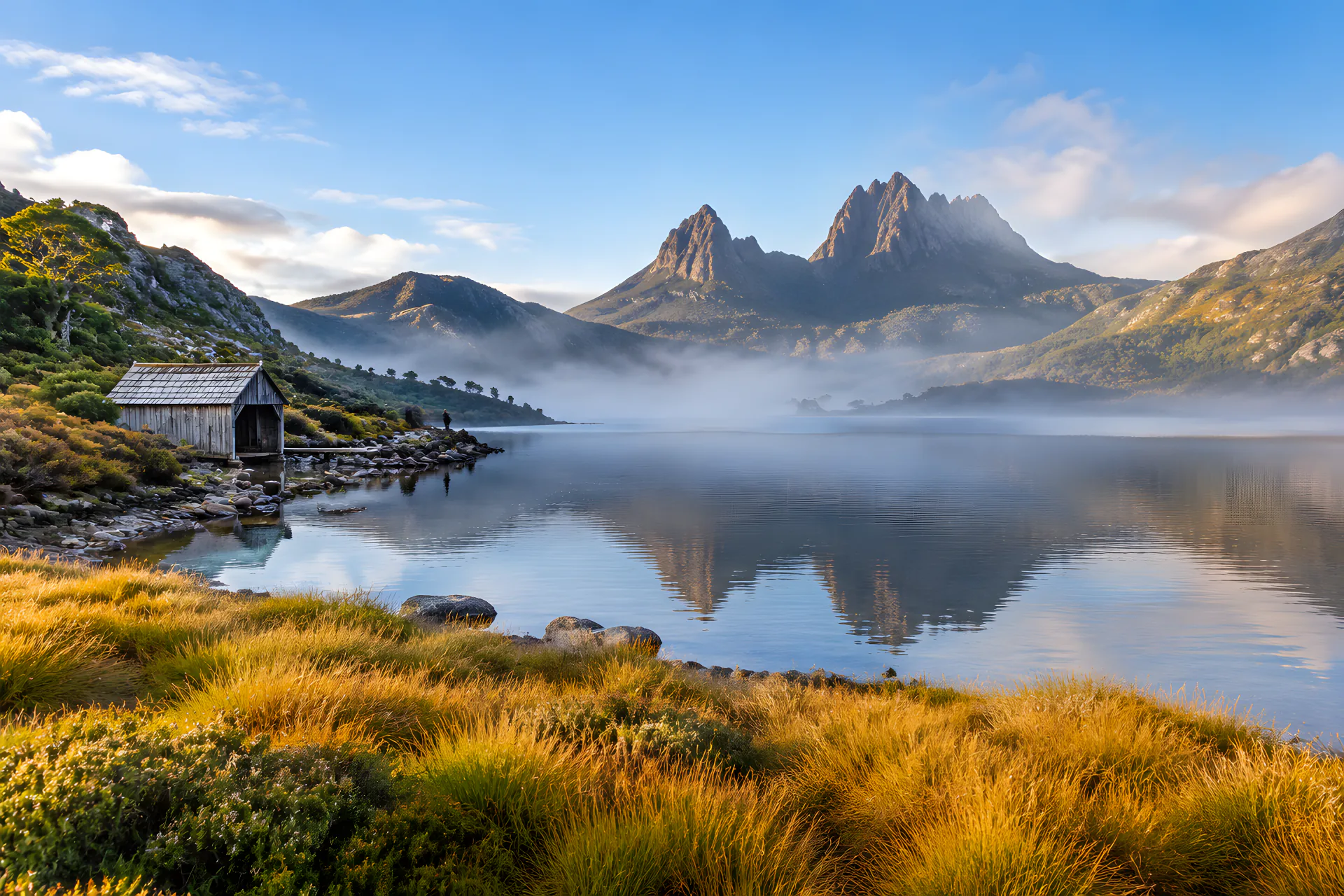
This is the gateway to a World Heritage wilderness area. Jagged dolerite peaks are reflected in Dove Lake, beside an old wooden boat shed. The circuit around the lake is about 6 kilometers and takes 2–3 hours, passing through cool-temperate rainforest thick with moss. In peak season, private cars cannot drive to the lake. Take the shuttle bus from the visitor center instead; the ride takes about 20 minutes each way. Wombats are easy to spot in the Ronny Creek meadows in the evening.
Snow is possible in every season, so bring a windproof, waterproof jacket. The adult single-day Cradle Mountain ticket includes the shuttle bus; holiday passes do not.
What to eat
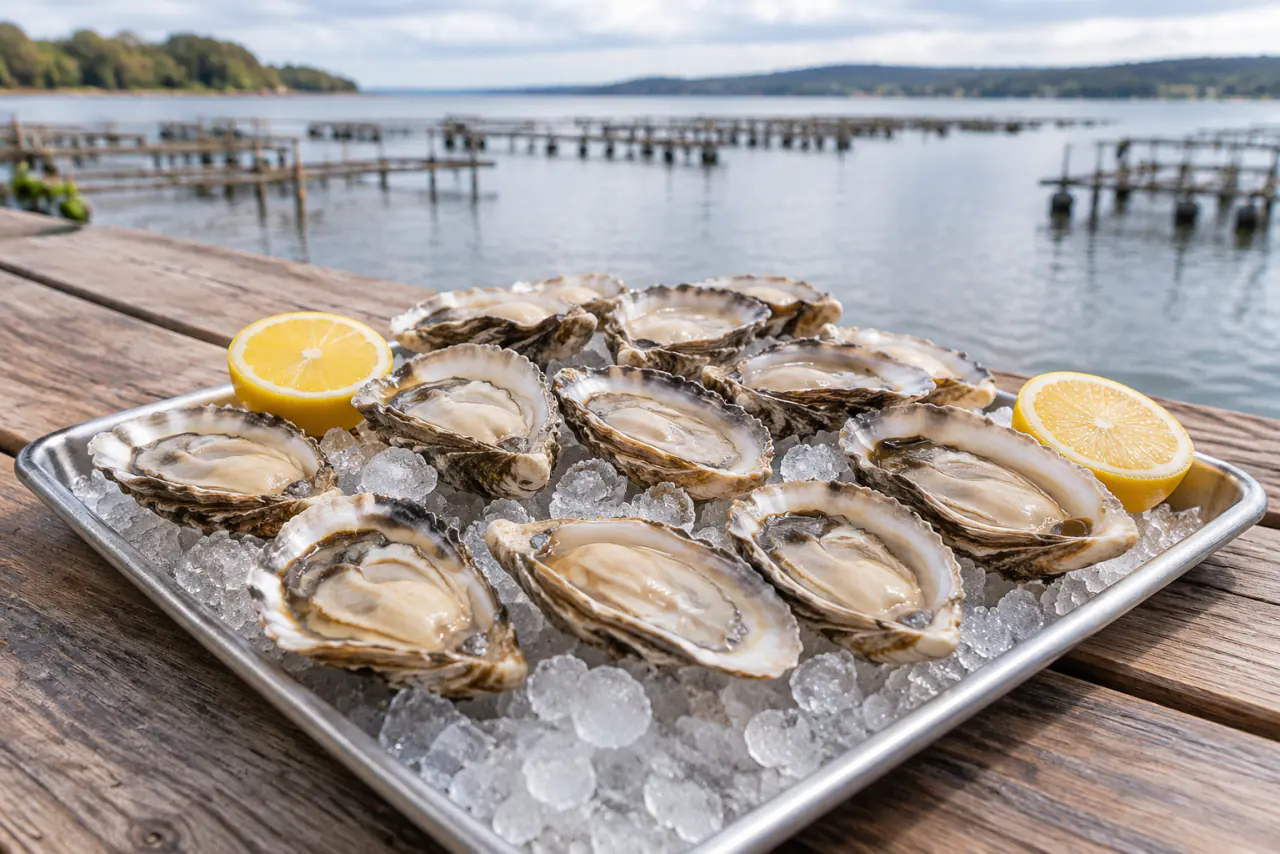
Tasmanian oysters
The estuarine waters of southeastern Tasmania are cold and clean, producing plump Pacific oysters with a fresh, briny flavor. Farms on Bruny Island and the east coast have direct-sale shops where oysters are shucked to order. Add a squeeze of lemon and eat them fresh. Prices are much lower than at restaurants in big cities.
Farm shops on Bruny Island and around Coles Bay on the east coast · About A$20–30 per dozen

Tasmanian scallop pie
This Tasmanian specialty is a pastry filled not with ground beef but with whole scallops, usually cooked in a mild curry cream sauce. Many bakeries around the island sell them. Picking up a hot one for lunch on a self-drive trip is one of the most recommended local snacks.
Bakeries in Hobart and towns along the route · About A$10–14 each
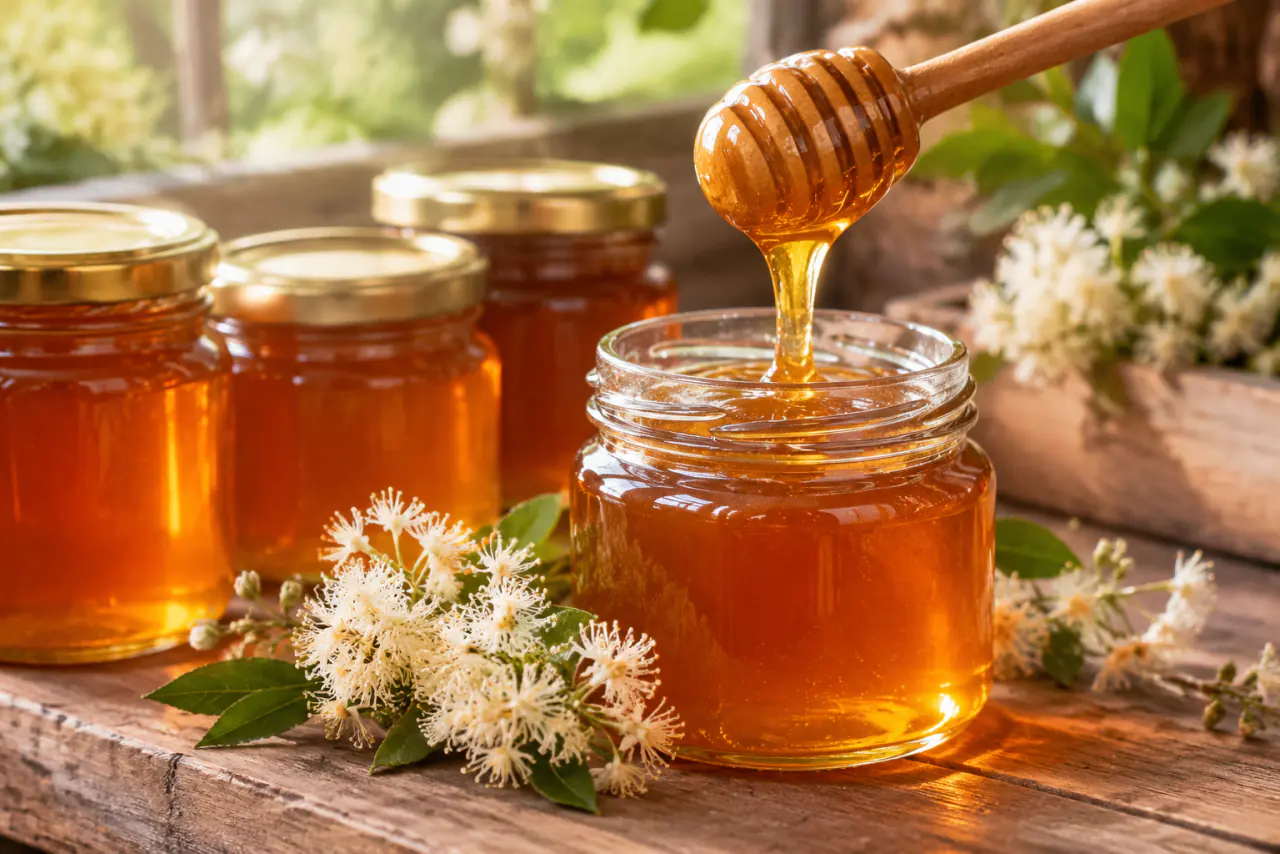
Leatherwood honey
Leatherwood trees grow only in Tasmania's western rainforests. Honey made from their flowers has a rich aroma, slightly spicy floral notes, and a thick texture. Markets and farm shops often let you taste it before buying. It is also used in ice cream and mead. Before taking it home, check the entry rules for food in your country.
Salamanca Market and honey farm shops in the northwest

Tasmanian whisky
Tasmania's cool climate, clean water, and local barley have made it a center of Australian whisky production. The island has dozens of small distilleries. Hobart's waterfront has tasting bars where you can compare single malts from several producers. If you're driving, save tastings for the evening.
Tasting bars on Hobart's waterfront and nearby distilleries
Getting there · Where to stay
There are no direct flights. Fly first to Melbourne or Sydney (about 9–12 hours), then take a domestic flight to Hobart or Launceston.
The flight to Hobart takes about 1 hour 15 minutes, and the flight to Launceston about 1 hour. You can also take a car ferry from Geelong to Devonport, which takes about 10–11 hours.
The flight to Hobart takes about 1 hour 45 minutes, and the flight to Launceston about 1.5 hours.
The flight to Hobart takes about 2.5 hours. There are fewer flights than from Sydney or Melbourne.
In Hobart, stay around the waterfront, Salamanca, or Battery Point for easy access to restaurants and markets on foot. On the east coast, stay in Coles Bay or Bicheno. At Cradle Mountain, stay at a resort near the park entrance, where wombats are easier to spot in the early morning and evening.
Know this before you go
- All national parks require a pass. A holiday vehicle pass costs about A$98 and covers one vehicle with up to 8 people for two months.
- Tasmania has strict quarantine rules. Fresh fruit and vegetables brought from mainland Australia will be confiscated. Eat them or put them in a quarantine bin before your flight lands.
- Wildlife is abundant on the roads at dusk and at night. Try to reach your accommodation before dark. Drive on the left and slow down on curves.
- Whether your licence is valid for driving in Tasmania depends on your licence and the applicable rules. Check the Tasmanian transport department's official website for current requirements.
- Weather changes quickly. Bring a fleece and rain jacket even in summer. On clear, moonless nights, check the aurora australis forecast.
Source (2026-11)
Parks and Wildlife Service Tasmania:Park passes and entry fees, Parks and Wildlife Service Tasmania:Cradle Mountain, Parks and Wildlife Service Tasmania:Cradle Mountain shuttle bus, Parks and Wildlife Service Tasmania:Freycinet National Park, Mona:Visit and getting here, Port Arthur Historic Site, Island Connections:Bruny Island ferry, Salamanca Market, Wellington Park:kunanyi / Mount Wellington, Transport Tasmania:Driving in Tasmania on an overseas licence