Cloudborne Travel
California is the most popular choice for a first trip to the U.S. West Coast: San Francisco and the Bay Area in the north, Yosemite and the Big Sur coast along Highway 1 in the middle, and Los Angeles, San Diego, and several theme parks in the south. You can see cities, granite valleys, coastal cliffs, and desert in one trip. Just remember that the state is huge, and driving between places often takes four or five hours.
For a first trip, stick to one route: San Francisco and Yosemite, then south along Highway 1 to Los Angeles. 8–10 days is about right. Families with children can focus on Los Angeles and San Diego. Outside San Francisco, you will generally need a car in California; public transportation is mainly useful within cities.
Starting in 2026, non-U.S. residents entering Yosemite must pay an additional $100 per person (ages 16 and up), which can significantly affect your budget. If you plan to visit more than two national parks, or have two or more adults in the same car, the $250 nonresident annual pass is usually a better deal. One pass covers the entire car.
April–June and September–October are the most comfortable. Yosemite's waterfalls are at their fullest in May–June. San Francisco is often foggy and cool in June–August, while Joshua Tree can exceed 40°C in summer.
Monthly weather
Based on Los AngelesBest time to visit Monthly precipitation (mm) Open-Meteo (ERA5), 1996–2025 average
| Month | Average high (°C) | Average low (°C) | Monthly precipitation (mm) | Days with 1 mm or more of precipitation |
|---|---|---|---|---|
| Jan | 19.2 | 8.3 | 64 | 5 |
| Feb | 19.3 | 8.8 | 80 | 6 |
| Mar | 20.8 | 10.2 | 48 | 5 |
| Apr(Good time to visit) | 22.7 | 11.6 | 19 | 3 |
| May(Good time to visit) | 24.3 | 14 | 8 | 1 |
| Jun(Good time to visit) | 26.8 | 16 | 1 | 0 |
| Jul | 30 | 18.3 | 2 | 0 |
| Aug | 31 | 18.8 | 2 | 0 |
| Sep(Good time to visit) | 29.8 | 17.9 | 5 | 1 |
| Oct(Good time to visit) | 26.7 | 14.8 | 16 | 2 |
| Nov | 22.7 | 11 | 25 | 3 |
| Dec | 19 | 8.1 | 57 | 5 |
Sights
-
 1
Golden Gate Bridge
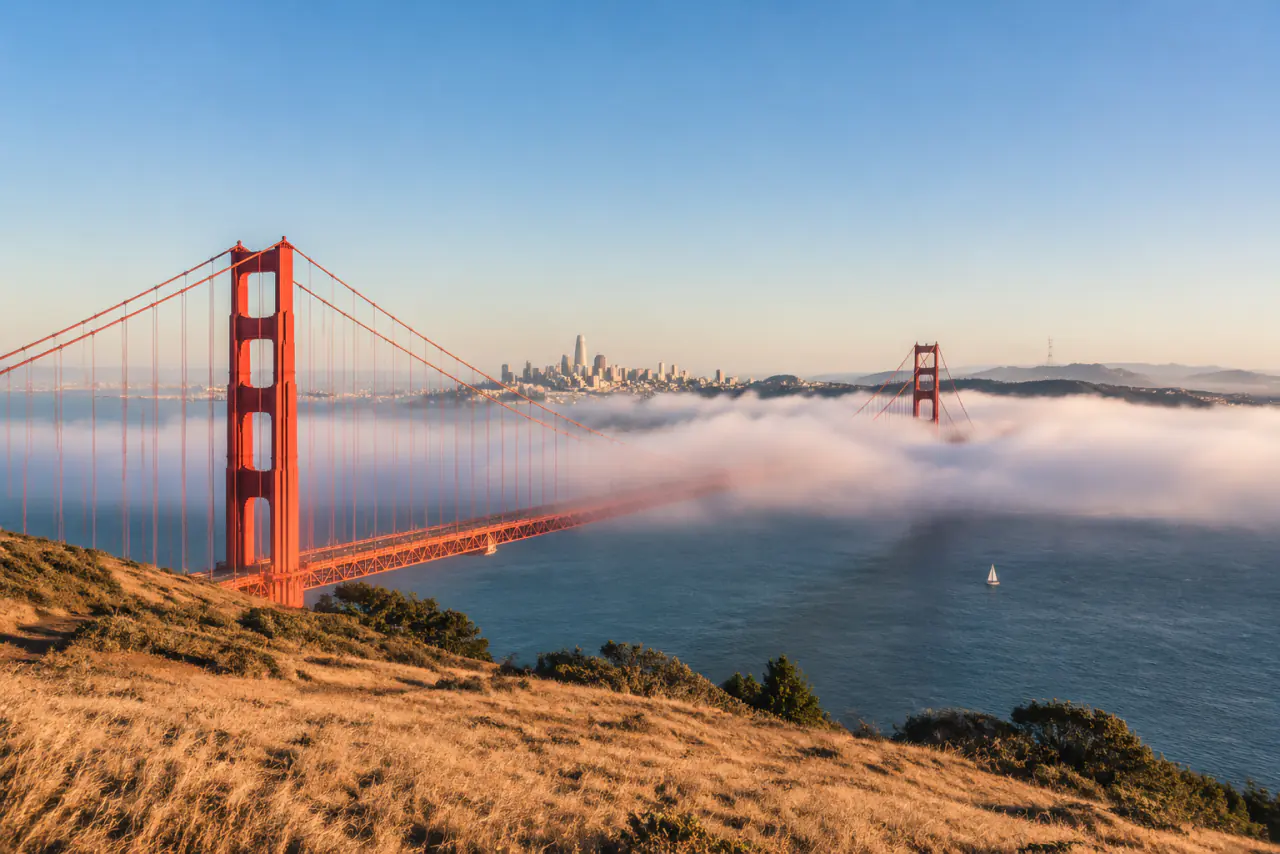
This orange-red suspension bridge spans the entrance to San Francisco Bay and is about 2.7 kilometers long. You can walk or bike across on the east-side walkway. Three classic viewpoints are Fort Point beneath the southern end, Battery Spencer on the high ground at the northern end, and Baker Beach in the city. Summer afternoons are often swallowed by fog. Visibility is best in the morning and fall.
Driving south into the city incurs a toll. There are no toll booths; the rental car company charges your card by license plate and adds a processing fee.
-
 2
Alcatraz Island
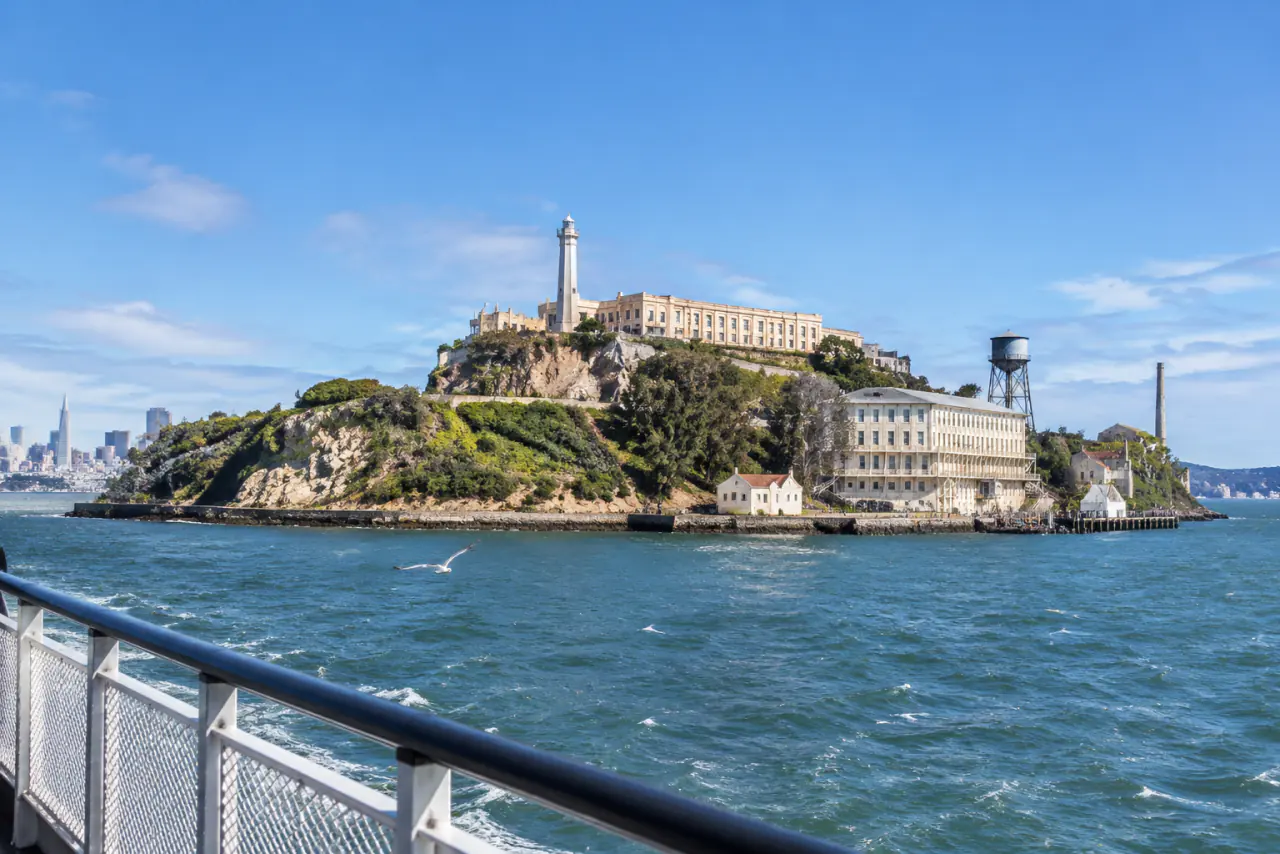
This former federal prison in the bay once held notorious gang leaders and is now managed by the National Park Service. The ferry takes about 15 minutes. The cellhouse audio tour is well worth taking, with stories about escape attempts and prison life, and is available in several languages. The views back toward San Francisco's skyline are excellent, too. Only officially authorized Alcatraz City Cruises can take you there, departing from Pier 33.
The earliest you can book is 90 days ahead, and tickets often sell out weeks in advance during peak season. Avoid expensive third-party tickets.
-
 3
Yosemite National Park
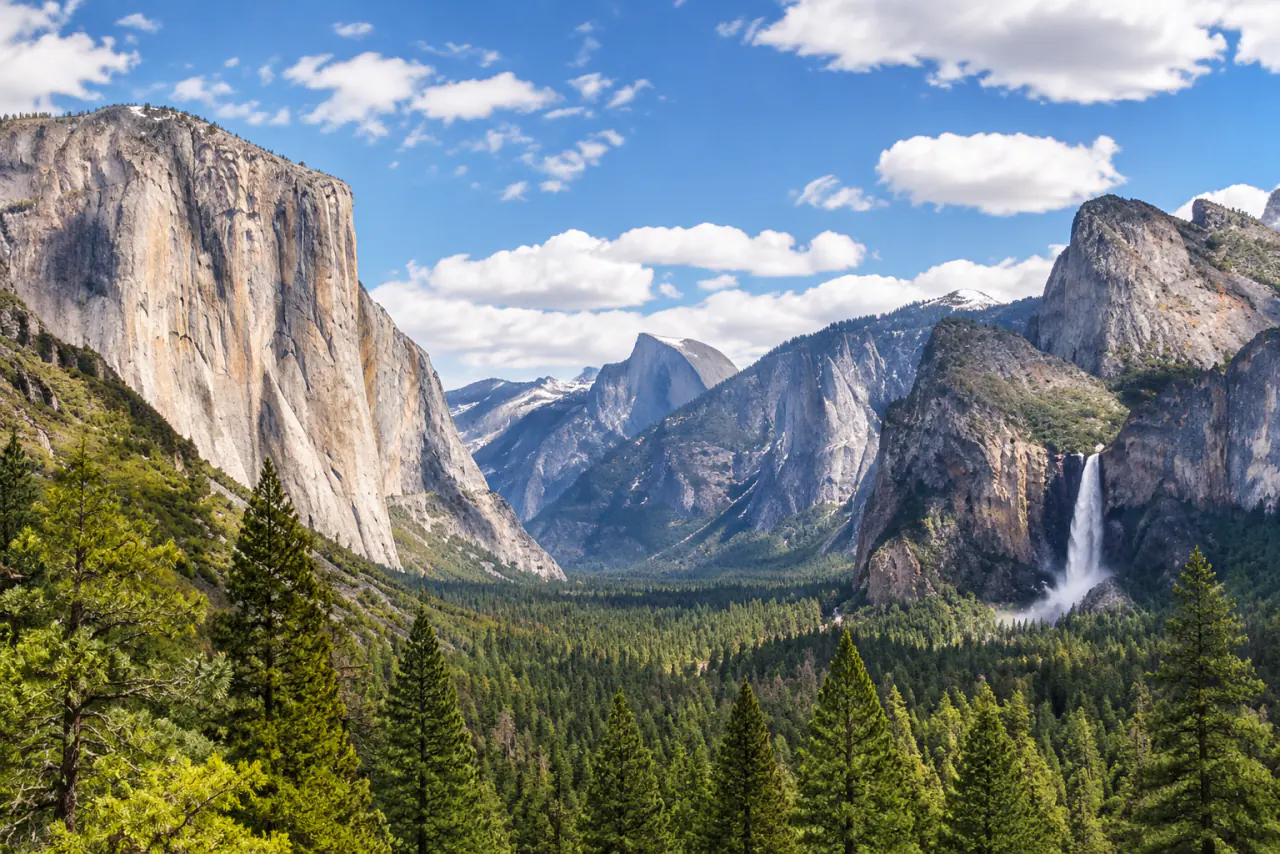
This glacier-carved granite valley is home to El Capitan, Half Dome, and several major waterfalls, most of which you can see on easy, level walks. A classic plan is to visit Tunnel View and Yosemite Falls in the valley, see the giant sequoias at Mariposa Grove in the south, and head up to Glacier Point for a view from above in summer and fall. In 2026, entry reservations will no longer be required, but parking is difficult during peak season. Try to enter the valley before 8 a.m.
Glacier Point Road and Tioga Road usually close for winter starting in November and reopen in May–June the following year. Check road conditions before you leave.
-
 4
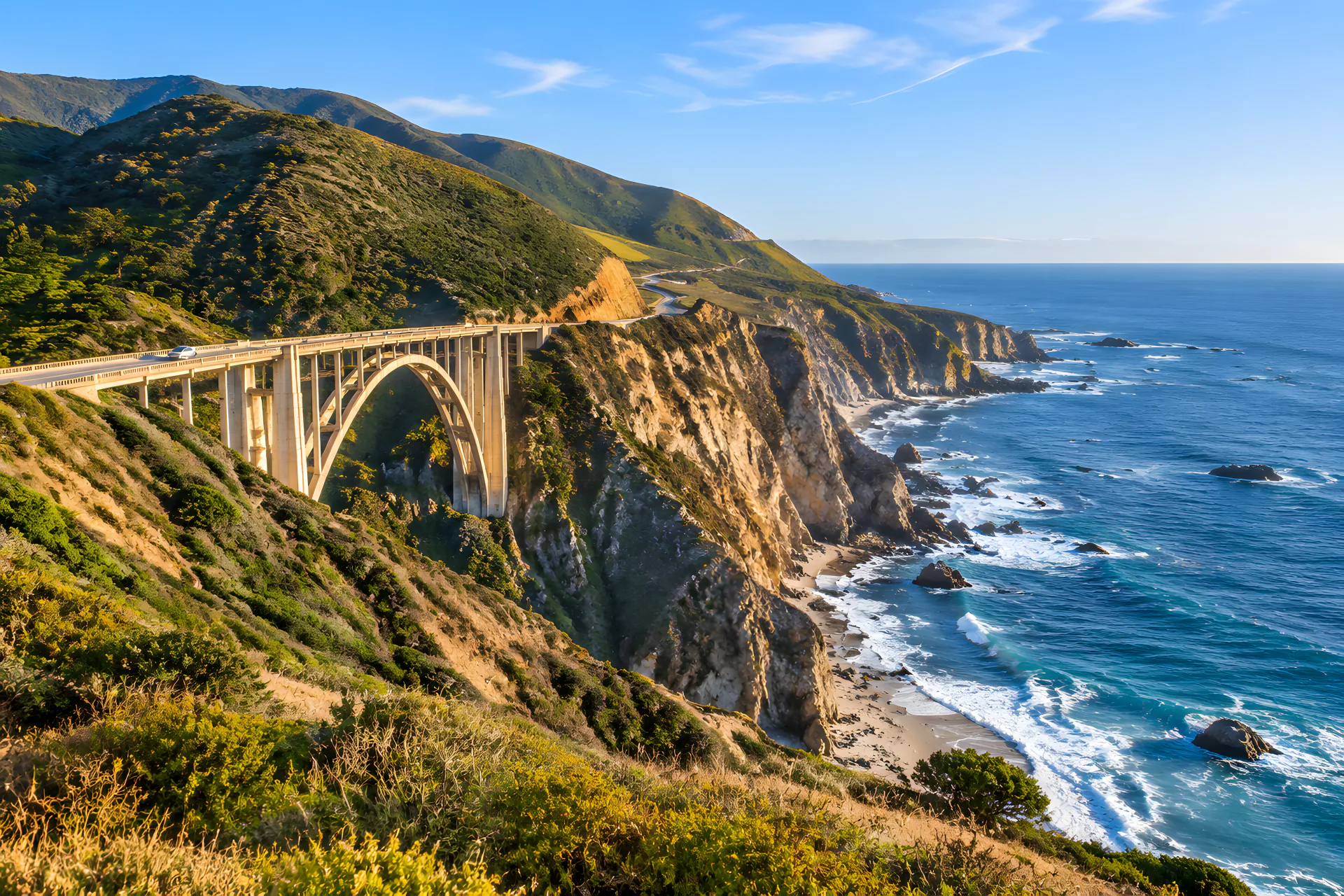
Highway 1, Big Sur
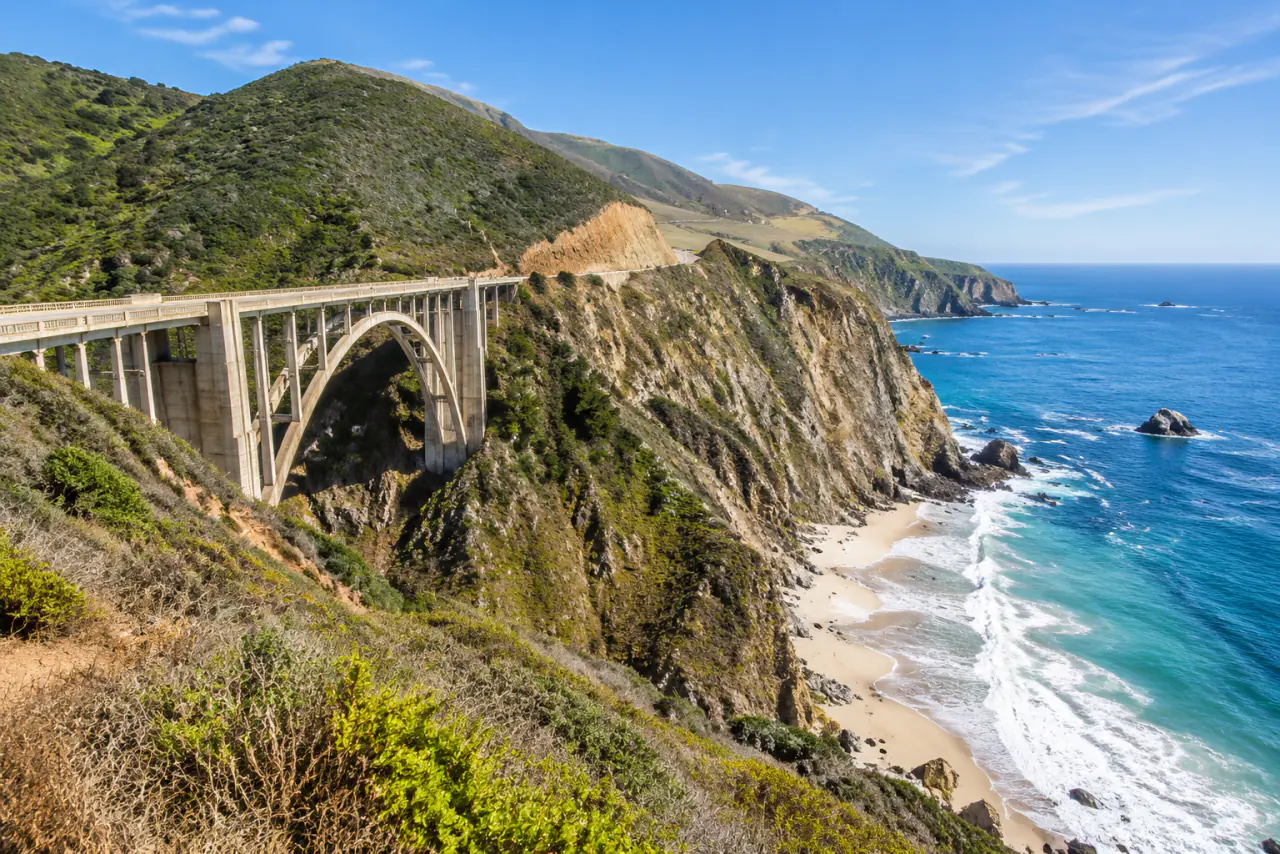
The route from Carmel to Cambria is about 160 kilometers long, with the highway clinging to cliffs between the mountains and the Pacific. Bixby Bridge, McWay Falls, and Pfeiffer Beach are all easy to see from roadside parking. Farther south, Piedras Blancas has elephant seals. The full route reopened after repairs to the landslide section in January 2026, but heavy winter rain can still cause temporary closures.
Gas stations are few and expensive along the route, so fill up before leaving Monterey. Driving north to south puts you on the ocean side and makes parking easier.
-
 5
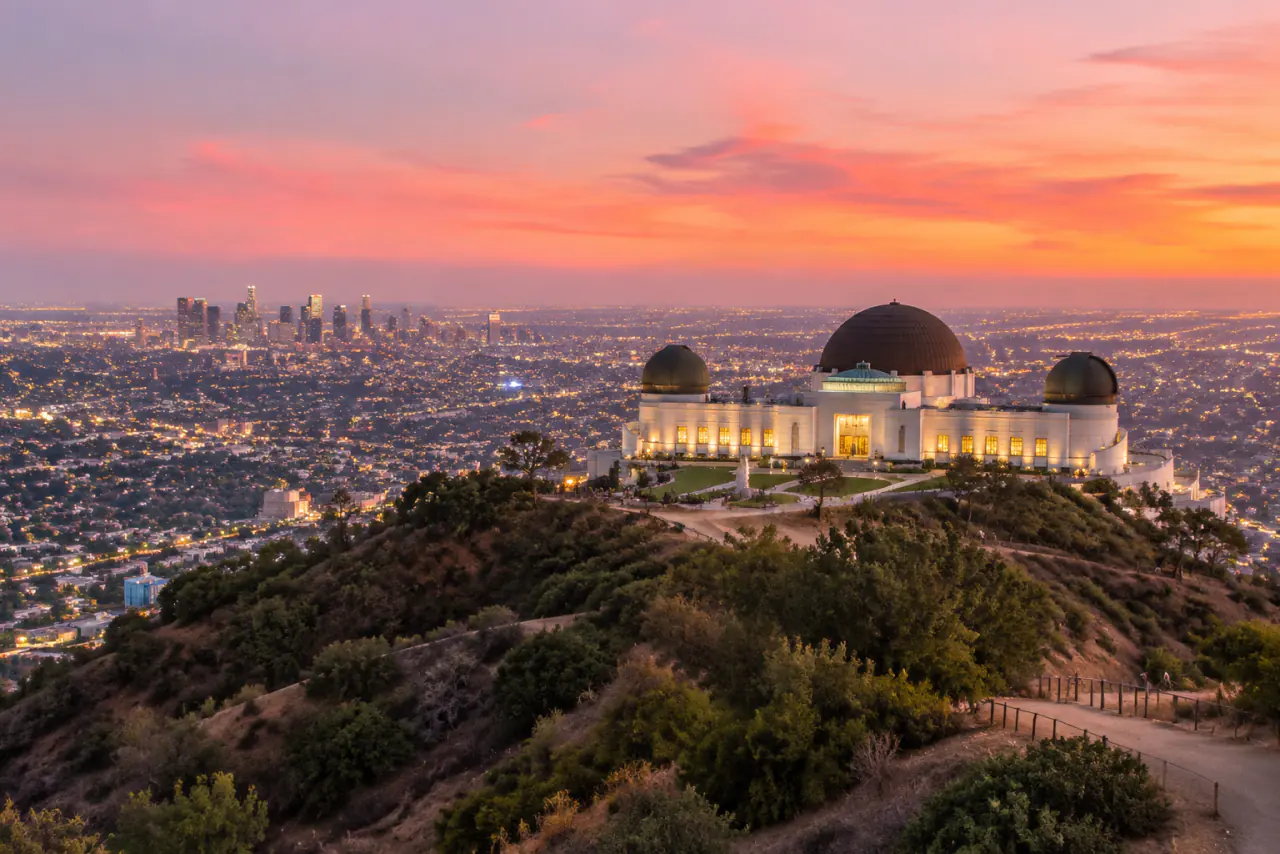
Griffith Observatory
This white observatory on the Hollywood Hills offers one of the easiest views of Los Angeles and the Hollywood Sign, and admission is free. Come in the evening: watch the sunset, then see the city lights stretch to the coast. On a clear night, you can also line up to use the public telescopes. The astronomy exhibits are worth a look, while planetarium shows cost extra.
Closed Mondays. Parking on the hill is difficult on weekends, so you can take the DASH Observatory shuttle up.
-
 6
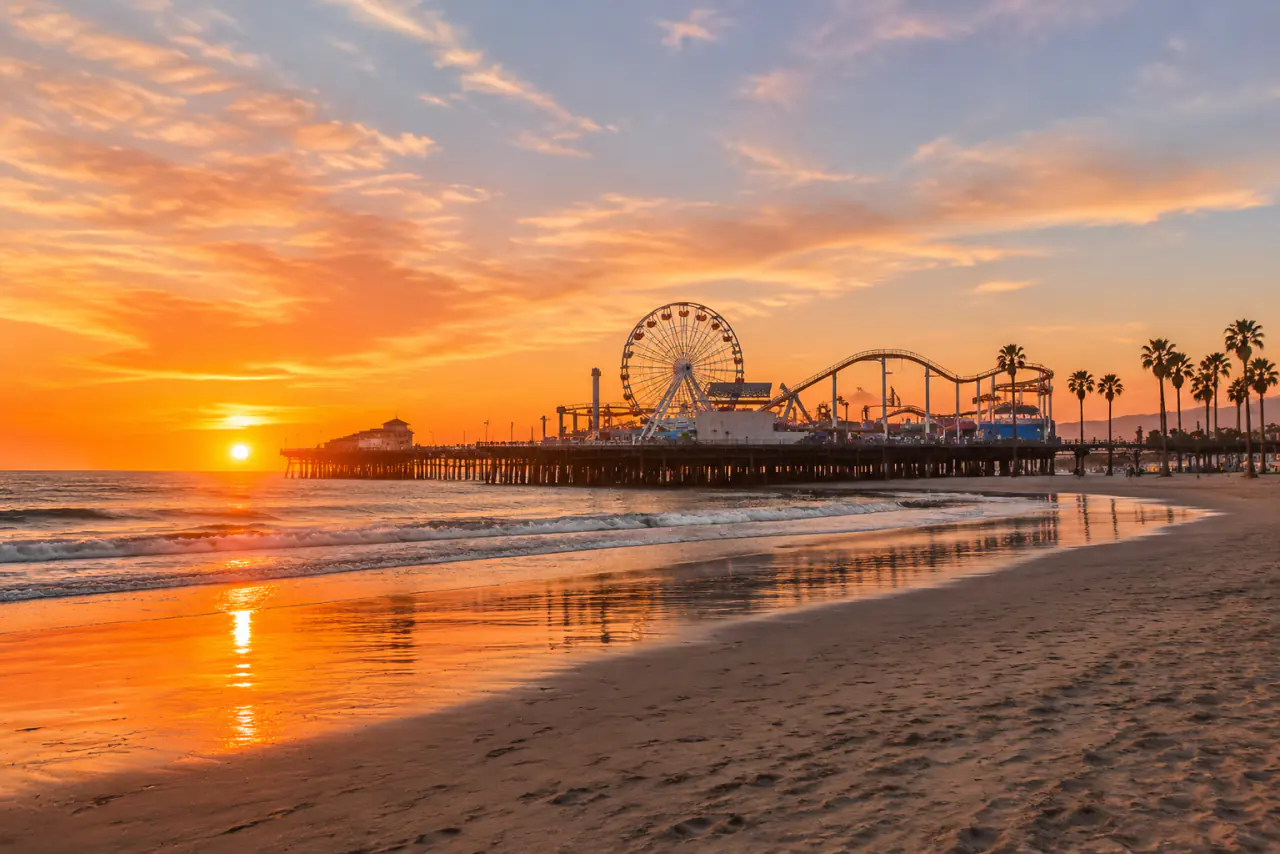
Santa Monica Pier
This is Los Angeles's most iconic waterfront spot. The wooden pier has a Ferris wheel and small amusement park, and marks the western end of Route 66. Ride south on the coastal bike path for about 20 minutes to reach Venice Beach, with its skate park, Muscle Beach, and canals. Sunset over the Pacific is best in the evening.
The ocean is cool year-round, so choose July–September if you want to swim. Nearby parking lots fill up early on weekends.
-
 7
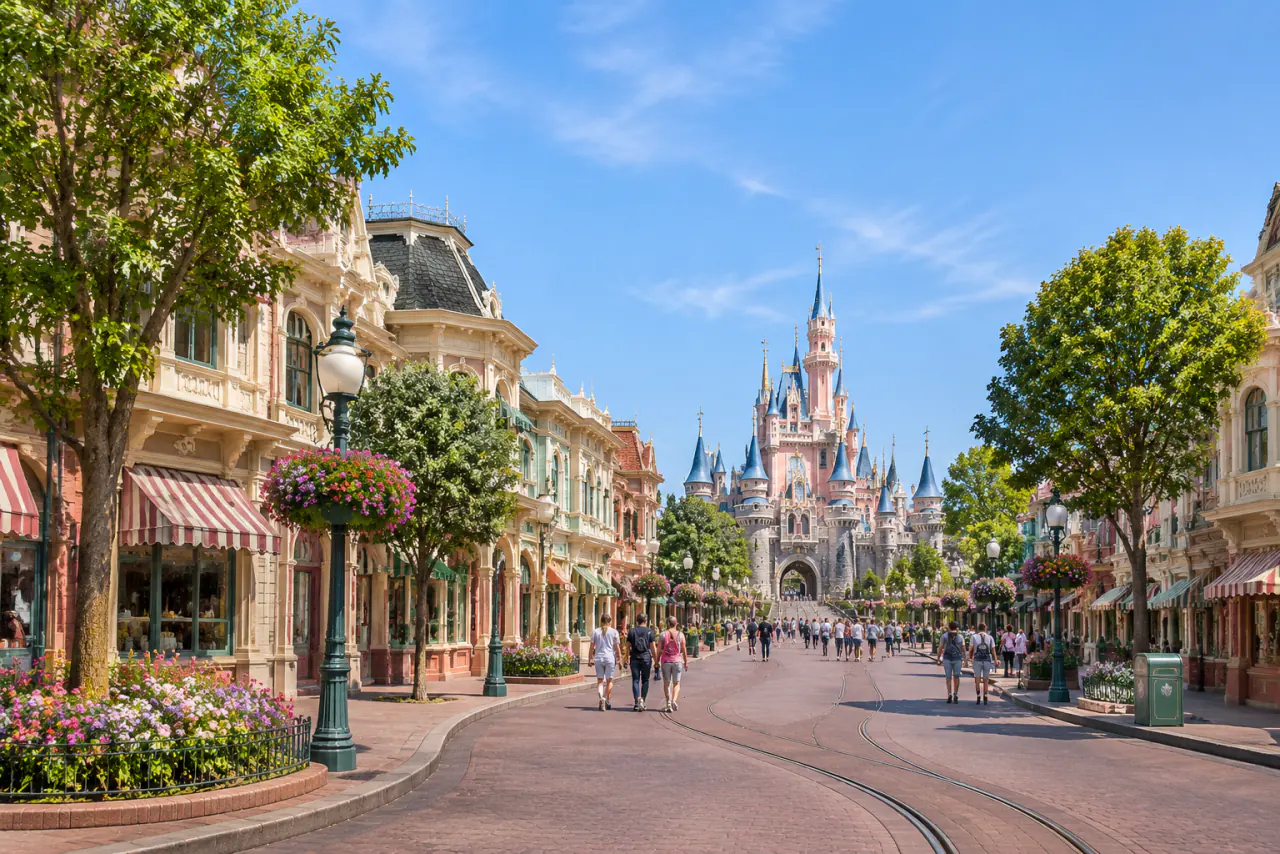
Disneyland Resort & Universal Studios Hollywood
Southern California's two major theme parks: Disneyland Resort in Anaheim has the first Disneyland, opened in 1955, and the neighboring Disney California Adventure Park. Universal Studios Hollywood sits north of the Hollywood Hills and has a studio tram tour and The Wizarding World of Harry Potter. The two are about 1 hour apart by car. Plan a full day for each, or at least two days with children.
Ticket prices vary by date and are cheaper on weekdays outside holiday periods. Buy only from the official website or an authorized seller.
-
 8
San Diego
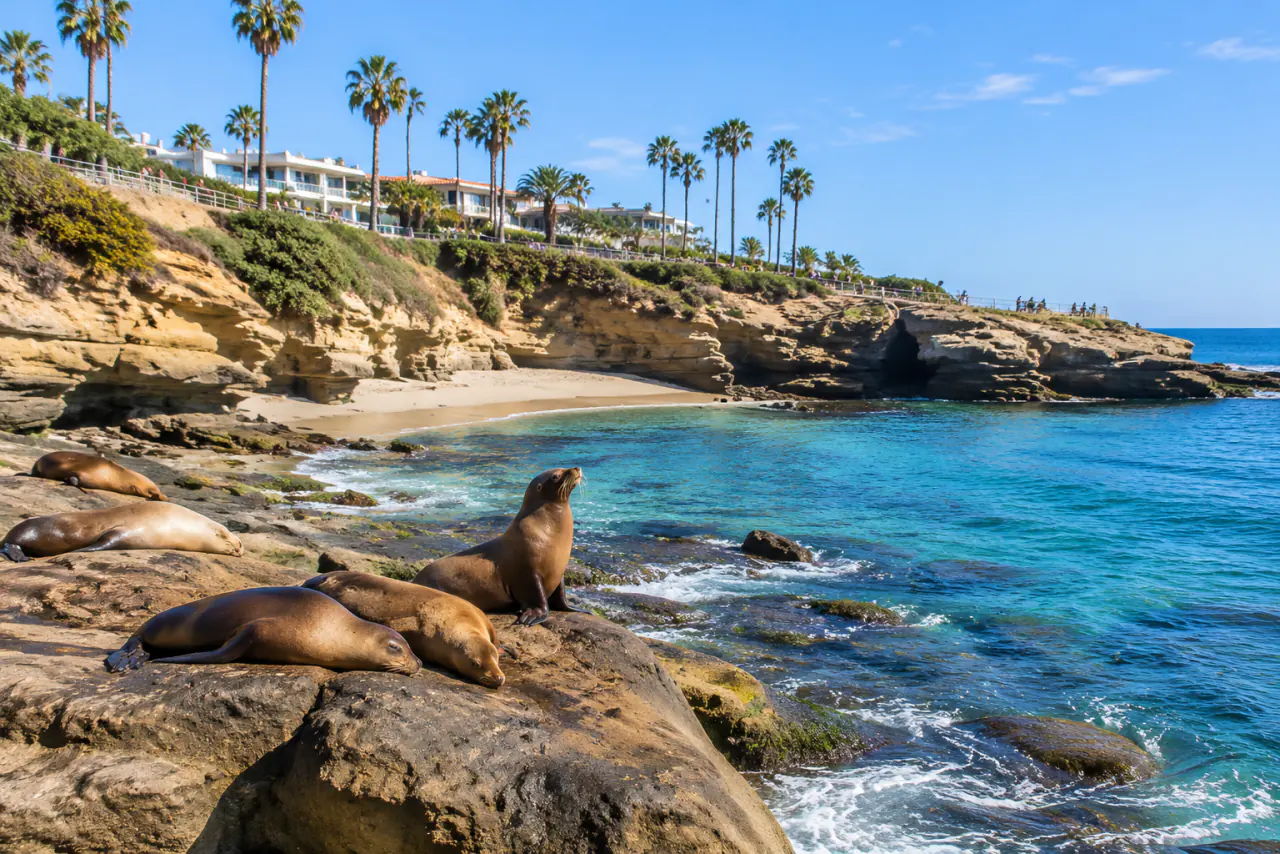
This harbor city at California's southern tip has mild weather year-round and a slower pace than Los Angeles. Balboa Park is packed with museums and sits next to the San Diego Zoo. The USS Midway Museum is docked downtown on the waterfront. Sea lions and seals lounge on the rocks at La Jolla Cove, where you can see them up close. The Mexican border is only about a 30-minute drive away.
Do not approach or touch the sea lions and seals at La Jolla. Keep several meters away. Some beaches close during breeding season.
-
 9
Joshua Tree National Park
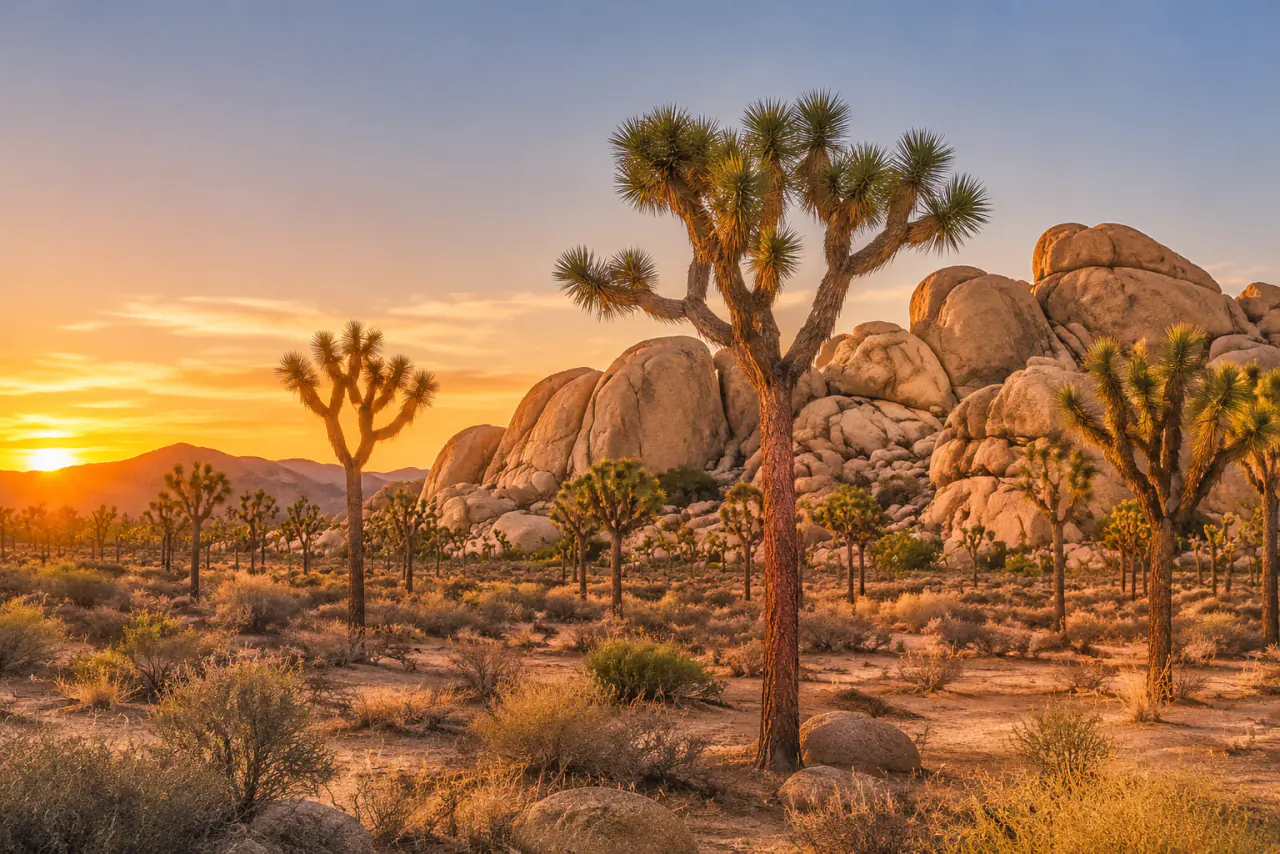
Two deserts meet here, with strange-shaped Joshua trees and granite boulders piled into small hills. It is ideal for climbing, short hikes, and stargazing. The drive from Los Angeles takes about 2.5 hours, and you can combine it with Palm Springs. Hidden Valley, Skull Rock, and the Cholla Cactus Garden are all along the main road and can be sampled in a day.
There are no gas stations and almost no cell service in the park, so bring plenty of water. Avoid hiking at midday from May–September.
-
 10
Napa Valley
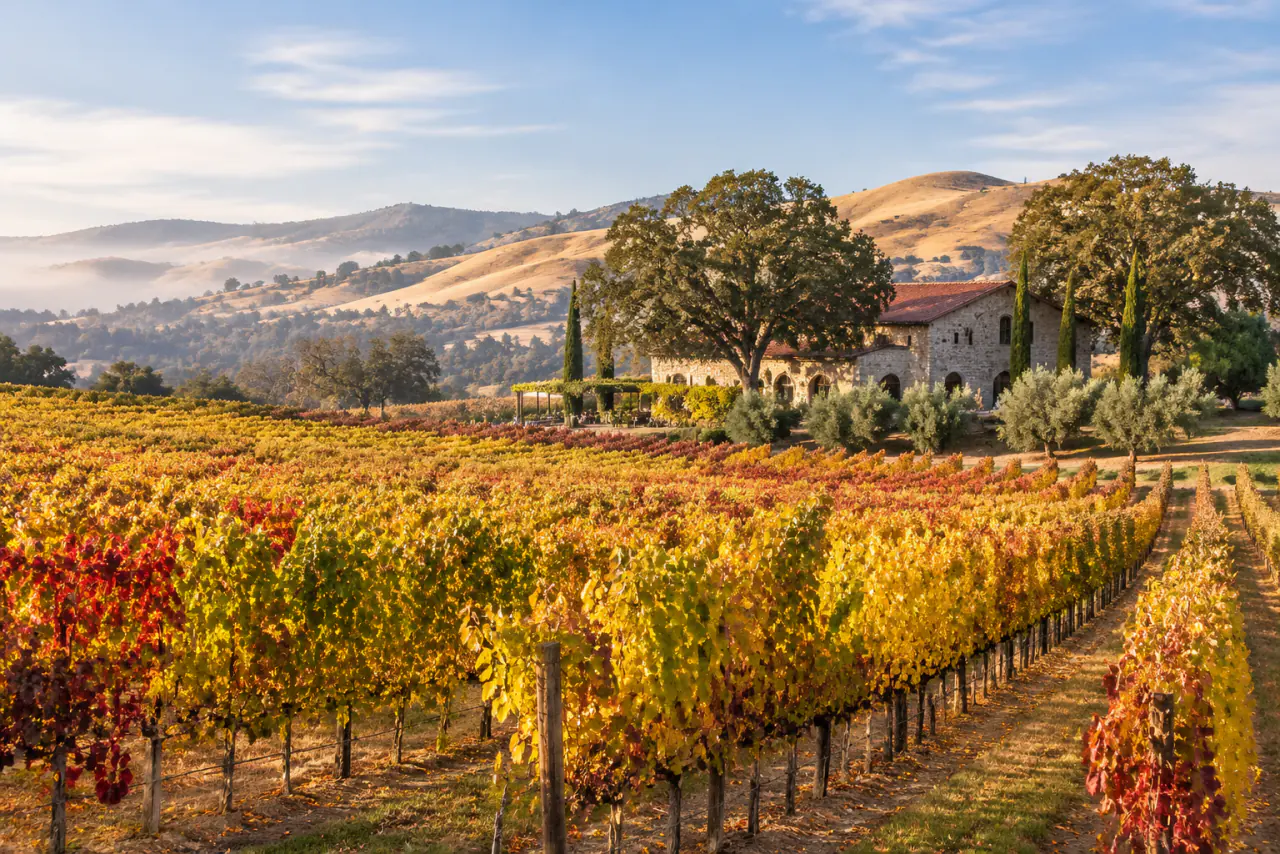
This wine region is about a 1.5-hour drive north of San Francisco. Wineries line both sides of Highway 29, and Cabernet Sauvignon is the specialty. Most wineries require advance reservations for tastings, usually 4–5 wines per visit. Tastings often cost more than $50 per person, and some can be paired with food. Harvest season in September–October is the liveliest and most expensive. Neighboring Sonoma has more small wineries and somewhat lower prices.
Do not drive after wine tasting; DUI enforcement is strict in the U.S. Join a tour, hire a car and driver, or stay in town.
What to eat

Clam chowder in a sourdough bowl
A hollowed-out sourdough loaf serves as a bowl for creamy clam chowder. After finishing the soup, tear into the bread. The sourdough has a mildly tangy flavor and is a longtime San Francisco specialty. Fisherman's Wharf has the most options, and a bowl is especially comforting in the sea breeze.
Around Fisherman's Wharf, Pier 39, and the Ferry Building. · About $12–20 per serving
Dungeness crab
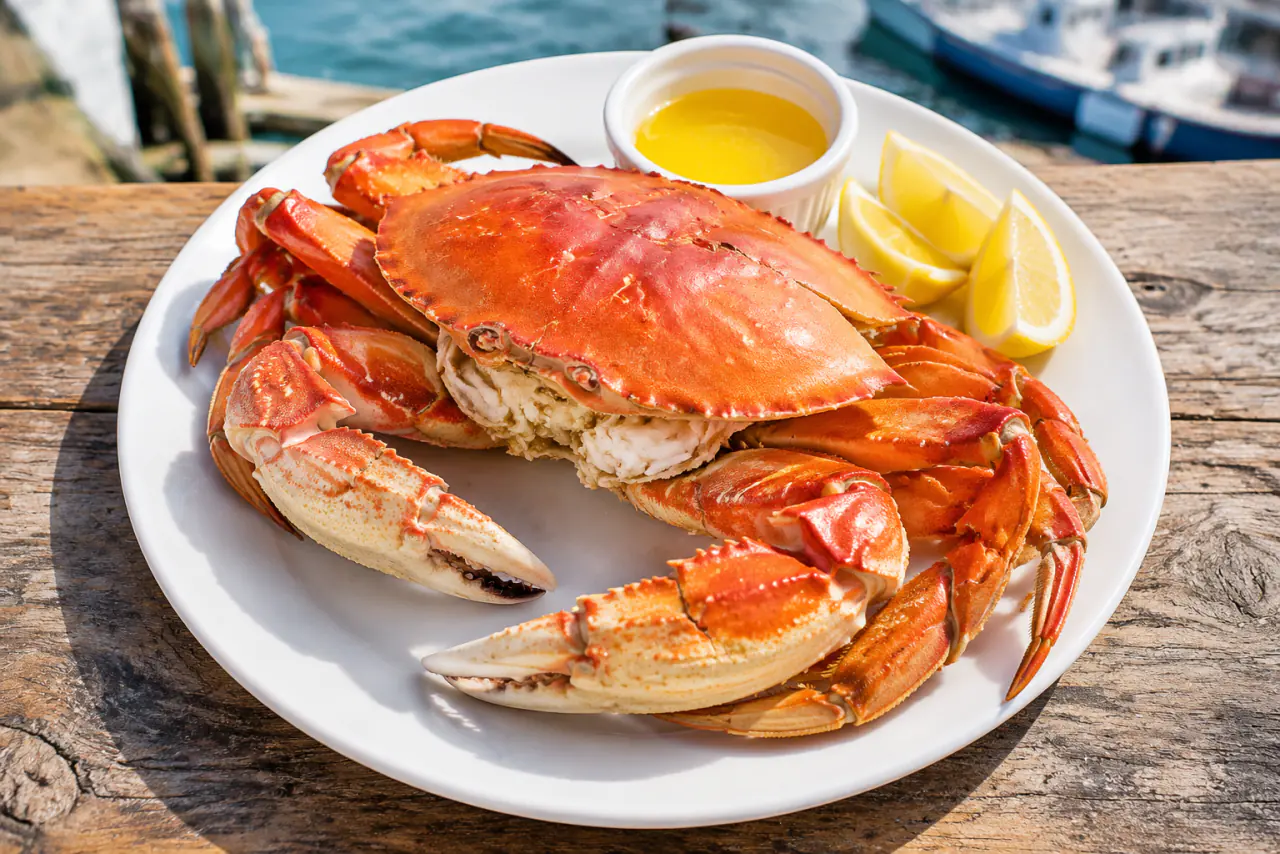
This seasonal Bay Area seafood is large and sweet. It is often boiled whole and served with butter, or roasted with garlic. Chinese restaurants also serve it stir-fried with ginger and scallions. The season generally starts in winter, but the opening date is often delayed because of whales and water quality. Ask whether it is fresh and in season before ordering.
Street stalls at Fisherman's Wharf, and Chinese restaurants in the Sunset and Richmond districts. · Priced by weight at the market rate
Mission burrito
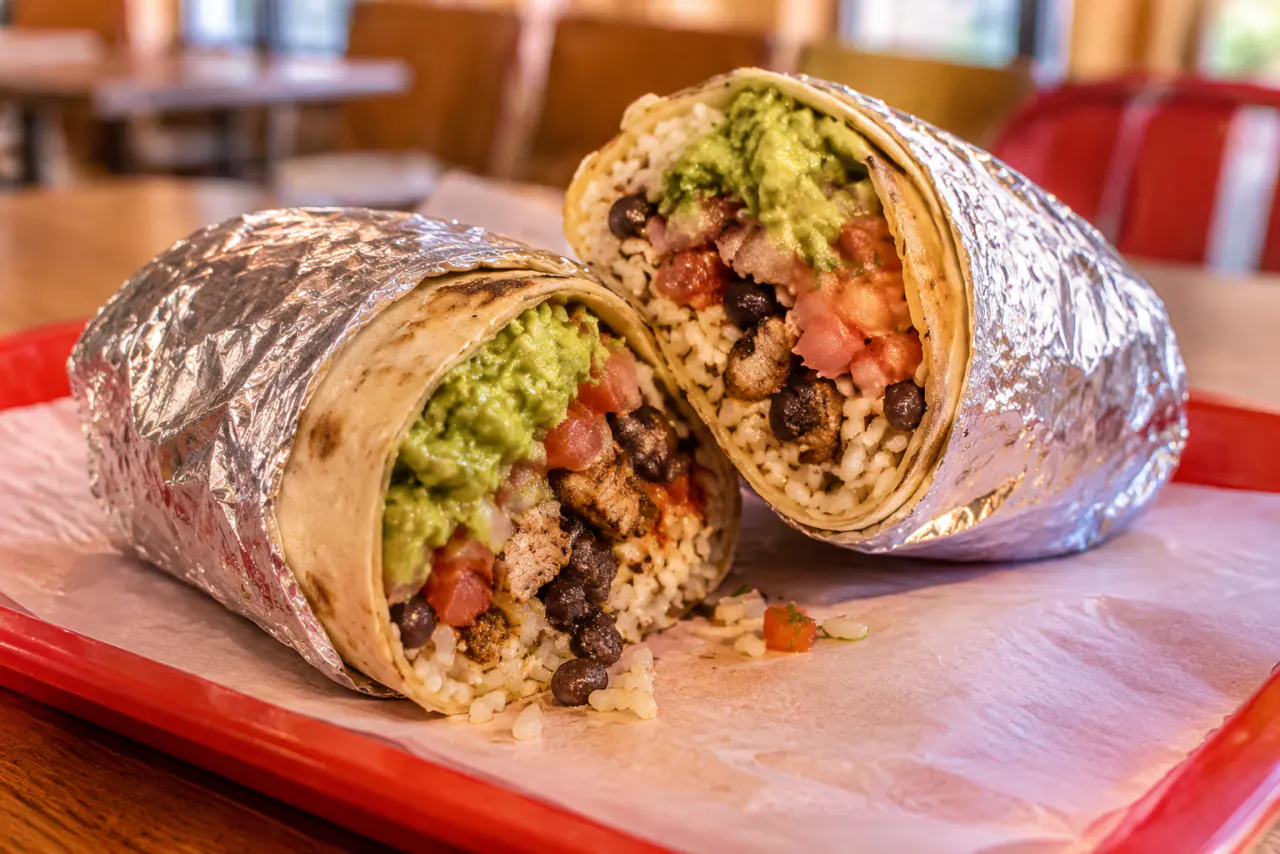
Developed in San Francisco's Mission District, this oversized Mexican burrito packs rice, beans, grilled meat, salsa, and guacamole into a steamed flour tortilla wrapped in foil. One is a full meal. The Mission has many small shops along the streets; order in line and watch it get rolled fresh.
Around 24th Street and Valencia Street in the Mission District. · About $12–18 each
Baja fish tacos
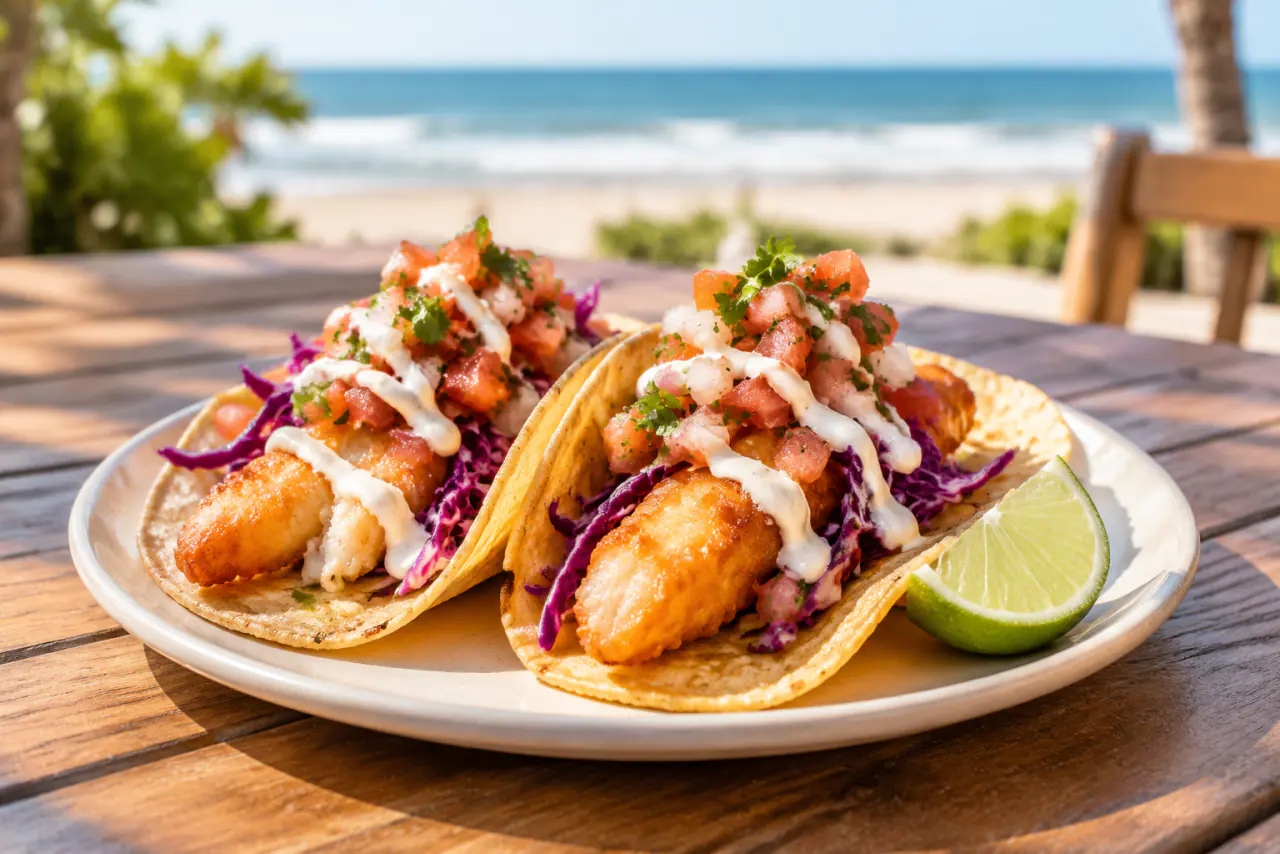
A San Diego staple originating in Mexico's Baja California: crispy battered white fish topped with shredded purple cabbage, sour cream sauce, and lime in a corn tortilla. They taste best by the water. Grilled fish versions are also available and lighter.
Beach areas, La Jolla, and Old Town San Diego. · About $5–8 each
Koreatown Korean BBQ
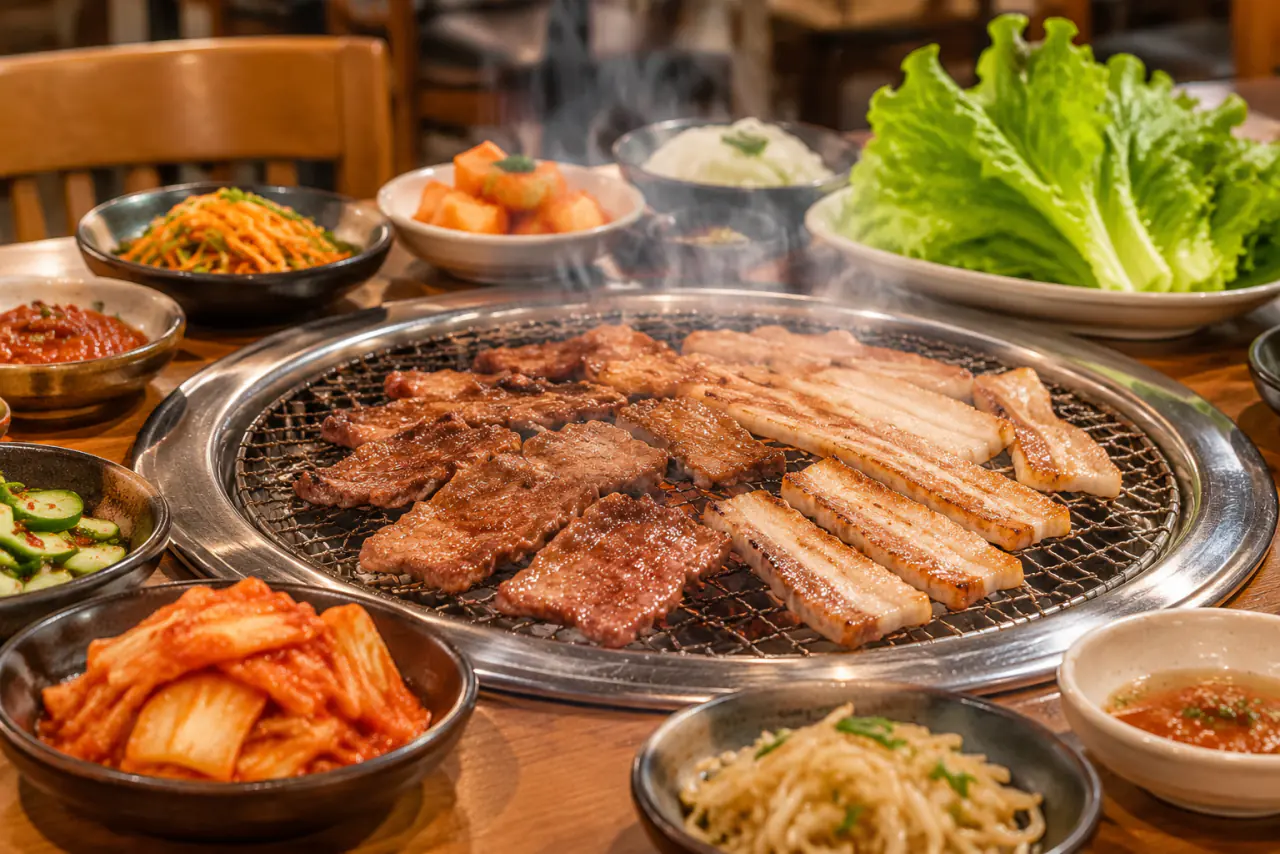
Los Angeles's Koreatown is one of the largest Korean communities outside Korea, with barbecue restaurants open late into the night. Beef belly and short ribs cook at the table alongside an array of complimentary refillable side dishes. Many restaurants offer fixed-price all-you-can-eat meals. It is liveliest with a group at dinner.
Around Wilshire Boulevard and Western Avenue in Koreatown. · About $35–60 per person (before tip)
Getting there · Where to stay
Nonstop flights connect Los Angeles and San Francisco with Beijing, Shanghai, and Guangzhou. Xiamen has nonstop flights to Los Angeles, and Wuhan has nonstop flights to San Francisco. Flights take about 11–13 hours. Routes change often, so check with the airline.
The flight takes about 1.5 hours. Driving on Interstate 5 takes about 6 hours; Highway 1 takes at least 2 days.
The flight to Los Angeles takes about 1 hour. Driving takes about 4–5 hours, with frequent traffic on Friday afternoons and on the return trip Sunday.
In San Francisco, stay near Union Square or Fisherman's Wharf for easy transportation. Lodging in Yosemite Valley is limited and expensive, so consider El Portal or Mariposa outside the park. In Los Angeles, choose Santa Monica or Hollywood based on your itinerary rather than saving money by staying far out.
Know this before you go
- Nonresidents pay an additional $100 per person to enter Yosemite. If there are two or more adults in the same car, or you are also visiting other national parks, the $250 nonresident annual pass is usually a better deal.
- Driving rules depend on your passport and driver's license. Check the official requirements before you go. If a translation is required, bring a certified English translation along with your passport, and confirm the rental company's requirements before booking.
- Listed prices do not include sales tax (about 7–10%). Tip 18–22% of the pre-tax bill at restaurants. Some restaurants already add a service charge, so check the bill carefully.
- Car break-ins and theft are common in San Francisco and Los Angeles. Do not leave anything visible in the car, including luggage.
- San Francisco is often only 15–20°C in summer, so bring a jacket for the coast. Inland areas and the desert can exceed 40°C on the same day.
Source (2026-11)
NPS Yosemite: Fees & Passes (including the $100 nonresident surcharge), NPS Yosemite: No entry reservations required in 2026, NPS: Entrance Passes ($80 resident / $250 nonresident annual pass), NPS:Nonresident Fees, NPS Alcatraz:Fees & Passes, NPS Joshua Tree:Entrance Fees, Caltrans:Highway 1 to Reopen Today at Regent's Slide(2026-01-14), Griffith Observatory:Visit, California DMV:Driver's Licenses, FlightConnections: nonstop routes from LAX / SFO