Cloudborne Travel
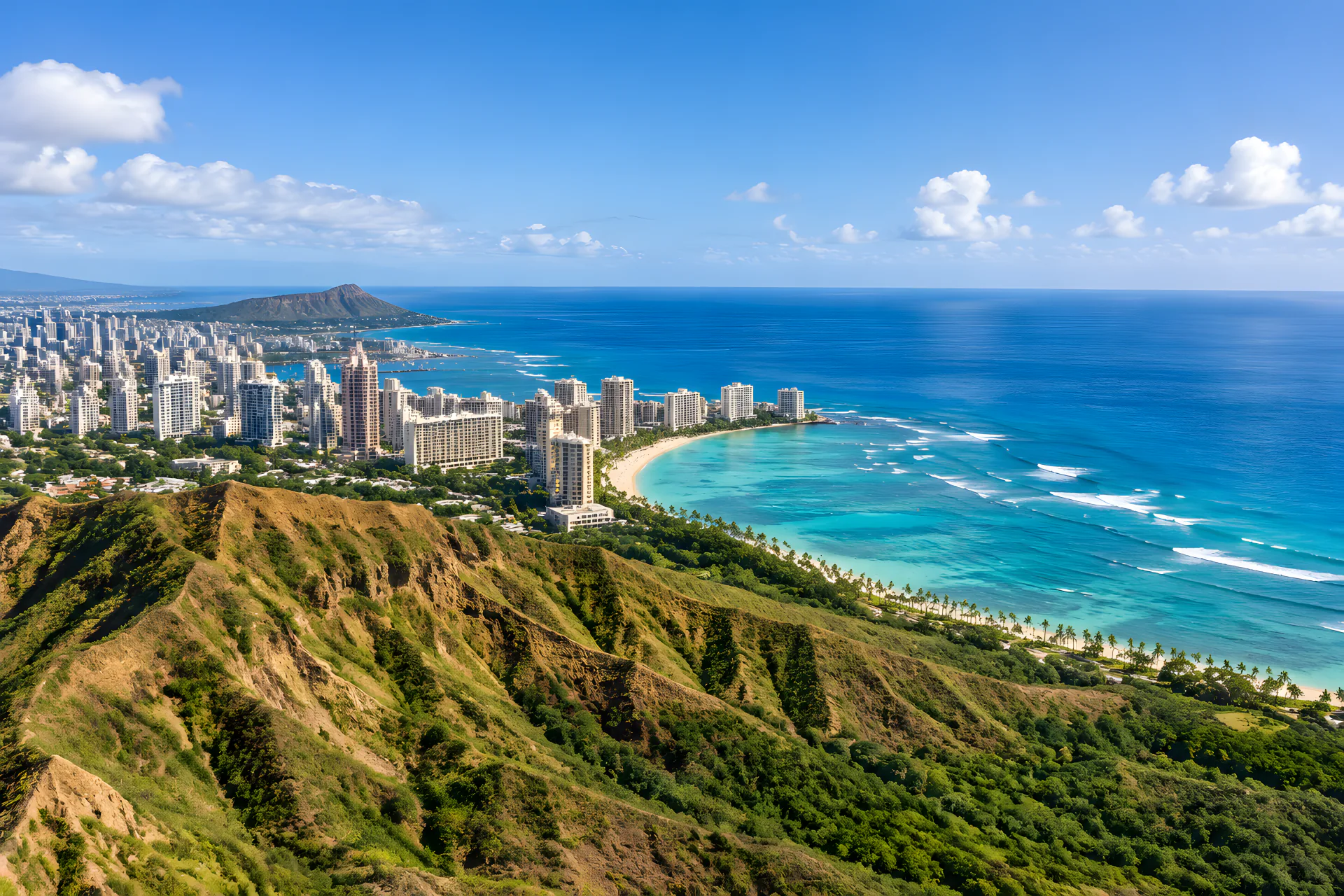
Hawaii lies in the middle of the Pacific and is made up of several major islands, each with its own character. Oahu has Honolulu, Waikiki, and Pearl Harbor and is the easiest base. Maui is known for sunrise at Haleakalā and the Road to Hana. Hawaiʻi Island has active volcanoes and stargazing at Maunakea. Kauaʻi is all about canyons and the Nāpali Coast. First-time visitors usually choose Oahu plus one neighbor island. 7–8 days is ideal.
Hawaii is more than a place to lie on the beach. Many popular sights now require reservations. Diamond Head, Hanauma Bay, the USS Arizona Memorial at Pearl Harbor, and sunrise at Haleakalā all require advance online booking. Release times follow Hawaii time (UTC−10), so set an alarm in your own time zone.
Outside Waikiki, you will generally need a rental car on every island. Interisland flights take less than 1 hour, but allow time to get to the airport and return the car. Do not pack too much into an island-hopping day. Hawaii is expensive, and hotel taxes and fees are high, so budget more than you would for the mainland United States.
Hawaii is a year-round destination. April–May and September–October are less crowded and cheaper. Humpback whales visit Maui's waters from December–March. Winter waves on the North Shore are too rough for swimming.
Monthly weather
Based on HonoluluBest time to visit Monthly precipitation (mm) Open-Meteo (ERA5), 1996–2025 average
| Month | Average high (°C) | Average low (°C) | Monthly precipitation (mm) | Days with 1 mm or more of precipitation |
|---|---|---|---|---|
| Jan | 25.8 | 20.7 | 44 | 8 |
| Feb | 25.5 | 20.5 | 36 | 7 |
| Mar | 25.8 | 20.9 | 53 | 10 |
| Apr(Good time to visit) | 26.6 | 21.7 | 31 | 10 |
| May(Good time to visit) | 27.7 | 22.4 | 32 | 9 |
| Jun(Good time to visit) | 28.7 | 23.4 | 23 | 7 |
| Jul | 29.2 | 24 | 21 | 8 |
| Aug | 29.6 | 24.4 | 23 | 7 |
| Sep(Good time to visit) | 29.7 | 24.2 | 18 | 6 |
| Oct(Good time to visit) | 29 | 23.9 | 30 | 7 |
| Nov | 27.5 | 22.8 | 44 | 8 |
| Dec | 26.3 | 21.6 | 51 | 8 |
Sights
-
 1
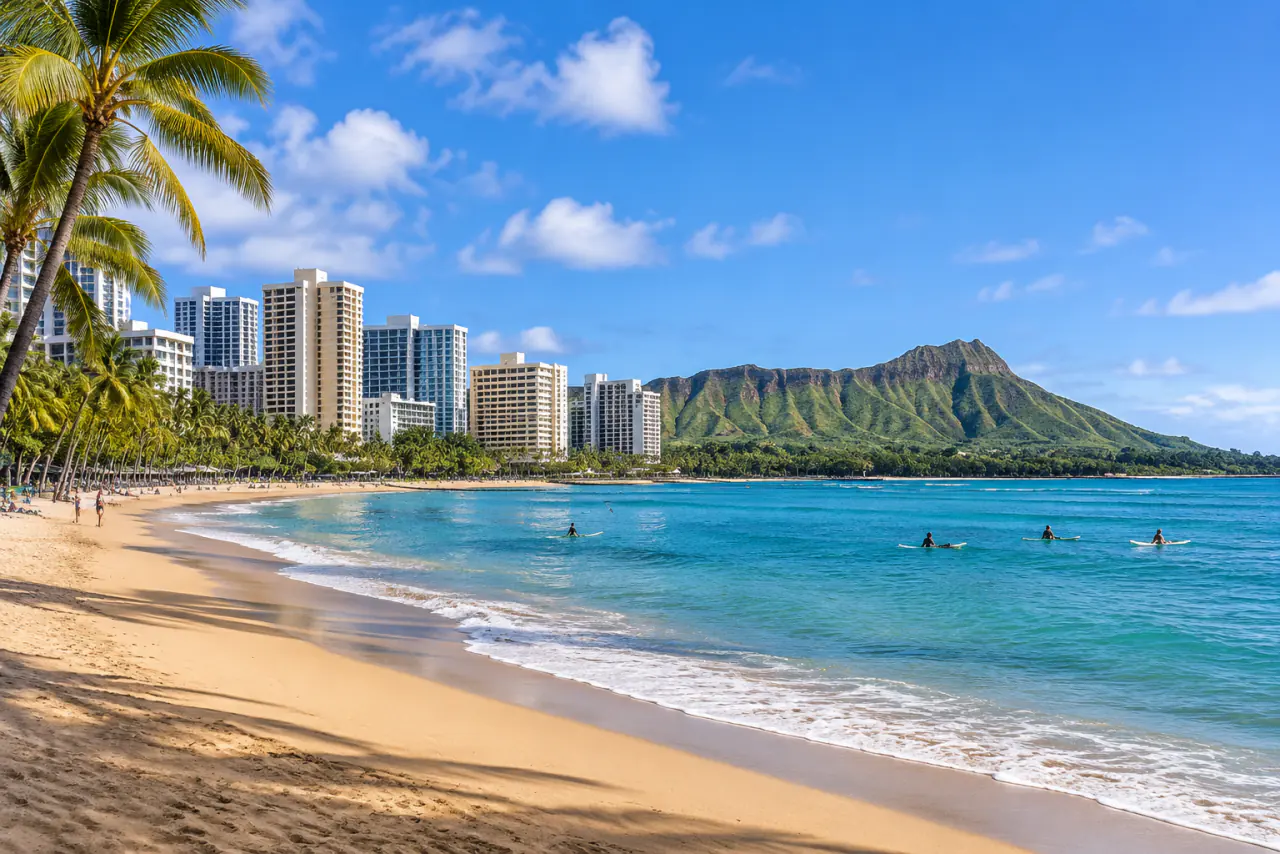
Waikiki Beach
Honolulu's urban beach is lined with hotels, malls, and restaurants. The small waves are good for first-time surfers and stand-up paddleboarders, and you can rent boards and book lessons right on the beach. Sunset is best enjoyed from the sand. Kapiʻolani Regional Park at the eastern end is quieter and offers views of Diamond Head.
When sea turtles come ashore to rest, stay at least about 3 meters away. Do not leave valuables on the beach.
-
 2
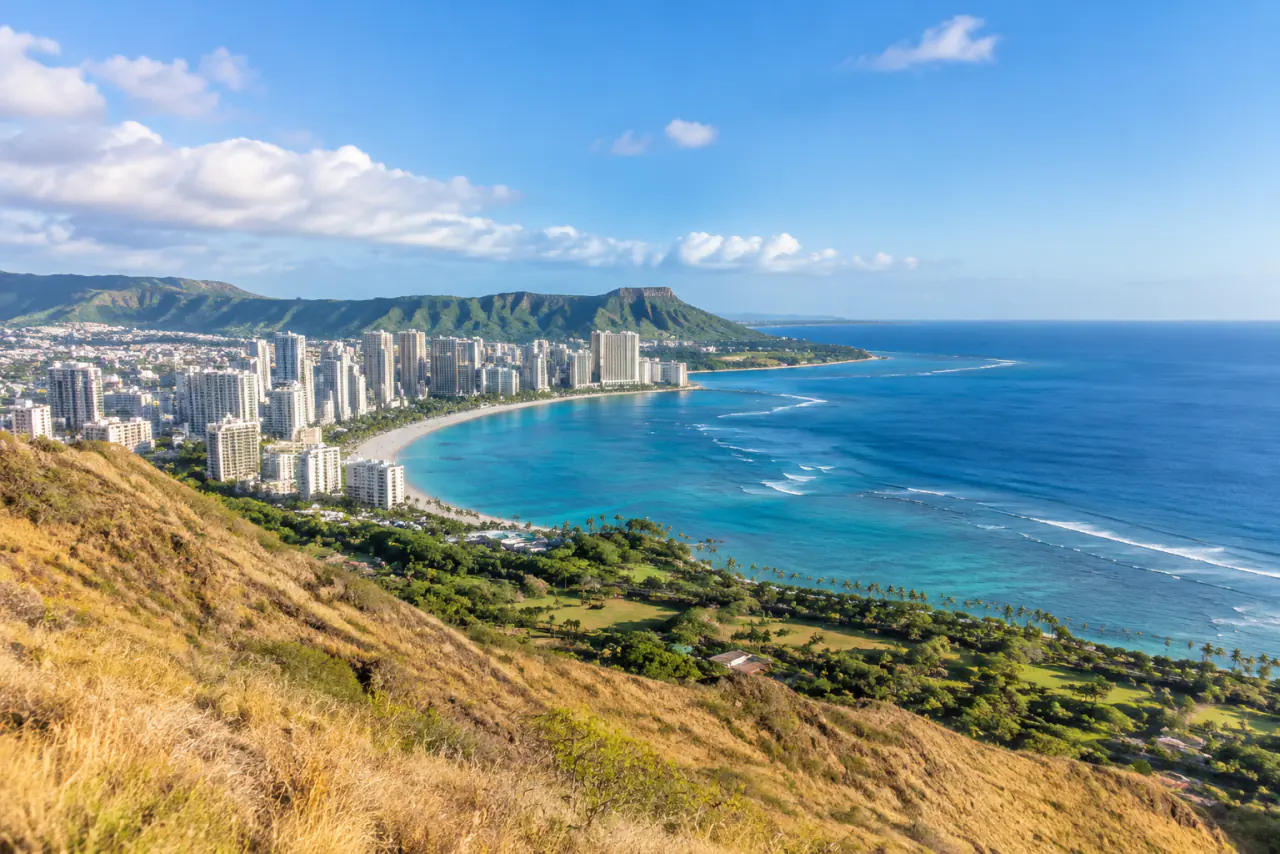
Diamond Head State Monument
This volcanic crater east of Waikiki has a trail that climbs from inside the crater to an old summit bunker. The one-way route is about 1.3 kilometers and includes stairs and a tunnel. From the top, you can look over the entire Waikiki coastline. Visitors who are not Hawaii residents must reserve an entry time in advance on the state park website. Reservations open about 30 days ahead, and the early time slots around sunrise are the most popular.
After 10 a.m., the trail is intensely sunny with almost no shade. Bring enough water and wear athletic shoes.
-
 3
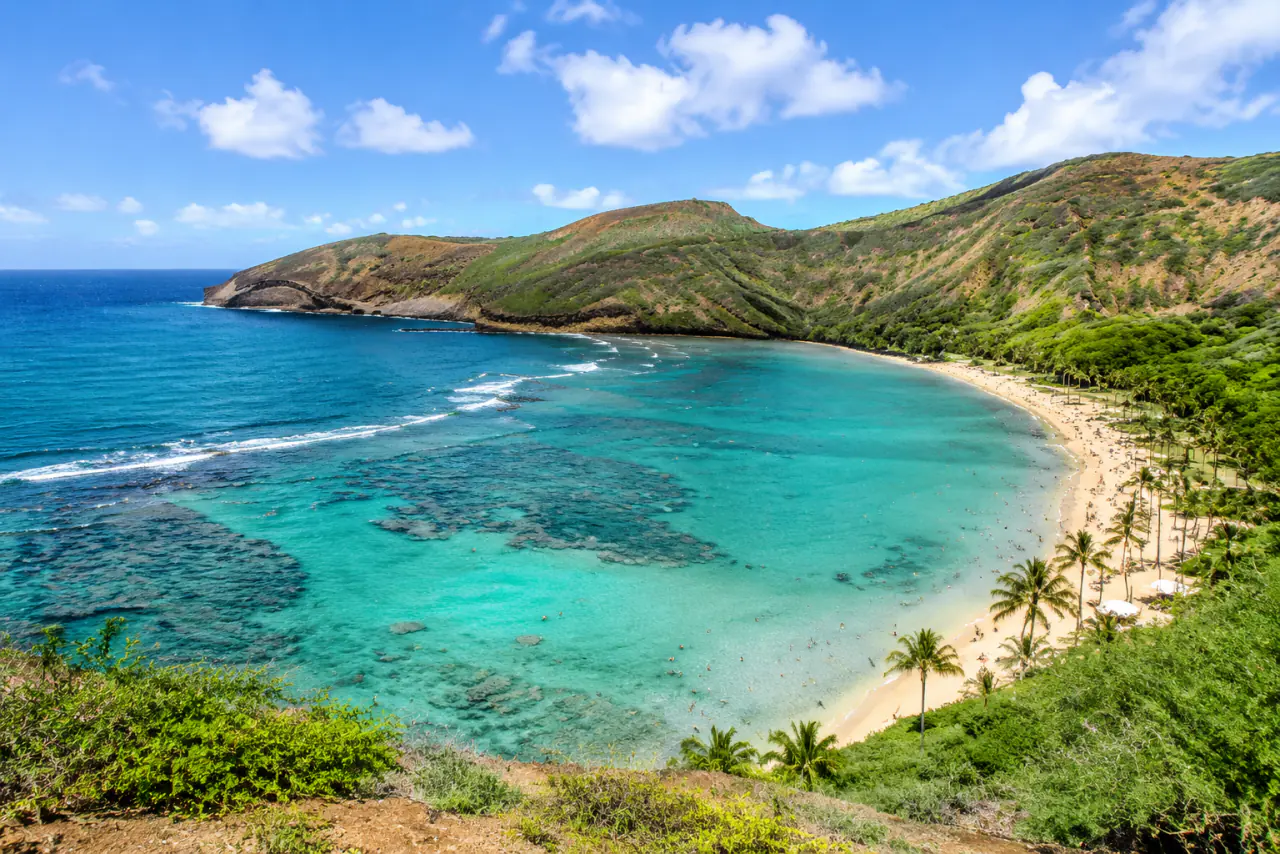
Hanauma Bay Nature Preserve
This semicircular bay formed when a volcanic crater collapsed. Its waters are a coral reef preserve where you can see tropical fish while snorkeling, and you may spot sea turtles. Nonresidents must book online at 7 a.m. Hawaii time, two days before entry. The preserve is open only Wednesday–Sunday. Before entering, you must watch a short conservation video.
Use sunscreen that does not contain oxybenzone. Do not stand on coral at low tide.
-
 4
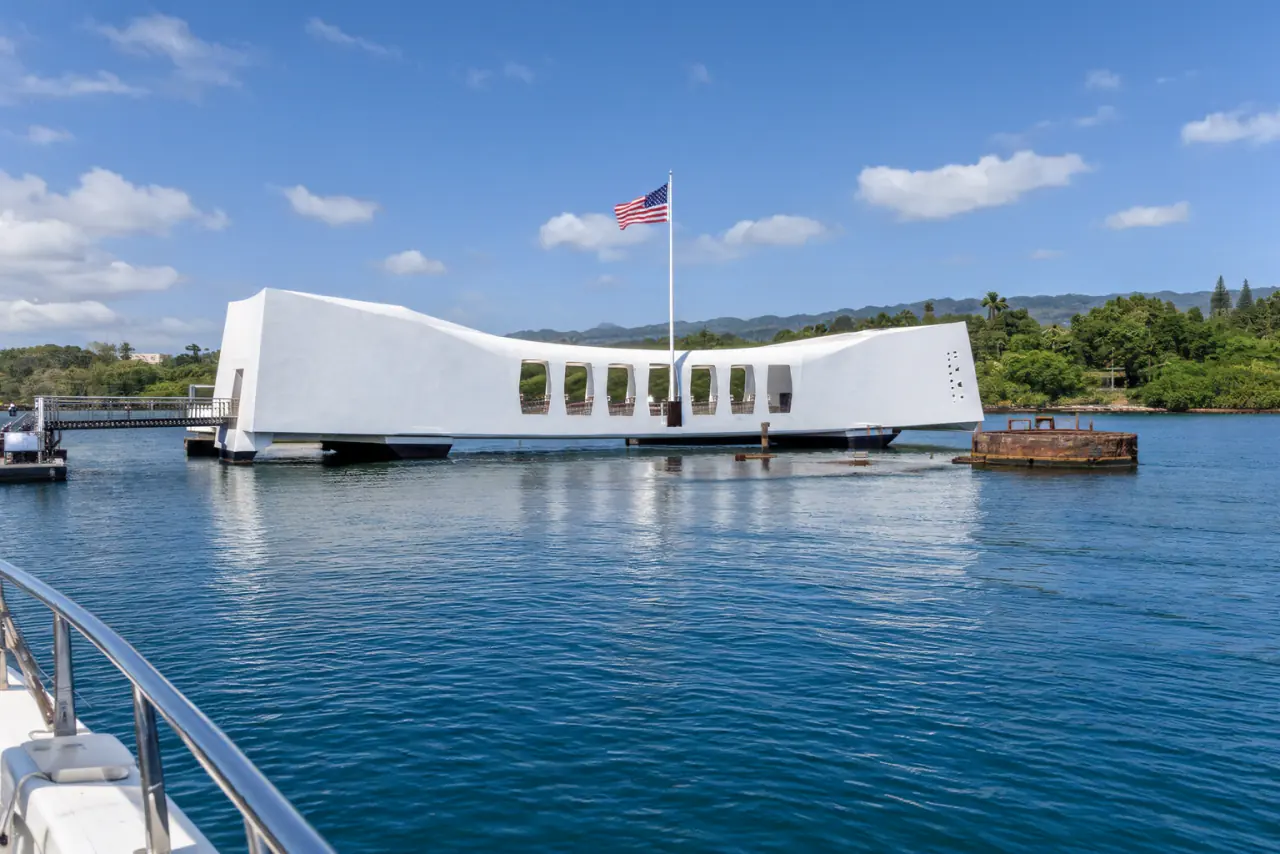
Pearl Harbor National Memorial
This historic site commemorates Japan's 1941 attack on Pearl Harbor. The National Park Service's USS Arizona Memorial is free and includes a documentary and a boat ride to the white memorial above the sunken battleship. The visit takes about 75 minutes. Oil still seeps from the wreck below the memorial. The nearby USS Missouri battleship and aviation museums require separate tickets.
Bags are not allowed in the park. Paid storage is available at the entrance. Same-day free tickets are no longer distributed at the memorial.
-
 5
North Shore, Oahu
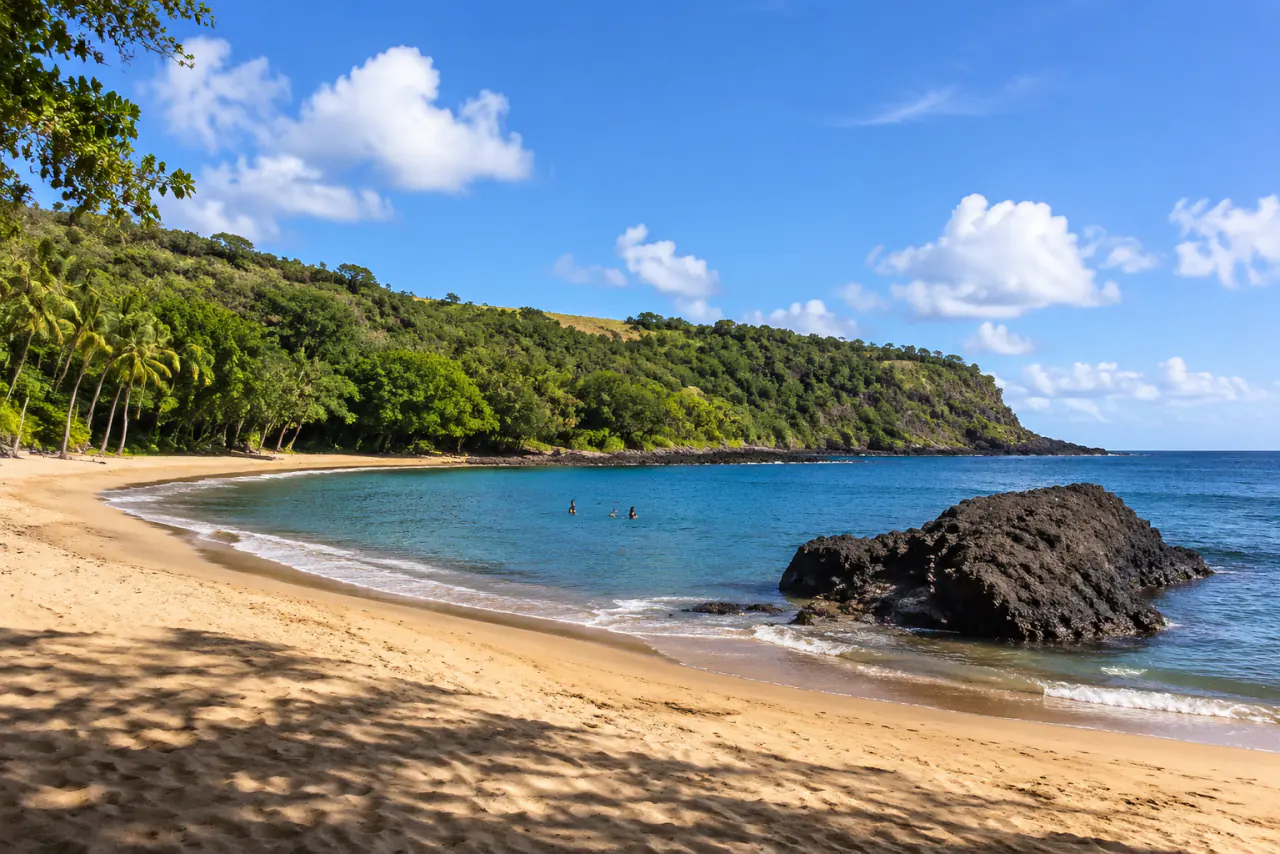
The North Shore is about a 1-hour drive from Waikiki and has a much slower pace. From December–February, waves several meters high make it a world-class surfing destination. In summer, the water is calmer and better for swimming and snorkeling. The town of Haleiwa has shave ice and garlic shrimp trucks. Sea turtles often come ashore to bask at Laniakea Beach.
Winter waves on the North Shore are large and currents are strong. Stay out of the water when you see red flags or warning signs.
-
 6
Sunrise at Haleakalā
Haleakalā National Park
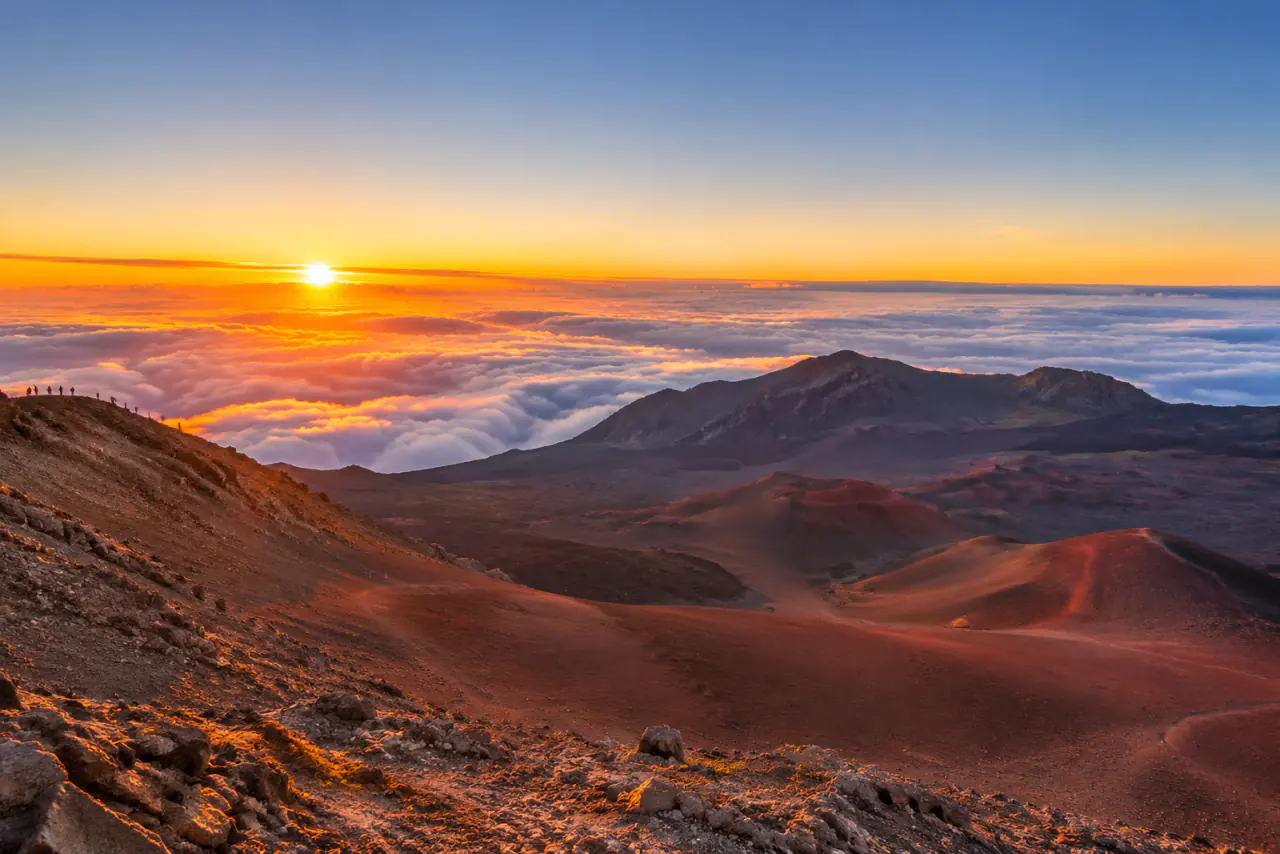
Maui's highest peak rises to about 3,055 meters and is topped by a red-brown volcanic landscape. Watching the sunrise above the clouds is Maui's signature experience. The drive from Kahului to the summit takes about 2 hours. Entry from 3–7 a.m. requires an advance reservation. The earliest reservations are released about 60 days ahead, with some additional slots released two days before. No reservation is needed for sunset or daytime entry.
Before sunrise, temperatures at the summit are often around 0°C, with strong winds. Bring a down jacket, hat, and gloves.
-
 7
Road to Hana
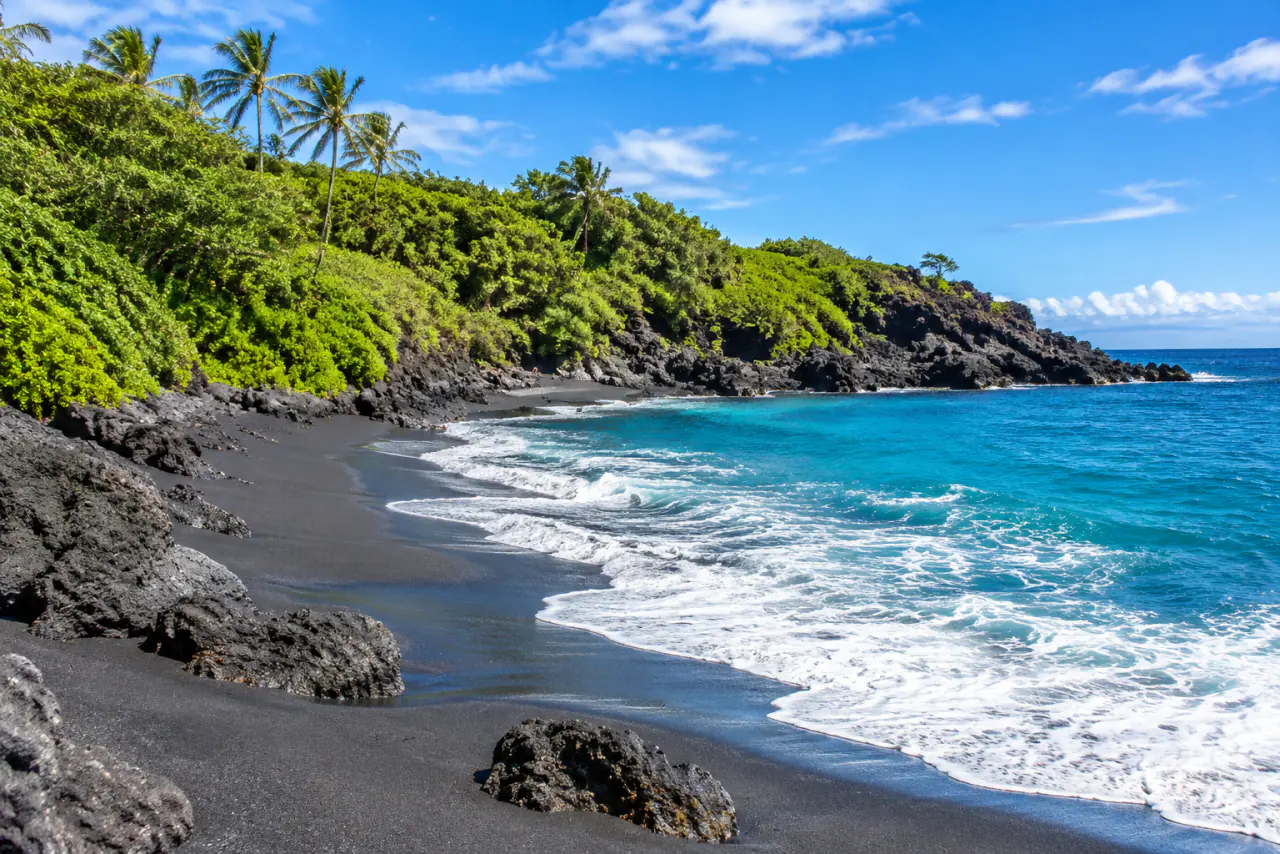
This mountain road follows Maui's northeast coast from Paia to Hana, covering about 80 kilometers with hundreds of curves and dozens of one-lane bridges. The route passes rainforests, waterfalls, and sea cliffs. It takes 2.5–3 hours without stopping, and a round trip with stops takes a full day. Waiʻānapanapa State Park along the way has a black-sand beach. Nonresidents must reserve entry and parking in advance.
Leave before 7 a.m. Do not park illegally or enter private land. Most rental agreements prohibit driving on the rough roads south of Hana.
-
 8
Hawaiʻi Volcanoes National Park
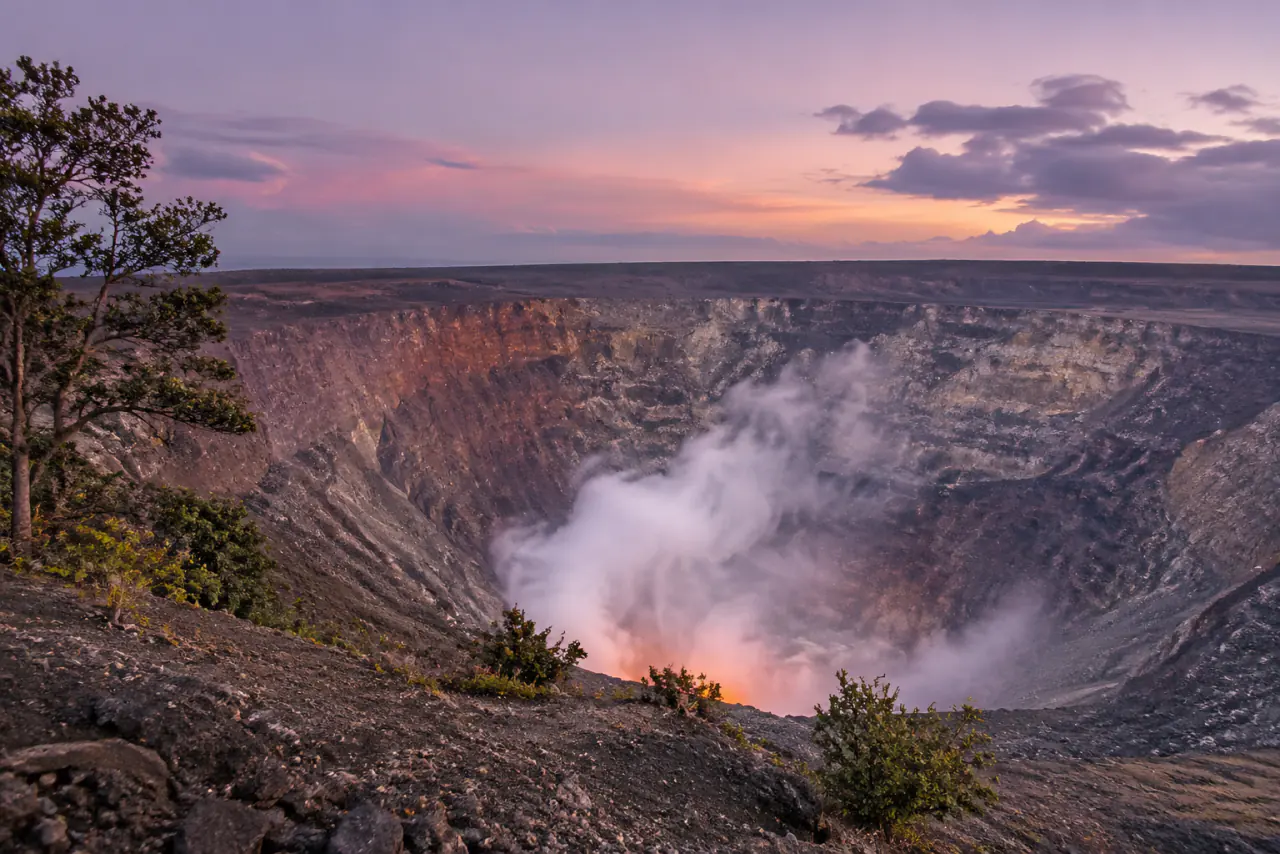
On the southeast side of Hawaiʻi Island, Kīlauea is one of the world's most active volcanoes. Along the Crater Rim Drive, you can see the steaming Halemaʻumaʻu crater, walk through part of Thurston Lava Tube, and follow Chain of Craters Road toward the coast to see a sea arch formed by lava flows. Whether you can see lava depends entirely on current volcanic activity. Check the U.S. Geological Survey's Hawaiian Volcano Observatory before you go.
Some areas may close because of volcanic gas or eruptions. People with heart or lung conditions, pregnant travelers, and those traveling with infants should pay attention to air-quality alerts.
-
 9
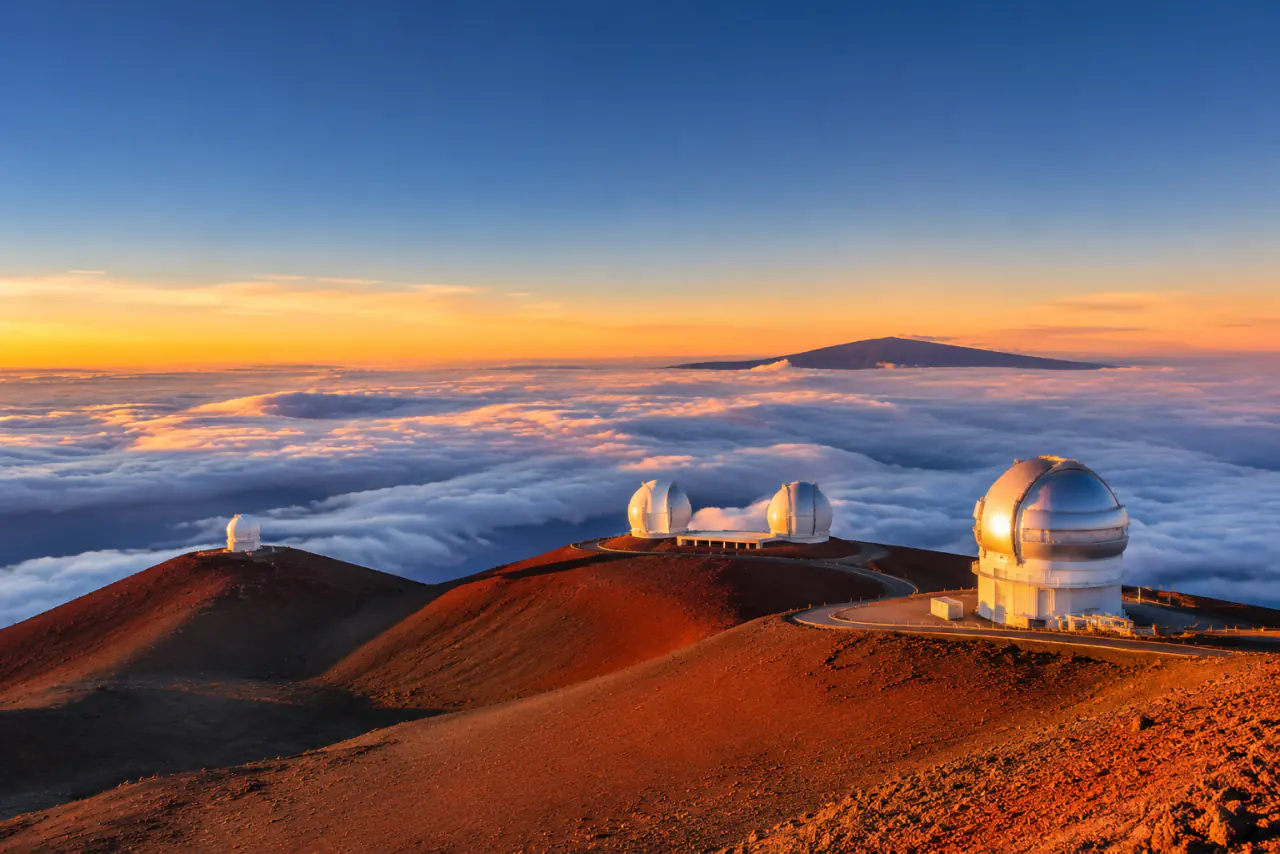
Stargazing at Maunakea
Maunakea
More than a dozen large astronomical telescopes stand at the summit, about 4,207 meters above sea level, making Maunakea one of the world's best stargazing sites. It is also a sacred mountain for Native Hawaiians. Most visitors drive to the Visitor Information Station at about 2,800 meters to acclimatize, watch the sunset, and stargaze. Above it, a steep gravel road requires a 4WD vehicle. You must descend 30 minutes after sunset, so many visitors join a tour to the summit.
Children under 13, pregnant travelers, and anyone feeling unwell should not go above the visitor station. Most rental agreements prohibit driving to the summit.
-
 10
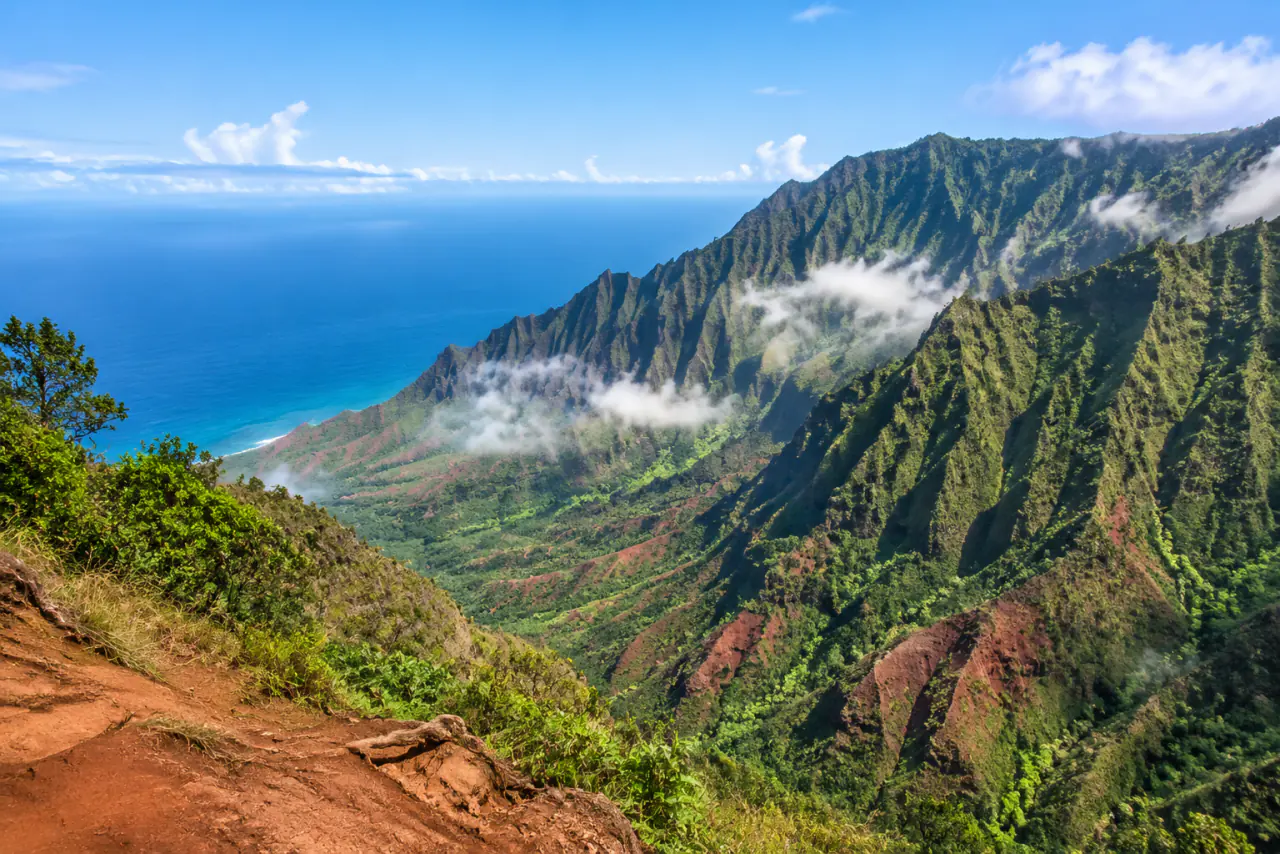
Waimea Canyon and the Nāpali Coast, Kauaʻi
Waimea Canyon & Nāpali Coast, Kauaʻi
On western Kauaʻi, the red layers of Waimea Canyon unfold along the mountain road, which has several viewpoints. At the end, Kalalau Lookout overlooks the Nāpali Coast, where jagged green ridges plunge into the sea. You can also see the Nāpali Coast by boat or helicopter. Hāʻena State Park in the north offers access to part of the Kalalau Trail. Nonresidents must reserve within 30 days before their visit.
Clouds and mist often roll into Kalalau Lookout in the afternoon, so go in the morning for clearer views. Summer seas are calmer and more comfortable for boat trips.
What to eat
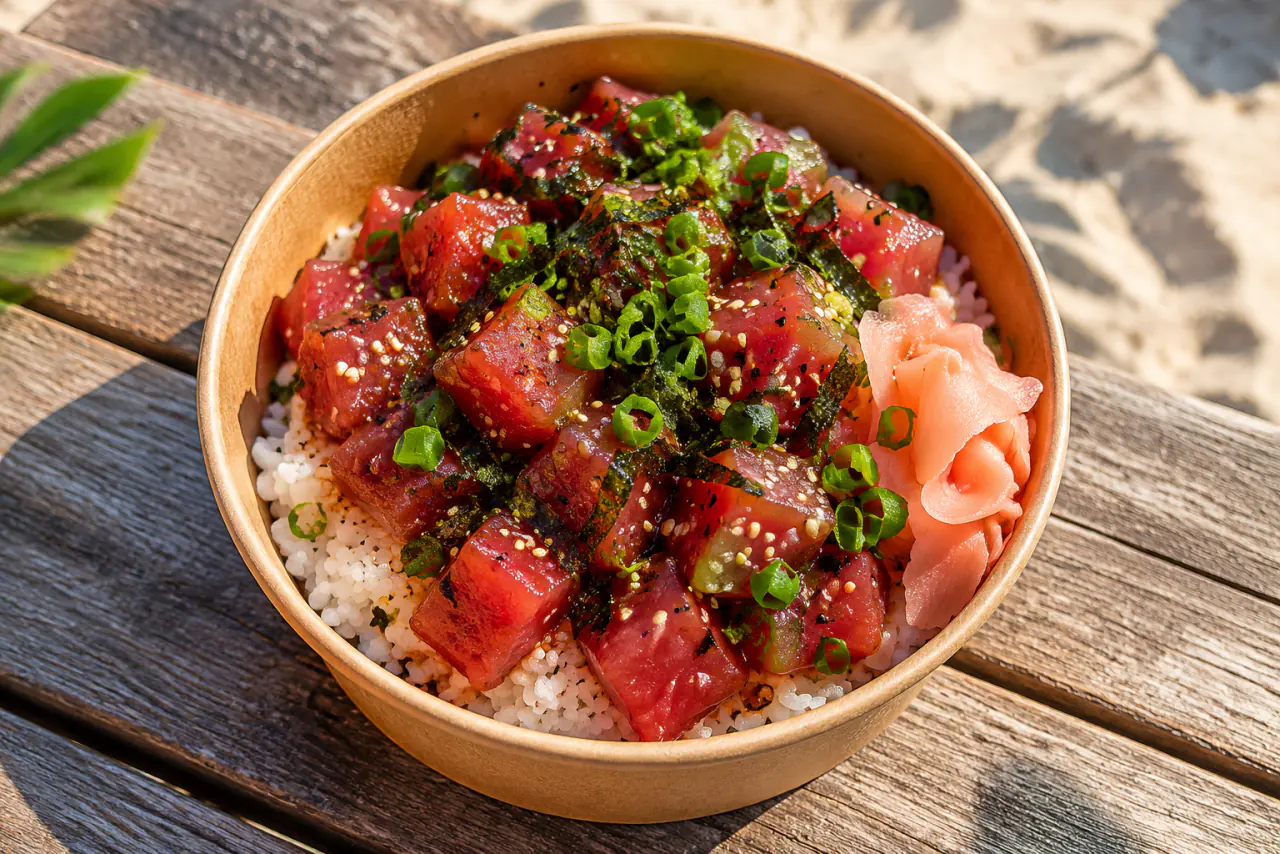
Poke
Hawaii's everyday seafood dish is made with diced tuna or salmon tossed with soy sauce, sesame oil, sea salt, seaweed, and onion, then served over white rice. Supermarket deli counters often mix it to order. It is fresher and cheaper than at restaurants and is ideal for a beach picnic.
Supermarket deli counters and dedicated poke shops on every island. · About $15–22 per bowl
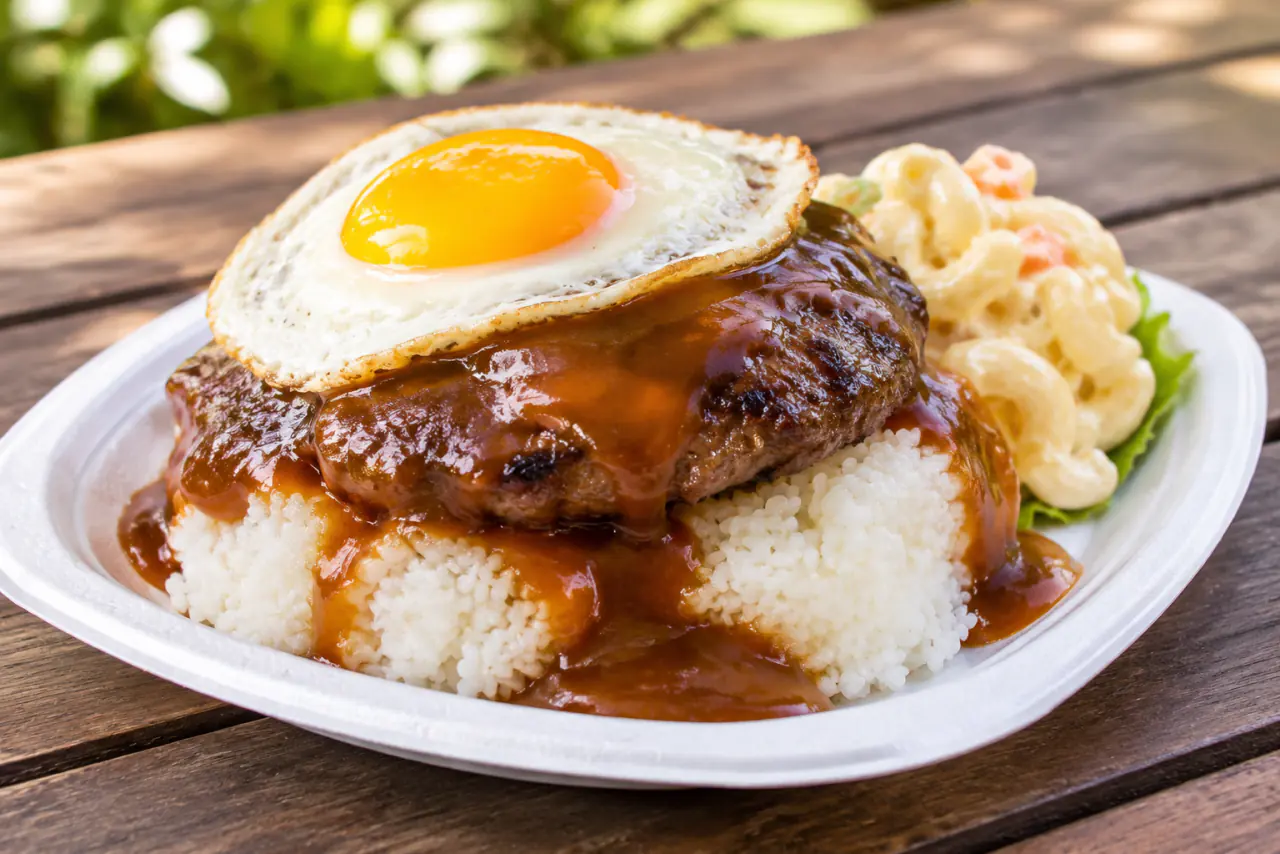
Loco Moco and plate lunch
A classic of Hawaii's plate-lunch culture: two scoops of white rice, a serving of macaroni salad, and a main dish. Loco moco comes with a hamburger patty and fried egg over rice, covered in gravy. It is filling, and you can also choose teriyaki chicken, barbecue, or kalua pork.
Plate-lunch shops and local restaurants on every island. · About $14–20 per serving
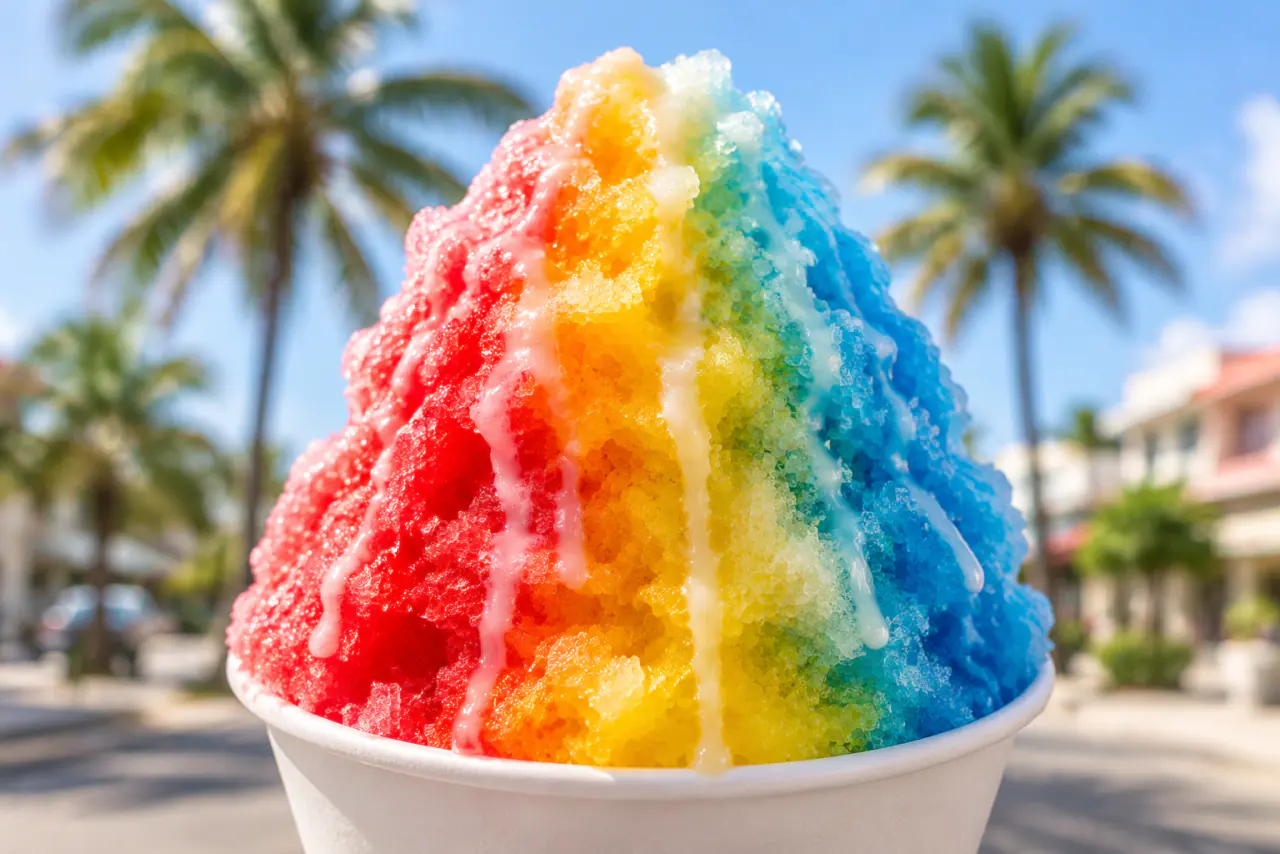
Shave ice
Ice is shaved into snow-fine flakes and topped with fruit-flavored syrups in several colors. You can add ice cream or azuki beans underneath and condensed milk on top. It is softer and finer than machine-crushed ice and melts in your mouth, making it especially refreshing on a hot day.
Shave ice shops in Haleiwa on the North Shore and near beaches across the islands. · About $6–10 per serving
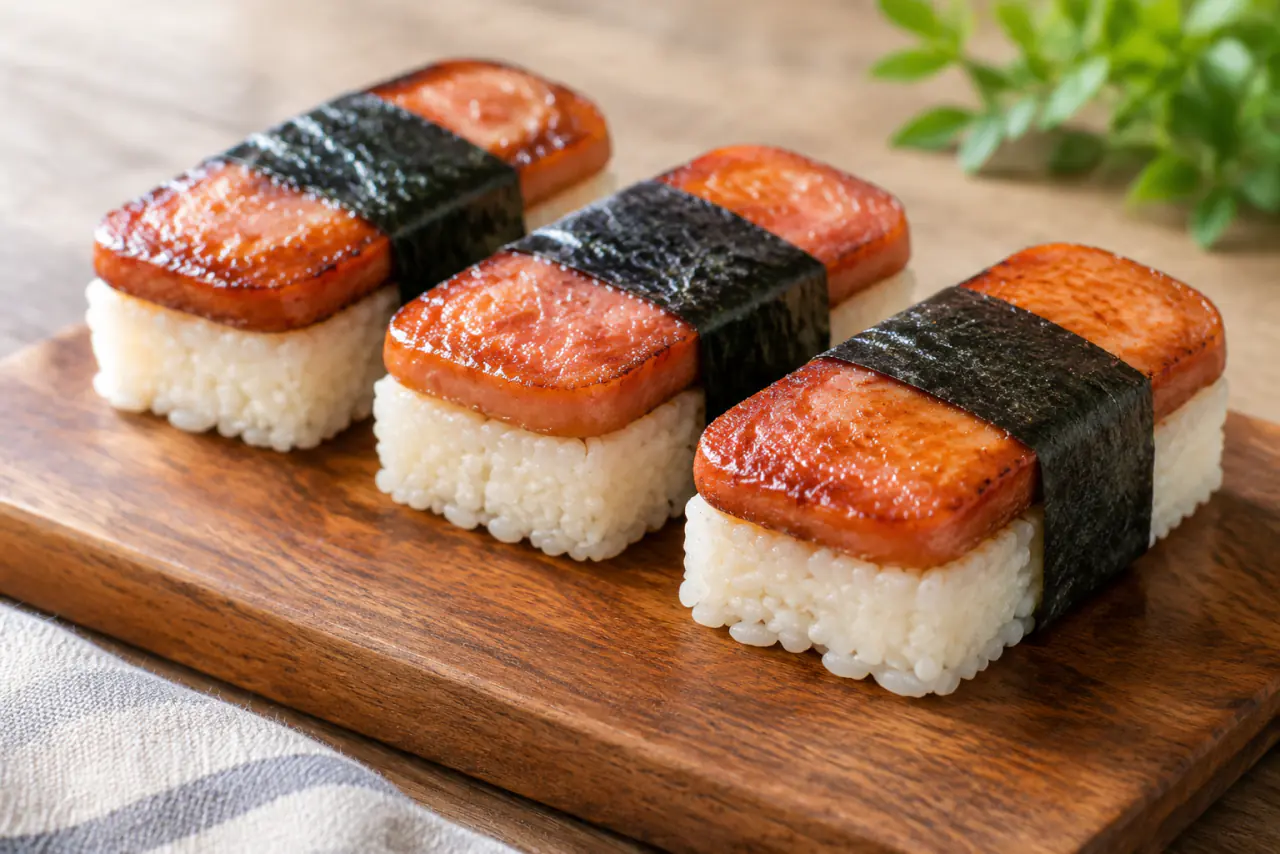
Spam musubi
A slice of pan-fried Spam brushed with sweet-savory teriyaki sauce is pressed onto a rectangular rice ball and wrapped with a strip of nori. This local favorite spread after World War II. It is widely available at convenience stores and supermarkets and makes an easy breakfast or hiking snack.
Convenience stores, supermarkets, and plate-lunch shops on every island. · About $2–4 each
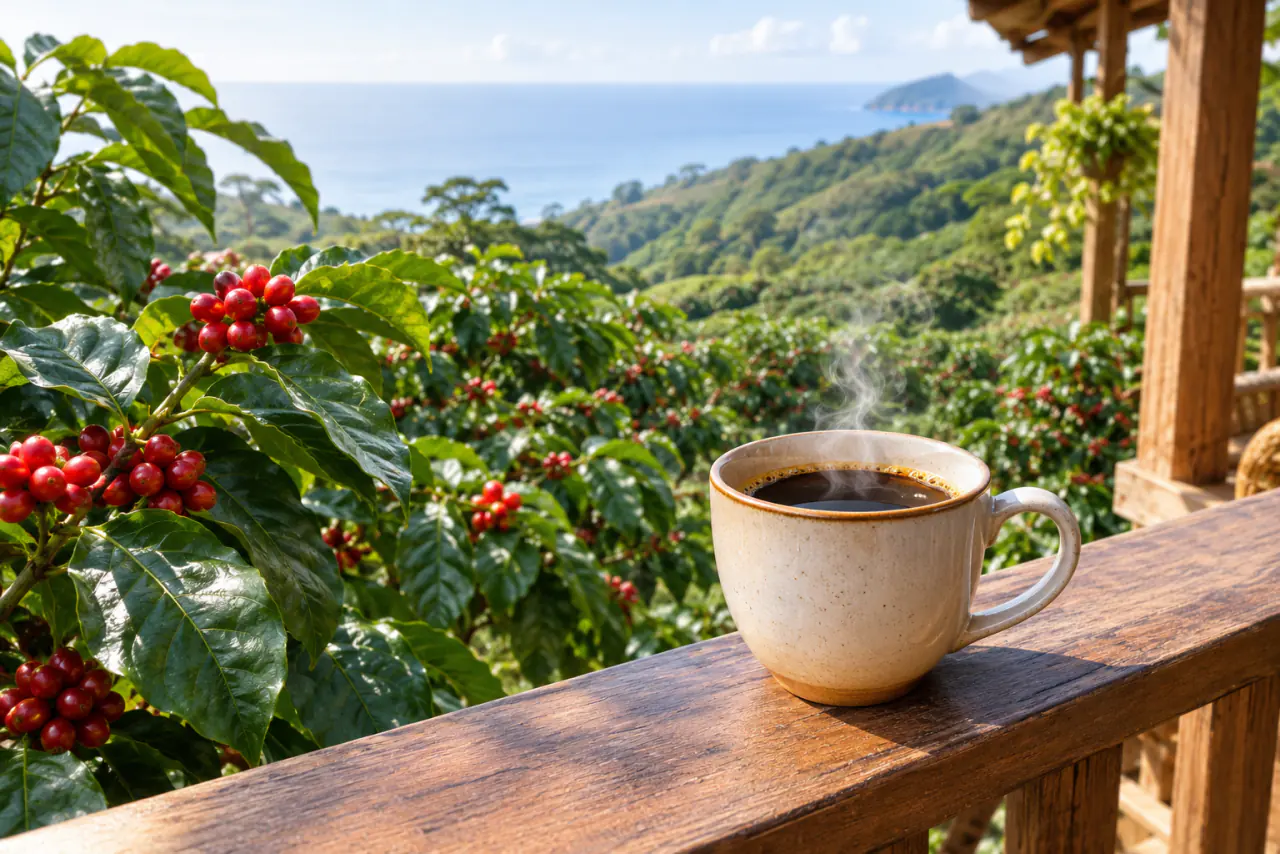
Kona coffee
Grown on the slopes of Kona on the west side of Hawaiʻi Island, this is one of the few coffee-growing regions in the United States. The coffee is smooth and low in acidity. Coffee farms around Kona offer tours and tastings. Check the label when buying beans: a “Kona blend” may contain only 10% Kona coffee.
Coffee farms around Kona on Hawaiʻi Island and cafés across the islands. · About $5–7 per cup
Getting there · Where to stay
There are currently no nonstop flights. Common connections include Tokyo, Osaka, and Seoul. Tokyo to Honolulu takes about 7–8 hours. You can also connect through Los Angeles or San Francisco.
Flights from Los Angeles, San Francisco, and Seattle to Honolulu take about 5.5–6.5 hours. Some flights go nonstop to Maui, Kona, and Kauaʻi.
Flights from Honolulu to Maui, Kona, Hilo, and Lihue take about 35–50 minutes. There are many flights, and booking early usually means lower fares.
On Oahu, stay in Waikiki for easy access to restaurants, beaches, and public transit. On Maui, stay in Kihei or Wailea in the south, or Kāʻanapali in the west. On Hawaiʻi Island, stay in Hilo or Volcano Village for the volcano, and in Kona for the beaches.
Know this before you go
- Hotel room rates are subject to about 18–19% in taxes and other fees. Many resort hotels also charge a resort fee of several dozen dollars per night. Check the total price when comparing hotels.
- Diamond Head, Hanauma Bay, Pearl Harbor, and sunrise at Haleakalā all require advance online reservations. Release times follow Hawaii time (UTC−10), so convert them to your own time zone.
- Requirements for foreign driver's licenses are stricter in Hawaii than in California. Rules depend on your license and rental company. Bring your passport, driver's license, and a certified English translation. Check with the state transportation department and your rental company before you leave.
- Swim only at beaches with lifeguards. Stay about 3 meters from sea turtles and at least about 15 meters from monk seals. Do not touch or feed them.
- Hawaii bans the sale of sunscreens containing oxybenzone and certain other ingredients. Check the ingredients before bringing sunscreen from home.
Source (2026-11)
Hawaiʻi DLNR:Diamond Head State Monument, City & County of Honolulu:Hanauma Bay Nature Preserve, NPS Pearl Harbor:Fees & Passes, Recreation.gov:USS Arizona Memorial Program, NPS Haleakalā:Sunrise Reservations, NPS Haleakalā:Fees & Passes, Hawaiʻi DLNR:Waiʻānapanapa State Park, NPS Hawaiʻi Volcanoes:Fees & Passes, University of Hawaiʻi at Hilo:Maunakea Visitor Information Station, Hawaiʻi DLNR:Hāʻena State Park, Hawaiʻi DLNR:Waimea Canyon State Park, Hawaiʻi DOT:Driver's License, Hawaiʻi Department of Taxation:Form TA-2 Instructions(Act 96), FlightConnections: nonstop routes from HNL