Cloudborne Travel
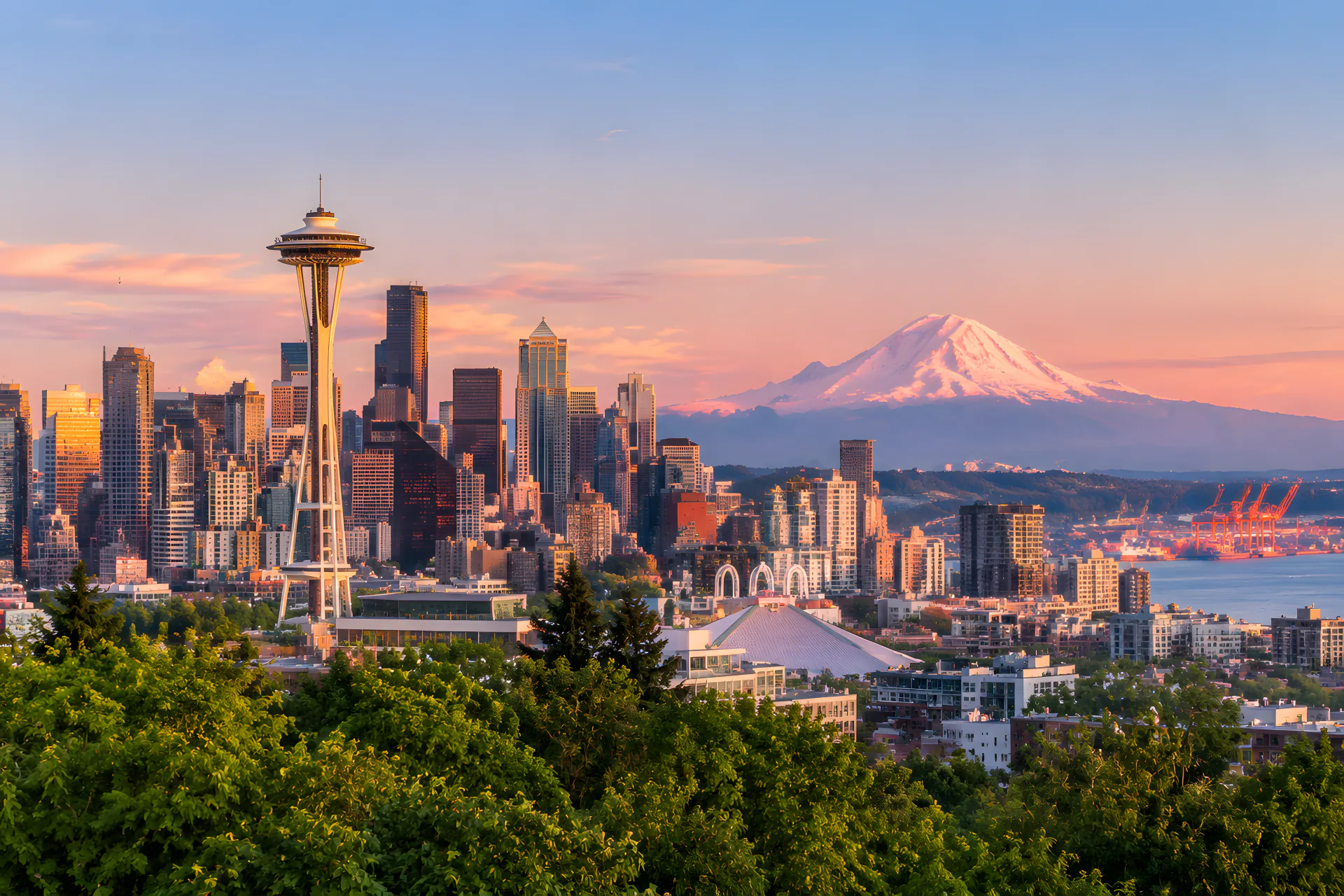
Washington is in the northwestern corner of the United States. It is not the same place as Washington, DC. Seattle is the gateway. You can cover Pike Place Market, the Space Needle, and its coffee shops in a day or two. The real highlights are outside the city: Mount Rainier, the temperate rain forests and coast of the Olympic Peninsula, the bright green lakes of the North Cascades, and orcas around the San Juan Islands.
This state is best for travelers who enjoy the outdoors and are comfortable driving. From Seattle, Mount Rainier and the North Cascades can each be visited in a day. The Olympic Peninsula is best explored with one or two nights on the road. July–September is the dry season, with the clearest skies and mountain roads fully open. The rest of the year is wetter, but Seattle is still easy to explore.
If you have extra time, you can drive about 3 hours north from Seattle to Vancouver, Canada. Entry requirements for Canada depend on your passport, so check the official rules and arrange any required visa in advance. You will also go through border inspection when returning to the United States.
July–September is the driest period. Mount Rainier’s wildflowers bloom around late July–August. October is the best month for fall colors. November–March is rainy, with snow in the mountains.
Monthly weather
Based on SeattleBest time to visit Monthly precipitation (mm) Open-Meteo (ERA5), 1996–2025 average
| Month | Average high (°C) | Average low (°C) | Monthly precipitation (mm) | Days with 1 mm or more of precipitation |
|---|---|---|---|---|
| Jan | 7.9 | 3.6 | 180 | 19 |
| Feb | 8.9 | 3.5 | 125 | 16 |
| Mar | 11.3 | 4.8 | 142 | 18 |
| Apr | 13.9 | 6.4 | 103 | 15 |
| May | 17.4 | 9.4 | 78 | 12 |
| Jun(Good time to visit) | 20.4 | 12.1 | 57 | 9 |
| Jul(Good time to visit) | 24 | 14.3 | 21 | 5 |
| Aug(Good time to visit) | 24.1 | 14.5 | 31 | 5 |
| Sep(Good time to visit) | 20.7 | 12.1 | 67 | 9 |
| Oct | 15.1 | 8.5 | 137 | 15 |
| Nov | 10.4 | 5.4 | 194 | 18 |
| Dec | 7.5 | 3.5 | 188 | 19 |
Sights
-
 1
Pike Place Market
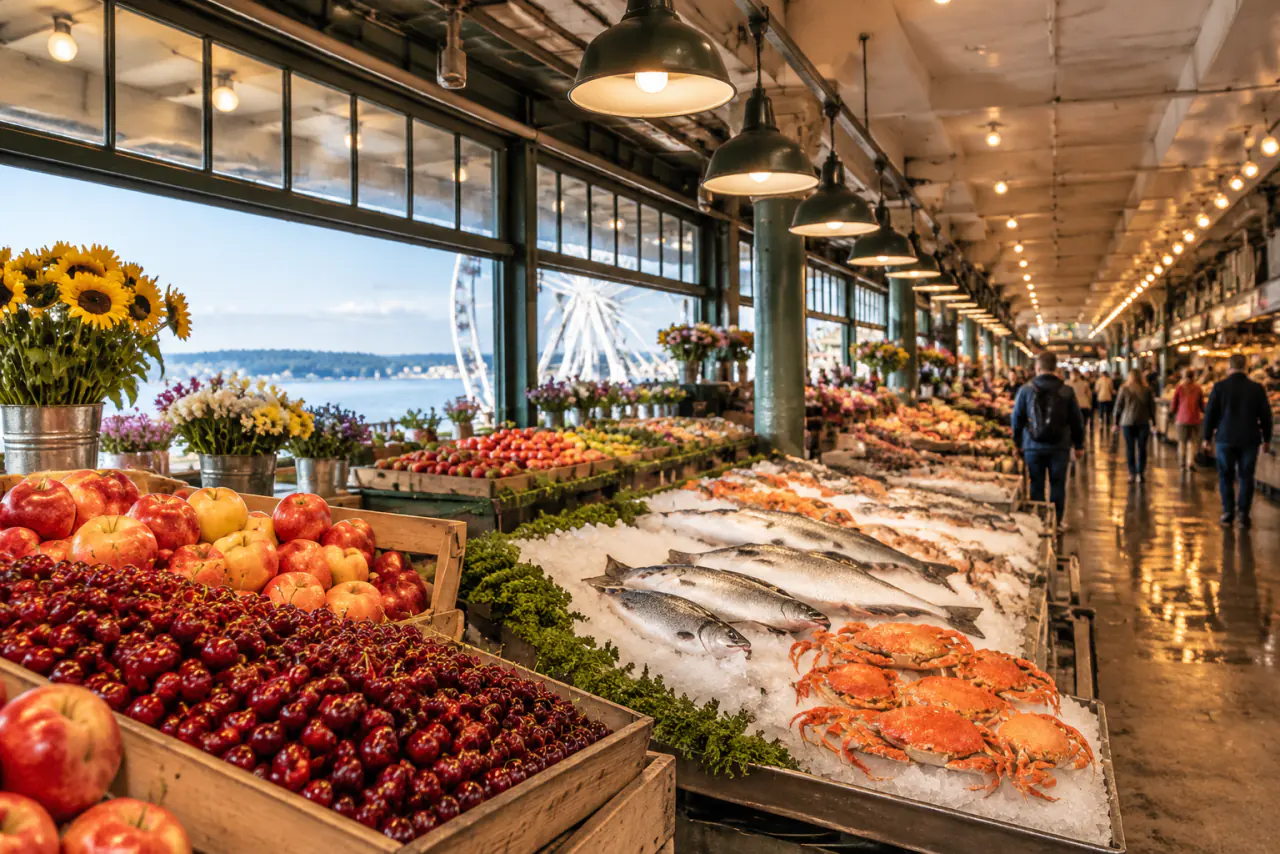
This public market opened in 1907. Fishmongers tossing salmon across the counter is its signature scene. Several levels are filled with flower and fruit stalls, craft vendors, and snack shops. Across the street is the Starbucks location often called the “original,” where a long line is common. Behind the market, Post Alley is home to the Gum Wall, covered in chewing gum.
Go before 10 a.m. for smaller crowds. Follow the stairs down to the waterfront, where you can join the newly rebuilt waterfront trail.
-
 2
Space Needle
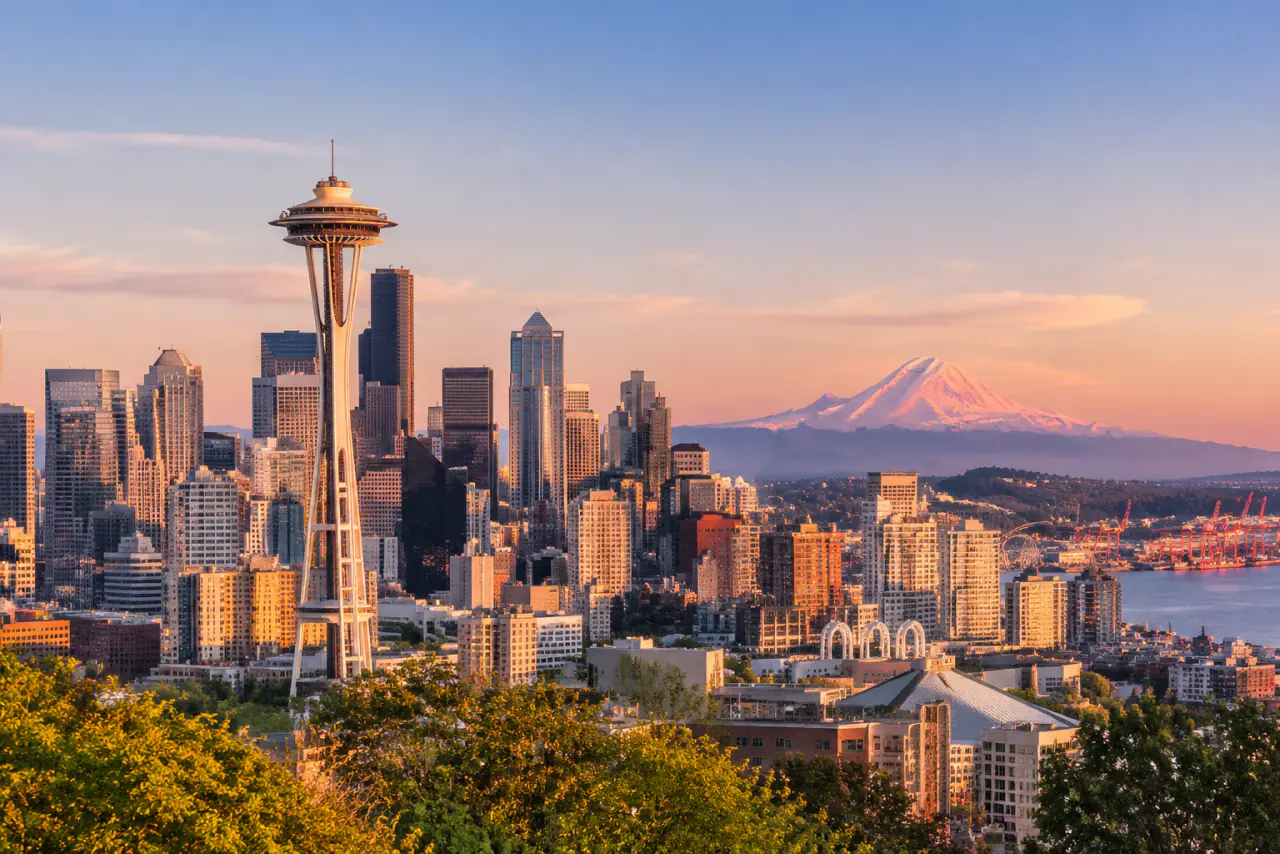
This observation tower was built for the 1962 World’s Fair and is an icon of Seattle’s skyline. The observation levels have glass railings and a rotating glass floor. On a clear day, you can see Mount Rainier and Puget Sound. Seattle Center below also has Chihuly Garden and Glass and the Museum of Pop Culture, which can be combined into a half-day visit.
Entry is timed in 15-minute slots. Clear-weather evenings are the most sought-after. If it is rainy and the mountain is hidden, skip it.
-
 3
Mount Rainier National Park
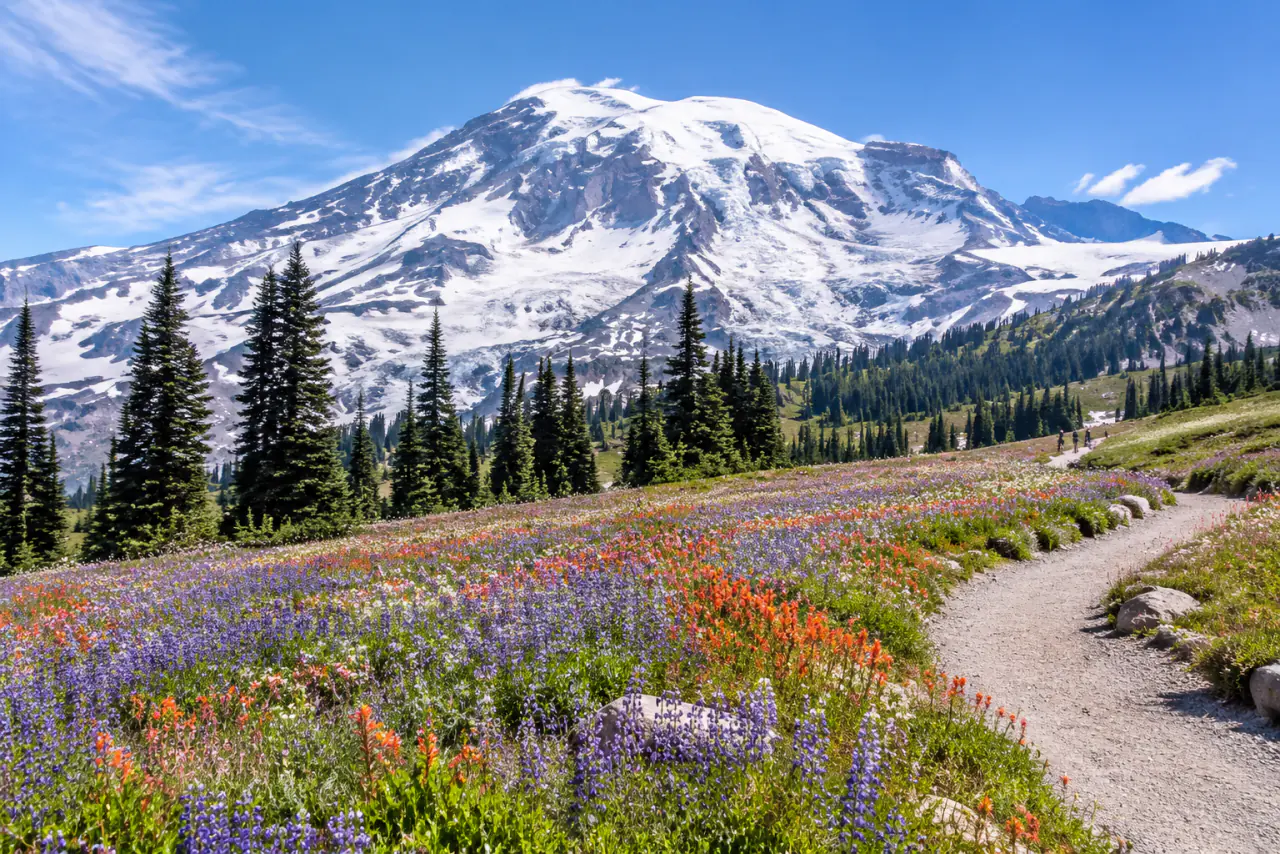
This glacier-covered volcano rises about 4,392 meters and towers south of Seattle on clear days. The most popular area is Paradise on the south slope. From the visitor center, the Skyline Trail leads through summer wildflowers with views of glaciers overhead. Sunrise on the northeast side has wider views, but the road is open only around July–September. In 2026, timed entry is not required, but summer weekend parking lots fill before noon.
In winter, vehicles heading to Paradise must carry tire chains. Mountain weather changes quickly, so bring a windproof jacket.
-
 4
Olympic National Park
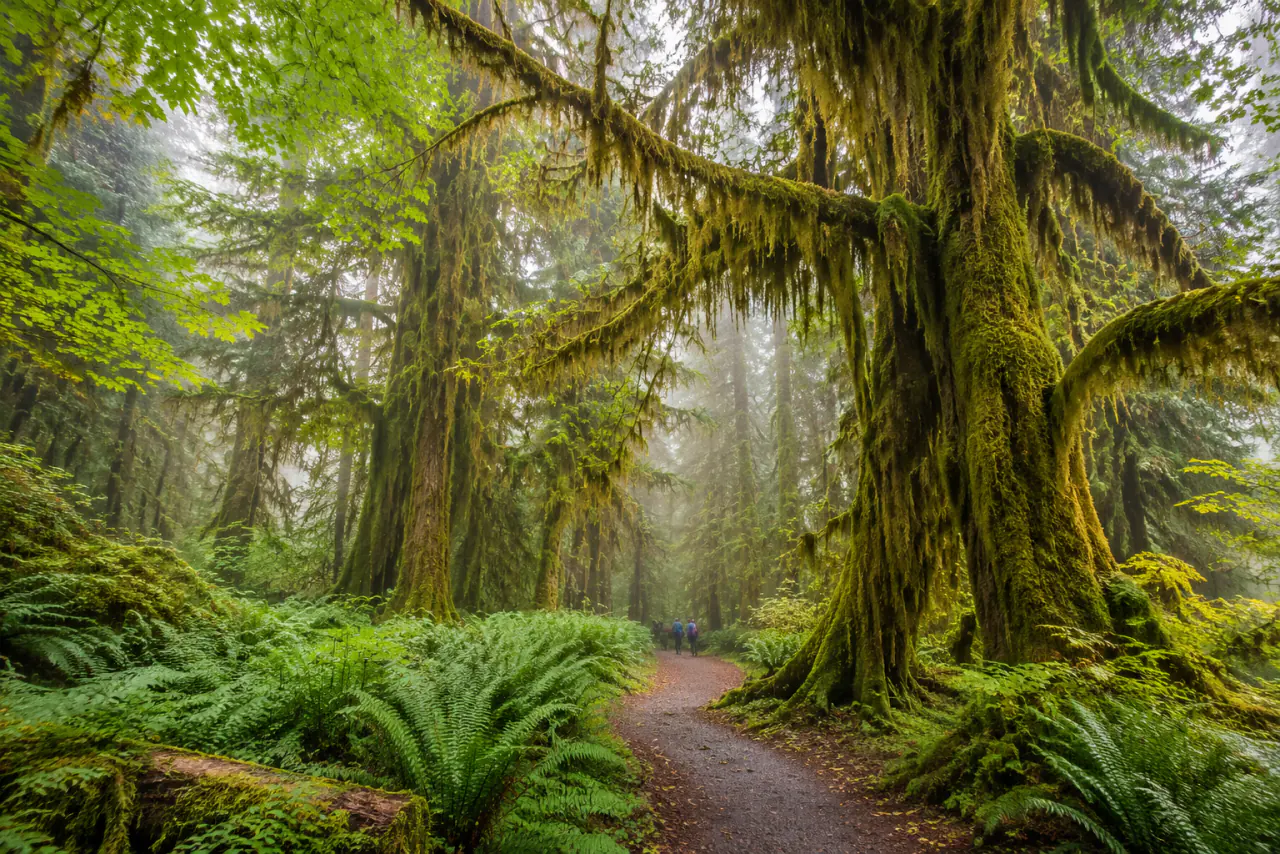
One park offers three distinct landscapes: moss-draped trees in the Hoh Rain Forest, sea stacks and driftwood at Ruby Beach, and alpine meadows on Hurricane Ridge. Driving the loop around the peninsula on Highway 101 takes 2–3 days. The Hall of Mosses Trail in the Hoh Rain Forest is about 1.3 kilometers and easy to walk.
The Hoh Rain Forest entrance often has lines in summer. Arrive before 9 a.m. Check road conditions before heading to Hurricane Ridge.
-
 5
North Cascades and Diablo Lake
North Cascades & Diablo Lake
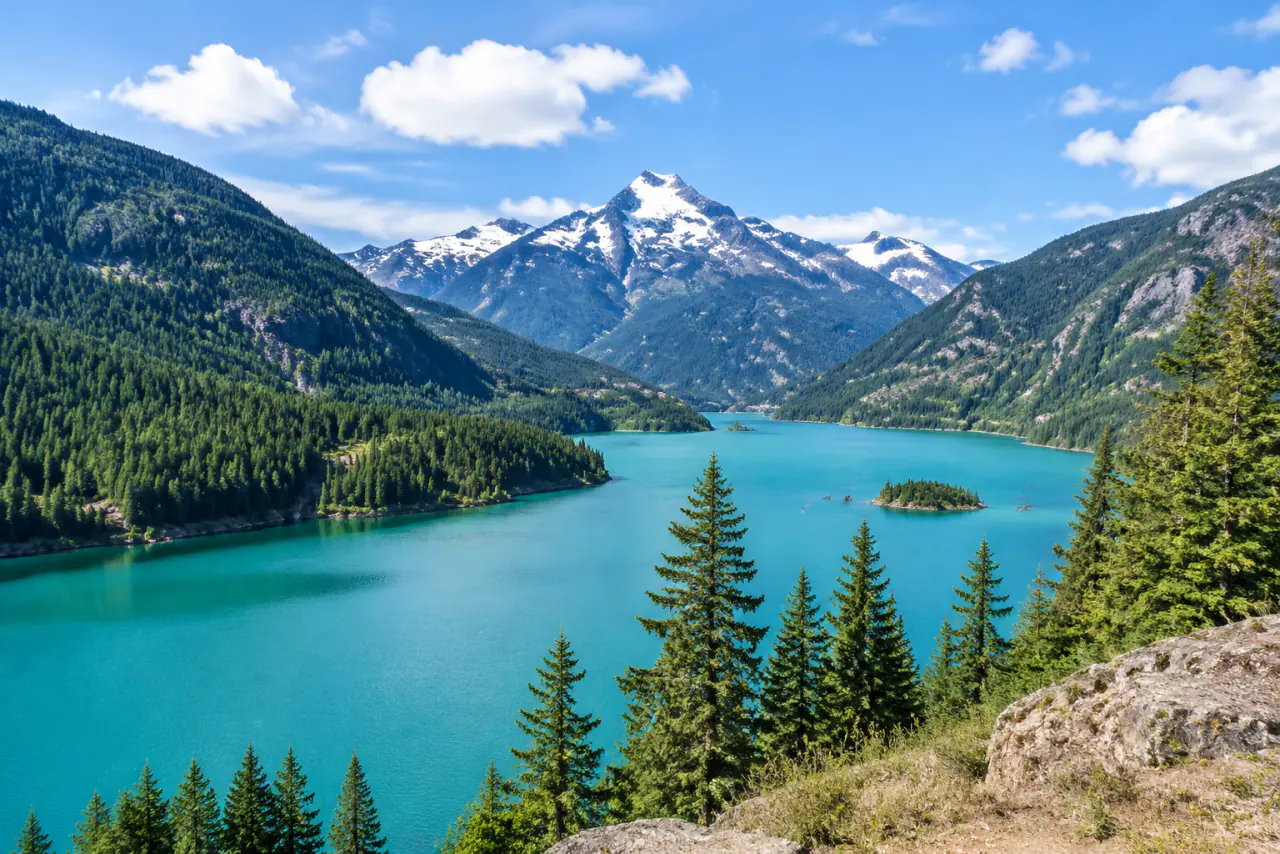
About 2.5–3 hours northeast of Seattle, Highway 20 cuts through sharp peaks and glaciers. Glacial flour gives Diablo Lake its vivid green color, and roadside viewpoints make it easy to stop for a look. The national park has no entrance fee and draws far fewer visitors than Mount Rainier, making it a good choice for a quieter mountain trip. Washington Pass Overlook farther east is also spectacular.
The mountain-pass section of Highway 20 is usually closed for winter from November through April–May. Check WSDOT road conditions before leaving.
-
 6
San Juan Islands
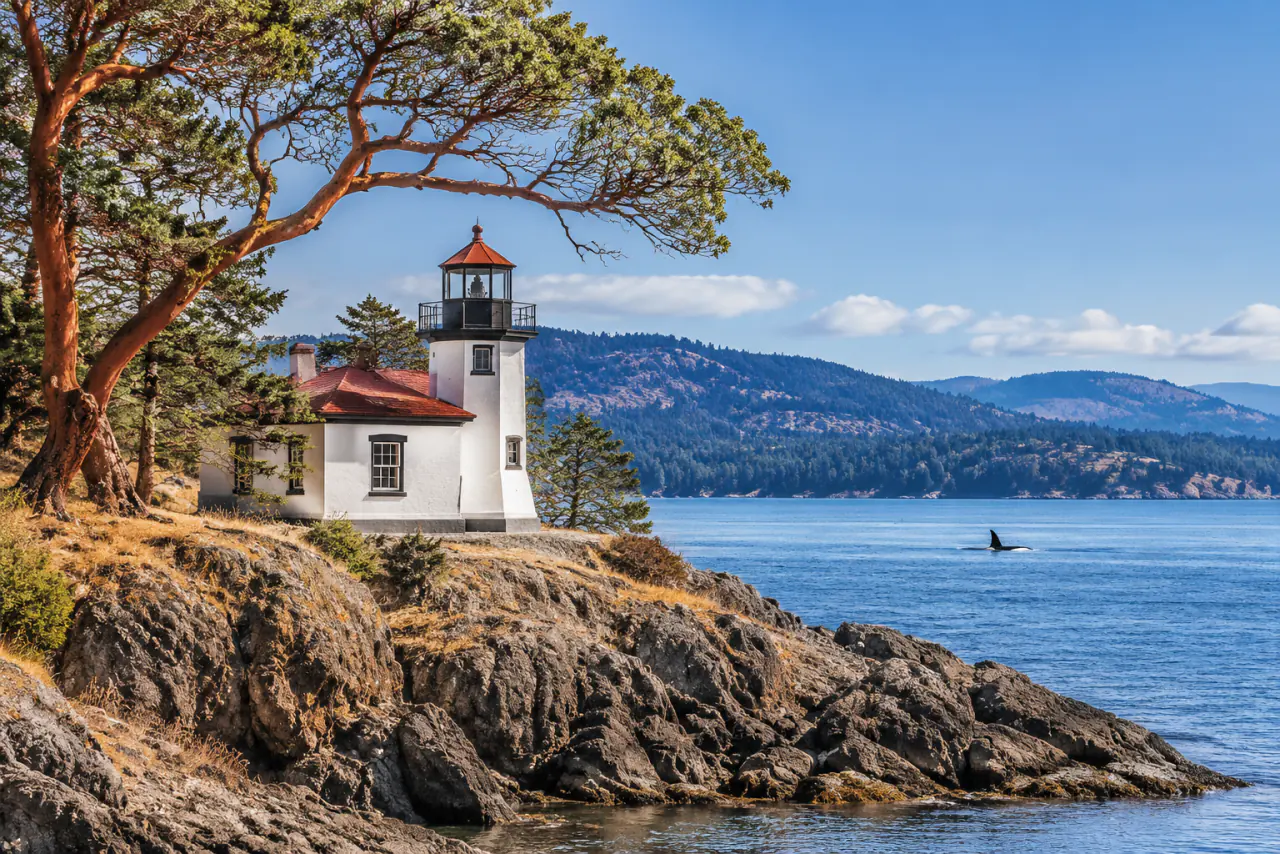
This chain of islands north of Seattle moves at a slower pace, with rocky shores, lighthouses, and lavender farms. The main draw is orca watching. In summer, you may spot orcas from shore at Lime Kiln Point State Park on the west side of San Juan Island, or take a whale-watching boat from Friday Harbor. The Washington State Ferry from Anacortes takes about 1–2 hours.
Reserve ahead if you are taking a car on the ferry in summer. Lodging is limited, so book at least one month ahead.
-
 7
Leavenworth
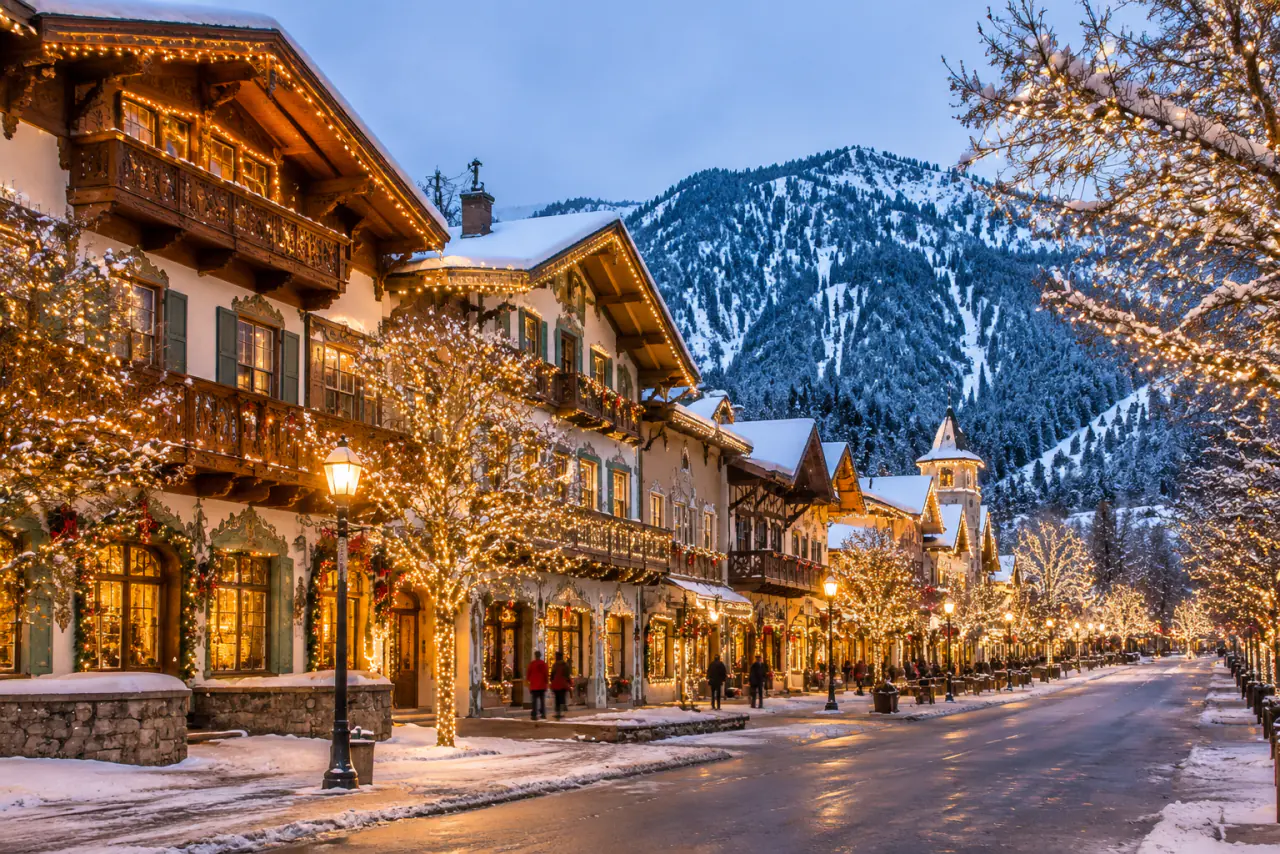
This town on the east side of the Cascades is built in a Bavarian style, with wooden balconies, painted facades, and German sausage and beer halls. Snowy mountains rise behind it. October brings Oktoberfest and fall colors in the valley. In December, the town is covered in lights and looks like a Christmas village. From Seattle, the drive takes about 2.5 hours via Highway 2 and Stevens Pass.
Weekends in December are extremely crowded, and parking is difficult. Go on a weekday if possible. In winter, check whether tire chains are required over the pass.
What to eat
Pacific Northwest oysters
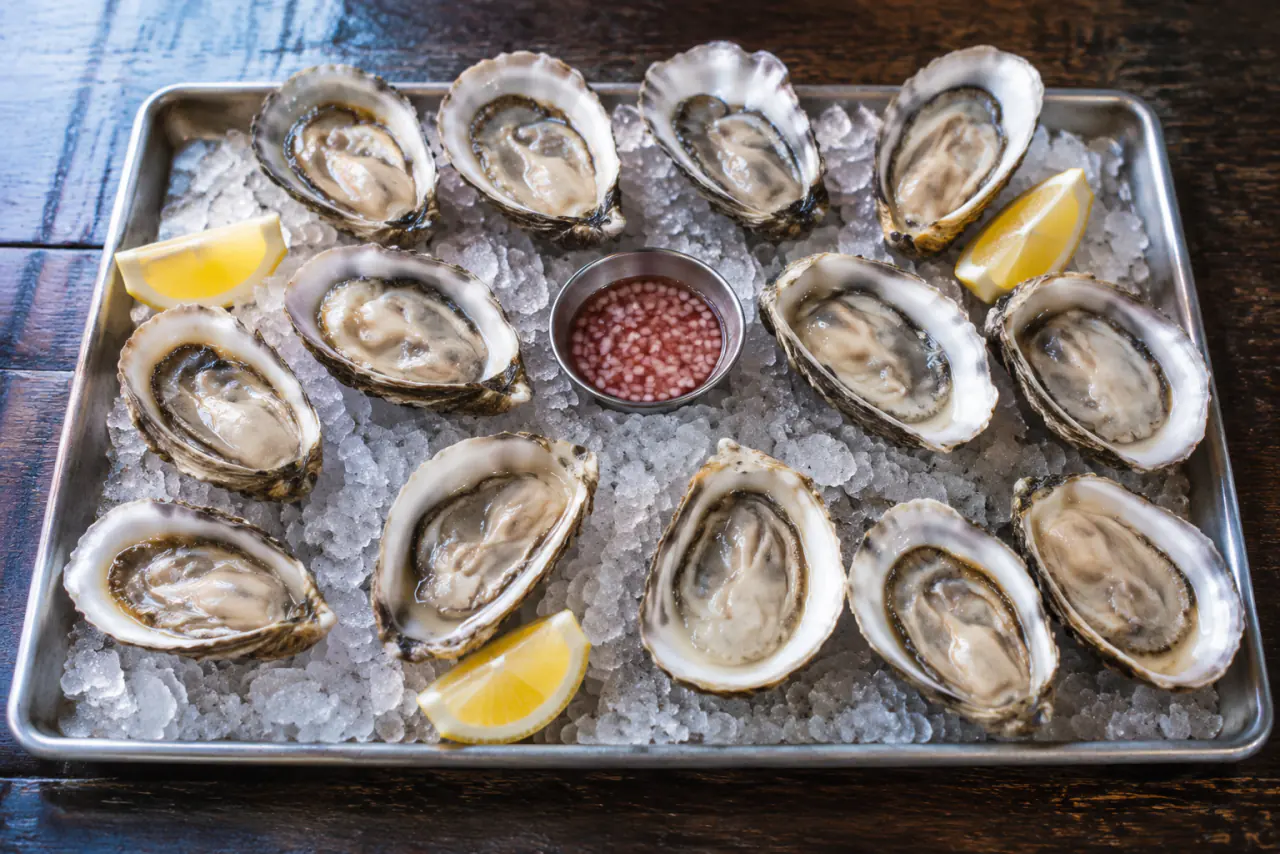
Oysters raised in the cold waters of Puget Sound and Hood Canal are small to medium in size, with a briny flavor and a touch of sweetness. Oysters from different bays taste noticeably different. They are served raw with lemon and red onion mignonette, and many restaurants offer happy-hour specials in the afternoon.
Oyster bars along Seattle’s waterfront and in Ballard and Capitol Hill. · About $35–50 per dozen, before tip
Cedar plank salmon
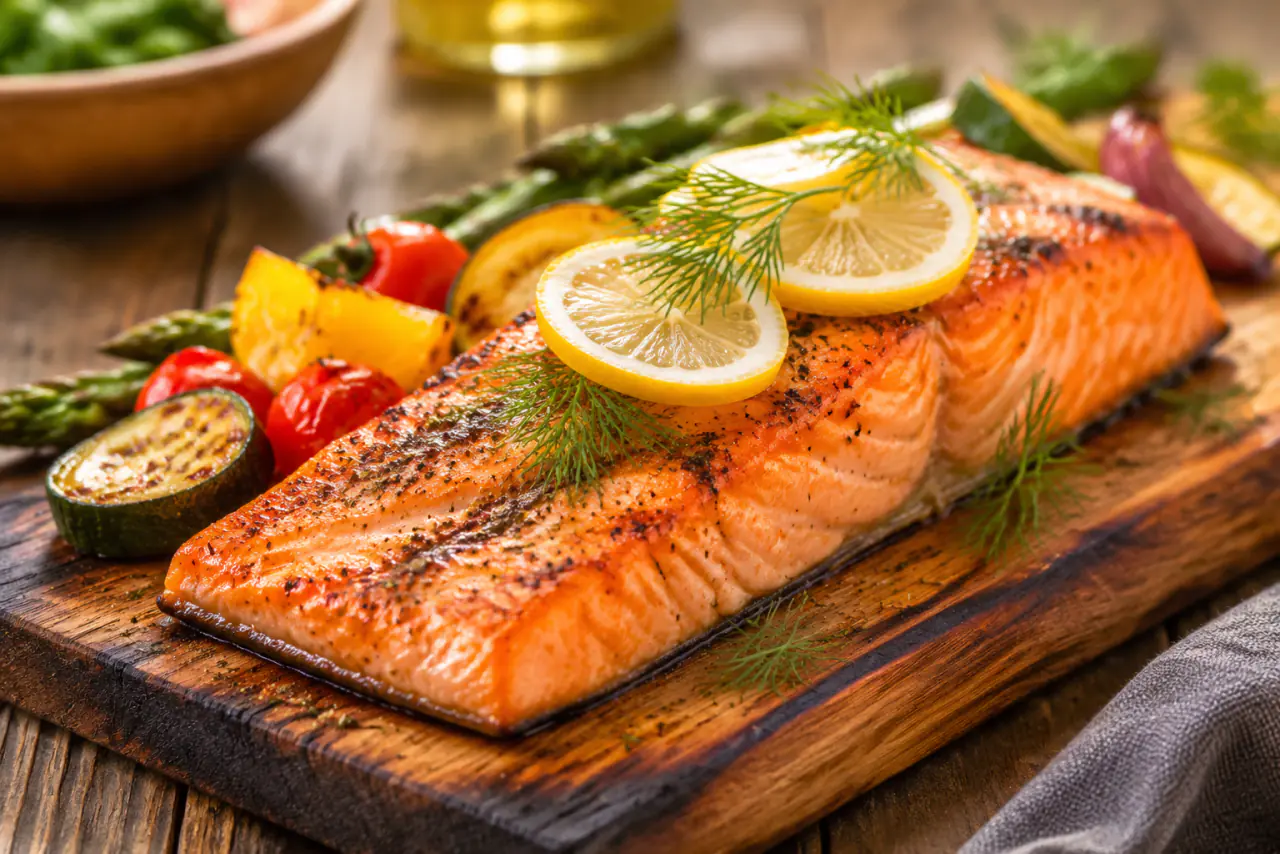
Wild salmon is roasted on a soaked cedar plank, giving the fish a smoky wood aroma. Sockeye and coho salmon are freshest in summer, and menus usually specify the variety. Fish stalls at Pike Place Market also sell smoked salmon, which can be vacuum-packed to take home.
Seafood restaurants in Seattle and around Pike Place Market. · About $35–50 per serving, before tip
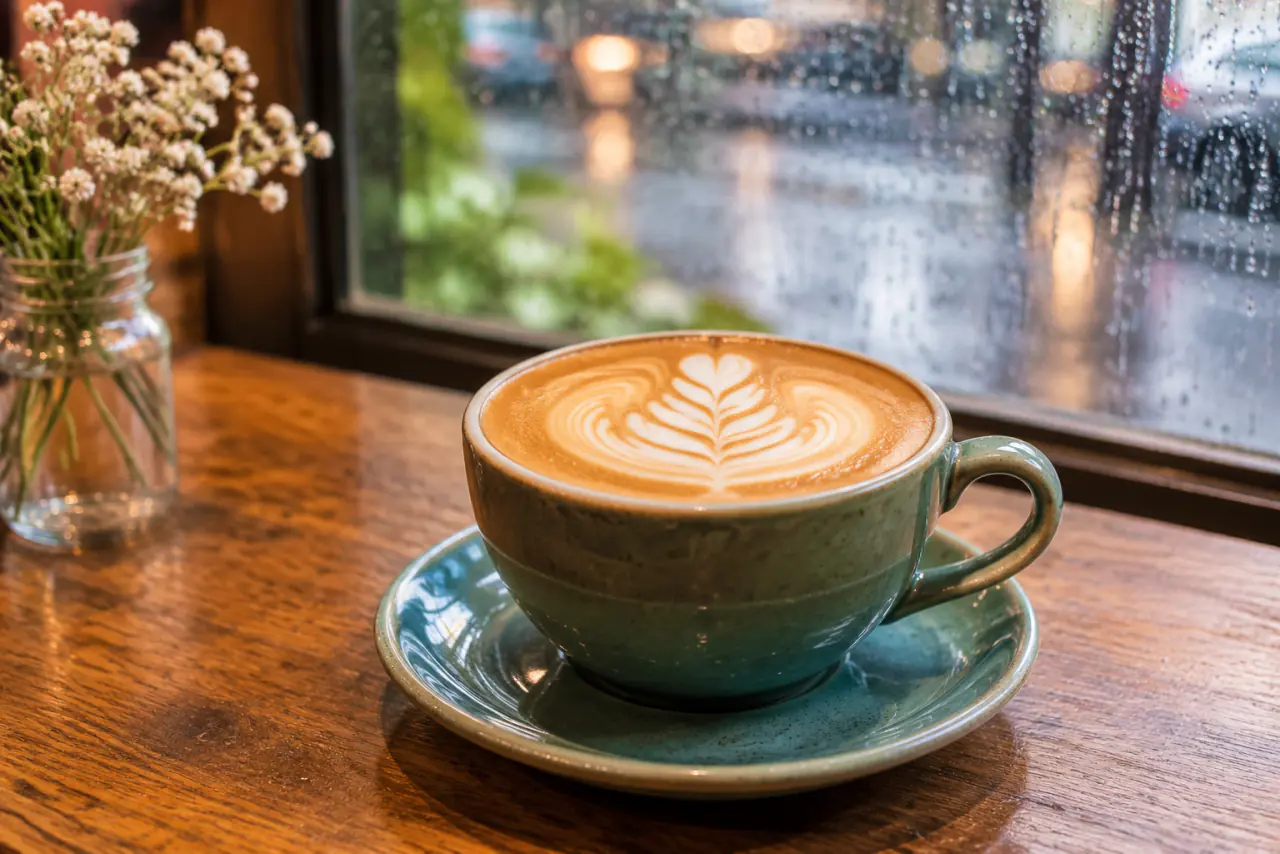
Seattle coffee
Seattle was one of the first American cities where specialty coffee took off. With so many gray, rainy days, neighborhood coffee shops serve as living rooms for the city. Alongside the established chains, Capitol Hill and Ballard have many small independent roasters that take both pour-overs and espresso seriously.
Independent coffee shops in Capitol Hill, Ballard, and downtown. · About $5–7 per cup
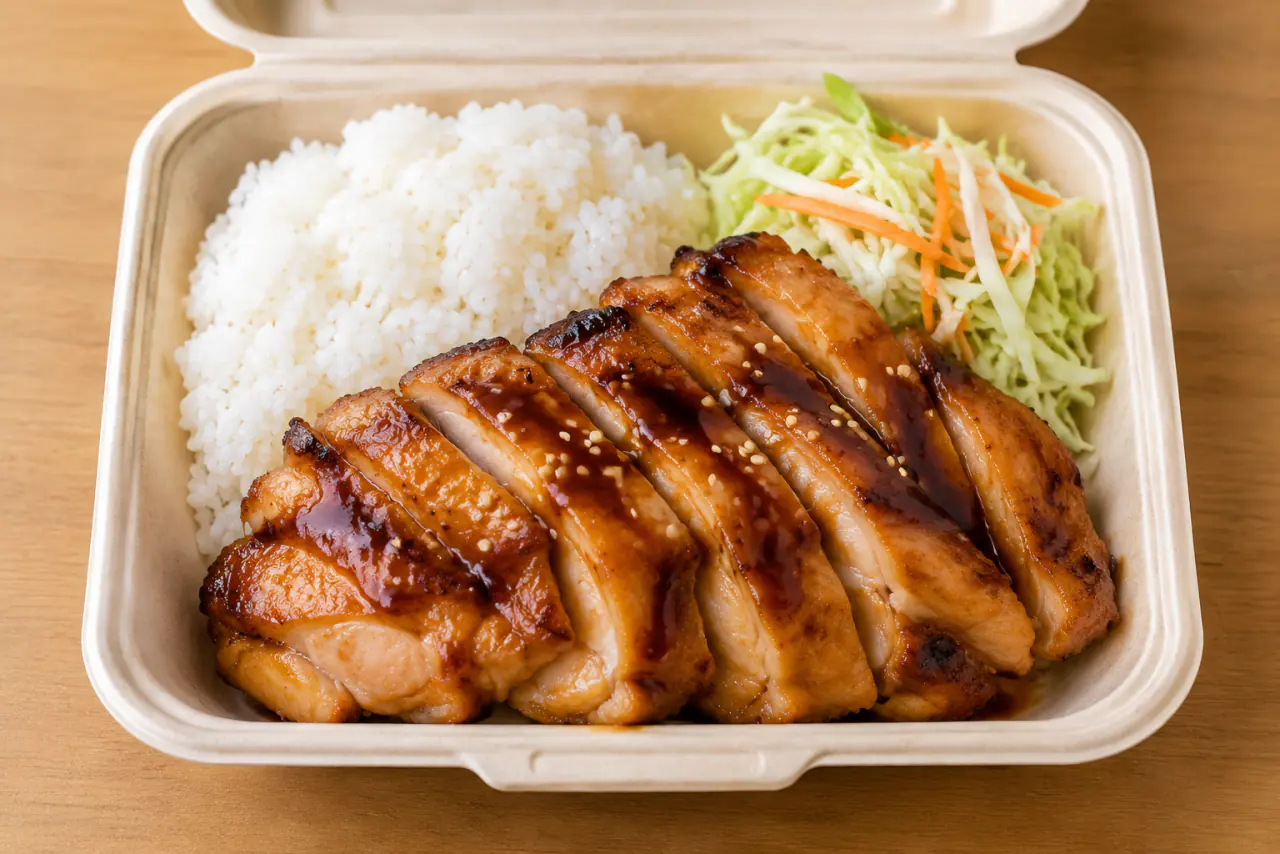
Seattle-style teriyaki
This local fast-food staple consists of char-grilled chicken thigh cut into pieces, topped with sweet-savory teriyaki sauce and served with a large portion of white rice and cabbage salad in a takeout box. It is filling, inexpensive, and quick—a longtime local lunch favorite.
Small teriyaki shops throughout Seattle and its suburbs. · About $13–18 per serving
Getting there · Where to stay
There are nonstop flights to Seattle from Shanghai, Beijing, and Chongqing. The flight takes about 11–12 hours. There are few departures, so you may need to connect in Tokyo, Seoul, or San Francisco.
The flight to Seattle takes about 2–3 hours, with frequent service.
Driving takes about 3 hours, not including the border wait. Trains and buses are also available. Entry requirements depend on your passport; check whether you need a valid U.S. visa.
In Seattle, stay downtown or in South Lake Union, within walking distance of Pike Place Market and the Space Needle. On the Olympic Peninsula, stay in Port Angeles or Forks. Near Mount Rainier, Ashford is a good base by the park’s southwest entrance.
Know this before you go
- Seattle’s sales tax is about 10%. At restaurants, tip 18–22% of the pre-tax bill. Most food bought at supermarkets is exempt from sales tax.
- Washington allows foreign visitors to drive with a foreign license for up to 1 year. Check the rules for your license and carry your passport and a certified English translation if required.
- October–May is often rainy and chilly. A waterproof jacket is more useful than an umbrella. Tire chains may be required in the mountains and over mountain passes in winter.
- You need a Discover Pass to park at state parks such as Lime Kiln Point. A national park annual pass is not valid there.
- Large parts of Mount Rainier and the Olympic Mountains have no cell service. Download offline maps in advance.