 Cloudborne Travel
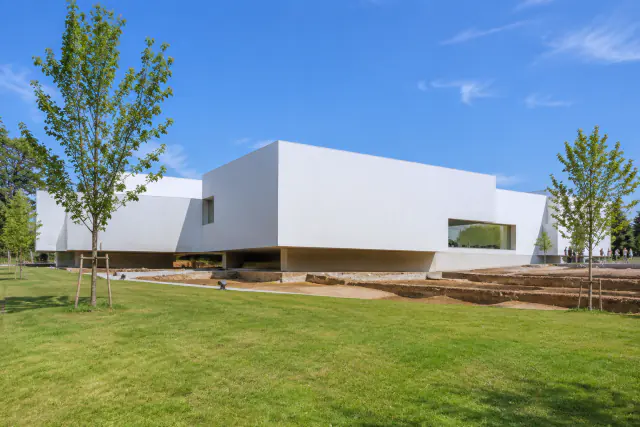 Aomori Museum · 1.5–2 hours Aomori Museum of Art The white, boxlike building is set into an excavated pit and is worth seeing in its own right. The museum has many works by Aomori-born artist Yoshitomo Nara, including the must-see outdoor Aomori Dog, which stands more than eight meters tall. A huge backdrop painted by Marc Chagall for a ballet fills an entire lofty gallery. Art
Art
From Chichu Art Museum on Naoshima to city architecture, Japan’s contemporary art and architecture deserve a dedicated day. Many museums require reservations and are often closed Mondays.
Year-round38 sights7 regions
Aomori Museum · 1.5–2 hours Aomori Museum of Art The white, boxlike building is set into an excavated pit and is worth seeing in its own right. The museum has many works by Aomori-born artist Yoshitomo Nara, including the must-see outdoor Aomori Dog, which stands more than eight meters tall. A huge backdrop painted by Marc Chagall for a ballet fills an entire lofty gallery. Art 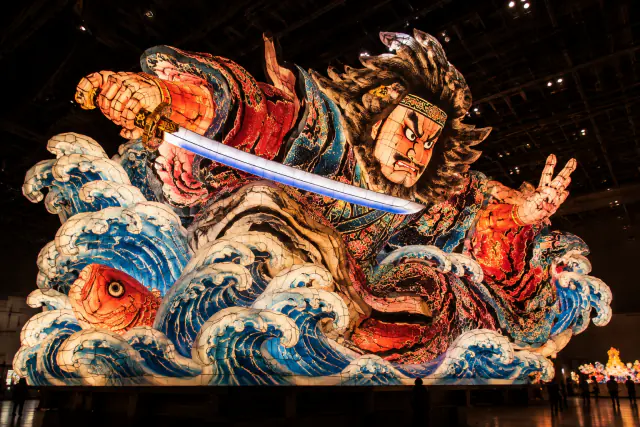 Aomori Museum · About 1 hour Nebuta Museum WA-RASSE Just a short walk from Aomori Station, this museum displays several enormous lantern floats that took part in the Nebuta Festival. You can get close to their frames and painted details. If you miss the festival on August 2–7, this is the next best way to experience it. Drumming and dancing demonstrations are sometimes available. Art
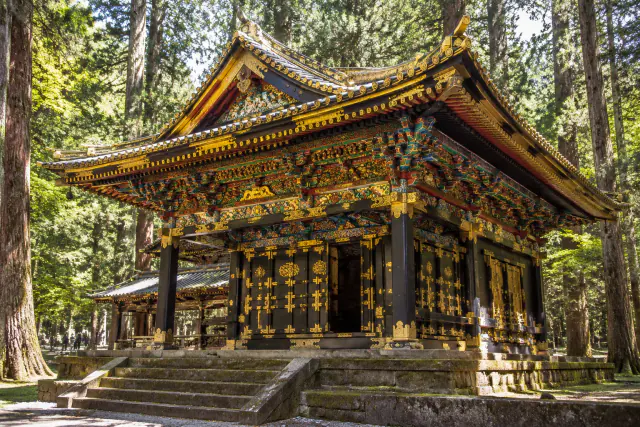 Miyagi Temple · About 1 hour Zuihoden The mausoleum of Date Masamune stands out among the cedar trees with its black-lacquered buildings covered in colorful carvings and gold details. The original was destroyed in World War II, so today's structure is a vivid reconstruction. Take Sendai's Loople sightseeing bus to get there. Historic sitesArt
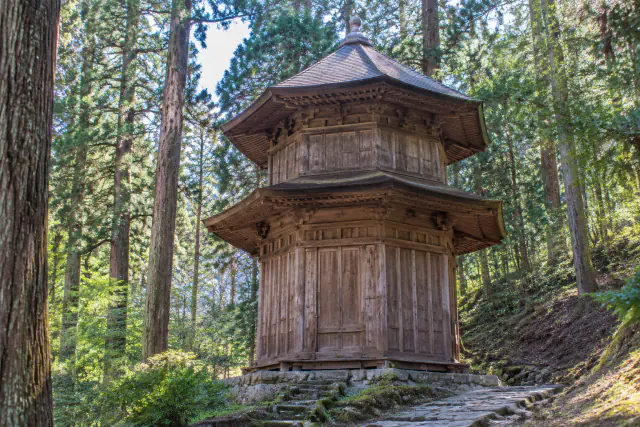 Fukushima Temple · About 1 hour Iimoriyama & Sazaedo Iimoriyama is where the young Byakkotai members took their own lives during the Boshin War, and their graves are on the mountain. Sazaedo, a wooden double-helix pagoda on the hillside, has two nonintersecting ramps for going up and down. It is one of a kind in Japan. You can reach it by loop bus from Tsuruga Castle. Historic sitesArt
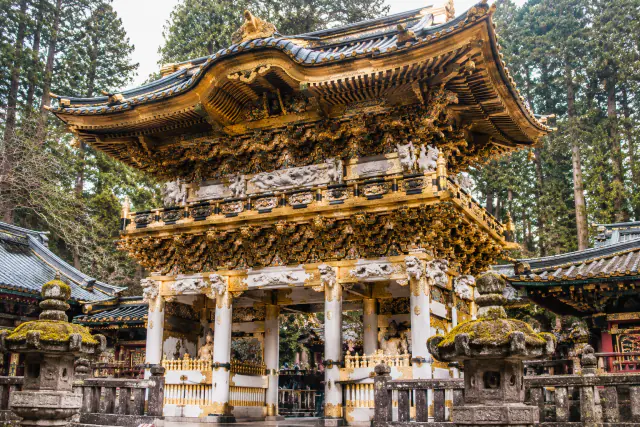 Tochigi Shrine · 2–3 hours Nikkō Tōshō-gū This shrine is dedicated to Tokugawa Ieyasu. Unlike Kyoto's understated style, it is covered in gold leaf, bright lacquer, and elaborate carvings. You could look at Yōmeimon Gate all day and still find new details. Look for the Three Wise Monkeys—"see no evil, hear no evil, speak no evil"—and the sleeping cat carving. Pass through the Sleeping Cat Gate and climb more than 200 stone steps to Ieyasu's mausoleum. It is about 10 minutes by bus from the station. Historic sitesArt
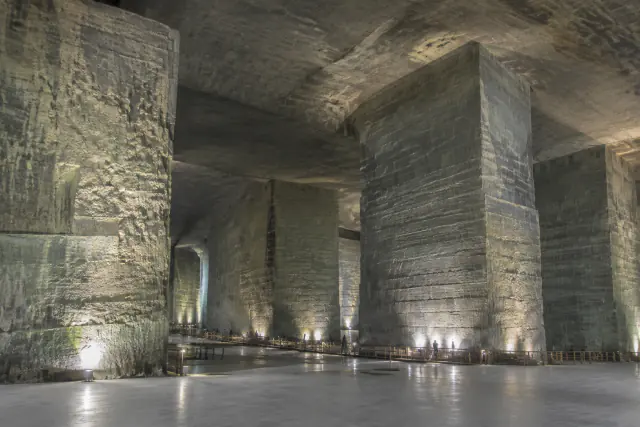 Tochigi Museum · 1–1.5 hours Ōya History Museum This former underground Ōya stone quarry was excavated by hand over several decades, leaving a vast space lined with layers of pillars and stone walls. It feels like an underground cathedral and is often used for films and music videos. It stays cool year-round, so bring a jacket even in summer. Buses run directly from Utsunomiya Station, making it an easy stop after gyoza. Art
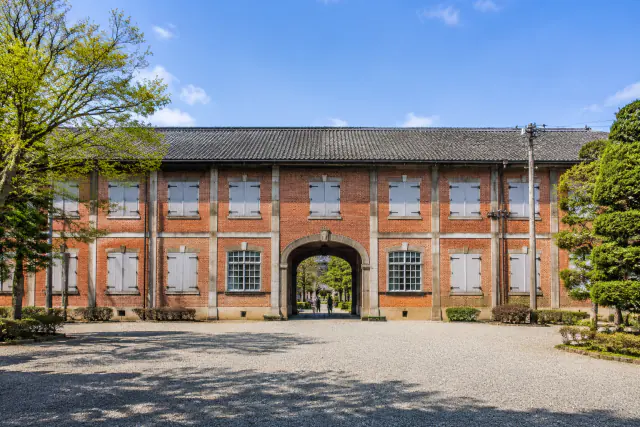 Gunma Museum · 1–2 hours Tomioka Silk Mill Built in 1872 by the Meiji government with help from French engineers, this state-run silk mill helped launch Japan’s modernization. Its long red-brick warehouses and silk-reeling workshop are well preserved, earning it World Heritage status. Tours and original machinery show how silk exports helped build Japan’s economy. Take the Joshin Railway from Takasaki for about 35 minutes, then walk 10–15 minutes from the station. Historic sitesArt
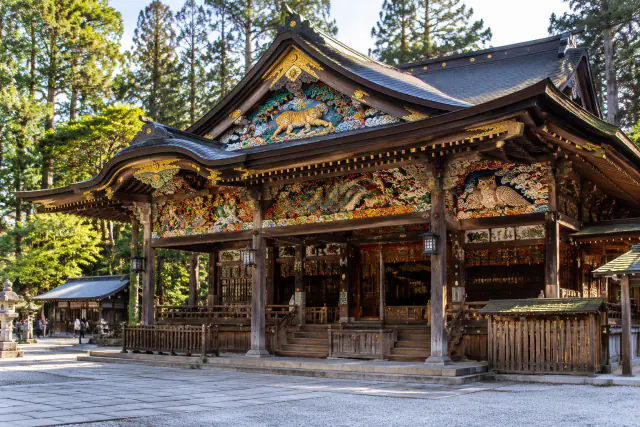 Saitama Shrine · 30–60 minutes Chichibu Shrine Chichibu's main shrine is known for its finely detailed, colorful carvings. Some are by Hidari Jingoro, who is also credited with the sleeping cat at Nikko Toshogu. Held each year on December 2–3, the Chichibu Night Festival is one of Japan's three major float festivals. Huge floats are pulled uphill through the winter night, accompanied by fireworks. The shrine is about a 15-minute walk from Seibu-Chichibu Station. Historic sitesArt
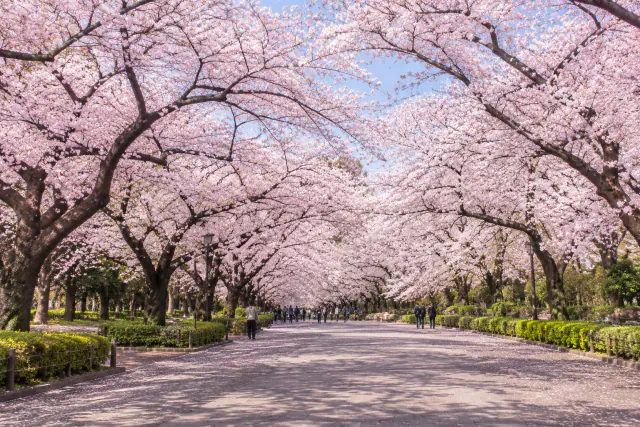 Tokyo Park · 2–4 hours Ueno Park One of Tokyo's liveliest cherry-blossom parks. In spring, rows of cherry trees line the main paths, with picnickers filling the ground beneath them. The park is also home to the Tokyo National Museum, the National Museum of Western Art, and Ueno Zoo, so there are places to go even when it rains. Ameyoko Shopping Street is a few minutes outside the park, with dried goods, snacks, and inexpensive seafood. Cherry blossomsArt
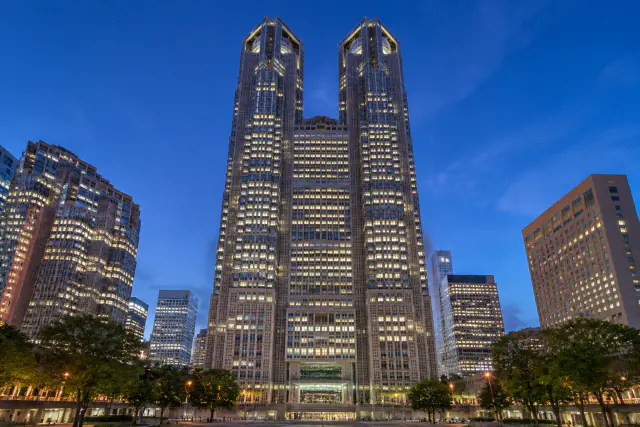 Tokyo Viewpoint · About 1 hour Tokyo Metropolitan Government Building Observatory This twin-tower government complex was designed by Kenzo Tange. The observatories on the 45th floor, about 202 meters up, are free and offer views of Shinjuku's skyscrapers and Tokyo Skytree in the distance. On clear days, Mount Fuji is visible to the west. No ticket or reservation is needed—just pass through security. It's a good choice for travelers on a tight budget who still want a night view. Art
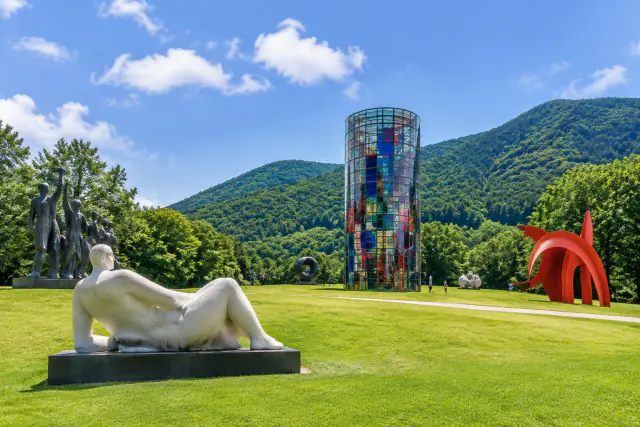 Kanagawa Museum · 1.5–2 hours Hakone Open-Air Museum More than 100 sculptures are displayed across grassy hills at this open-air museum, with Hakone's mountains as a backdrop. It is an easy place to explore while walking. The Picasso Pavilion holds many ceramics and paintings, and you can climb inside the colorful stained-glass tower, Symphonic Sculpture. There is also a free foot bath for tired feet. Art
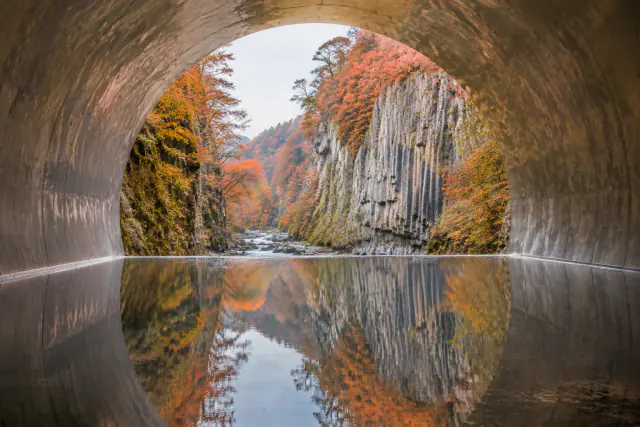 Niigata Nature · 2 hours Kiyotsu Gorge Tunnel One of Japan's three great gorges, this site was transformed into the Tunnel of Light in 2018 by a team led by Chinese architect Ma Yansong. Walk about 750 meters to the end, where a shallow pool reflects the gorge in a circular frame. The bus from Echigo-Yuzawa Station takes about 25 minutes, followed by a walk of about 30 minutes. ArtAutumn leavesMountains
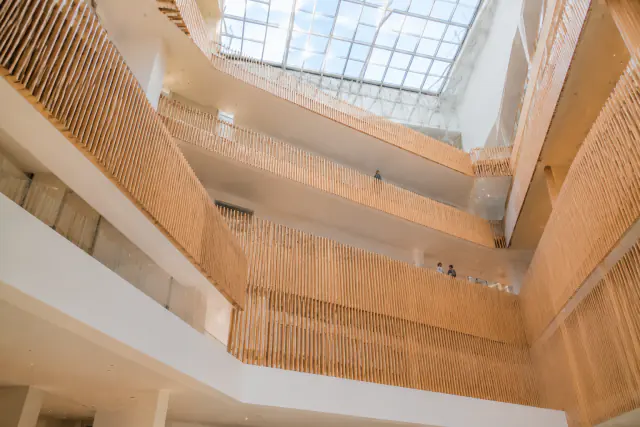 Toyama Museum · 1–2 hours Toyama Glass Art Museum The museum occupies TOYAMA Kirari, designed by Kengo Kuma, where layers of wooden slats rise around the atrium. It shares the building with the city library. The permanent Glass Art Garden on the 6th floor features vividly colored works by American glass artist Dale Chihuly. About 10 minutes by tram from Toyama Station, it makes a good rainy-day stop. Art
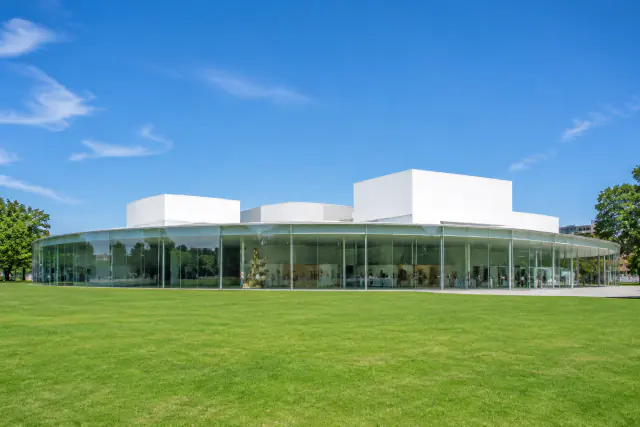 Ishikawa Museum · 1.5–2 hours 21st Century Museum of Contemporary Art, Kanazawa Designed by SANAA, this circular glass museum has entrances on all sides, and its public areas are free. Its best-known work is Leandro Erlich's The Swimming Pool: from above, it looks as if people are underwater, while an exhibition ticket lets you enter the pool itself. About a 5-minute walk from Kenrokuen Garden, it is a top choice on rainy days. Art
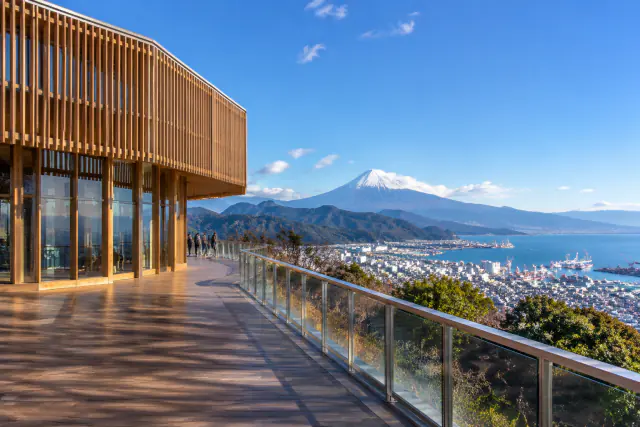 Shizuoka Viewpoint · 1–2 hours Nihondaira Yume Terrace An observation facility at the summit of Nihondaira in Shizuoka City, designed by Kengo Kuma. A wooden lattice wraps around the octagonal building and its surrounding gallery, with views of Mount Fuji, Suruga Bay, and Shimizu Port. You can take the ropeway down to Kunozan Toshogu, the original burial place of Tokugawa Ieyasu. About 40 minutes by bus from Shizuoka Station. Art
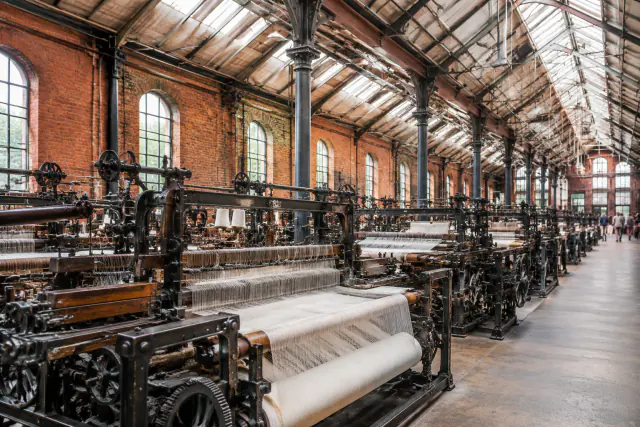 Aichi Museum · 2–3 hours Toyota Commemorative Museum of Industry and Technology Housed in the red-brick buildings of Toyota's first textile factory, this museum traces the company from automatic looms to automobile manufacturing. Many old machines are demonstrated in operation, and the automotive pavilion shows the full process of stamping, welding, and assembly. You don't need to know Japanese to enjoy it. Families and machine enthusiasts can easily spend half a day here. It's one Meitetsu stop from Nagoya Station, followed by a walk of about 3 minutes. Art
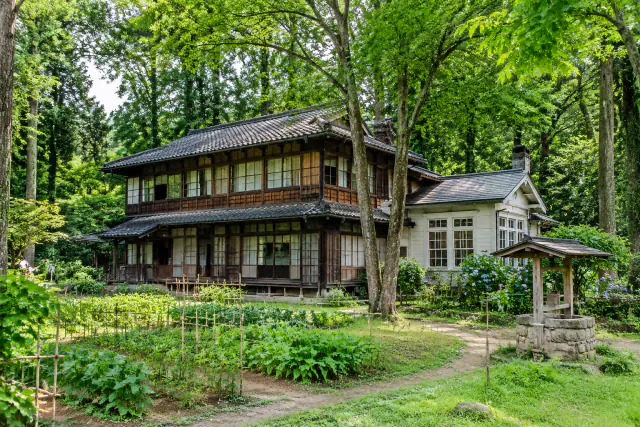 Aichi Theme park · Half a day–1 day Ghibli Park Set inside Expo 2005 Aichi Commemorative Park, Ghibli Park recreates scenes from films such as My Neighbor Totoro, Kiki's Delivery Service, and Princess Mononoke. There are no rides; it's more like walking through a forest park and seeing the scenes in person. Ghibli's Grand Warehouse is an indoor exhibition area, so you can enjoy it in the rain. From Nagoya, take the subway and transfer to the Linimo maglev line. The trip to Ai-Chikyu-Haku-Kinen-Koen Station takes about 50 minutes. Art
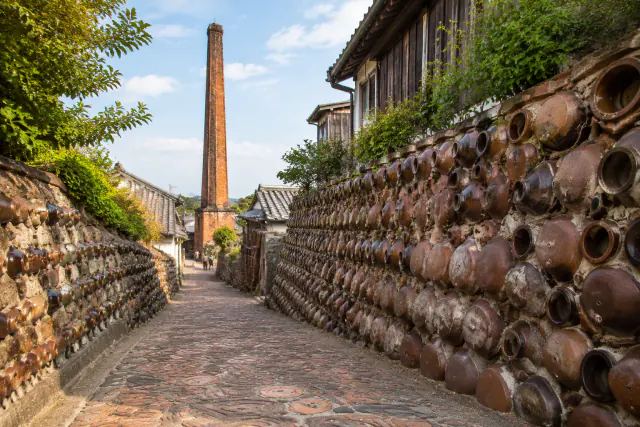 Aichi Old town · 1.5–2 hours Tokoname Pottery Footpath This old kiln district in Tokoname, one of Japan's Six Ancient Kilns, has sloping lanes lined with walls embedded with clay pipes and shochu bottles. Brick chimneys rise above the rooftops, and former workshops are now pottery studios and cafés. The best-known spot is Toko-zaka. Tokoname Station is only two stops and about 5 minutes from the airport, making this a good stop for 1–2 hours on the day you arrive or depart. Historic sitesArt
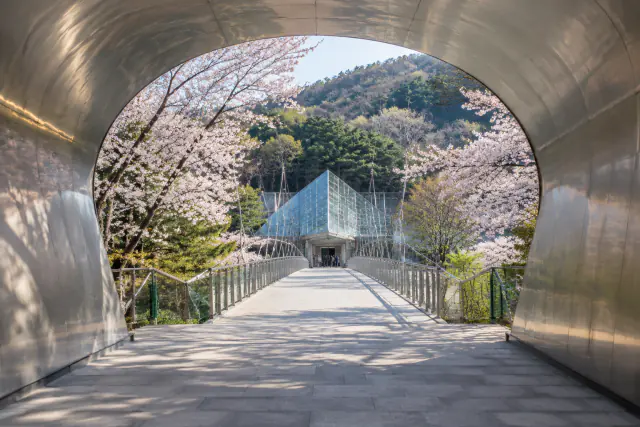 Shiga Museum · Half a day Miho Museum Designed by I. M. Pei, this mountain museum draws on the idea of the “Peach Blossom Spring,” a hidden paradise. You pass along a cherry-lined path, through a stainless-steel tunnel, and across a suspension bridge before reaching the galleries. The architecture is the main attraction, with a collection of ancient artifacts from East and West. Buses from JR Ishiyama Station take about 50 minutes and run infrequently. ArtCherry blossoms
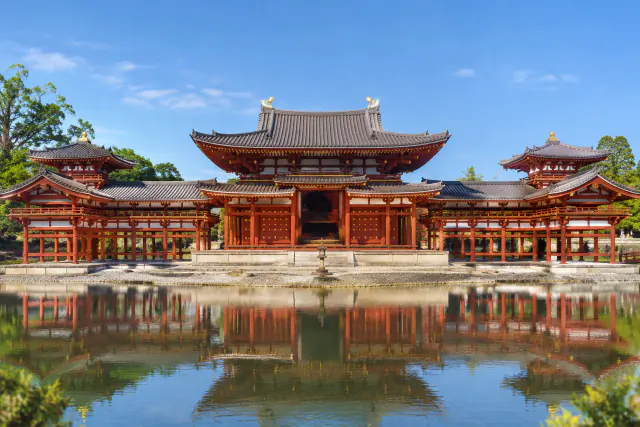 Kyoto Temple · Half a day Byodo-in, Uji The Phoenix Hall depicted on the back of the ¥10 coin stands here. This original Heian-period building is especially beautiful reflected in the pond. Uji is also a major matcha-producing area. The approach is lined with tea shops where you can drink tea and try matcha desserts, then take a stroll along the Uji River. From Kyoto, the JR Nara Line takes about 20–30 minutes. Historic sitesArt
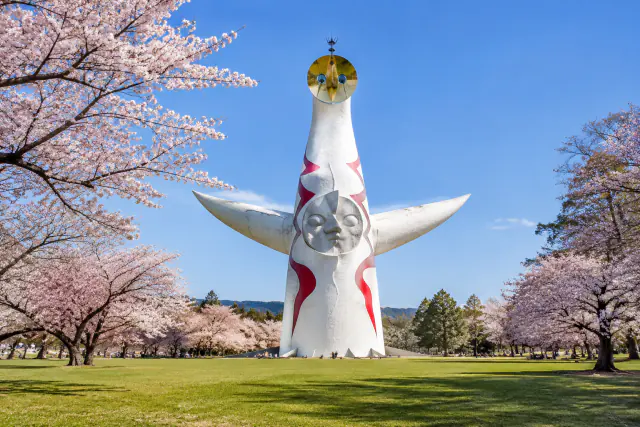 Osaka Park · 2–3 hours Expo '70 Commemorative Park This is the former site of the 1970 Osaka Expo. Taro Okamoto's Tower of the Sun stands dramatically in the middle of the lawn. The large park offers seasonal flowers, including cherry blossoms in spring, poppies in early summer, and cosmos and fall foliage in autumn. From Umeda, take the subway and transfer to the monorail; the trip takes about 40 minutes. ArtCherry blossomsFlower fields
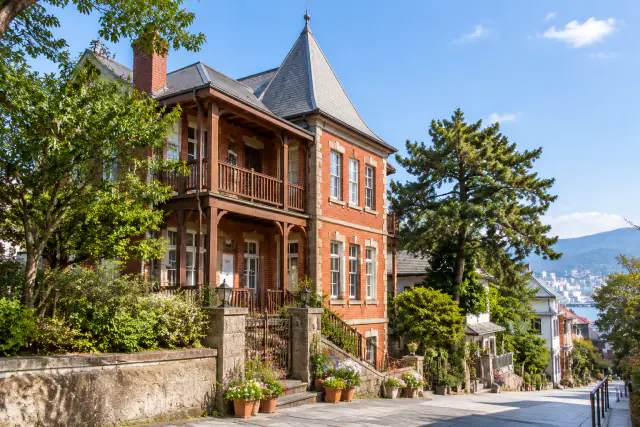 Hyogo Old town · 1.5–2 hours Kitano Ijinkan These Western-style houses on the slopes north of Sannomiya were home to foreign merchants after the port opened. Red brick, pointed roofs, and wooden balconies give the area a distinctive feel. Many houses charge separate admission, so choose one or two to enter and admire the rest from outside. The hillside cafes and bakeries are good breakfast stops. ArtHistoric sites
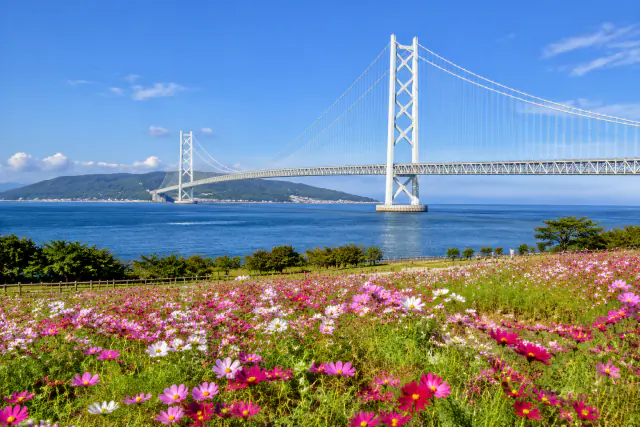 Hyogo Islands · 1 day Awaji Island Cross the Akashi Kaikyo Bridge to this large island for sea views, flowers, and local onions. Tadao Ando's Awaji Yumebutai is near the island end of the bridge, and Akashi Kaikyo National Government Park has broad sweeps of flowers in spring. Local buses are limited. The easiest way to reach the island is by highway bus from Sannomiya. IslandsFlower fieldsArt
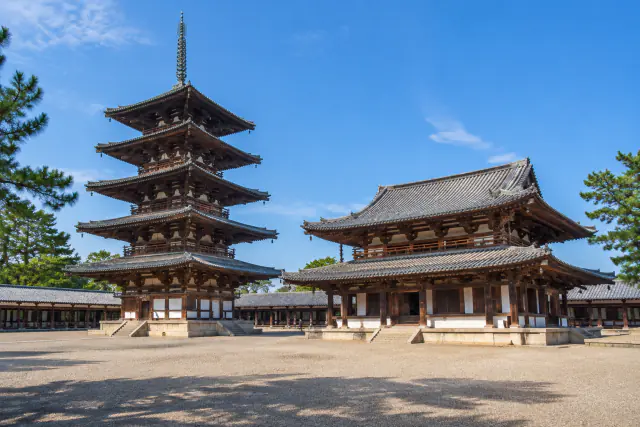 Nara Temple · 2–3 hours Horyu-ji The world's oldest surviving group of wooden buildings includes a 1,300-year-old five-story pagoda and main hall. It is Japan's first World Heritage site. Much quieter than Todai-ji, it is ideal for anyone interested in architecture and Buddhist statues. From Nara Station, take JR for about 15 minutes to Horyu-ji Station, then walk about 20 minutes or take a bus. Historic sitesArt
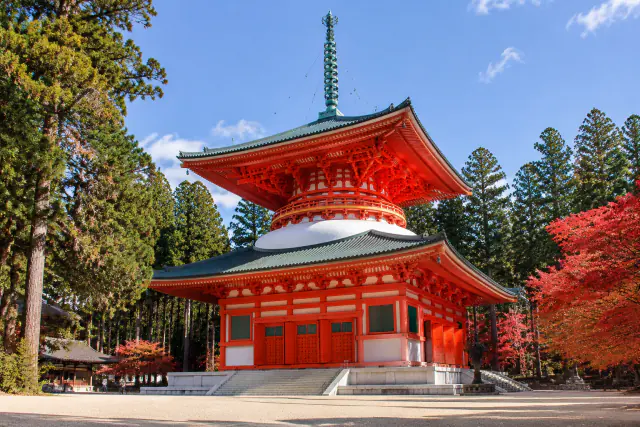 Wakayama Temple · 2–3 hours Kongobu-ji & Danjo Garan The head temple of Koyasan Shingon Buddhism, Kongobu-ji has Japan's largest rock garden, Banryu-tei, and grand halls decorated with painted sliding screens. Danjo Garan is a few minutes' walk west. Its red Konpon Daito is one of Koyasan's symbols. Together with Okunoin, these are Koyasan's highlights, and buses connect them around the mountain. Historic sitesArt
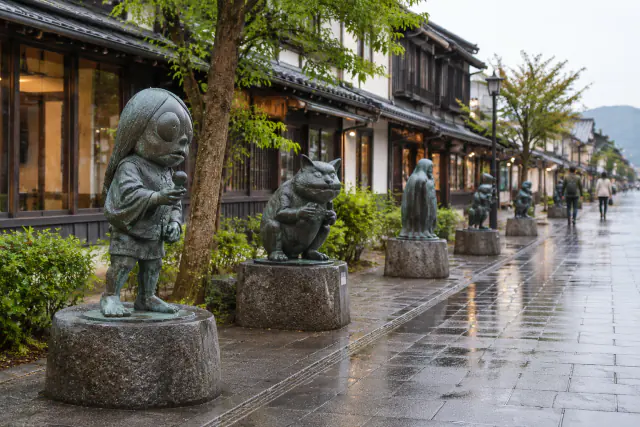 Tottori Old town · 2 hours Mizuki Shigeru Road This shopping street in manga artist Shigeru Mizuki's hometown of Sakaiminato is lined with more than 100 bronze statues of yokai from GeGeGe no Kitaro. The Mizuki Shigeru Museum stands at the end. From Yonago Station, take the JR Sakai Line for about 45 minutes. The trains themselves are covered in yokai artwork. At night, the streetlights cast yokai shadows on the ground. Art
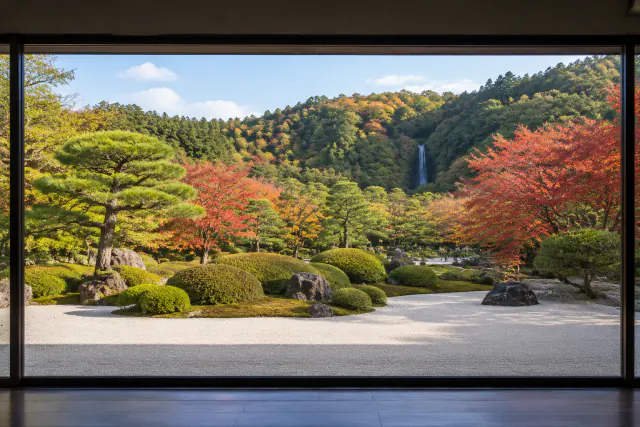 Shimane Museum · 2–3 hours Adachi Museum of Art This museum is known for its garden, which a U.S. magazine dedicated to Japanese gardens has rated Japan’s best for many consecutive years. You cannot walk through the garden; instead, view it through large windows, like a series of paintings hanging on the wall. The museum also holds a collection of modern Japanese paintings, including works by Yokoyama Taikan. Take the museum’s free shuttle from JR Yasugi Station. ArtAutumn leaves
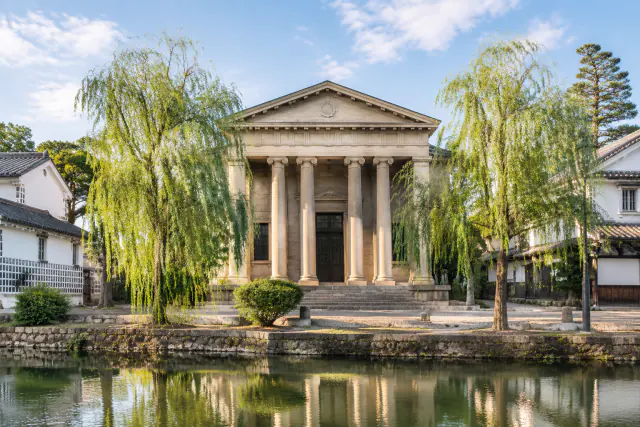 Okayama Museum · 1–2 hours Ohara Museum of Art Japan's first private museum devoted mainly to Western art stands beside the Kurashiki canal. Its collection includes works by Monet and El Greco. One ticket covers the Main Gallery, the Craft Museum, the Oriental Museum, and other exhibition spaces. Art lovers should allow 2 hours; if you are less interested, you can see just the Main Gallery. Art
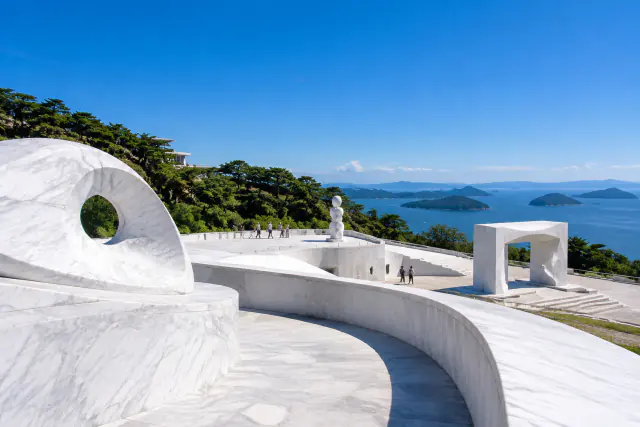 Hiroshima Temple · 1.5–2 hours Kosan-ji Temple and Miraishin no Oka This unusual temple on Ikuchijima was built by an industrialist in memory of his mother. Its vivid buildings imitate famous structures from Nikko, Kyoto, and elsewhere. Behind the temple, Miraishin no Oka is a large collection of white marble sculptures that look striking under a blue sky. Come by boat from Onomichi or cycle over on the Shimanami Kaido. On the way, explore Setoda's old shopping street and try a lemon dessert. Art
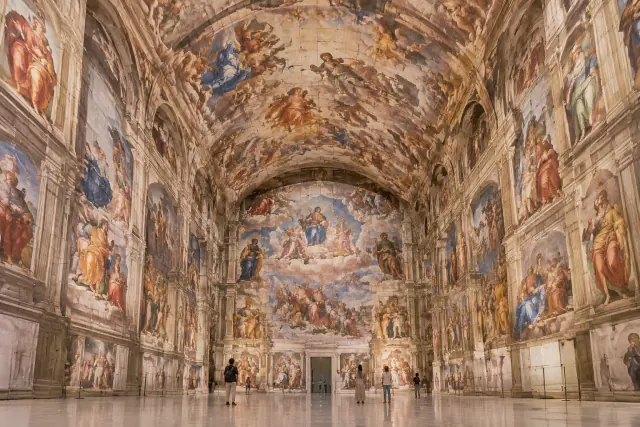 Tokushima Museum · 3–4 hours Otsuka Museum of Art The museum displays more than 1,000 full-size ceramic replicas of Western masterpieces, from ancient frescoes to Picasso. The entire ceiling of the Sistine Chapel has also been reproduced. You can touch and photograph the ceramic panels, making this a good stop with children. The museum is huge, with about 4 kilometers of walking, so allow at least half a day. Art
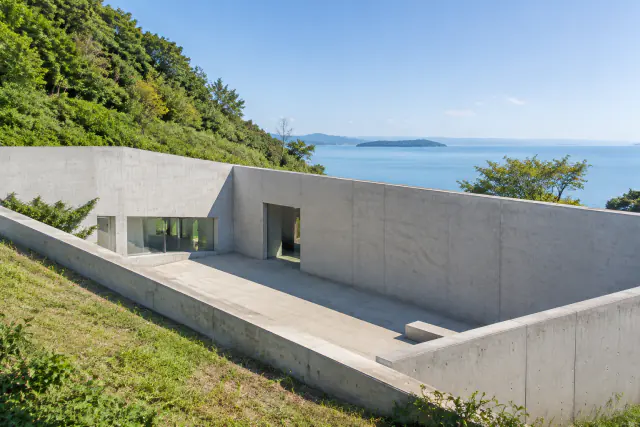 Kagawa Museum · 1.5–2 hours Chichu Art Museum Designed by Tadao Ando and built mostly underground, this museum shows works by just three artists: Claude Monet, James Turrell and Walter De Maria. Natural light changes how the exhibits look, so sunny and cloudy days feel completely different. Naoshima's top attraction requires an online reservation for a date and time slot. If tickets sell out online, none are sold at the museum that day. Art
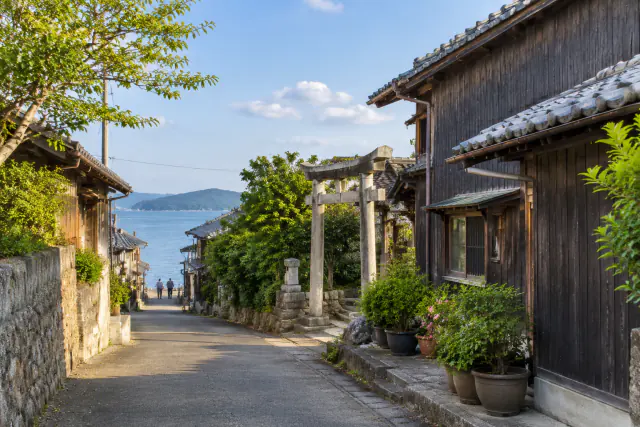 Kagawa Islands · Half a day Naoshima Art House Project Artists have transformed old houses, shrines and a dental clinic along Honmura's old streets into works of art. They are scattered through the narrow lanes, making it fun to explore on foot. Miyano-Ura Port has Yayoi Kusama's Red Pumpkin, while Yellow Pumpkin stands by the sea near Benesse House. Naoshima New Museum of Art, which opened in 2025, is also in Honmura and requires a reservation. ArtIslands
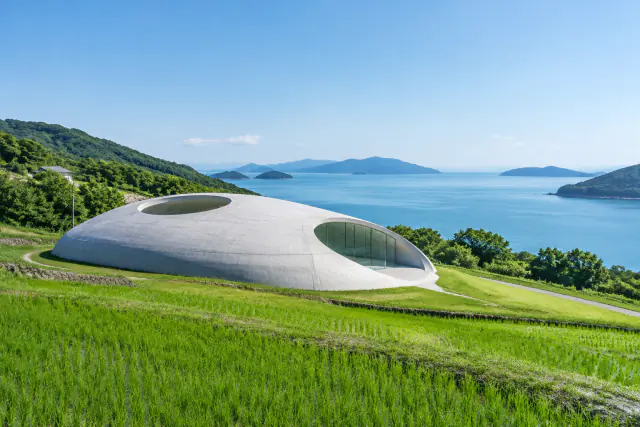 Kagawa Museum · 1–1.5 hours Teshima Art Museum This white concrete shell looks like a water droplet. Inside, there are no pillars or exhibits—only tiny drops of water that continuously emerge and roll across the floor, along with wind and light entering through the opening in the roof. Many visitors sit inside for a long time. From Ieura Port, it takes about 15 minutes by island bus or about 30 minutes by electric bike. ArtIslands
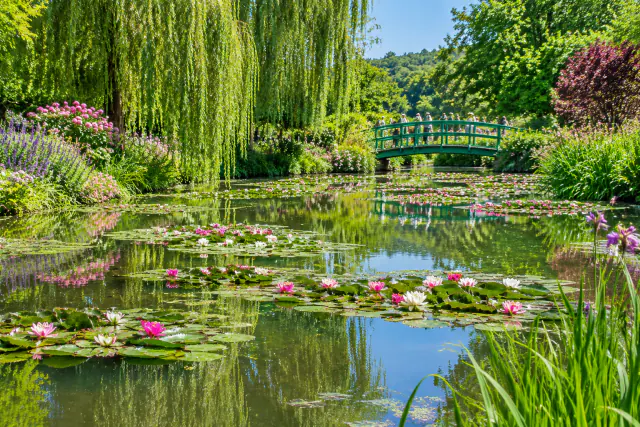 Kochi Garden · 2 hours Monet's Garden Marmottan Modeled after Monet's garden in Giverny, this is the only garden outside Giverny officially authorized by a Monet-related foundation to use the name 'Monet's Garden.' It has a water-lily pond, Japanese bridge, and garden cottage. The water lilies are at their best in spring and summer. In eastern Kochi, it takes about 2 hours from Kochi City by train and bus, so plan a full day for it. Flower fieldsArt
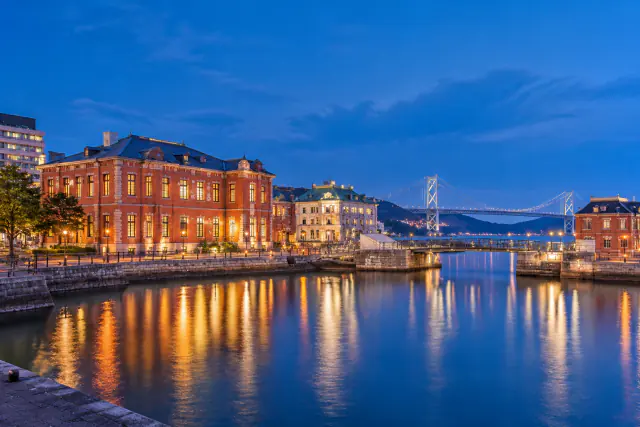 Fukuoka Old town · half a day–1 day Mojiko Retro This former international trading port preserves a group of red-brick Western-style buildings and the restored Mojiko Station. The waterfront is great for photos, and a ferry takes about 5 minutes to reach Karato Market in Shimonoseki, across the strait, for sushi. Plan half a day to a full day. Go in the afternoon, stay for the night view, and then return to Fukuoka. Historic sitesArt
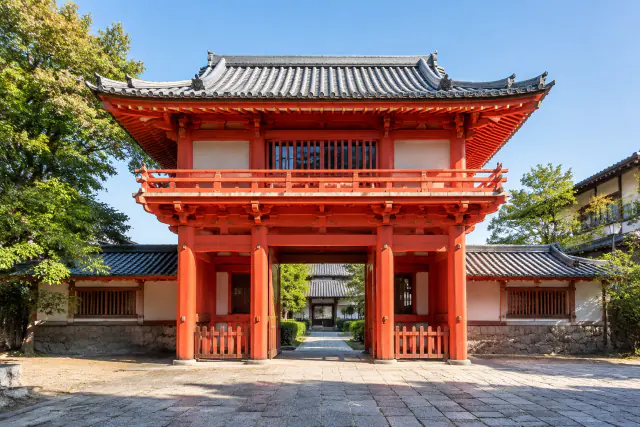 Saga Hot springs · 1–2 hours Takeo Onsen Romon Gate This vermilion gate was designed by Kingo Tatsuno, the architect of Tokyo Station. Behind it are public baths where you can soak in a thousand-year-old hot spring for a modest fee. Nearby Takeo City Library has a trendy bookstore-like design and is worth a look if you enjoy architecture. Hot springsArt
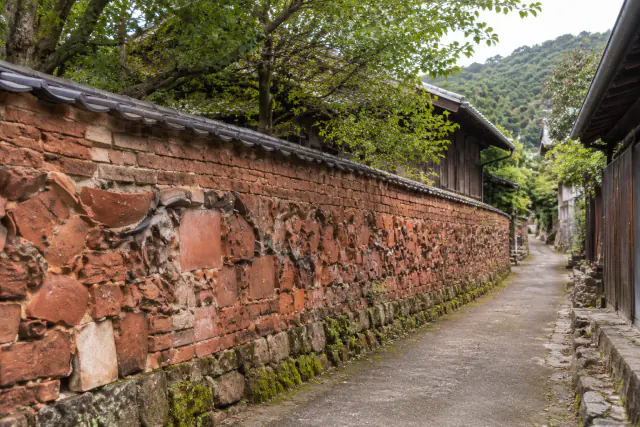 Saga Old town · Half a day Arita ceramic district Arita is where Japan first produced porcelain. The main street is lined with ceramic shops and kiln studios, while back alleys reveal old walls built from discarded kiln bricks. It's quiet outside the festival season and a good place to take your time choosing tableware. The Ceramic Fair from late April to early May fills the streets with shoppers. ArtHistoric sites
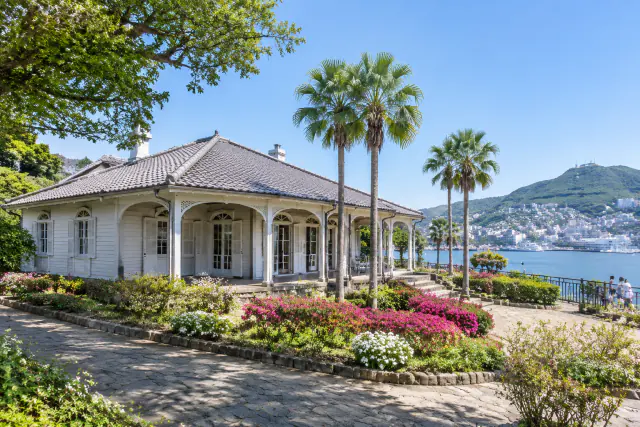 Nagasaki Garden · 1.5–2 hours Glover Garden Several Western-style homes from the Meiji period remain on the hillside. The Former Glover Residence is Japan’s oldest surviving Western-style wooden house and a World Heritage site. Walking downhill gives you views over Nagasaki Port. Oura Church is just below the entrance, and combo tickets are available. Historic sitesArt