Cloudborne Travel
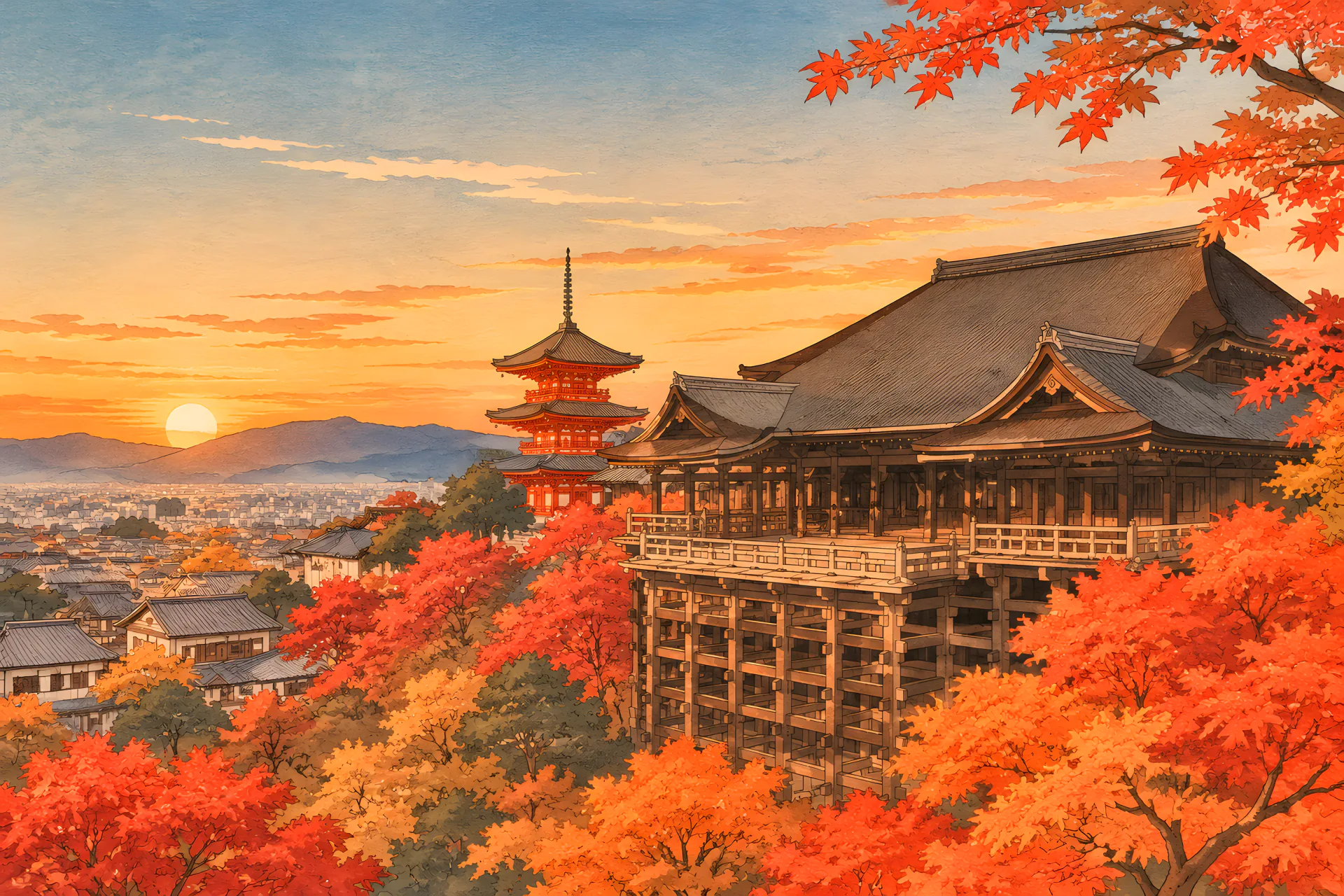
Kyoto served as Japan's capital for more than a thousand years. It has so many temples, shrines, and old streets that you could not see them all in a lifetime. On your first visit, don't try to do too much. Exploring by area is easiest: spend one day in Higashiyama (Kiyomizu-dera, Gion, and Ginkaku-ji), one day in Arashiyama, half a day each at Kinkaku-ji and Fushimi Inari Taisha, and another half day in Uji or Kibune.
Crowds are Kyoto's biggest problem. Popular sights start to develop lines after 9 am, and city buses are often too packed to board. Leave early whenever possible. Take the subway, JR, or Keihan instead of waiting for a bus. During cherry blossom and fall foliage season, move popular sights to weekdays.
If you have an extra day or two, Amanohashidate and Ine in northern Kyoto Prefecture are worth an overnight stay. The scenery there is all bays, pine forests, and fishing villages. The pace is slower and the crowds are lighter—a completely different side of Kyoto from the temple-filled city center.
Cherry blossoms usually appear from late March to early April, and fall foliage peaks from mid-November to early December. These are also the most beautiful, crowded, and expensive periods. January–February is quieter, while summers are hot and humid.
Monthly weather
Based on KyotoBest time to visit Monthly precipitation (mm) Open-Meteo (ERA5), 1996–2025 average
| Month | Average high (°C) | Average low (°C) | Monthly precipitation (mm) | Days with 1 mm or more of precipitation |
|---|---|---|---|---|
| Jan | 8.8 | 1 | 63 | 8 |
| Feb | 9.9 | 1.5 | 71 | 9 |
| Mar(Good time to visit) | 14 | 4.2 | 123 | 12 |
| Apr(Good time to visit) | 19.5 | 9.3 | 138 | 11 |
| May(Good time to visit) | 24.2 | 14.5 | 156 | 12 |
| Jun | 27.6 | 19.4 | 199 | 15 |
| Jul | 31.4 | 23.9 | 238 | 17 |
| Aug | 32.9 | 24.8 | 163 | 14 |
| Sep(Good time to visit) | 28.9 | 21.2 | 181 | 13 |
| Oct(Good time to visit) | 23 | 14.6 | 161 | 10 |
| Nov(Good time to visit) | 17.3 | 8.4 | 84 | 8 |
| Dec | 11.4 | 3.2 | 64 | 8 |
Sights
-
 1
Fushimi Inari Taisha
伏見稲荷大社
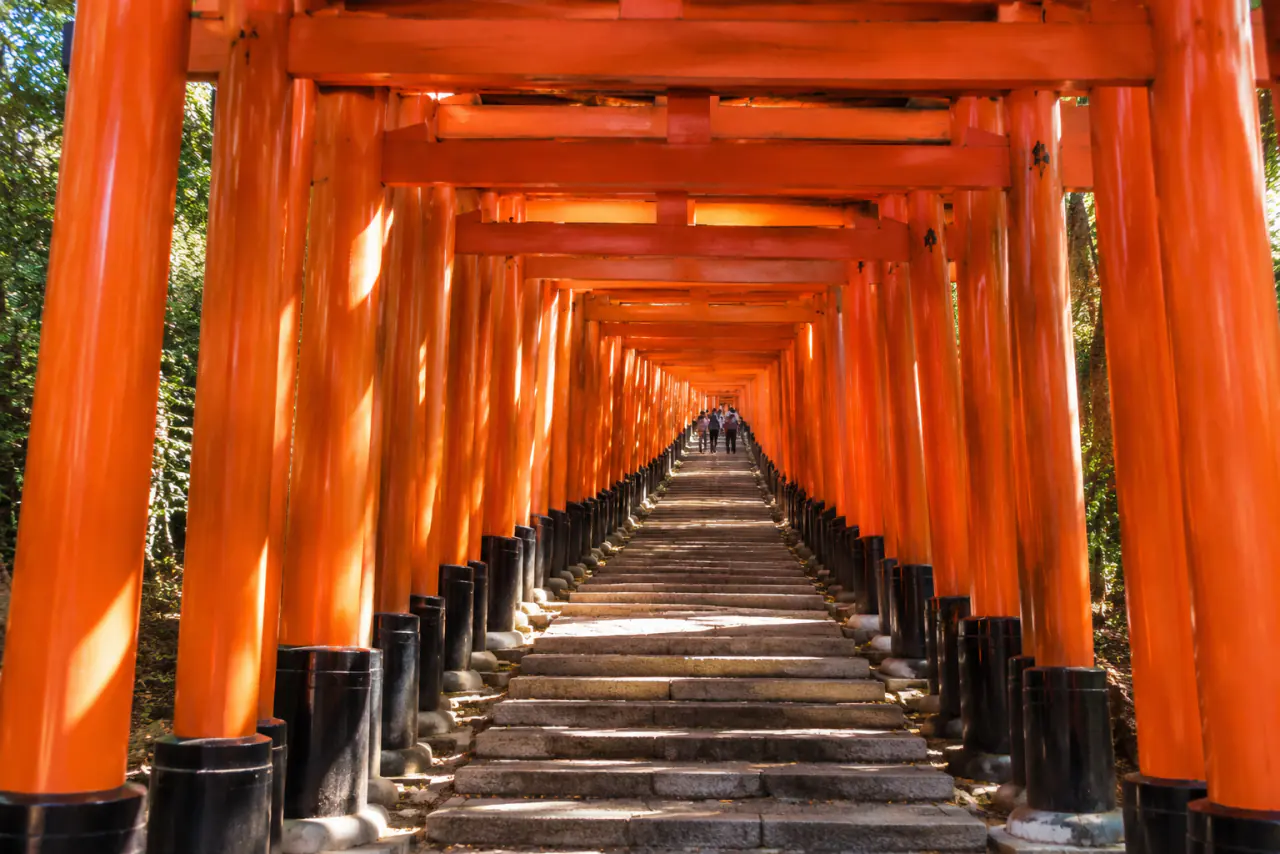
Thousands of vermilion torii form a tunnel through the hills, making this Kyoto's most photographed sight. The entrance is the busiest area, and the crowds thin out as you climb. From Yotsutsuji halfway up, you can look over Kyoto. The round trip to the summit takes about 2–3 hours. JR Inari Station is right outside the gate. The shrine is open 24 hours and admission is free.
Go before 8 am or in the evening if you want a people-free shot of the Senbon Torii.
-
 2
Kiyomizu-dera & Sannenzaka
清水寺・産寧坂
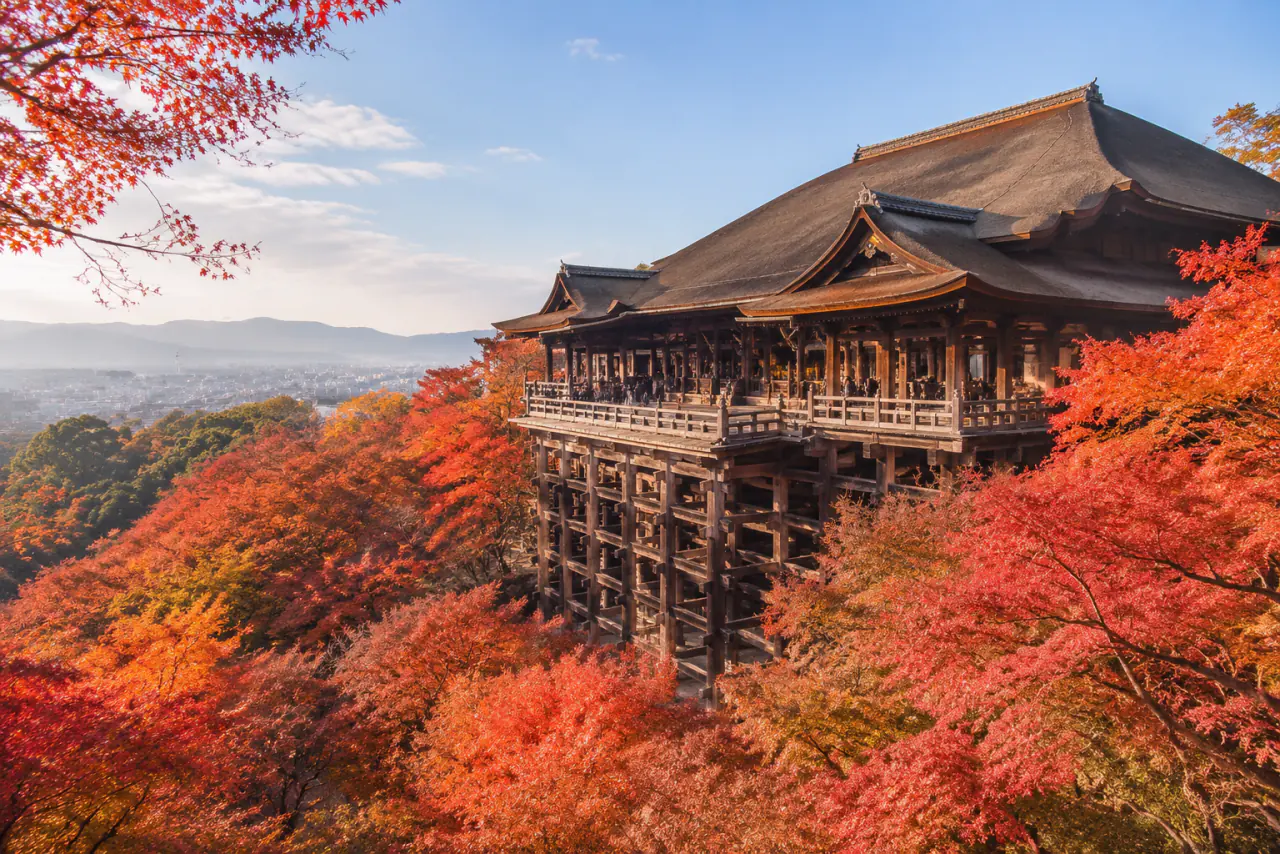
The wooden Kiyomizu Stage, suspended over the hillside, is one of Kyoto's signature views. Cherry blossoms in spring and fall foliage in autumn spread out below. Walk downhill along the stone-paved lanes of Sannenzaka and Ninenzaka, lined with traditional shops and teahouses, then continue to Yasaka Shrine and Gion.
The slopes are packed during the day, so go early when the temple opens. Special evening visits are held in spring and fall.
-
 3
Gion & Hanamikoji
祇園・花見小路
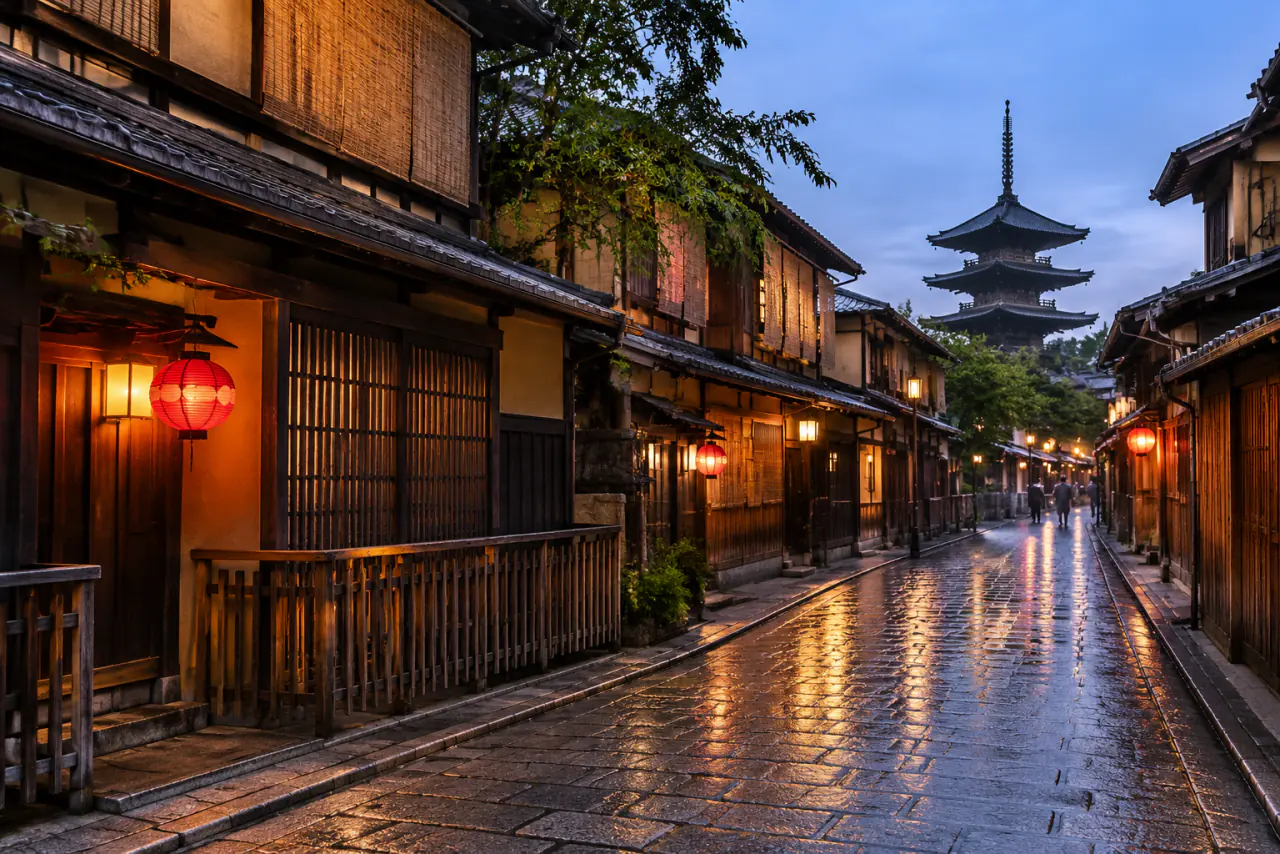
This is Kyoto's most atmospheric traditional neighborhood. Teahouses and ryotei line the stone-paved streets, which look their best when the lanterns come on at dusk. You can also walk along the Shirakawa River and visit Yasaka Shrine, which stays lively at night. This is where geiko and maiko live and work—not a staged tourist attraction.
Photography is prohibited on private lanes around Hanamikoji. Do not block the way or chase geiko and maiko for photos.
-
 4
Arashiyama & Tenryu-ji
嵐山・天龍寺
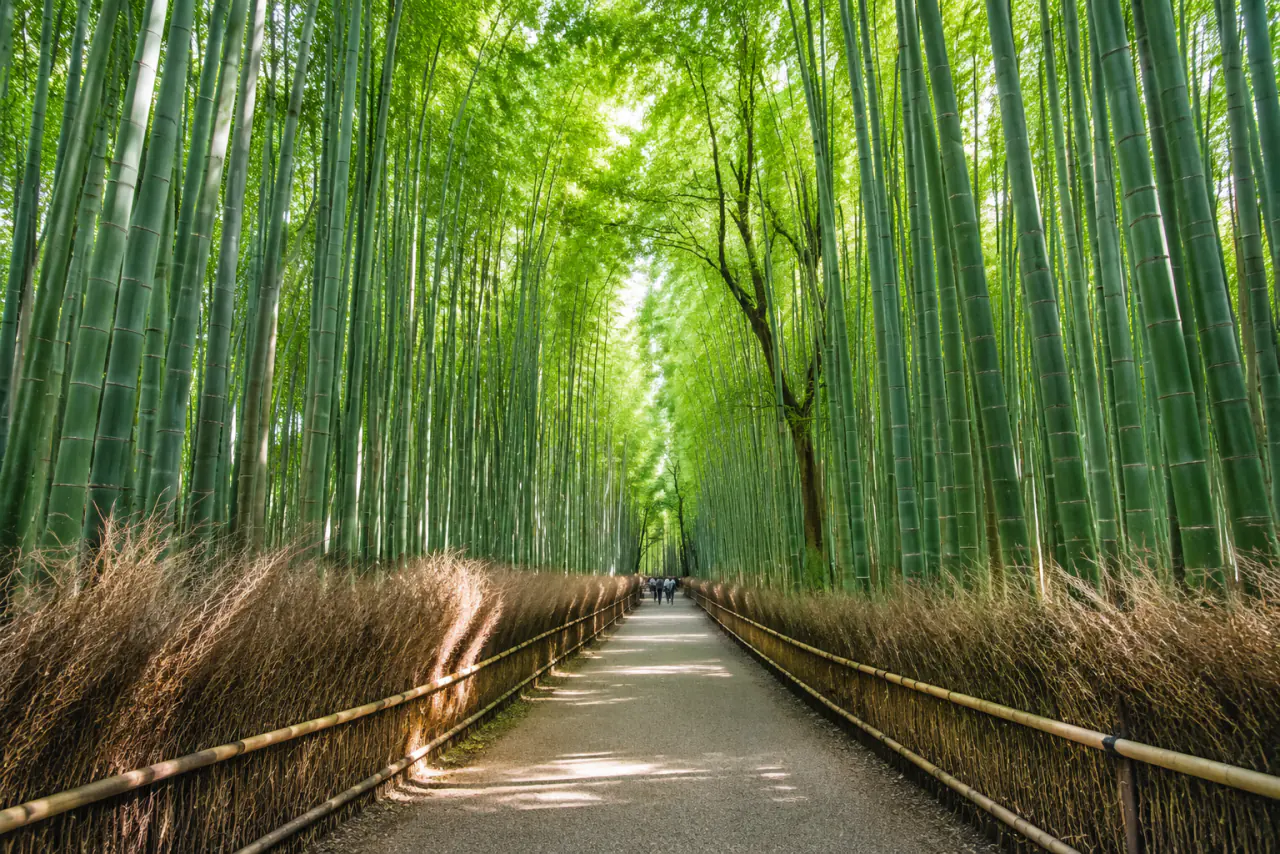
This scenic district lies in western Kyoto. The garden at World Heritage-listed Tenryu-ji uses the mountains of Arashiyama as its backdrop. The north gate opens onto the bamboo grove, with smaller temples such as Jojakko-ji farther north. The fall colors are beautiful. Togetsukyo Bridge offers the broadest mountain views, and you can also rent a boat or ride the Sagano Romantic Train.
Visit the bamboo grove before 8 am. After 9 am, the path is usually packed.
-
 5
Kinkaku-ji
金閣寺(鹿苑寺)
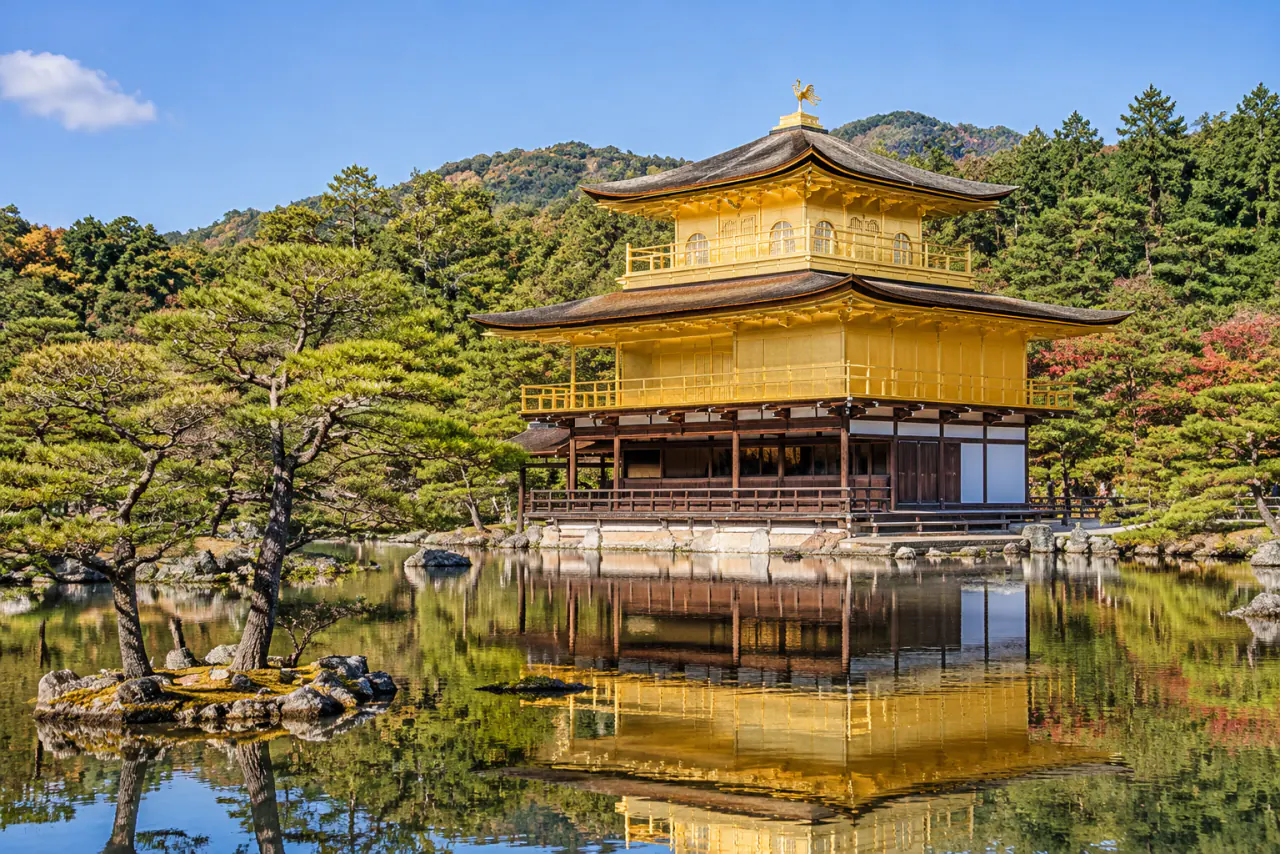
The Golden Pavilion, covered in gold leaf, is reflected in Kyokochi Pond. It is one of Kyoto's most famous postcard views. The route is one-way and takes 30–40 minutes. Nearby Ryoan-ji and Ninna-ji can be combined for a half-day northern Kyoto route. The pavilion covered in snow is a rare sight.
Arrive when it opens at 9 am. Tour groups usually start arriving after about 10 am.
-
 6
Ginkaku-ji & Philosopher's Path
銀閣寺・哲学の道
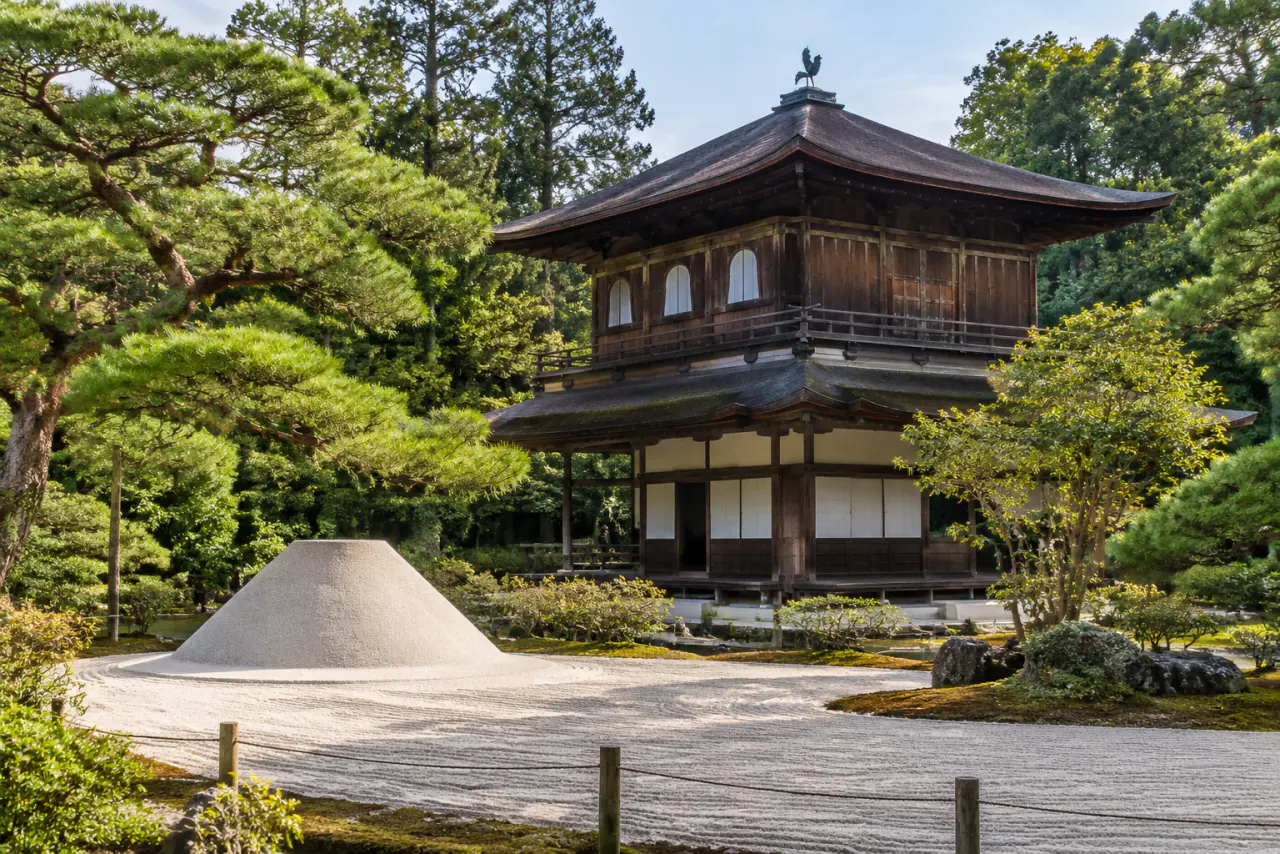
Ginkaku-ji is not actually silver. The highlights are the white-sand Silver Sand Sea and the moss garden. From the entrance, follow the canal south to the Philosopher's Path, a flat route about 2 kilometers long. In spring it is lined with cherry blossoms, and in fall with colorful leaves. At the end, you can continue to Nanzen-ji and Eikando.
There are plenty of cafés along the way for a break. During blossom season, go in the morning, when it is much less crowded than in the afternoon.
-
 7
Tofuku-ji
東福寺
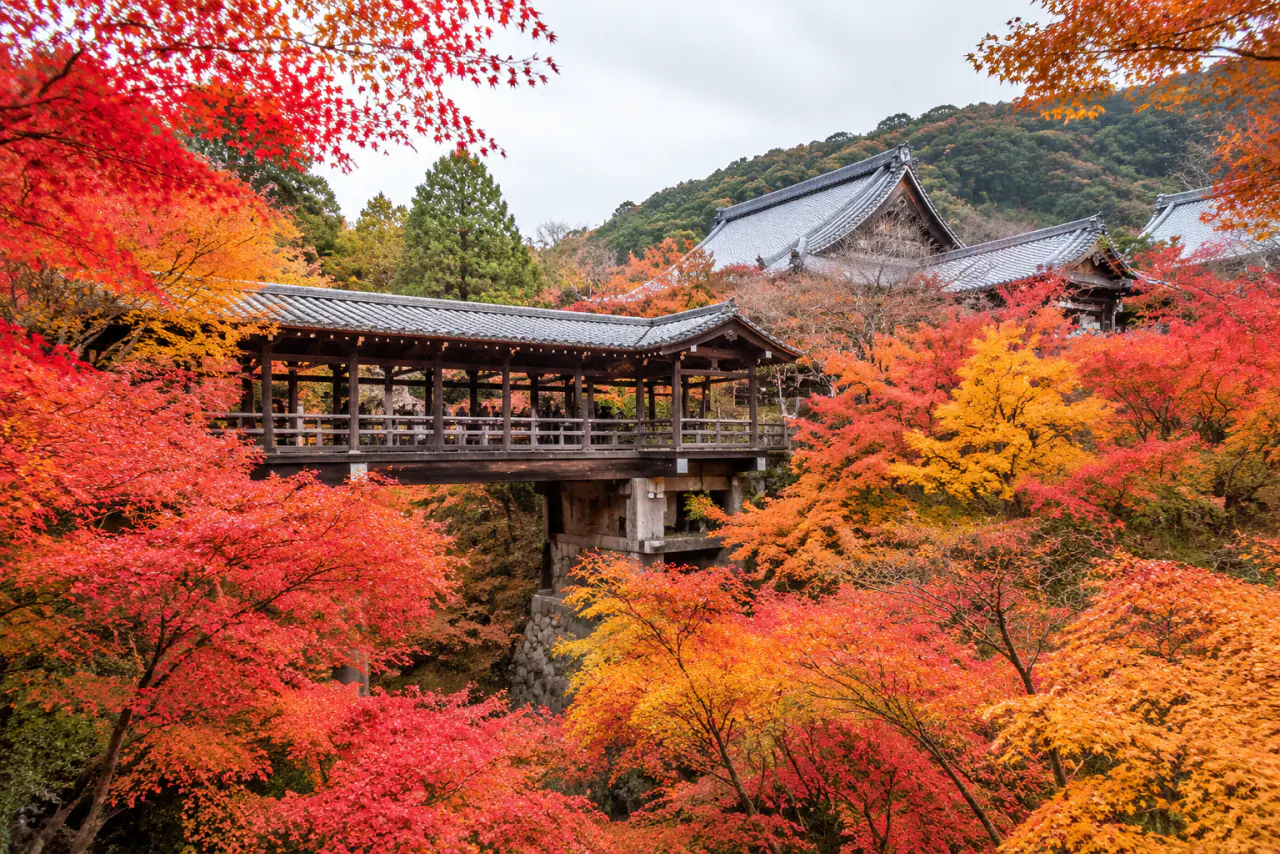
One of Kyoto's top fall foliage spots. From the wooden Tsutenkyo Bridge, you can look down over a valley filled with maple trees. In late November, the colors are almost fiery. The abbot's square moss garden is a modern garden masterpiece. It is only one stop from Fushimi Inari, so you can see the foliage in the morning and walk through the torii in the afternoon.
People line up before opening during foliage season, and the crowds grow throughout the day. Photography is prohibited on Tsutenkyo Bridge during peak periods.
-
 8
Byodo-in, Uji
平等院
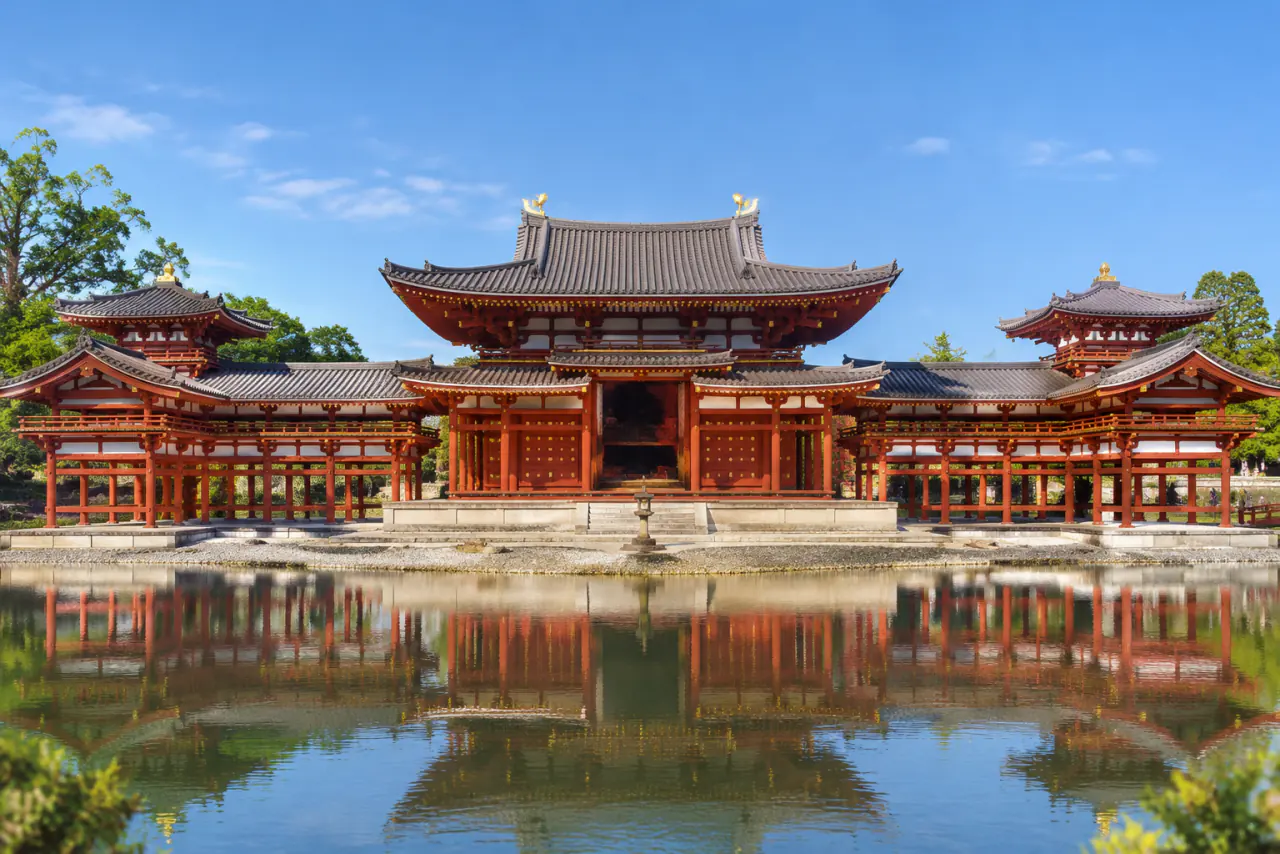
The Phoenix Hall depicted on the back of the ¥10 coin stands here. This original Heian-period building is especially beautiful reflected in the pond. Uji is also a major matcha-producing area. The approach is lined with tea shops where you can drink tea and try matcha desserts, then take a stroll along the Uji River. From Kyoto, the JR Nara Line takes about 20–30 minutes.
Entry to the Phoenix Hall interior costs about ¥300 extra. Visitors enter in timed groups, so register when you first arrive.
-
 9
Kurama & Kibune
鞍馬・貴船
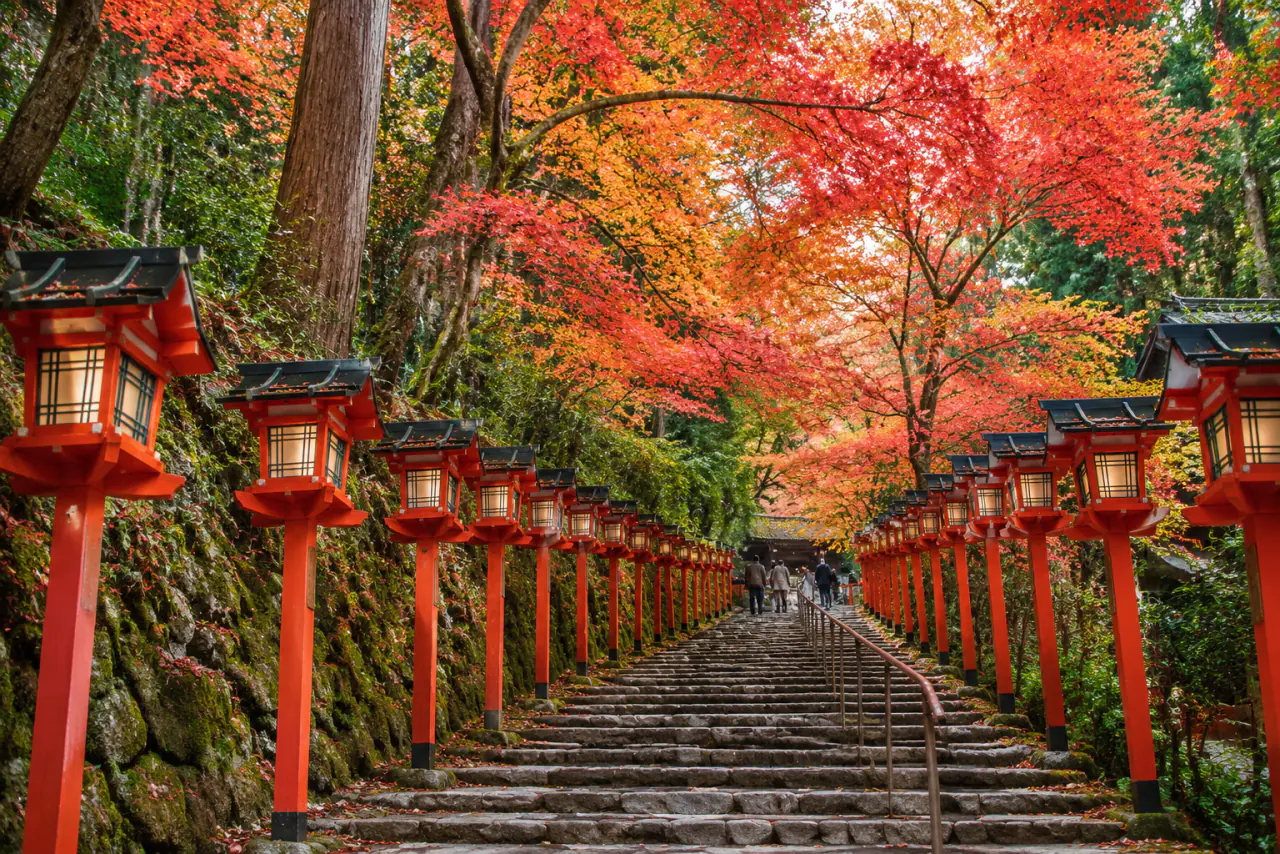
A half-day hike in the mountains north of Kyoto. Climb from Kurama-dera through cedar forests and over the ridge to Kifune Shrine, a walk of about 1.5–2 hours. In summer, Kibune is known for kawadoko dining platforms built over the stream. The fall foliage is also beautiful, and temperatures are several degrees cooler than in the city. The Eizan Railway from Demachiyanagi takes about 30 minutes.
The trail has stairs and tree roots, so wear comfortable walking shoes. Reserve kawadoko dining in Kibune in advance.
-
 10
Amanohashidate & Ine
天橋立・伊根の舟屋
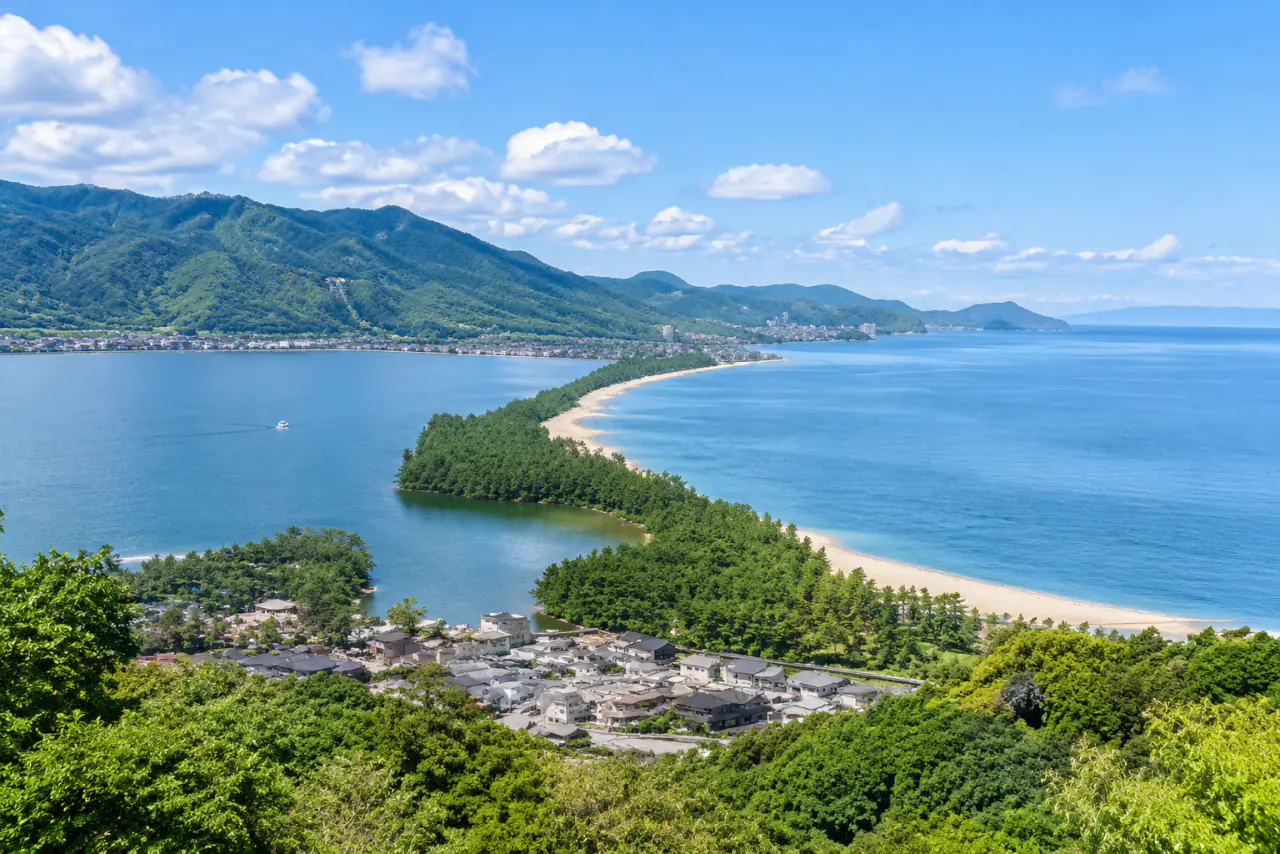
A coastal escape in northern Kyoto Prefecture. Amanohashidate is a pine-covered sandbar stretching across a bay and is considered one of Japan's Three Scenic Views. From the hilltop observatory, the famous view is to bend over and look at it upside down between your legs. Then take a bus to Ine to see its fishing village and rows of funaya built over the water. The limited express from Kyoto takes about 2 hours.
A day trip is too rushed. Stay overnight in Amanohashidate or Ine.
What to eat
Yudofu
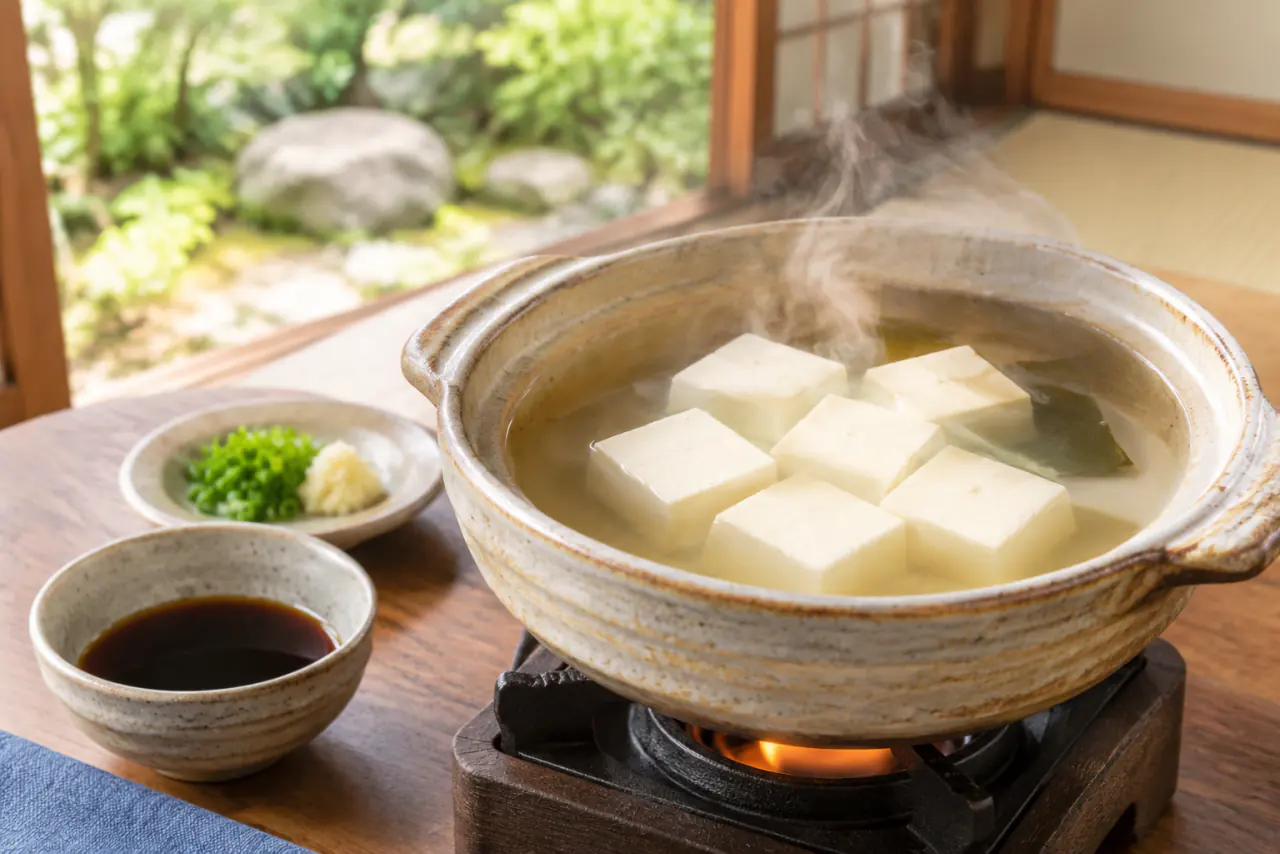
Silken tofu gently warmed in kombu broth and eaten with soy sauce and condiments. The flavor is delicate, highlighting Kyoto's clean water and the fragrance of soybeans. It is especially comforting in winter. It is usually served as a set meal with tempura and small side dishes.
Traditional restaurants around Nanzen-ji and Arashiyama, many with garden seating. · About ¥3,000–5,000 per person
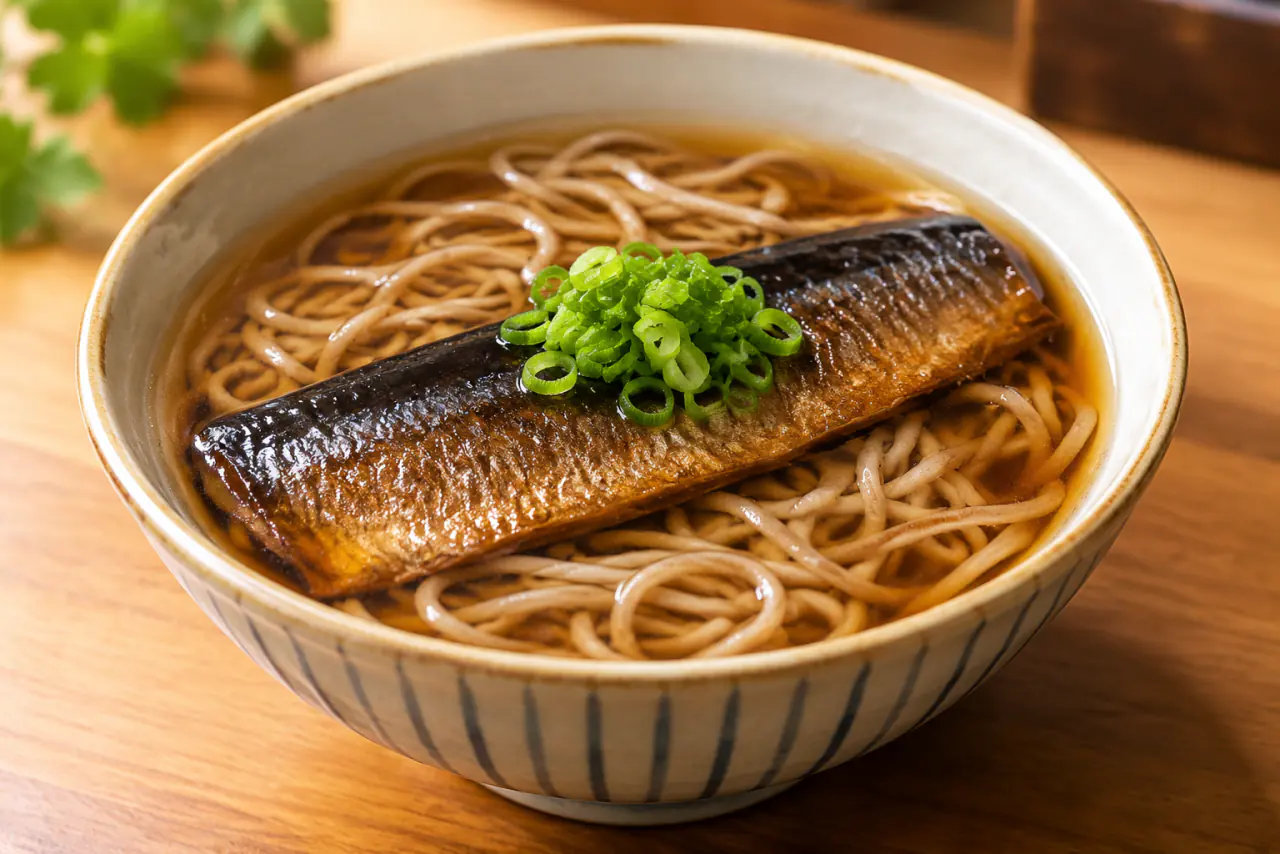
Nishin soba
Hot soba topped with a whole herring simmered in a sweet-and-savory sauce. The fish's salty sweetness slowly blends into the broth, making it a warming winter meal.
Traditional noodle shops around Gion-Shijo and Minamiza; also common around Kyoto Station. · About ¥1,000–2,000 per bowl
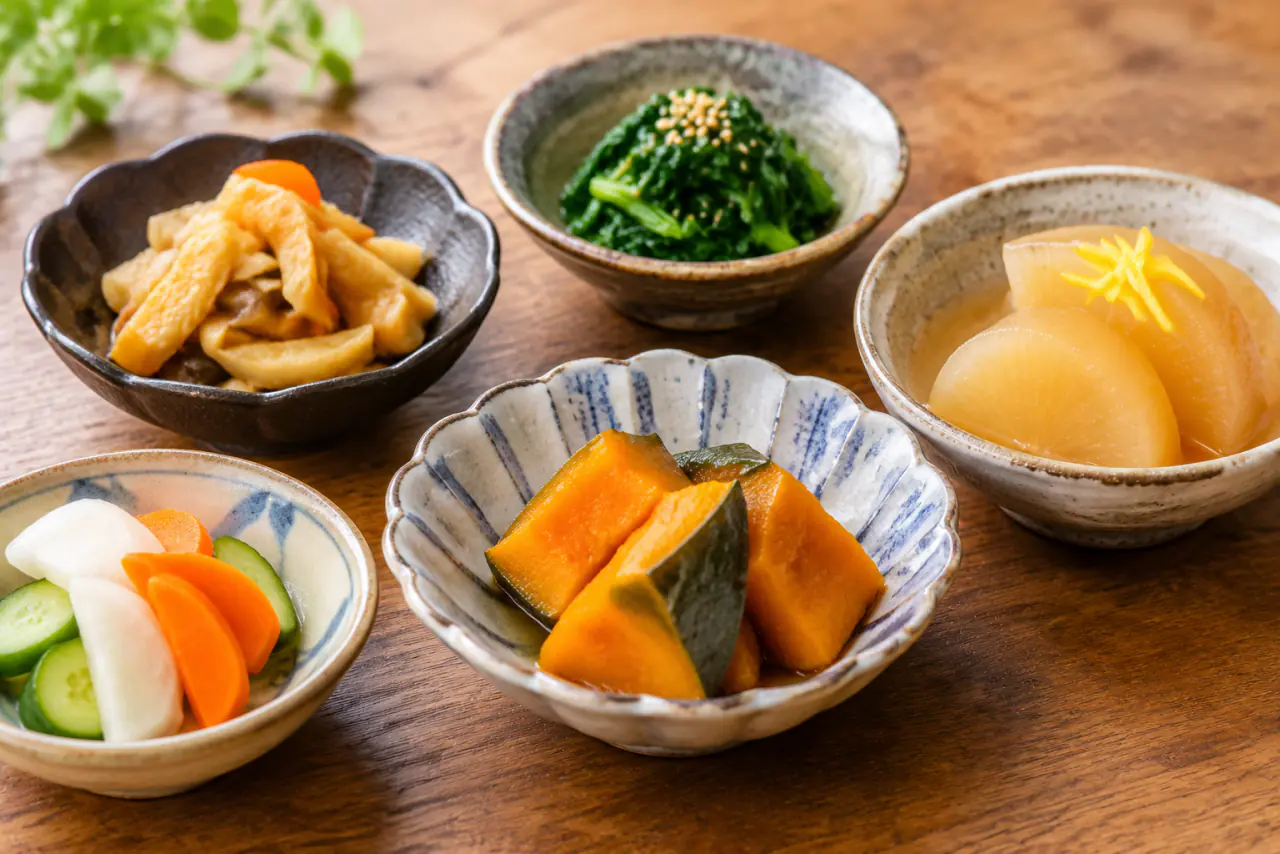
Obanzai
Everyday Kyoto home cooking: simmered pumpkin, braised daikon, and dressed greens made with seasonal vegetables and dashi. The flavors are light. Many small restaurants display a dozen or more dishes at the counter for you to choose from. Add a bowl of rice for a satisfying dinner.
Small restaurants around Shijo-Karasuma, Nishiki Market, and Pontocho. · About ¥1,500–3,500 per person
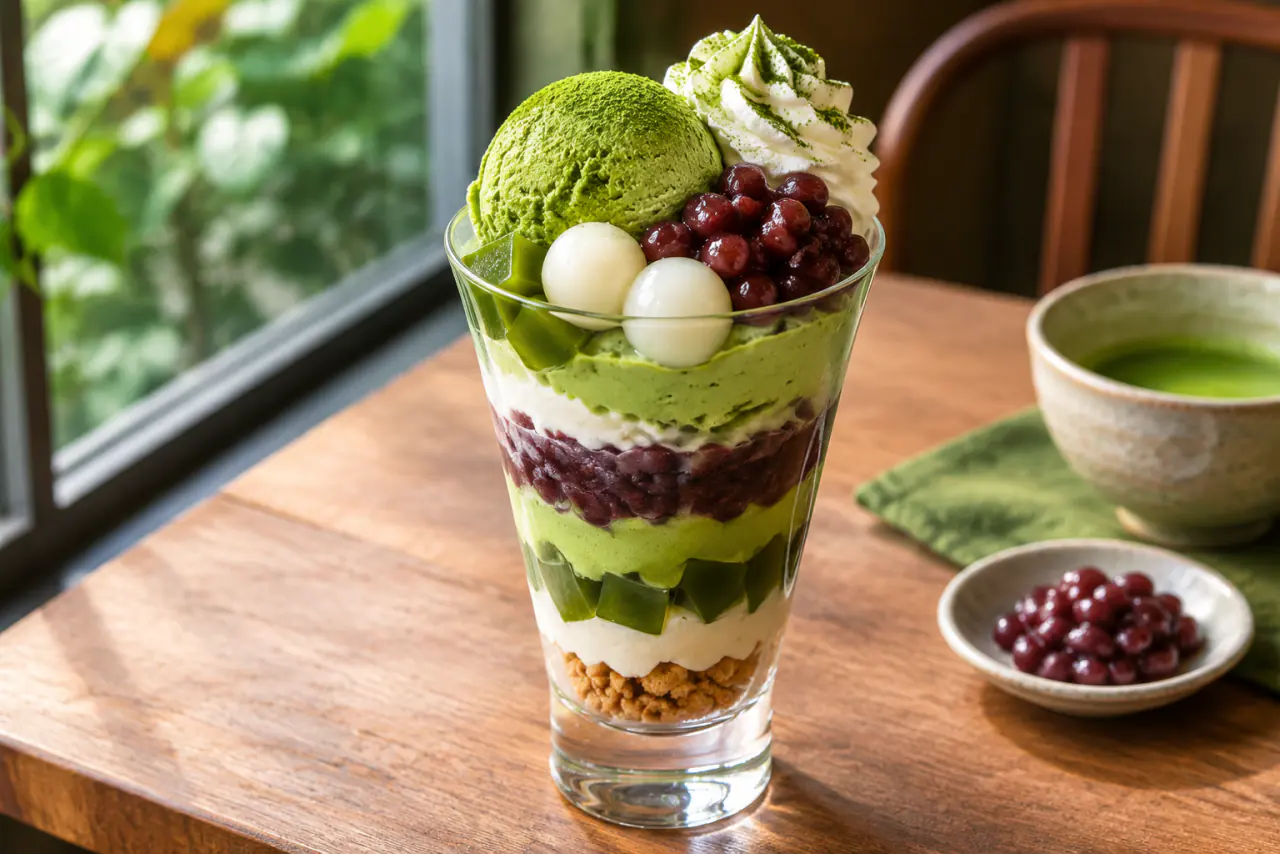
Uji matcha sweets
Uji is one of Japan's best-known matcha-producing regions. You can try matcha parfaits, matcha ice cream, and fresh mochi with a strong tea flavor. The bitterness is more pronounced than in matcha desserts elsewhere. For a traditional drink, order usucha with wagashi.
Tea shops along the approach to Byodo-in in Uji, as well as around Kyoto Station and Gion.
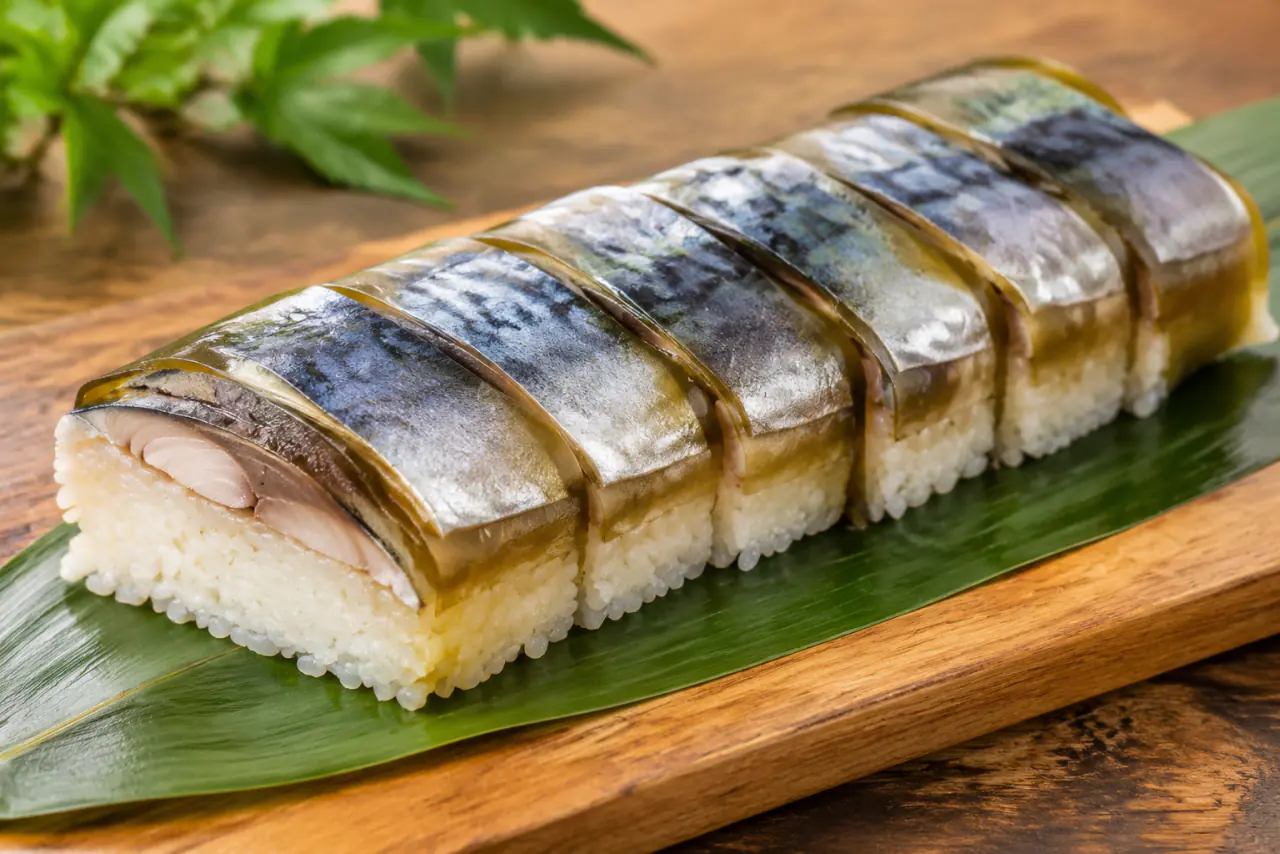
Saba sushi
Mackerel from Wakasa Bay was once salted and transported to Kyoto, where it was made into thick pressed sushi. The flavor is moderately salty and tangy. It is a traditional dish for festivals and entertaining. A sliced piece also makes a good late-night snack back at your hotel.
Traditional sushi restaurants in Gion and the basement food halls of department stores.
Getting there · Where to stay
The JR limited express HARUKA takes about 75–80 minutes to Kyoto Station. International visitors can buy a discounted one-way ticket in advance for about ¥2,700.
The JR Special Rapid from Osaka Station takes about 30 minutes. The Hankyu line from Osaka-Umeda to Kyoto-Kawaramachi takes about 45 minutes and goes directly to the Shijo area.
The Tokaido Shinkansen Nozomi takes about 2 hours 15 minutes to Kyoto Station.
The Kintetsu line from Kintetsu-Nara Station to Kyoto Station takes about 35 minutes by limited express or about 45 minutes by express.
For a first visit, stay near Kyoto Station, Shijo-Kawaramachi, or Karasuma. Kyoto Station is the most convenient for the airport, Nara, and Osaka. The Shijo area is good for dining and shopping, and Gion is within walking distance at night.
Know this before you go
- From March 2026, Kyoto's accommodation tax will have 5 tiers based on the room rate per person per night, ranging from about ¥200–10,000. It is usually paid separately at check-in.
- City buses toward Kiyomizu-dera and Kinkaku-ji are often too crowded to board. Take the subway, JR, or Keihan instead of waiting for a bus. For groups of 3–4, a taxi can also be cost-effective.
- Arriving at popular sights before 8–9 am and after 10 am offer two completely different experiences. During blossom season, visit popular sights on weekdays.
- Kyoto plans to raise city bus fares for nonresidents from fiscal 2027, with preferential prices for residents. Follow the announcement at the time.
- Don't take large luggage on buses. Use the luggage storage or hotel delivery service at Kyoto Station.
Source (2026-11)
Kyoto Tourism Navi: Notice on changes to Kyoto City accommodation tax, Kyoto City Transportation Bureau: Overview of the preferential city bus fare system for residents, Ginkaku-ji: Notice on revised admission fees (effective April 1, 2026), Byodo-in: Visitor information, JR West: WEST QR HARUKA One-way Ticket