Cloudborne Travel
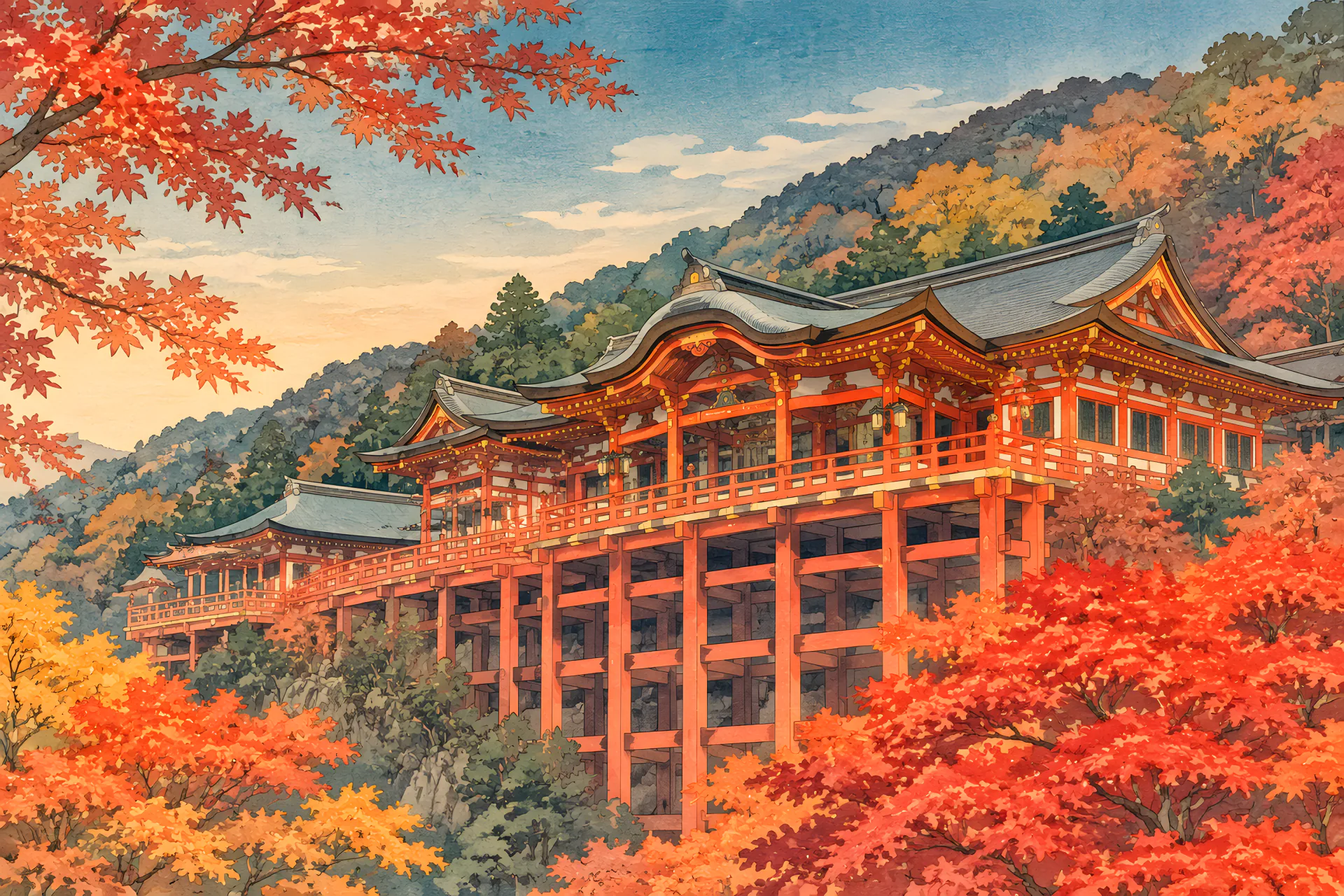
Saga is often treated as a stop on the way from Fukuoka to Nagasaki, but it also makes an easy day trip from Fukuoka. Takeo and Ureshino in the west are known for their hot springs. Arita and Imari are the birthplace of Japanese porcelain. Along the northern coast, Karatsu and Yobuko serve transparent live squid.
Saga gets far fewer visitors than Fukuoka and moves at a slower pace. It's a good choice for a second Kyushu trip or anyone looking to avoid crowds. Sights are spread out, so choose one route: hot springs and ceramics in the west, castles and seafood in the north, or Yoshinogari Historical Park near Saga Station.
The Arita Ceramic Fair runs from late April to early May. Mifuneyama Rakuen is beautiful in spring for its azaleas and in fall for its leaves. The Karatsu Kunchi Festival takes place in early November.
Monthly weather
Based on SagaBest time to visit Monthly precipitation (mm) Open-Meteo (ERA5), 1996–2025 average
| Month | Average high (°C) | Average low (°C) | Monthly precipitation (mm) | Days with 1 mm or more of precipitation |
|---|---|---|---|---|
| Jan | 10.5 | 3.6 | 61 | 8 |
| Feb | 11.9 | 4.1 | 83 | 9 |
| Mar(Good time to visit) | 15.6 | 6.9 | 122 | 11 |
| Apr(Good time to visit) | 20.4 | 11.2 | 139 | 11 |
| May(Good time to visit) | 24.7 | 16 | 174 | 10 |
| Jun | 27.3 | 20.6 | 328 | 16 |
| Jul | 30.8 | 24.8 | 293 | 18 |
| Aug | 32.2 | 25.5 | 205 | 15 |
| Sep(Good time to visit) | 29.1 | 22 | 184 | 13 |
| Oct(Good time to visit) | 24.1 | 16 | 107 | 8 |
| Nov(Good time to visit) | 18.4 | 10.5 | 96 | 8 |
| Dec | 12.7 | 5.5 | 67 | 7 |
Sights
-
 1
Mifuneyama Rakuen
御船山楽園
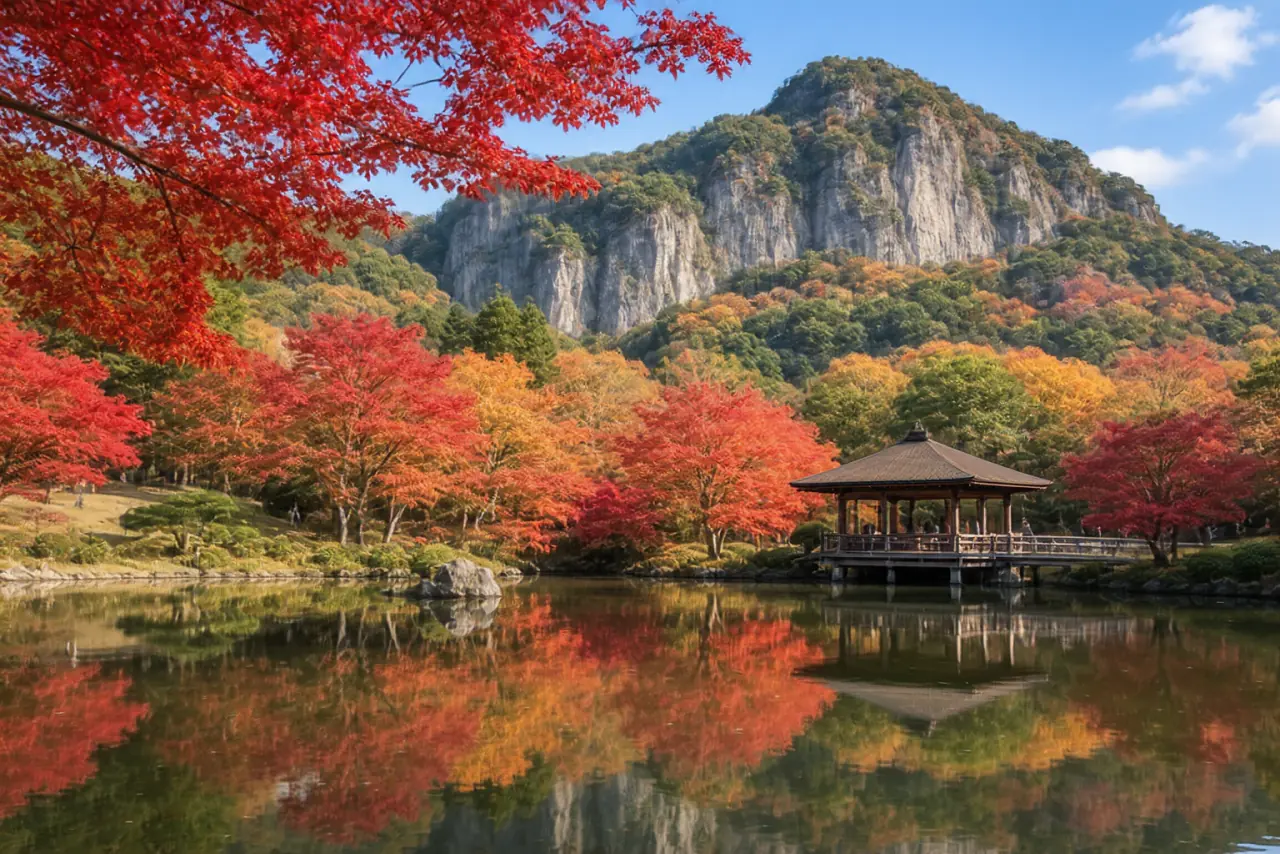
A large garden built against a steep mountain. In spring, azaleas and cherry blossoms cover the slopes. In fall, leaves are reflected in the ponds, and evening light displays take place. It's in the same small city as Takeo Onsen, making it easy to combine a soak with a garden visit in one day.
It's about 5 minutes by taxi from Takeo Onsen Station. The evening illumination draws crowds in fall, so enter before dusk for a more relaxed visit.
-
 2
Takeo Onsen Romon Gate
武雄温泉楼門
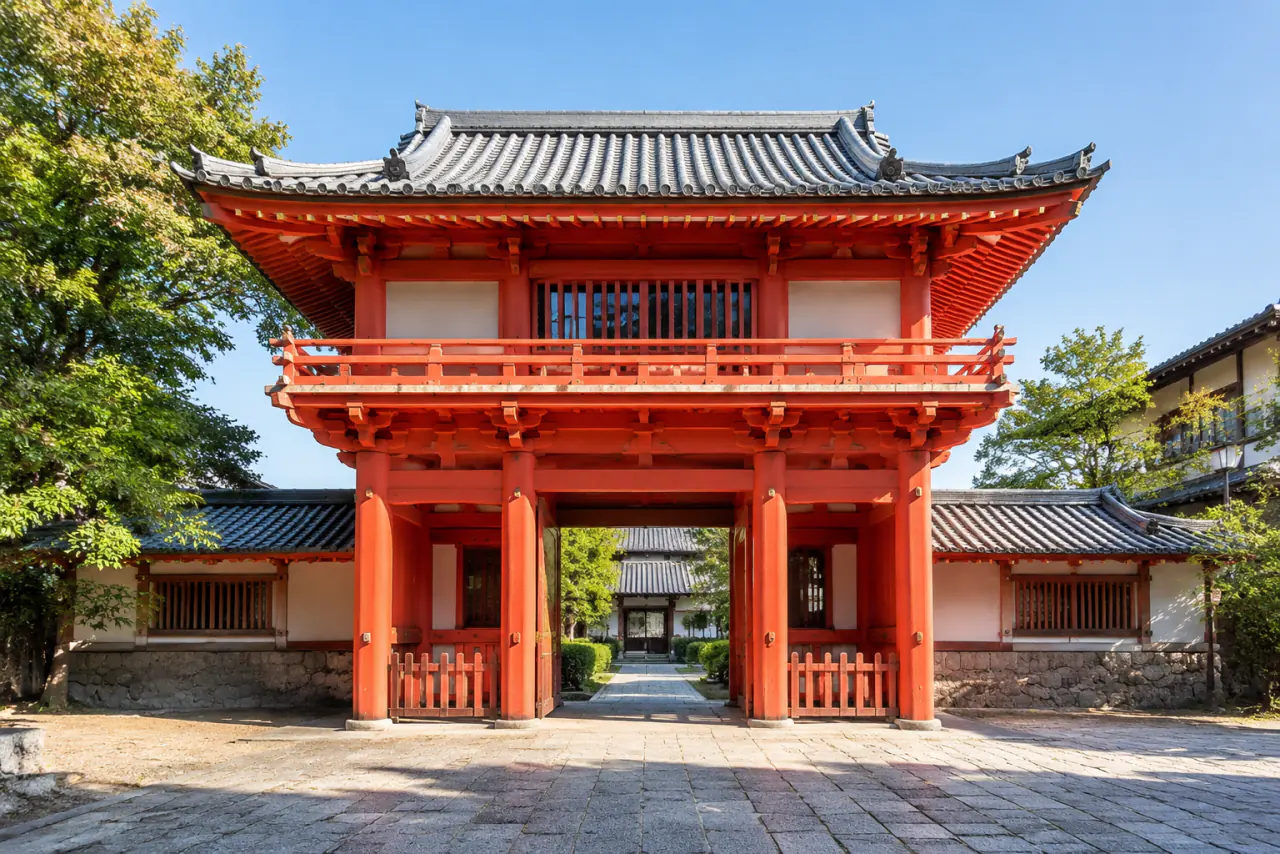
This vermilion gate was designed by Kingo Tatsuno, the architect of Tokyo Station. Behind it are public baths where you can soak in a thousand-year-old hot spring for a modest fee. Nearby Takeo City Library has a trendy bookstore-like design and is worth a look if you enjoy architecture.
It's about a 15-minute walk from Takeo Onsen Station. Bring your own towel for the public baths, or buy one at the front desk.
-
 3
Ureshino Onsen
嬉野温泉
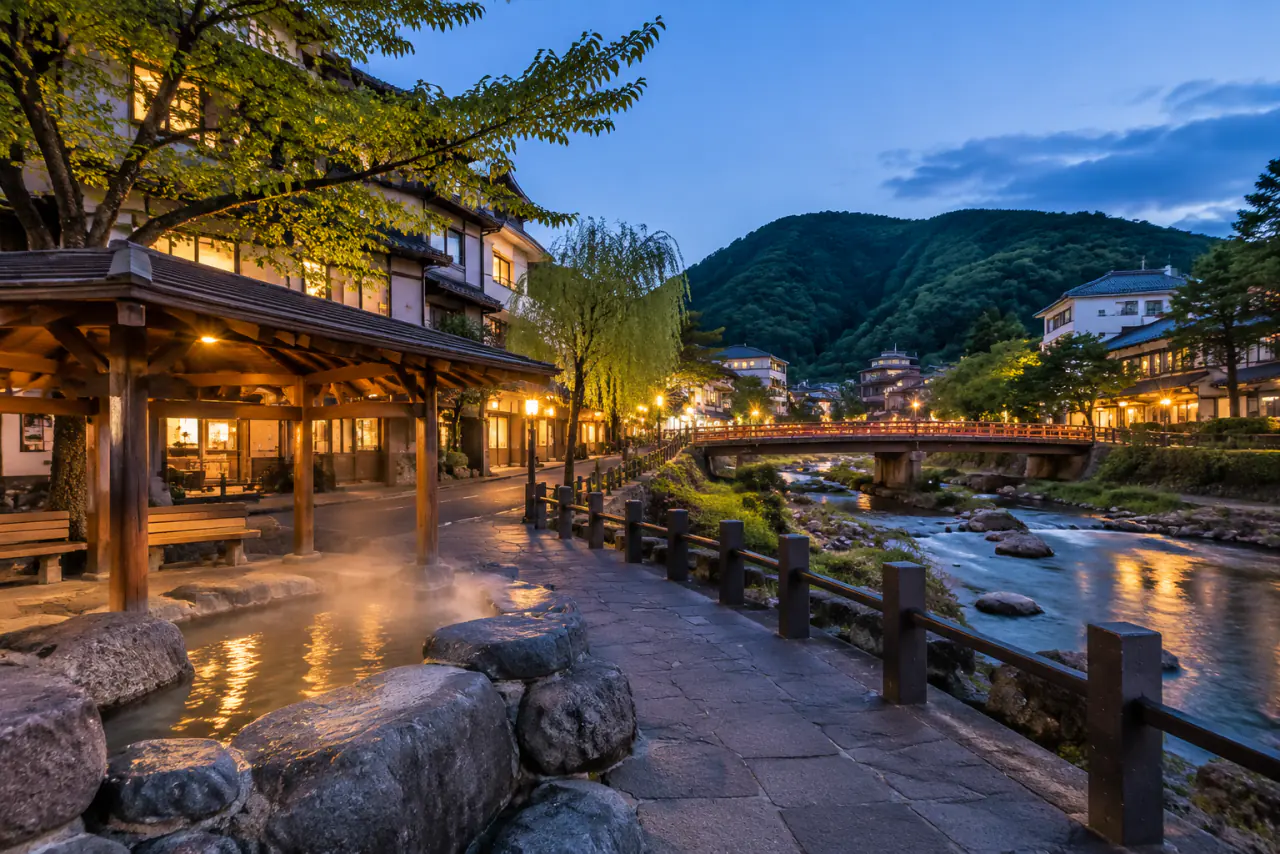
This hot-spring town is known for leaving your skin feeling smooth. Its slightly viscous water is said to be a beauty treatment. The town has a public bath and free foot baths. You can also try tofu simmered in hot-spring water and locally grown Ureshino tea. It's ideal for staying one night and doing nothing at all.
Nishi Kyushu Shinkansen's Ureshino Onsen Station is some distance from the hot-spring district. Take a bus or taxi.
-
 4
Arita ceramic district
有田町 · Arita
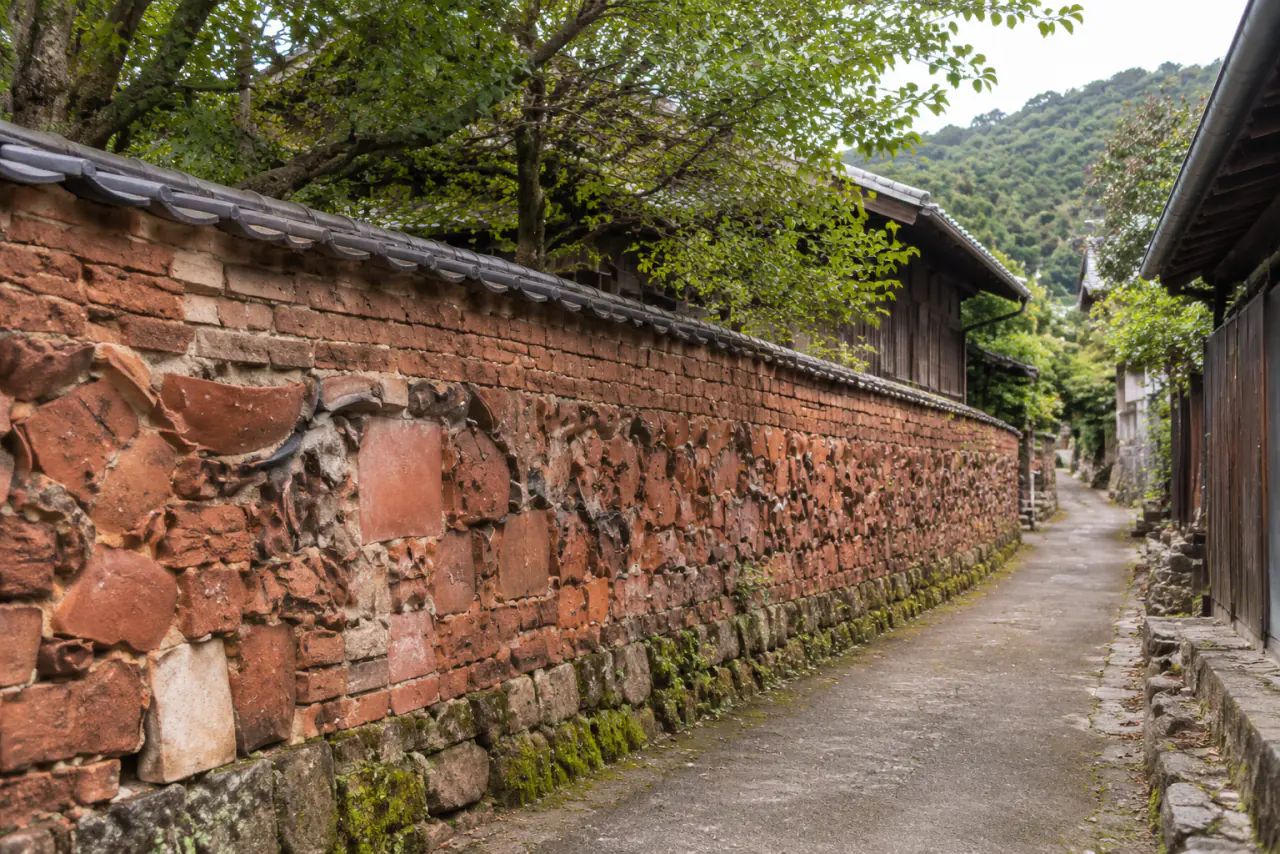
Arita is where Japan first produced porcelain. The main street is lined with ceramic shops and kiln studios, while back alleys reveal old walls built from discarded kiln bricks. It's quiet outside the festival season and a good place to take your time choosing tableware. The Ceramic Fair from late April to early May fills the streets with shoppers.
Ceramics break easily. Ask the shop to pack large items or ship them directly to your hotel. If checking them as luggage, wrap them in clothing.
-
 5
Yoshinogari Historical Park
吉野ヶ里歴史公園
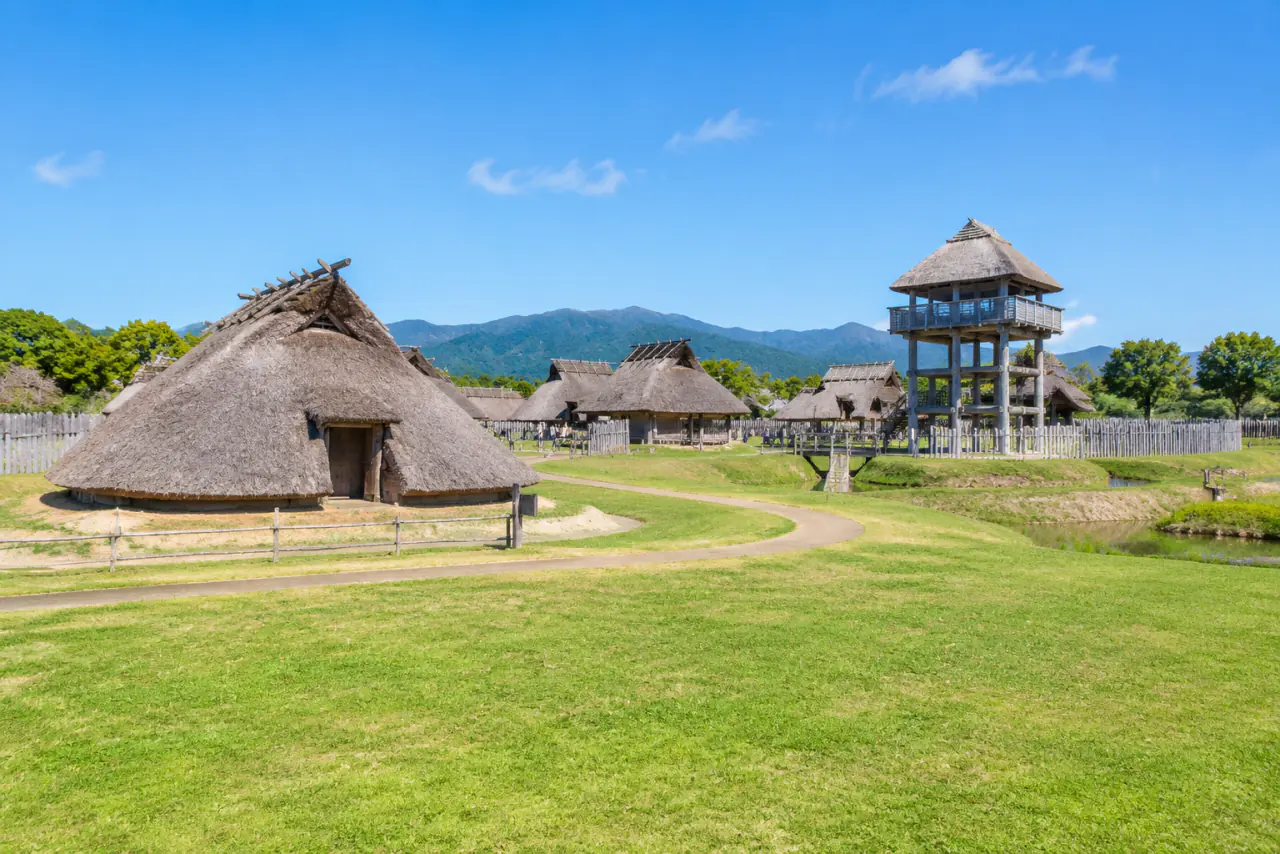
Japan's largest Yayoi-period moated settlement site. Reconstructed watchtowers, raised-floor storehouses, and a ceremonial hall offer a look at what a village may have looked like 2,000 years ago. The grounds are extensive, making it a good choice for families and history buffs. Wheelchairs and strollers are available to borrow free of charge.
From Hakata, take a limited express to Yoshinogari-Koen Station in about 40 minutes, then walk about 15 minutes to the East Gate. There is almost no shade in summer.
-
 6
Yutoku Inari Shrine
祐徳稲荷神社
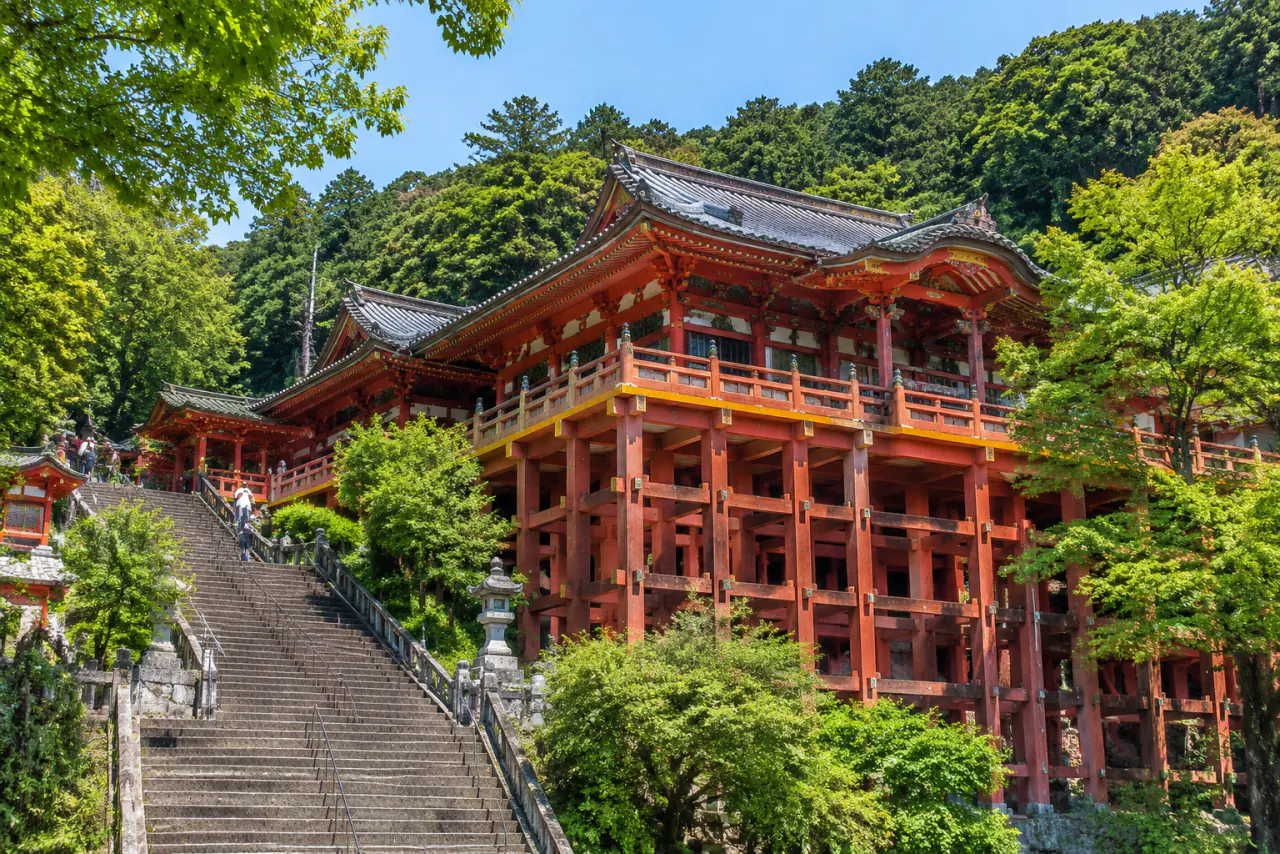
One of Japan's three major Inari shrines. Its vermilion main hall stands on tall wooden supports against the mountainside and is striking from a distance. A path of red torii gates leads up the rear mountain to a viewpoint over the main hall. It's far less crowded than Kyoto's Fushimi Inari Taisha.
Take a bus for about 10 minutes from Hizen-Kashima Station. The mountain path is steep, so wear shoes with good traction.
-
 7
Karatsu Castle
唐津城
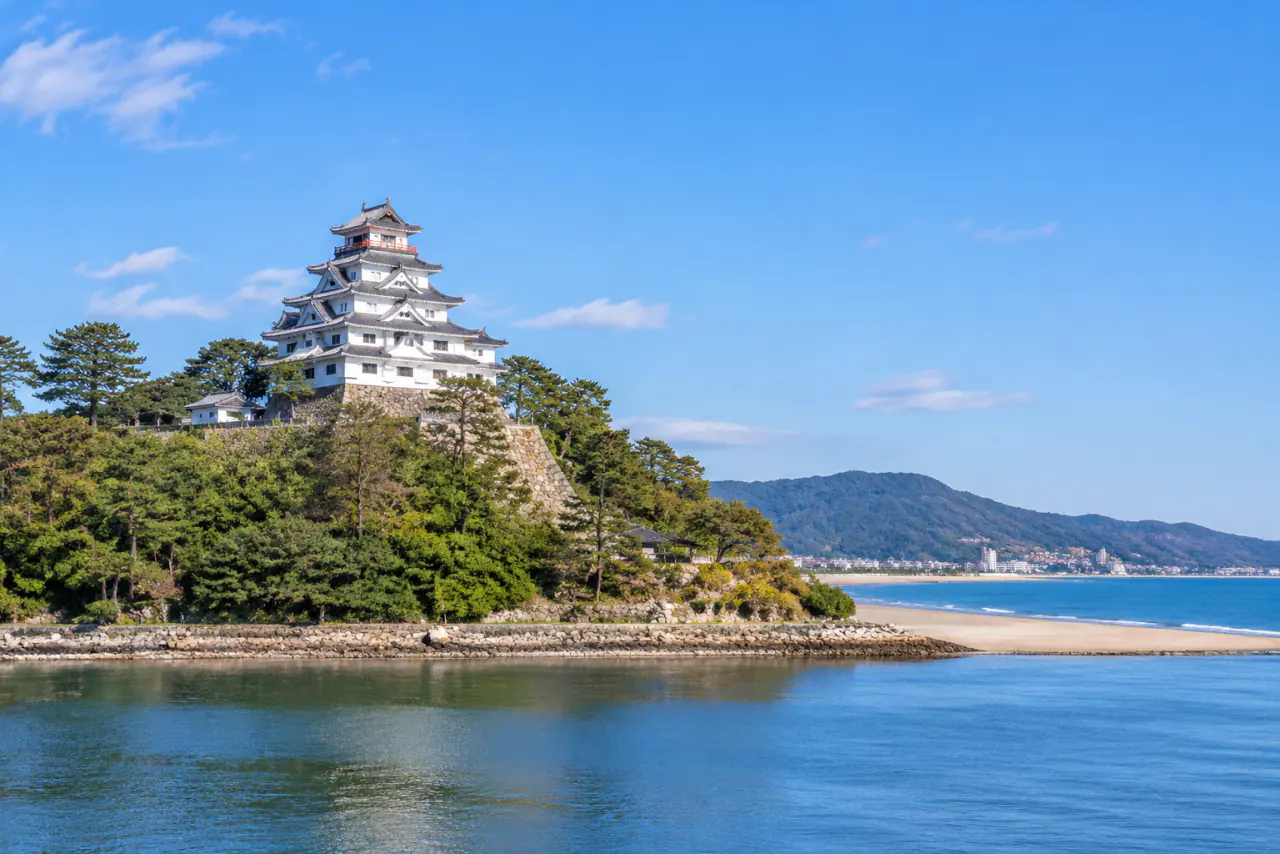
A seaside castle built on a small hill. The keep houses a museum, and the top floor looks out over Karatsu Bay and the long stretch of Niji-no-Matsubara pine forest. The old streets below the castle have several pottery shops, and Karatsu ware is simple and durable. In early November, the Karatsu Kunchi Festival features a procession of huge lacquered floats.
There is a sloped elevator at the castle gate for visitors who prefer not to walk uphill. Accommodation is difficult to book during the Kunchi Festival.
-
 8
Yobuko Morning Market
呼子朝市
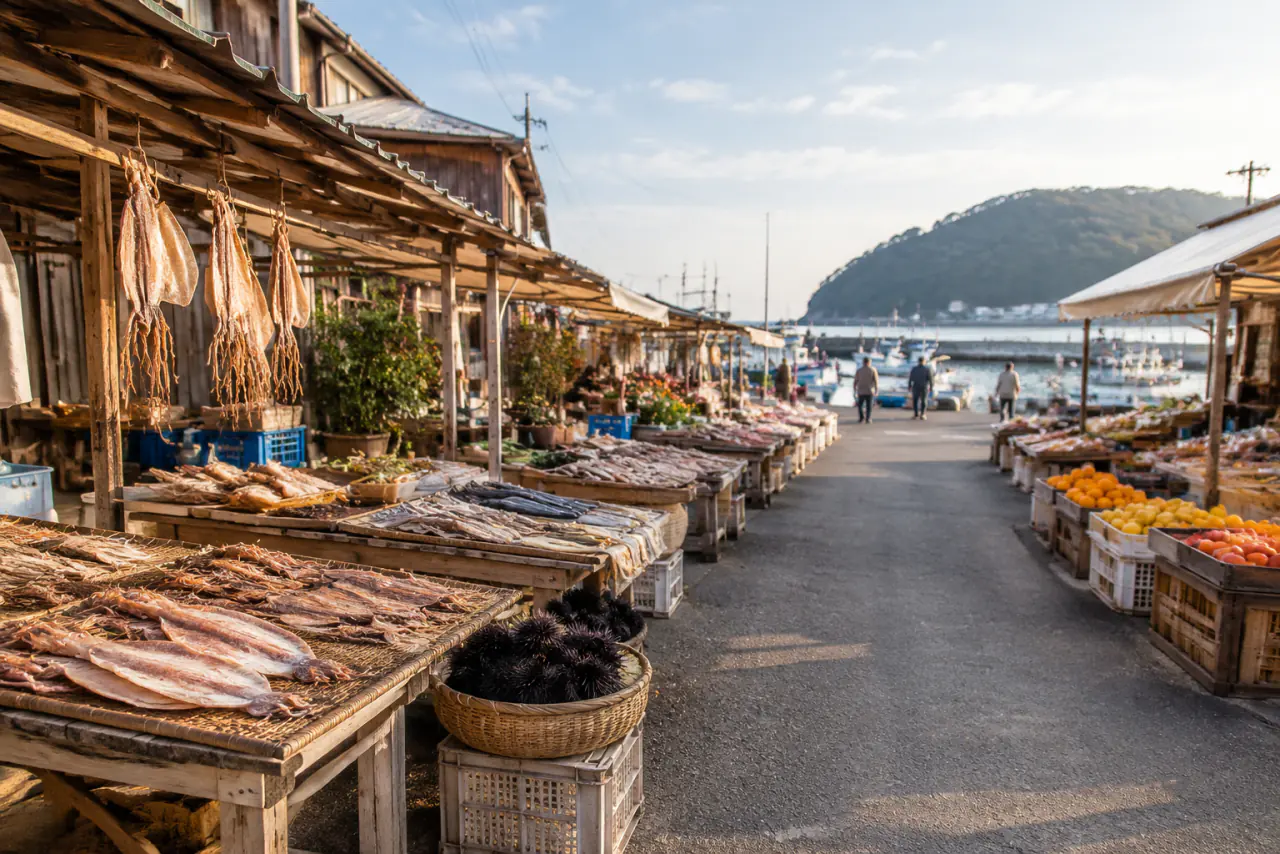
A short harbor-side street where local vendors sell dried fish, sea urchin, and fruit. It's one of Japan's best-known morning markets. Afterward, visit a nearby restaurant for live squid sashimi. The squid is translucent, and the remaining pieces can be made into tempura.
The market generally runs from morning until noon. Take a bus from Karatsu and try to arrive in the morning.
What to eat
Yobuko live squid
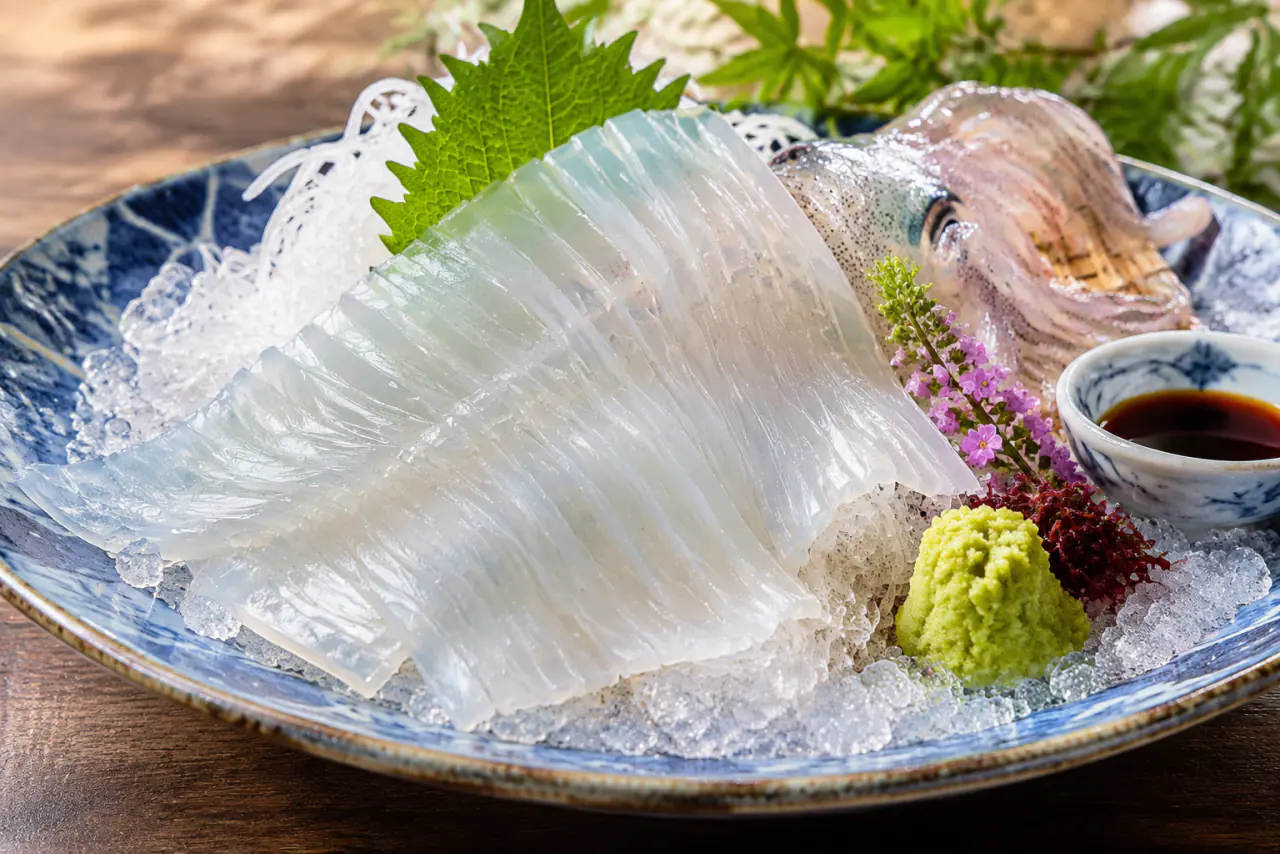
Live squid is sliced into translucent sashimi to order, with the tentacles still moving when it's served. The texture is crisp and slightly sweet. Any leftovers can be prepared as tempura or grilled with salt.
Seafood restaurants around Yobuko Port; also available in central Karatsu · About ¥2,500–4,000 per person
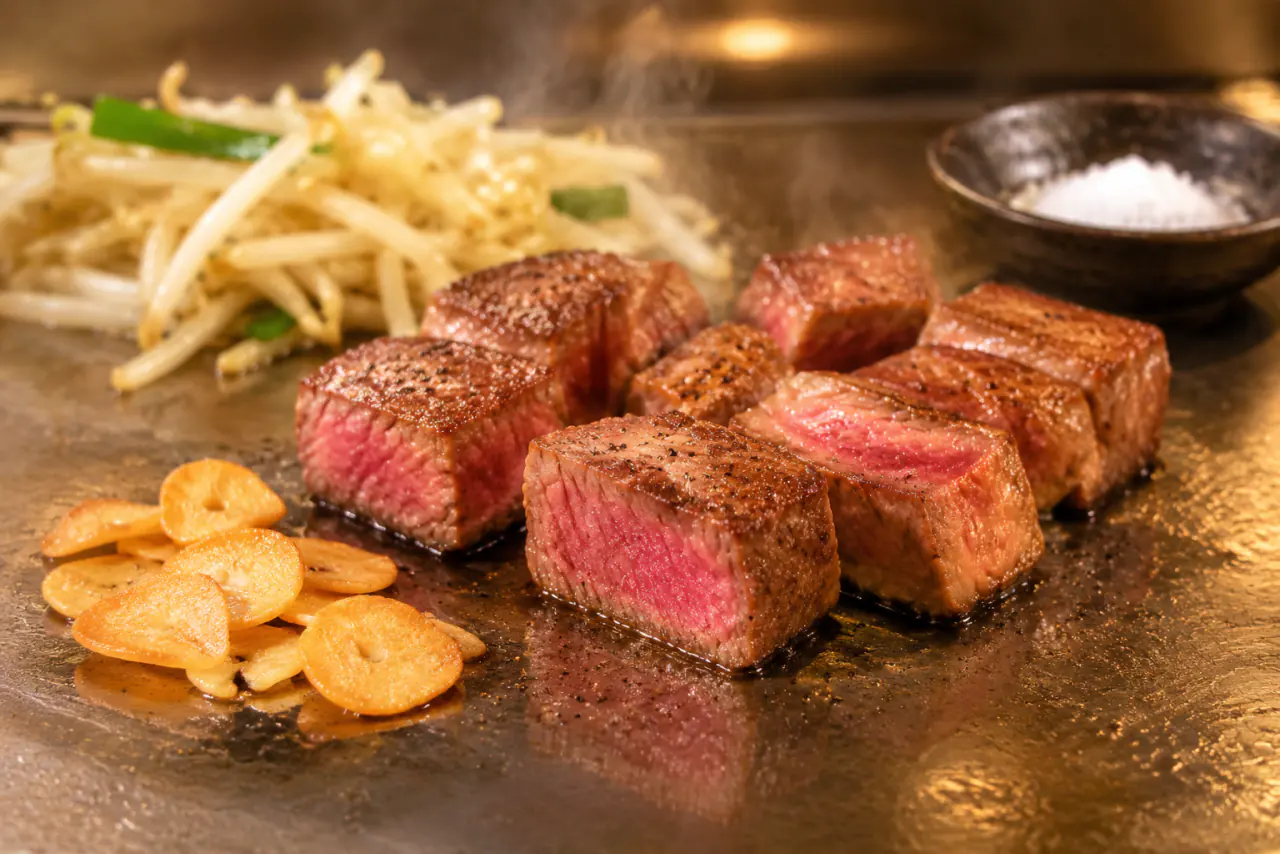
Saga beef
Premium wagyu from Saga Prefecture, known for its fine marbling. Common preparations include teppanyaki, sukiyaki, and steak. Lunch sets are much cheaper than dinner, so go at midday for a taste.
Wagyu restaurants in central Saga, Takeo, Ureshino, and Karatsu · About ¥3,000–8,000 per person for lunch
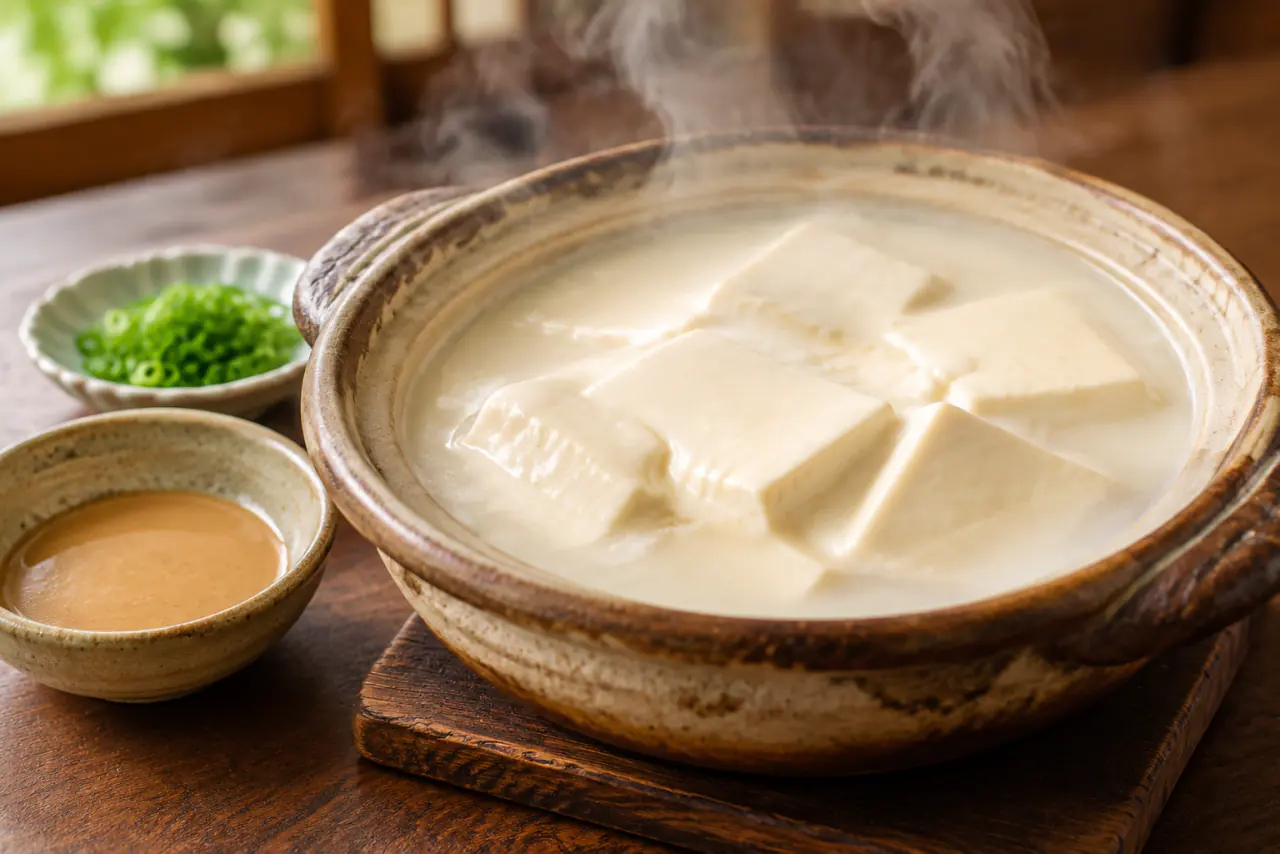
Hot-spring tofu
Tofu simmered in Ureshino hot-spring water. As it cooks, the edges dissolve and the broth turns milky white. The texture is especially soft. It's delicious with sesame sauce or ponzu.
Restaurants and ryokan in the Ureshino Onsen district · About ¥1,000–2,000 per person
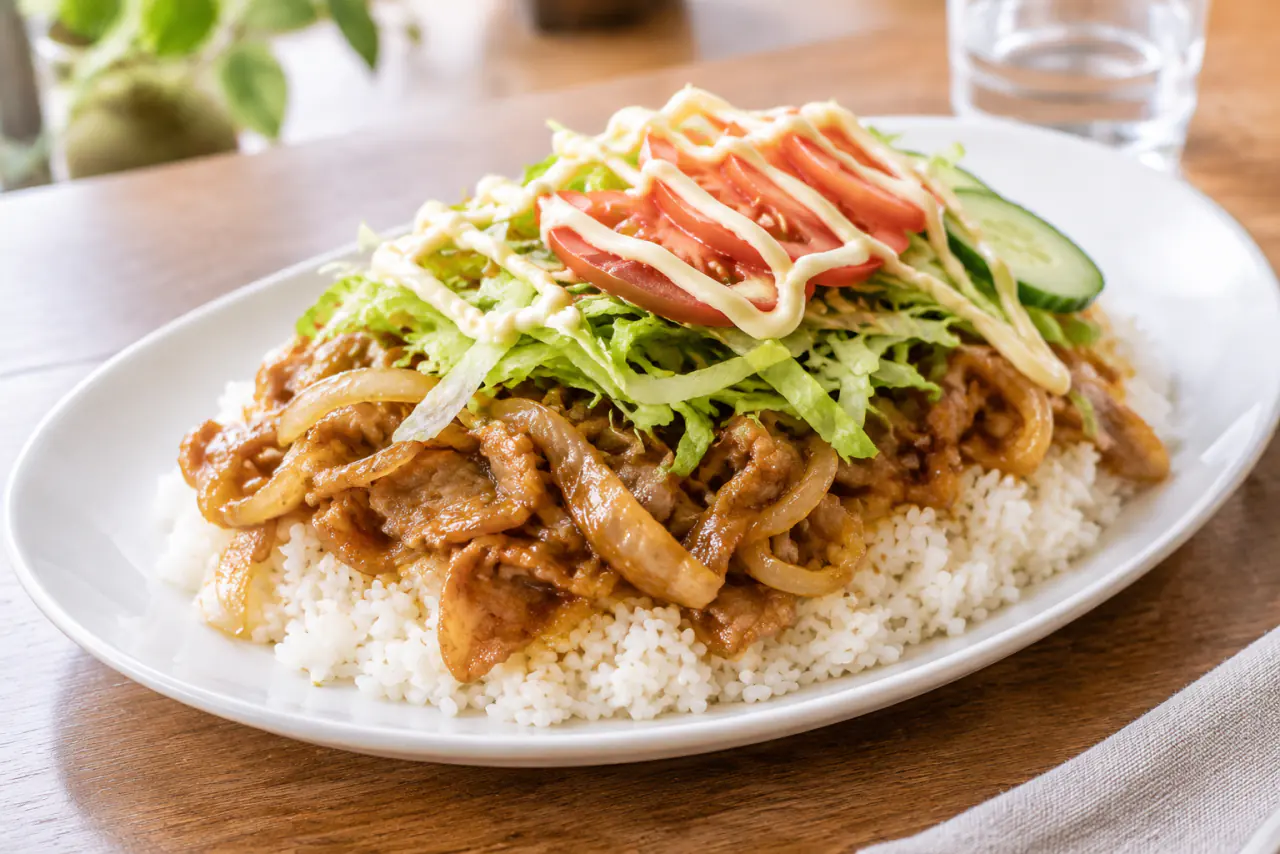
Sicilian rice
A casual local dish from Saga City: white rice topped with stir-fried meat, lettuce, and tomatoes, then drizzled with mayonnaise. The name has nothing to do with Italy. It's home-style, inexpensive, and filling.
Cafes and casual eateries around Saga Station · About ¥800–1,200 per serving
Getting there · Where to stay
From Hakata, it's about 40 minutes by limited express to Saga Station and about 1 hour to Takeo Onsen. Karatsu is reached by a direct subway-to-JR Chikuhi Line train and takes a little over 1 hour.
The Nishi Kyushu Shinkansen takes about 30 minutes to Ureshino Onsen and Takeo Onsen.
The airport has domestic flights and some international flights. Take an airport bus to Saga Station, then transfer to JR trains for other destinations.
Stay in Takeo or Ureshino for hot springs. Both towns have stations on the Nishi Kyushu Shinkansen, with easy connections to Nagasaki and Fukuoka. If you're only visiting Karatsu and Yobuko, a day trip from Fukuoka is enough.
Know this before you go
- All of Saga's sights can be visited as day trips from Fukuoka, so you don't necessarily need to change hotels.
- The JR Kyushu Rail Pass covers all of Saga. It's a better value when combined with a trip to Nagasaki.
- Extra trains run during the Arita Ceramic Fair, but both the trains and streets get extremely crowded.
- You'll need to transfer to a bus for Yobuko and Yutoku Inari Shrine, so check the last bus times in advance.