Cloudborne Travel
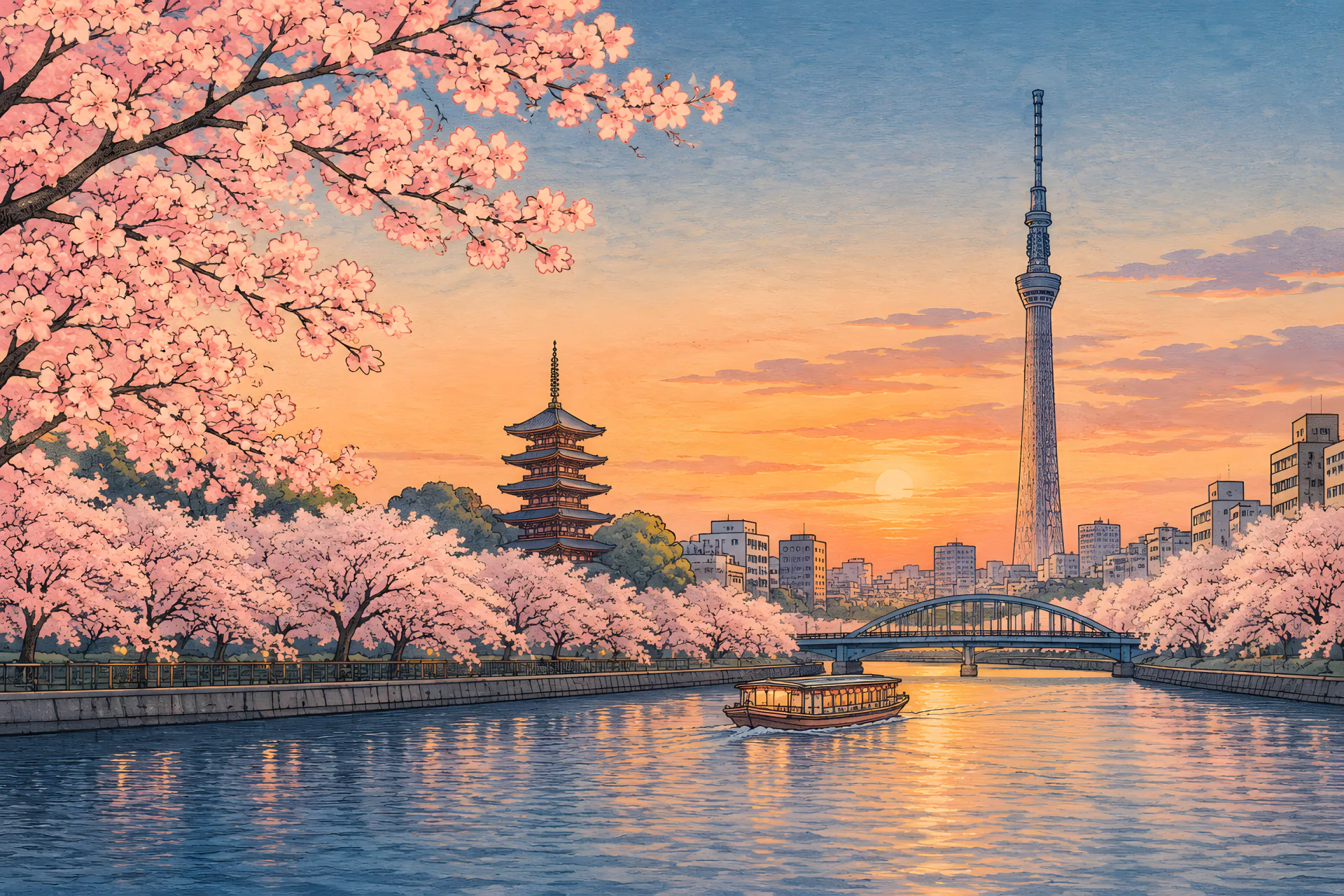
Tokyo isn't one attraction but a huge city made up of dozens of neighborhoods: Asakusa and Ueno show off old Tokyo; Shinjuku and Shibuya handle shopping and nightlife; Ginza and Tsukiji are known for fine food; and Odaiba has waterfront views and city lights. The neighborhoods are linked by subways and JR lines, and most trips take just 20–30 minutes. Planning by neighborhood and focusing on one or two areas a day is much easier than crisscrossing the city.
Allow 4–5 days for a relaxed first visit: spend one day in Asakusa and at Tokyo Skytree, one day in Ueno, Tsukiji, and Ginza, one day in Harajuku, Shibuya, and Odaiba, and half a day at Mount Takao. Tokyo works for any budget. Convenience-store breakfasts, station ramen, and department-store food halls can all be good. The main challenge is navigating large, crowded stations, so install a transit app ahead of time and avoid dragging luggage onto trains during rush hour.
Cherry blossoms are best from late March to early April, while ginkgo and fall foliage peak from late November to early December. July–August is hot and muggy, and crowds are heaviest during Golden Week and around New Year's.
Monthly weather
Based on TokyoBest time to visit Monthly precipitation (mm) Open-Meteo (ERA5), 1996–2025 average
| Month | Average high (°C) | Average low (°C) | Monthly precipitation (mm) | Days with 1 mm or more of precipitation |
|---|---|---|---|---|
| Jan | 9 | 0.8 | 62 | 6 |
| Feb | 10 | 1.6 | 62 | 8 |
| Mar(Good time to visit) | 13.5 | 5 | 111 | 11 |
| Apr(Good time to visit) | 18.1 | 10.1 | 121 | 12 |
| May(Good time to visit) | 22.6 | 15.3 | 134 | 12 |
| Jun | 25.6 | 19.4 | 160 | 14 |
| Jul | 29.5 | 23.4 | 148 | 13 |
| Aug | 31 | 24.7 | 108 | 11 |
| Sep(Good time to visit) | 27.1 | 21.2 | 167 | 14 |
| Oct(Good time to visit) | 21.5 | 15 | 193 | 13 |
| Nov(Good time to visit) | 16.5 | 9.1 | 93 | 10 |
| Dec | 11.4 | 3.5 | 62 | 7 |
Sights
-
 1
Sensō-ji
浅草寺
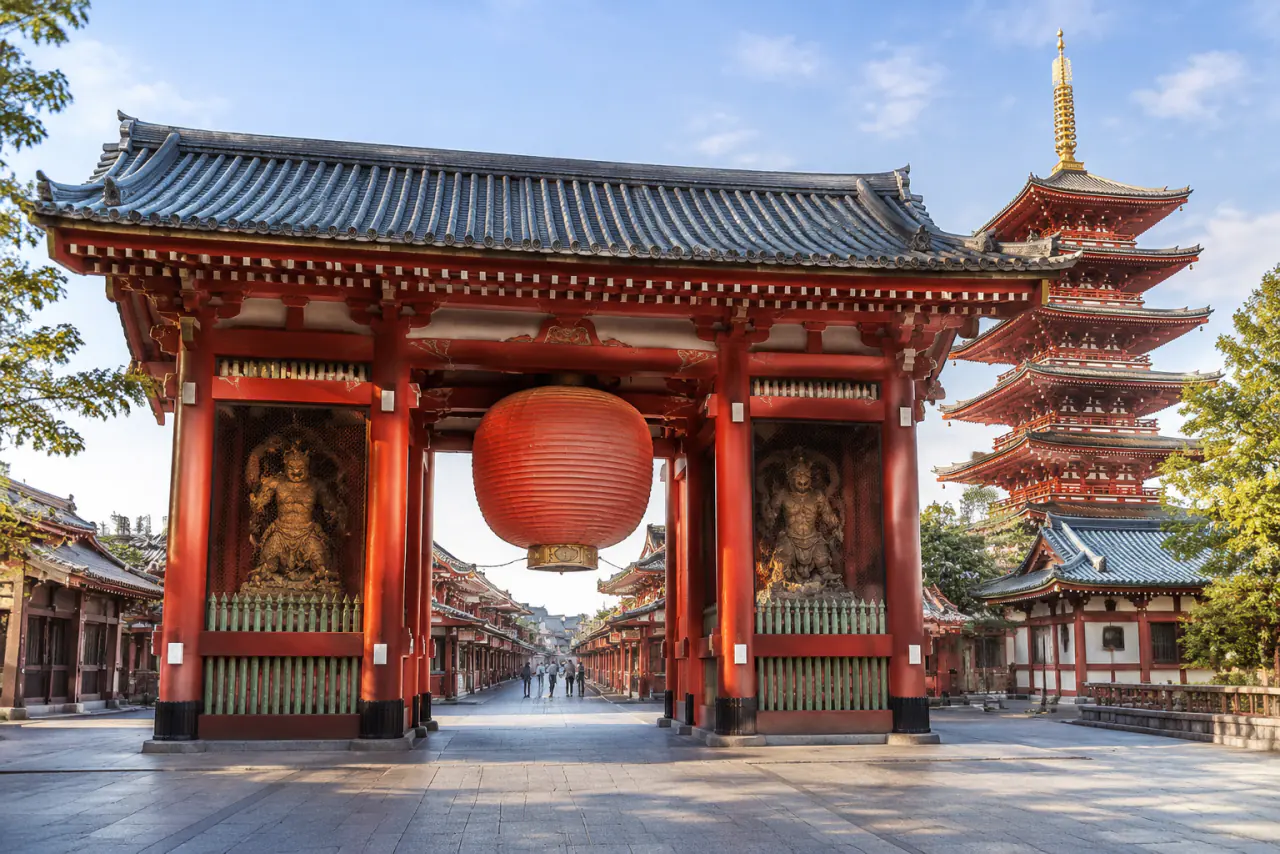
Tokyo's oldest temple. Enter through Kaminarimon Gate and follow Nakamise Shopping Street, lined with ningyoyaki cakes, senbei, and souvenirs. The main hall and five-story pagoda are at the end. Admission is free. The old streets around Asakusa are perfect for a slow stroll, and Tokyo Skytree stands across the Sumida River, making the two sights a good half-day outing.
It's packed during the day. Go before 8 a.m. or after the lights come on at night for a quieter visit and shorter lines at Kaminarimon.
-
 2
Tokyo Skytree
東京スカイツリー
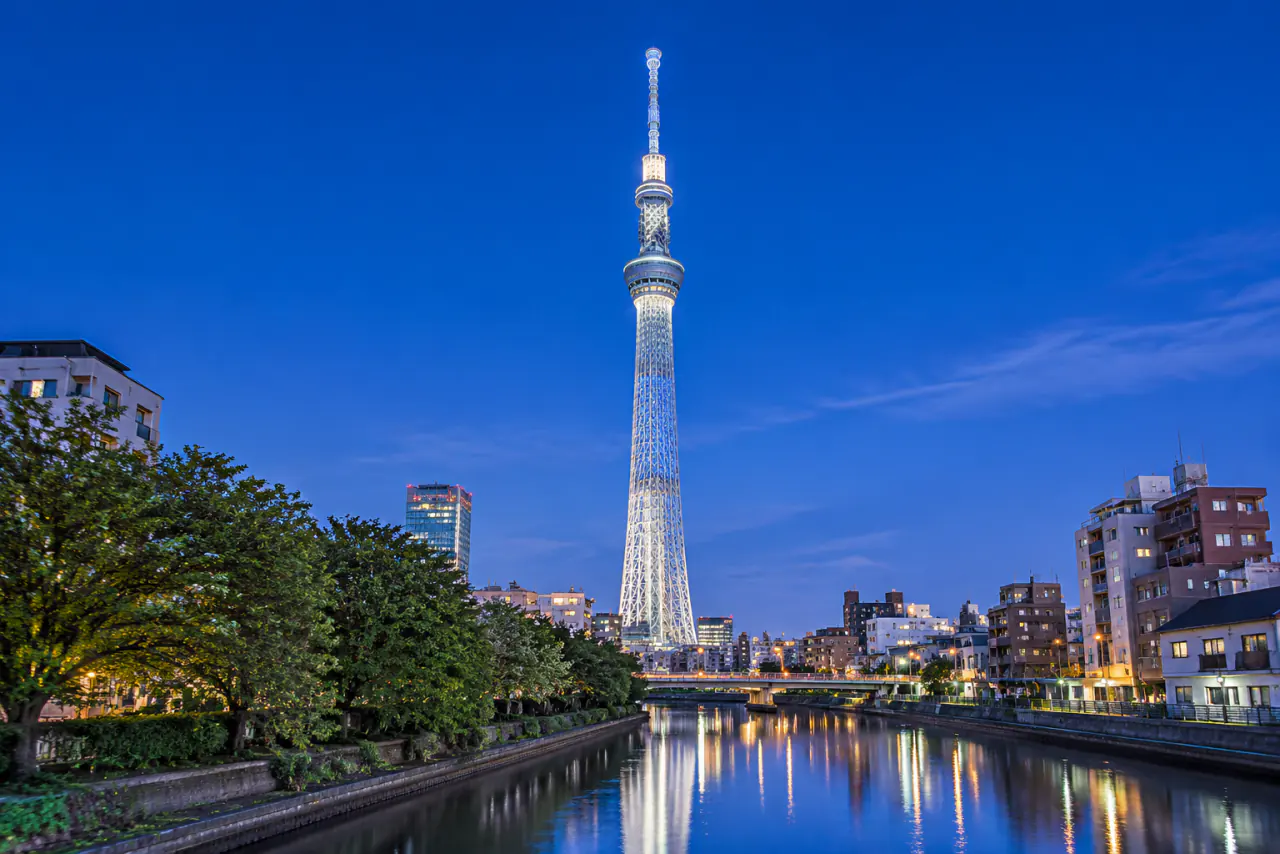
This 634-meter broadcasting tower offers sweeping views of Tokyo from its 350-meter Tembo Deck. On a clear day, you may see Mount Fuji to the west. Ticket prices vary by date. The official website is the cheapest place to buy them, while the onsite counter charges about ¥500 more per ticket. The large shopping complex below has plenty of anime stores, so it's also a good rainy-day stop.
For views of Mount Fuji, choose a clear winter morning. For city lights, book a time slot 30 minutes before sunset.
-
 3
Ueno Park
上野恩賜公園
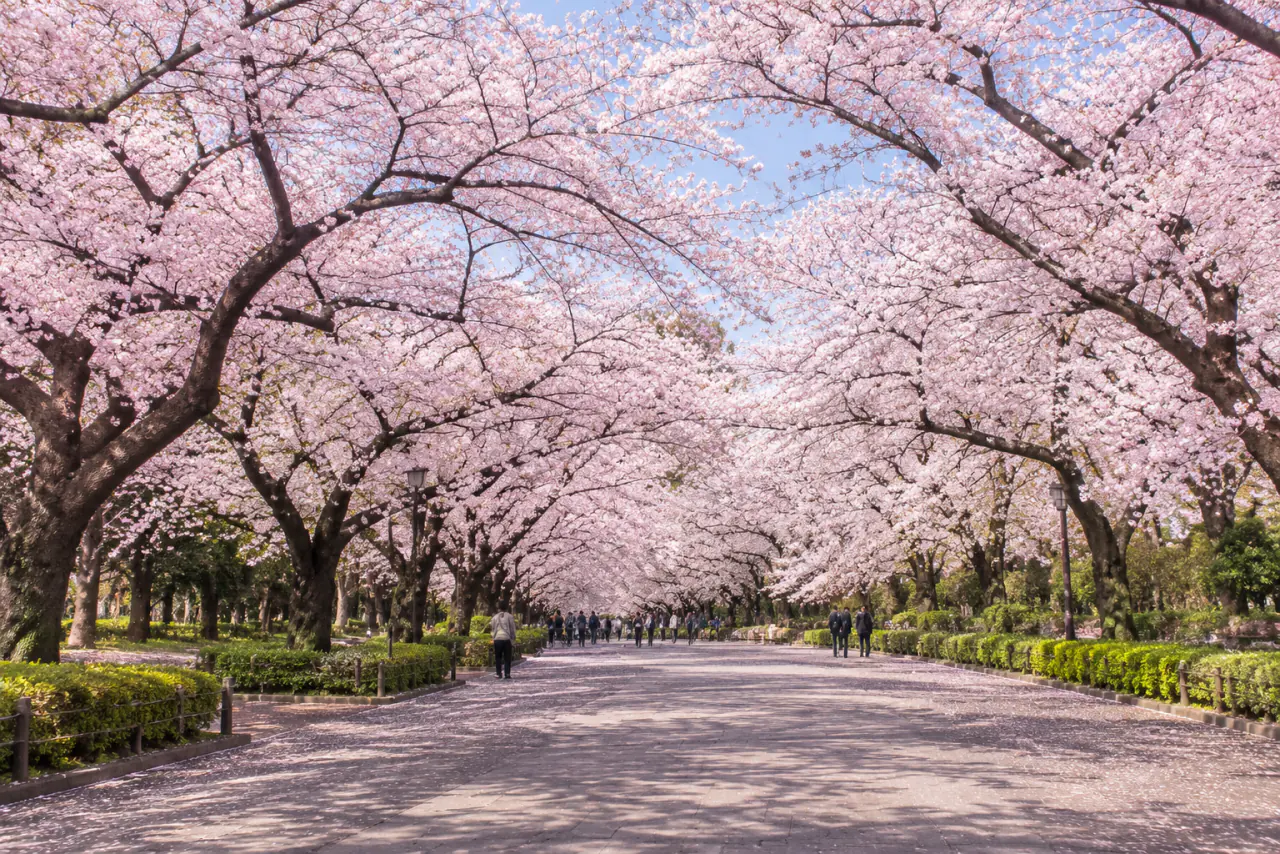
One of Tokyo's liveliest cherry-blossom parks. In spring, rows of cherry trees line the main paths, with picnickers filling the ground beneath them. The park is also home to the Tokyo National Museum, the National Museum of Western Art, and Ueno Zoo, so there are places to go even when it rains. Ameyoko Shopping Street is a few minutes outside the park, with dried goods, snacks, and inexpensive seafood.
Most museums are closed on Mondays, so check before you go. During cherry-blossom season, people claim picnic spots early even on weekends.
-
 4
Tsukiji Outer Market
築地場外市場
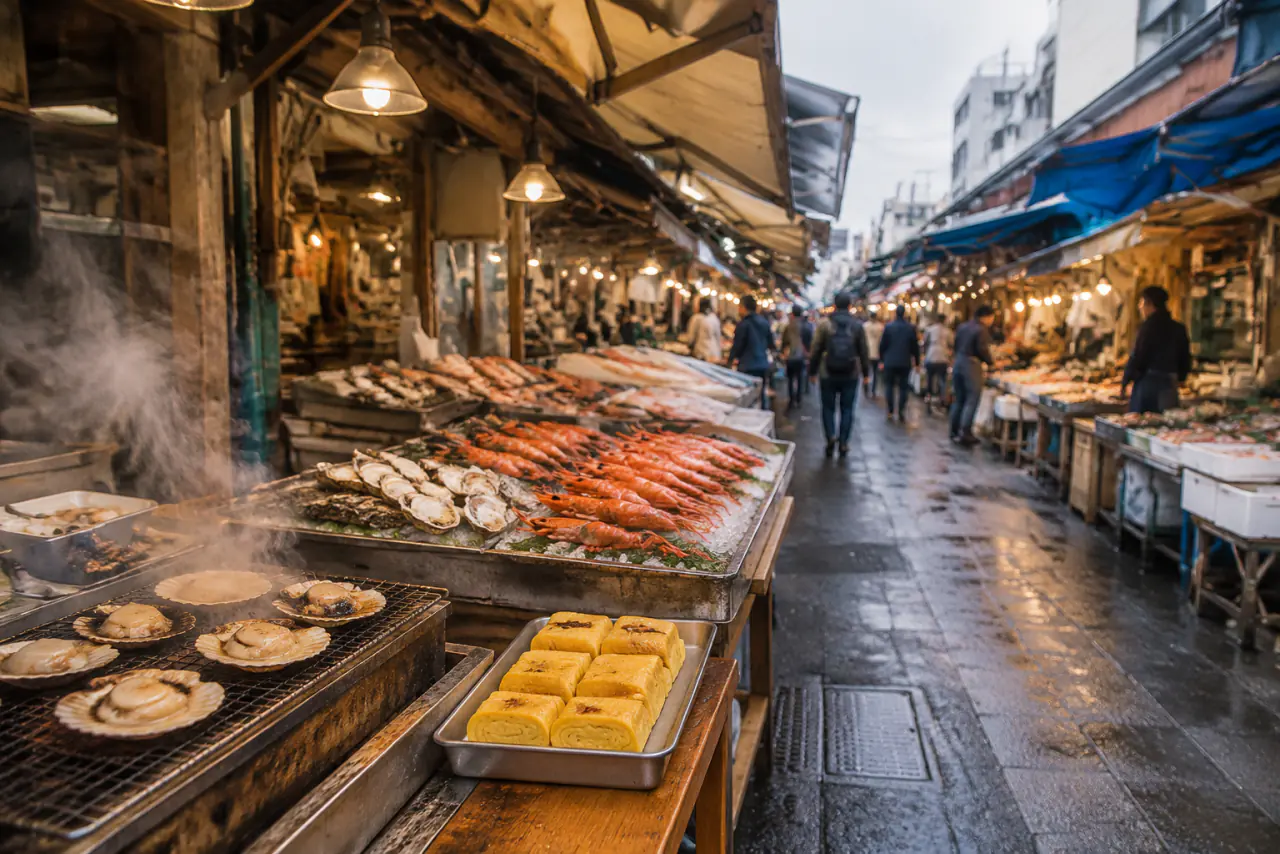
After the wholesale market moved to Toyosu, Tsukiji was left with an outer market made up of hundreds of small shops selling tamagoyaki, seafood rice bowls, grilled scallops, kitchen knives, and dried goods. It's busiest from 9 a.m. to 1 p.m. After eating, walk along Harumi-dori for about 10 minutes to Ginza. Spend the afternoon at department stores and flagship shops for an easy one-way itinerary.
Many shops close on Sundays, public holidays, and some Wednesdays. Bring cash. Eat purchases in the shop or in designated areas rather than while walking.
-
 5
Shinjuku Gyoen National Garden
新宿御苑
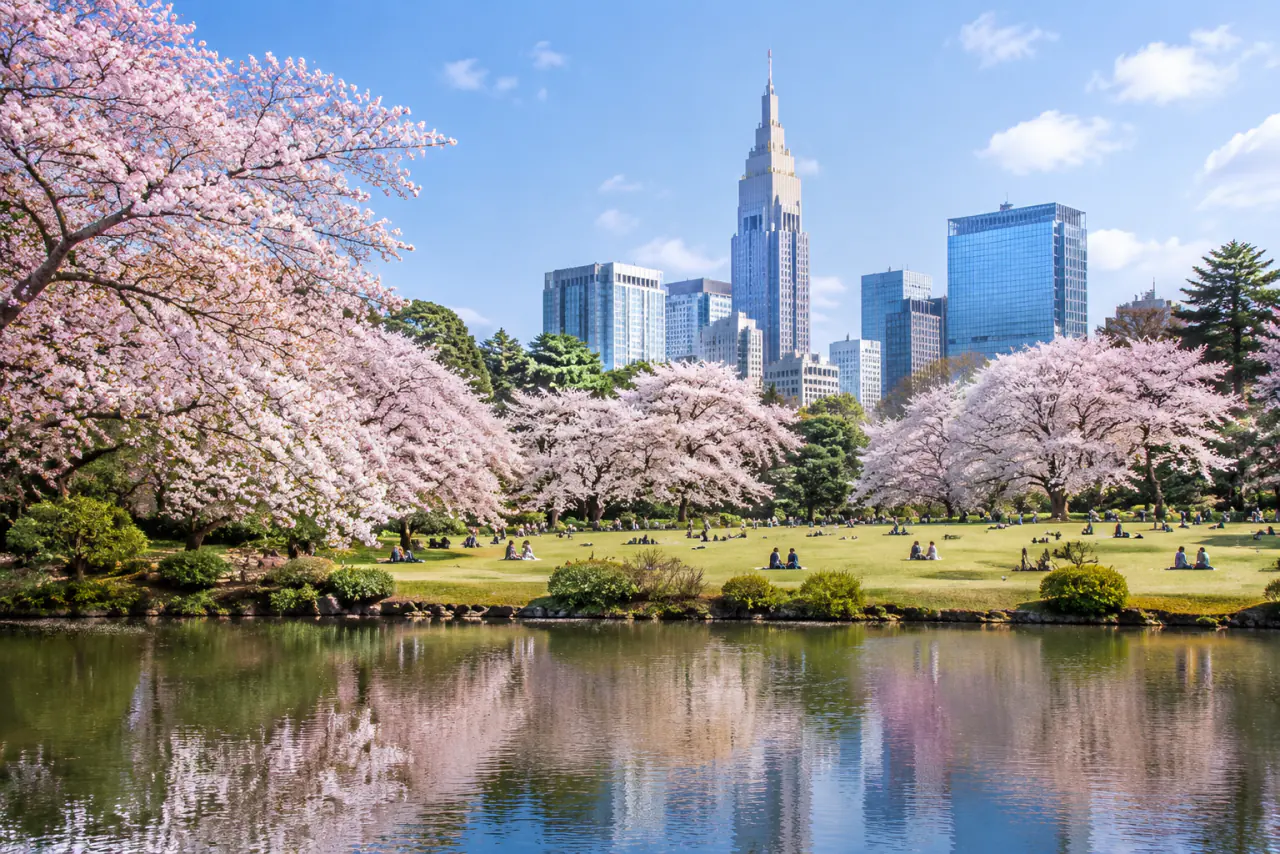
A large garden beside Shinjuku's shopping district, with Japanese, English, and French-style gardens. It has many cherry varieties and a long blossom season, while the ginkgo trees and fall foliage are beautiful in autumn. The broad lawns are ideal for taking a break with a bento. It's a good place to escape the crowds after exploring Shinjuku, and it's a few minutes' walk from Shinjuku-gyoemmae Station.
Closed on Mondays, with closures moved to the next day when Monday is a public holiday. Alcohol is prohibited, including during cherry-blossom season.
-
 6
Tokyo Metropolitan Government Building Observatory
東京都庁展望室
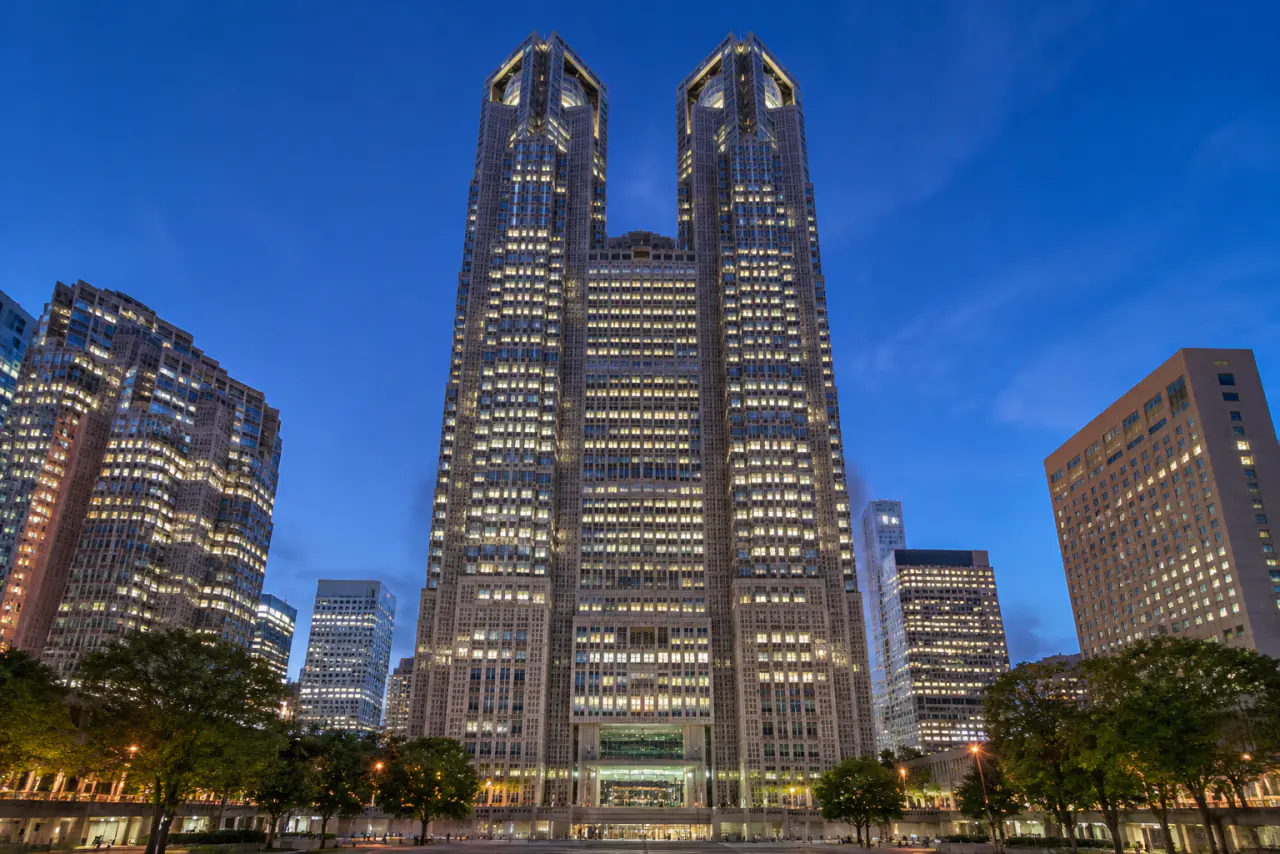
This twin-tower government complex was designed by Kenzo Tange. The observatories on the 45th floor, about 202 meters up, are free and offer views of Shinjuku's skyscrapers and Tokyo Skytree in the distance. On clear days, Mount Fuji is visible to the west. No ticket or reservation is needed—just pass through security. It's a good choice for travelers on a tight budget who still want a night view.
The north and south observatories close on different schedules and take turns closing for maintenance, so check the official website before you go.
-
 7
Meiji Jingu
明治神宮
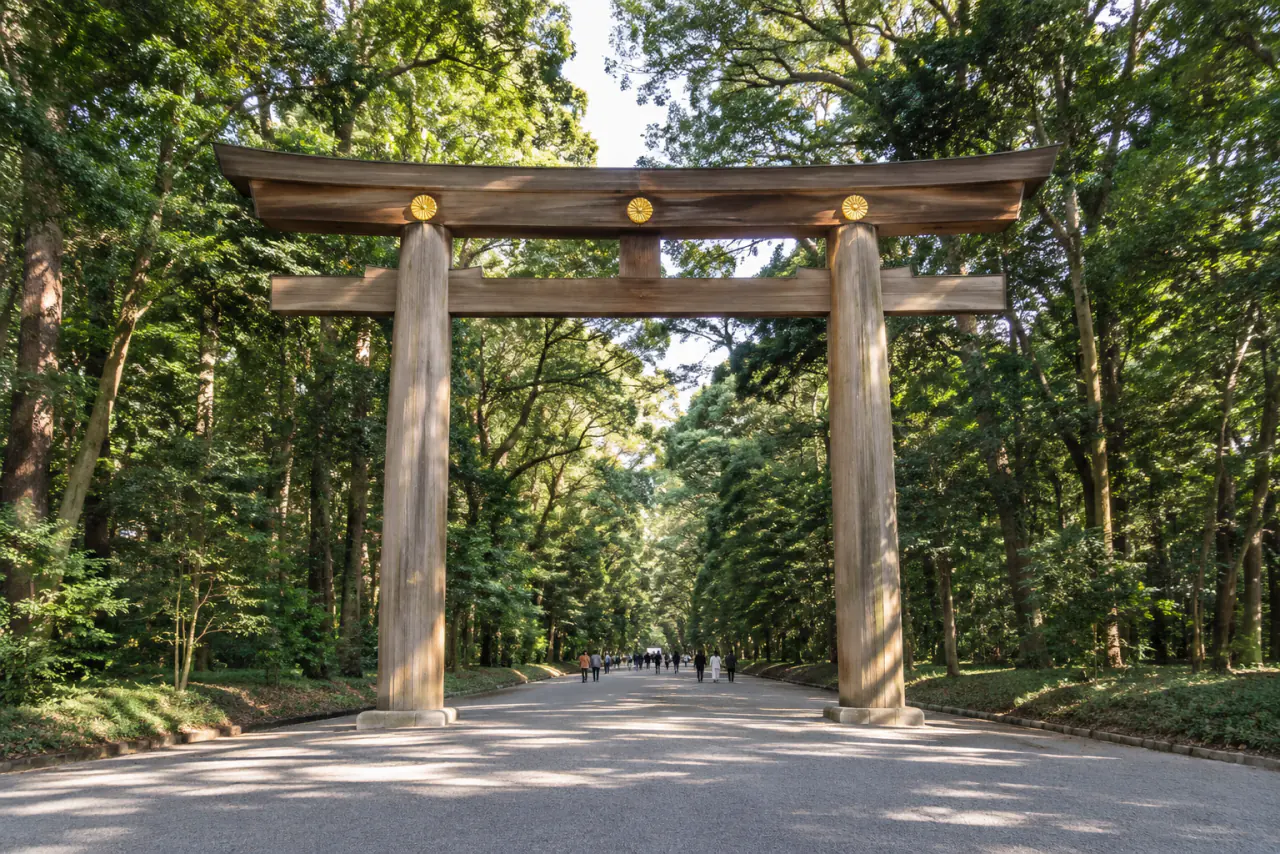
The approach starts just outside Harajuku Station. Once you enter, towering trees block out the city noise. The shrine is dedicated to Emperor Meiji and Empress Shoken, and traditional wedding processions are common on weekends. After paying your respects, browse Takeshita Street and Omotesando in Harajuku, both packed with streetwear brands and dessert shops. Shibuya is about a 20-minute walk farther south.
The shrine opens at sunrise and closes at sunset, so watch the time if you visit late in the day. The first three days of the new year are extremely crowded.
-
 8
Shibuya Scramble Crossing
渋谷スクランブル交差点
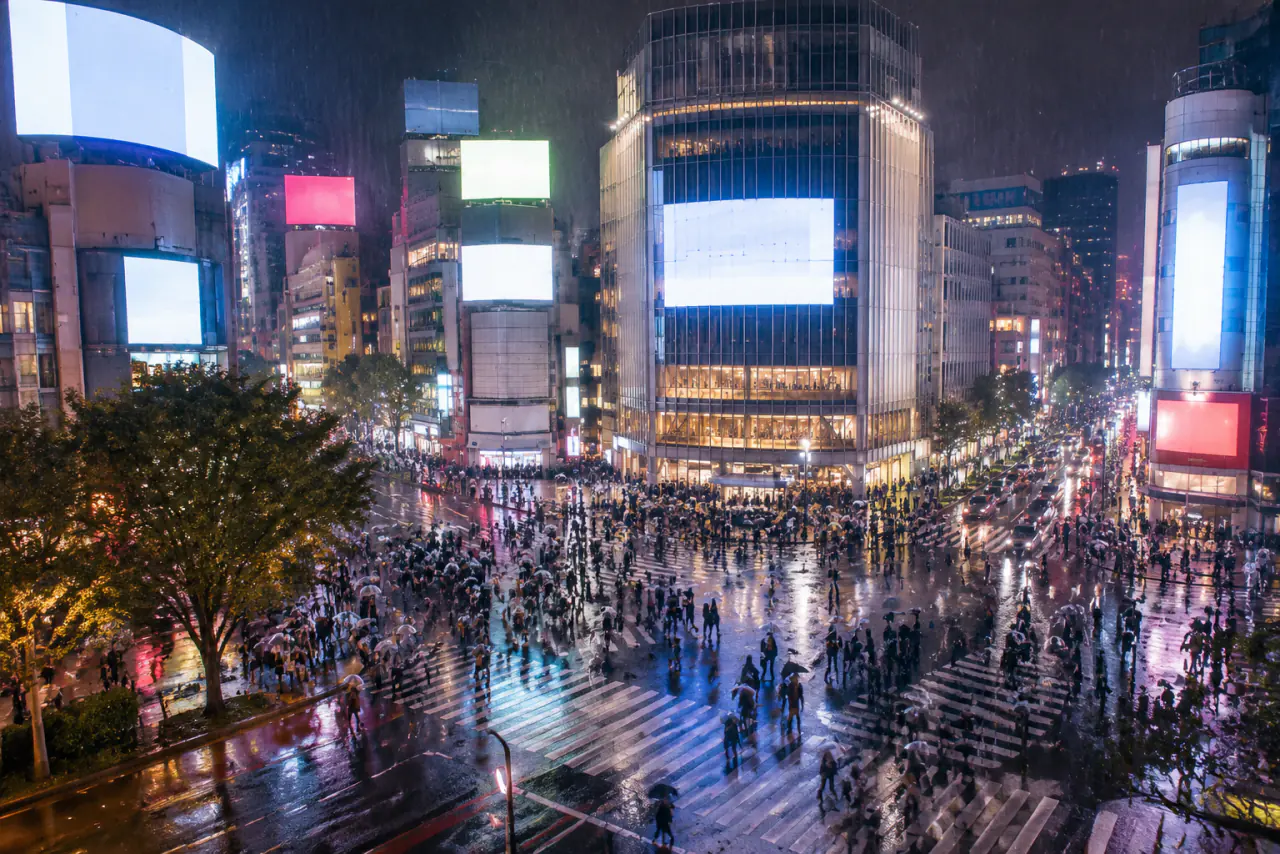
Thousands of people cross at once when the light turns green, making this Tokyo's most famous street scene. The statue of Hachiko outside the station is a popular meeting point. For a view from above, head to SHIBUYA SKY on the roof of Shibuya Scramble Square. Its open-air observation deck has wide-ranging views. Shibuya is also great for clothes shopping, record stores, and late-night food.
SHIBUYA SKY uses timed tickets booked through its official website. Slots around sunset often sell out several days ahead. The rooftop closes in strong winds or heavy rain.
-
 9
Odaiba
お台場
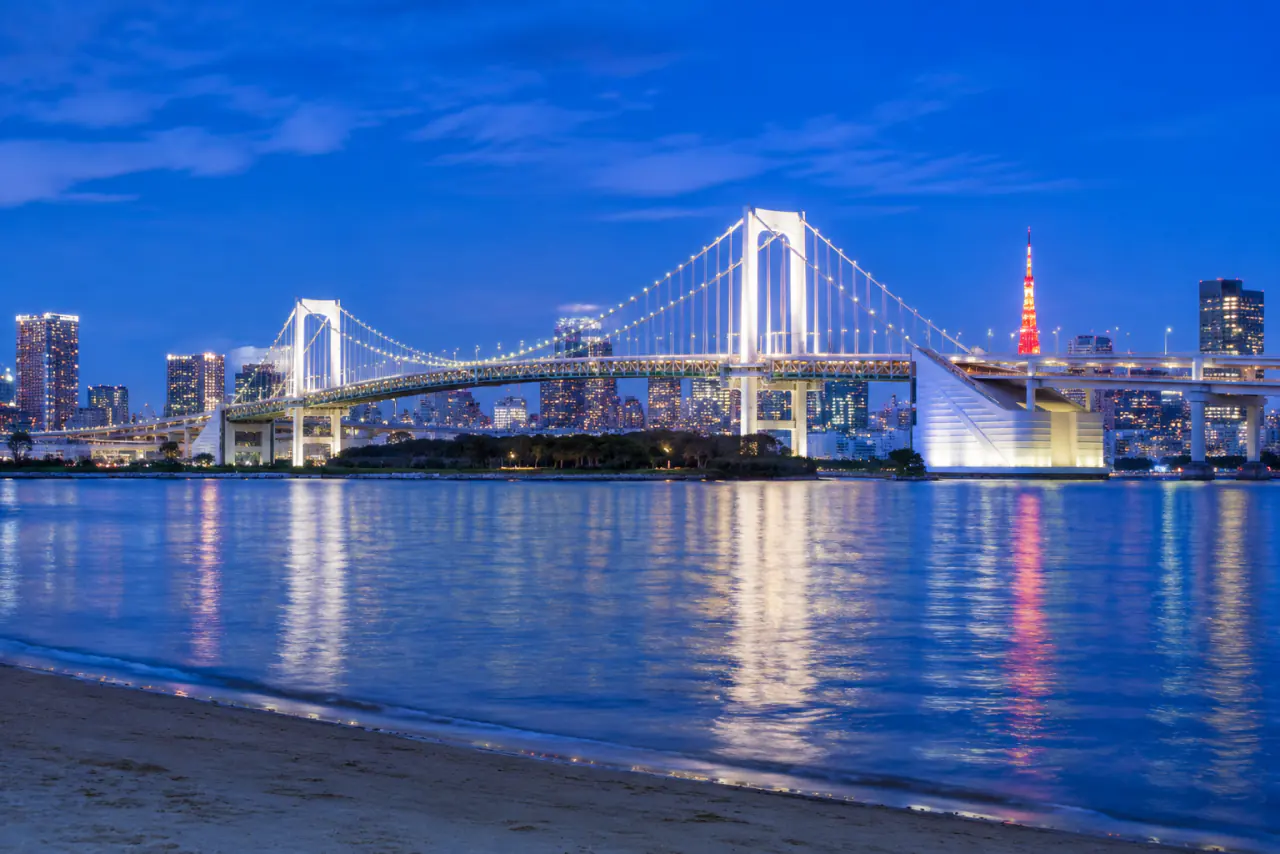
An artificial island in Tokyo Bay, reached by the driverless Yurikamome Line across Rainbow Bridge. Odaiba Seaside Park faces Rainbow Bridge and Tokyo Tower and has beautiful night views. Large shopping centers and a life-size Gundam statue are nearby. teamLab Planets is next door in Toyosu and can be visited the same day. Come in the late afternoon, see the lights, and then return to central Tokyo.
For the return trip, you can take the Rinkai Line. Some trains run directly to Shibuya and Shinjuku and are faster than the Yurikamome Line.
-
 10
Mount Takao
高尾山
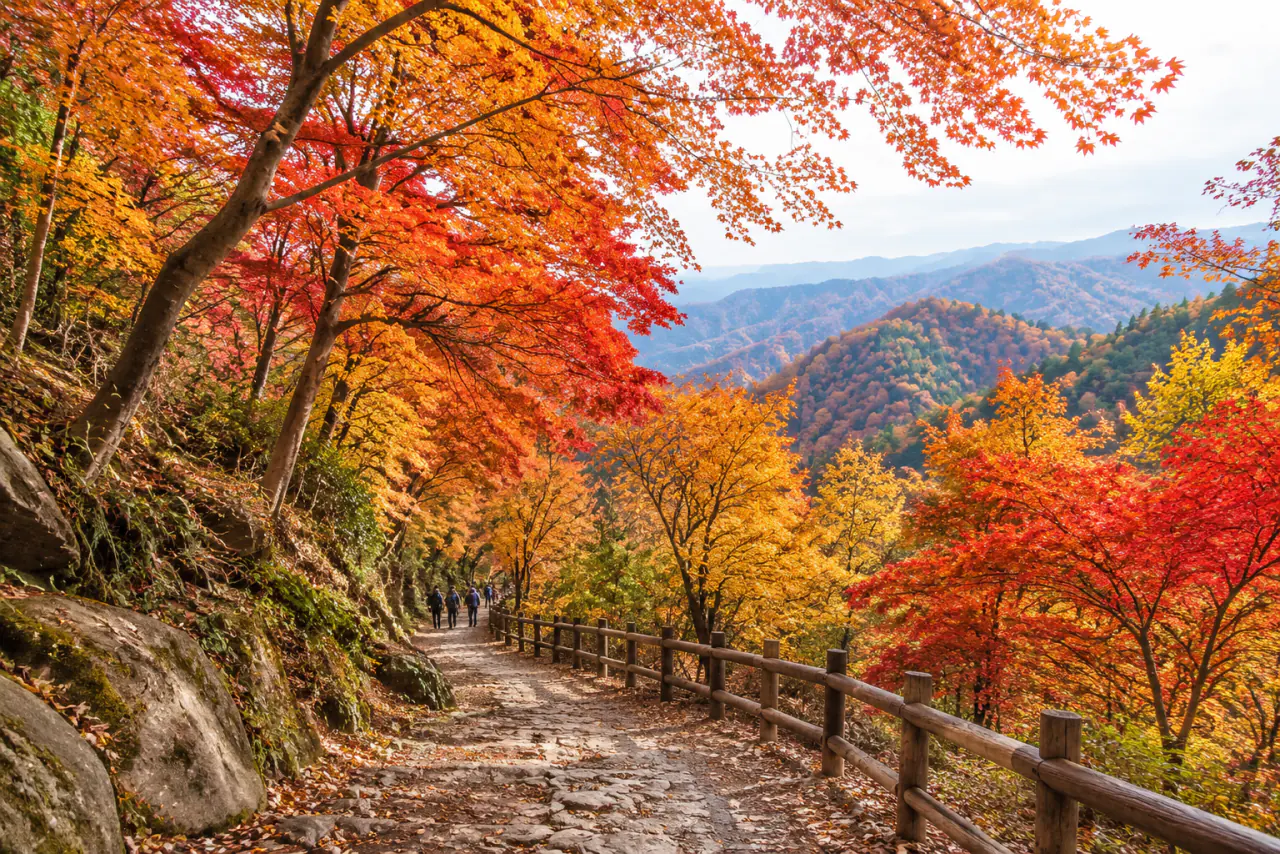
About 50 minutes from Shinjuku on the Keio Line and about ¥430 to the foot of the mountain, Mount Takao is a favorite weekend escape for Tokyo residents. Trail 1 takes about 1 and a half hours to reach the 599-meter summit. The cable car cuts the effort in half. On clear days, you can see Mount Fuji from the top. Fall colors are best from late November to early December, and the tororo soba along the trail is worth trying.
Cable-car lines are very long on fall-color weekends, so try to go on a weekday or arrive before 8 a.m. Sneakers are enough.
What to eat
Edomae sushi
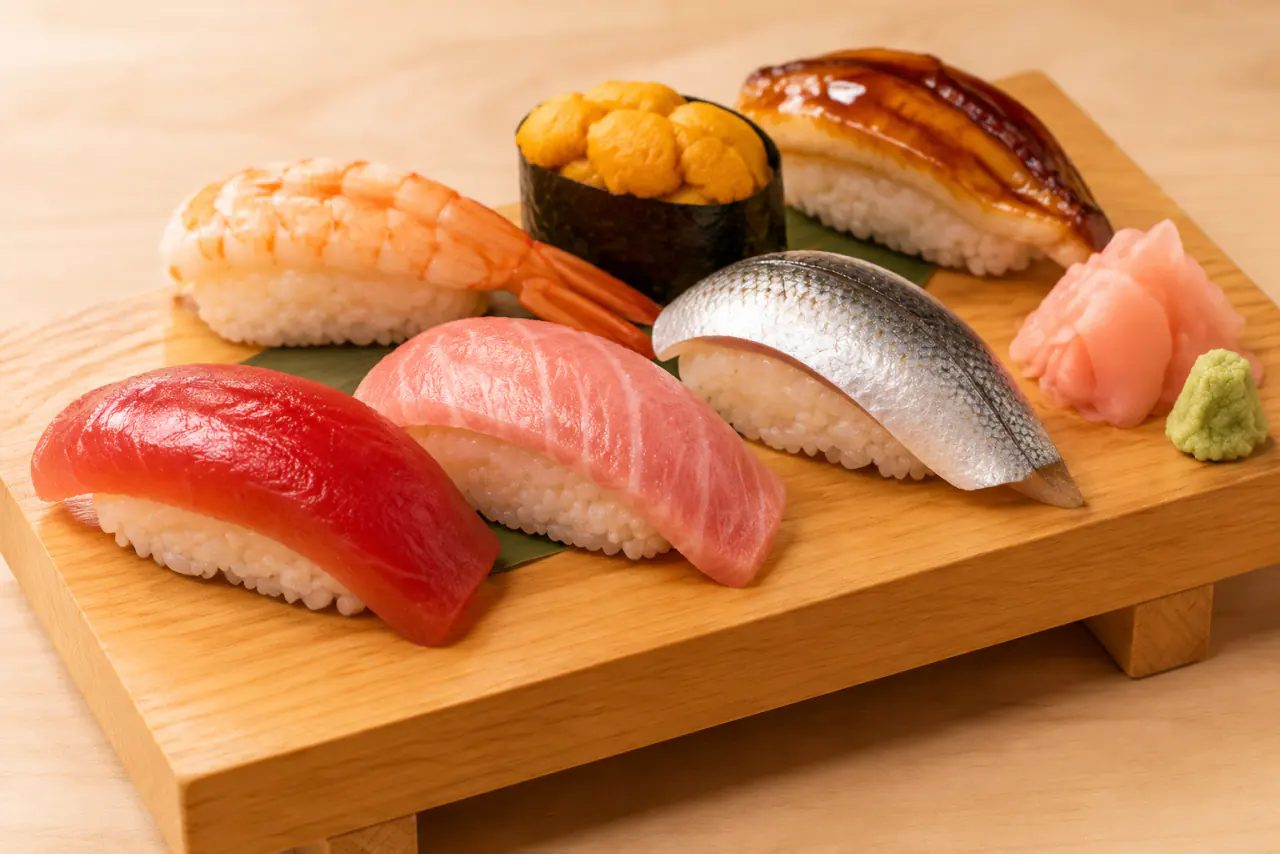
Tokyo-style nigiri sushi, made with fish treated with salt, vinegar, or sauce before being placed on vinegared rice. Tsukiji and Ginza have everything from conveyor-belt sushi to high-end sushi counters. For a first taste, try a seafood rice bowl or sushi set in Tsukiji, then splurge on a meal in Ginza if your budget allows.
Tsukiji Outer Market, Ginza, Toyosu Market · About ¥2,000–5,000 per person
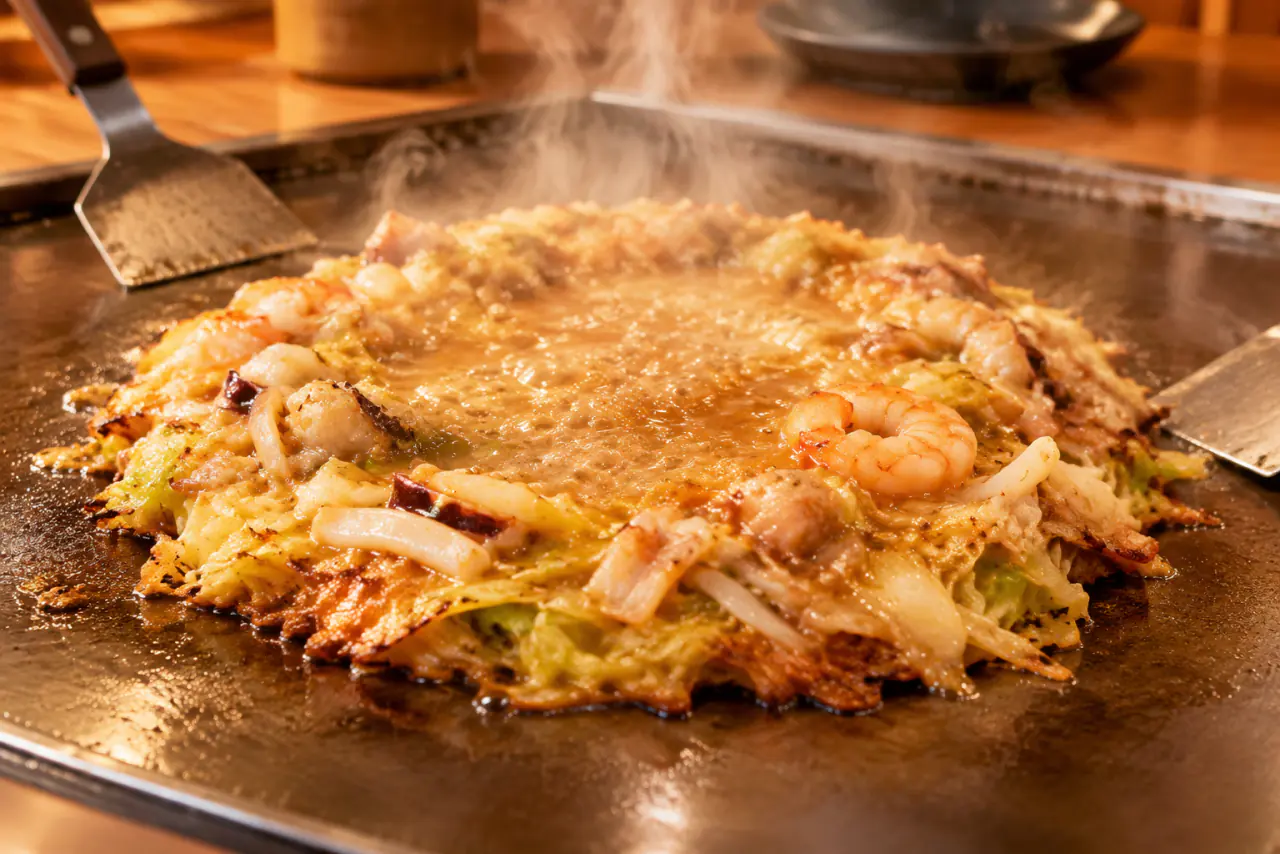
Monjayaki
Chopped cabbage and other ingredients are arranged in a ring on a hot griddle, then covered with a thin batter. Use a small spatula to scrape up bites as they cook. The texture is soft and gooey with crisp, browned edges. It may not look fancy, but it's a classic downtown Tokyo comfort food, and staff usually demonstrate it for first-time diners.
Tsukishima Monjayaki Street (Tsukishima Station, close to Tsukiji) · About ¥1,500–3,000 per person
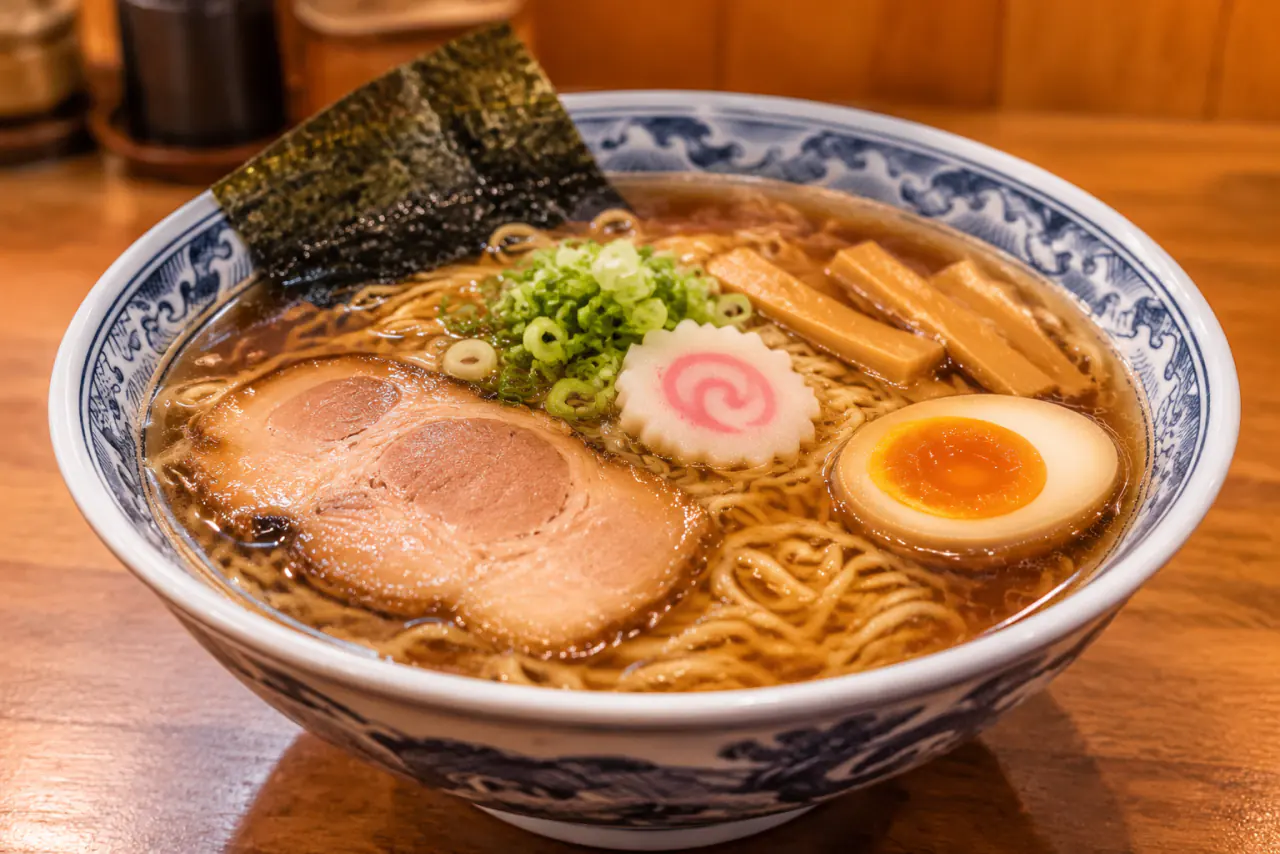
Tokyo-style shoyu ramen
Tokyo ramen is built around a clear chicken-and-soy broth with thin, curly noodles, making it lighter than Kyushu tonkotsu ramen. You'll find it throughout station areas and underground malls. Most shops use ticket vending machines at the entrance. Just follow the pictures and press the buttons—even without Japanese, you can order easily.
Tokyo Ramen Street, Shinjuku, and around Ogikubo · About ¥900–1,500 per bowl
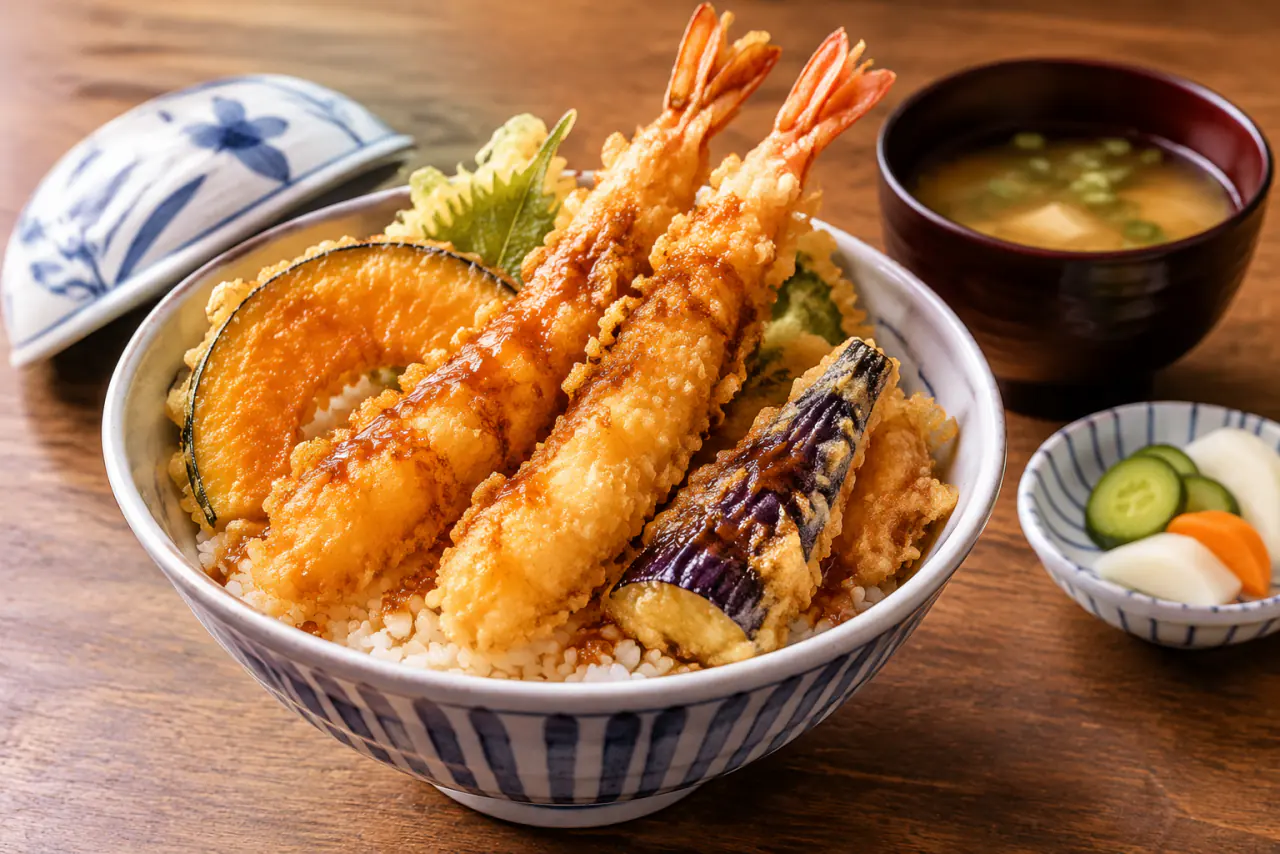
Tendon
A signature dish at old Asakusa restaurants, with shrimp and vegetables over white rice and topped with a sweet, rich sauce. It's especially satisfying after visiting Sensō-ji. Lines outside long-established restaurants are common, but avoiding the noon rush makes things much easier.
Around Sensō-ji and Kaminarimon · About ¥1,500–3,000 per person
Getting there · Where to stay
The Keisei Skyliner takes a little over 40 minutes to Nippori and Ueno and costs about ¥2,470. The Access Express goes directly to Asakusa for about ¥1,290. It's slower but cheaper.
JR N'EX has reserved seats throughout. It takes about 1 hour to Tokyo Station and costs about ¥3,140, or about ¥3,330 to Shinjuku. Depending on your passport, you may be able to buy a round-trip ticket for about ¥5,200.
The Keikyu Line takes about 15 minutes to Shinagawa and costs about ¥330. The Tokyo Monorail takes about 15 minutes to Hamamatsucho and costs about ¥520, where you can transfer to the JR Yamanote Line.
The Tokaido Shinkansen Nozomi takes about 2 hours 15 minutes from Kyoto to Tokyo Station and about 2 and a half hours from Shin-Osaka. Reserve a seat with oversized-baggage space if you're carrying a large suitcase.
For a first visit, stay in Shinjuku, Ueno, or Asakusa. Shinjuku has connections in every direction and stays lively at night; Ueno has direct Skyliner service to Narita; and Asakusa offers good-value hotels. If you're mainly using Haneda, stay around Shinagawa or Ginza.
Know this before you go
- Suica and PASMO transit cards work on nearly all trains and buses. On an iPhone, you can add a Suica directly in Apple Wallet.
- Tokyo Subway Tickets cost about ¥1,000/1,500/2,000 for 24/48/72 hours. They cover subways only, not the JR Yamanote Line.
- The cheapest way into the city from Narita is the TYO-NRT bus to Tokyo Station, which costs about ¥1,500. Fares double on late-night services.
- The morning commute peaks from 7:30 to 9:30. Avoid boarding with a rolling suitcase; take an airport bus instead or travel outside those hours.
- Public trash cans are scarce. Throw away convenience-store purchases outside the store or take them back to your hotel.