Cloudborne Travel
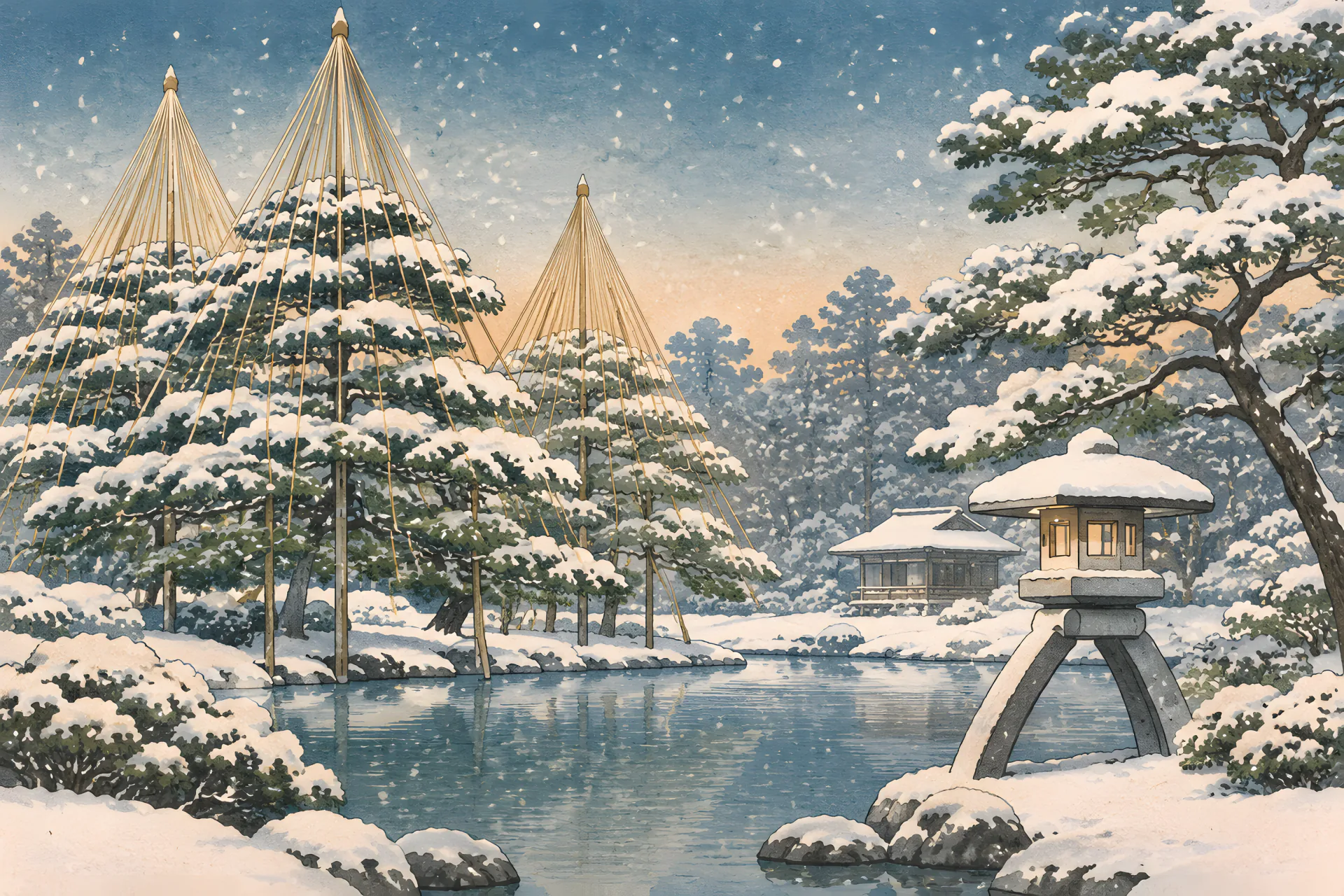
Ishikawa's main attraction is Kanazawa, the prefectural capital. During the Edo period, it was the castle town of the Maeda family, lords of the Kaga Domain. Because it escaped bombing during World War II, its old streets, samurai residences, and teahouse districts remain remarkably well preserved. Kenrokuen Garden, Kanazawa Castle, the 21st Century Museum of Contemporary Art, Kanazawa, and Omicho Market are all within walking distance or a few bus stops of one another. The pace is more relaxed than Kyoto, making it ideal for exploring slowly.
Kanazawa is also a hub for traveling around Hokuriku: the Hokuriku Shinkansen takes as little as about 2 and a half hours from Tokyo, while Shirakawa-go, Toyama, and Fukui are all within 1 and a half hours. For a hot-spring stay, head south to Yamanaka Onsen in Kaga. The Noto Peninsula is still recovering from the 2024 earthquake, so check the latest local transportation and business information before you go.
November is especially atmospheric, with fall colors and Kenrokuen's yukitsuri snow supports. Winter is crab season, cherry blossoms arrive in early April, and summer is hot, humid, and rainy.
Monthly weather
Based on KanazawaBest time to visit Monthly precipitation (mm) Open-Meteo (ERA5), 1996–2025 average
| Month | Average high (°C) | Average low (°C) | Monthly precipitation (mm) | Days with 1 mm or more of precipitation |
|---|---|---|---|---|
| Jan(Good time to visit) | 6.2 | 0 | 195 | 24 |
| Feb(Good time to visit) | 7.2 | 0.2 | 148 | 19 |
| Mar(Good time to visit) | 11.6 | 3.2 | 175 | 18 |
| Apr(Good time to visit) | 17.8 | 8.5 | 154 | 15 |
| May(Good time to visit) | 23.2 | 14.3 | 158 | 14 |
| Jun | 26.7 | 19.2 | 200 | 16 |
| Jul | 30.5 | 23.8 | 264 | 21 |
| Aug | 31.9 | 24.6 | 214 | 20 |
| Sep(Good time to visit) | 27.8 | 20.4 | 240 | 18 |
| Oct(Good time to visit) | 21.9 | 13.7 | 183 | 14 |
| Nov(Good time to visit) | 15.8 | 7.9 | 178 | 17 |
| Dec(Good time to visit) | 9.3 | 2.6 | 213 | 23 |
Sights
-
 1
Kenrokuen Garden
兼六園
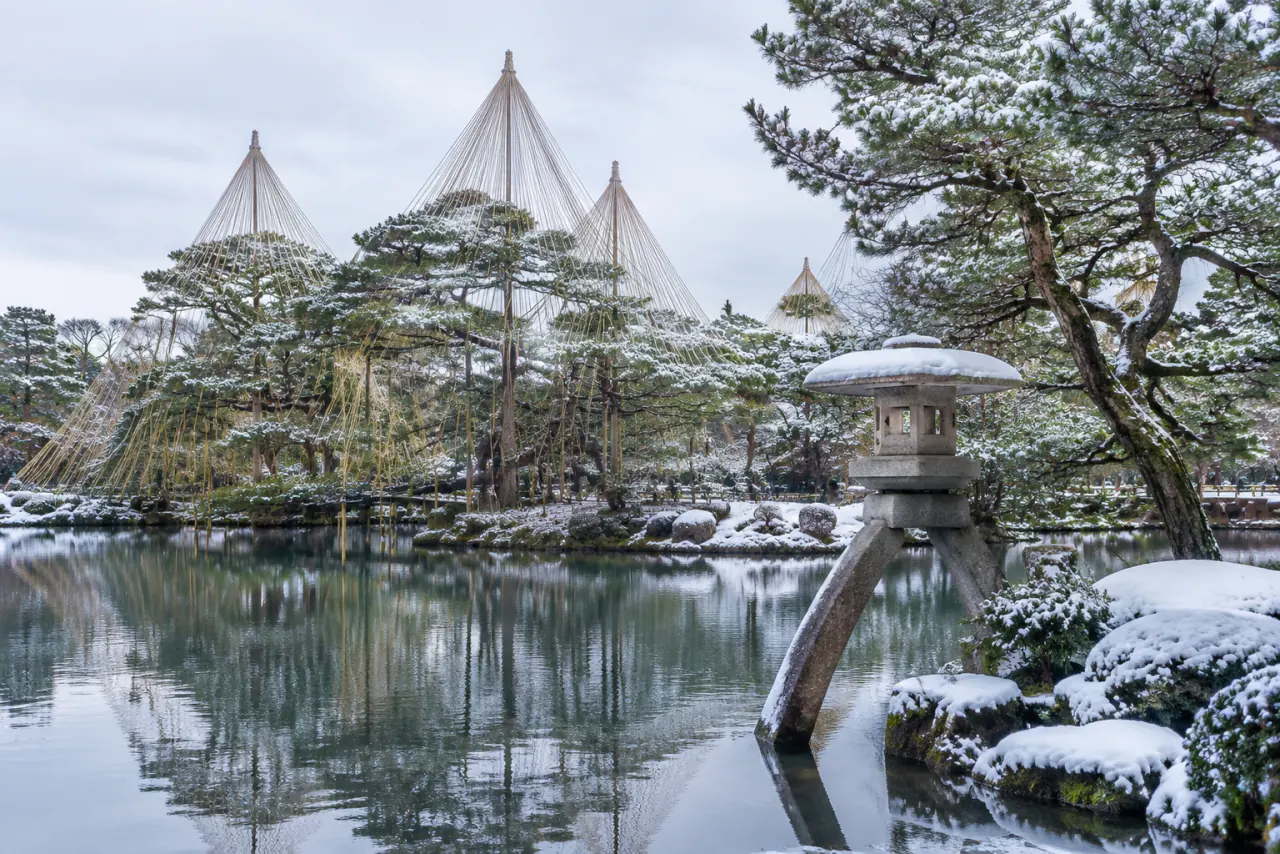
One of Japan's three great gardens, Kenrokuen was developed over generations by the lords of the Kaga Domain as a strolling garden. Its signature feature is the Kotoji Toro lantern, with two legs of different lengths, beside Kasumigaike Pond. Starting in November, pine trees are fitted with umbrella-shaped yukitsuri ropes to protect them from heavy snow. The combination of fall colors and snow is one of Kanazawa's most photogenic scenes. The garden is across the street from Kanazawa Castle, so the two are easy to visit together.
There is a free admission period before opening each day, when the garden is least crowded. Check the official website for the exact times.
-
 2
Kanazawa Castle Park
金沢城公園
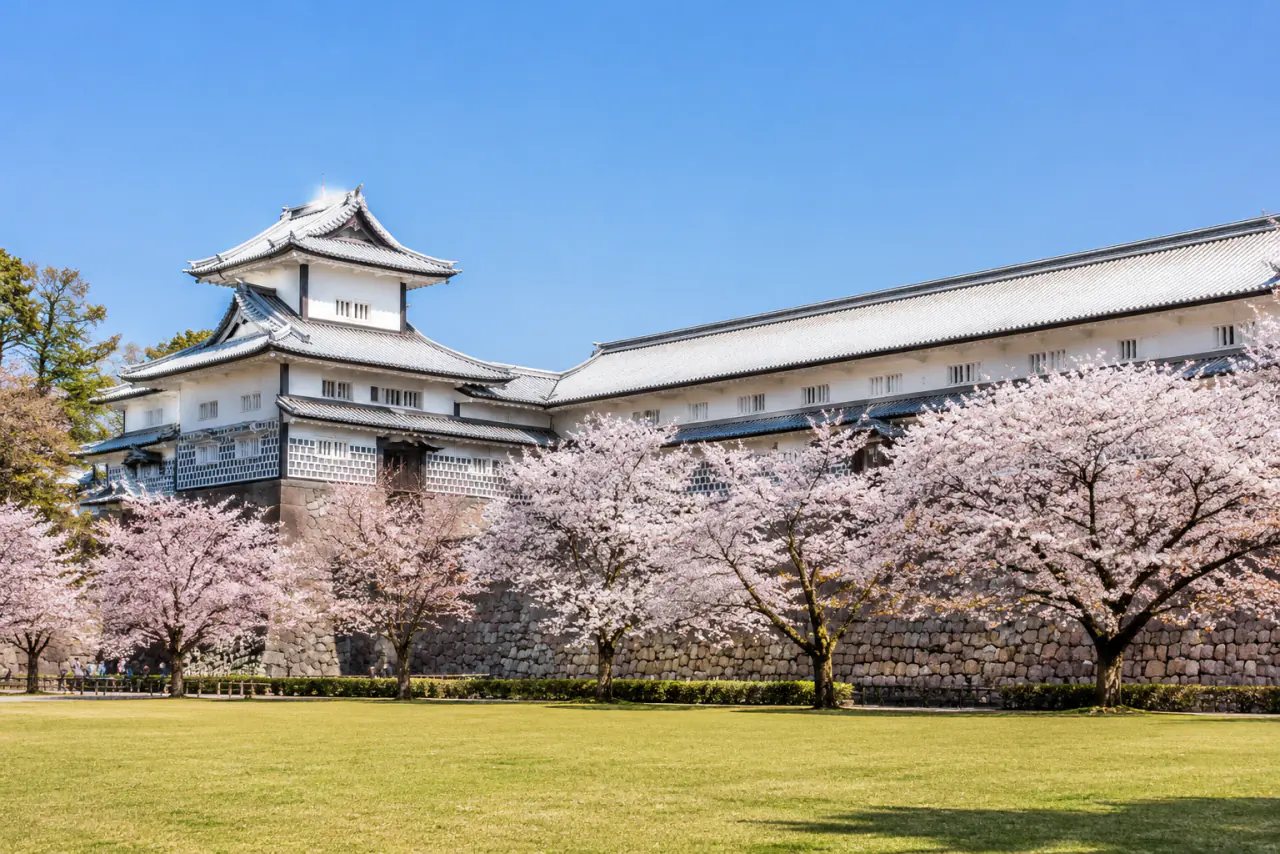
The former castle of the Maeda family no longer has its keep, but the reconstructed Hishi Yagura turret, Gojukken Nagaya warehouse, and white lead-tile roofs are impressive. The castle grounds are free to enter and have broad lawns and plenty of cherry trees in spring. The easiest route is to enter through Ishikawa-mon Gate from Kenrokuen, then exit on the other side toward Omicho Market or Oyama Shrine.
The grounds are free, but the interiors of reconstructed buildings such as Hishi Yagura require a separate fee. The cherry blossoms are illuminated at night in early April.
-
 3
Higashi Chaya District
ひがし茶屋街
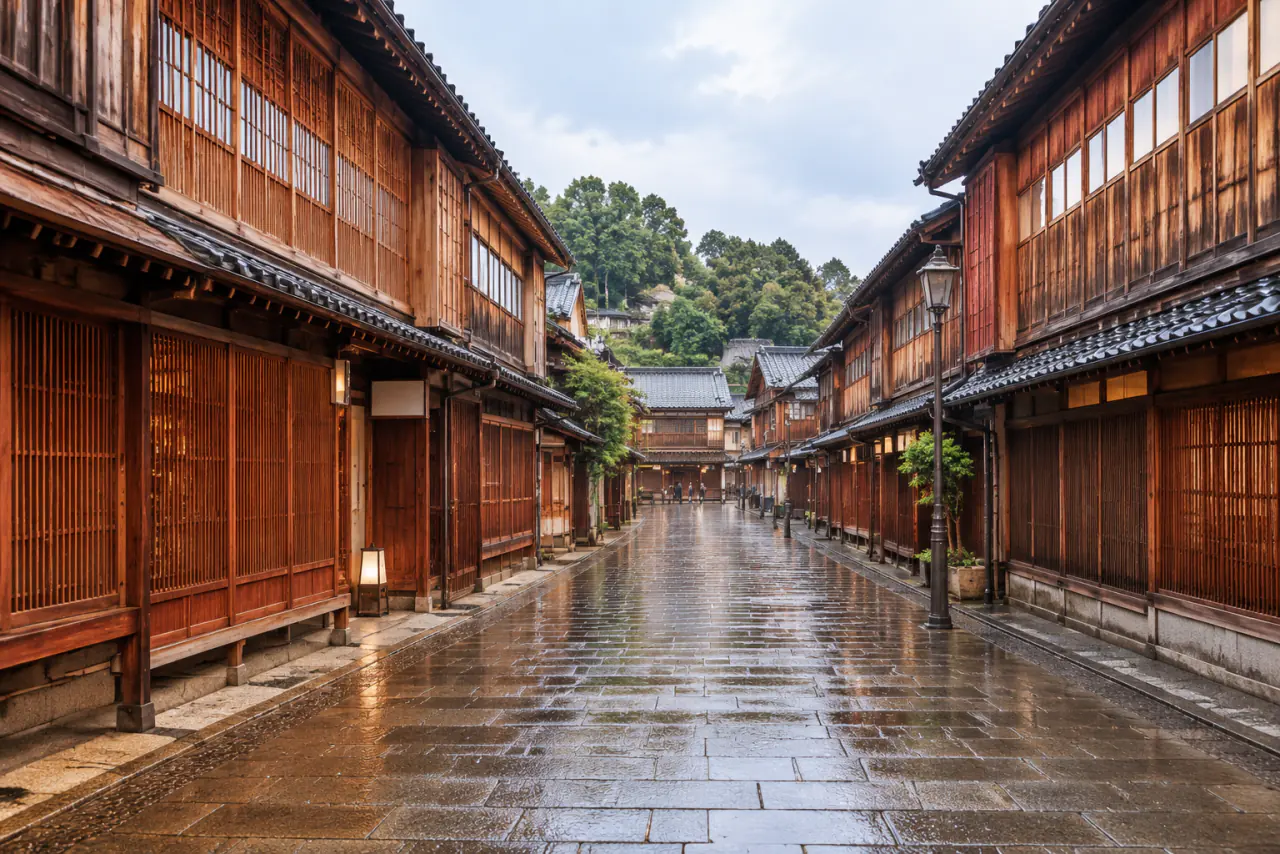
This Edo-period geisha district is lined with two-story wooden buildings with lattice facades. Today, many house cafés, gold-leaf craft shops, and dessert shops. Step inside one of the historic teahouses open to visitors to see the second-floor banquet room, then sit down for a cup of matcha. Across the Asano River is the quieter Kazuemachi Chaya District.
The area is crowded during the day. Come before 9 a.m. or after the evening lights come on for the best photos. Do not stop geisha for photos.
-
 4
Omicho Market
近江町市場
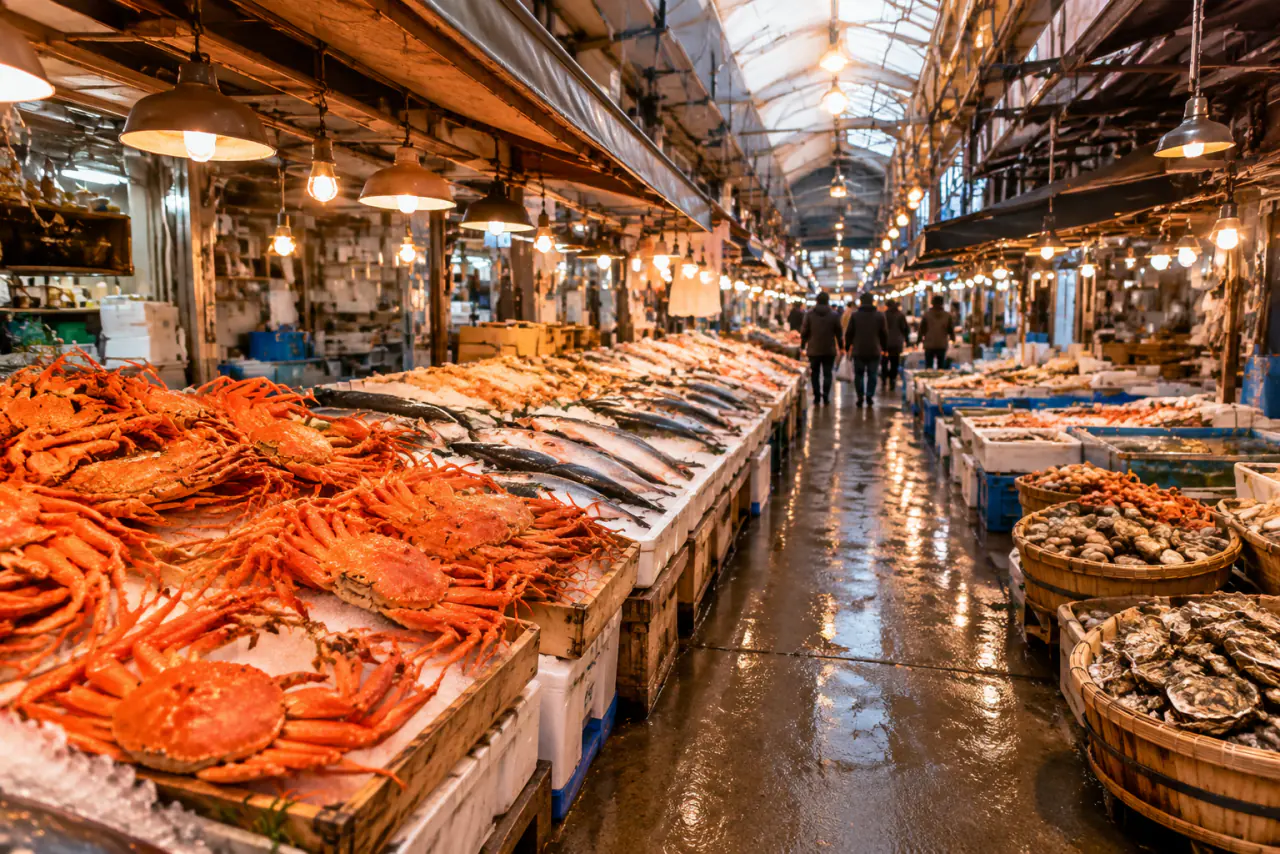
Known as Kanazawa's kitchen, this market has more than 100 seafood shops, produce vendors, and eateries. You can snack on oysters, amaebi sweet shrimp, and seafood rice bowls as you walk. In winter, you'll see piles of crab. Just a few bus stops from Kanazawa Station, it is a good place for brunch.
Popular rice-bowl restaurants often have long lines before noon, so arrive before 10 a.m. Closing days vary by shop, and many vendors close early in the afternoon.
-
 5
21st Century Museum of Contemporary Art, Kanazawa
金沢21世紀美術館
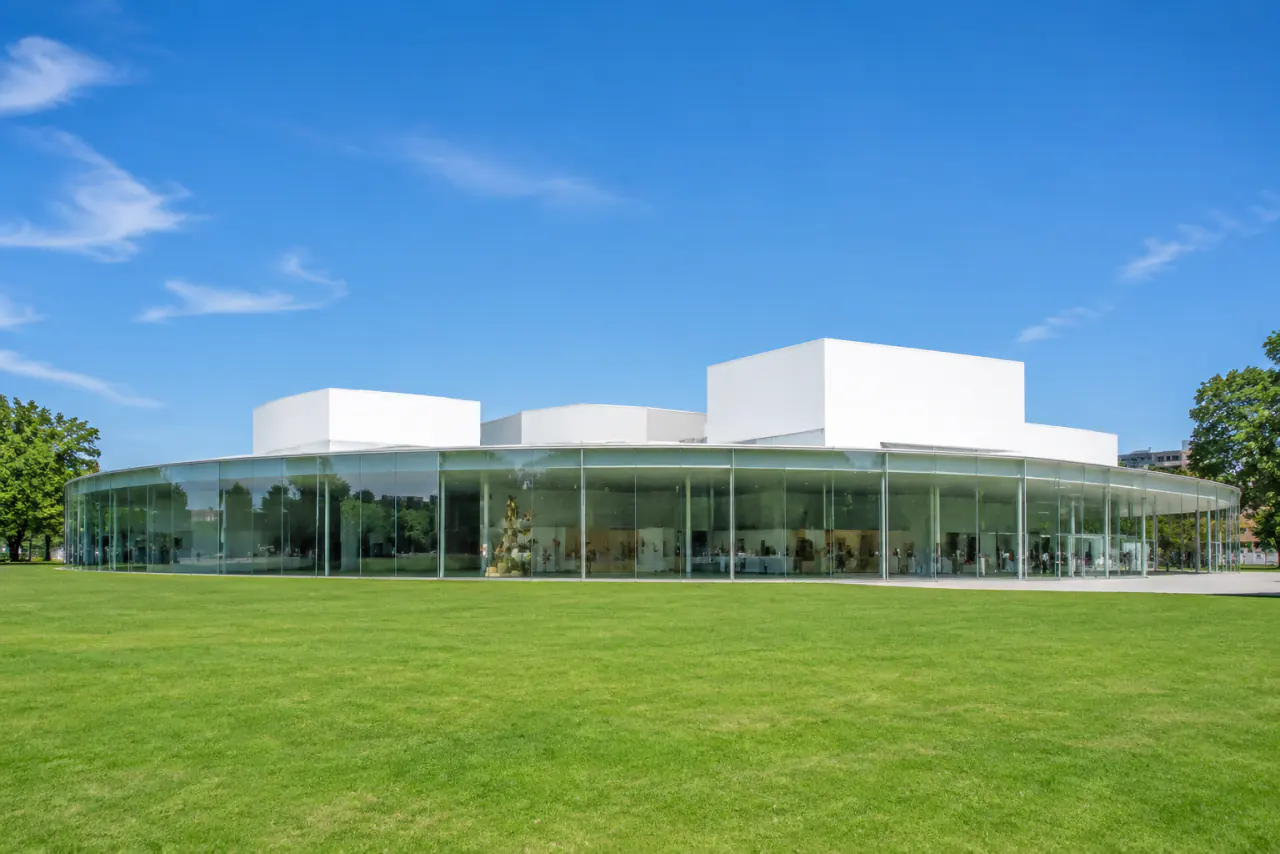
Designed by SANAA, this circular glass museum has entrances on all sides, and its public areas are free. Its best-known work is Leandro Erlich's The Swimming Pool: from above, it looks as if people are underwater, while an exhibition ticket lets you enter the pool itself. About a 5-minute walk from Kenrokuen Garden, it is a top choice on rainy days.
The museum will close for major renovations from May 6, 2027, through March 2028. The exhibition galleries are generally closed on Mondays. Buying tickets online in advance is recommended.
-
 6
Nagamachi Samurai District
長町武家屋敷跡
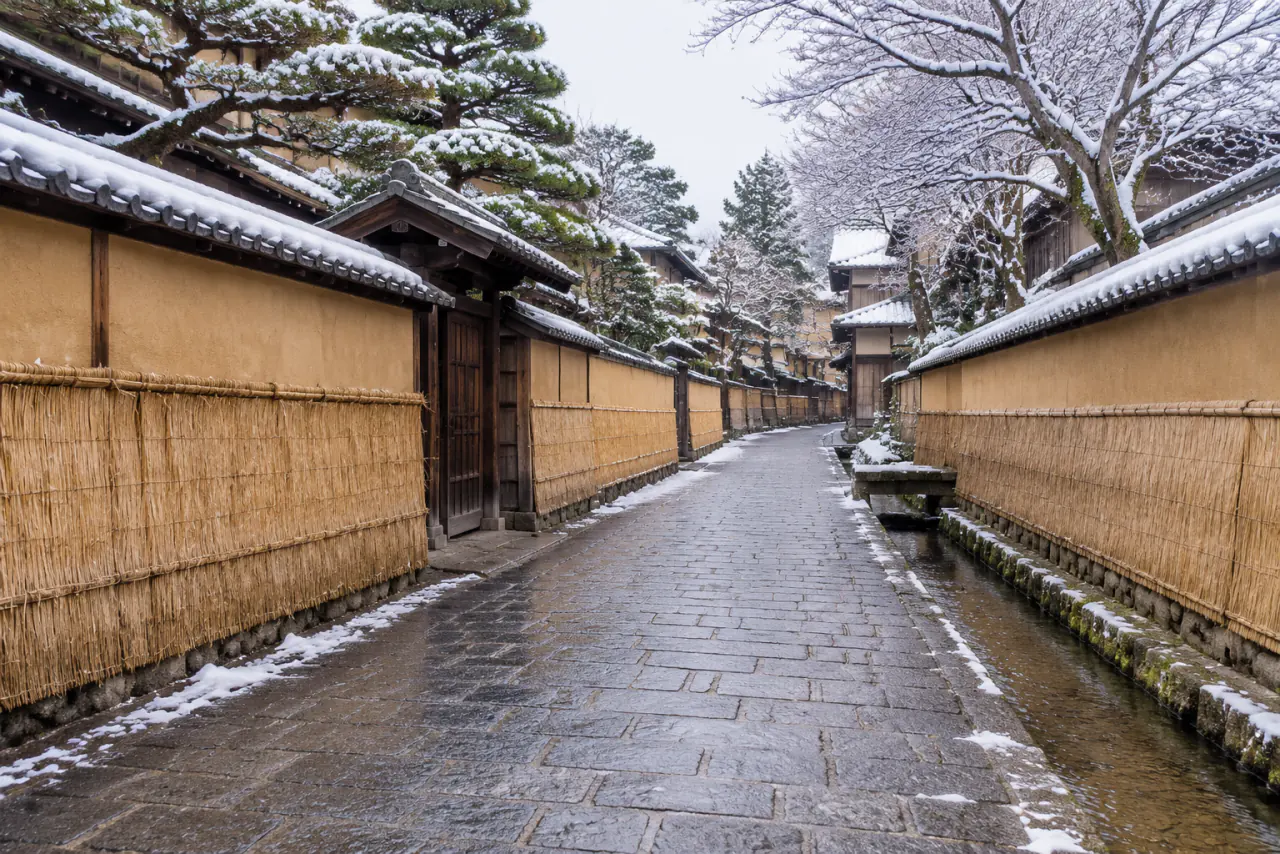
A few narrow lanes behind Korinbo make up this former residential area for middle- and lower-ranking samurai. Earthen walls, stone paths, and open drainage channels line the streets. You can enter the Nomura House to see its garden. In winter, the earthen walls are covered with straw mats called komokake to protect them from frost, creating a striking scene. The district is about a 5-minute walk from the Korinbo shopping area.
People live here, and the lanes are narrow. Do not block the way when taking photos.
-
 7
Yamanaka Onsen and Kakusenkei Gorge
山中温泉 鶴仙渓
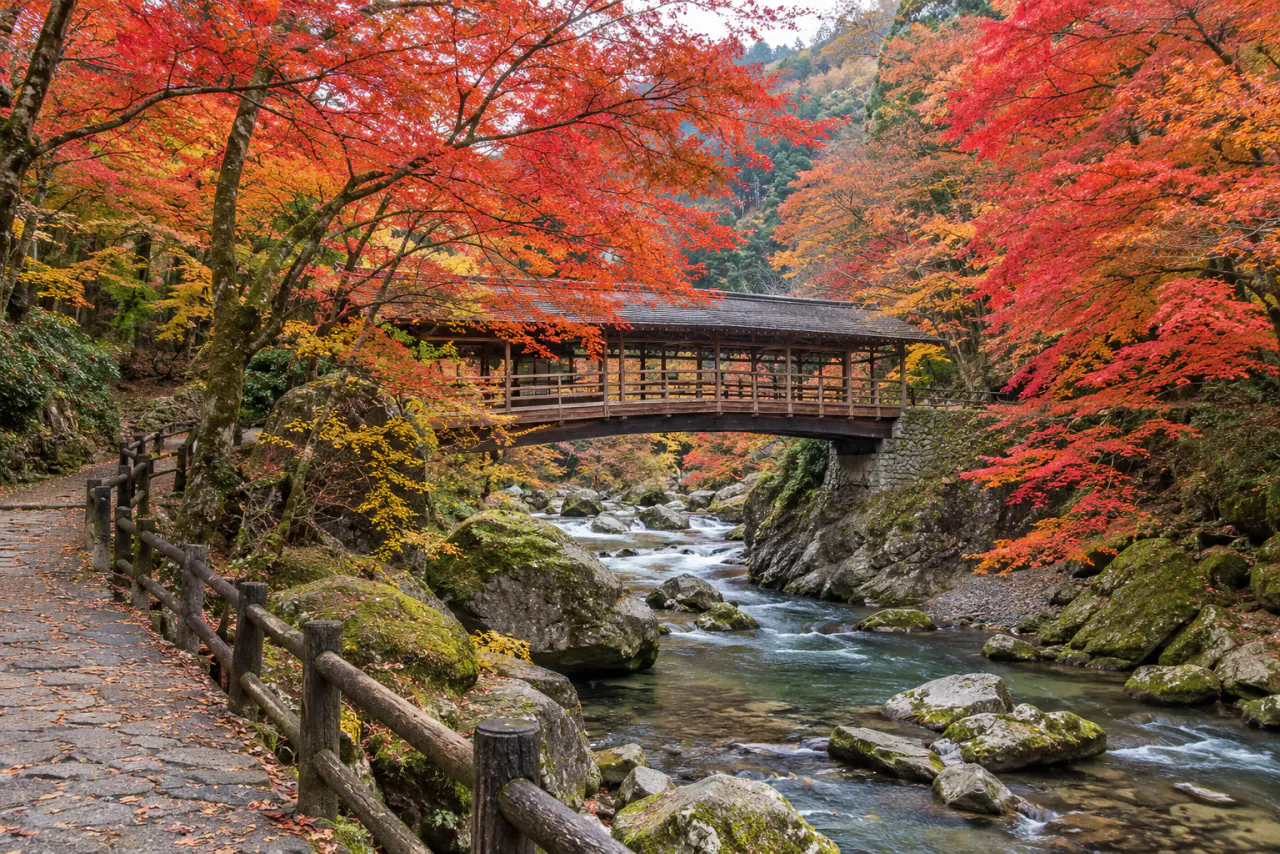
One of the most atmospheric spots in the Kaga Onsen area, Yamanaka Onsen sits beside Kakusenkei Gorge. A walk along the river takes about 30 minutes and passes the wooden Korogi Bridge and the striking Ayatori Bridge. The fall colors are beautiful. The bus from Kagaonsen Station takes about 30 minutes, and staying overnight lets you enjoy the hot springs.
The public bath Kiku-no-yu is in the center of the hot-spring town. You can bathe there without staying overnight.
What to eat
Seafood rice bowl
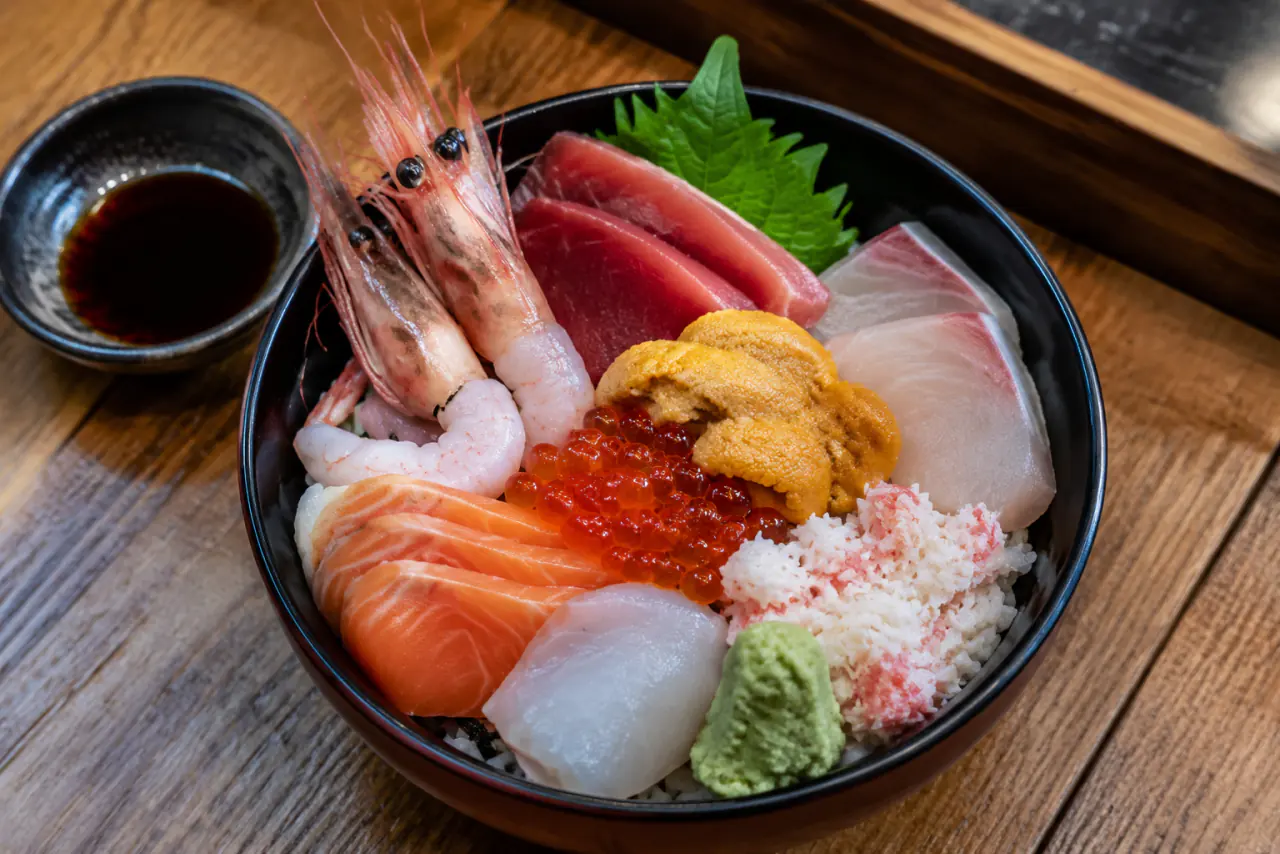
Kanazawa sits near fishing ports on the Sea of Japan, so amaebi sweet shrimp, nodoguro blackthroat seaperch, and buri yellowtail are especially fresh. Rice bowls at Omicho Market are topped with more than a dozen kinds of sashimi. Check the price board carefully before ordering.
Restaurants in and around Omicho Market · about ¥2,500–5,000 per person
Jibuni
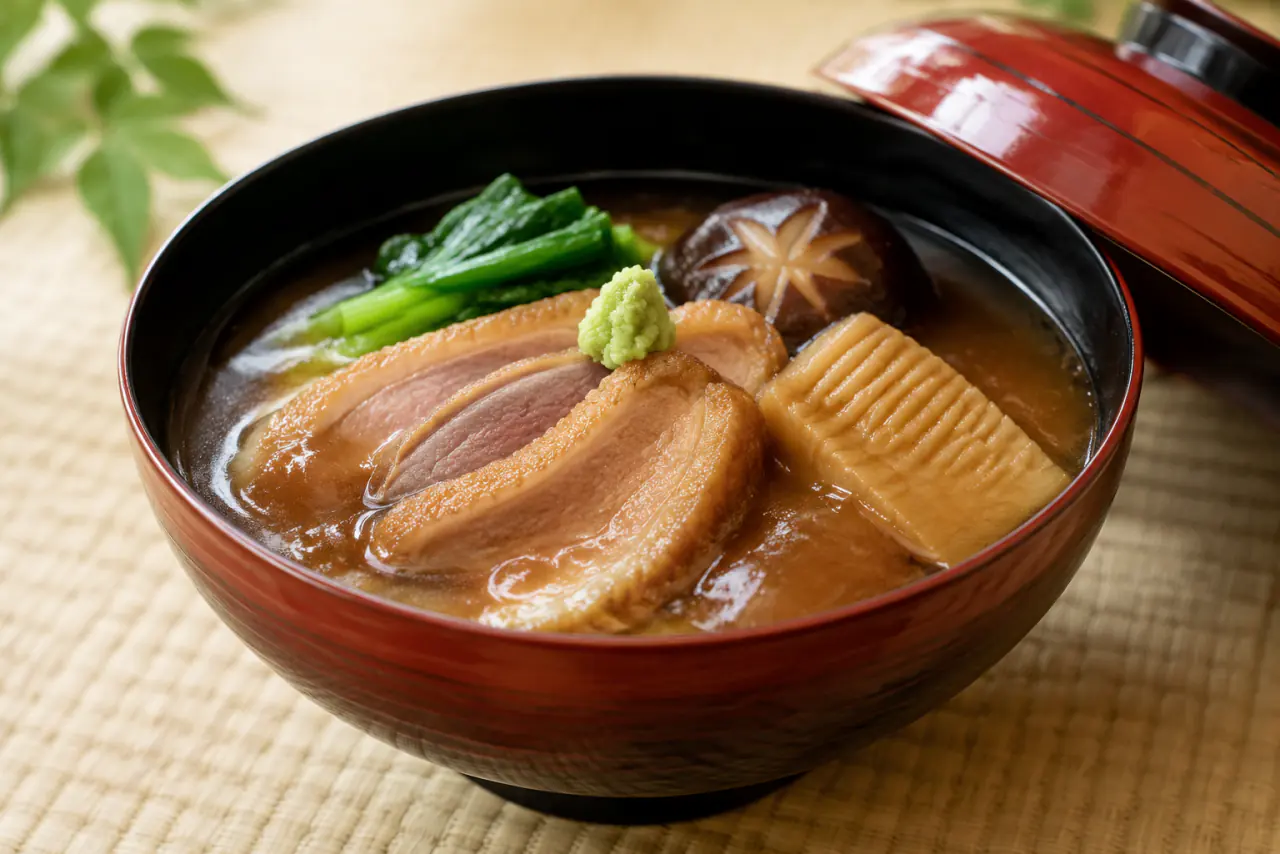
A traditional Kanazawa stew: duck coated in starch is simmered with local wheat gluten and vegetables in a thick, sweet broth, then finished with a touch of mustard. It is often included in kaiseki meal sets.
Japanese restaurants around the Higashi Chaya District and Korinbo
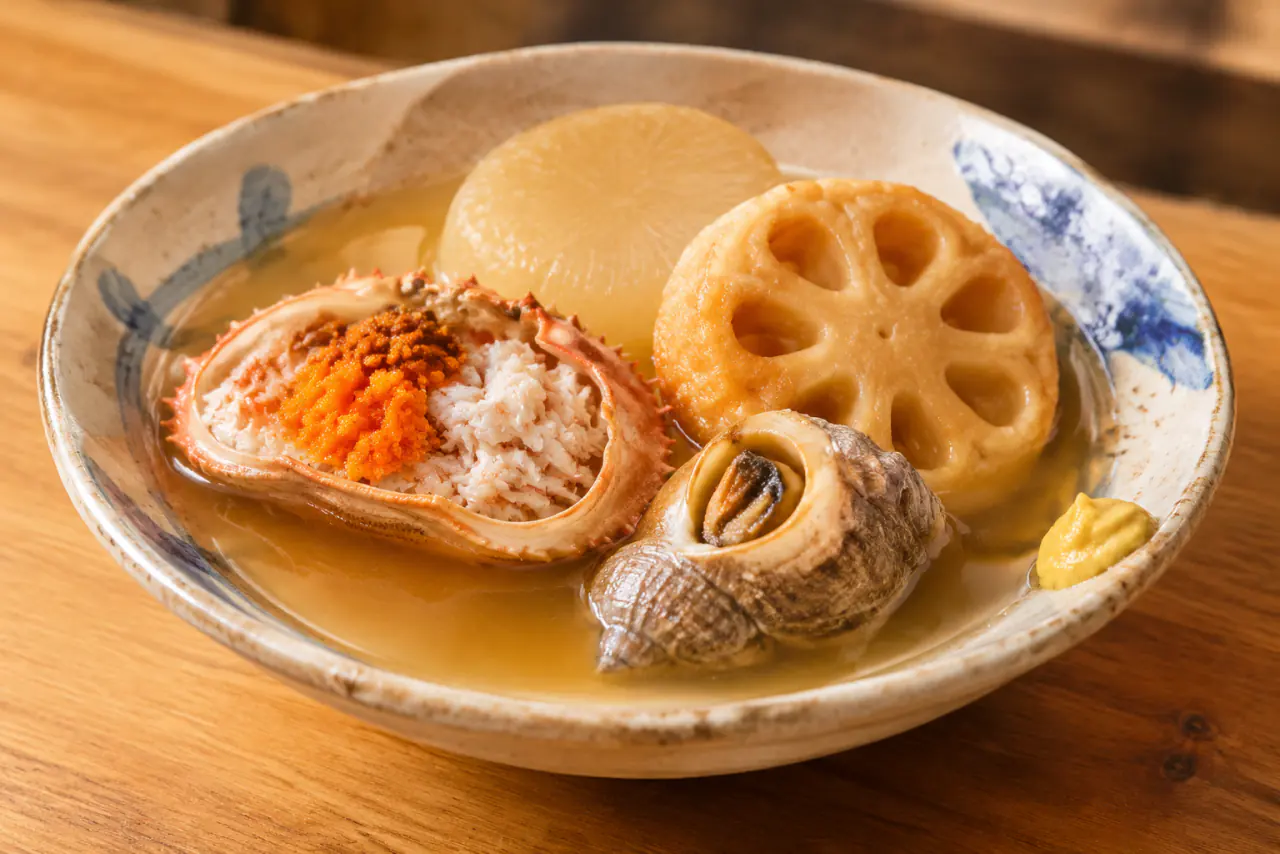
Kanazawa oden
Kanazawa residents eat oden year-round. The broth is light, with local specialties such as kuruma-fu wheat gluten, bai-gai welk, and winter-only kobako crab shells packed with crab meat and roe.
Oden restaurants around Kanazawa Station and Katamachi · about ¥2,000–4,000 per person
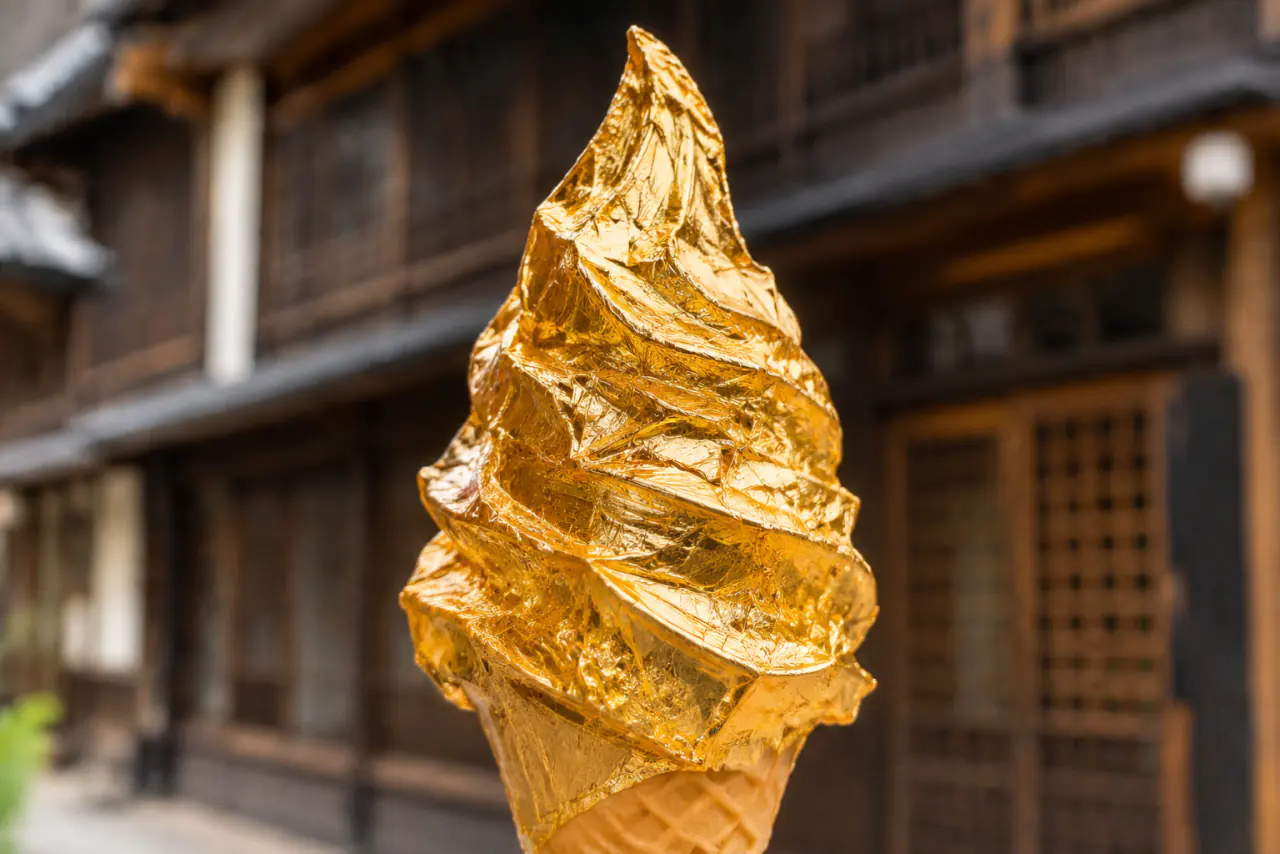
Gold-leaf soft serve
Kanazawa produces more than 90% of Japan's gold leaf. Shops around the teahouse districts place a whole sheet of gold leaf on soft serve ice cream. It tastes like ordinary vanilla; the appeal is mainly the photo.
Gold-leaf shops in the Higashi Chaya District · about ¥1,000–1,500
Getting there · Where to stay
The Hokuriku Shinkansen Kagayaki reaches Kanazawa in as little as about 2 hours 30 minutes. All seats are reserved.
Take the Limited Express Shirasagi to Tsuruga, then transfer to the Hokuriku Shinkansen. The total trip takes about 2 hours 30 minutes–3 hours.
The airport bus takes about 40–55 minutes to Kanazawa Station. Pay when you get off.
Highway buses operated by Nohi Bus and other companies take about 1 hour 30 minutes from Shirakawa-go to Kanazawa. Reservations are required.
Staying near Kanazawa Station is most convenient. The Shinkansen, buses to Shirakawa-go, and airport buses all depart from here. If you want to explore the old streets at night, stay around Korinbo or the Higashi Chaya District. A taxi ride back to the station takes about 10 minutes.
Know this before you go
- Buses are the easiest way to get around central Kanazawa. If you plan to take several rides in one day, buy the Hokutetsu one-day city pass. IC cards are also accepted.
- For direct flights, first check routes to Komatsu Airport, then compare them with flying to Nagoya or Tokyo and taking the Shinkansen.
- Hokuriku often gets rain and snow in winter. As the saying goes, “Even if you forget your lunch, don't forget your umbrella.” Bring one.
- Highway buses to Shirakawa-go have reserved seating for every passenger. Book a month ahead during peak season, or buses are often full on the day.
- Crab season opens in early November. The season for female kobako crab is short and usually ends in late December.