 Cloudborne Travel
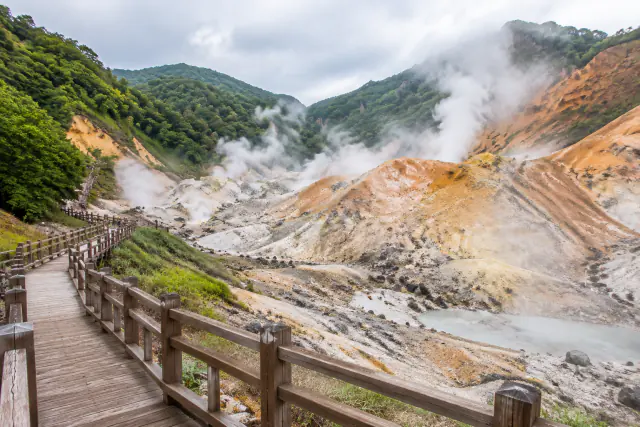 Hokkaido Hot springs · Half a day to 1 night Noboribetsu Jigokudani This volcanic crater is filled with rising steam and a strong sulfur smell. A 15-minute walk on the boardwalk covers the main sights. Afterward, soak in the hot spring district. Noboribetsu has several types of mineral-rich water, and many hotels accept non-guests for bathing. Direct buses run from Sapporo and New Chitose Airport, making it a good place to add a night at a hot spring. Hot springs
Hot springs
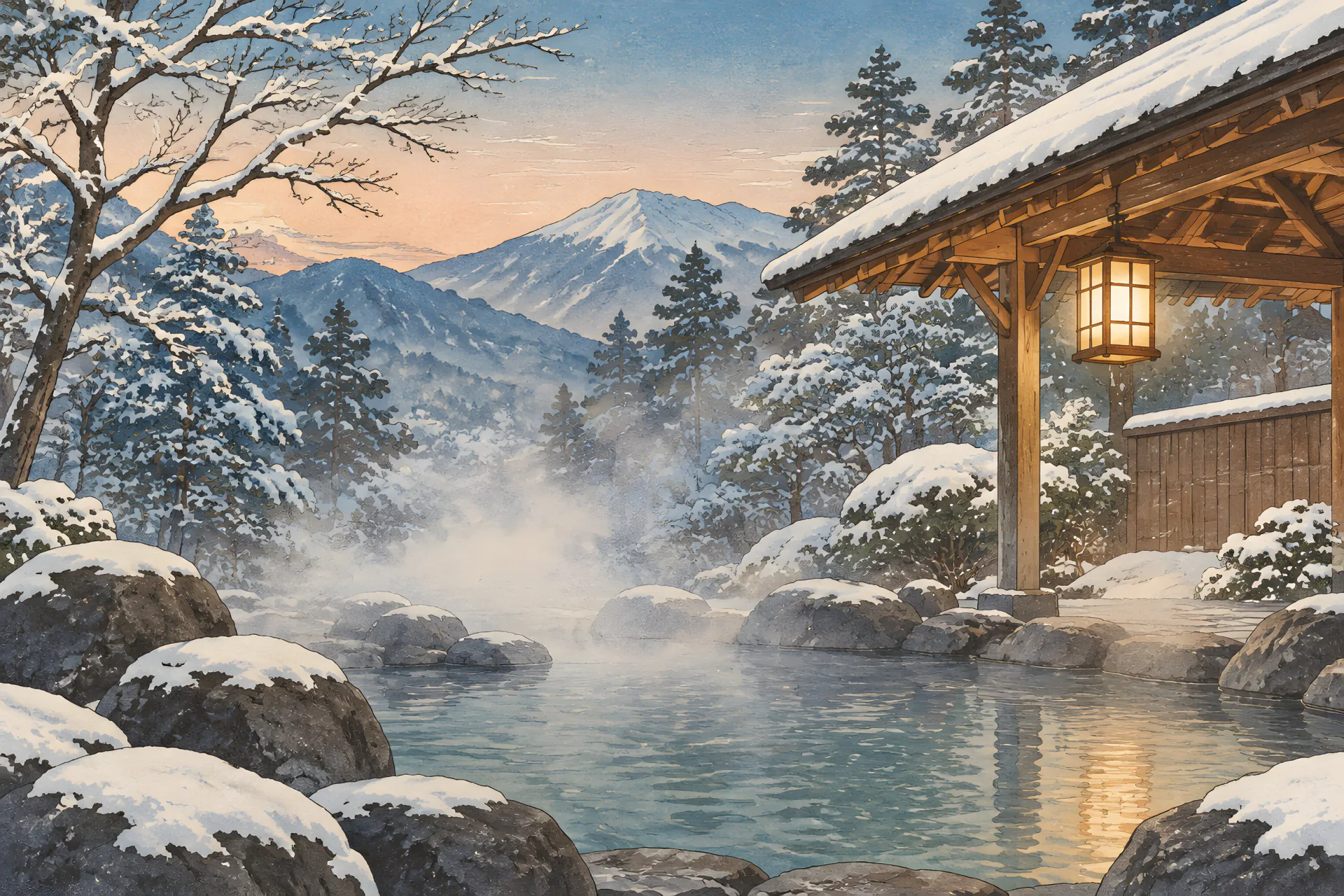
Thousands of hot springs across Japan, each with its own water and atmosphere. Stay overnight in an old hot-spring town and stroll in a yukata; those near cities are good for day trips.
Year-round; best in winter39 sights8 regions
Hokkaido Hot springs · Half a day to 1 night Noboribetsu Jigokudani This volcanic crater is filled with rising steam and a strong sulfur smell. A 15-minute walk on the boardwalk covers the main sights. Afterward, soak in the hot spring district. Noboribetsu has several types of mineral-rich water, and many hotels accept non-guests for bathing. Direct buses run from Sapporo and New Chitose Airport, making it a good place to add a night at a hot spring. Hot springs 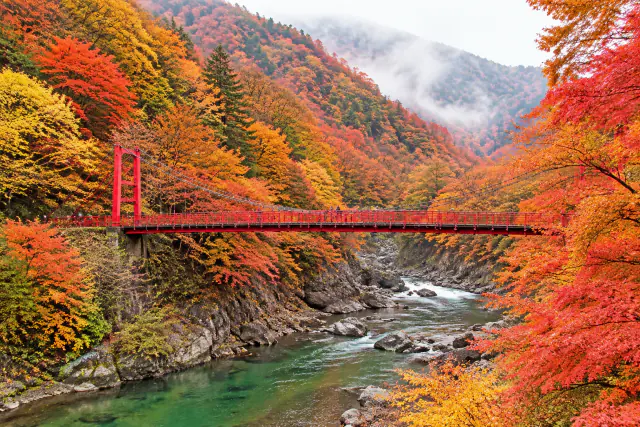 Hokkaido Hot springs · Half a day to 1 night Jozankei Onsen A hot spring valley within Sapporo. It's about 1 hour by road from the city center, making it a good choice if you want to stay at a hot spring ryokan without going far. The hills turn red in early to mid-October, and you can walk around the Futami Suspension Bridge area. In winter, soaking in an outdoor bath surrounded by snow is especially relaxing. Hot springsAutumn leaves
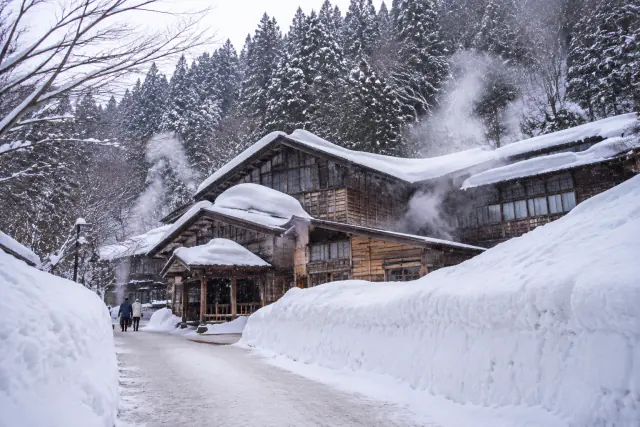 Aomori Hot springs · 1–2 hours Sukayu Onsen This historic hot-spring ryokan sits in the Hakkoda Mountains. Its signature bath is Sen-nin Buro, a huge wooden bathhouse with milky, acidic water. Traditionally, the bath is mixed-gender, with designated hours for women. Snowfall often reaches two or three meters in winter. The ryokan is on the same bus line as the Hakkoda Ropeway, so the two make a good combination. Hot springsSnow country
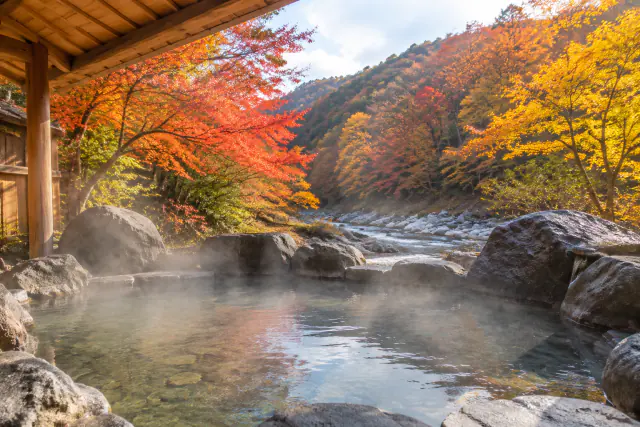 Miyagi Hot springs · Half a day to 1 night Akiu Onsen This historic hot-spring town in Sendai is about 50 minutes by bus from Sendai Station. Many inns are mid- to large-size hotels with open-air baths, and some offer shuttles from Sendai Station. In fall, continue farther into the area to see the more than 50-meter-high Akiu Great Falls. Hot springsAutumn leaves
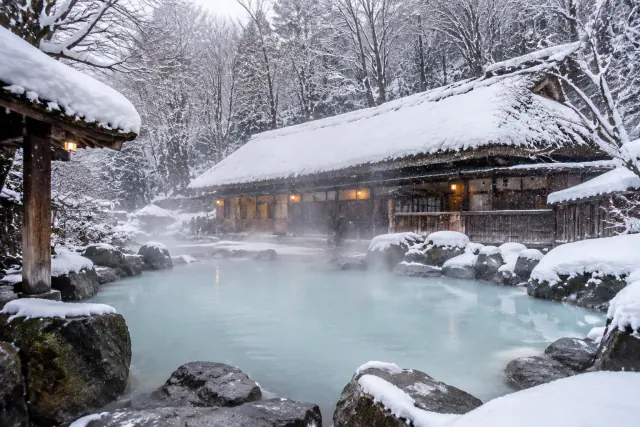 Akita Hot springs · Half a day to 1 night Nyuto Onsen Seven ryokan, each with its own spring source, are scattered through a beech forest. The best known is Tsurunoyu, with thatched roofs and milky outdoor baths surrounded by snow in winter. You can bathe without staying overnight, and a pass lets you visit several baths. The bus from Tazawako Station takes about 50 minutes. Hot springsSnow countryAutumn leaves
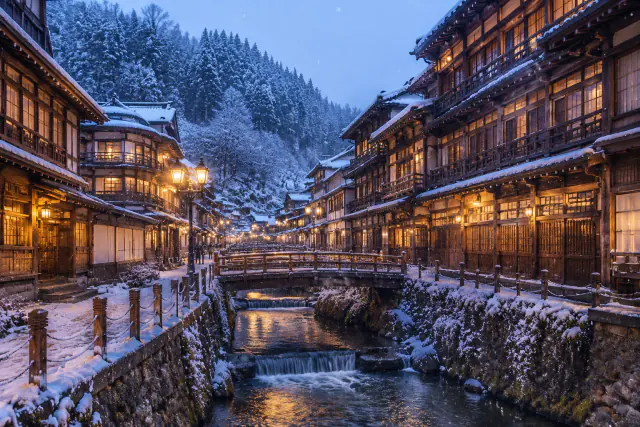 Yamagata Hot springs · Half a day to 1 night Ginzan Onsen Three- and four-story wooden inns line both sides of a small river. When the gas lamps come on at dusk, the town looks like a movie set, especially in the snow. The hot-spring district is small; 30 minutes is enough to walk around. The bus from JR Oishida Station takes about 40 minutes. Winter weekends draw many day-trippers. Hot springsSnow country
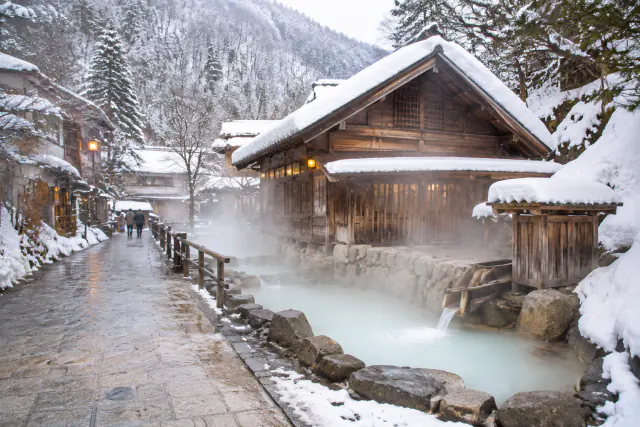 Yamagata Hot springs · Half a day to 1 night Zao Onsen At about 900 meters above sea level, Zao's strongly acidic sulfur springs are milky white and have a powerful smell. In winter, the area becomes a large ski resort. In summer, you can hike to see Okama Crater. The hot-spring town has several inexpensive public baths, plus a large outdoor bath in the mountains that closes in winter. Hot springsSnow country
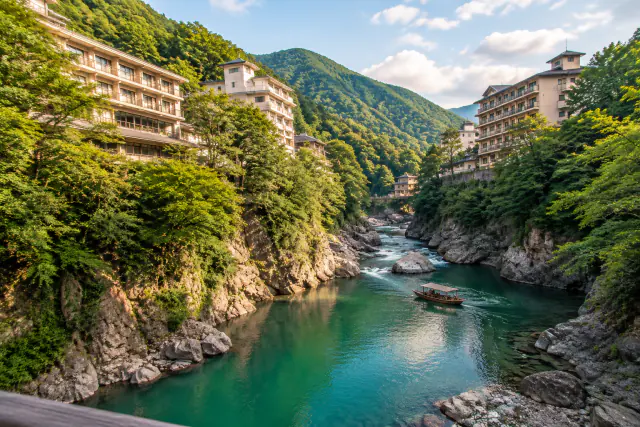 Tochigi Hot springs · 1 night Kinugawa Onsen Large hot-spring hotels line both sides of the Kinugawa Gorge. The Tobu Limited Express runs directly from Asakusa, making access easy. The mild waters are a good choice if you are new to hot springs. Nearby attractions include Edo-themed parks, Tobu World Square with its miniature buildings from around the world, and cruises through the gorge. It is a good place for a 1-night family stay. Hot springs
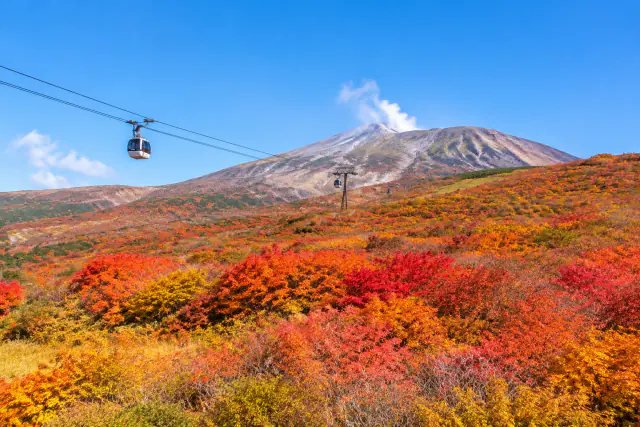 Tochigi Nature · 1–2 days Nasu Highlands This highland resort area lies at the foot of Mount Nasu. It has farms, zoos, museums, and many hot-spring inns. Summers are much cooler than in Tokyo, and the area is a summer retreat for the Japanese imperial family. A ropeway climbs the mountain, and the fall colors are beautiful. Sights are spread out and buses are infrequent, so plan to stay 1–2 days and explore at a relaxed pace. MountainsHot springsAutumn leaves
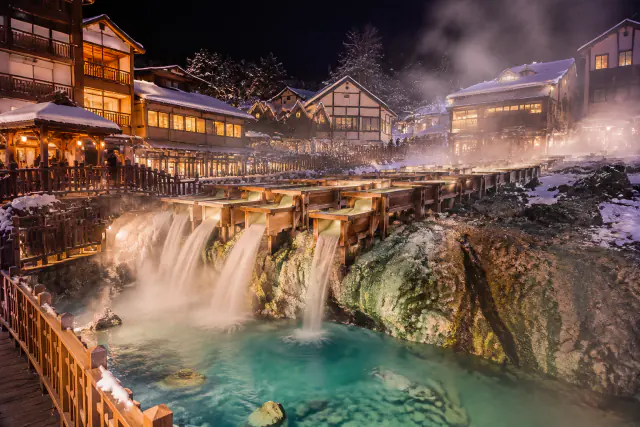 Gunma Hot springs · Half a day Yubatake, Kusatsu Onsen At this hot spring source in central Kusatsu, steaming water flows down rows of wooden channels to cool, filling the air with the smell of sulfur. It is especially beautiful when lit up at night. Shops, inns, and several free public baths surround it. Next door, Netsunoyu stages yumomi performances, with performers stirring the hot water with long wooden paddles to cool it while singing and dancing. Hot springsSnow country
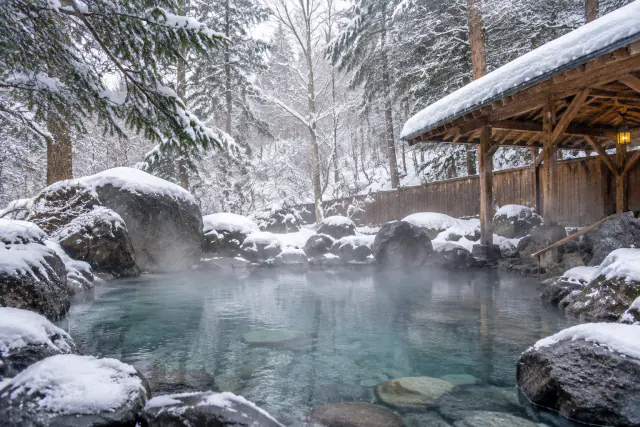 Gunma Hot springs · 1–2 hours Sainokawara Rotenburo Walk west from Yubatake for a little over 10 minutes through Sainokawara Park, past steaming streams and small pools. At the far end are two large outdoor baths, one for each gender, surrounded by wooded mountains. A soak is especially atmospheric when it snows. There is a free footbath by the entrance if you prefer to keep your clothes on. Hot springsSnow countryMountains
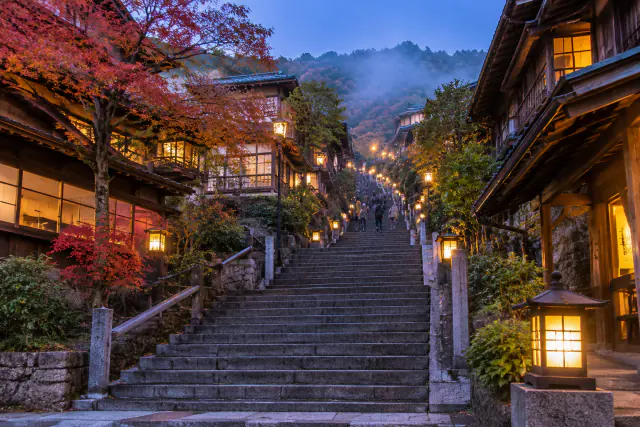 Gunma Old town · Half a day Ikaho Onsen More than three hundred stone steps climb to Ikaho Shrine, lined with inns, shooting galleries, and onsen manju shops that give the street a nostalgic Showa-era feel. The iron-rich Kogane no Yu, or golden water, is brownish in color. Direct highway buses from Shinjuku take about 2 and a half hours. You can also travel via Takasaki and connect to a bus. Hot springsAutumn leaves
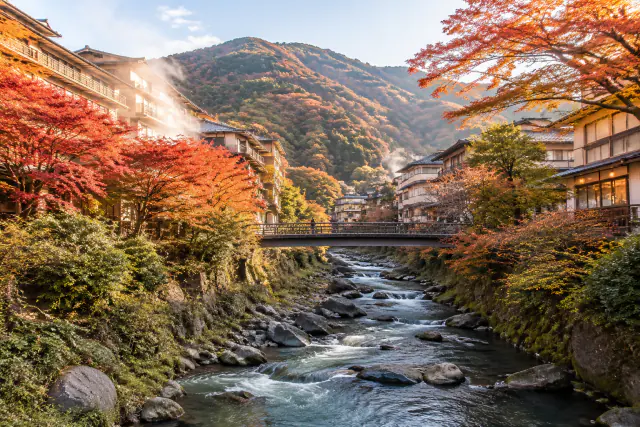 Kanagawa Hot springs · 2–3 hours Hakone-Yumoto Onsen The final stop of the Romancecar and Hakone's largest hot-spring town. The shopping street in front of the station sells fish cakes, onsen manju, and other snacks. Along the river, several day-use hot springs welcome visitors, so you can bathe without staying overnight. From here, transfer to the mountain railway toward Gora and Owakudani—the starting point of the Hakone loop. Hot springs
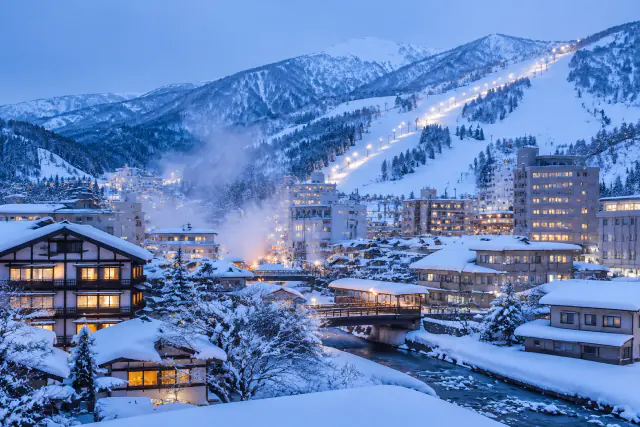 Niigata Hot springs · Half a day–1 day Echigo-Yuzawa Onsen This is the snowy country at the beginning of Snow Country. The hot-spring district starts right outside the Shinkansen station. During ski season, some Shinkansen trains continue to GALA Yuzawa Station, where the ski resort is right outside and you can rent equipment. Ponshukan inside the station offers coin-operated tastings of sake from across Niigata. It's easy to visit as a day trip from Tokyo or stay overnight. Hot springsSnow country
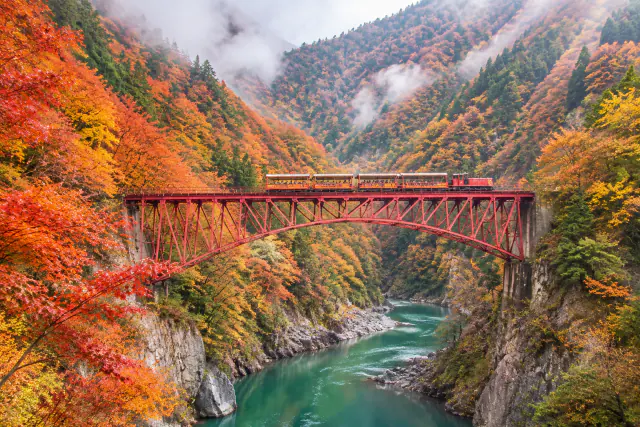 Toyama Nature · Half a day Kurobe Gorge Railway This narrow-gauge train leaves Unazuki Onsen and climbs through a V-shaped gorge to Keyakidaira in about 80 minutes one way. The open cars can be very windy. After the 2024 earthquake, trains have operated only partway along the line. Full service resumes on October 1, 2026. Late October through November is best for fall colors. Stay in Unazuki Onsen after the ride. Autumn leavesMountainsHot springs
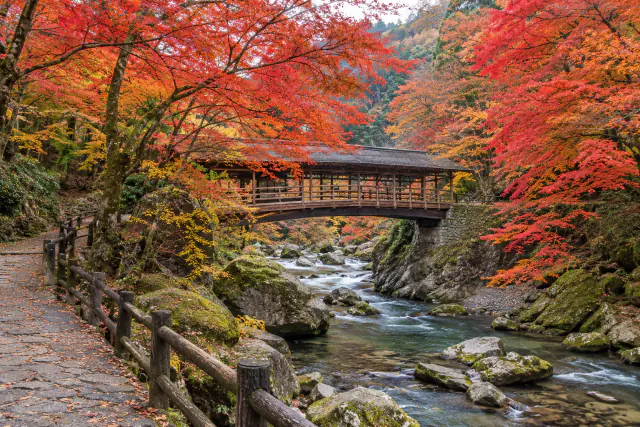 Ishikawa Hot springs · half a day Yamanaka Onsen and Kakusenkei Gorge One of the most atmospheric spots in the Kaga Onsen area, Yamanaka Onsen sits beside Kakusenkei Gorge. A walk along the river takes about 30 minutes and passes the wooden Korogi Bridge and the striking Ayatori Bridge. The fall colors are beautiful. The bus from Kagaonsen Station takes about 30 minutes, and staying overnight lets you enjoy the hot springs. Hot springsAutumn leavesMountains
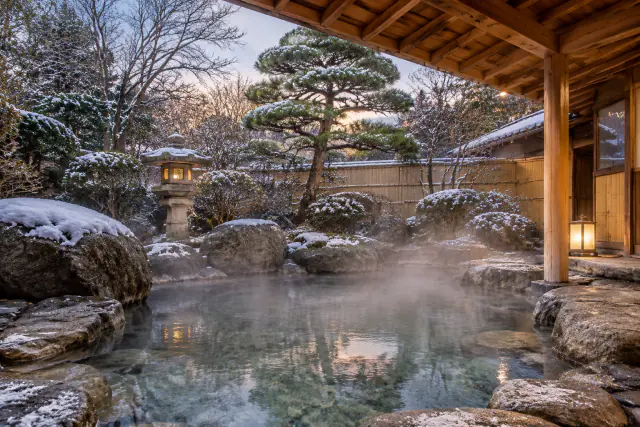 Fukui Hot springs · 1 night Awara Onsen Fukui's largest hot-spring town, with more than 100 years of history and many large ryokan. In winter, many hotels offer Echizen crab meal plans. Close to both Tojinbo and Maruoka Castle, it makes a convenient base for seaside sightseeing and crab meals. The Hokuriku Shinkansen stops at Awaraonsen Station, while the hot-spring district is near Awara Yunomachi Station on the Echizen Railway. Hot springs
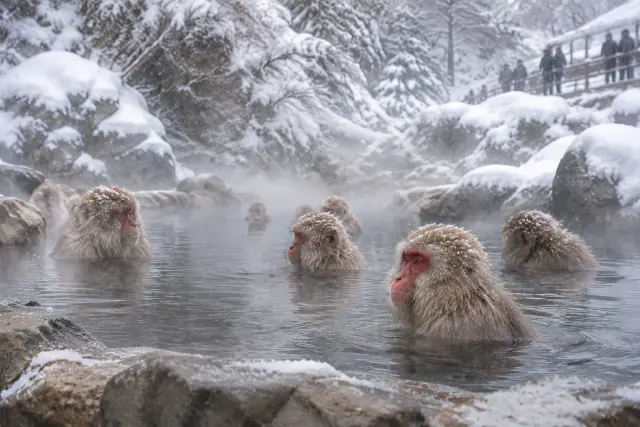 Nagano Park · Half a day Jigokudani Monkey Park The only place in the world where you can see wild monkeys bathing in hot springs. In winter, the monkeys doze in the steaming pool amid the snow. They are known overseas as “snow monkeys.” From Nagano Station, take the Nagano Dentetsu train to Yudanaka, change to a bus for the entrance, then walk along a forest road for about 30–40 minutes. You can combine the visit with nearby Shibu Onsen in one day. Snow countryHot springs
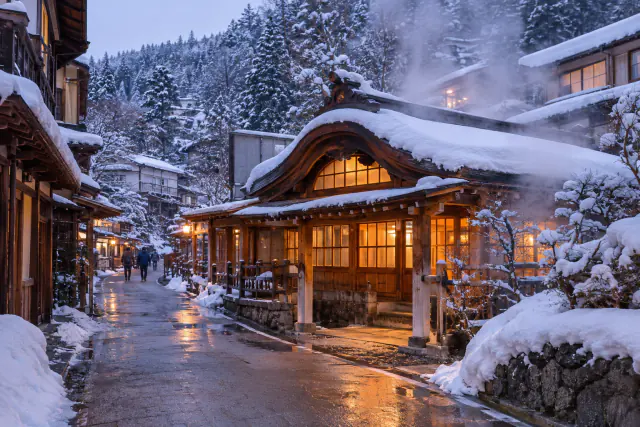 Nagano Hot springs · 1–2 days Nozawa Onsen The ski resort and hot spring village are connected. The village has more than a dozen free public baths, or sotoyu, maintained and cleaned by local residents. Enjoying them one by one in a yukata is part of the fun. Snow is deep in winter, and the Dosojin Fire Festival, one of Japan’s three major fire festivals, takes place on January 15. From Iiyama Station on the Hokuriku Shinkansen, the bus ride takes about 25 minutes. Hot springsSnow country
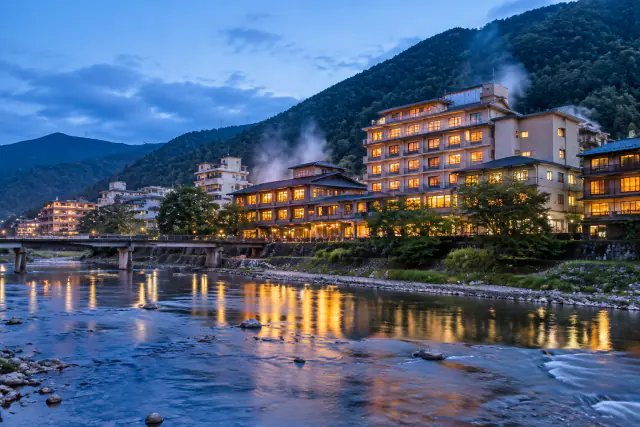 Gifu Hot springs · 1 night Gero Onsen Gero Onsen was listed as one of Japan's three great hot springs as early as the Edo period. Its silky water is known as bijin-no-yu, or "beauty water." Cross the bridge from the station to reach the hot-spring district, where you will find several free foot baths and inns that offer paid bathing without an overnight stay. The town lies midway along the limited express route from Nagoya to Takayama, making it a good place to get off and spend a night. Hot springs
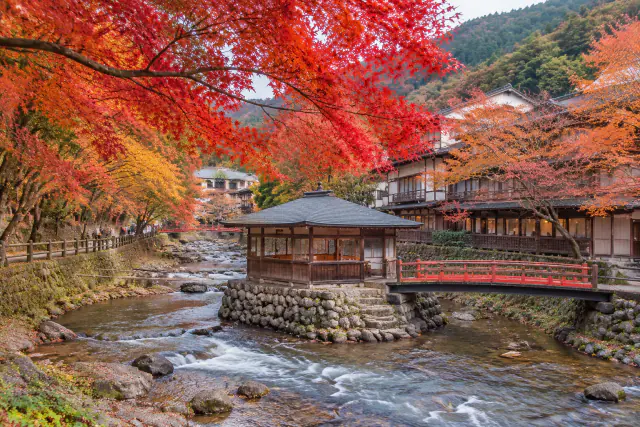 Shizuoka Hot springs · Half a day–1 night Shuzenji Onsen One of Izu's oldest hot-spring resorts, said to have been founded by Kukai. The hot-spring town follows the Katsura River. Tokko no Yu, in the middle of the river, is its landmark, and the nearby bamboo grove is a popular photo spot. Shuzenji Temple stands at the center of town. The area is busiest when the maples turn red in late November. From Mishima, take the Izu-Hakone Railway to Shuzenji Station, then a bus for about 10 minutes. Hot springsAutumn leaves
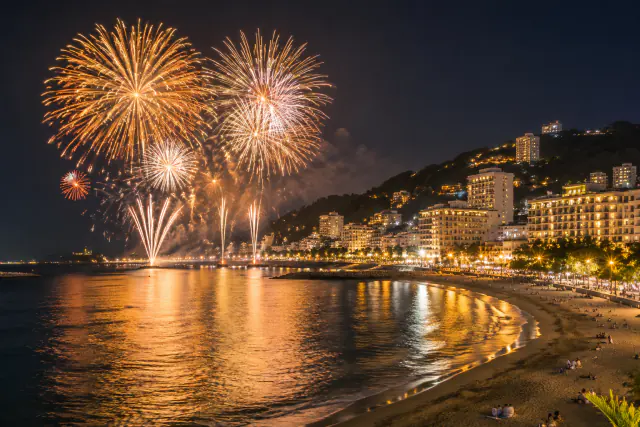 Shizuoka Hot springs · 1 night Atami Onsen A seaside hot-spring town less than 1 hour from Tokyo by Shinkansen. The shopping street in front of the station sells dried fish and onsen manju. Walk downhill to the beach and seaside promenade. Many hotels have rooms facing Sagami Bay. Fireworks are held over the water many times a year, with the most events in summer. It is ideal for a relaxing overnight trip from Tokyo. Hot springsIslands
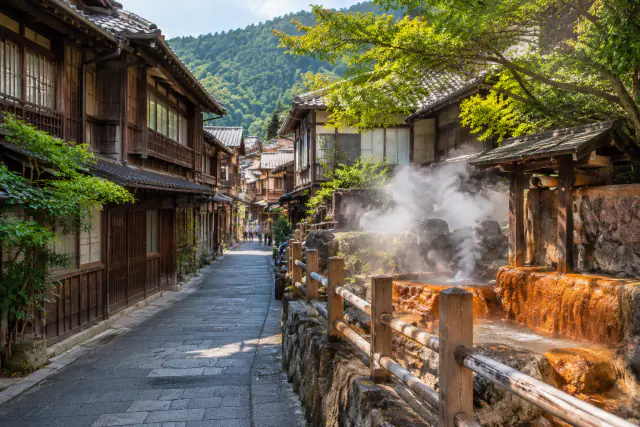 Hyogo Hot springs · Half a day–1 day Arima Onsen One of Japan's oldest hot spring towns is only about 30–40 minutes by car from Sannomiya. Its signature waters are the reddish-brown, iron-rich kinsen and the clear ginsen. Public bathhouses Kin no Yu and Gin no Yu welcome day visitors. The narrow, sloping old streets have shops selling tansan senbei crackers and Arima soda. Hot springs
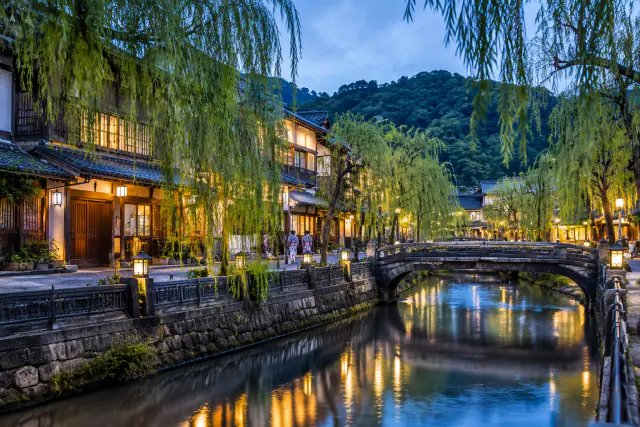 Hyogo Hot springs · 1–2 days Kinosaki Onsen Willows, a stream, and stone bridges surround seven public bathhouses. Guests stroll between them in yukata and wooden geta sandals, making this one of Japan's most atmospheric hot spring towns. Limited express trains take about 2.5 hours from Kyoto or Osaka. November to March is Matsuba crab season, when ryokan crab dinners are a major draw. Hot springsSnow country
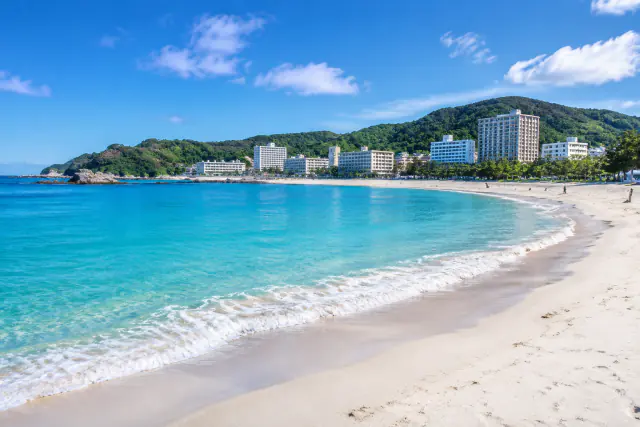 Wakayama Hot springs · 1–2 days Shirahama Beach & Shirahama Onsen This beach has soft white sand and clear blue water, and is a favorite Kansai swimming destination in summer. There is a free open-air footbath by the beach, while nearby Saki-no-Yu is a seaside open-air hot spring facing the Pacific. Other attractions include the sea cliffs at Sandanbeki, sunset views at Engetsu Island, and Adventure World, home to giant pandas. IslandsHot springs
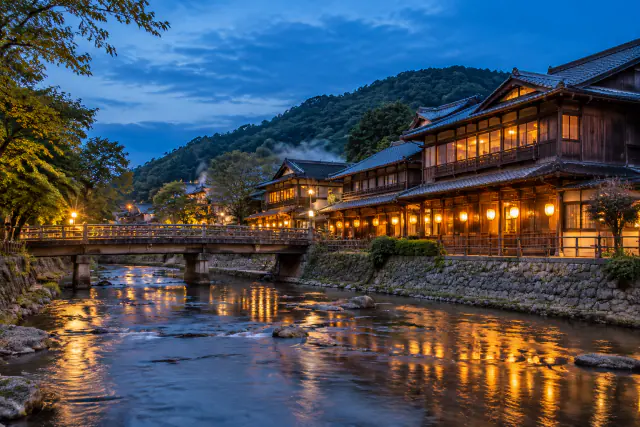 Tottori Hot springs · 1 night Misasa Onsen This historic hot-spring town is known for its radon-rich waters and stretches along the Mitoku River. A row of lanterns along the river creates a lovely atmosphere at night. Beneath the bridge is Kawara-buro, a completely open-air bath with no privacy—whether you get in is up to you. The town also has regular public baths and foot baths. About 20 minutes by bus from Kurayoshi Station. It works well as a same-day visit with Mount Mitoku. Hot springs
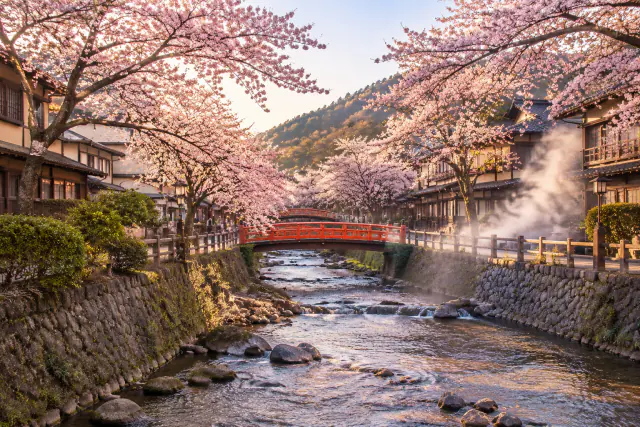 Shimane Hot springs · 1 night Tamatsukuri Onsen This historic hot-spring town has more than 1,000 years of history and is known for its “beauty-enhancing waters,” which feel silky on the skin. The hot-spring district follows the Tamayu River, with a spot where you can fill a bottle with hot-spring water to use as toner. It is about 20 minutes by car from Matsue Station and makes a good overnight ryokan stay after exploring Matsue. Hot springs
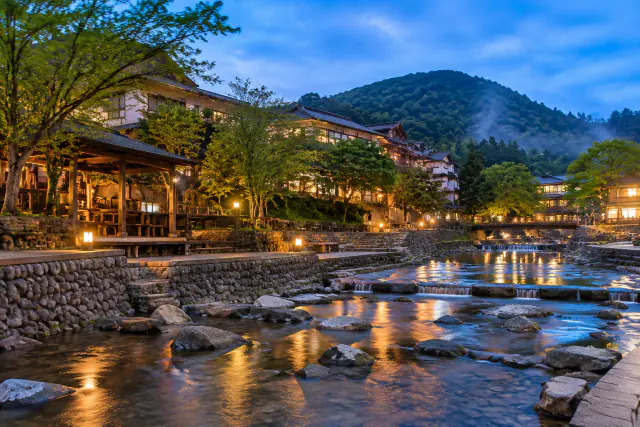 Yamaguchi Hot springs · 1 night Nagato Yumoto Onsen One of Yamaguchi's oldest hot spring resorts, Nagato Yumoto Onsen stretches along the Otozure River. The hot spring district has been renovated in recent years, with riverside paths, foot baths, cafes, and soft lighting at night. At Onto public bathhouse, mild spring water flows directly from the source. Stay here for easy access to Motonosumi Shrine and Tsunoshima the next day. Hot springs
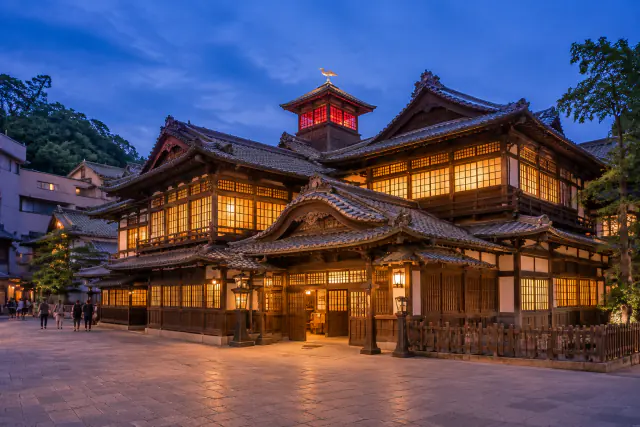 Ehime Hot springs · 1–2 hours Dogo Onsen Honkan Built in 1894, this wooden public bathhouse was the first public bath in Japan to be designated an Important Cultural Property. A preservation and restoration project lasting about 6 years was completed in December 2024. The simplest option is to bathe in Kami no Yu on the first floor. Pay extra to relax and have tea on the second floor. The nearby Asuka-no-Yu and Tsubaki-no-Yu baths are also worth trying. Hot springsHistoric sites
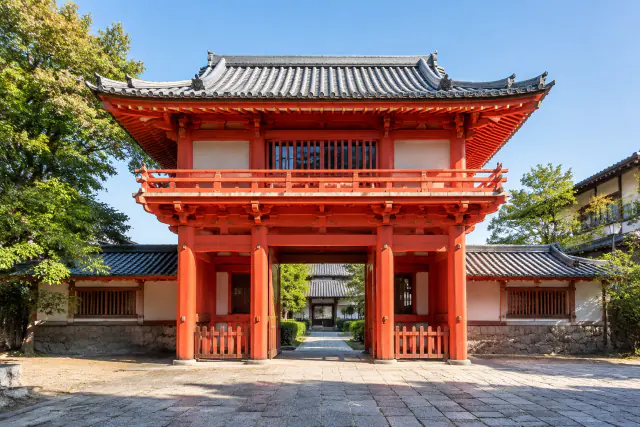 Saga Hot springs · 1–2 hours Takeo Onsen Romon Gate This vermilion gate was designed by Kingo Tatsuno, the architect of Tokyo Station. Behind it are public baths where you can soak in a thousand-year-old hot spring for a modest fee. Nearby Takeo City Library has a trendy bookstore-like design and is worth a look if you enjoy architecture. Hot springsArt
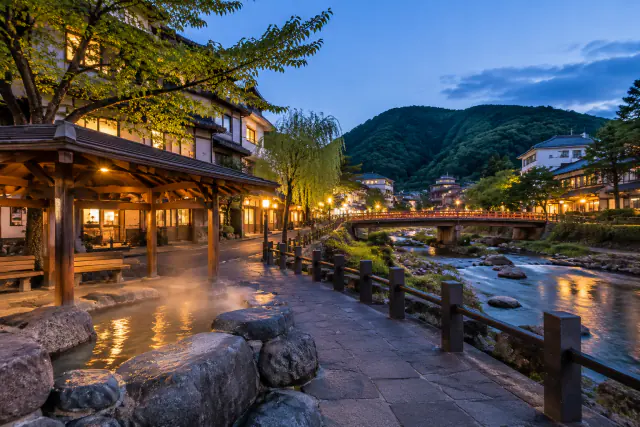 Saga Hot springs · Half a day–1 night Ureshino Onsen This hot-spring town is known for leaving your skin feeling smooth. Its slightly viscous water is said to be a beauty treatment. The town has a public bath and free foot baths. You can also try tofu simmered in hot-spring water and locally grown Ureshino tea. It's ideal for staying one night and doing nothing at all. Hot springs
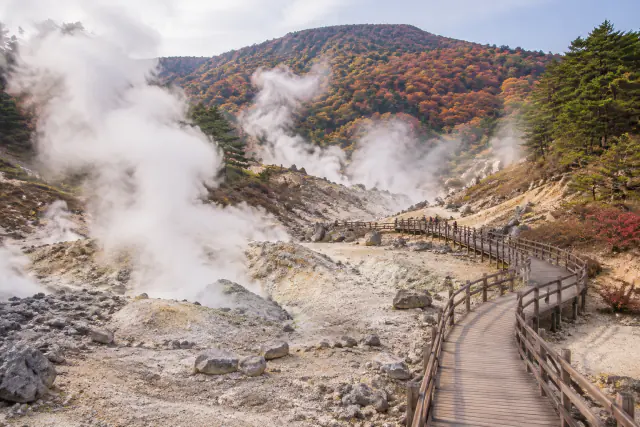 Nagasaki Hot springs · 1 night Unzen Onsen This mountain hot-spring town is known for its sulfur springs. Unzen Hell, with its clouds of white steam, is right beside the town. Follow the wooden walkways to see the vents. Nearby Nita Pass has azaleas in spring, fall foliage, and occasional rime ice in winter. Stay overnight to relax after leaving Nagasaki. Hot springsAutumn leavesMountains
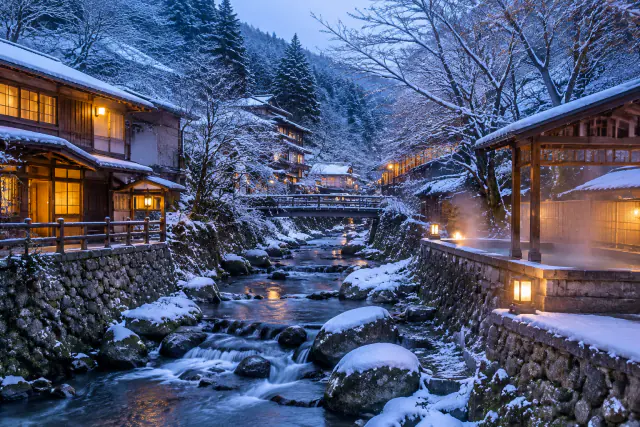 Kumamoto Hot springs · half a day–1 night Kurokawa Onsen A small hot spring town hidden in a mountain valley. About 30 ryokan line the stream, all built with wood and stone, with no high-rises or neon signs. Buy a Nyuto Tegata pass to choose three ryokan for open-air baths. After soaking in the evening, walking along the stream in a yukata is especially relaxing. Hot springsAutumn leavesSnow country
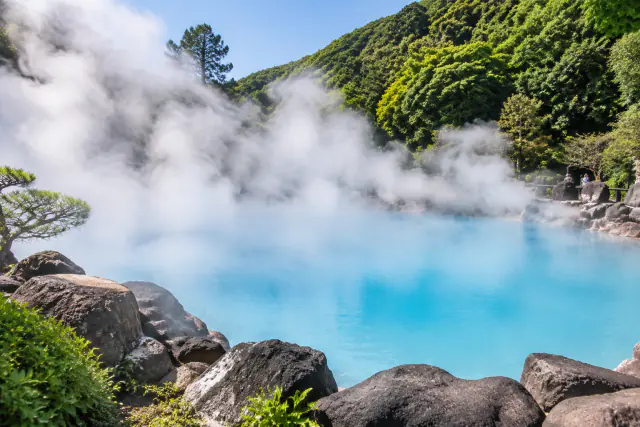 Oita Hot springs · half a day Hells of Beppu Seven hot-spring sources that are for viewing, not bathing: cobalt-blue Umi Jigoku, blood-red Chinoike Jigoku, the periodically erupting Tatsumaki Jigoku, and more. Five are clustered in Kannawa and within walking distance. The other two are about 3 km away in Kamegawa and require a bus. The combination ticket is the best value. Hot springsMountains
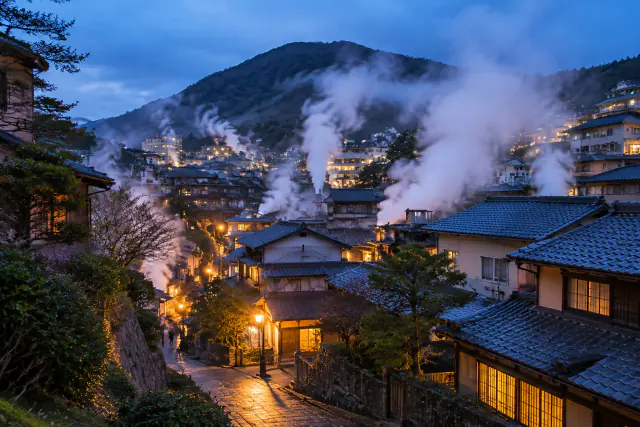 Oita Hot springs · 2–3 hours Kannawa Onsen Beppu's most atmospheric hot-spring district, where steam rises from cracks in the pavement and storm drains. At Jigoku Mushi Kobo, you can steam seafood and vegetables in hot-spring vapor. Small neighborhood baths cost a few hundred yen per visit. The steam and streetlights make great photos at night. Hot springs
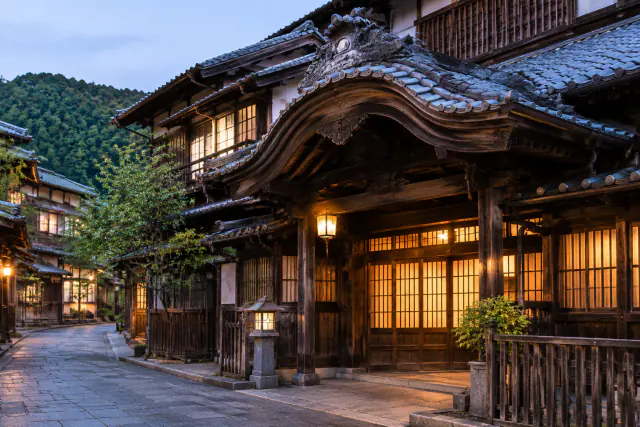 Oita Hot springs · 1 hour Takegawara Onsen A wooden public bathhouse that opened during the Meiji era, with an impressive karahafu roof. It's tucked into the old streets near Beppu Station. Besides a regular hot-spring bath, it offers sand baths, where staff cover you in hot sand. You'll work up a sweat in about ten minutes. It's a memorable experience. Hot springsHistoric sites
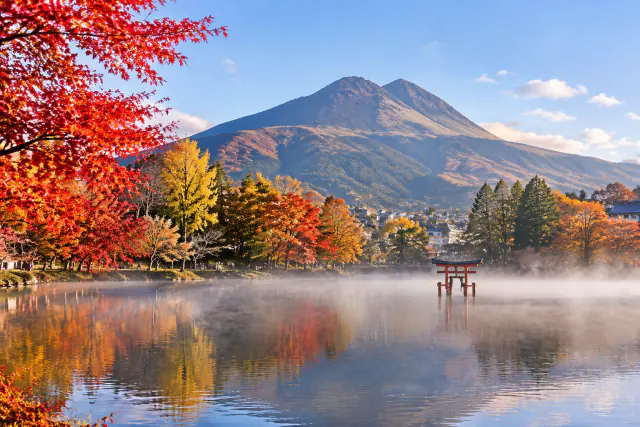 Oita Hot springs · half a day–1 night Yufuin Onsen From the station to Kinrin Lake, Yunotsubo Street is lined with general stores, dessert shops, and small art museums, with twin-peaked Mount Yufu in the background. Daytime crowds are heavy, but the town quiets down after day-trippers leave in the evening, making it worth staying overnight. Hot springsAutumn leaves
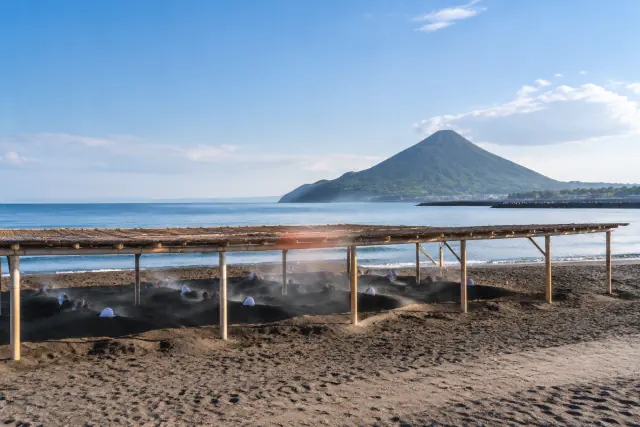 Kagoshima Hot springs · 1.5–2 hours Ibusuki Sand Bath Change into a yukata and lie in hot sand by the sea. Staff use shovels to bury you up to your neck, leaving only your head exposed. After about ten minutes, you'll be sweating heavily. Rinse off, then soak in a regular hot spring. Saraku Sand Bath Hall is the best-known facility. It sits by the beach, with views of the sea. Hot springsIslands
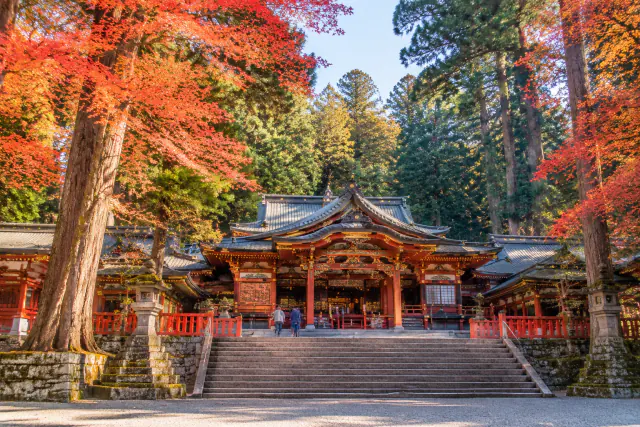 Kagoshima Shrine · 1–1.5 hours Kirishima Jingu Surrounded by towering cedar trees, this vermilion shrine has finely carved, brightly colored buildings and is known as the Nikko of western Japan. The maple leaves along the approach are beautiful in fall. Nearby Kirishima Onsen lets you pair a day of bathing with a shrine visit. Historic sitesAutumn leavesHot springs