Cloudborne Travel
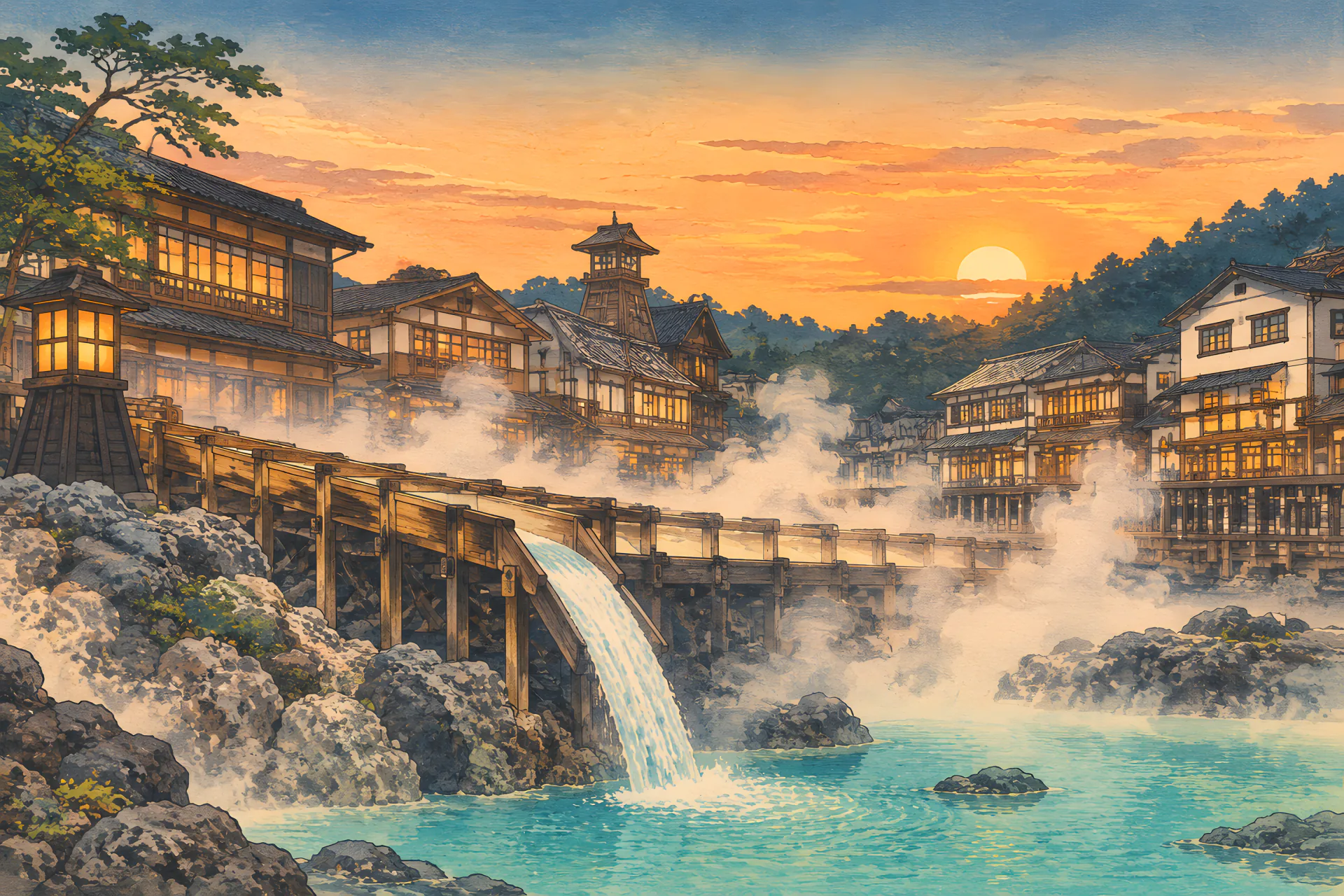
Gunma is a favorite hot spring getaway for Tokyo residents. Its best-known resort, Kusatsu Onsen, centers on the steaming Yubatake hot spring field. Ikaho has a hot spring street with hundreds of stone steps, while Shima Onsen is quieter. Beyond the baths, there is the World Heritage-listed Tomioka Silk Mill and mountain scenery to the north, including Mount Tanigawa and the Oze wetlands. Come for skiing in winter and hiking in summer.
Kusatsu is about 3 hours from Tokyo. Stay overnight to see Yubatake lit up after dark and visit a public bath in the morning. Ikaho and Tomioka are close to Takasaki, making them easy day trips from Tokyo or stops on a longer route. Buses in Gunma’s mountains are infrequent, so check schedules before you go.
Mountain foliage peaks from mid-October to early November. Winter is best for hot springs with snowy views. Flowers bloom in the Oze wetlands from late May to July.
Monthly weather
Based on MaebashiBest time to visit Monthly precipitation (mm) Open-Meteo (ERA5), 1996–2025 average
| Month | Average high (°C) | Average low (°C) | Monthly precipitation (mm) | Days with 1 mm or more of precipitation |
|---|---|---|---|---|
| Jan(Good time to visit) | 8 | 0.1 | 66 | 11 |
| Feb(Good time to visit) | 8.9 | 0.4 | 69 | 11 |
| Mar | 12.9 | 3.6 | 119 | 14 |
| Apr | 18.4 | 8.7 | 131 | 14 |
| May | 23 | 13.9 | 146 | 15 |
| Jun | 25.8 | 18.6 | 170 | 17 |
| Jul | 29.7 | 22.7 | 211 | 20 |
| Aug | 30.6 | 23.5 | 156 | 18 |
| Sep(Good time to visit) | 26.7 | 20 | 195 | 18 |
| Oct(Good time to visit) | 21.2 | 13.7 | 170 | 15 |
| Nov(Good time to visit) | 16.1 | 7.7 | 78 | 10 |
| Dec(Good time to visit) | 10.7 | 2.8 | 60 | 11 |
Sights
-
 1
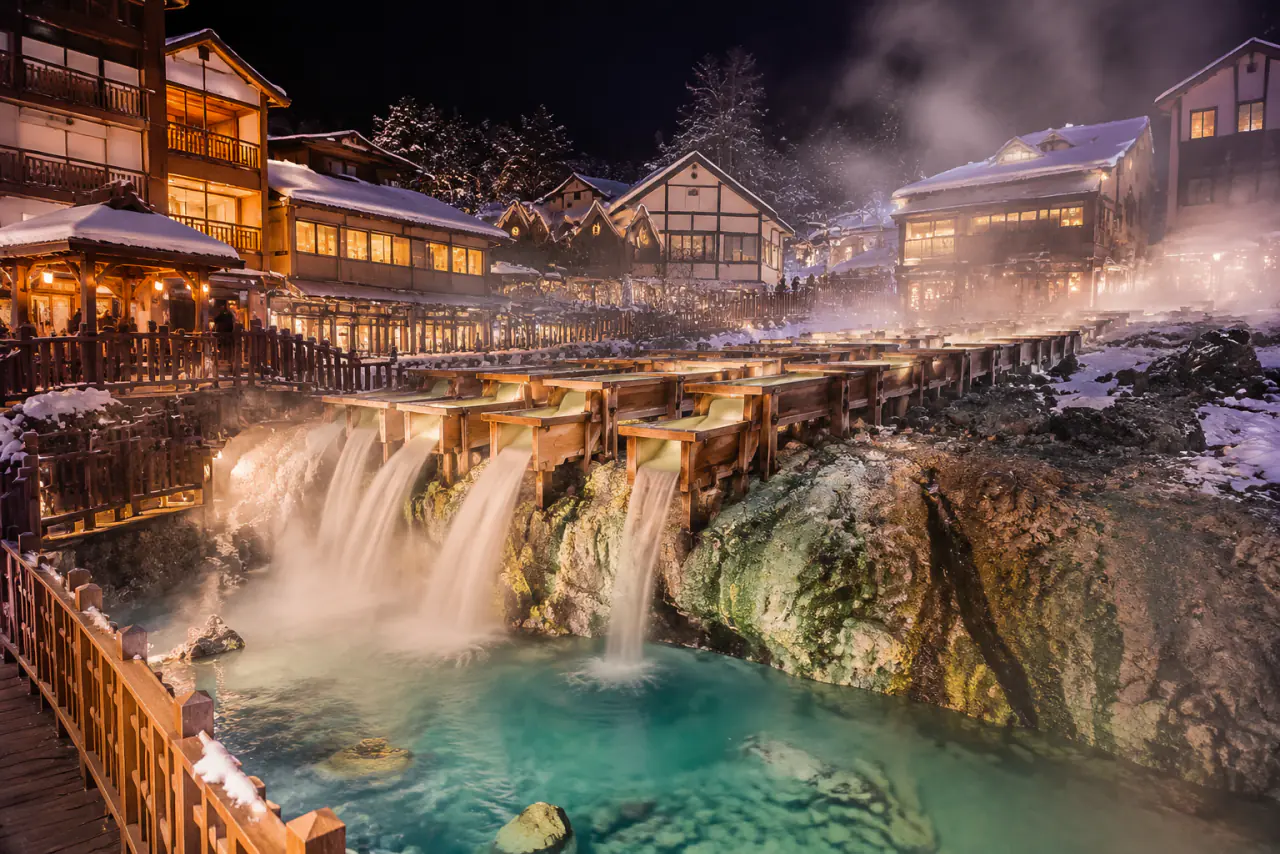
Yubatake, Kusatsu Onsen
湯畑
At this hot spring source in central Kusatsu, steaming water flows down rows of wooden channels to cool, filling the air with the smell of sulfur. It is especially beautiful when lit up at night. Shops, inns, and several free public baths surround it. Next door, Netsunoyu stages yumomi performances, with performers stirring the hot water with long wooden paddles to cool it while singing and dancing.
The water is highly acidic, so avoid putting on silver jewelry right after bathing. The free public baths are very hot; rinse first and ease into the water.
-
 2
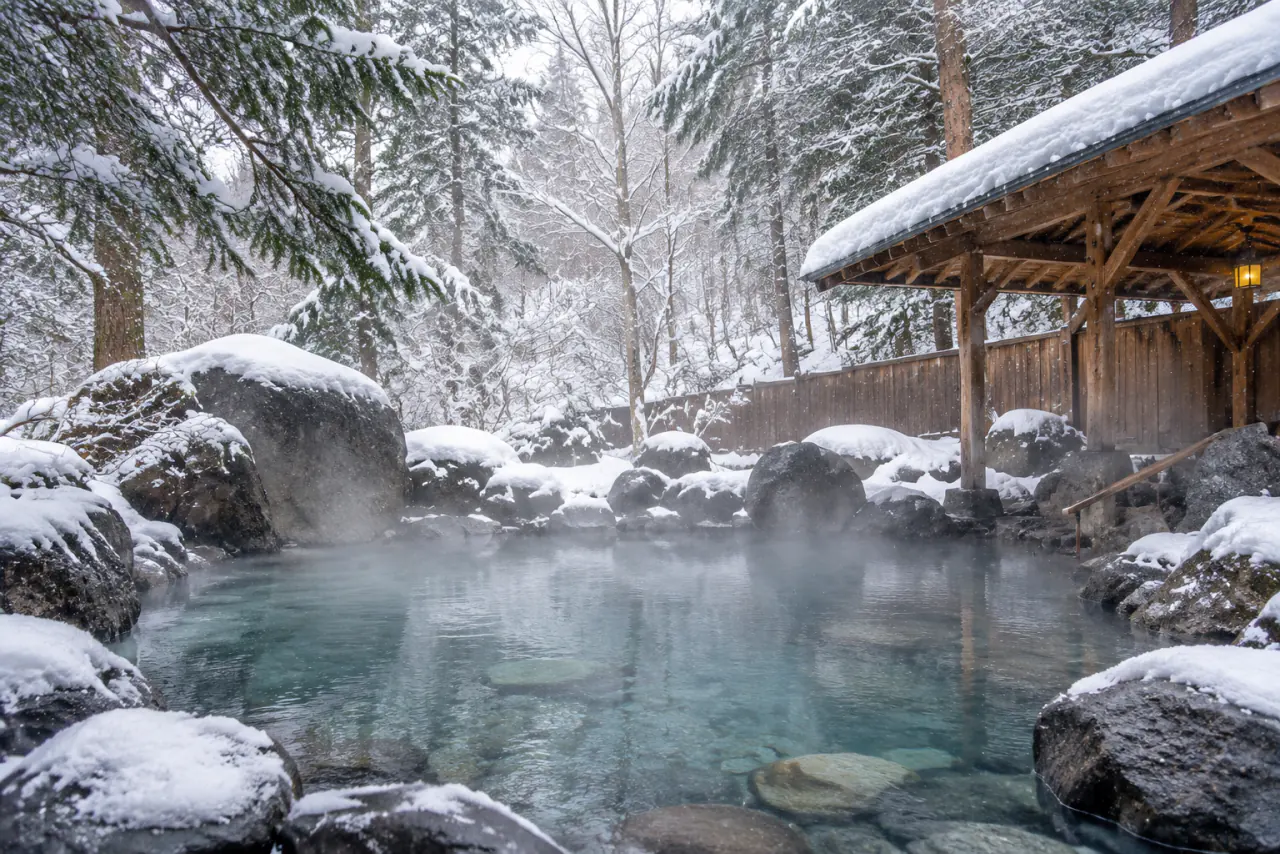
Sainokawara Rotenburo
西の河原露天風呂
Walk west from Yubatake for a little over 10 minutes through Sainokawara Park, past steaming streams and small pools. At the far end are two large outdoor baths, one for each gender, surrounded by wooded mountains. A soak is especially atmospheric when it snows. There is a free footbath by the entrance if you prefer to keep your clothes on.
Opening time is later in winter. Photography is not allowed in the bathing area; lock up your valuables.
-
 3
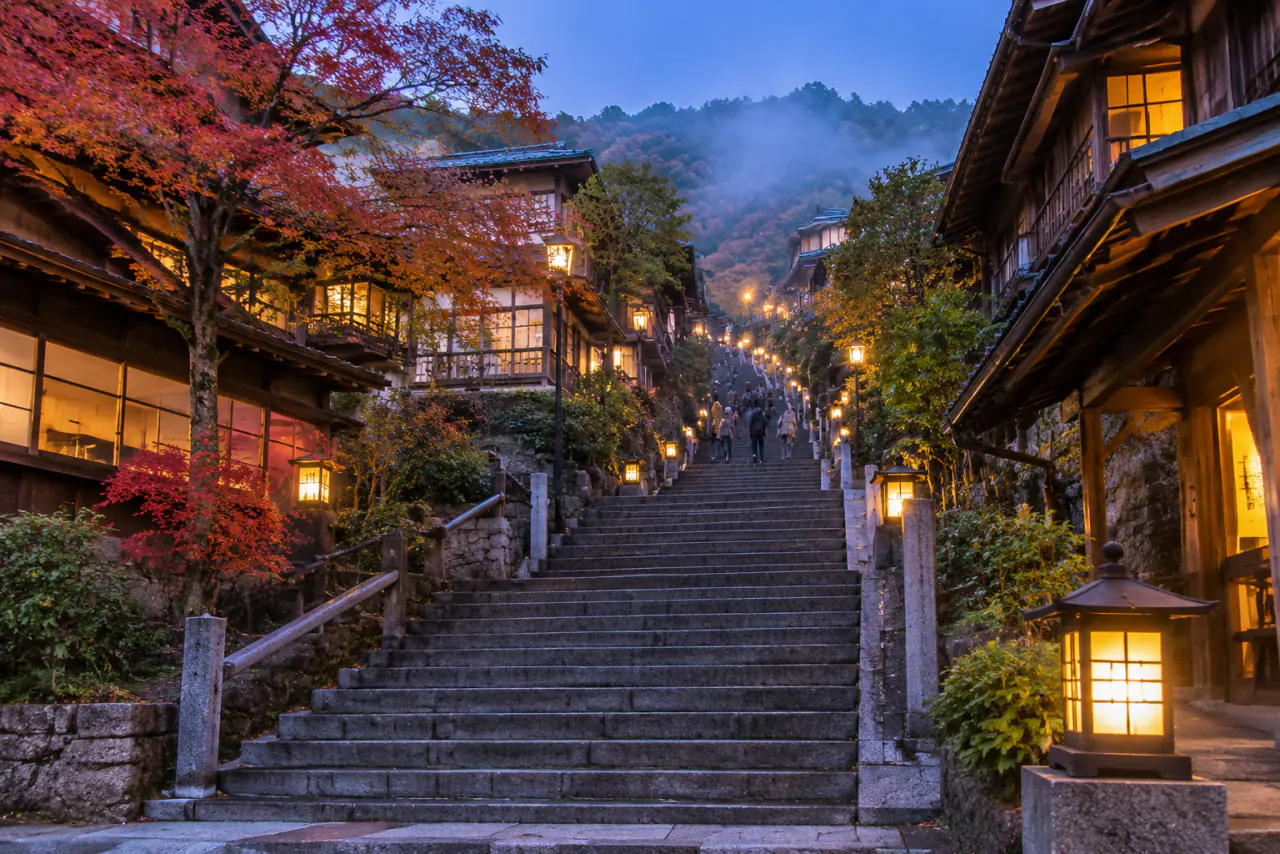
Ikaho Onsen
伊香保温泉
More than three hundred stone steps climb to Ikaho Shrine, lined with inns, shooting galleries, and onsen manju shops that give the street a nostalgic Showa-era feel. The iron-rich Kogane no Yu, or golden water, is brownish in color. Direct highway buses from Shinjuku take about 2 and a half hours. You can also travel via Takasaki and connect to a bus.
Kajika Bridge, beyond the top of the steps, is especially beautiful in fall and is lit up at night. Wear flat shoes for the climb.
-
 4
Tomioka Silk Mill
富岡製糸場
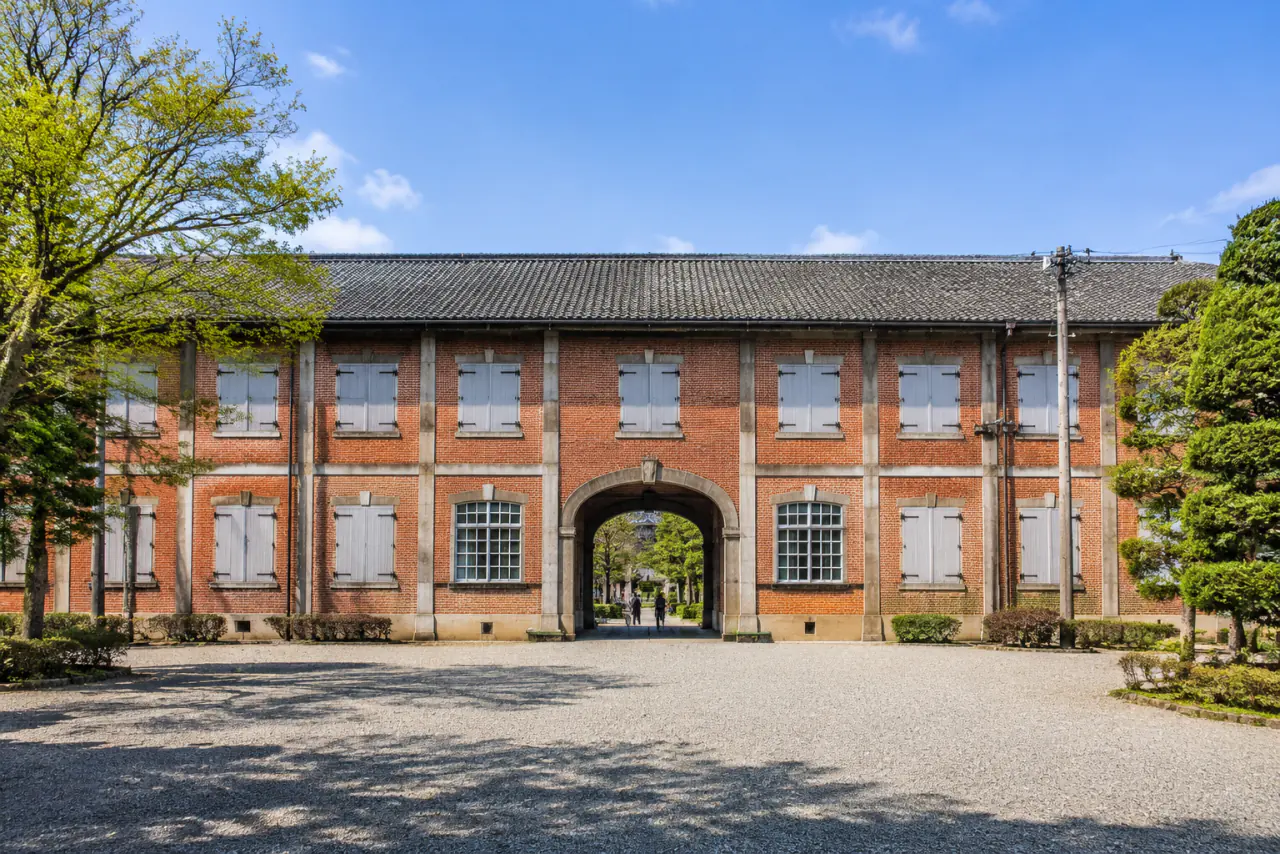
Built in 1872 by the Meiji government with help from French engineers, this state-run silk mill helped launch Japan’s modernization. Its long red-brick warehouses and silk-reeling workshop are well preserved, earning it World Heritage status. Tours and original machinery show how silk exports helped build Japan’s economy. Take the Joshin Railway from Takasaki for about 35 minutes, then walk 10–15 minutes from the station.
The Joshin Railway offers a discount package with round-trip train fare and admission. Buy it at Takasaki Station to save over separate tickets.
-
 5
Fukiware Falls
吹割の滝
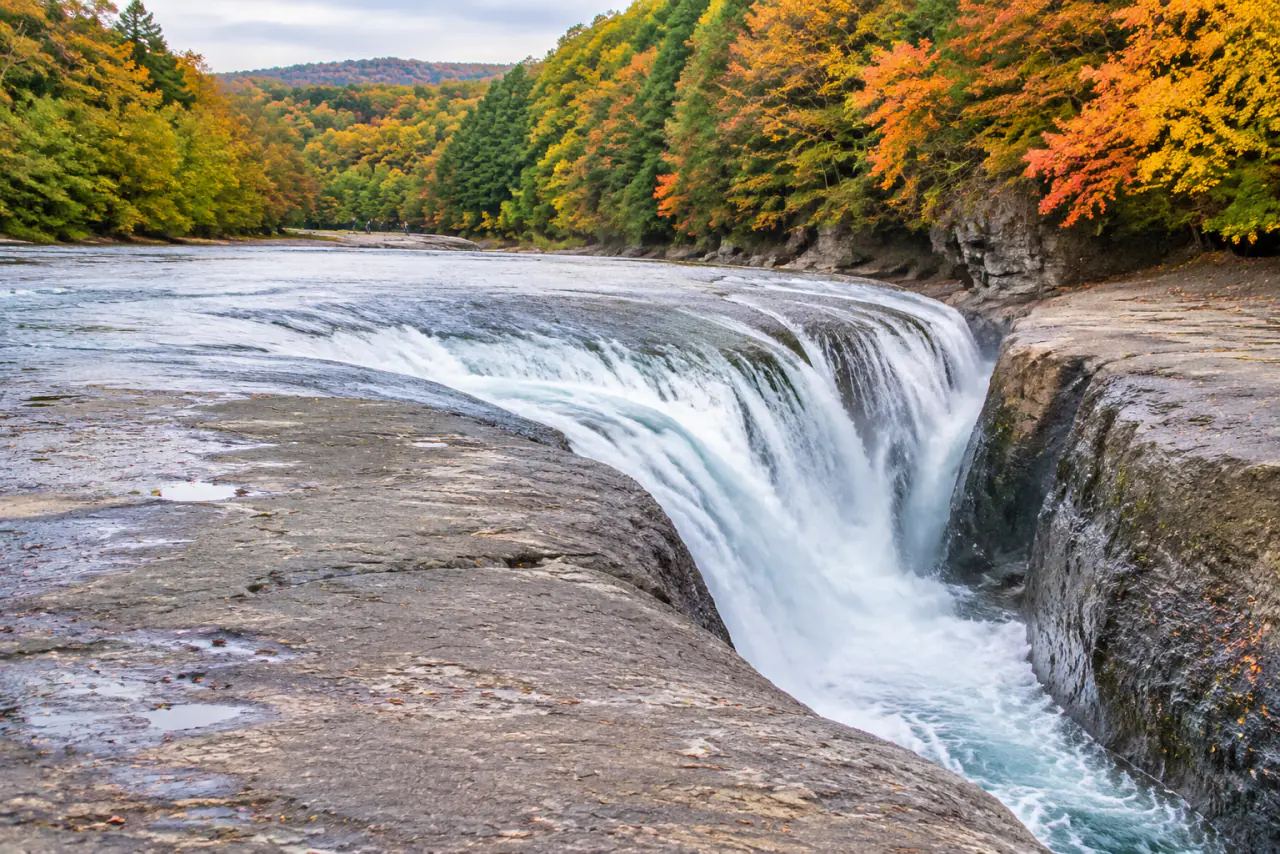
The river plunges into a long fissure carved into the rocky riverbed, earning these falls the nickname “Niagara of the East.” Riverside paths bring you close to the rushing water, with beautiful foliage on both banks in fall. Buses run from Jomo-Kogen Station on the Joetsu Shinkansen or from Numata Station.
The trails usually close in winter. Keep well back from the edge where there are no railings.
-
 6
Mount Tanigawa
谷川岳
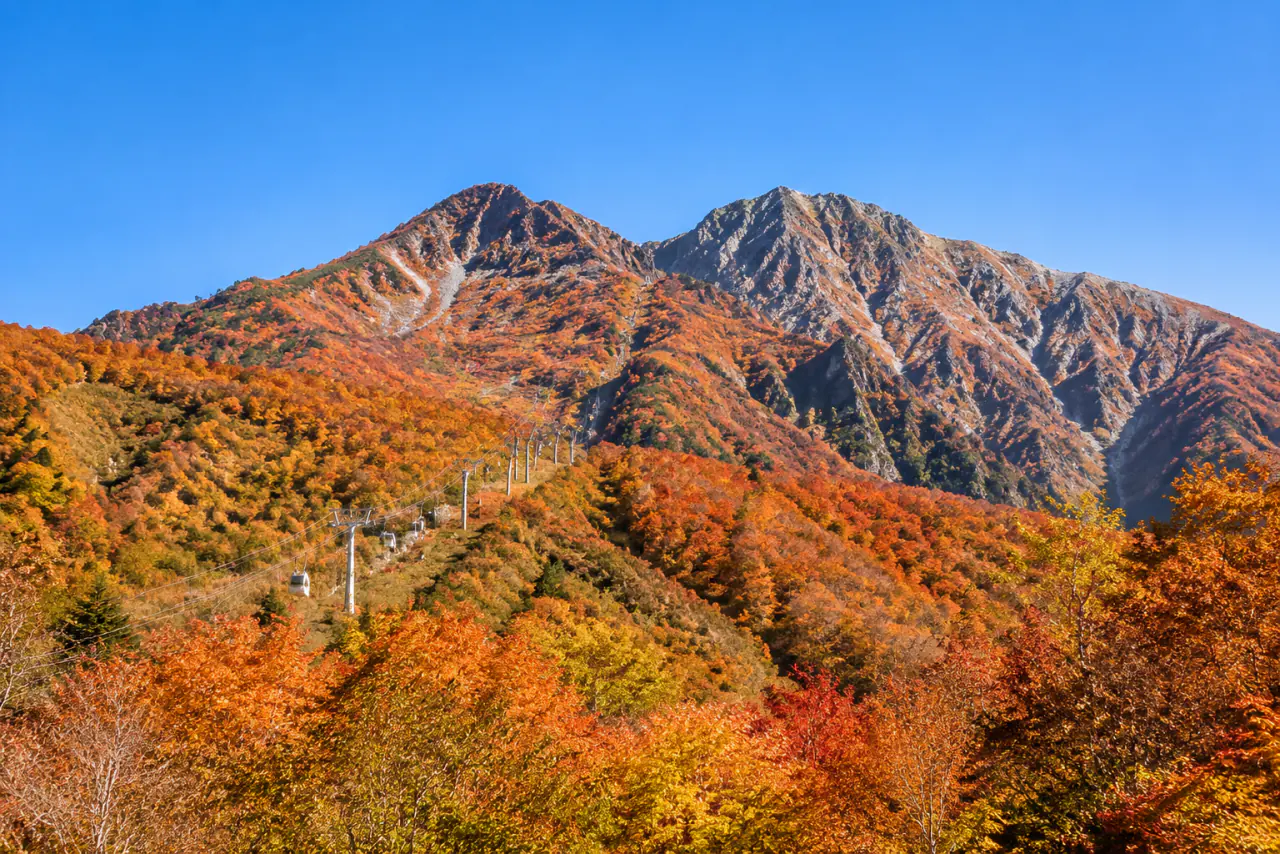
This prominent mountain straddles Niigata and Gunma. A ropeway takes you straight to Tenjindaira for views of its rugged cliffs without a hike. The slopes turn red and yellow in fall, and Tenjindaira becomes a ski area in winter. Experienced hikers can climb to the summit from the ropeway station; allow well over half a day for the round trip. Weather changes quickly, so bring proper gear. Buses run to the ropeway station from Jomo-Kogen or Minakami Station.
Summit weather is changeable, so check conditions at the ropeway station first. Beginners can take the ropeway to Tenjindaira and enjoy a walk there.
-
 7
Ozegahara Marsh
尾瀬ヶ原
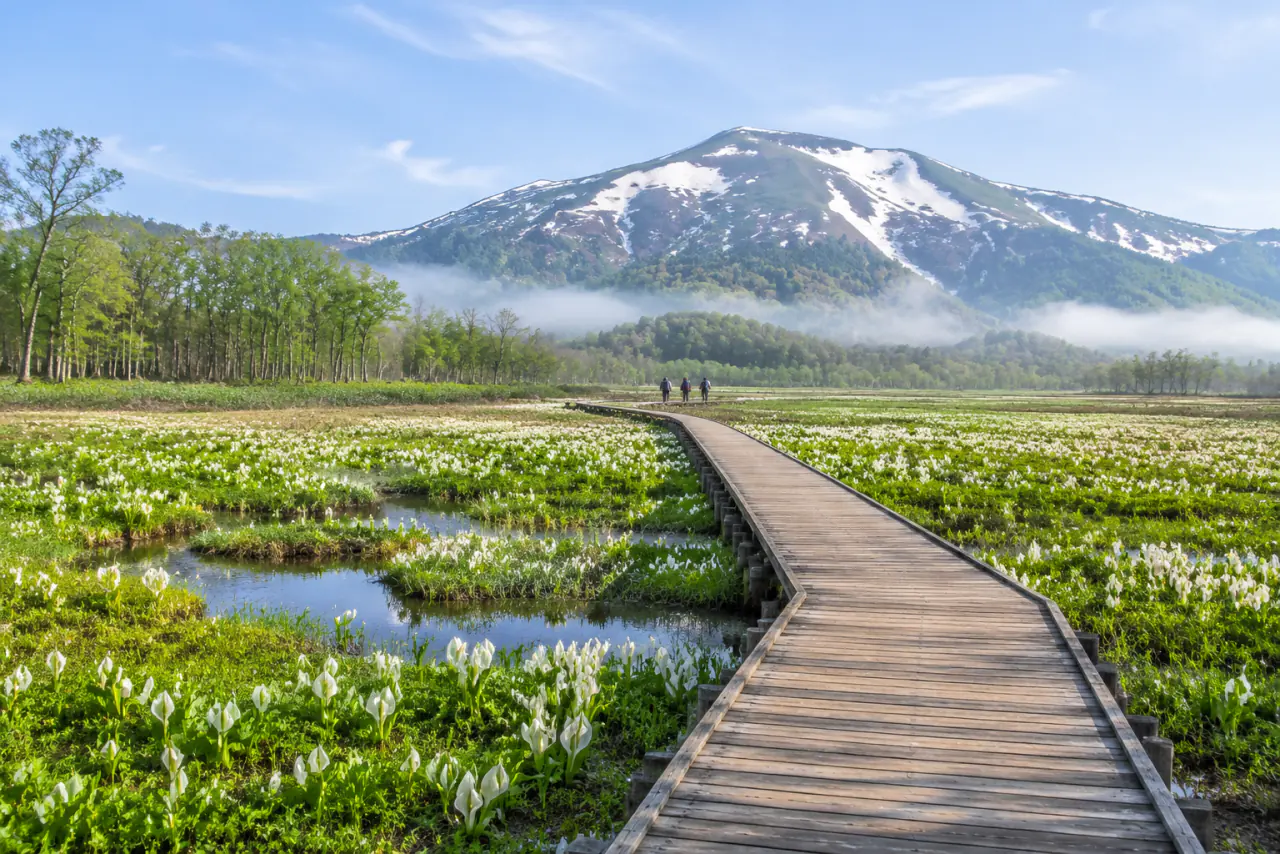
Honshu’s largest alpine wetland has boardwalks stretching for several kilometers through open marshland, backed by Mount Shibutsu and Mount Hiuchigatake. Asian skunk cabbage blooms from late May to June, followed by Nikko daylilies in July. The grasses turn gold from late September to early October. From Gunma, the usual entry point is Hatomachitoge Pass. Allow a full day for the round trip.
Private vehicles are restricted on the approach to Hatomachitoge during peak season, so transfer to a shuttle bus. The area closes in winter; check opening dates before you go.
What to eat
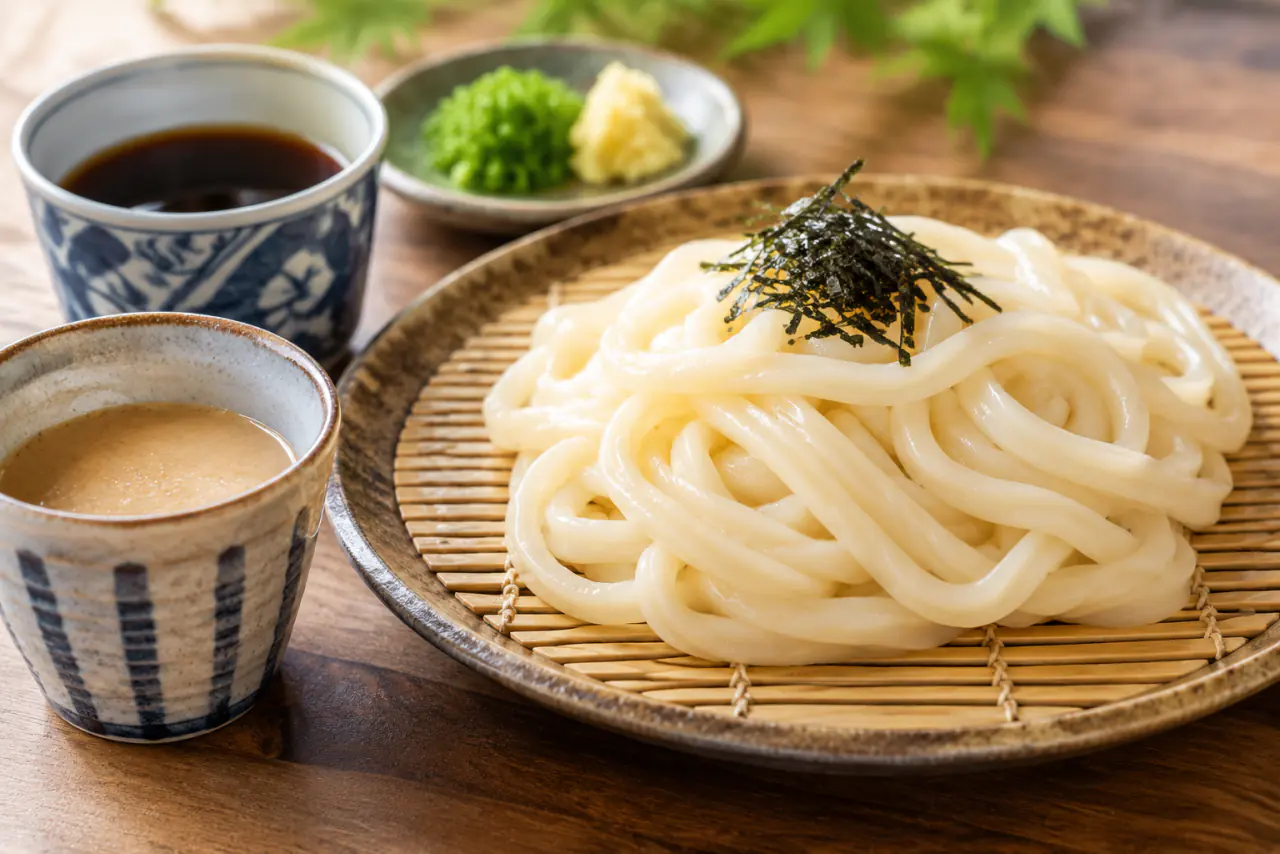
Mizusawa udon
Served around Mizusawa Kannon near Ikaho, these glossy, chewy noodles are slightly thinner than Sanuki udon. They usually come cold with a sesame or soy-based dipping sauce. Udon restaurants line the temple approach, making this a handy meal stop on the way to Ikaho.
The approach to Mizusawa Kannon near Ikaho Onsen · About ¥1,000–2,000 per person
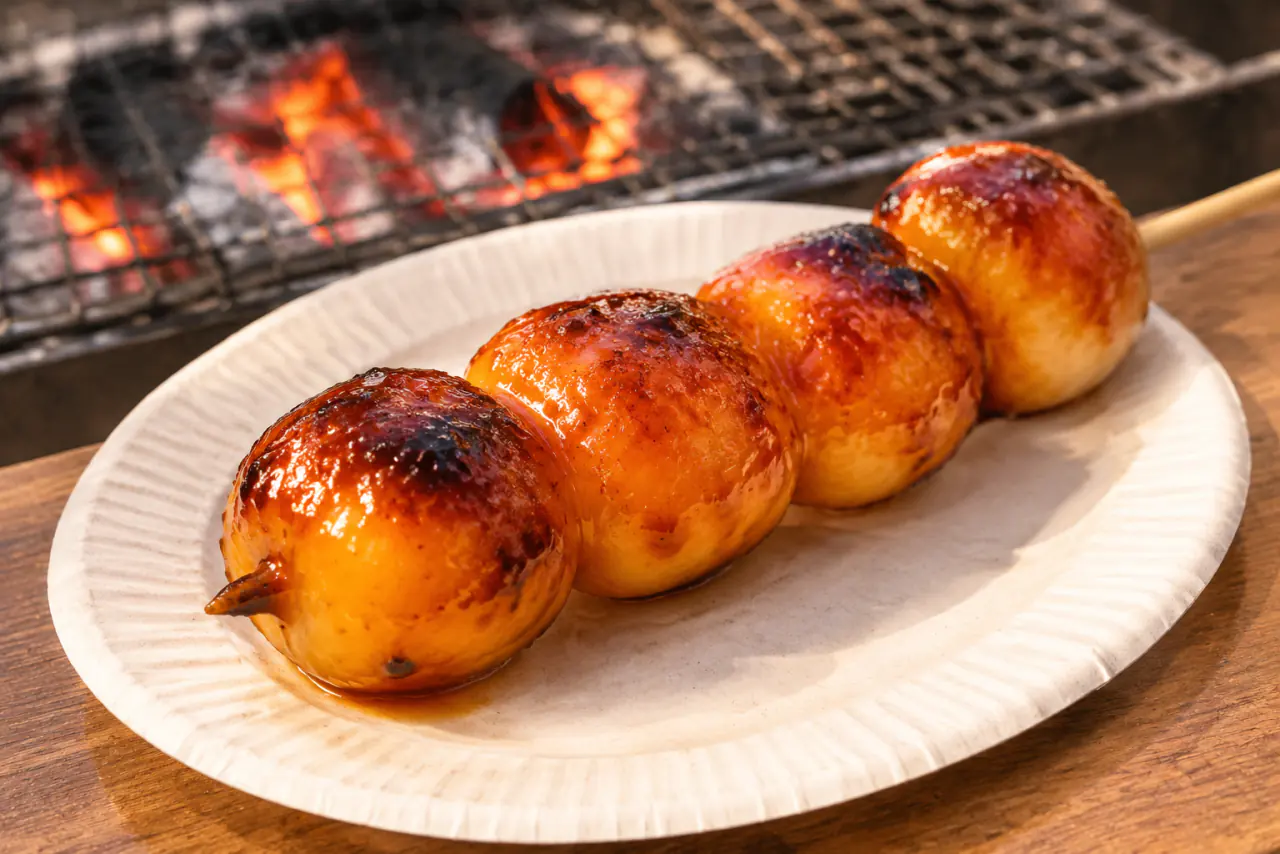
Yaki manju
This everyday Gunma snack consists of fluffy steamed buns threaded onto bamboo skewers, brushed with a sweet and spicy miso sauce, and grilled over charcoal. Crisp outside and soft inside, they are inexpensive and sold in hot spring towns and at temple festivals. Eat them hot, and watch for sauce dripping onto your clothes.
Long-established shops and temple festivals around Ikaho, Takasaki, and Maebashi
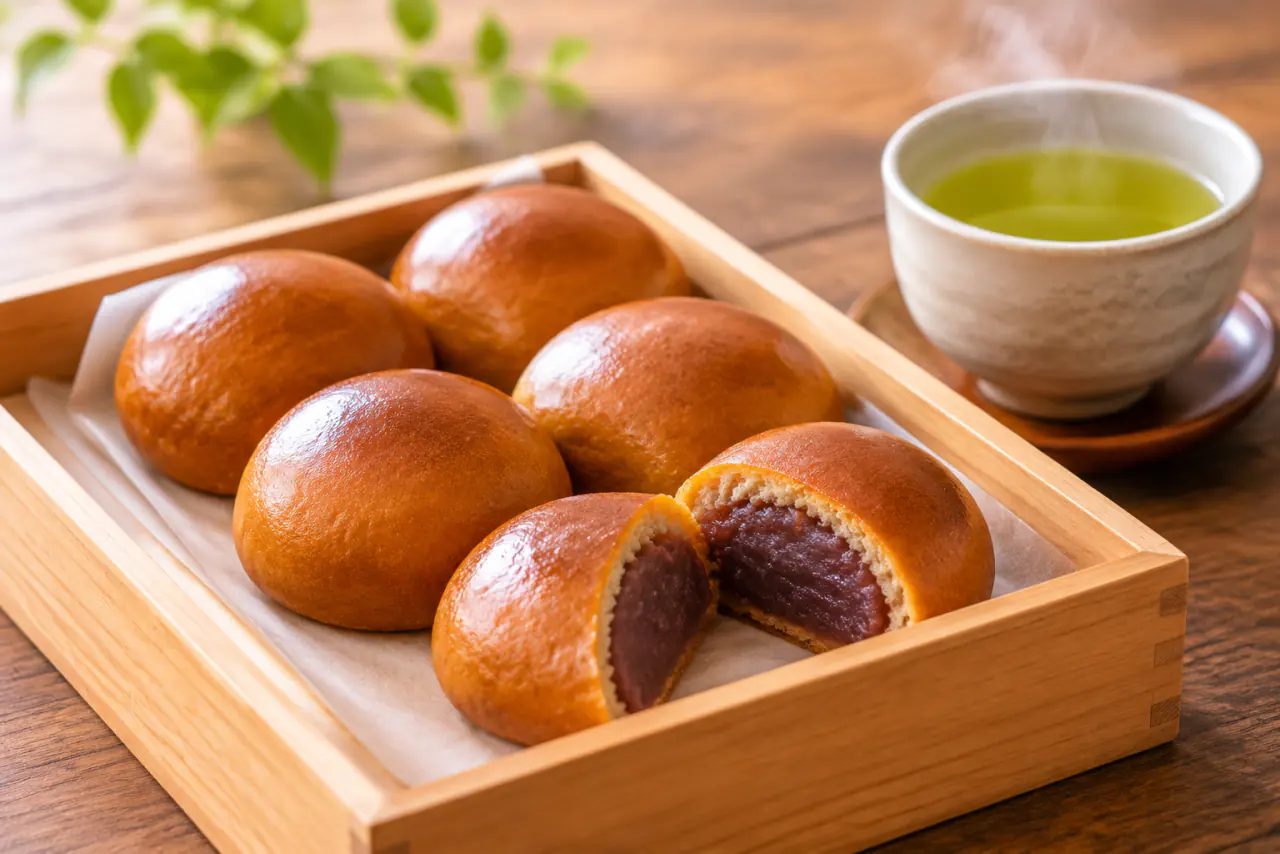
Onsen manju
Ikaho claims to be one of the birthplaces of these hot spring buns. Their thin brown skins enclose sweet red bean paste, with the color said to mimic the local spring water. Shops around Yubatake in Kusatsu also sell plenty, often freshly steamed at the storefront. Some offer samples.
Ikaho’s stone steps and around Yubatake in Kusatsu · About ¥100–150 each
Getting there · Where to stay
Take the JR Kusatsu-Shima limited express to Naganohara-Kusatsuguchi, about 2 hours 20 minutes, then a JR bus to Kusatsu Onsen, about 25 minutes. There are only a few departures a day.
Direct highway buses run from Shinjuku Expressway Bus Terminal to Kusatsu Onsen Bus Terminal in about 4 hours. No transfers are needed, and fares are lower than the train.
The Joetsu or Hokuriku Shinkansen reaches Takasaki in about 50–60 minutes. Transfer here for Tomioka and Ikaho.
An overnight stay at Kusatsu Onsen is the top choice; the town is easy to explore on foot. For Ikaho and Tomioka, staying near Takasaki Station is most convenient for transportation.
Know this before you go
- Snow is common in Kusatsu in winter, so wear shoes with good traction. Heavy snow can delay or cancel highway buses.
- Limited express trains from Ueno to Naganohara-Kusatsuguchi are infrequent. Missing one can mean a wait of several hours, so reserve a seat ahead.
- Many public baths in hot spring towns do not accept cards. Bring coins and cash.
- Buses in Gunma’s mountains are infrequent. Driving requirements depend on where your license was issued; check official sources for the permits or translations you need to drive in Japan.