Cloudborne Travel
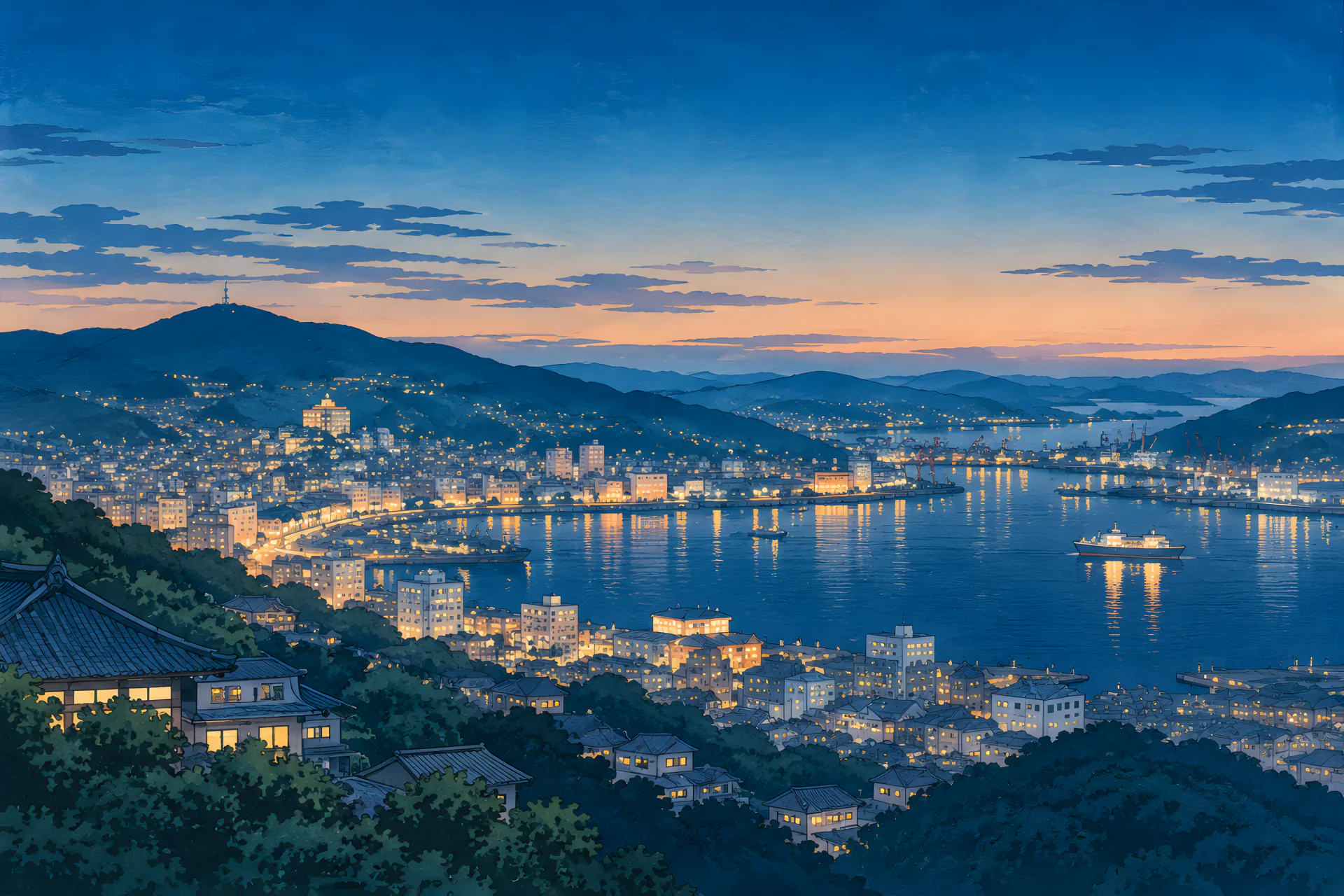
Nagasaki was Japan’s only port open to foreign trade during the country’s period of isolation. Traces of China, the Netherlands, and Portugal remain throughout the city: Chinatown, Dejima, churches, and Western-style homes on the hillsides. Nagasaki was also devastated by an atomic bomb. Peace Park and the Atomic Bomb Museum deserve a thoughtful half-day visit.
Nagasaki’s city center is hilly, with narrow roads, but its sights are close together and easy to connect by tram. Two days is enough for a good overview. If you have more time, head north to the Kujukushima Islands and Huis Ten Bosch near Sasebo, or east to Unzen for hot springs. Each makes a good extra day trip.
Spring and fall are the most comfortable. The Nagasaki Lantern Festival takes place around Lunar New Year, filling the city with Chinese lanterns. Summers are hot and humid, and the hills make sightseeing tiring.
Monthly weather
Based on NagasakiBest time to visit Monthly precipitation (mm) Open-Meteo (ERA5), 1996–2025 average
| Month | Average high (°C) | Average low (°C) | Monthly precipitation (mm) | Days with 1 mm or more of precipitation |
|---|---|---|---|---|
| Jan(Good time to visit) | 10.3 | 6.8 | 79 | 11 |
| Feb(Good time to visit) | 11.2 | 7.2 | 102 | 10 |
| Mar(Good time to visit) | 14.1 | 9.7 | 145 | 12 |
| Apr(Good time to visit) | 17.8 | 13.4 | 156 | 11 |
| May(Good time to visit) | 21.5 | 17.4 | 210 | 11 |
| Jun | 24.4 | 21.2 | 419 | 16 |
| Jul | 27.9 | 24.9 | 323 | 17 |
| Aug | 29.5 | 26.2 | 214 | 14 |
| Sep(Good time to visit) | 27.4 | 23.6 | 196 | 13 |
| Oct(Good time to visit) | 23 | 19 | 114 | 8 |
| Nov(Good time to visit) | 17.8 | 14 | 111 | 9 |
| Dec(Good time to visit) | 12.6 | 9 | 88 | 10 |
Sights
-
 1
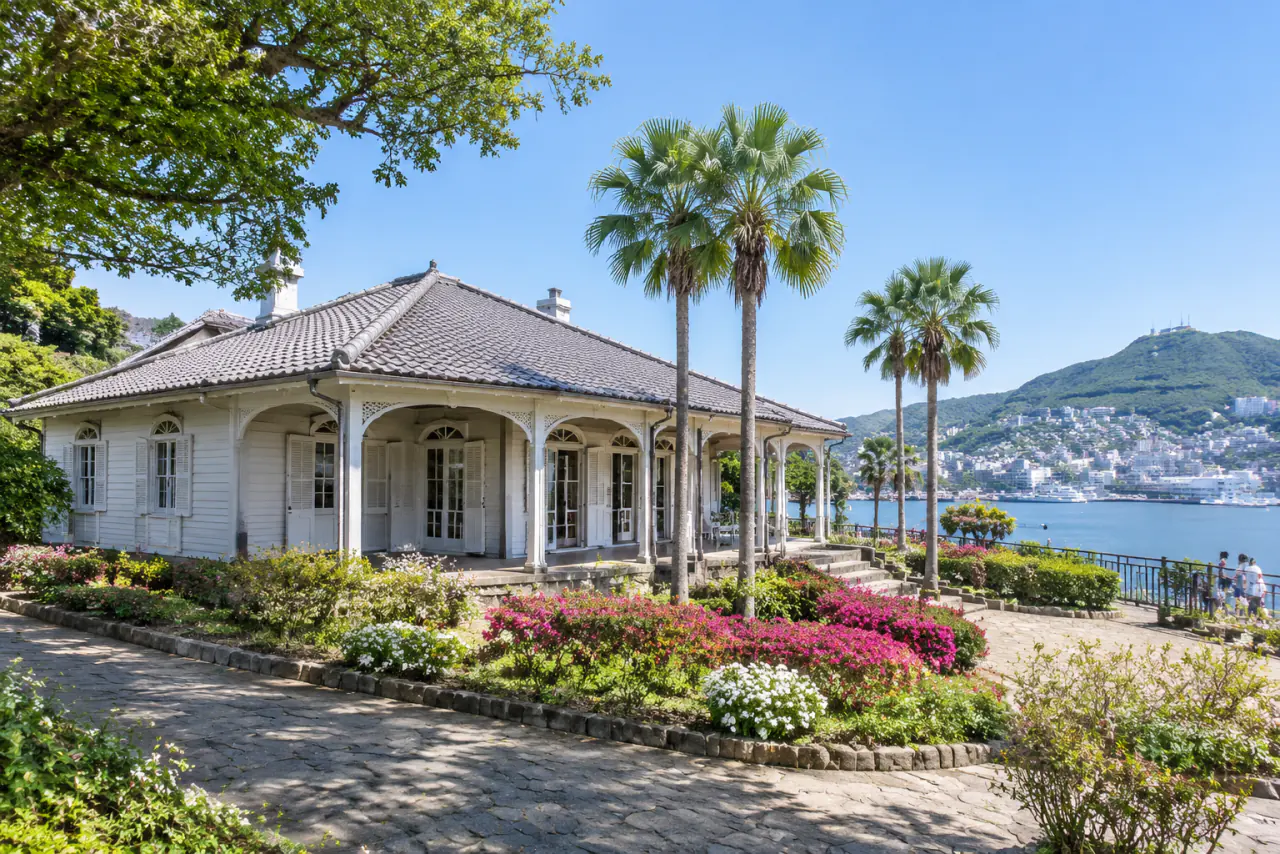
Glover Garden
グラバー園
Several Western-style homes from the Meiji period remain on the hillside. The Former Glover Residence is Japan’s oldest surviving Western-style wooden house and a World Heritage site. Walking downhill gives you views over Nagasaki Port. Oura Church is just below the entrance, and combo tickets are available.
An inclined electric walkway leads to the upper part of the garden. Start at the top and walk downhill to save energy. The garden has extended evening hours in fall.
-
 2
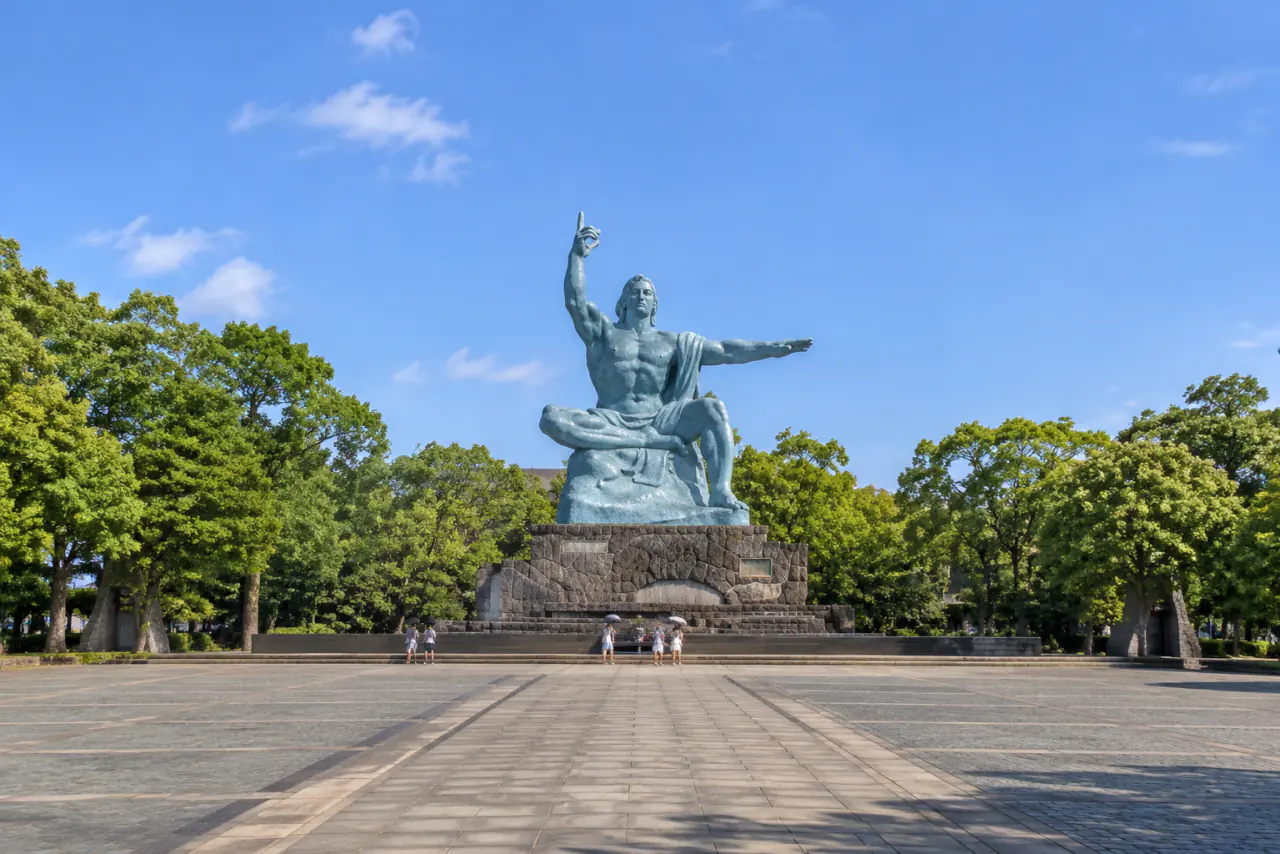
Peace Park and Atomic Bomb Museum
平和公園・長崎原爆資料館 · Peace Park & Atomic Bomb Museum
The Peace Statue in the park is one of Nagasaki’s symbols. A few minutes south are the hypocenter and the Atomic Bomb Museum. Exhibits include melted bottles, a clock stopped at 11:02, and victims’ belongings. The material is heavy but important, so allow plenty of time.
Take the tram to Peace Park or Atomic Bomb Museum Station. Written explanations are available, and audio guides can be rented.
-
 3
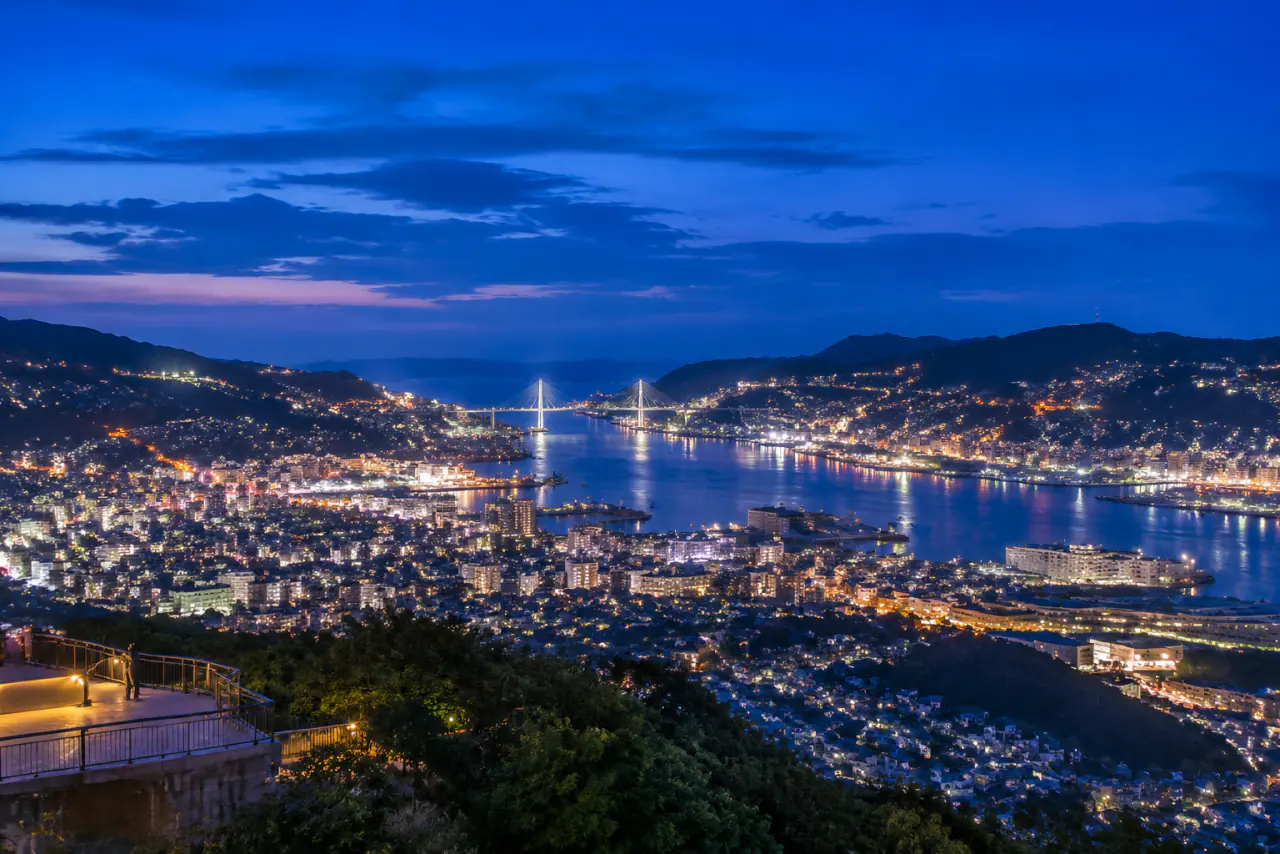
Mount Inasa night view
稲佐山 · Mount Inasa
From the observation deck at the 333-meter summit, Nagasaki Port and the lights on both hillsides at night look like a bowl. Take the Nagasaki Ropeway up the mountain; the glass cabins offer views throughout the ride. Go up 30 minutes before sunset to see both the evening colors and the night view.
The ropeway station is some distance from Nagasaki Station, and many hotels offer free shuttle buses. The summit is windy, so bring a jacket.
-
 4
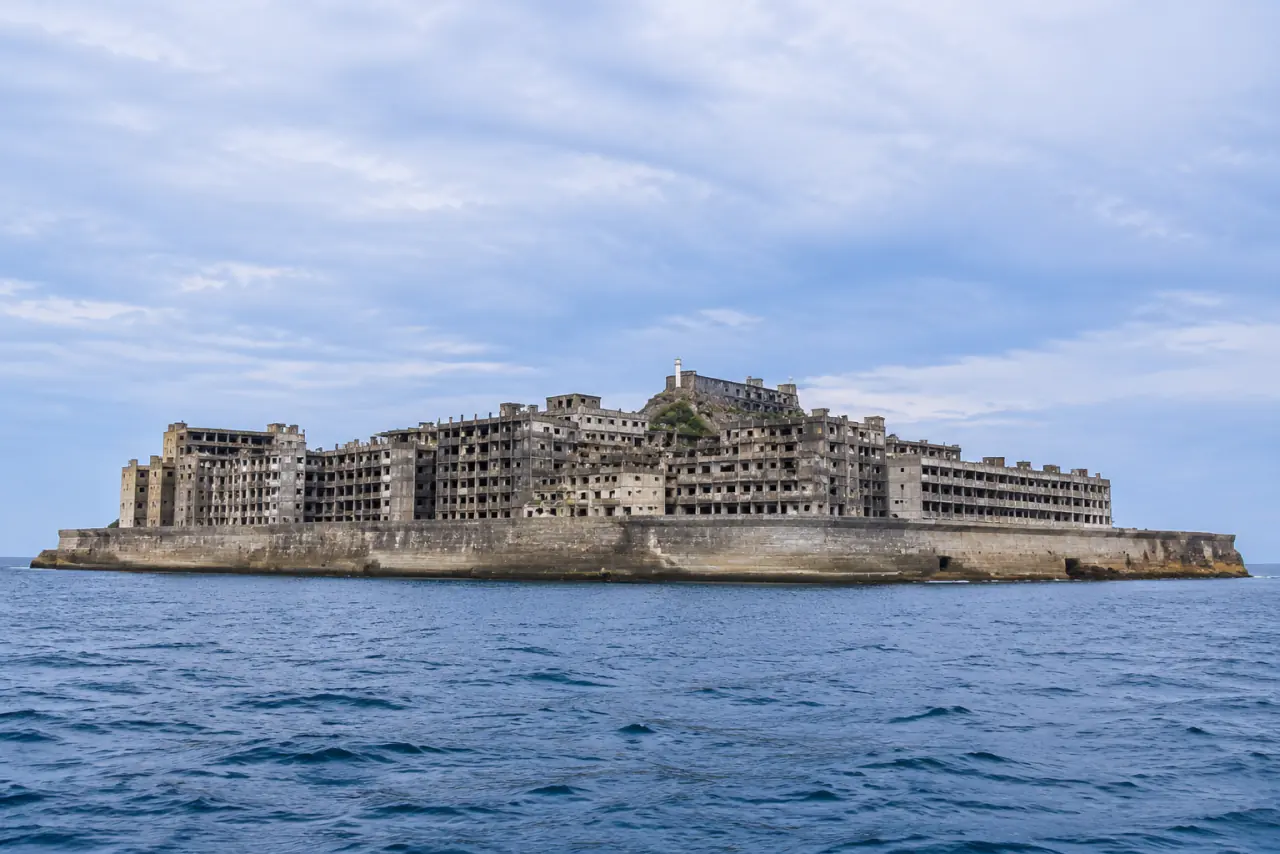
Hashima (Gunkanjima) island tour
端島(軍艦島) · Hashima (Gunkanjima)
This abandoned undersea coal-mining island looks like a warship from a distance. Its dense cluster of crumbling concrete buildings forms part of a World Heritage site. You can land only as part of a boat tour. Boats leave from Nagasaki Port, and the trip takes about half a day including the cruise. Once ashore, visitors must stay on designated paths.
When the wind and waves are strong, boats circle the island without landing. Book online in advance and leave a spare day toward the end of your trip.
-
 5
Dejima
出島
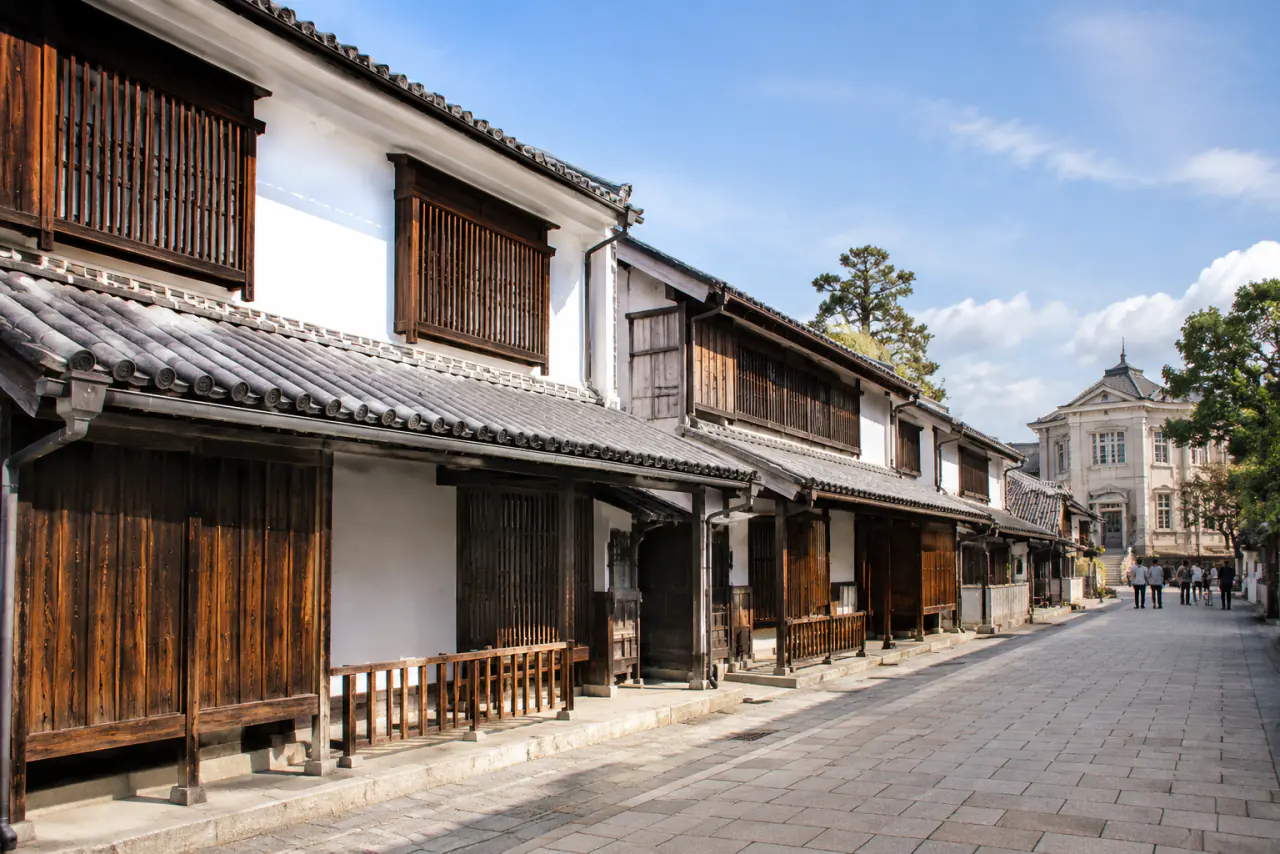
This fan-shaped artificial island once housed the Dutch trading post during Japan’s period of isolation. The residences, warehouses, and kitchen have been reconstructed and furnished in period style. You can see some of the earliest Western tableware, billiard tables, and coffee introduced to Japan. An hour is enough for a visit.
Get off at Dejima tram stop. Shinchi Chinatown is within walking distance, so the two sights are easy to visit together.
-
 6
Huis Ten Bosch
ハウステンボス
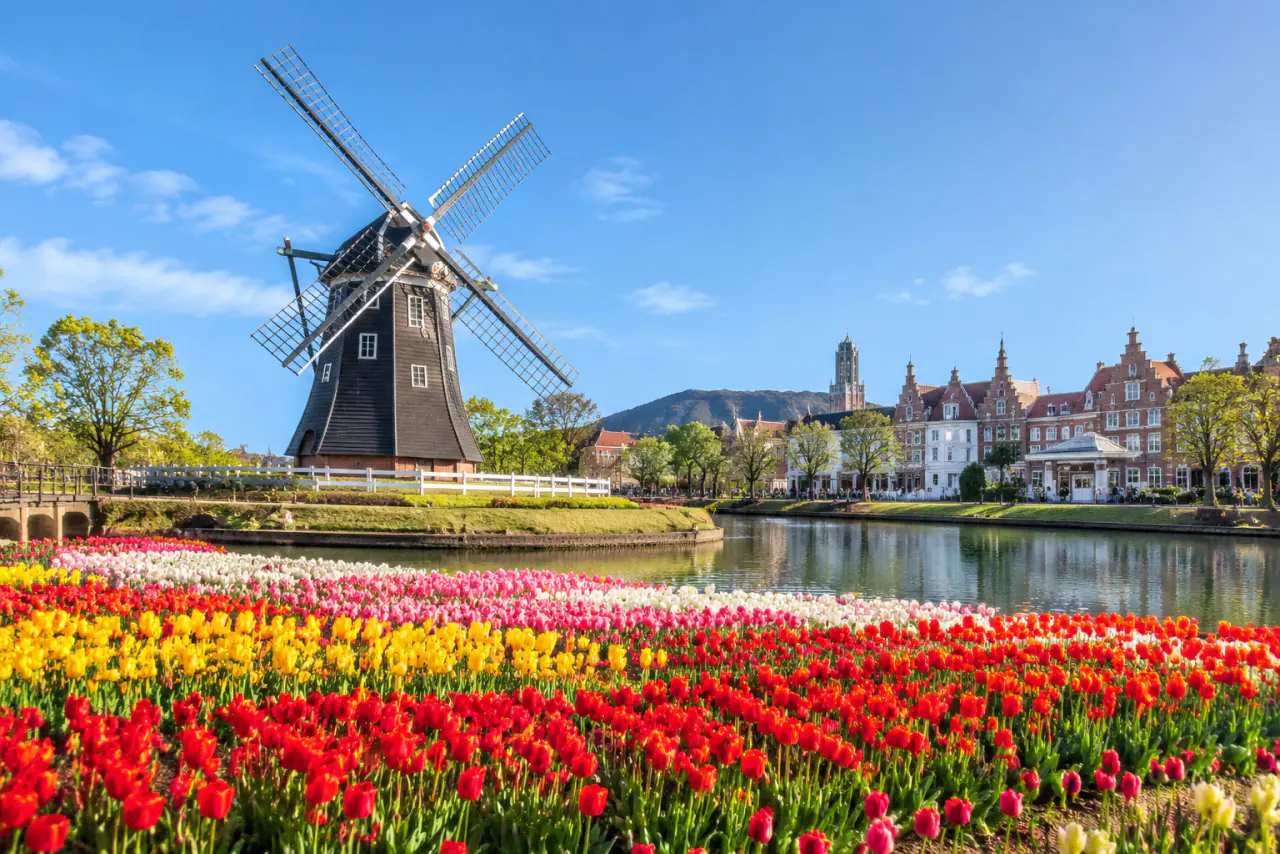
This large theme park recreates Dutch streets, with canals, windmills, and European-style buildings spread across a wide area. It is best known for spring tulips and winter illuminations. The nighttime lights are a major reason many people visit. Plan on a full day, especially for couples and families.
Ticket prices vary by season and time slot. Buy tickets in advance on the official website. Direct limited express trains run from Hakata to Huis Ten Bosch Station.
-
 7
Kujukushima Islands
九十九島
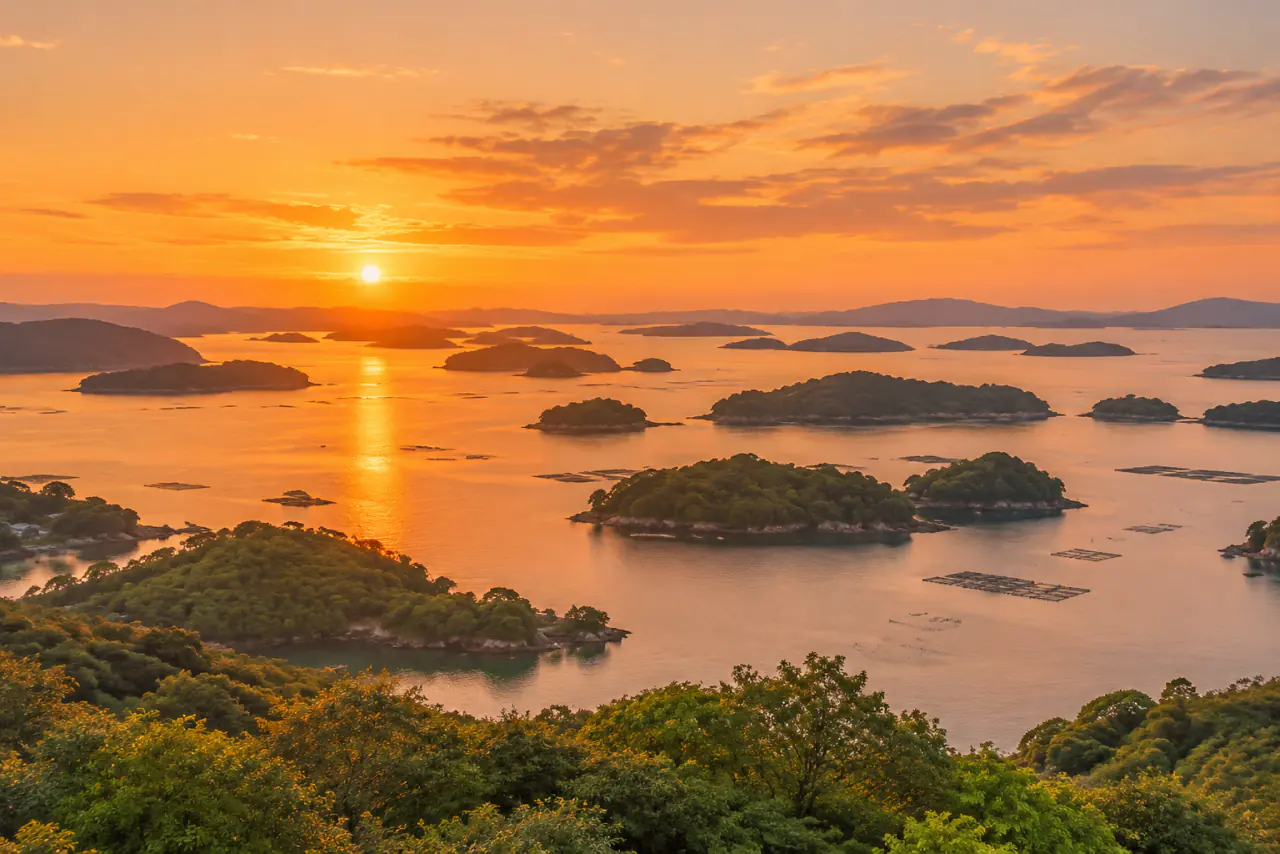
More than 200 small islands lie off the coast of Sasebo. From the observatory at Tenkaiho, you can see the island chain spread across the sea. The view is especially beautiful at sunset. You can also take a sightseeing boat through the islands from the Pearl Sea Resort. It works well as a day trip combined with Huis Ten Bosch or scheduled before or after it.
From Sasebo Station, take a bus or taxi to Tenkaiho. Rapeseed flowers bloom in spring, and cosmos flowers bloom in fall.
-
 8
Unzen Onsen
雲仙温泉
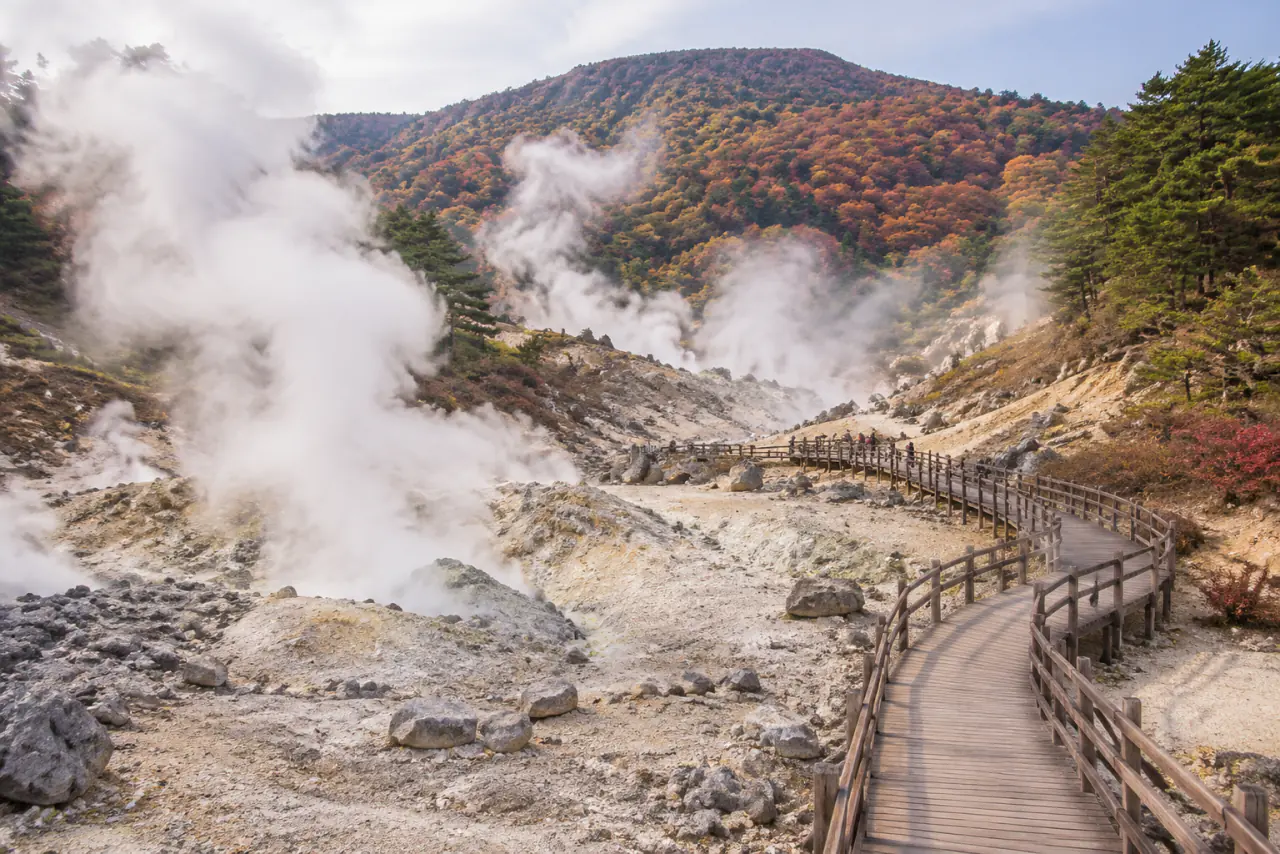
This mountain hot-spring town is known for its sulfur springs. Unzen Hell, with its clouds of white steam, is right beside the town. Follow the wooden walkways to see the vents. Nearby Nita Pass has azaleas in spring, fall foliage, and occasional rime ice in winter. Stay overnight to relax after leaving Nagasaki.
Direct buses run from Nagasaki Station. You can also take a JR train to Isahaya and transfer to a bus. It is colder in the mountains than in the city, so bring a jacket.
What to eat
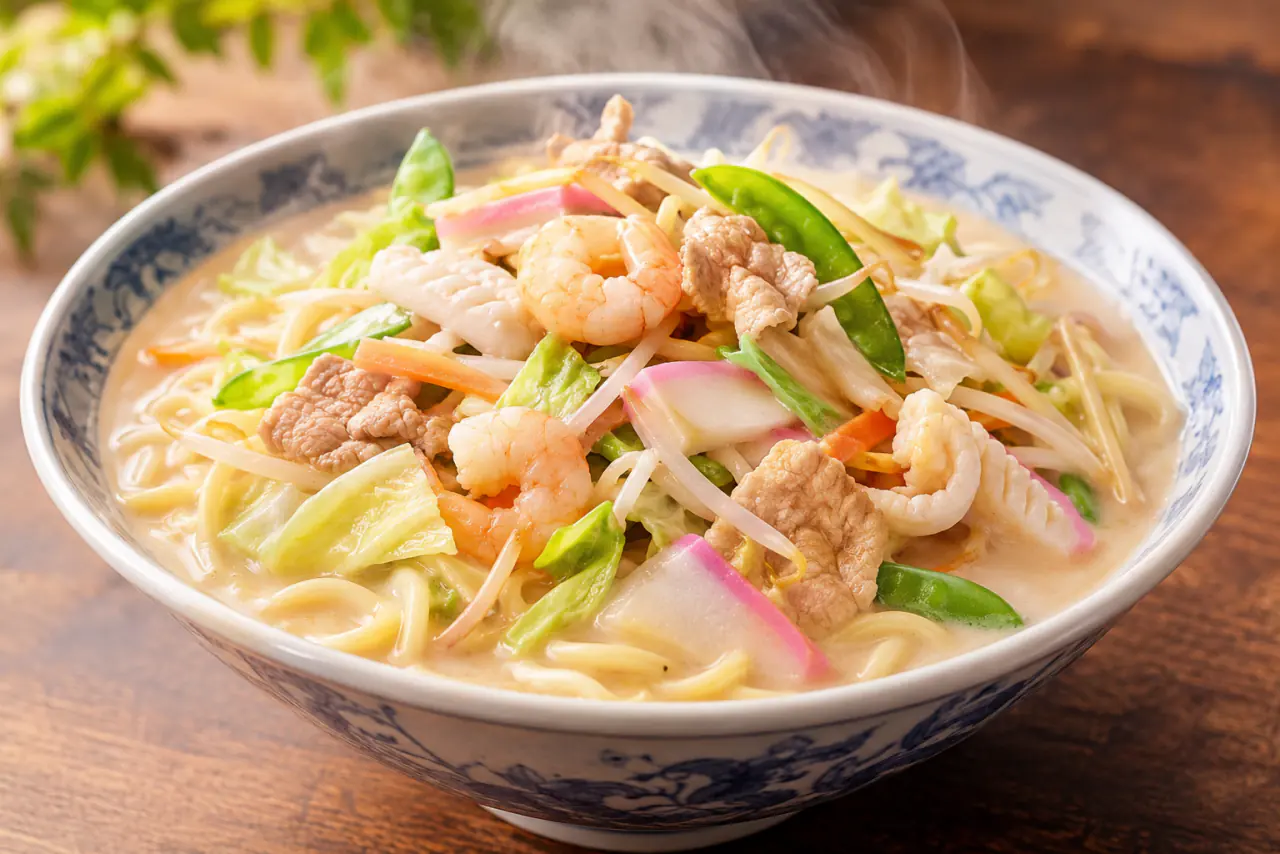
Nagasaki champon
This large bowl of noodles was created by overseas Chinese residents for students. Thick noodles simmer in a pork-and-chicken-bone broth with pork, seafood, and plenty of vegetables. The portions are generous enough for a full meal.
Restaurants around Shinchi Chinatown and Chinese restaurants throughout central Nagasaki · About ¥1,000–1,500 per bowl
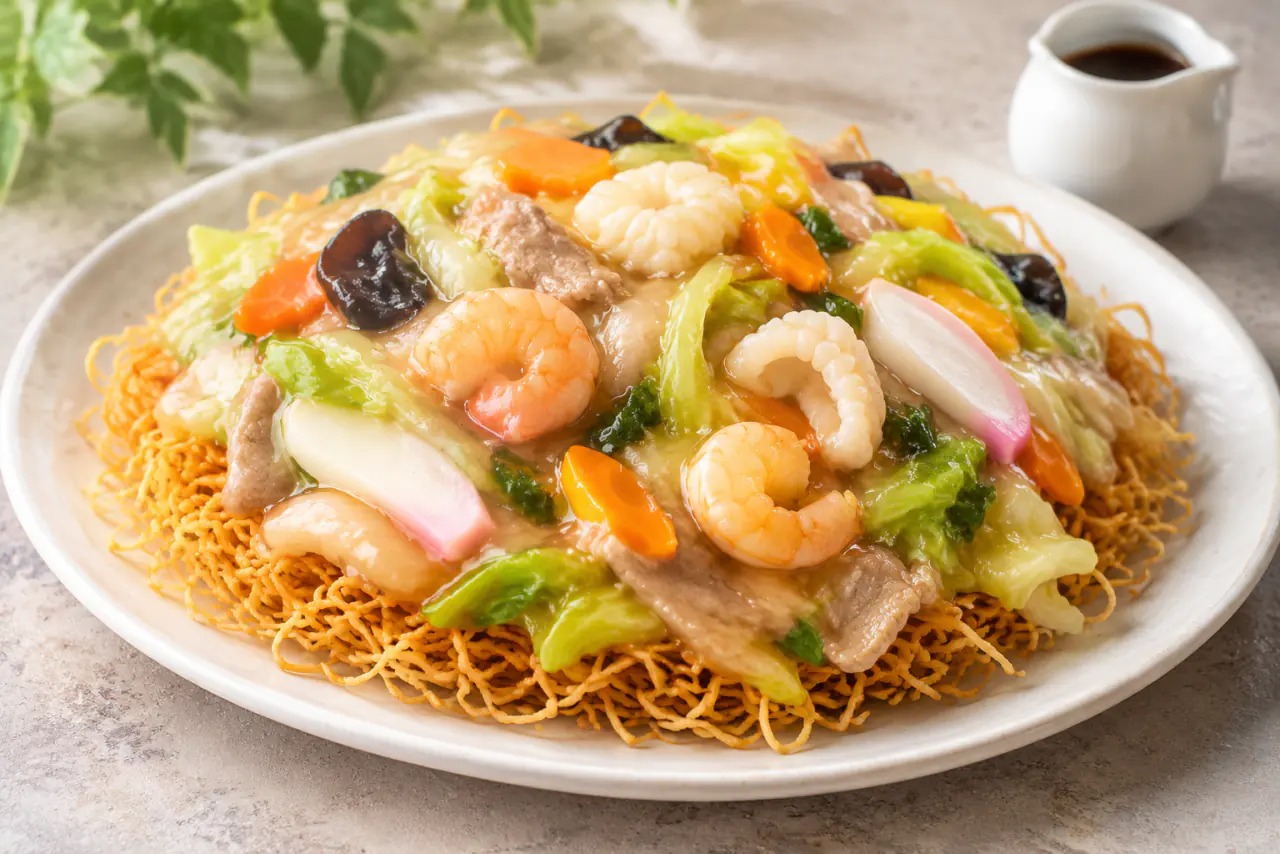
Sara udon
A thickened seafood-and-vegetable sauce is poured over crisp fried noodles, which soften as they absorb the sauce. Spicy vinegar sauce is usually kept on the table; adding a little is the local way to eat it.
Available at most of the same restaurants that serve champon · About ¥1,000–1,500 per serving
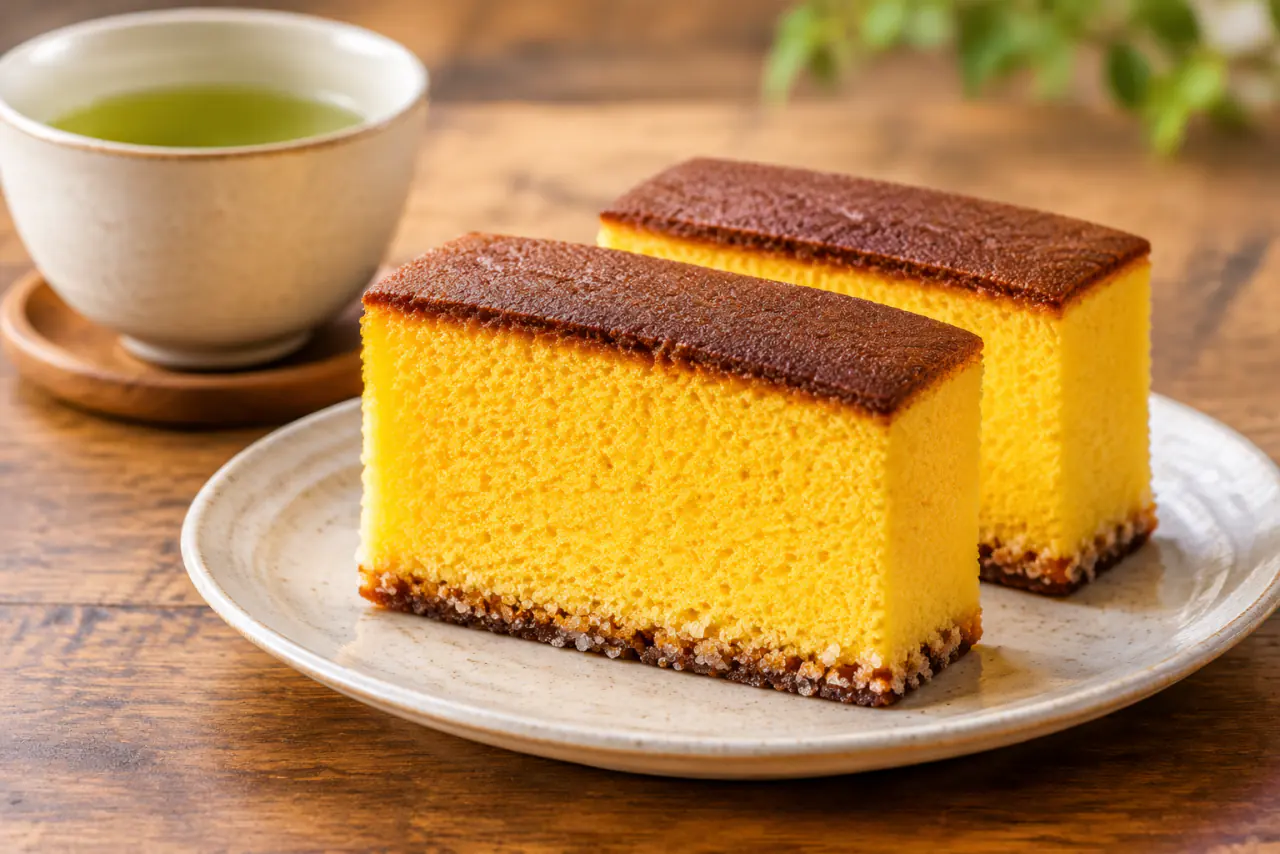
Castella
This sponge cake came from Portugal. It has coarse sugar crystals on the bottom and a moist, dense texture. A whole cake in a gift box from a long-established shop is a popular souvenir and is easy to take home at room temperature.
Long-established shops and department stores around Nagasaki Station and Meganebashi Bridge
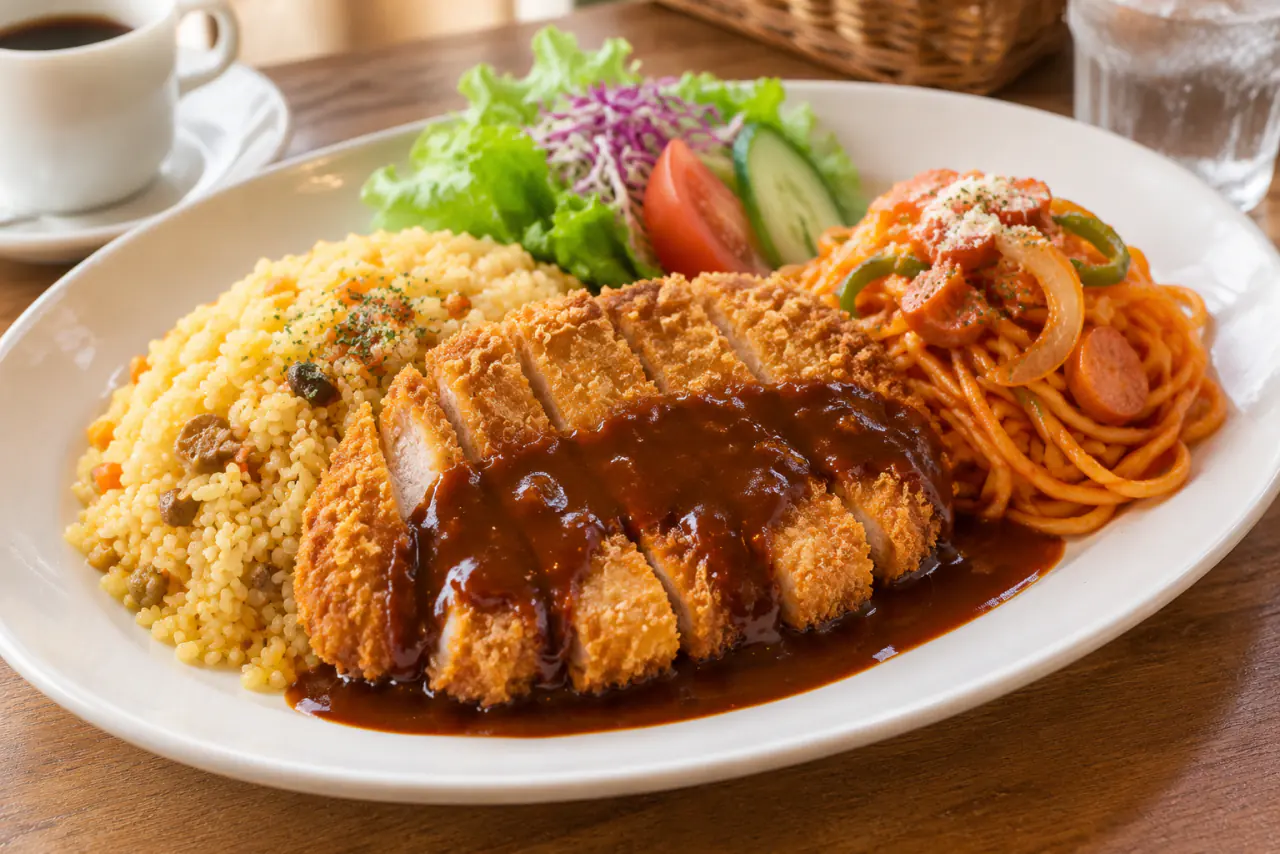
Turkish rice
A single plate combines a fried pork cutlet, curry or fried rice, and spaghetti. It is like a grown-up version of a children’s meal. Despite the name, it has nothing to do with Turkey. This classic Nagasaki yoshoku dish is ideal when you are hungry.
Yoshoku restaurants and cafés around Shianbashi and Hamamachi · About ¥1,300–1,800 per serving

Sasebo burger
These freshly made, generously sized burgers were influenced by the U.S. military base. Recipes vary by shop, but many use thick patties, bacon, and a fried egg. They are noticeably larger than burgers from chain restaurants.
Burger shops around Sasebo Station and throughout Sasebo · About ¥800–1,500 each
Getting there · Where to stay
Take the Relay Kamome limited express from Hakata, then transfer to the Nishi Kyushu Shinkansen on the same platform at Takeo Onsen. The fastest journey takes about 1 hour 20 minutes.
The airport bus takes about 45–55 minutes to Nagasaki Station and costs about ¥1,400.
Direct limited express trains run from Hakata to Sasebo and Huis Ten Bosch stations. From Nagasaki Station, take a JR train or highway bus to Sasebo.
Stay near Nagasaki Station for easy access to the shinkansen and airport buses. For convenient evening dining and drinks, choose the Shianbashi or Shinchi Chinatown area. Stay in Sasebo for Huis Ten Bosch, or in Unzen for hot springs.
Know this before you go
- Nagasaki’s city center has many hills. Wear comfortable walking shoes, and if you have a lot of luggage, book a hotel near a tram stop.
- Trams are the main way to get around the city. Fares are charged per ride, so buy a one-day pass if you plan to ride several times.
- Hashima is highly dependent on the weather. Do not schedule it for the day before your departure.
- The Nagasaki Lantern Festival takes place around Lunar New Year, and the dates change each year. Book accommodation early.