Cloudborne Travel
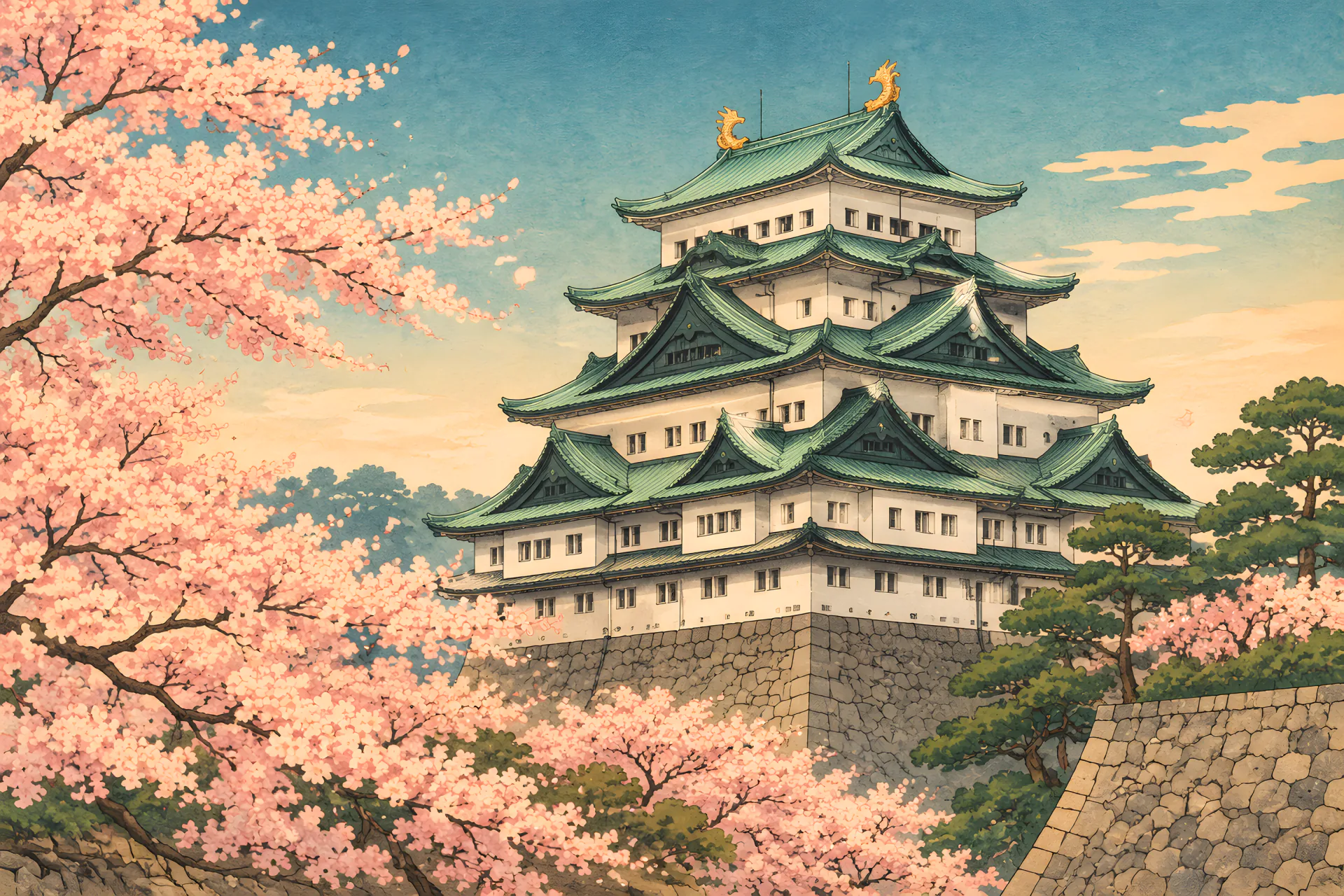
Aichi's center is Nagoya, Japan's fourth-largest city. It's often said to have little to offer, but it's a practical base for travelers: Chubu Centrair International Airport has many flights to China, and it's convenient for reaching Takayama, Shirakawa-go, Kanazawa, and Ise. One or two days is enough for the city. Highlights include Nagoya Castle, Atsuta Jingu, Osu Shopping District, and Nagoya specialties such as hitsumabushi and miso katsu.
Outside the city are several places worth a separate trip: Inuyama Castle and its old castle town, Ghibli Park with scenes recreated from the films, Korankei Gorge covered in fall foliage, and the pottery town of Tokoname. Aichi is the birthplace of Toyota, so fans of machines and cars can add the Toyota Commemorative Museum of Industry and Technology.
Early April: cherry blossoms at Nagoya Castle and Inuyama Castle. Mid- to late November: fall foliage at Korankei Gorge. Summers are hot and humid, so plan some indoor sights.
Monthly weather
Based on NagoyaBest time to visit Monthly precipitation (mm) Open-Meteo (ERA5), 1996–2025 average
| Month | Average high (°C) | Average low (°C) | Monthly precipitation (mm) | Days with 1 mm or more of precipitation |
|---|---|---|---|---|
| Jan | 9.7 | 0.1 | 53 | 6 |
| Feb | 11 | 0.8 | 63 | 7 |
| Mar(Good time to visit) | 14.9 | 3.5 | 115 | 10 |
| Apr(Good time to visit) | 20.1 | 8.9 | 126 | 10 |
| May(Good time to visit) | 24.5 | 14.2 | 152 | 11 |
| Jun | 27.7 | 19.4 | 177 | 14 |
| Jul | 31.3 | 23.7 | 196 | 15 |
| Aug | 33.1 | 24.8 | 131 | 13 |
| Sep(Good time to visit) | 29.3 | 21 | 174 | 13 |
| Oct(Good time to visit) | 23.4 | 13.9 | 161 | 10 |
| Nov(Good time to visit) | 17.6 | 7.4 | 84 | 7 |
| Dec | 12 | 2.2 | 53 | 6 |
Sights
-
 1
Nagoya Castle
名古屋城
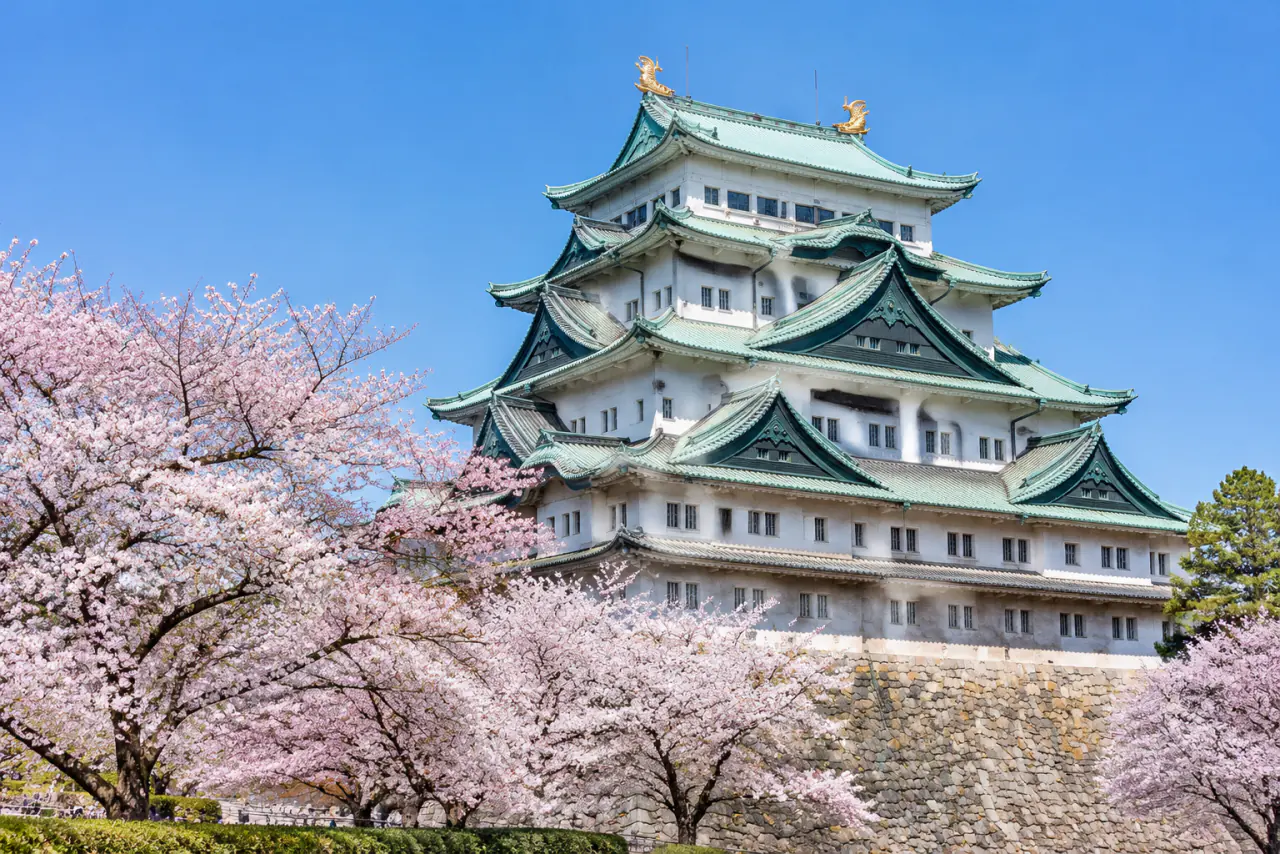
This massive castle was built by Tokugawa Ieyasu for his son. Its roof is topped with golden shachihoko, mythical creatures with tiger heads and carp bodies. The reinforced-concrete keep is currently closed for a planned wooden reconstruction, so you can't go inside, but you can still photograph the exterior. The real highlight is the Honmaru Palace, restored in 2018 and filled with dazzling wall paintings. Admission is included.
The last entry to Honmaru Palace is at 4 p.m. It takes about 10 minutes to walk there from the main gate, so don't arrive too late.
-
 2
Atsuta Jingu
熱田神宮
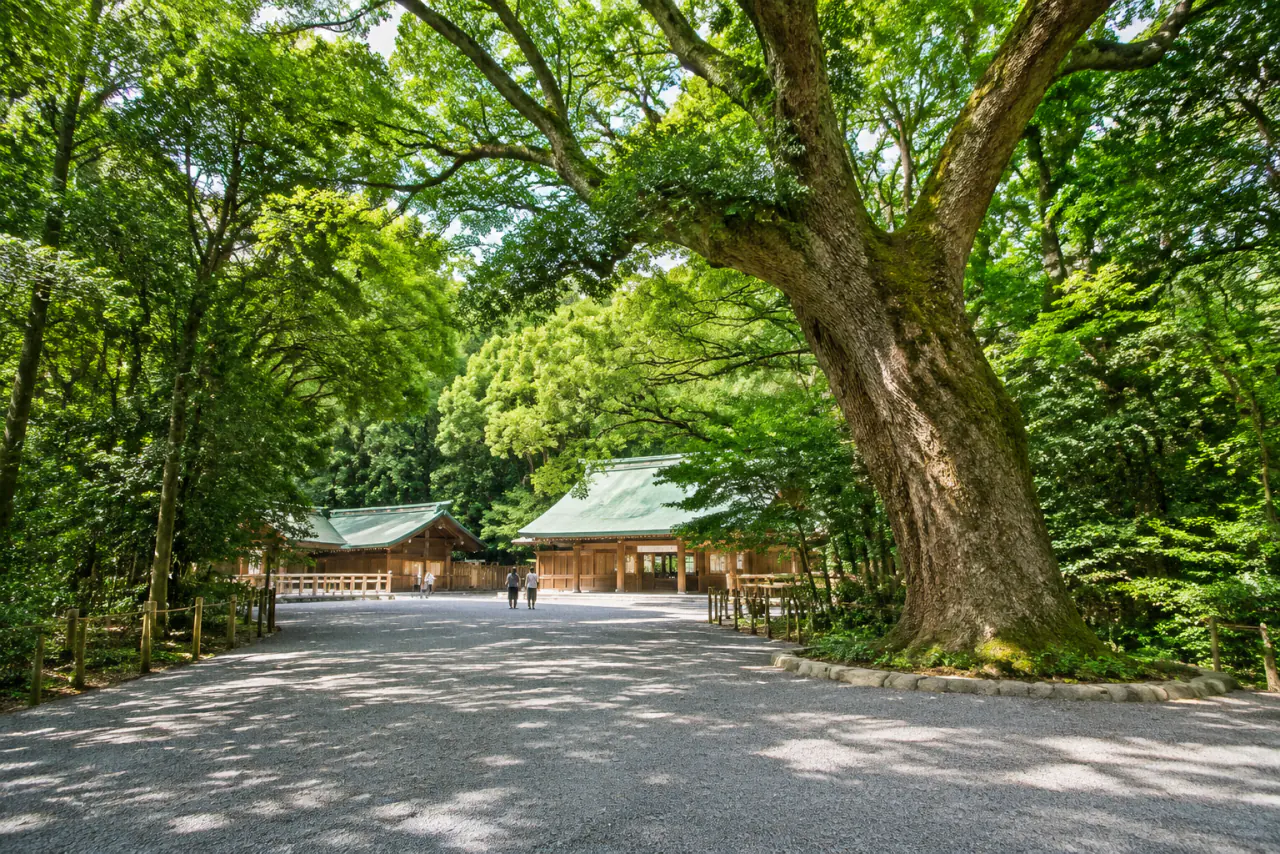
This ancient shrine enshrines the Kusanagi sword, one of Japan's Three Sacred Treasures, and ranks just below Ise Jingu in importance. Its grounds are shaded by a large old-growth forest and a thousand-year-old camphor tree. The treasure hall displays many swords. It's a few minutes' walk from Meitetsu Jingu-mae Station or the subway's Jingu-nishi Station. You can also stop nearby for hitsumabushi.
Admission is free. The first few days of the New Year are extremely crowded, so avoid them if you can.
-
 3
Osu Shopping District and Osu Kannon
大須商店街・大須観音
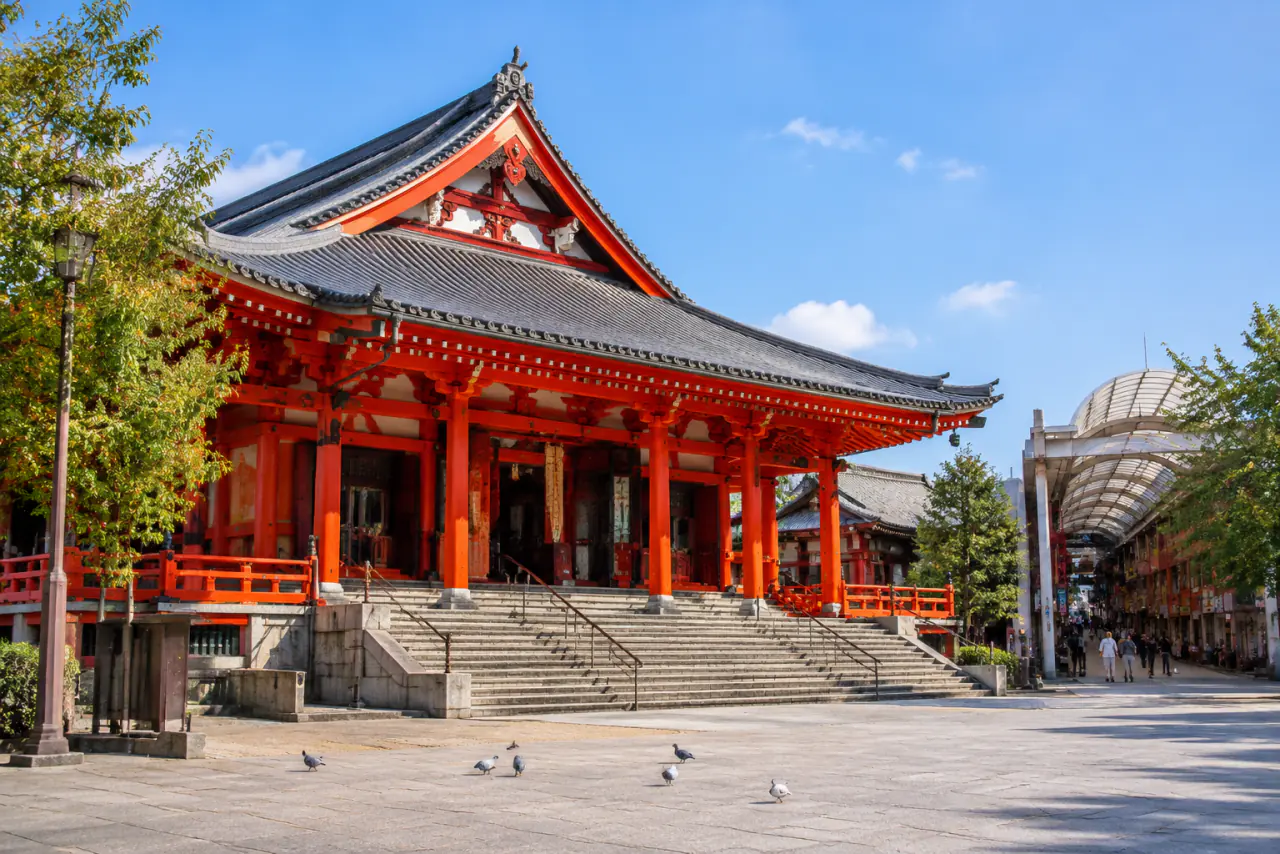
This old shopping district starts at Osu Kannon and extends through more than a dozen covered streets lined with vintage clothing stores, electronics shops, anime figure stores, and food from around the world. It's Nagoya's most lively area. Osu Kannon's bright-red main hall is highly photogenic, and an antiques market is held on the 18th and 28th of each month. Get off at Osu Kannon or Kamimaezu subway station.
Many snack shops close around 6 p.m., so afternoon is the best time to visit. The covered streets are still easy to explore in the rain.
-
 4
Toyota Commemorative Museum of Industry and Technology
トヨタ産業技術記念館
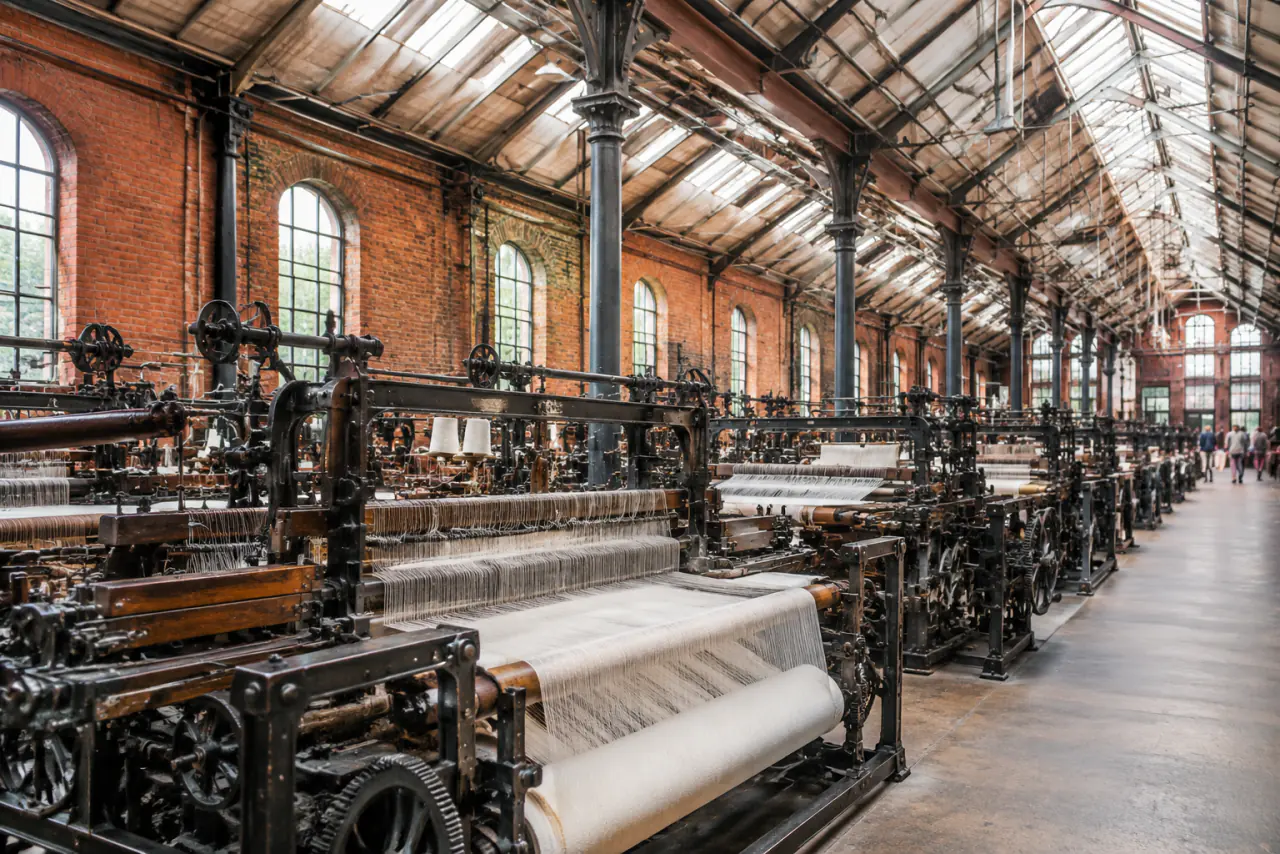
Housed in the red-brick buildings of Toyota's first textile factory, this museum traces the company from automatic looms to automobile manufacturing. Many old machines are demonstrated in operation, and the automotive pavilion shows the full process of stamping, welding, and assembly. You don't need to know Japanese to enjoy it. Families and machine enthusiasts can easily spend half a day here. It's one Meitetsu stop from Nagoya Station, followed by a walk of about 3 minutes.
The museum is often closed on Mondays. Demonstrations run at set times, so check the schedule when you enter.
-
 5
Ghibli Park
ジブリパーク
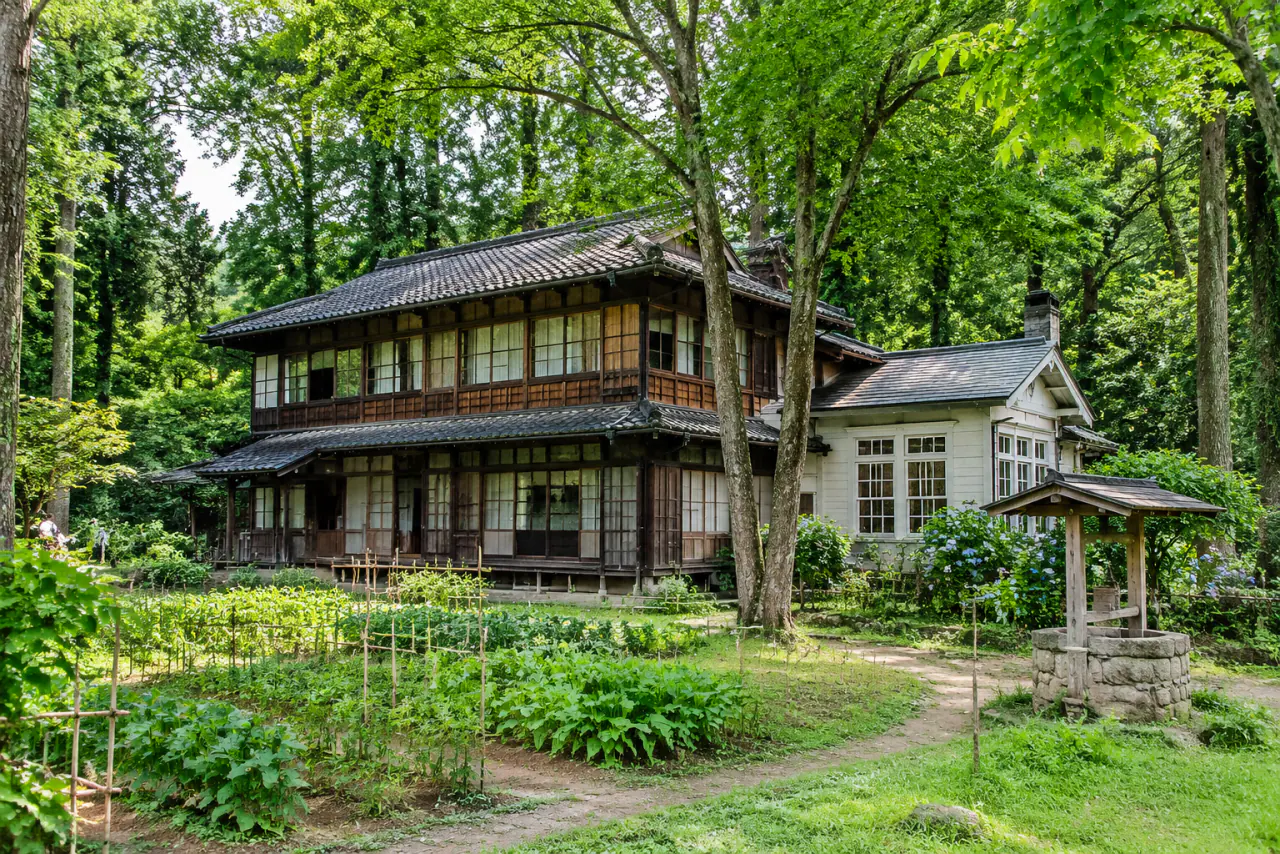
Set inside Expo 2005 Aichi Commemorative Park, Ghibli Park recreates scenes from films such as My Neighbor Totoro, Kiki's Delivery Service, and Princess Mononoke. There are no rides; it's more like walking through a forest park and seeing the scenes in person. Ghibli's Grand Warehouse is an indoor exhibition area, so you can enjoy it in the rain. From Nagoya, take the subway and transfer to the Linimo maglev line. The trip to Ai-Chikyu-Haku-Kinen-Koen Station takes about 50 minutes.
All tickets must be reserved in advance; no tickets are sold on-site. Tickets for dates two months ahead go on sale at 2 p.m. on the 10th of each month, and popular dates sell out quickly.
-
 6
Inuyama Castle
犬山城
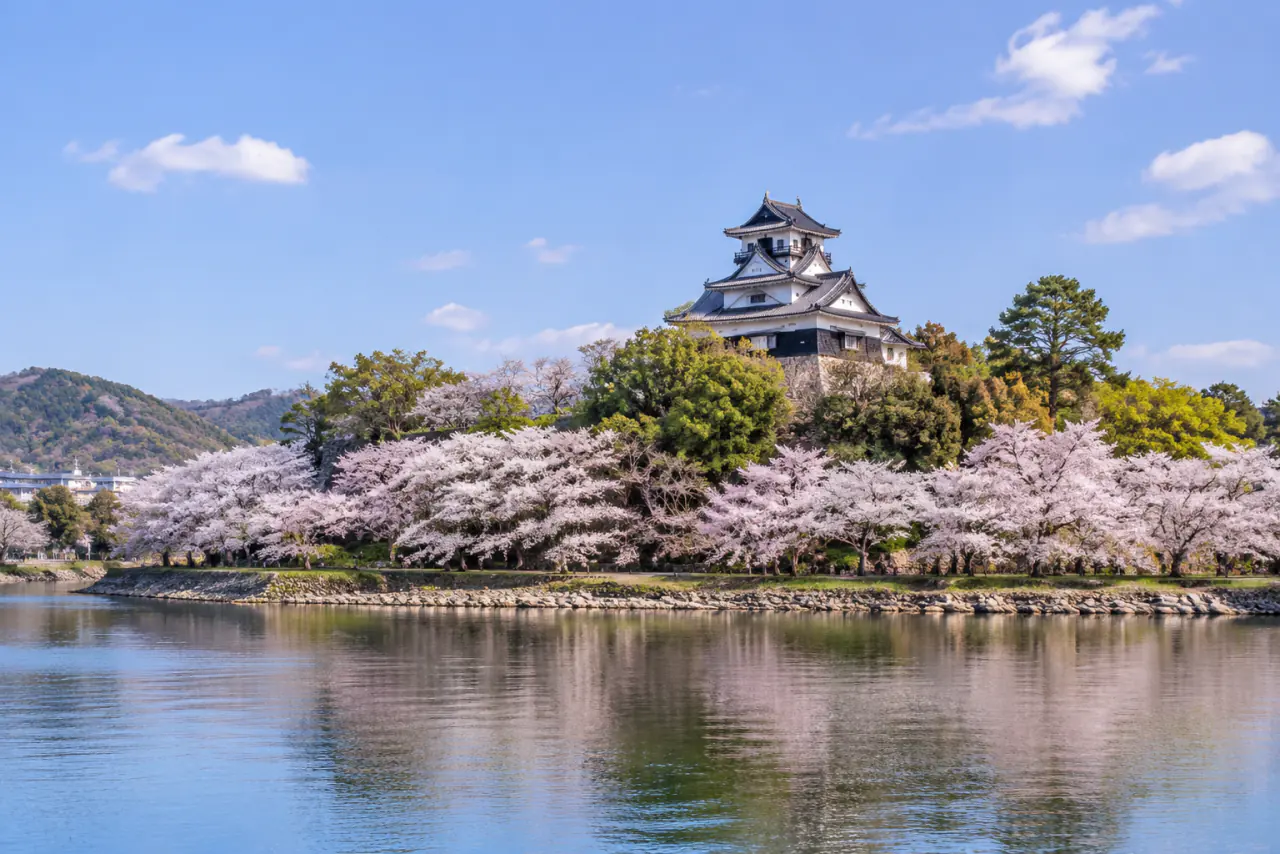
One of Japan's 5 national treasure keeps, this castle sits on a small hill beside the Kiso River. Its keep is one of the oldest surviving examples of its kind. At the top, you can walk along the open-air gallery and look over the Kiso River and Nobi Plain. The wind is strong. The old castle-town streets below are lined with skewers, dango, and other snacks. From Meitetsu Nagoya, the train to Inuyama Station takes about 30 minutes.
The stairs inside the keep are very steep, and you'll need to remove your shoes. Queues and visitor limits are possible during cherry blossom season and on weekends, so arrive when it opens.
-
 7
Korankei Gorge
香嵐渓
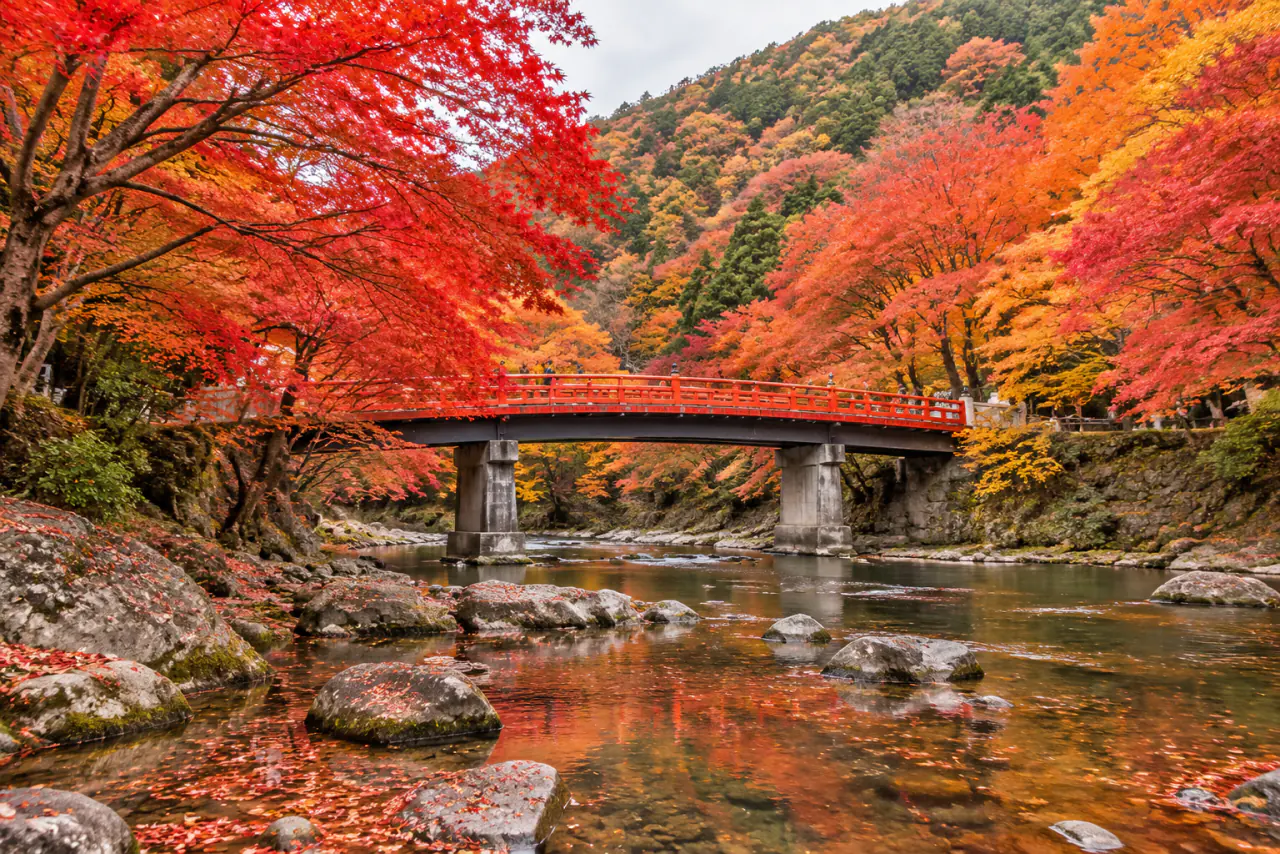
This mountain valley in Asuke, Toyota, is lined with about 4,000 maple trees along both banks of the river. The entire valley turns red in mid- to late November, with red Taigetsukyo Bridge providing a classic photo spot. The foliage season brings nighttime illumination and beautiful reflections. Other seasons are quieter, and dogtooth violets bloom on the slopes in spring. There is no direct train. Take a bus from Meitetsu Higashi-Okazaki Station or Toyota-shi Station.
Traffic can cause delays of several hours on weekends during the foliage season. Go early on a weekday if possible, and avoid returning after 4 p.m.
-
 8
Tokoname Pottery Footpath
常滑やきもの散歩道
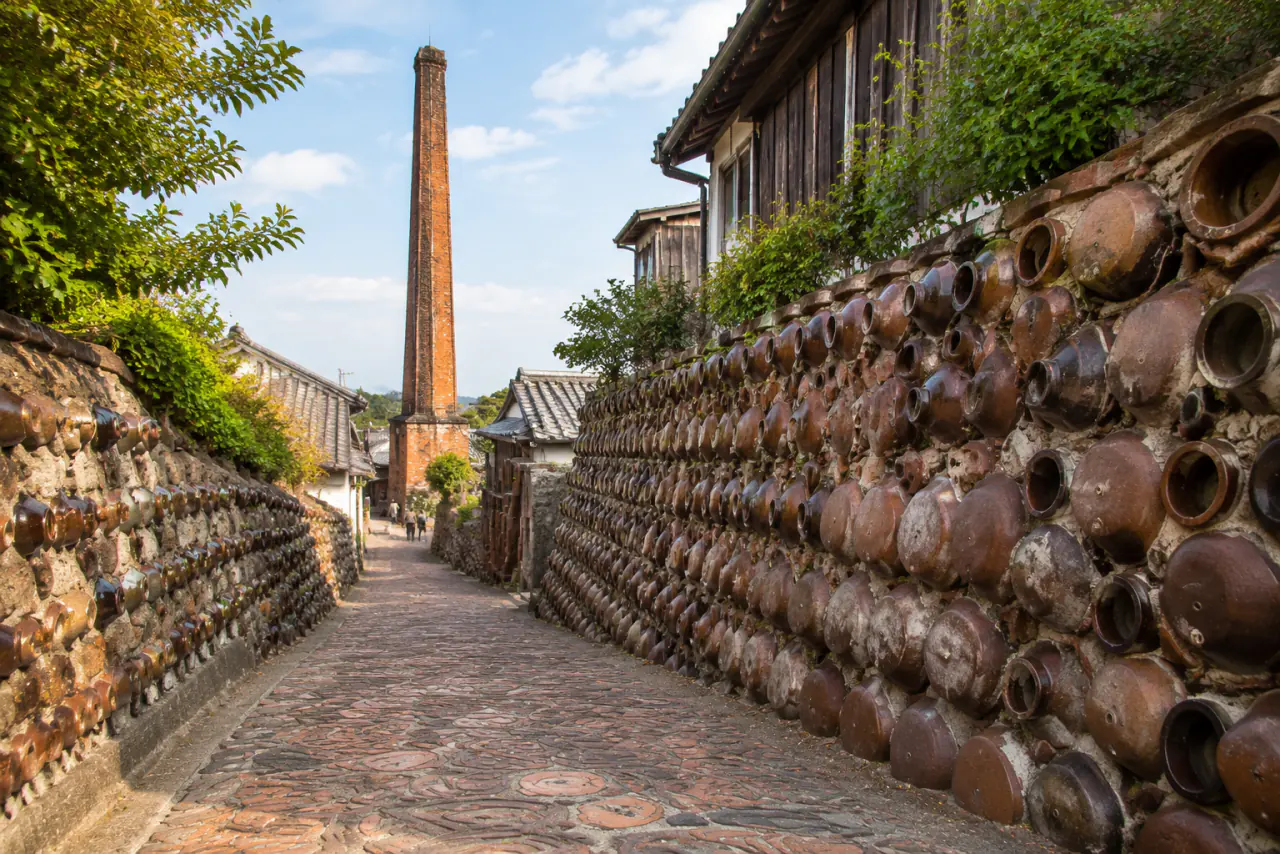
This old kiln district in Tokoname, one of Japan's Six Ancient Kilns, has sloping lanes lined with walls embedded with clay pipes and shochu bottles. Brick chimneys rise above the rooftops, and former workshops are now pottery studios and cafés. The best-known spot is Toko-zaka. Tokoname Station is only two stops and about 5 minutes from the airport, making this a good stop for 1–2 hours on the day you arrive or depart.
Tokoname is a major producer of maneki-neko lucky cats. A giant one near the entrance makes a fun photo stop.
What to eat
Hitsumabushi
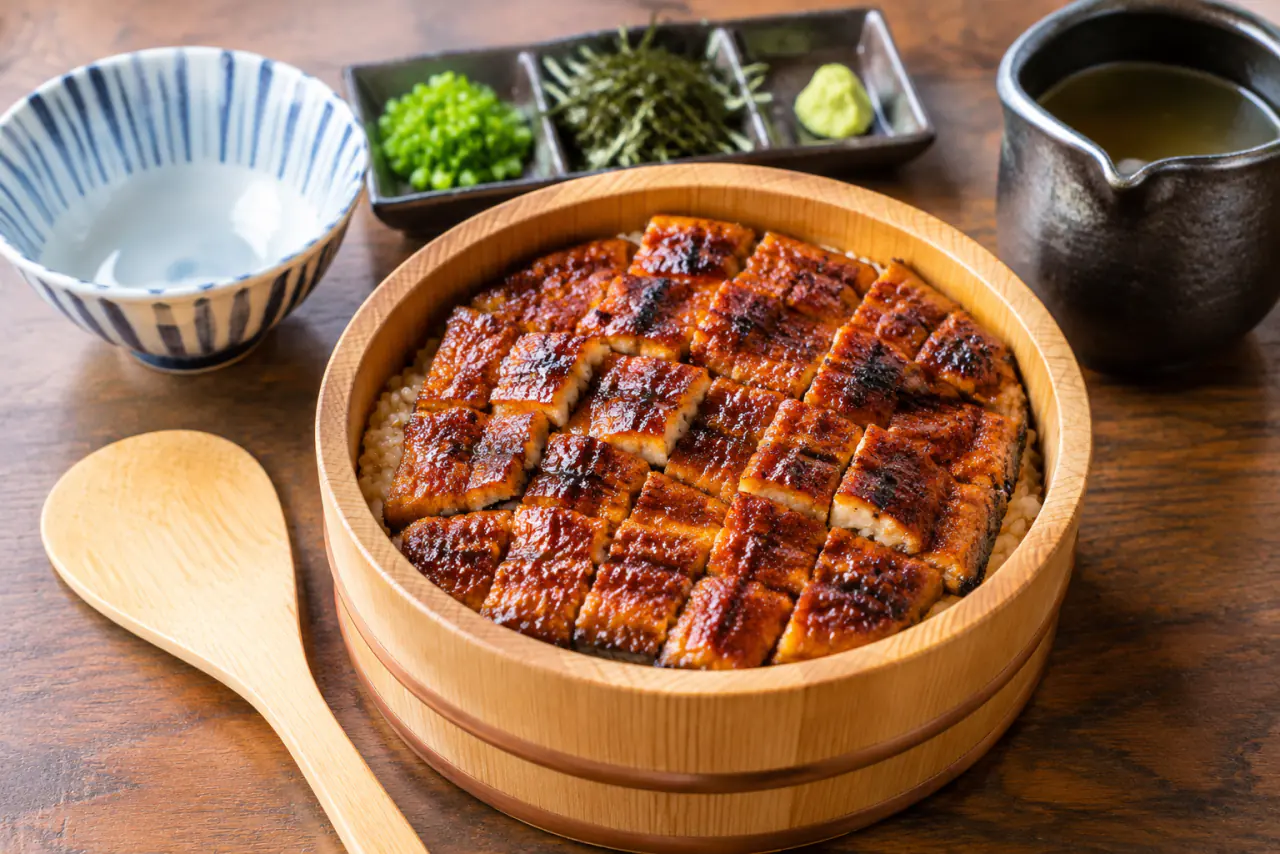
Grilled eel is cut into small pieces and served over rice, then eaten in four ways: plain, with green onions and nori, as ochazuke with dashi poured over it, and finally in whichever style you prefer. The eel is grilled without steaming, giving it crisp skin.
Long-established eel restaurants around Atsuta Jingu, Nagoya Station, and Sakae · About ¥4,000–6,500 per person
Miso katsu
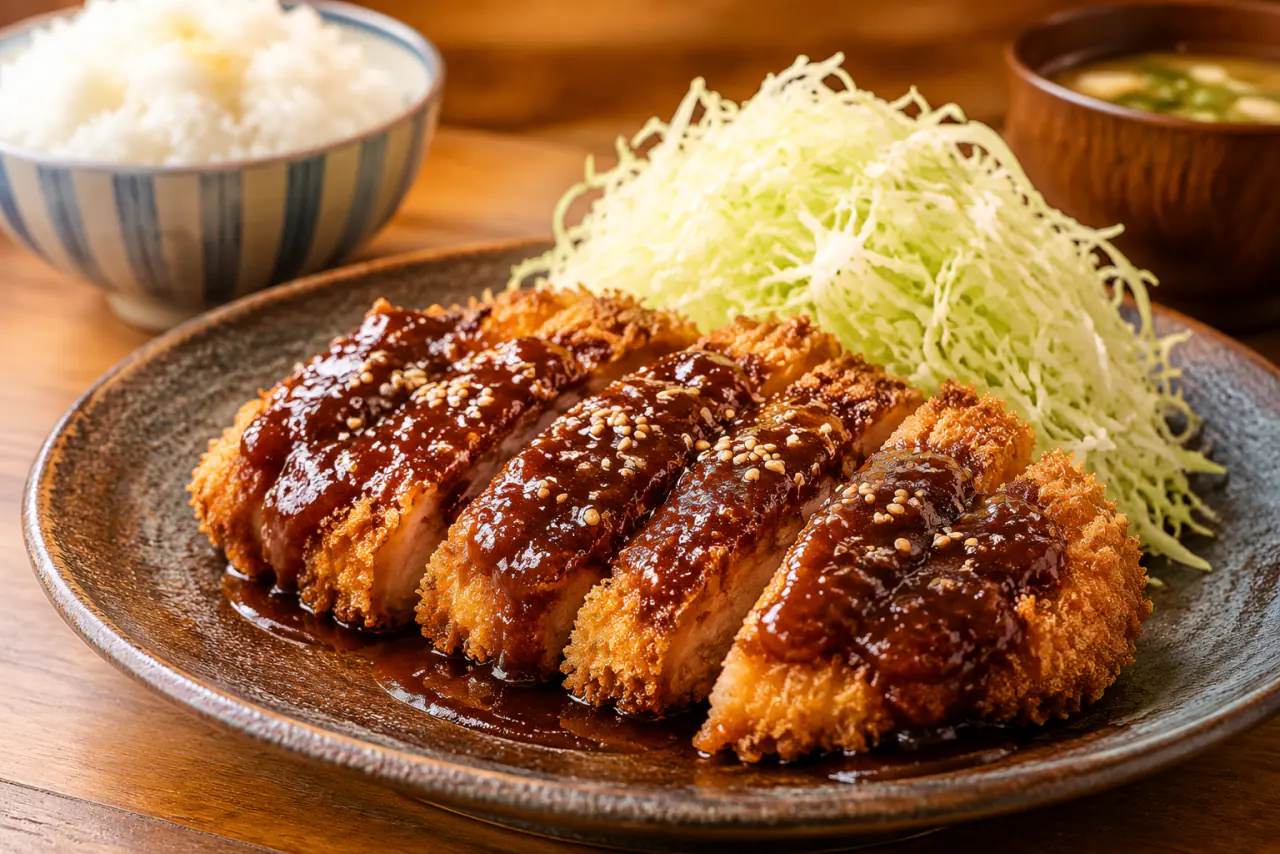
A fried pork cutlet topped with a dark sauce made from Hatcho miso. The sauce is rich, sweet, and salty, and the dish comes with rice and shredded cabbage. Nagoya locals use this soybean miso in many dishes.
Tonkatsu restaurants around Nagoya Station, Yabacho, and Osu · About ¥1,500–2,500 per person

Nagoya-style chicken wings
Chicken wings are fried until crisp, brushed with a sweet-and-spicy sauce, and covered with pepper and sesame seeds. They're a classic beer snack. To eat them, pull the joint apart and strip the meat off in one bite.
Izakaya around Sakae and Nagoya Station · About ¥500–800 per serving
Kishimen
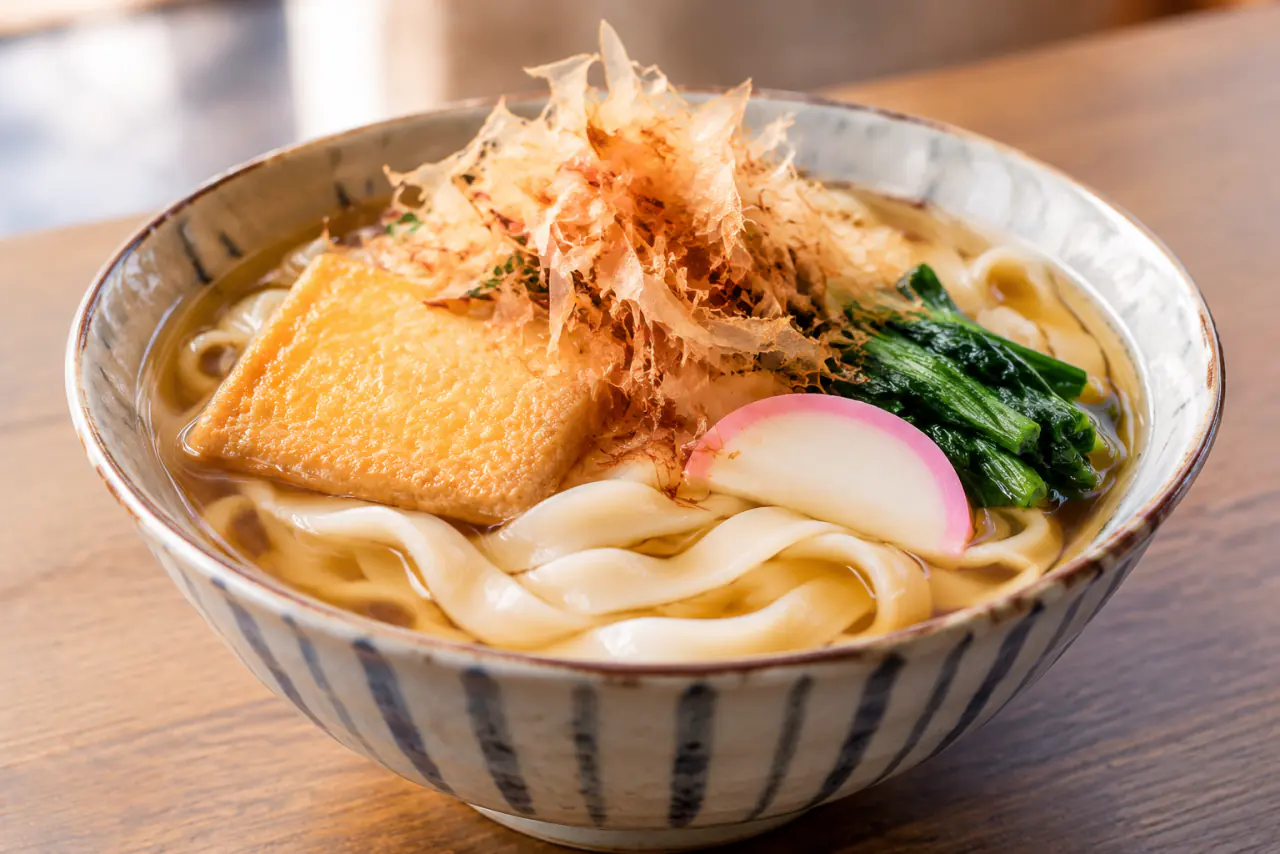
These broad, flat noodles are smooth and easy to eat, served in bonito broth with fried tofu and fish cake. There are standing noodle shops on the shinkansen platforms at Nagoya Station, making them convenient for a quick bowl before your train.
The shinkansen platforms at Nagoya Station and noodle shops around the city · About ¥600–1,000 per bowl
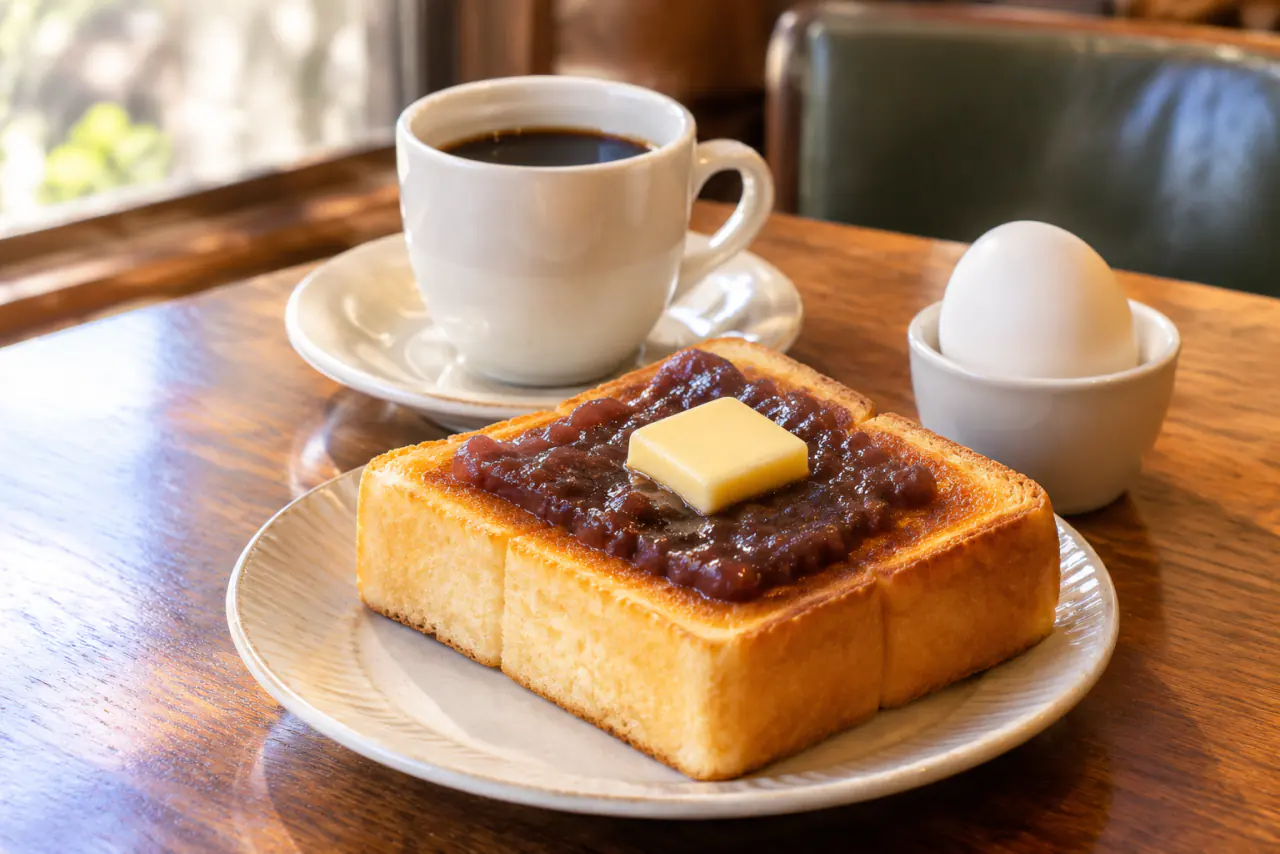
Nagoya morning set
At Nagoya cafés, ordering a coffee in the morning often comes with thick toast and a boiled egg. Some also include Ogura toast with sweet red bean paste. Locals sometimes make a special weekend trip for morning coffee.
Kissaten cafés around the city, generally served before 11 a.m. · About ¥500–700, the price of a coffee
Getting there · Where to stay
The Meitetsu μSky takes about 29 minutes to Meitetsu Nagoya and costs about ¥1,430; the limited express takes about 38 minutes and costs about ¥980
The Tokaido Shinkansen Nozomi takes about 1 hour 40 minutes
The shinkansen takes about 35 minutes from Kyoto to Nagoya and about 50 minutes from Shin-Osaka
Stay near Nagoya Station. The shinkansen, Meitetsu, Kintetsu, and airport lines all meet here, with direct trains to Takayama, Ise, and Inuyama. For evening dining, drinks, and shopping, stay around Sakae or Fushimi.
Know this before you go
- The Nagoya Castle keep is closed, so you can only see it from outside. Honmaru Palace is the main attraction, so don't just take a photo outside and leave.
- Meitetsu, Kintetsu, JR, and subway services use different entrances at Nagoya Station. Check the signs before transferring.
- Ghibli Park tickets can only be bought online in advance. Reserve as soon as your dates are set; tickets are not sold on-site.
- International visitors traveling to Takayama and Shirakawa-go can buy the JR Takayama-Hokuriku Area Tourist Pass at Nagoya Station or Chubu Centrair International Airport.