Cloudborne Travel
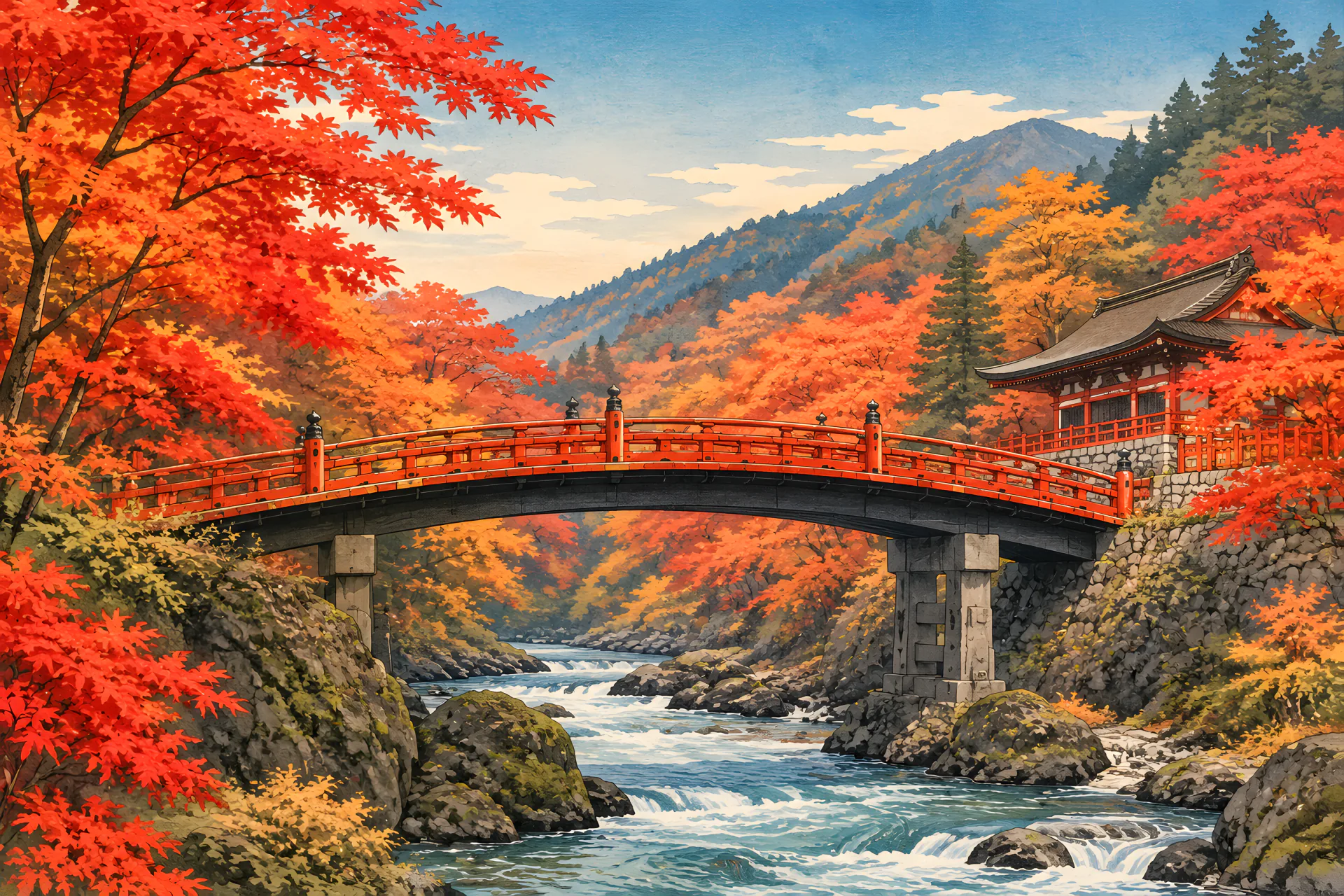
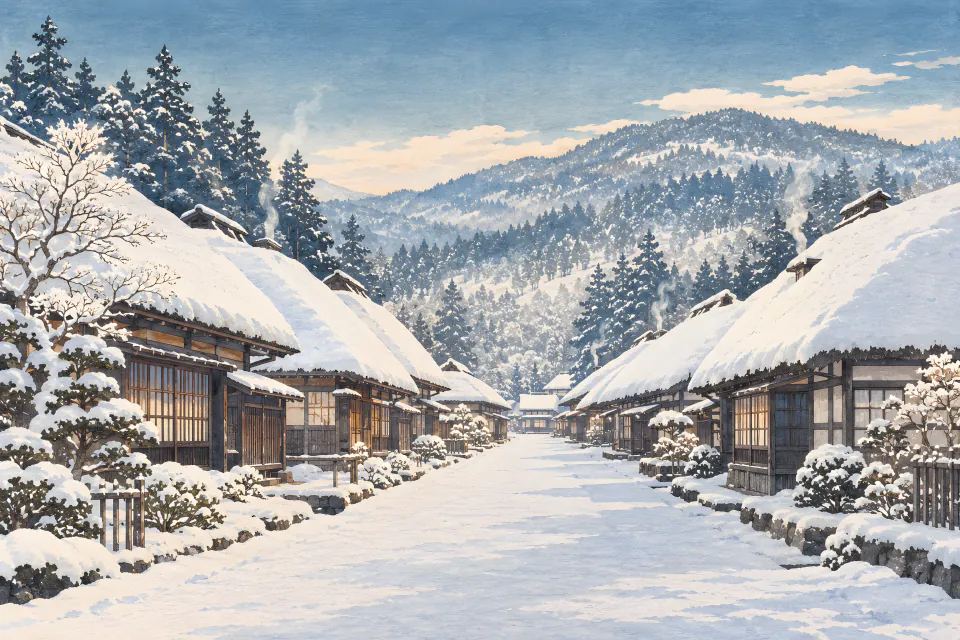
The highlight of Tochigi is Nikko. At the foot of the mountains are the lavishly decorated Nikkō Tōshō-gū and Futarasan-jinja, both part of a World Heritage site. Farther into the mountains are Lake Chūzenji, Kegon Falls, and the Senjōgahara Wetland. In fall, the colors spread downhill from the highlands. Add Kinugawa Onsen, the Nasu Highlands, and the wisteria at Ashikaga Flower Park in spring, and you have a reason to visit in every season.
The Tobu Limited Express from Asakusa to Nikko takes about 2 hours. You can see the Tōshō-gū area on a day trip, but stay 1 night if you want to visit Lake Chūzenji. Traffic on the mountain roads is heavy during fall color season, so leave plenty of extra time. Utsunomiya is a Shinkansen stop, making it easy to grab a plate of gyoza while changing trains.
Ashikaga's wisteria blooms from late April to mid-May. Fall colors peak around Lake Chūzenji in mid-to-late October and in central Nikko from early November. Weekends bring heavy traffic.
Monthly weather
Based on UtsunomiyaBest time to visit Monthly precipitation (mm) Open-Meteo (ERA5), 1996–2025 average
| Month | Average high (°C) | Average low (°C) | Monthly precipitation (mm) | Days with 1 mm or more of precipitation |
|---|---|---|---|---|
| Jan | 8.3 | -0.9 | 49 | 6 |
| Feb | 9.4 | -0.1 | 51 | 7 |
| Mar(Good time to visit) | 13.2 | 2.6 | 100 | 11 |
| Apr(Good time to visit) | 18.2 | 7.7 | 115 | 12 |
| May(Good time to visit) | 22.8 | 13.1 | 140 | 13 |
| Jun | 25.7 | 17.6 | 143 | 15 |
| Jul | 29.5 | 21.9 | 172 | 17 |
| Aug | 30.7 | 23 | 129 | 14 |
| Sep(Good time to visit) | 26.8 | 19.2 | 155 | 14 |
| Oct(Good time to visit) | 21 | 12.6 | 154 | 12 |
| Nov(Good time to visit) | 15.8 | 6.3 | 78 | 8 |
| Dec | 10.5 | 1 | 53 | 6 |
Sights
-
 1
Nikkō Tōshō-gū
日光東照宮
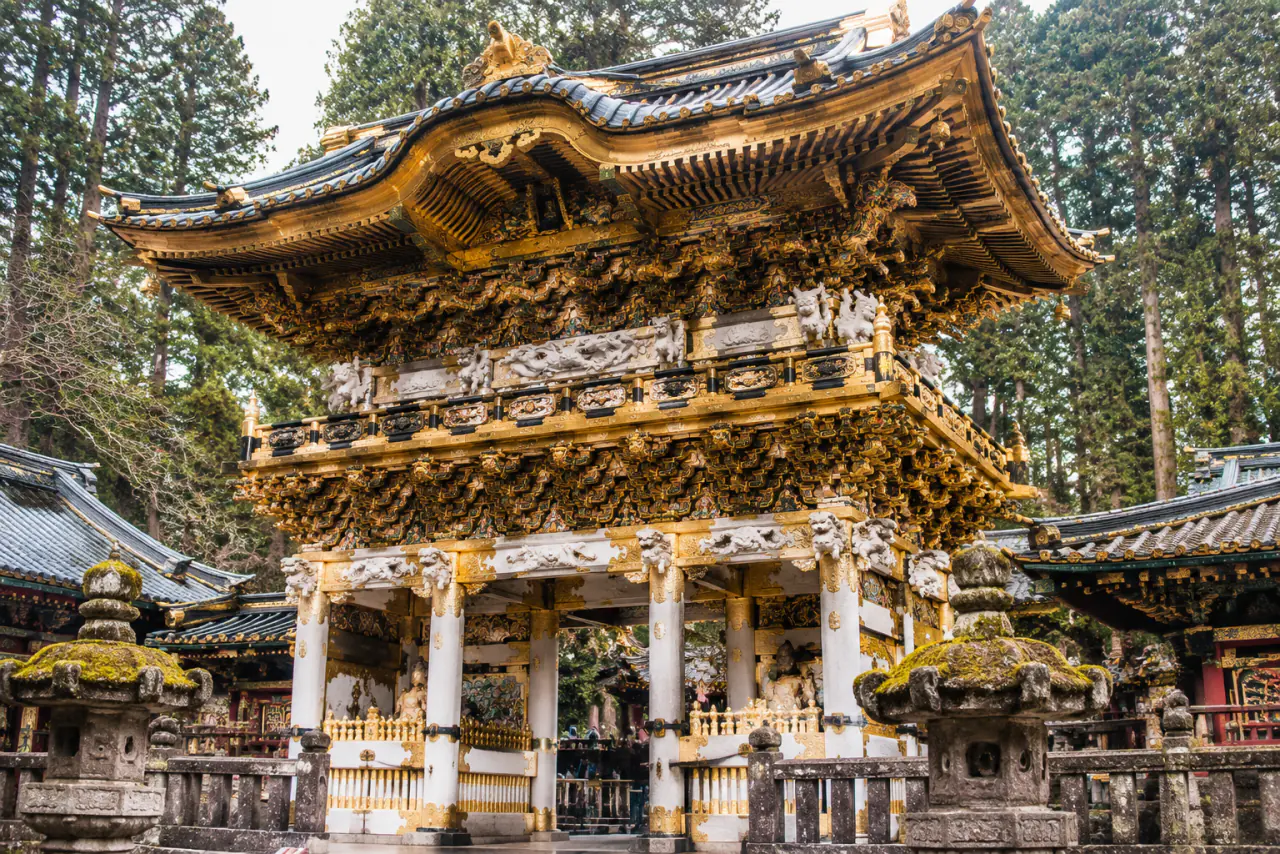
This shrine is dedicated to Tokugawa Ieyasu. Unlike Kyoto's understated style, it is covered in gold leaf, bright lacquer, and elaborate carvings. You could look at Yōmeimon Gate all day and still find new details. Look for the Three Wise Monkeys—"see no evil, hear no evil, speak no evil"—and the sleeping cat carving. Pass through the Sleeping Cat Gate and climb more than 200 stone steps to Ieyasu's mausoleum. It is about 10 minutes by bus from the station.
Arrive when it opens at 9 a.m. Tour groups arrive in large numbers after 10 a.m. From November to March, it closes at 4 p.m.
-
 2
Shinkyō Bridge
神橋
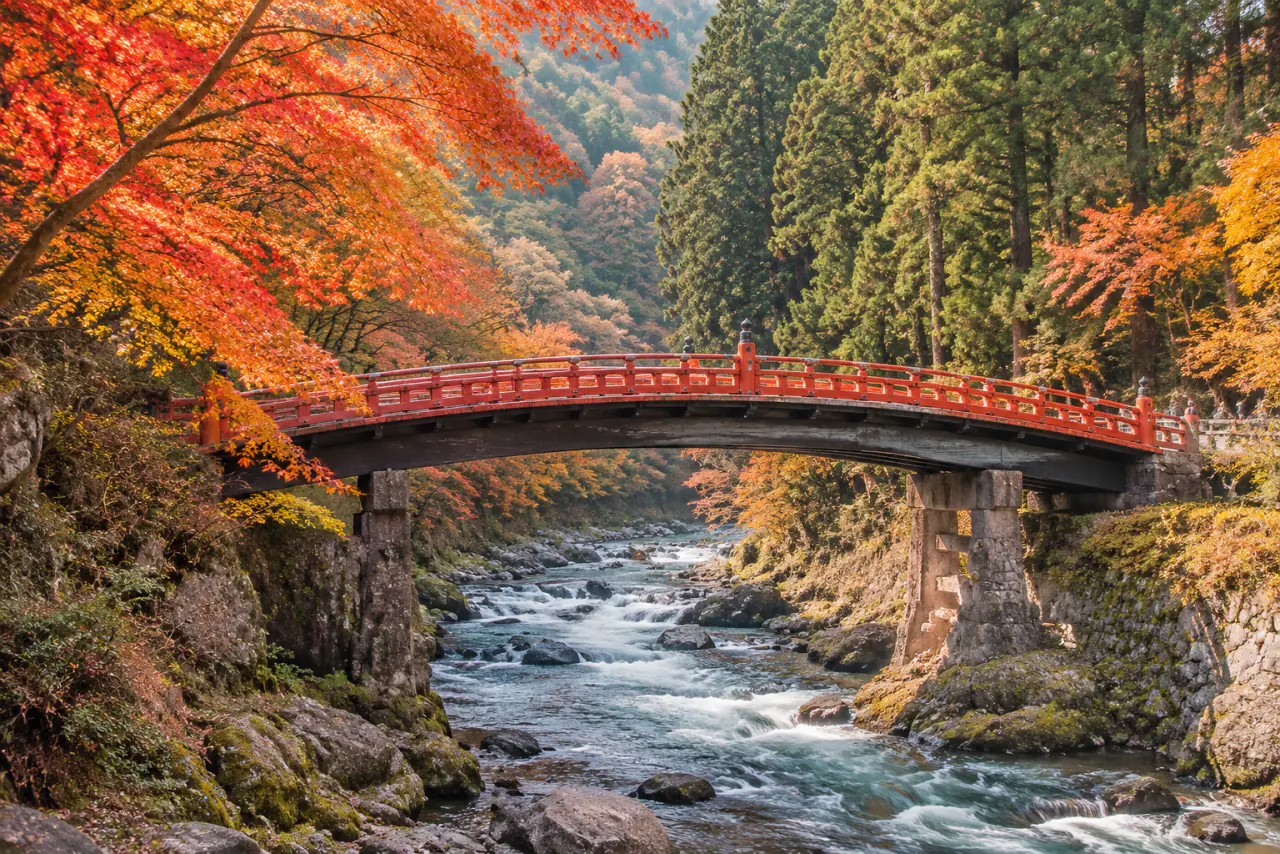
This vermilion arch bridge crosses the Daiya River. It is the first major sight on the way to Tōshō-gū and Nikko's signature gateway. The bridge belongs to Futarasan-jinja. You can pay to walk across it, but most visitors are happy taking photos from the road bridge beside it. In fall, the gorge and colorful trees below set off the vermilion bridge—a classic Nikko postcard view.
It is about a 20-minute walk from Tobu-Nikko Station along the main street, with plenty of old shops to browse along the way.
-
 3
Kegon Falls
華厳滝
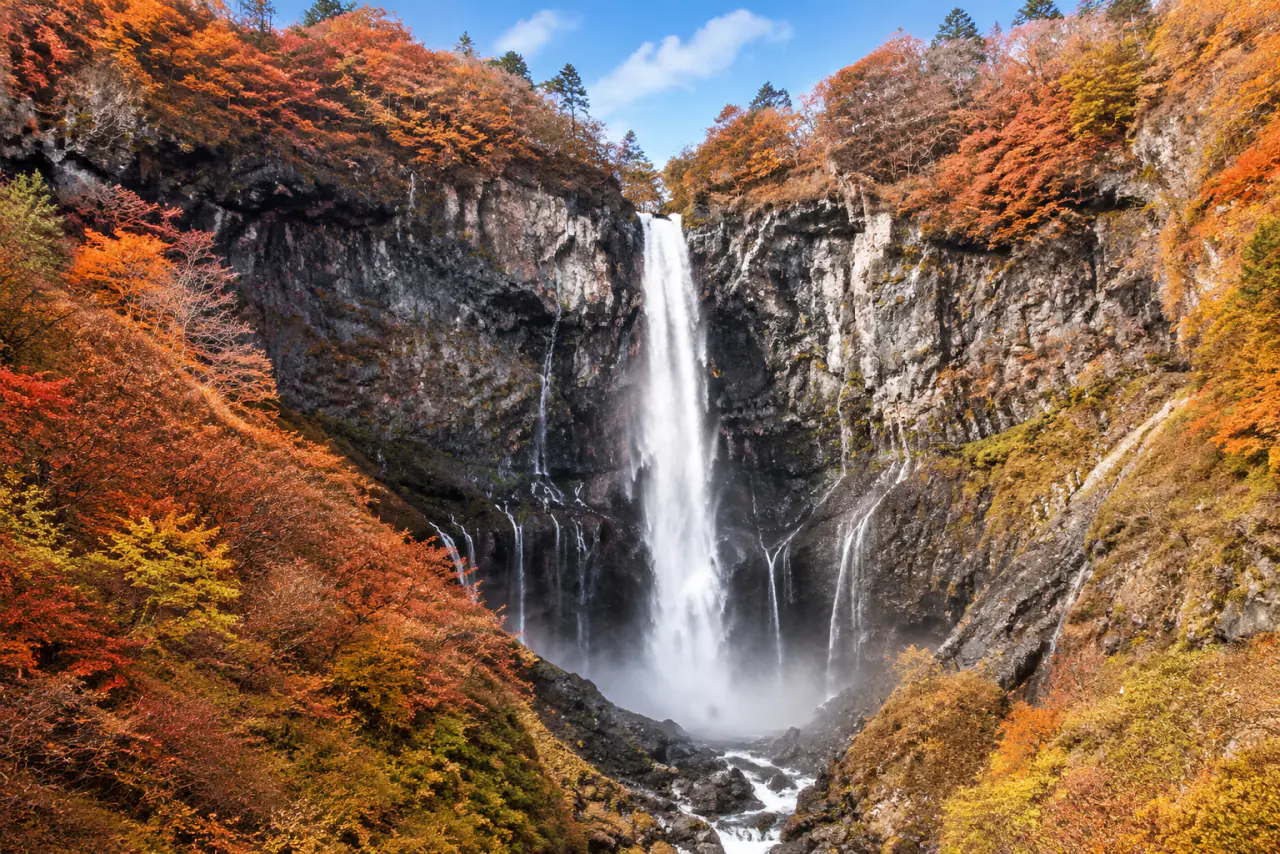
Water from Lake Chūzenji plunges nearly 100 meters over a cliff. It is one of Japan's three most famous waterfalls. The upper observation deck is free. Take the elevator down to the observation deck about 100 meters below for a dramatic head-on view. The surrounding colors are at their best in mid-to-late October, and the falls freeze into icicles in winter.
The bus from Nikko Station takes about 50 minutes via the Irohazaka winding road. On fall-color weekends, traffic can add several hours, so leave early.
-
 4
Lake Chūzenji
中禅寺湖
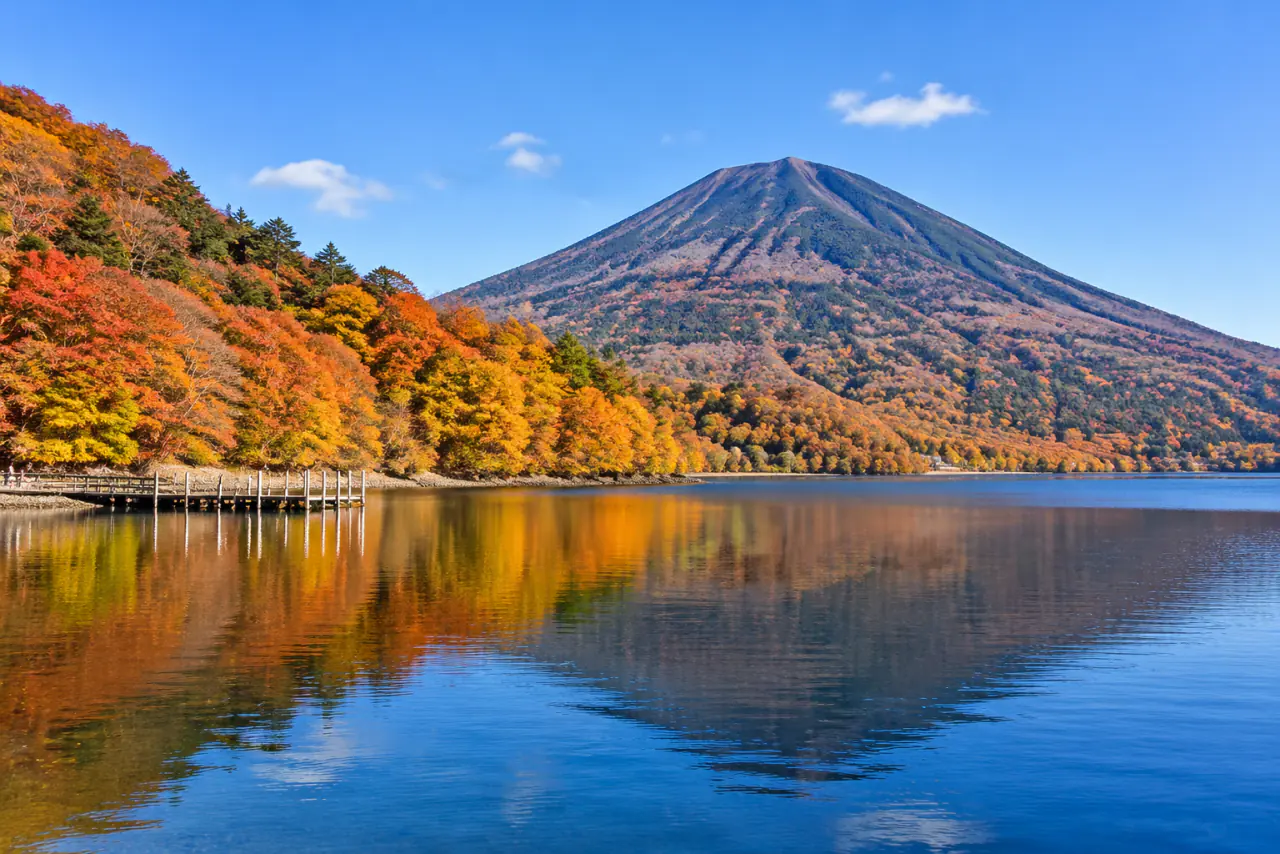
This high-altitude lake sits at about 1,270 meters. It is cool in summer and became a summer retreat for foreign embassies after the Meiji period. Former embassy villas remain along the shore and are open to visitors. The fall colors arrive two or three weeks earlier than in central Nikko. Walk north along the lake to Ryūzu Falls and the Senjōgahara Wetland on an easy half-day trail. Early summer and fall are the most comfortable seasons.
Sightseeing boats operate from mid-April to November. The lakeshore is very cold in winter, and many shops close early.
-
 5
Kinugawa Onsen
鬼怒川温泉
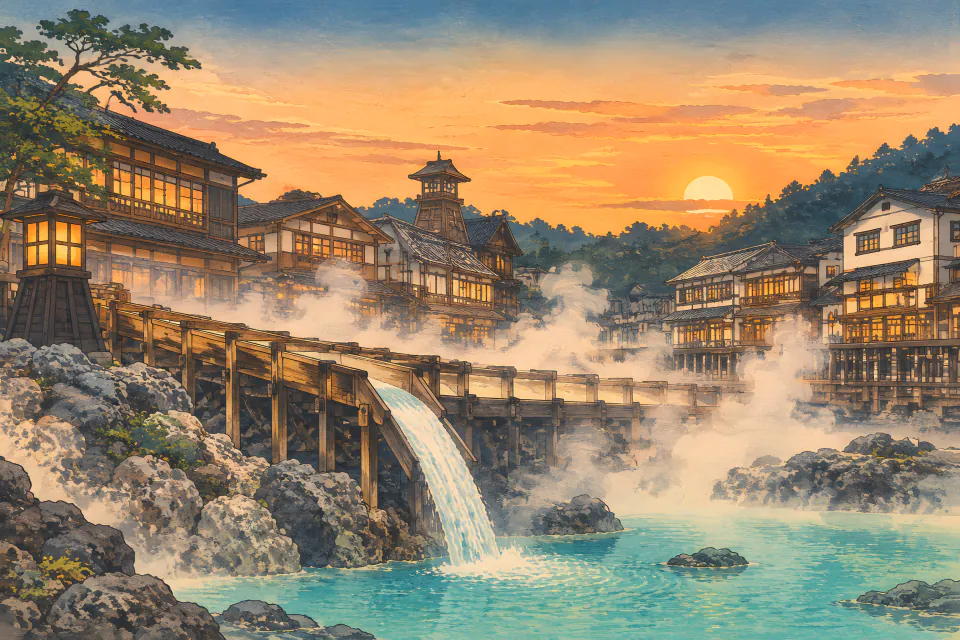
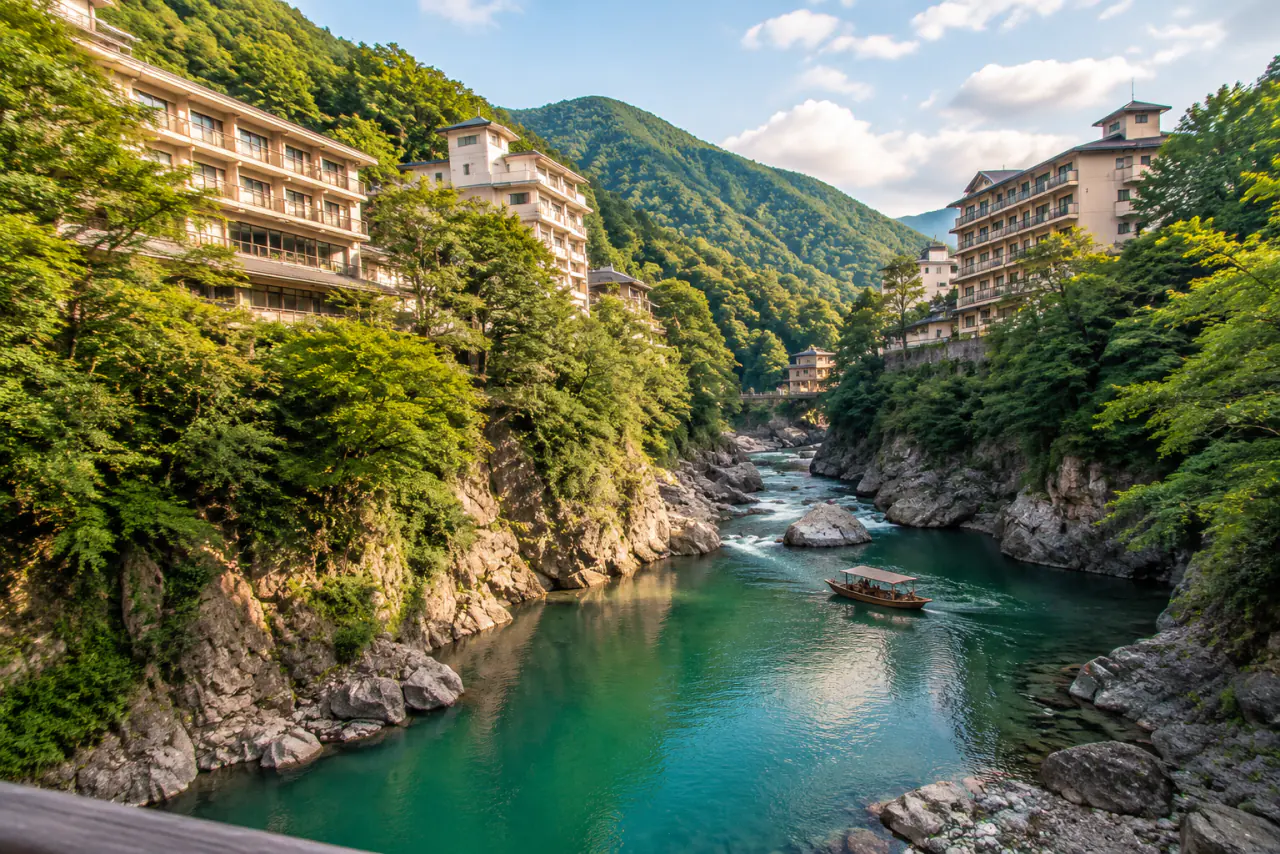
Large hot-spring hotels line both sides of the Kinugawa Gorge. The Tobu Limited Express runs directly from Asakusa, making access easy. The mild waters are a good choice if you are new to hot springs. Nearby attractions include Edo-themed parks, Tobu World Square with its miniature buildings from around the world, and cruises through the gorge. It is a good place for a 1-night family stay.
Use a Tobu rail pass for both Nikko and Kinugawa, and combine 1 night in Nikko with 1 night in Kinugawa.
-
 6
Ashikaga Flower Park
あしかがフラワーパーク
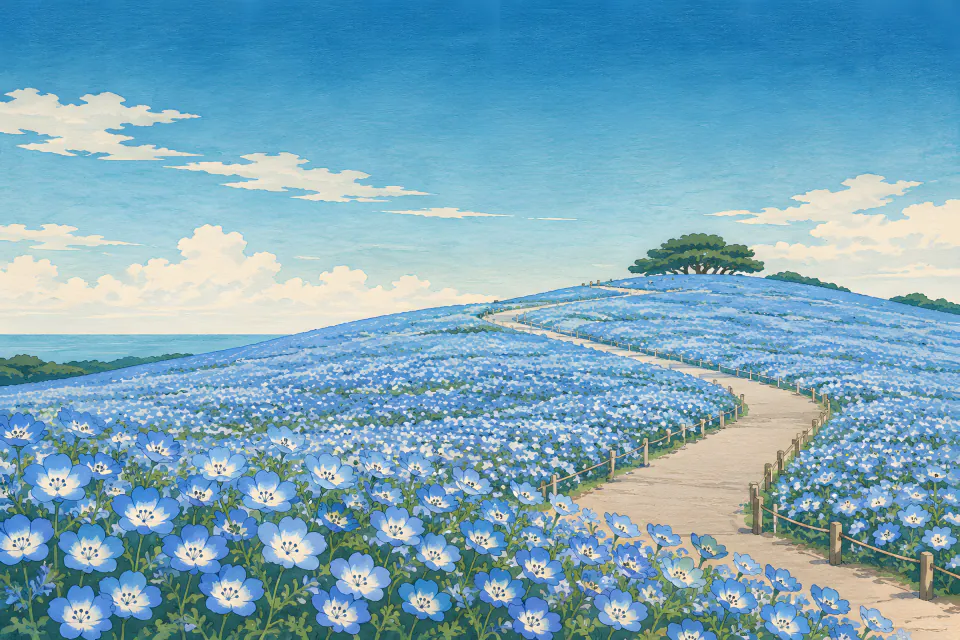
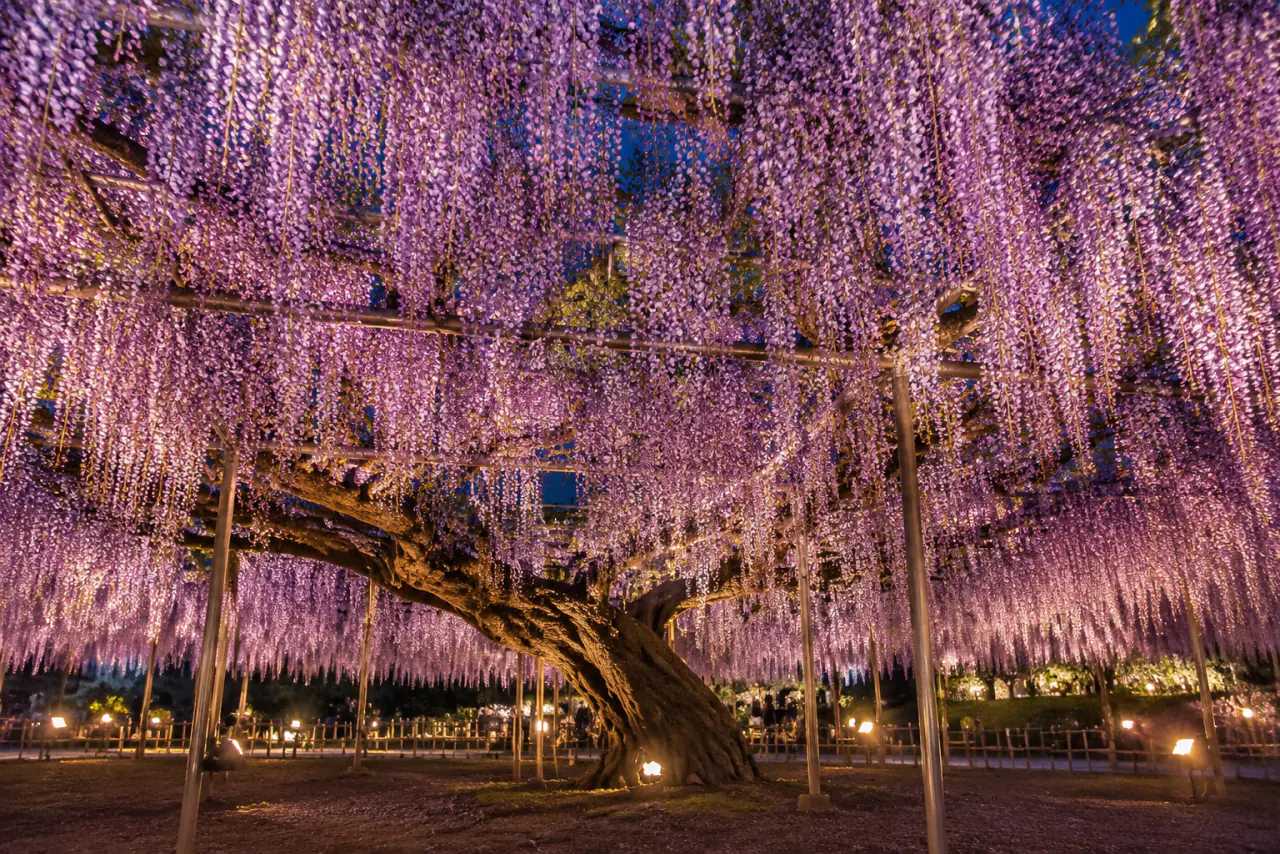
The park is famous for its wisteria. A 160-year-old wisteria spreads across its trellis like a purple ceiling, while a white wisteria tunnel stretches about 80 meters. The Wisteria Festival runs from mid-April to mid-May, and the park feels even more dreamlike after the evening lights come on. Admission varies with the day's bloom conditions. JR's Ryōmō Line has a dedicated Ashikaga Flower Park Station, a 3-minute walk from the entrance.
Enter in the late afternoon to see the sunset and stay for the lights. There is also a large winter illumination show.
-
 7
Ōya History Museum
大谷資料館
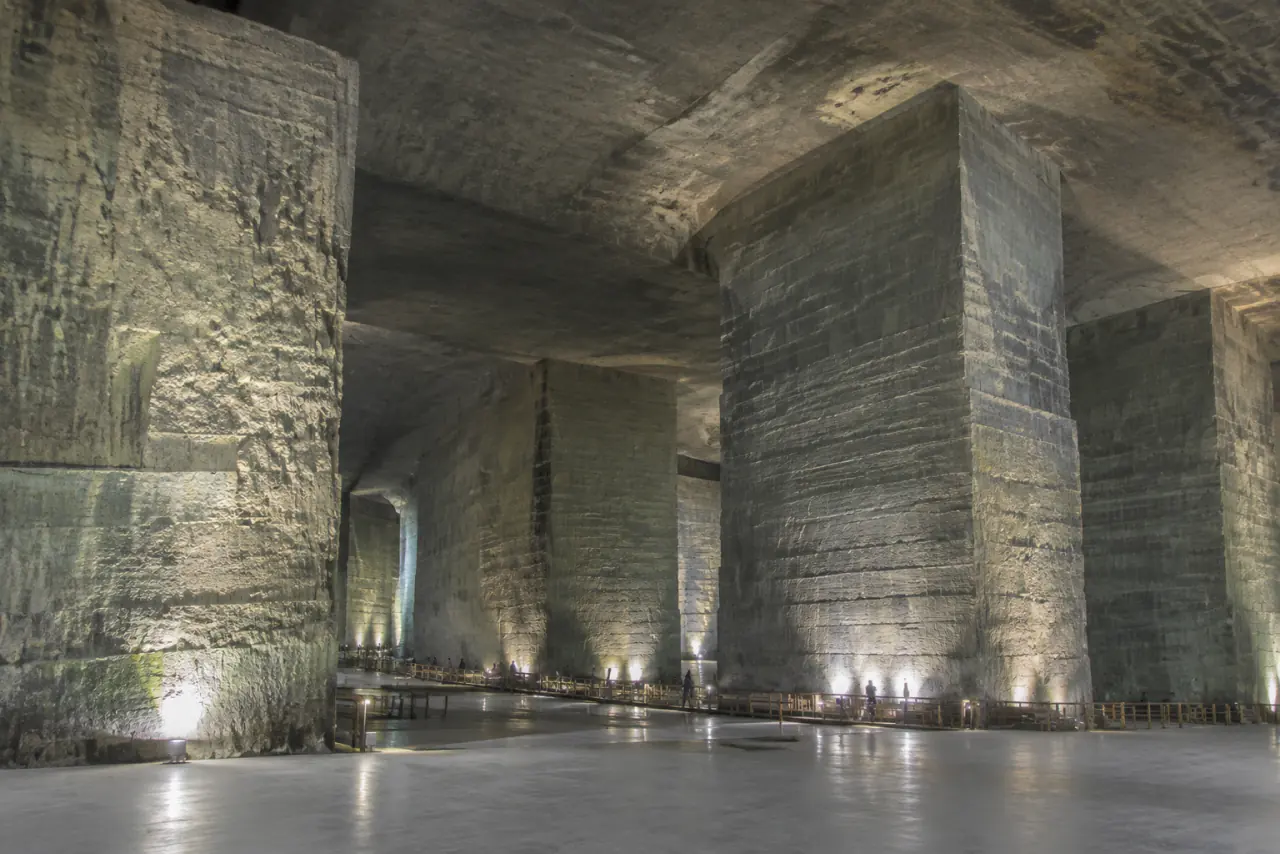
This former underground Ōya stone quarry was excavated by hand over several decades, leaving a vast space lined with layers of pillars and stone walls. It feels like an underground cathedral and is often used for films and music videos. It stays cool year-round, so bring a jacket even in summer. Buses run directly from Utsunomiya Station, making it an easy stop after gyoza.
The floor is slippery, so wear shoes with good traction. Ōya-ji Temple and the Great Ōya Kannon can be visited nearby.
-
 8
Nasu Highlands
那須高原
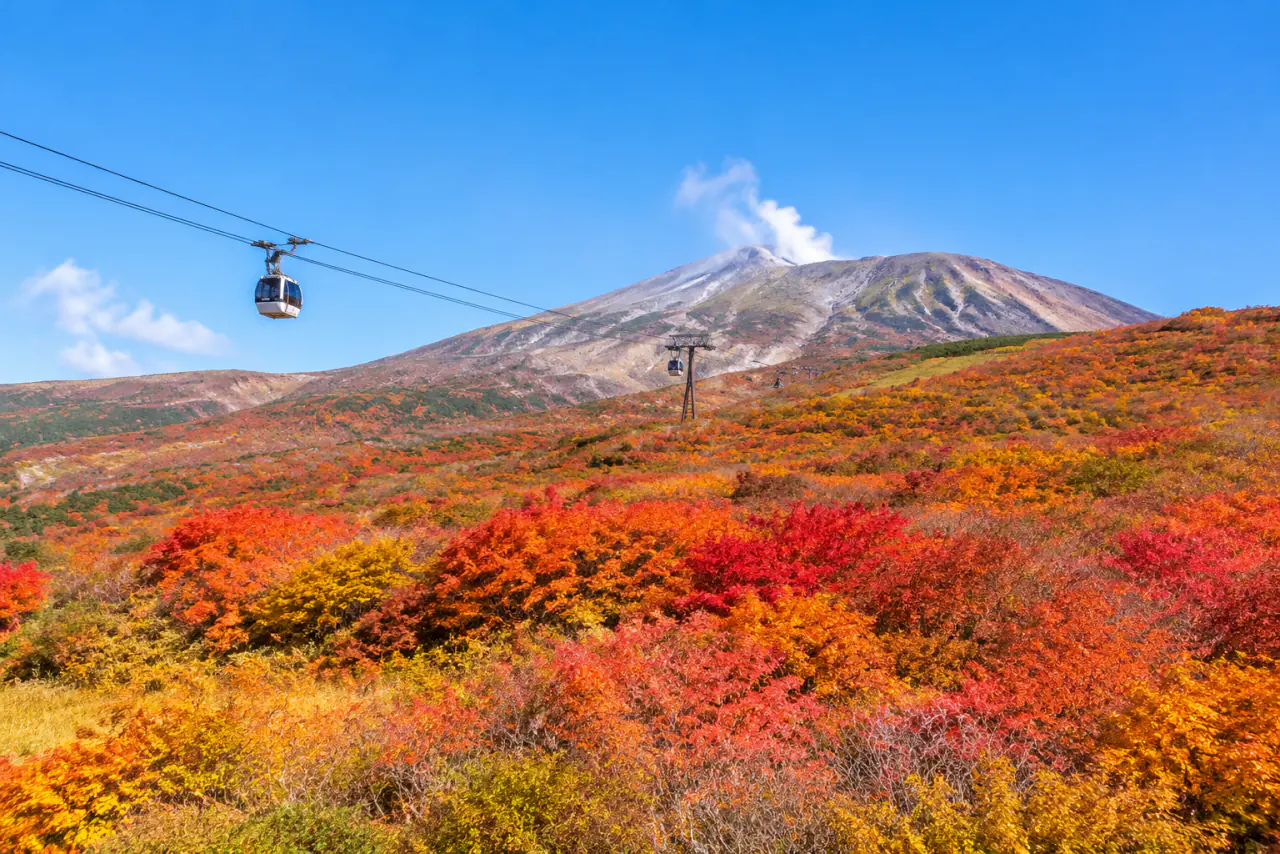
This highland resort area lies at the foot of Mount Nasu. It has farms, zoos, museums, and many hot-spring inns. Summers are much cooler than in Tokyo, and the area is a summer retreat for the Japanese imperial family. A ropeway climbs the mountain, and the fall colors are beautiful. Sights are spread out and buses are infrequent, so plan to stay 1–2 days and explore at a relaxed pace.
Buses between attractions are infrequent. Driving requires a licence or permit that Japan recognises; the rules depend on where your licence was issued.
What to eat
Utsunomiya gyoza
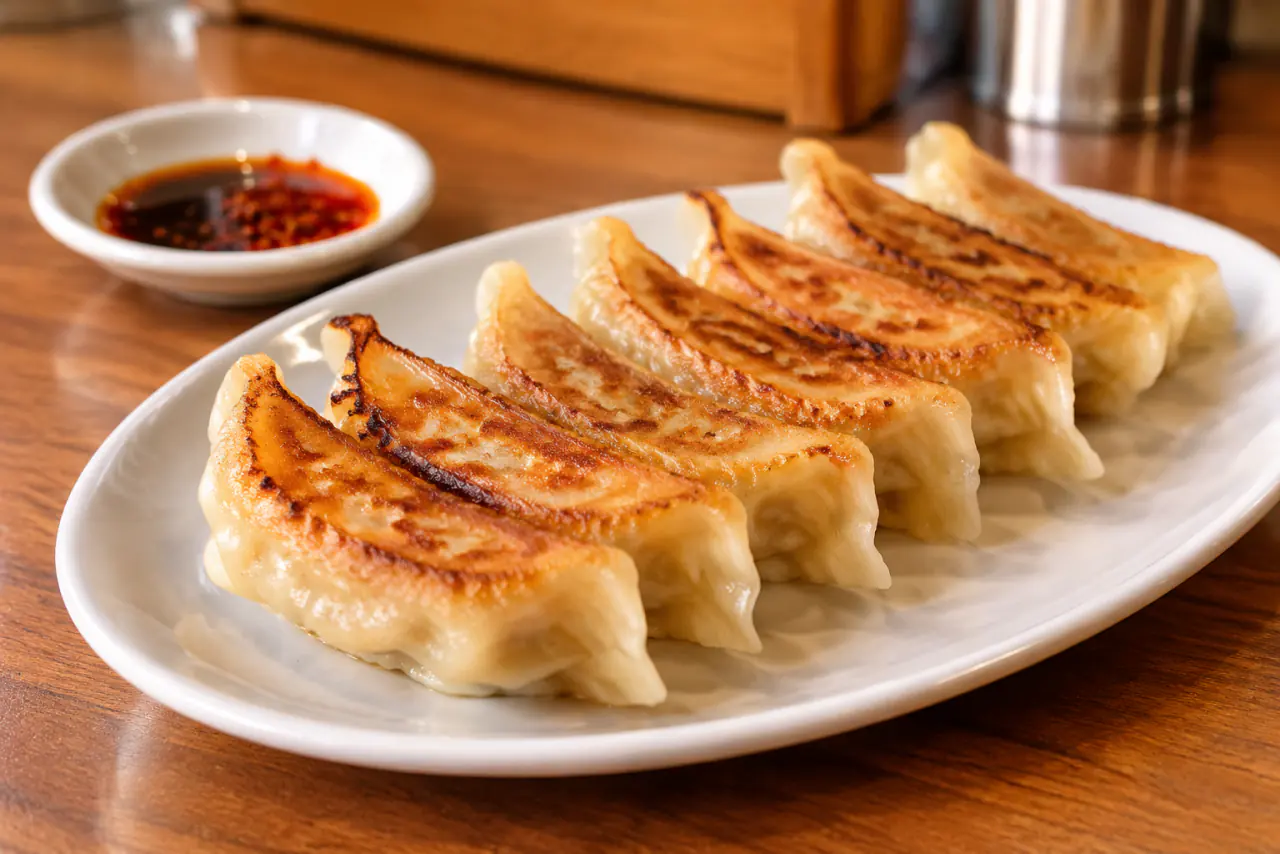
Utsunomiya calls itself Japan's gyoza capital. The filling is mainly cabbage, napa cabbage, and chives. The wrappers are thin and the filling is generous, with pan-fried, boiled, and deep-fried versions available. Gyoza shops cluster around the station, and plates are inexpensive, so order from several places and compare them. There is also a gyoza statue in front of the station for a quick photo.
Around JR Utsunomiya Station · about ¥300–600 per plate
Nikko yuba
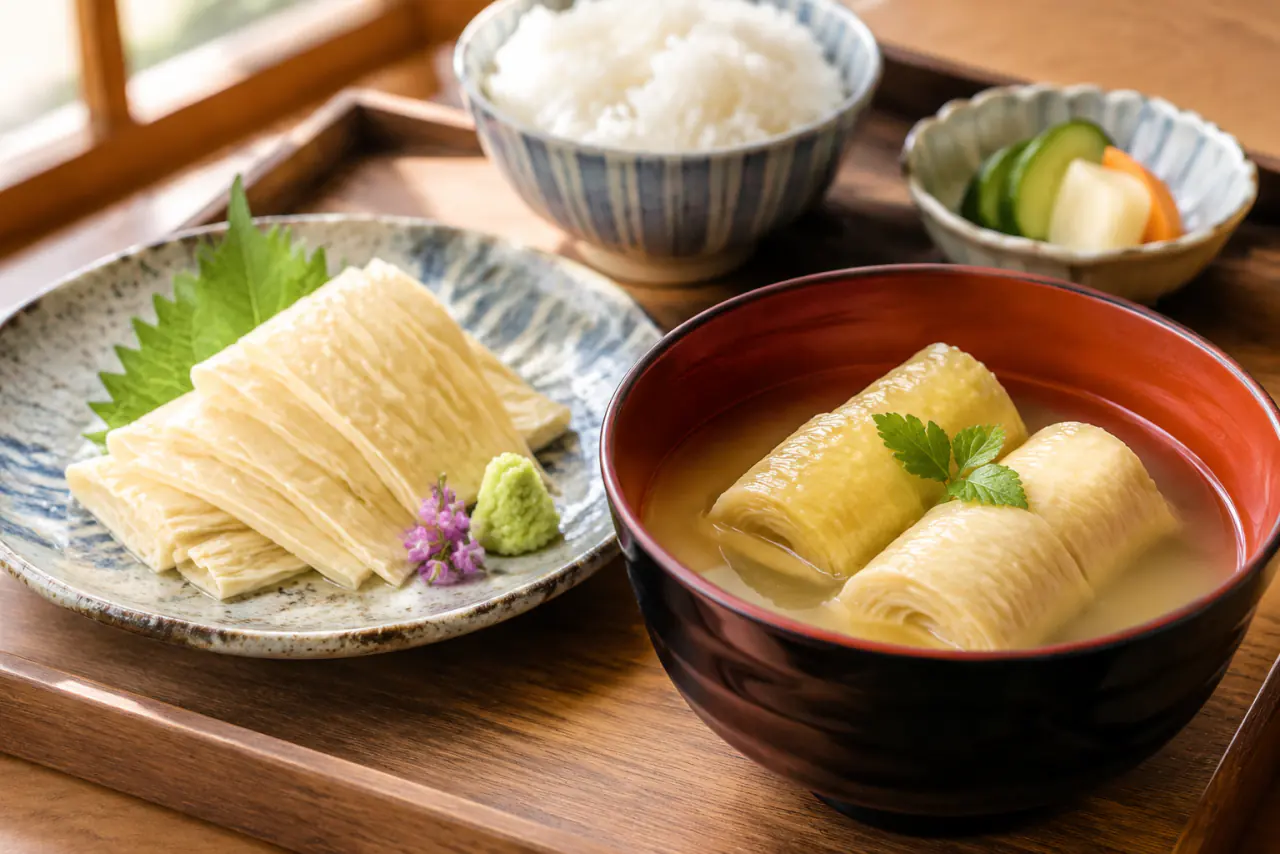
Yuba is the thin skin that forms on the surface of heated soy milk. In Nikko, it is lifted from the center, folded, and rolled into a thick coil, giving it a firmer texture than Kyoto-style yuba. The Nikko area has many restaurants specializing in yuba dishes. Order a set yuba meal, and vegetarians will have plenty of options.
The main street between Tōshō-gū and Shinkyō Bridge · about ¥1,500–3,000 per person

Tochigi strawberries
Tochigi is Japan's top strawberry-producing prefecture. Tochiotome and Skyberry are local varieties known for their sweetness and rich aroma. From January to May, many farms let visitors pick and eat strawberries as much as they like. Station shops and highway rest stops also sell seasonal strawberry desserts.
Farms around Utsunomiya and Mooka, plus station dessert shops
Getting there · Where to stay
The Tobu Limited Express, including SPACIA X, takes about 1 hour 50 minutes to Tobu-Nikko. Some trains require a transfer at Shimo-Imaichi.
The Tohoku Shinkansen takes about 50 minutes. Transfer to the JR Nikko Line, which takes a little over 40 minutes to Nikko. JR Passes are valid.
The Tohoku Shinkansen takes about 75 minutes to Nasushiobara. From there, take a bus for about 50 minutes to Nasu-Yumoto Onsen.
In Nikko, stay near Tobu-Nikko Station or Lake Chūzenji. Head into the mountains early the next morning to avoid traffic. For hot springs, stay in Kinugawa. For Nasu, stay around the Nasu Highlands.
Know this before you go
- The Tobu NIKKO PASS for the World Heritage area costs about ¥3,000 for 2 days. It includes round-trip travel from Asakusa and buses in the area. The limited express costs extra.
- If you plan to spend several days around Lake Chūzenji and Oku-Nikko, buy the 4-day all-area pass for about ¥8,000. It includes a lake cruise, which operates seasonally.
- Nikko's mountain areas are much colder than Tokyo. Bring a jacket for cool spring and fall mornings and evenings. Mountain roads may be icy in winter.
- There are many stairs around Tōshō-gū, making a stroller inconvenient. A baby carrier works better.