Cloudborne Travel
Aomori sits at the northern tip of Honshu. The shinkansen from Tokyo to Shin-Aomori takes about 3 hours. Three things stand out: the Nebuta Festival in early August, cherry blossoms at Hirosaki Castle, and the Oirase Stream flowing from Lake Towada. In winter, Mount Hakkoda is known for heavy snow. Rime-covered trees and a soak in Sukayu Onsen are unforgettable.
The sights are spread out across the prefecture. Plan one relaxed day each for Aomori City, Hirosaki, and Towada-Oirase. Without a driver's license, you'll mainly rely on JR trains and seasonal buses, so check the schedules before you go. The shinkansen from Hakodate in Hokkaido takes about 1 hour, making Aomori easy to combine with Hakodate.
Hirosaki's cherry blossoms: late April; Nebuta Festival: August 2–7; Oirase fall colors: mid- to late October; Hakkoda's rime-covered trees: January–February.
Monthly weather
Based on AomoriBest time to visit Monthly precipitation (mm) Open-Meteo (ERA5), 1996–2025 average
| Month | Average high (°C) | Average low (°C) | Monthly precipitation (mm) | Days with 1 mm or more of precipitation |
|---|---|---|---|---|
| Jan(Good time to visit) | 1.5 | -3.9 | 71 | 15 |
| Feb(Good time to visit) | 2.5 | -3.6 | 64 | 14 |
| Mar(Good time to visit) | 6.7 | -0.6 | 92 | 15 |
| Apr(Good time to visit) | 14.1 | 5.3 | 87 | 13 |
| May(Good time to visit) | 19.8 | 11 | 99 | 13 |
| Jun(Good time to visit) | 23.6 | 15.8 | 109 | 12 |
| Jul(Good time to visit) | 27 | 20.4 | 158 | 16 |
| Aug(Good time to visit) | 28.4 | 21.5 | 177 | 16 |
| Sep(Good time to visit) | 24.7 | 16.9 | 143 | 12 |
| Oct(Good time to visit) | 18.1 | 9.9 | 116 | 13 |
| Nov(Good time to visit) | 11 | 4.1 | 93 | 15 |
| Dec(Good time to visit) | 3.9 | -1.7 | 90 | 16 |
Sights
-
 1
Hirosaki Castle and Hirosaki Park
弘前城 · Hirosaki Castle
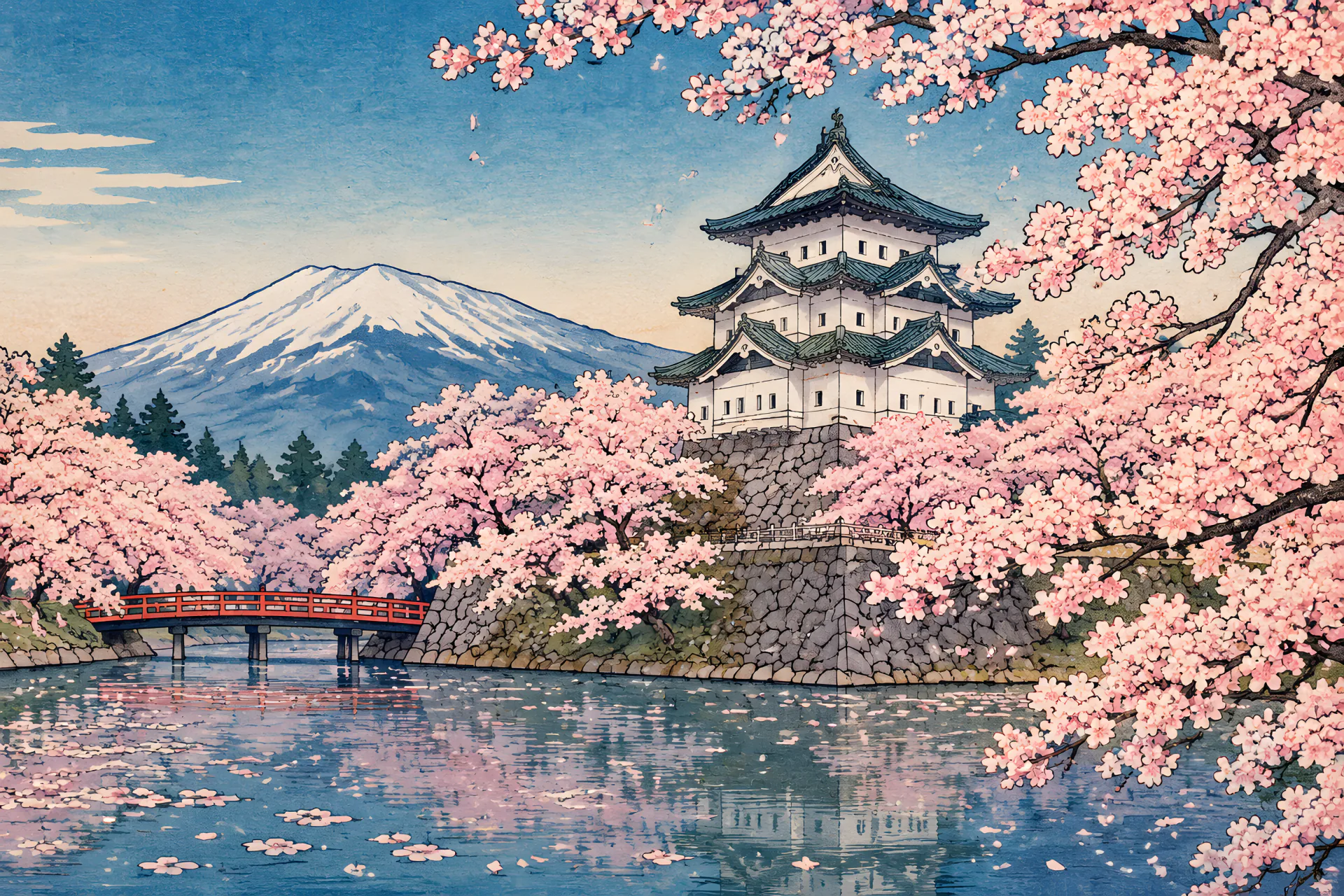
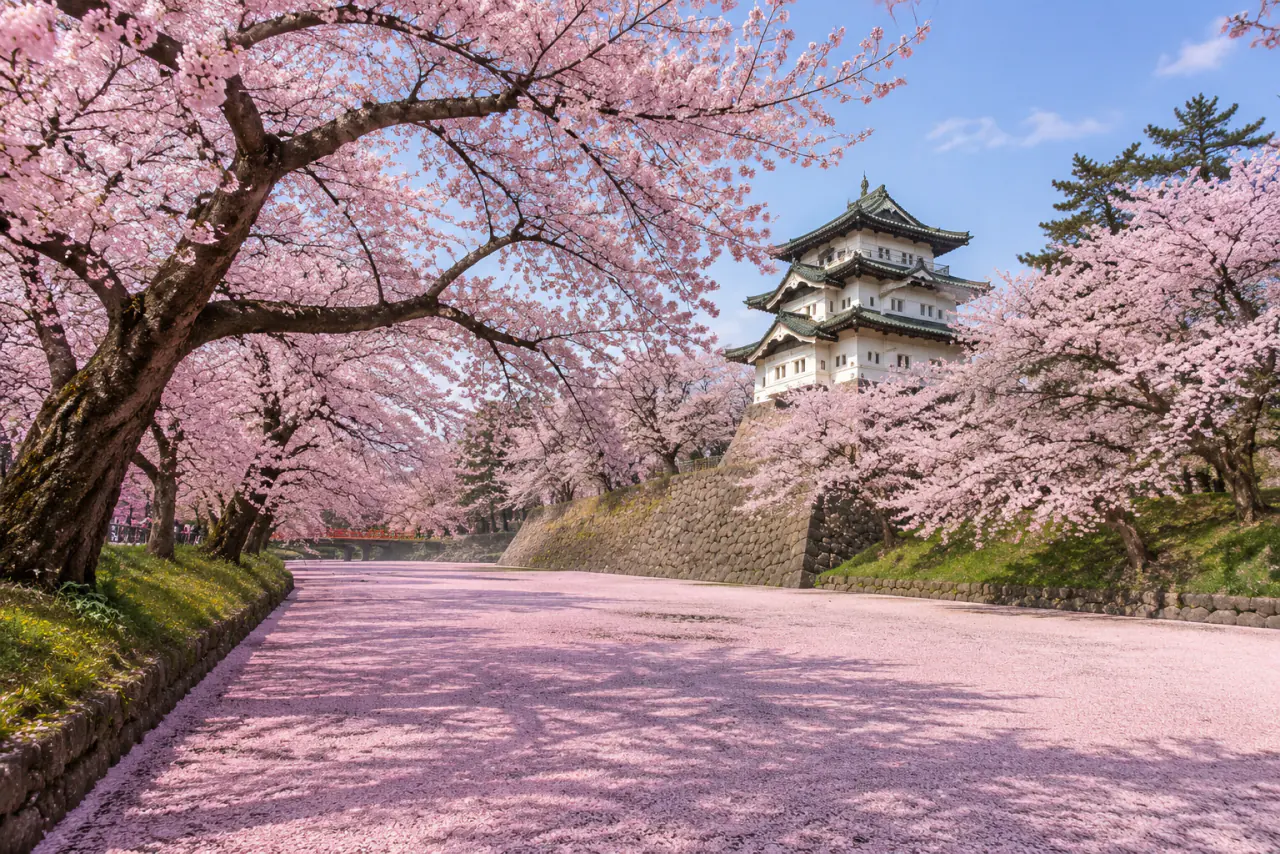
One of Japan's twelve remaining original castle keeps. The park has about 2,600 cherry trees, which bloom in late April. The most photogenic sight is the moat covered with fallen petals, known as a 'flower raft.' The fall colors and February Snow Lantern Festival are also worth seeing. From Aomori, Hirosaki Station is about 40 minutes by JR Ou Main Line.
The paid area around the main keep is free from November 24 through the end of March. Visit early in the morning during cherry blossom season for the fewest crowds.
-
 2
Oirase Stream
奥入瀬渓流
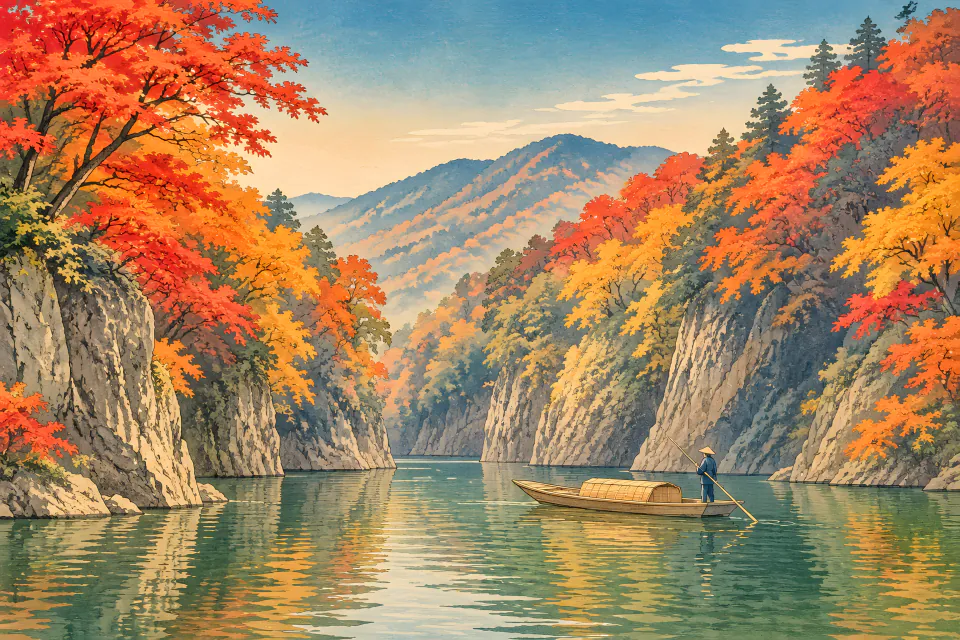
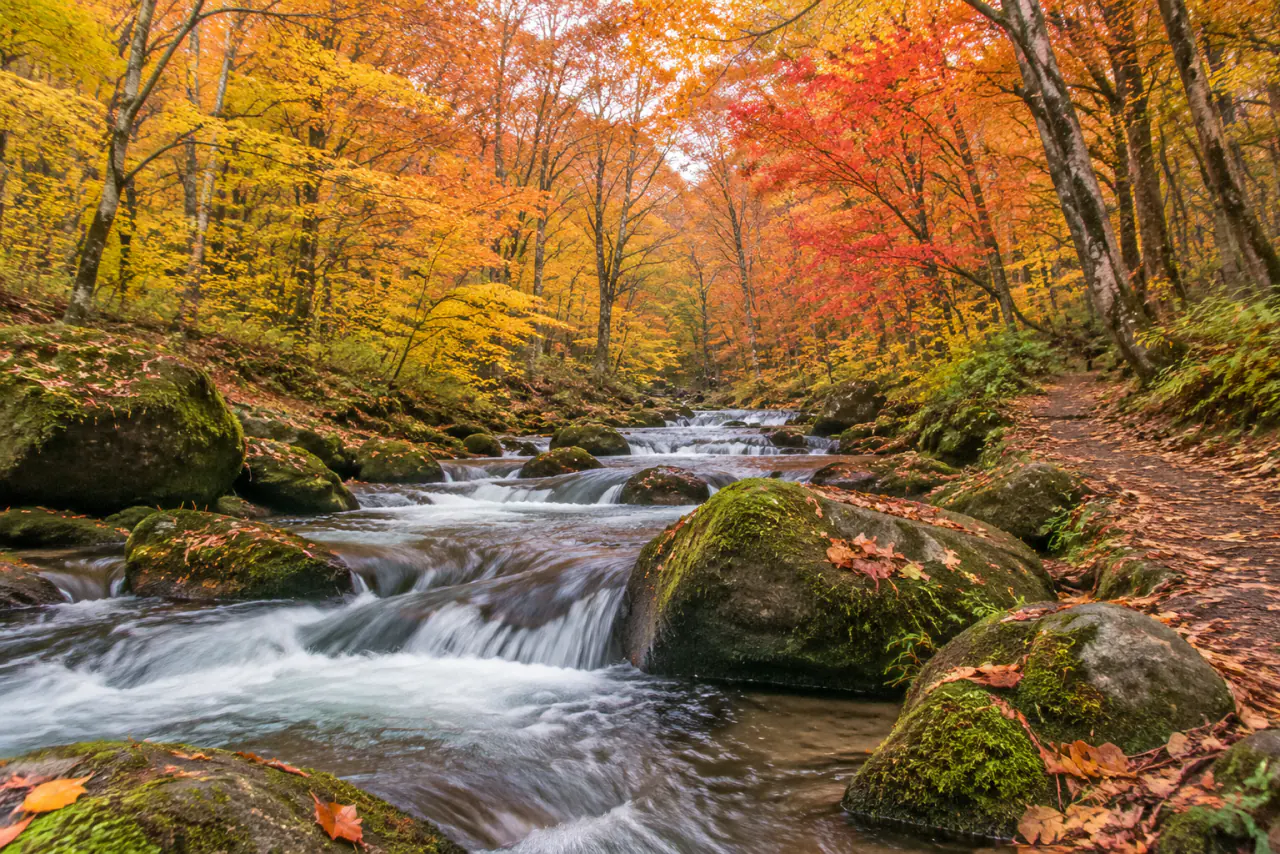
This stream runs about 14 kilometers downstream from Nenokuchi on Lake Towada. Waterfalls appear one after another along the mostly gentle trail. Walking the entire route takes most of a day. Most visitors choose the section from Ishigedo to Nenokuchi, walking partway and taking the bus for the rest. Fresh greenery in May–June and fall colors in mid- to late October are the best times to visit.
Traffic is heavy on weekends during fall color season, so leave in the morning. Wear shoes with good traction; the rocks are very slippery after rain.
-
 3
Hakkoda Ropeway
八甲田ロープウェー
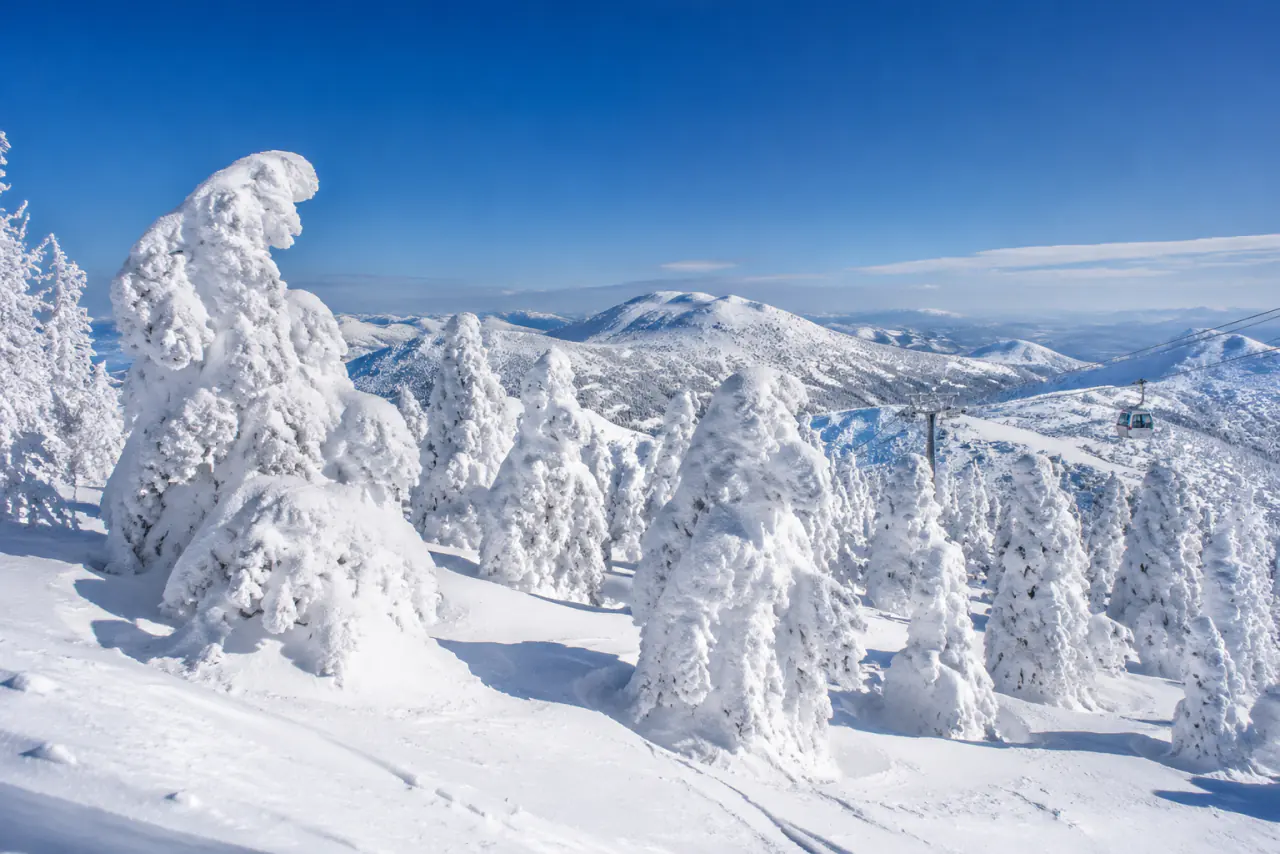
The ride to Sancho Park Station takes about 10 minutes. On clear days, you can see Mutsu Bay. In January–February, wind and snow turn the fir trees at the summit into 'snow monsters,' making this one of Tohoku's best places to see rime-covered trees. In fall, the mountain slopes change color earlier than the lowlands, with peak color around early October.
Service may stop in strong winds, so check the official operating status before you leave. Temperatures at the summit can fall below -10°C in winter.
-
 4
Sukayu Onsen
酸ヶ湯温泉
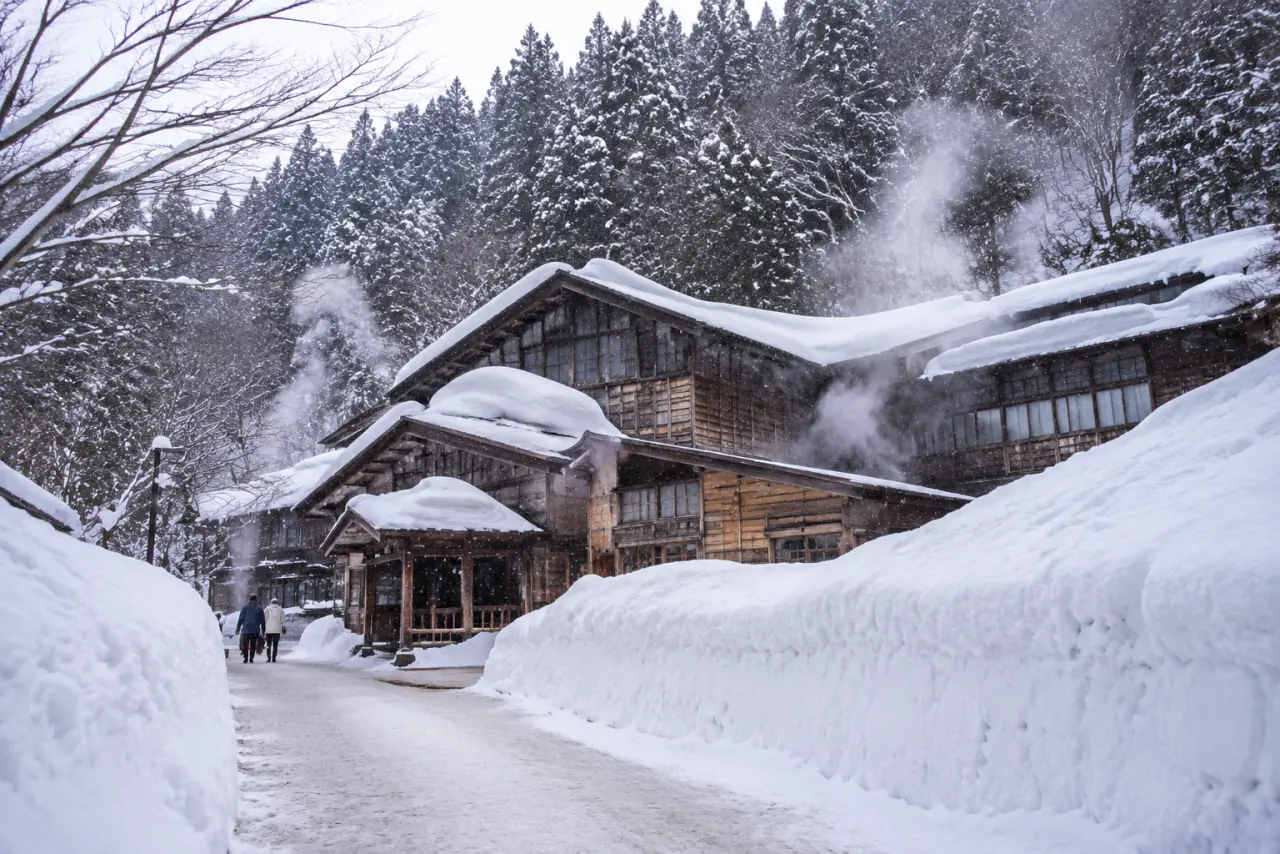
This historic hot-spring ryokan sits in the Hakkoda Mountains. Its signature bath is Sen-nin Buro, a huge wooden bathhouse with milky, acidic water. Traditionally, the bath is mixed-gender, with designated hours for women. Snowfall often reaches two or three meters in winter. The ryokan is on the same bus line as the Hakkoda Ropeway, so the two make a good combination.
Women who prefer not to use the mixed-gender bath can visit during the women-only hours. Rinse off after bathing in the acidic water.
-
 5
Sannai-Maruyama Site
三内丸山遺跡
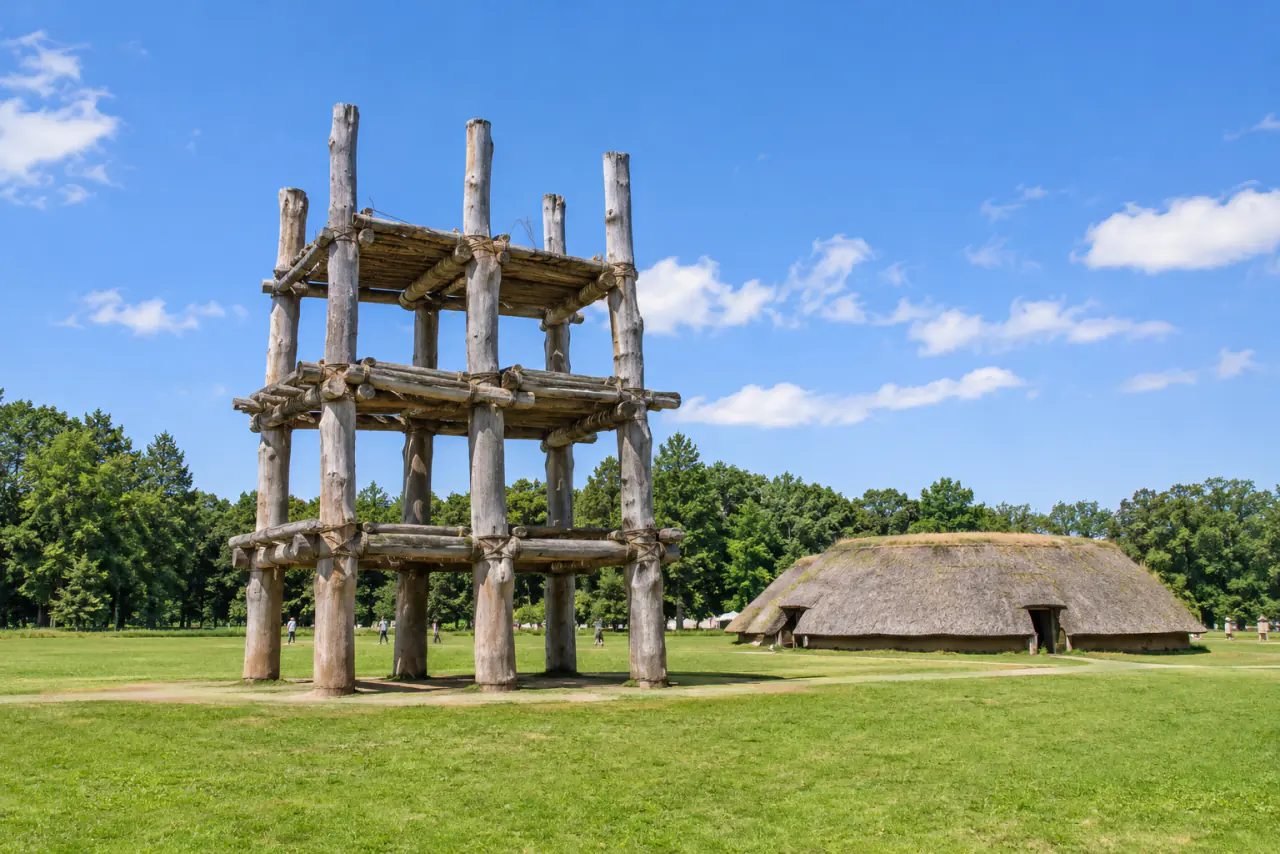
The remains of a large Jomon-period settlement dating back about 5,000 years, now a World Cultural Heritage site. The most striking feature is a reconstructed raised structure made with six huge chestnut posts. The museum has many pieces of pottery and clay figurines. Next door, the Aomori Museum of Art makes an easy half-day combination.
Closed on the 4th Monday of each month. From June–September, it stays open until 6 p.m.
-
 6
Aomori Museum of Art
青森県立美術館
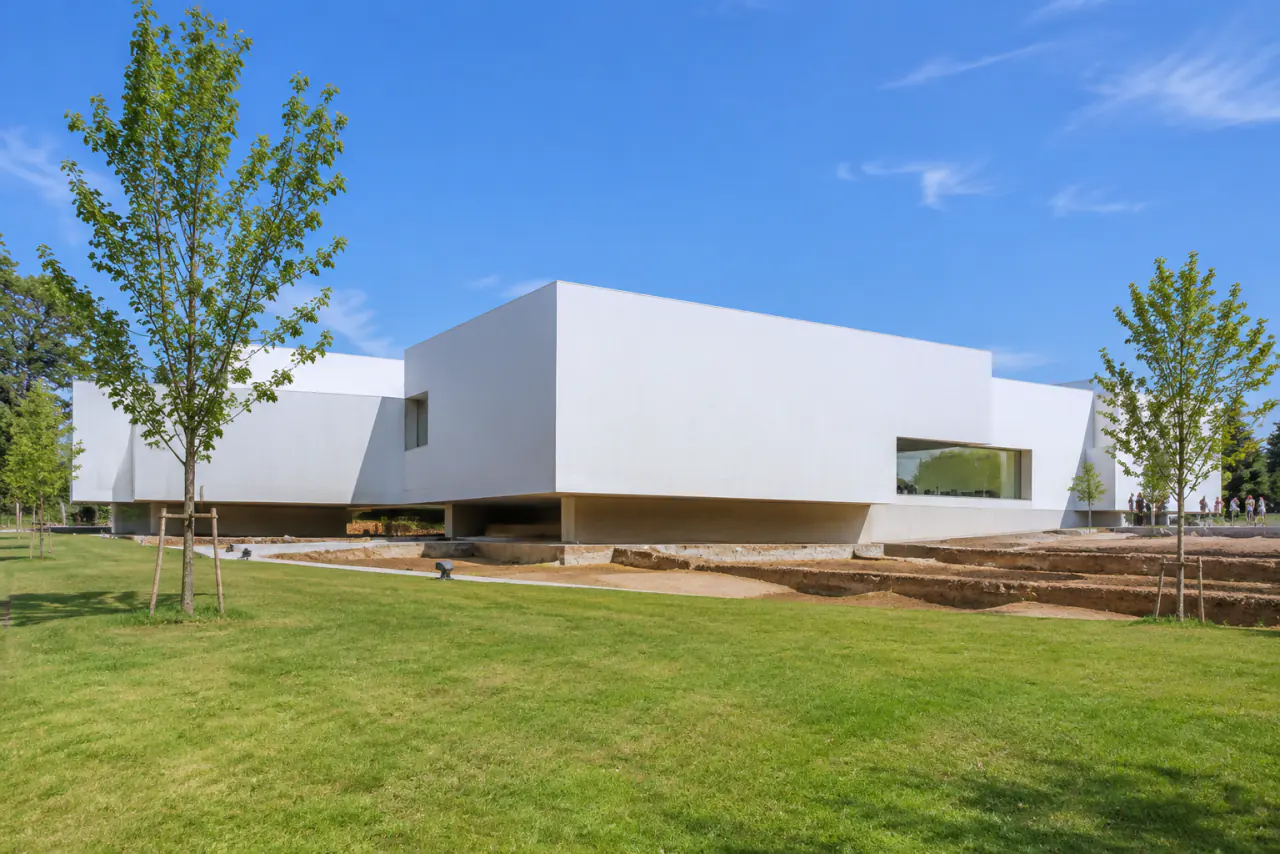
The white, boxlike building is set into an excavated pit and is worth seeing in its own right. The museum has many works by Aomori-born artist Yoshitomo Nara, including the must-see outdoor Aomori Dog, which stands more than eight meters tall. A huge backdrop painted by Marc Chagall for a ballet fills an entire lofty gallery.
Aomori Dog is outdoors, and the path may be closed when there is snow in winter.
-
 7
Nebuta Museum WA-RASSE
ねぶたの家 ワ・ラッセ
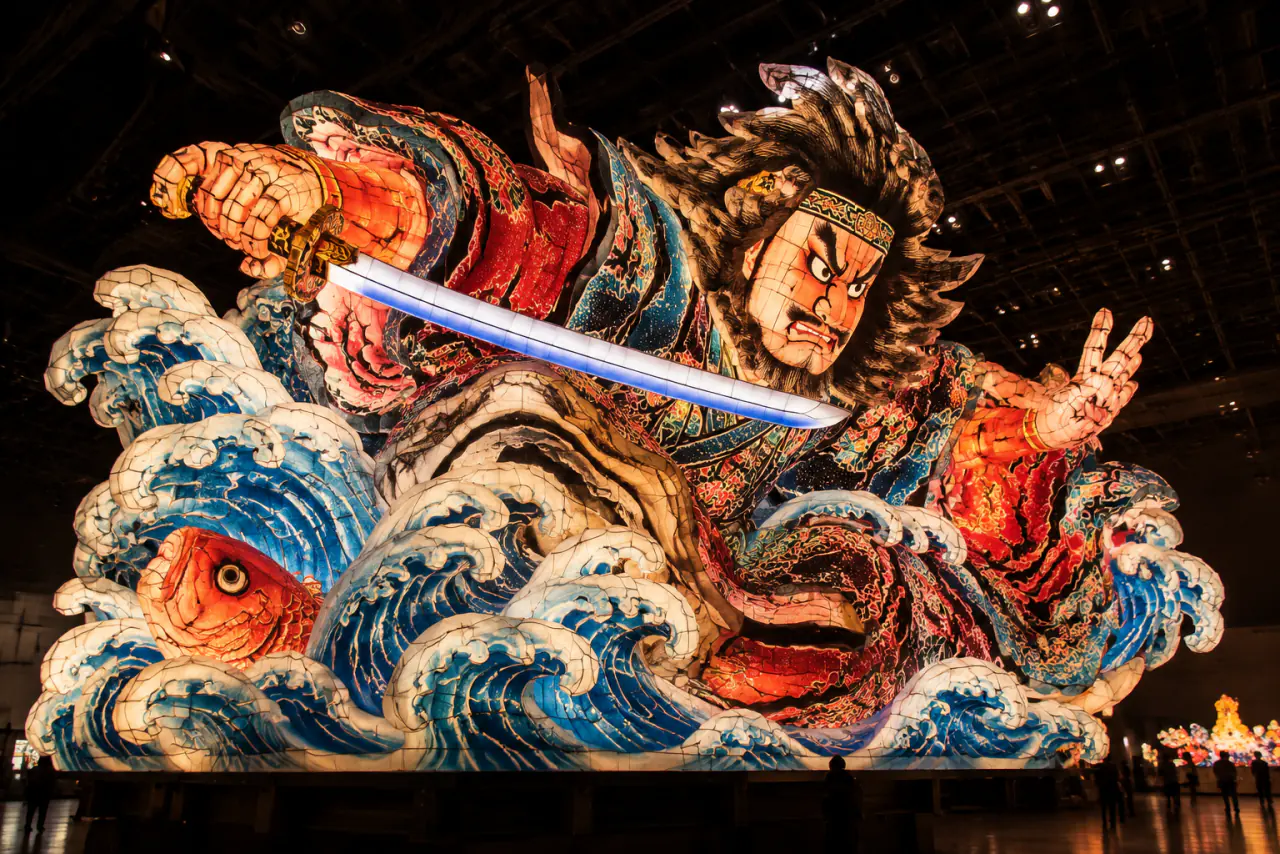
Just a short walk from Aomori Station, this museum displays several enormous lantern floats that took part in the Nebuta Festival. You can get close to their frames and painted details. If you miss the festival on August 2–7, this is the next best way to experience it. Drumming and dancing demonstrations are sometimes available.
It's by the waterfront, so stop by nearby A-FACTORY to buy cider.
-
 8
Juniko Lakes
十二湖
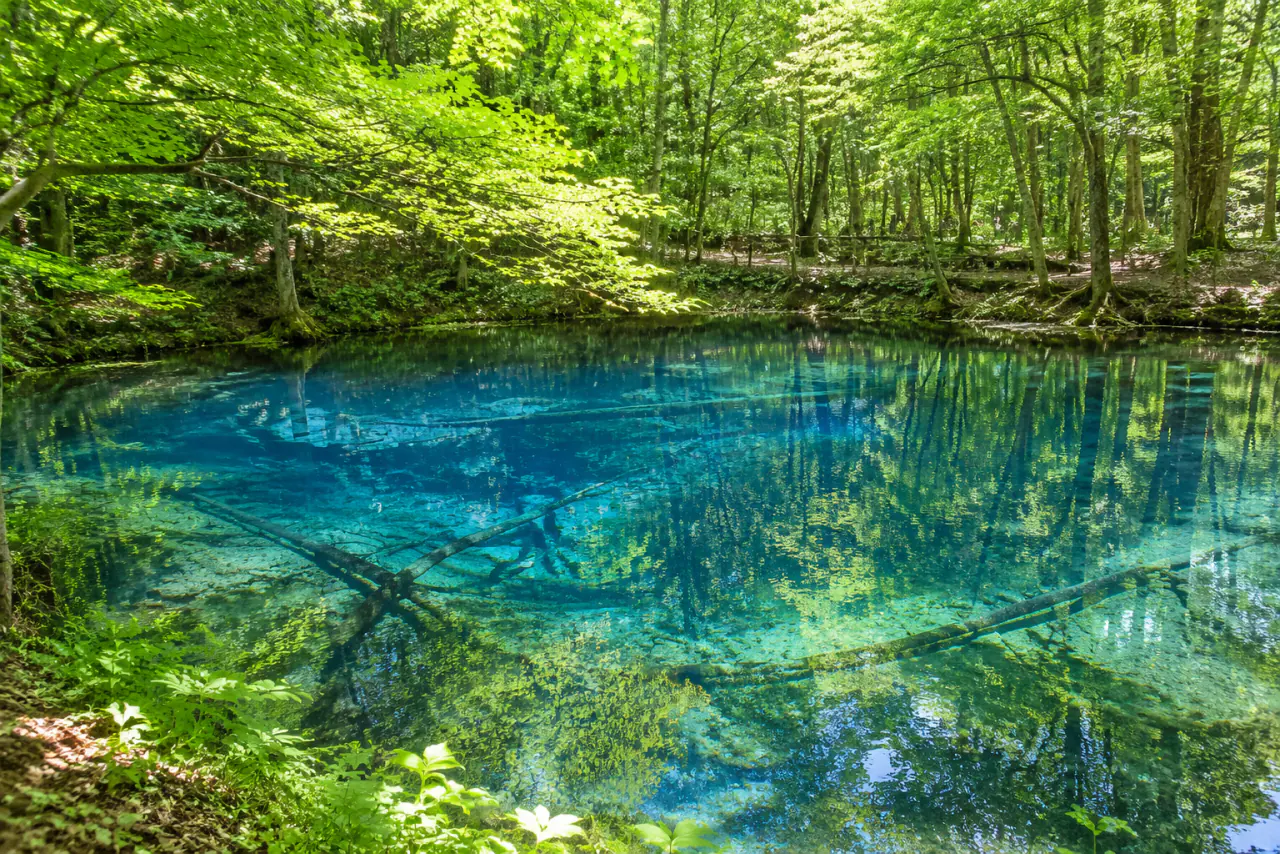
A group of small lakes scattered along the edge of the Shirakami Sanchi mountains. The most famous, Aoike, is an intense blue, like blue ink poured into the water. A loop through the beech forest takes about 1 hour. Juniko is often combined with the Resort Shirakami sightseeing train on the JR Gono Line. The slow ride along the Sea of Japan coast is an attraction in itself.
The Gono Line has infrequent service, and all seats on the sightseeing train are reserved. Book ahead.
What to eat
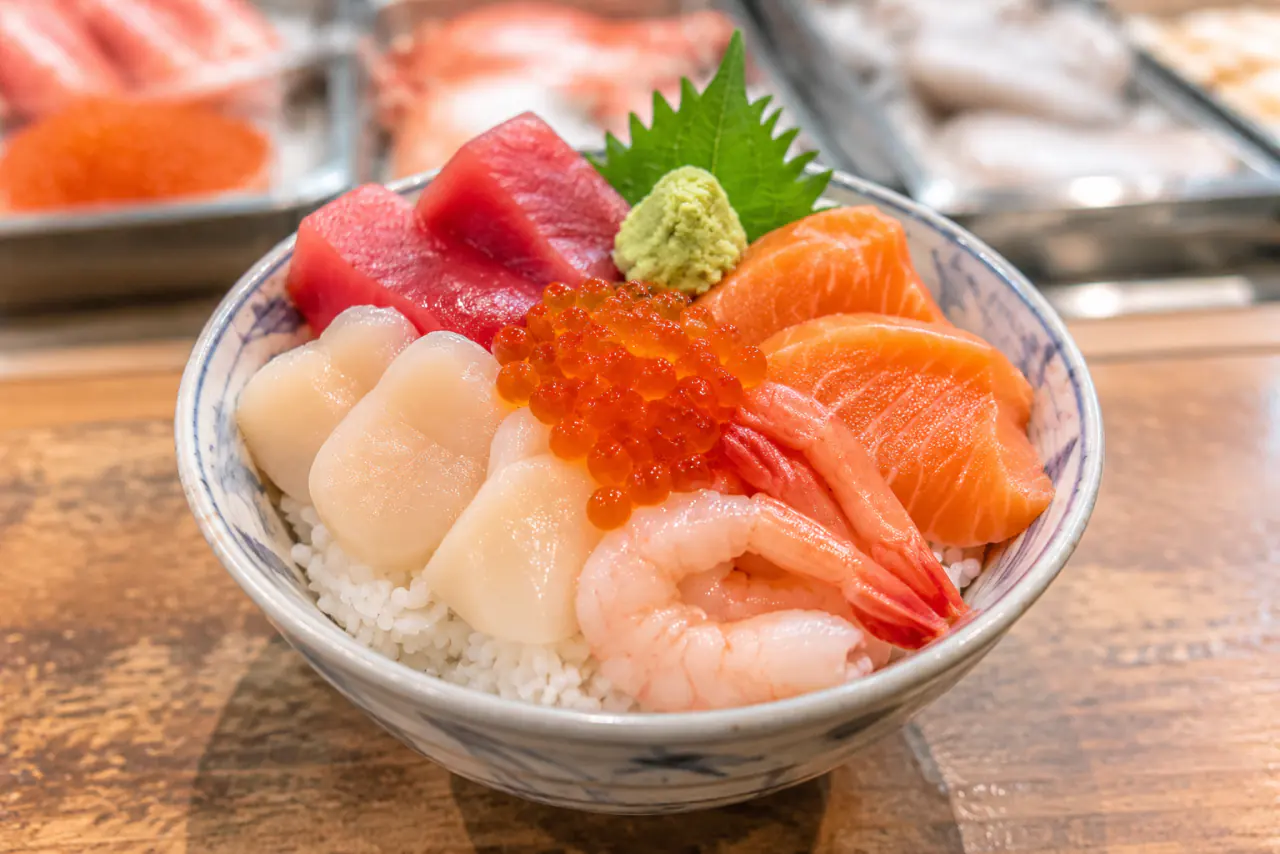
Nokkedon seafood bowl
First, buy a stack of meal tickets and exchange one for a bowl of white rice. Then walk through the market and use the tickets to add portions of whatever catches your eye, such as tuna, scallops, or roe. You choose the combination and control the amount.
Aomori Furukawa Fish Market near Aomori Station · About ¥1,500–3,000 per bowl

Aomori apples
Aomori grows more apples than any other prefecture in Japan, with the most orchards around Hirosaki. The fresh-fruit season runs from fall into early winter, when you can try many varieties that are uncommon elsewhere. Apple pie, juice, and cider are also worth trying.
Dessert shops in central Hirosaki and A-FACTORY at Aomori Station · About ¥200–500 each
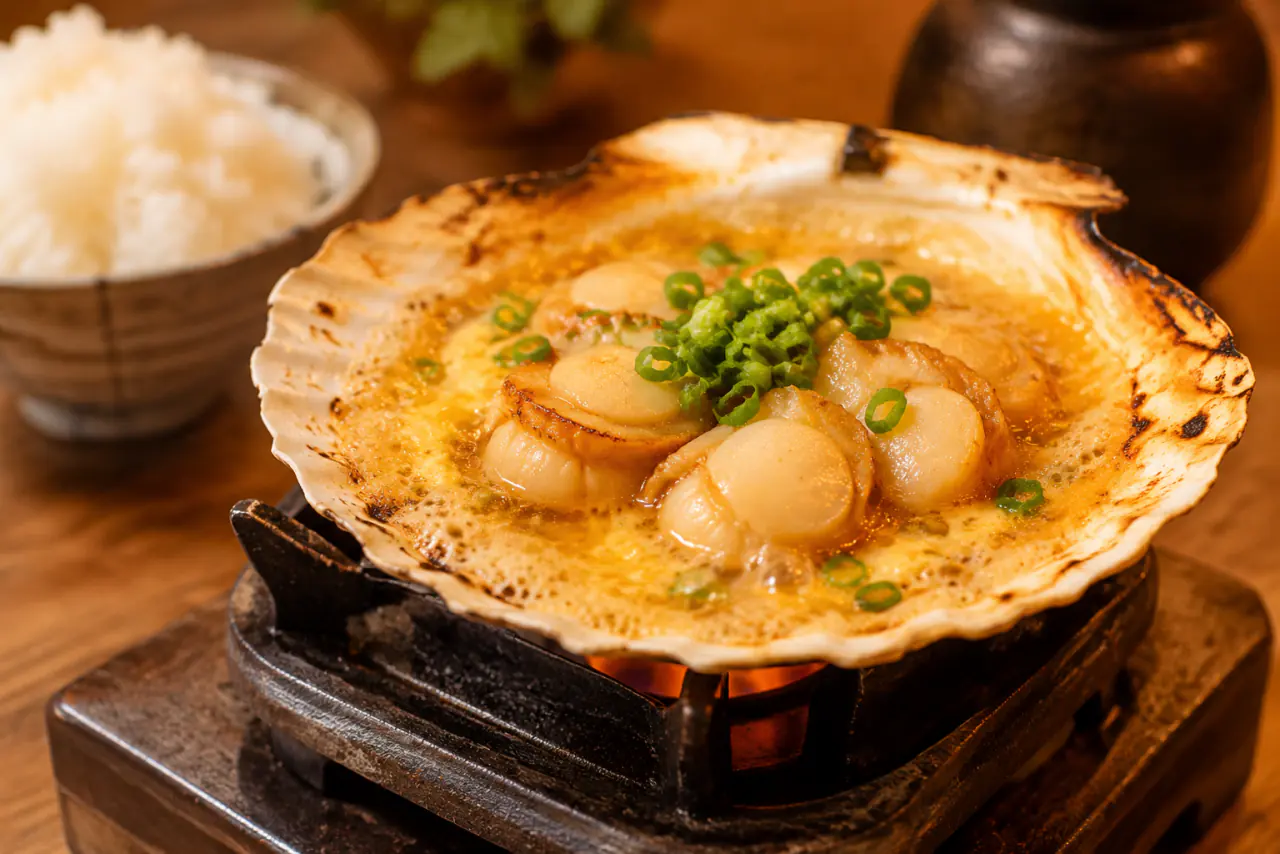
Scallops
Mutsu Bay is one of Japan's major scallop-producing regions. A local specialty, kaiyaki miso, cooks scallops with egg and miso in a large scallop shell. It's savory and goes well with rice. Sashimi and grilled scallops are also common.
Izakaya and seafood markets in Aomori City · About ¥1,000–3,000 per person

Senbei-jiru
A local hot pot from Hachinohe. Break up special Nanbu senbei rice crackers and simmer them in soy-based broth. Once they absorb the soup, their texture is a little like dumplings. A bowl is especially comforting in winter.
Restaurants in central Hachinohe; meal kits are also sold at souvenir shops around Aomori Prefecture · About ¥600–1,000 per bowl
Getting there · Where to stay
Take the Tohoku Shinkansen Hayabusa to Shin-Aomori in about 3 hours, then transfer to a JR train for the few-minute ride to Aomori Station
Take the Hayabusa shinkansen to Shin-Aomori in about 1.5 hours
Take the Hokkaido Shinkansen from Shin-Hakodate-Hokuto Station to Shin-Aomori in about 1 hour
For a first visit, stay near Aomori Station for easy trips to Hirosaki and Hakkoda. To see Oirase's fall colors, spend a night at a hot-spring ryokan by Lake Towada or the stream.
Know this before you go
- Whether you can drive in Japan depends on your license and the required documents. Check the official rules before driving. For Oirase and Lake Towada, you can take a JR bus or join a local tour.
- Hotels in central Aomori fill up far in advance during the Nebuta Festival. If you can't find a room, stay in Hirosaki or Hachinohe and travel by JR.
- Snow is deep around Hakkoda and Sukayu in winter, and route buses are often delayed by weather. Leave plenty of time for your return trip.
- Shin-Aomori Station is some distance from the city center. Transfer to the JR Ou Main Line to reach Aomori Station.