Cloudborne Travel
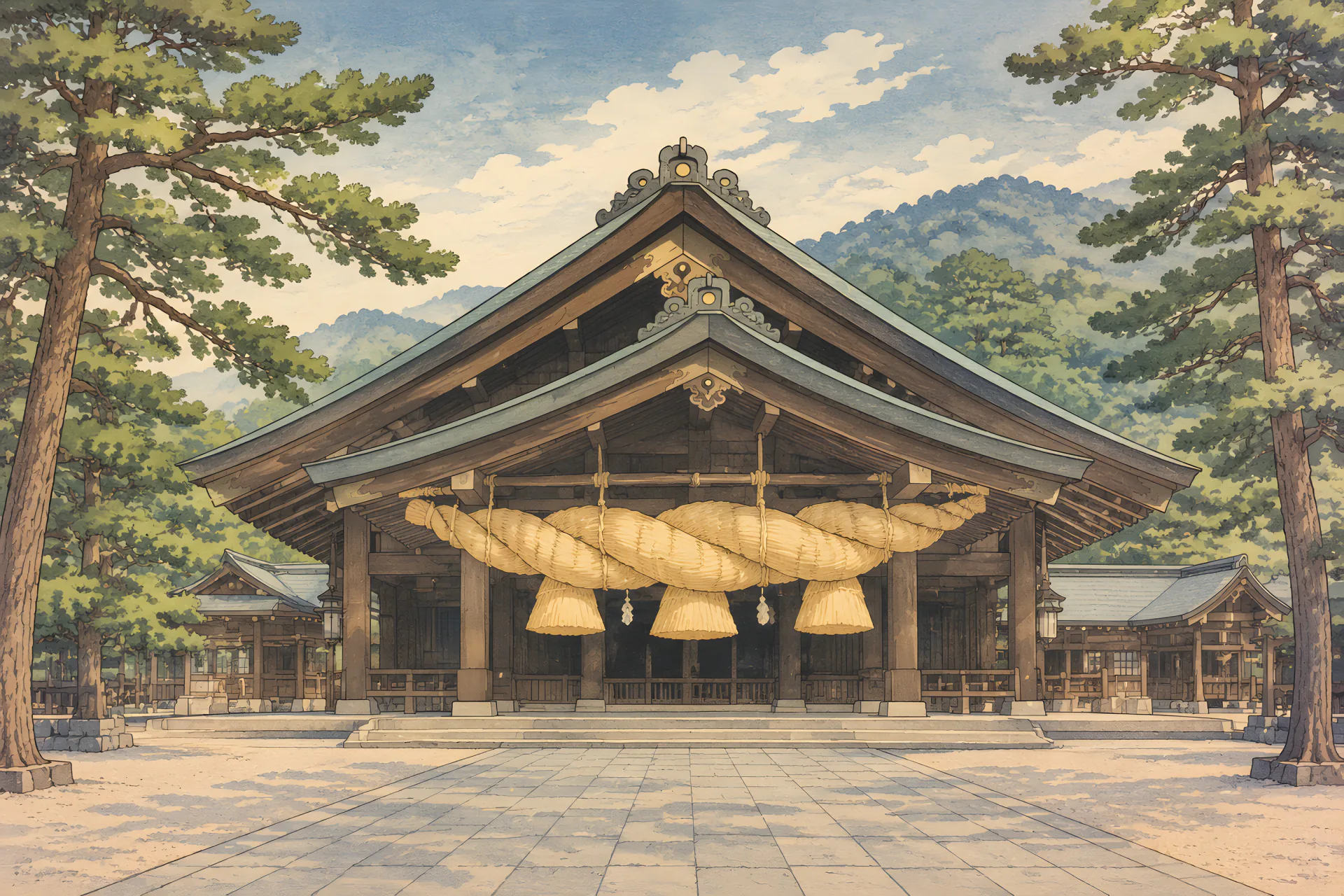
Shimane Prefecture lies along the Sea of Japan in western Honshu. It is sparsely populated and moves at a slower pace, making it the heartland of Japanese mythology. The region centers on two cities: Izumo is home to Izumo Taisha, dedicated to the deity of matchmaking and a must-visit for anyone seeking love; Matsue has Matsue Castle, one of Japan’s original castle towers still standing. Lake Shinji is right beside the castle, and watching the sunset there is a local tradition.
Farther afield, you’ll find the Adachi Museum of Art, whose garden has been rated Japan’s best for many consecutive years; Iwami Ginzan Silver Mine, a World Heritage Site; and Tsuwano, known as the “Little Kyoto of San’in.” Transportation is slower than on the Sanyo side. Staying two nights in Matsue or Izumo and exploring one area per day is more comfortable than rushing between sights.
Spring and fall are best. Matsue Castle’s cherry blossoms are beautiful in early April. Izumo Taisha is crowded during Kamiarizuki in November, so book your hotel early.
Monthly weather
Based on MatsueBest time to visit Monthly precipitation (mm) Open-Meteo (ERA5), 1996–2025 average
| Month | Average high (°C) | Average low (°C) | Monthly precipitation (mm) | Days with 1 mm or more of precipitation |
|---|---|---|---|---|
| Jan | 8.1 | 5 | 174 | 23 |
| Feb | 8.4 | 5 | 128 | 17 |
| Mar(Good time to visit) | 11.2 | 7.4 | 133 | 15 |
| Apr(Good time to visit) | 15 | 11.3 | 110 | 11 |
| May(Good time to visit) | 18.9 | 15.5 | 122 | 10 |
| Jun | 22.4 | 19.7 | 145 | 12 |
| Jul | 26.3 | 23.9 | 189 | 14 |
| Aug | 28 | 25.5 | 141 | 12 |
| Sep(Good time to visit) | 24.9 | 22.4 | 182 | 14 |
| Oct(Good time to visit) | 20.3 | 17.4 | 120 | 12 |
| Nov(Good time to visit) | 15.8 | 12.5 | 124 | 14 |
| Dec | 10.7 | 7.5 | 184 | 21 |
Sights
-
 1
Izumo Taisha
出雲大社
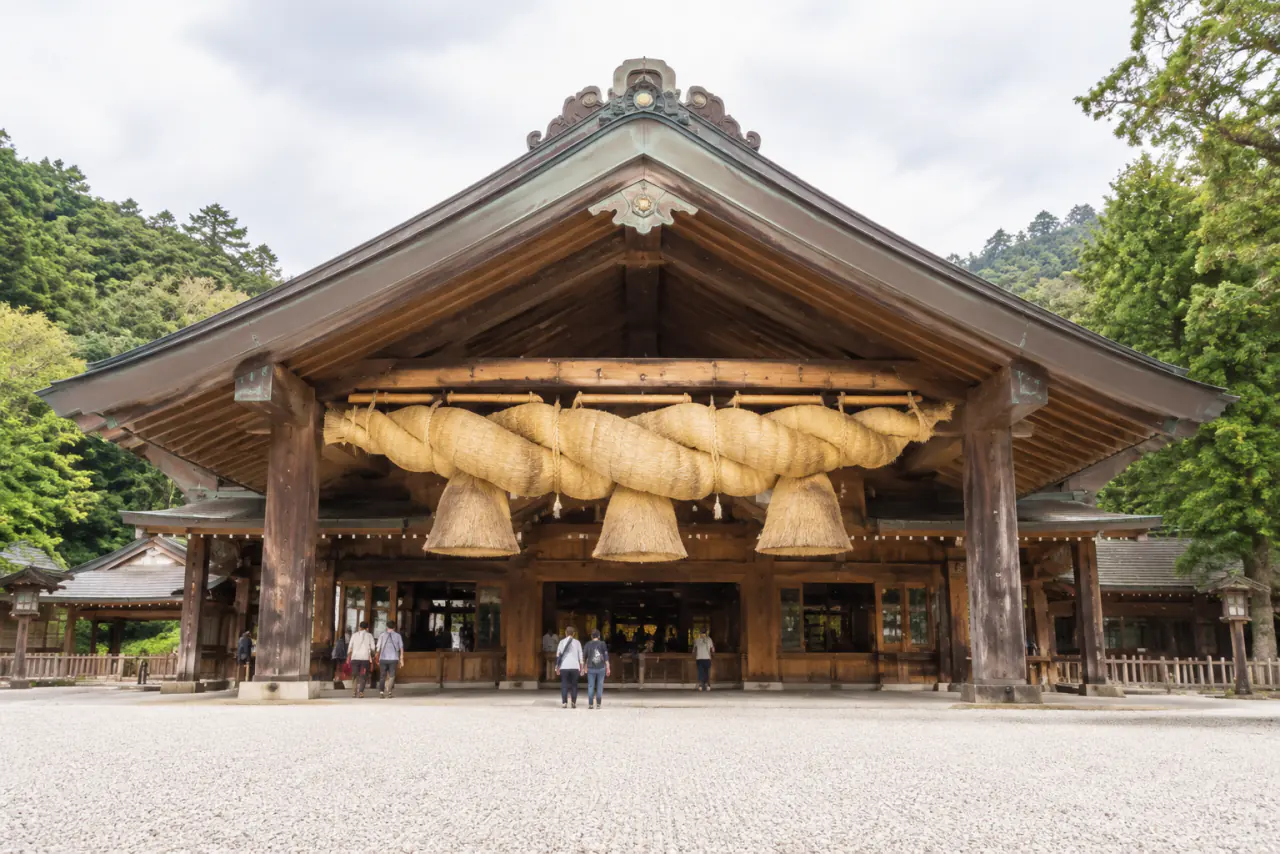
One of Japan’s oldest shrines, dedicated to Okuninushi Okami, the deity of matchmaking. A huge shimenawa rope hangs in front of the Kaguraden, creating an impressive sight. Worship here follows a different custom from most shrines: two bows, four claps, and one bow. From Izumoshi Station, take a bus for about 25 minutes, or take the Ichibata Railway to Izumotaisha-mae Station.
In the evening, walk west to Inasa Beach for sunset. It takes about 15 minutes on foot, and legend says this is where the gods came ashore.
-
 2
Izumo Hinomisaki Lighthouse
出雲日御碕灯台
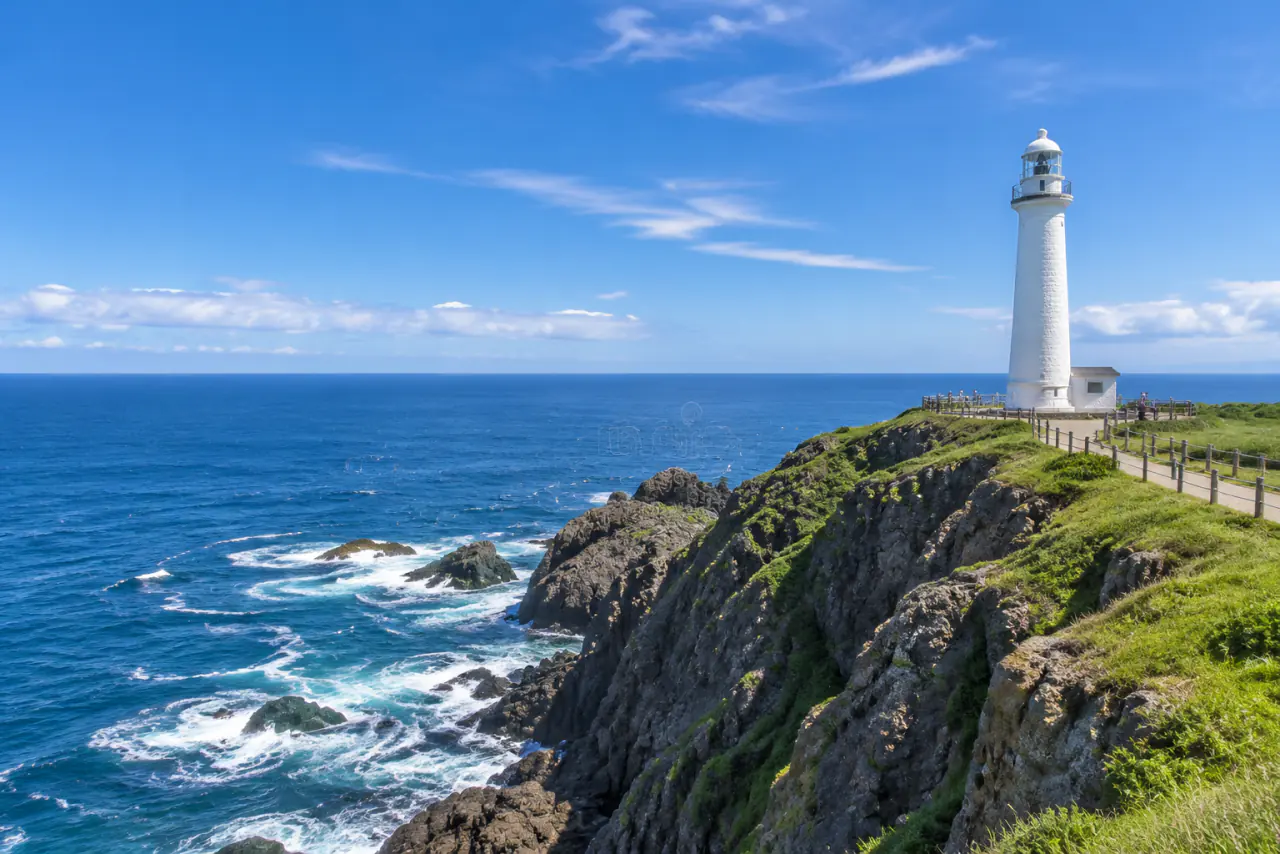
This white stone lighthouse stands on a Sea of Japan cliff and is one of the tallest stone lighthouses in Japan. You can climb to the top for sea views. Nearby, vermilion Hinomisaki Shrine and a coastal walking trail take about 40 minutes to visit. From Izumo Taisha, it is about 20 minutes by bus. Services are infrequent, so plan it for the same day as Izumo Taisha.
-
 3
Matsue Castle
松江城
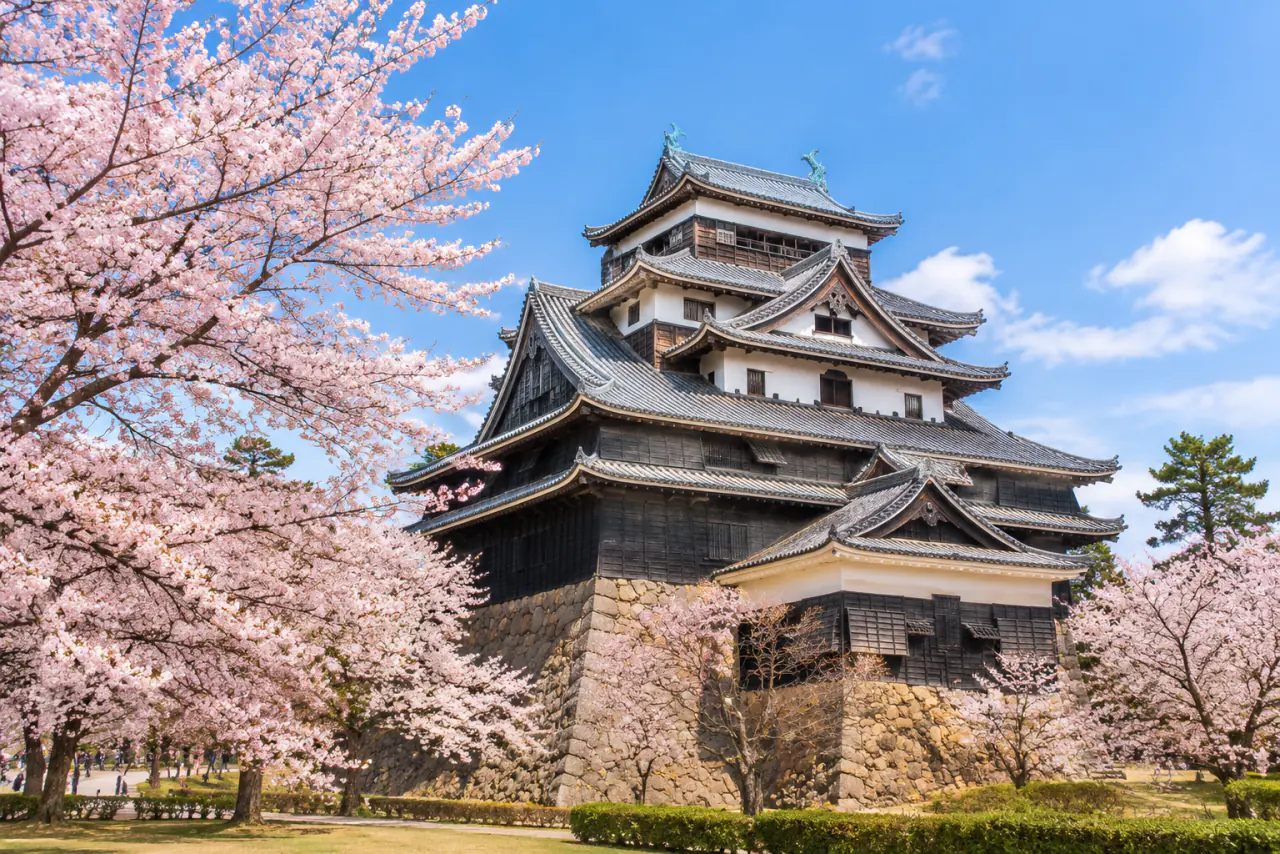
One of Japan’s 12 original castle towers and one of its 5 national treasure castle towers. Its black wooden exterior feels imposing, and the stairs are steep and narrow. From the top, you can see Lake Shinji and the entire castle town. Outside the castle, take a Horikawa sightseeing boat around the moat. The ride takes about 50 minutes, and the roof lowers when the boat passes under low bridges, which is great fun.
The Shiomicho area north of the castle preserves samurai residences and Lafcadio Hearn’s former home. Take a walk there if you have time.
-
 4
Lake Shinji Sunset
宍道湖
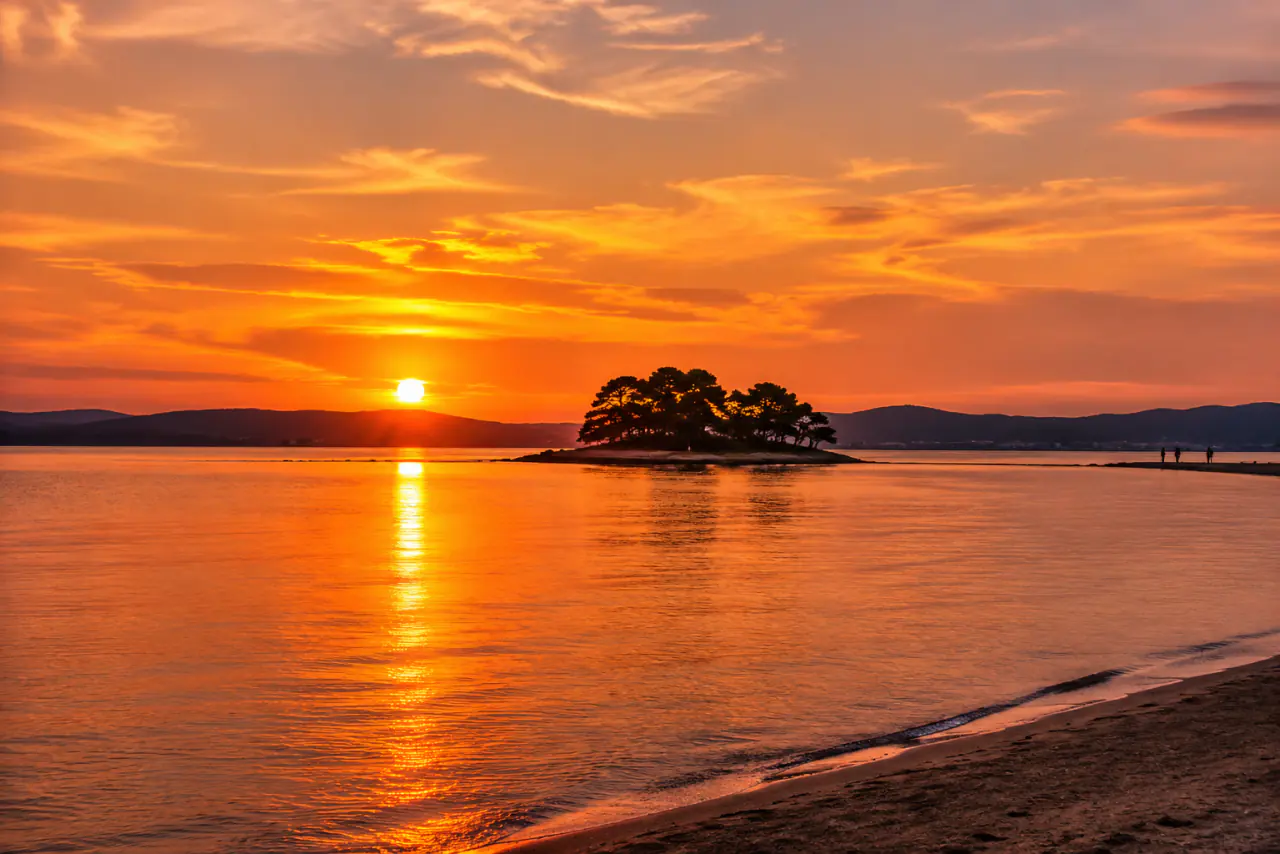
Japan’s seventh-largest lake sits beside central Matsue. At sunset, the water turns golden red and Yomegashima Island becomes a silhouette, making this one of Japan’s best-known sunset spots. From Matsue Station, walk about 15 minutes to the Lake Shinji Sunset Spot. On clear evenings, arrive 20 minutes early to claim a place.
Sunset time changes every day. Check it on your phone before heading out. Days with fewer clouds offer the best views.
-
 5
Adachi Museum of Art
足立美術館
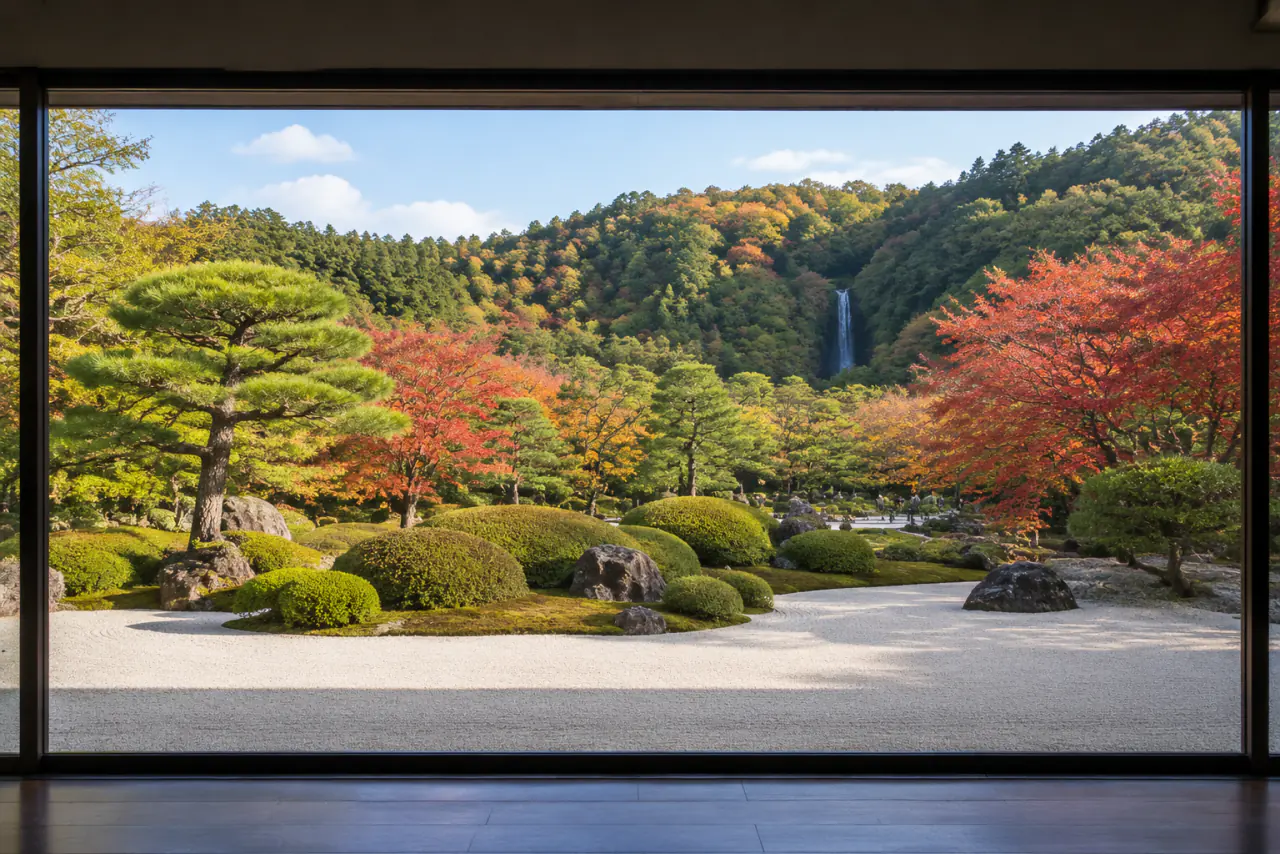
This museum is known for its garden, which a U.S. magazine dedicated to Japanese gardens has rated Japan’s best for many consecutive years. You cannot walk through the garden; instead, view it through large windows, like a series of paintings hanging on the wall. The museum also holds a collection of modern Japanese paintings, including works by Yokoyama Taikan. Take the museum’s free shuttle from JR Yasugi Station.
The garden is especially beautiful in fall foliage and winter snow. Arrive early after opening, before the tour groups.
-
 6
Tamatsukuri Onsen
玉造温泉
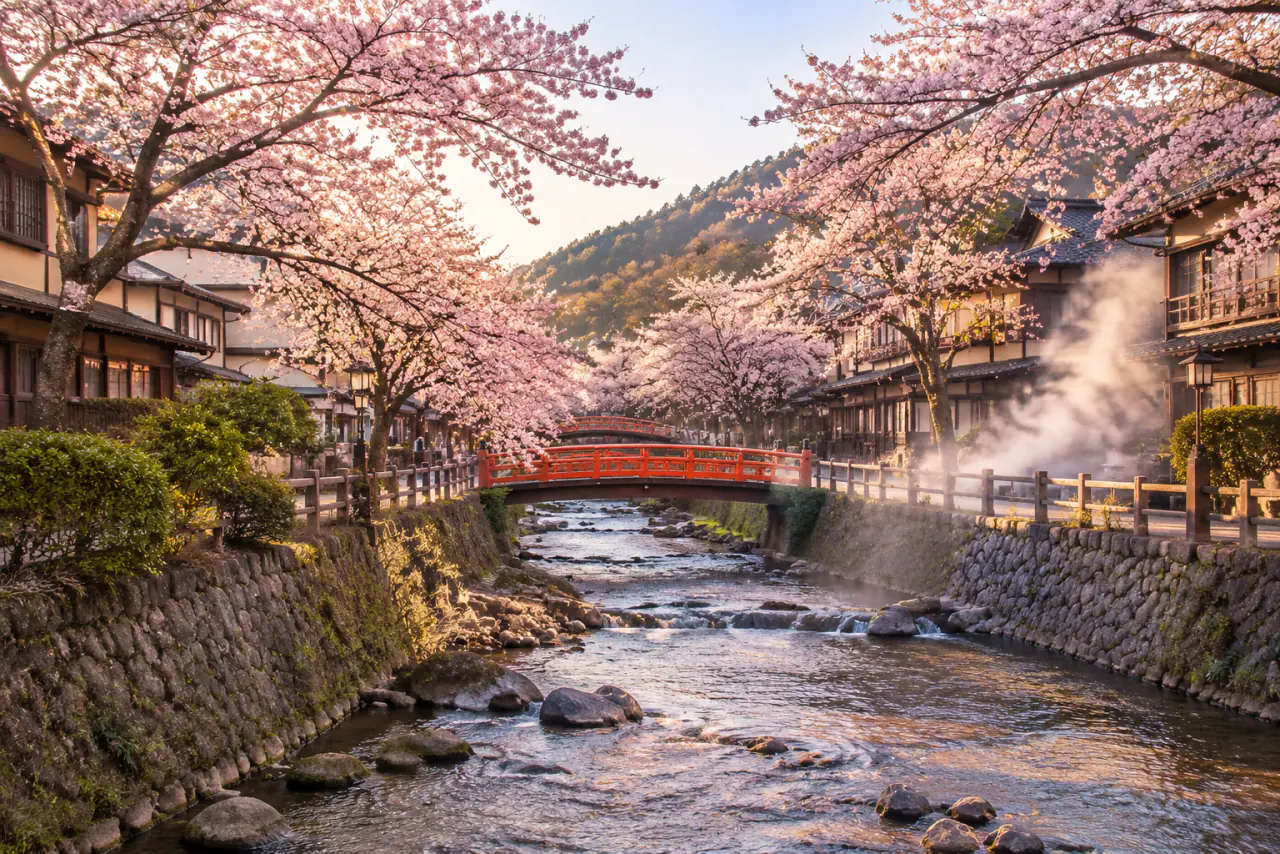
This historic hot-spring town has more than 1,000 years of history and is known for its “beauty-enhancing waters,” which feel silky on the skin. The hot-spring district follows the Tamayu River, with a spot where you can fill a bottle with hot-spring water to use as toner. It is about 20 minutes by car from Matsue Station and makes a good overnight ryokan stay after exploring Matsue.
-
 7
Iwami Ginzan Silver Mine
石見銀山
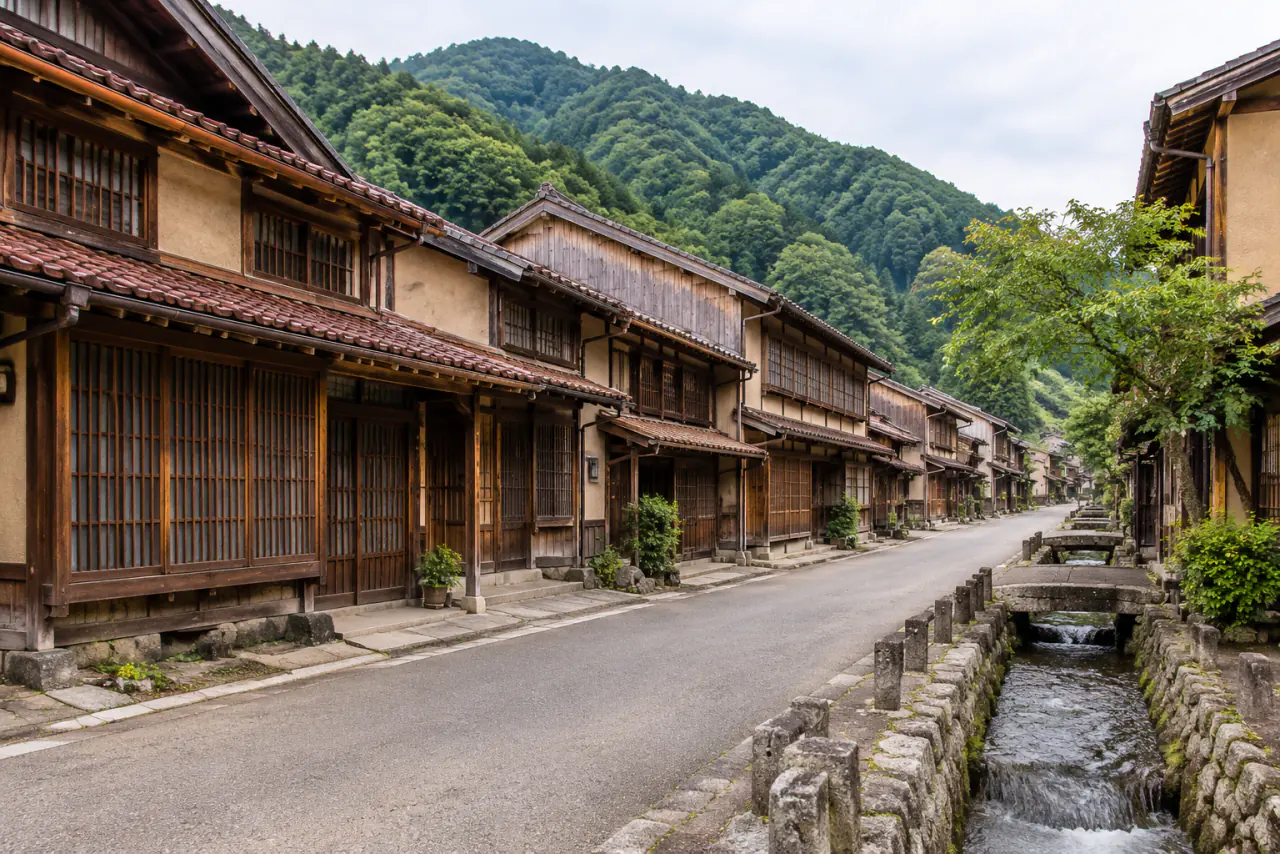
This former mine produced a large share of the world’s silver and became a World Heritage Site in 2007. Omori’s old town in the valley is so quiet it feels frozen in time. The walk along the stream to the open Ryugenji Mabu mine shaft takes about 40–50 minutes. You can also rent an electric bicycle. From Ota-shi Station, take a bus for about 30 minutes to Omori.
The mine shaft is low and damp, so wear shoes with good traction. Many shops in the old town close before evening.
-
 8
Tsuwano
津和野
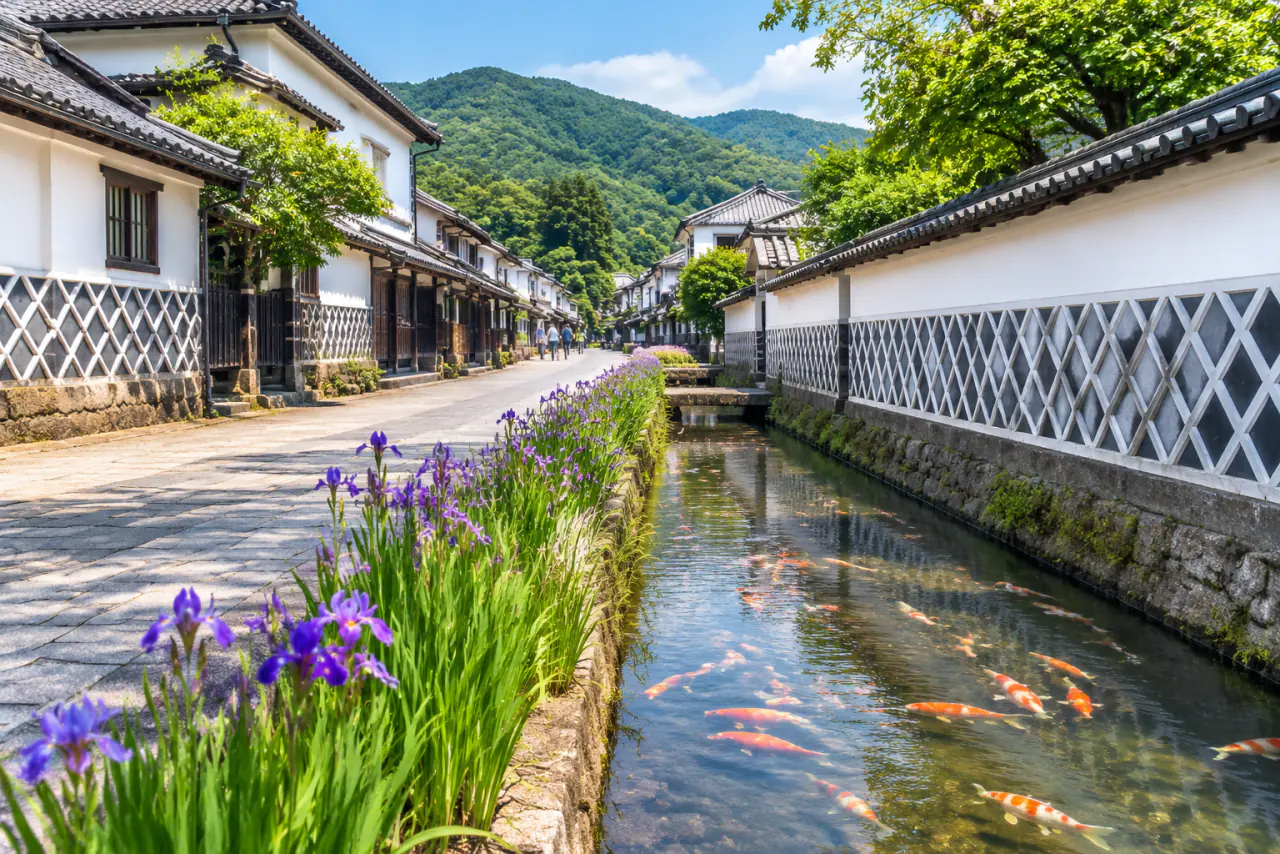
This small castle town is surrounded by mountains. Tonomachi Street is lined with white walls and lattice windows, and schools of koi swim in the drainage channels. On the mountainside, Taikodani Inari Shrine has a path lined with more than 1,000 red torii gates. From Shin-Yamaguchi Station in Yamaguchi Prefecture, take a JR limited express for about 1 hour. Tsuwano is often combined with Hagi in Yamaguchi Prefecture.
What to eat
Izumo soba
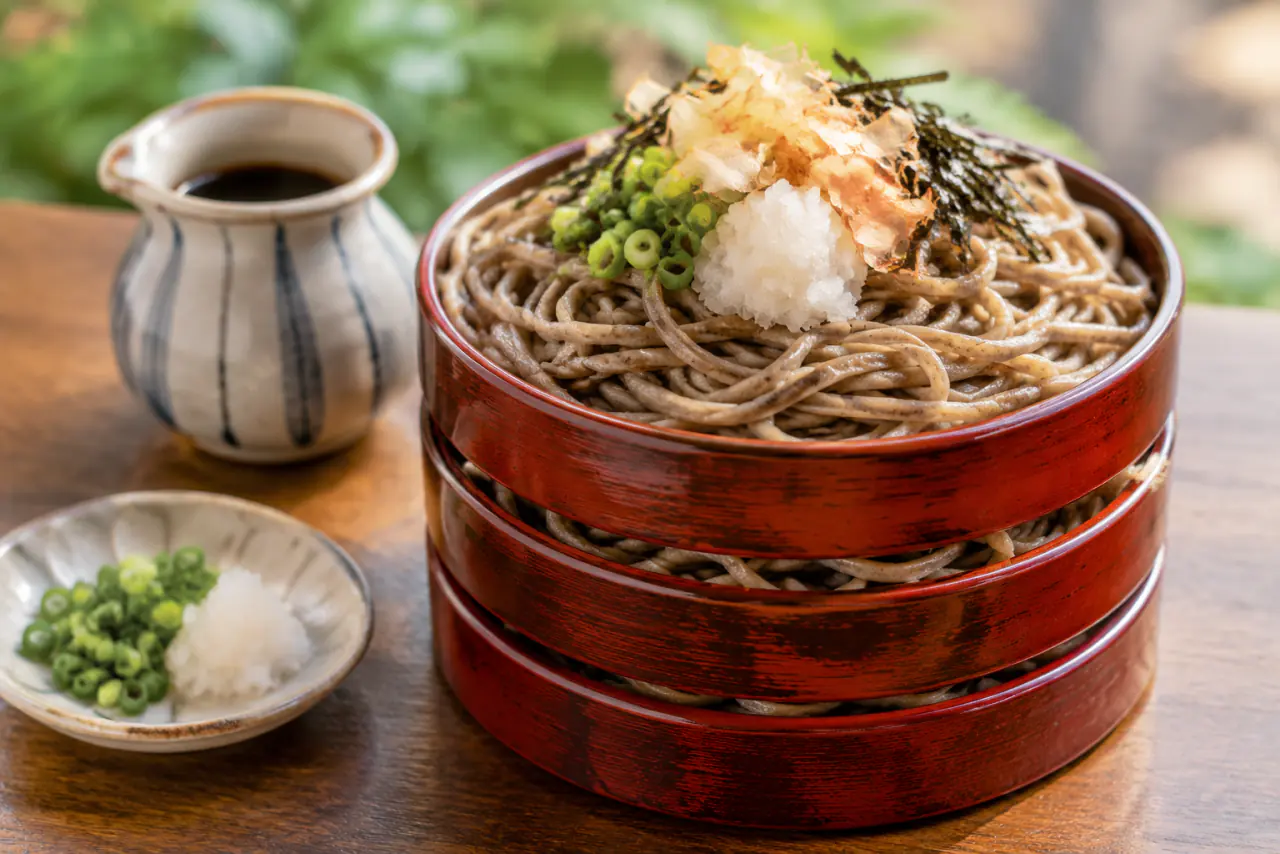
Made from buckwheat ground with the hulls, this soba is dark in color and rich in flavor. The most common style, warigo soba, is served in three stacked round lacquer boxes. Pour the sauce directly over the noodles, then pour any remaining sauce into the next layer after finishing one.
Many restaurants are around Shinmon-dori, the approach to Izumo Taisha · About ¥900–1,500 per person
Lake Shinji shijimi clam soup
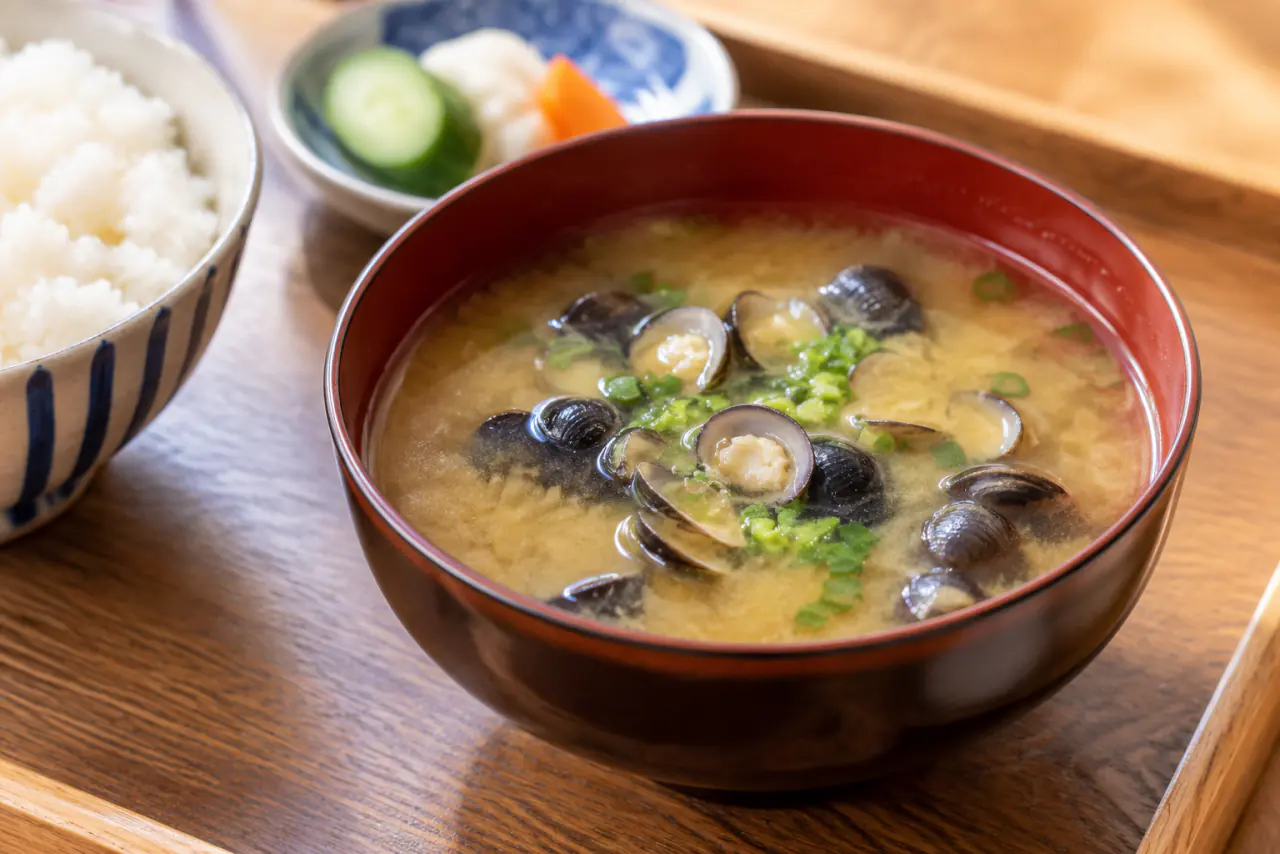
Lake Shinji is a brackish lake known for its large, flavorful shijimi clams. Many clams sold in Japanese supermarkets come from here. The simplest way to try them is in a bowl of miso soup, which is a standard part of ryokan breakfasts.
Restaurants in Matsue and ryokan breakfasts
Matsue wagashi with matcha
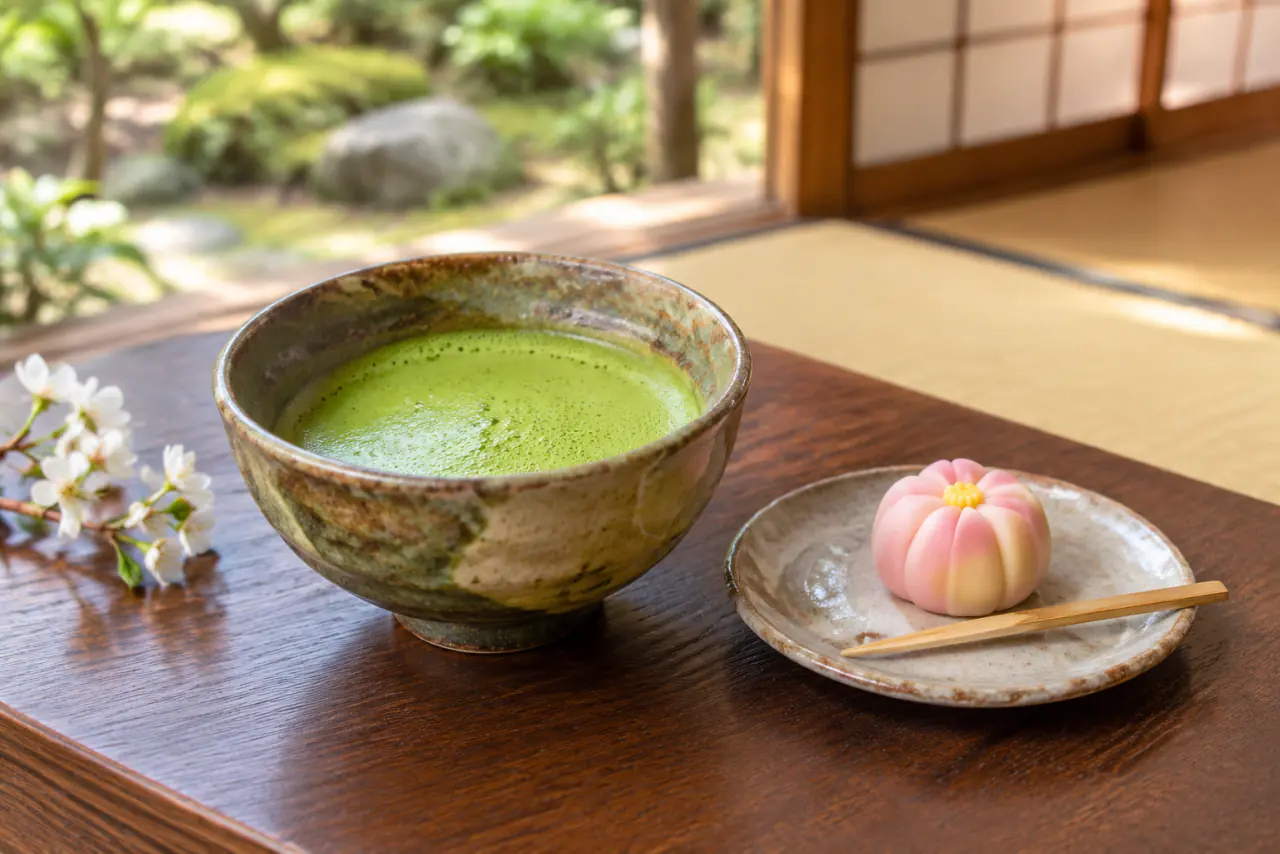
A tea-loving feudal lord helped establish Matsue’s tea culture during the Edo period, and the tradition continues today. Along with Kyoto and Kanazawa, Matsue is known as one of Japan’s great wagashi cities. After visiting Matsue Castle, stop at a tea shop for a bowl of matcha and a seasonal wagashi.
Tea shops around Matsue Castle and in the Shiomicho area · About ¥600–1,000 per set
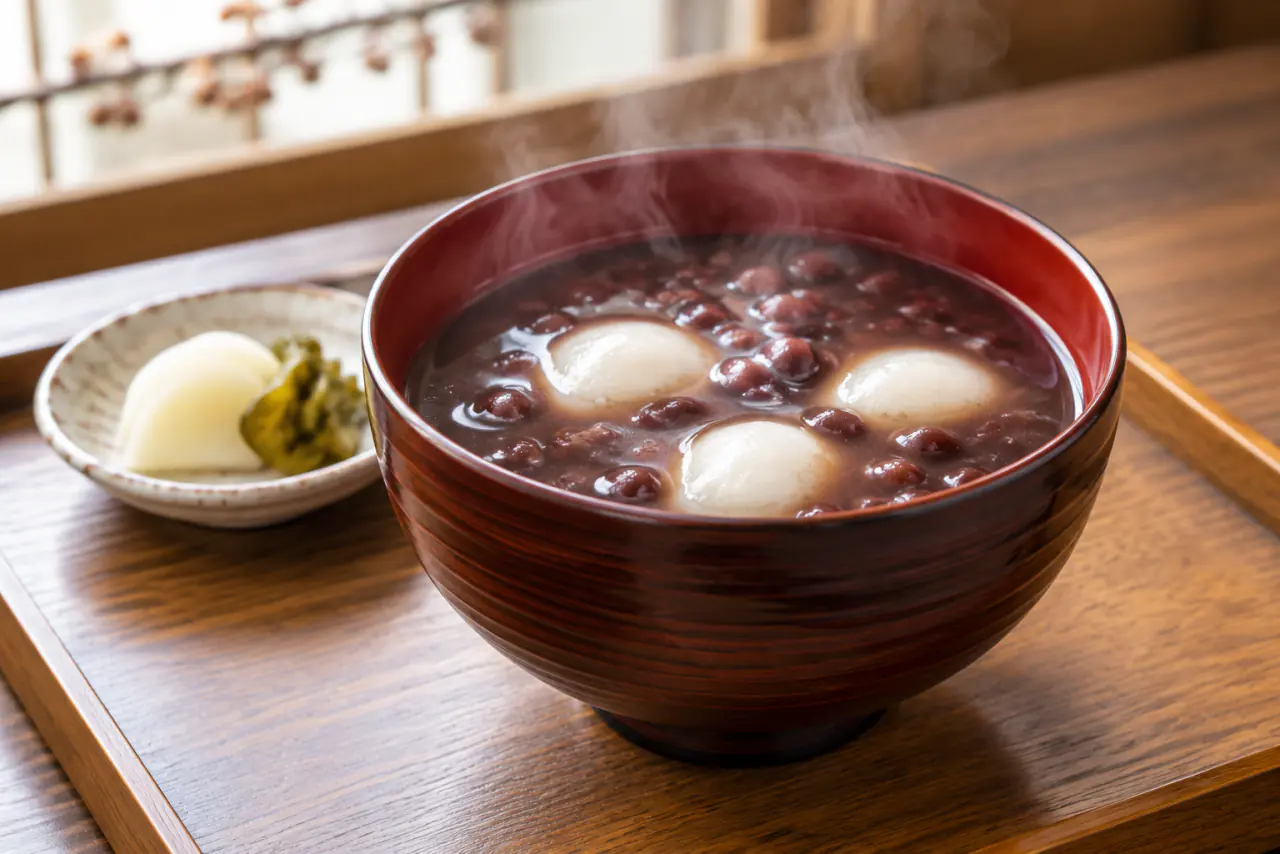
Izumo zenzai
The Japanese dessert zenzai is said to have originated in Izumo, where red beans and mochi were offered during Kamiarizuki. Today, specialty shops line the approach to Izumo Taisha. A bowl is warm and comforting without being too heavy in winter.
Shinmon-dori, the approach to Izumo Taisha
Getting there · Where to stay
Take the Limited Express Yakumo from Okayama Station to Matsue Station in about 2.5 hours
Airport buses reach Izumoshi Station and Matsue Station in about 30 minutes each; flights to Tokyo are available
Take a JR limited express from Tottori Station to Matsue Station in about 1.5 hours
Matsue is the most convenient base. The castle, lake, and hot springs are all nearby, and both Izumo and the Adachi Museum of Art are a single train ride away. For a hot-spring stay, choose Tamatsukuri Onsen.
Know this before you go
- At Izumo Taisha, worship follows the two-bows, four-claps, one-bow custom, unlike the two claps used at most shrines.
- Visitors can buy the JR Tottori–Matsue Pass. It costs about ¥4,000 for 3 days and covers unreserved seats on limited express trains.
- The Ichibata Railway from Matsue to Izumo Taisha follows the north shore of Lake Shinji and is more interesting than taking the bus.
- Iwami Ginzan Silver Mine and Tsuwano are both far from Matsue. Plan only one of them per day.