Cloudborne Travel
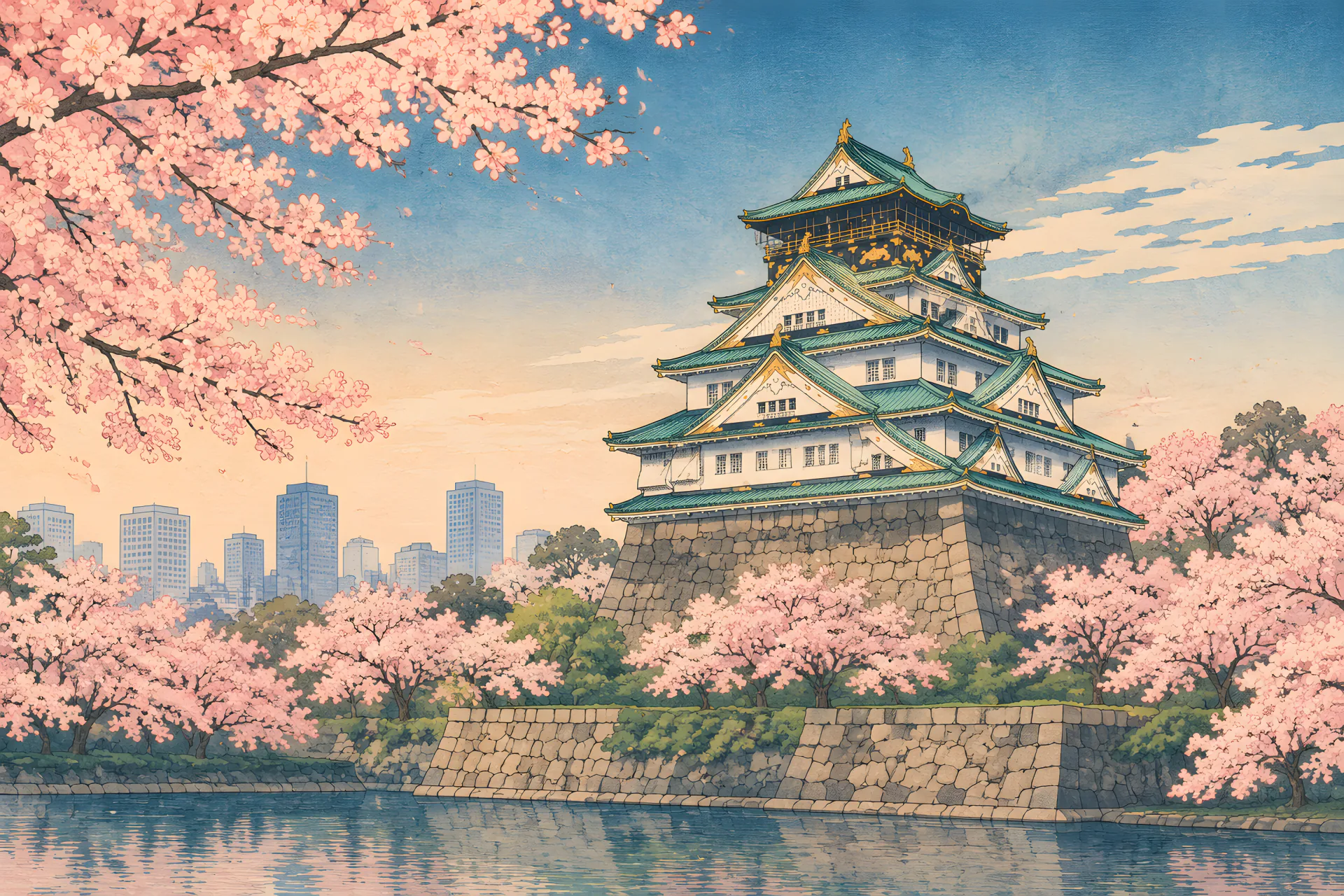
Osaka is Kansai's liveliest city. The main draw isn't historic sites but eating and exploring: Dotonbori's neon, Kuromon Market's seafood, and Shinsekai's kushikatsu. There's something to eat from morning to night. People speak their minds, prices are more reasonable than in Kyoto, and it's an easy place to stay on your first trip to Japan.
The city has two main areas: Umeda in the north has major stations, department stores, and skyscrapers, while Namba and Shinsaibashi in the south are best for food and shopping. Osaka Castle sits between them, and Universal Studios Japan is on the western waterfront. Stay in the middle and Kyoto, Nara, and Kobe are all within an hour, making Osaka an ideal Kansai base.
Spring and fall are the most comfortable. July–August is hot and humid, making outdoor lines tough. Winters are mild, and there are plenty of holiday light displays at the end of the year.
Monthly weather
Based on OsakaBest time to visit Monthly precipitation (mm) Open-Meteo (ERA5), 1996–2025 average
| Month | Average high (°C) | Average low (°C) | Monthly precipitation (mm) | Days with 1 mm or more of precipitation |
|---|---|---|---|---|
| Jan(Good time to visit) | 9.6 | 2.5 | 56 | 6 |
| Feb(Good time to visit) | 10.6 | 2.7 | 65 | 7 |
| Mar(Good time to visit) | 14.6 | 5.4 | 110 | 11 |
| Apr(Good time to visit) | 20 | 10.5 | 122 | 10 |
| May(Good time to visit) | 24.7 | 15.9 | 147 | 11 |
| Jun | 27.9 | 20.6 | 189 | 13 |
| Jul | 31.7 | 25 | 192 | 15 |
| Aug | 33.6 | 26.1 | 129 | 12 |
| Sep(Good time to visit) | 29.8 | 22.3 | 160 | 12 |
| Oct(Good time to visit) | 23.8 | 15.7 | 152 | 10 |
| Nov(Good time to visit) | 17.9 | 9.7 | 82 | 7 |
| Dec(Good time to visit) | 12.2 | 4.7 | 59 | 6 |
Sights
-
 1
Dotonbori & Shinsaibashi
道頓堀・心斎橋
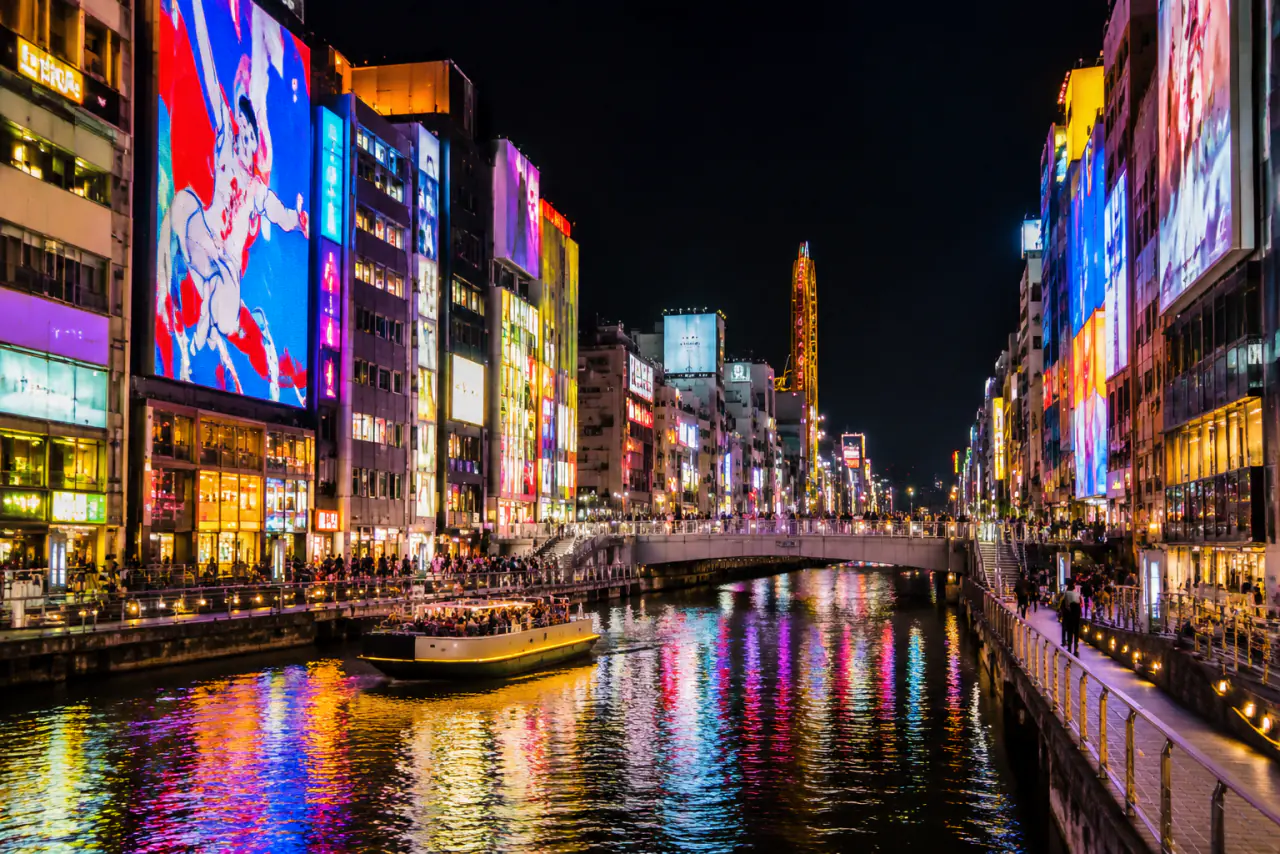
Osaka's most iconic streetscape has giant signs along the river, including the Glico Running Man. You can eat everything from takoyaki to ramen along one street. Shinsaibashi's covered shopping arcade continues north, so you can browse even in the rain. The neon is best after dark, and you can see it from the water on a Dotonbori river cruise.
Ebisu Bridge in front of the Glico sign gets very crowded at night. Keep an eye on your belongings.
-
 2
Kuromon Market
黒門市場
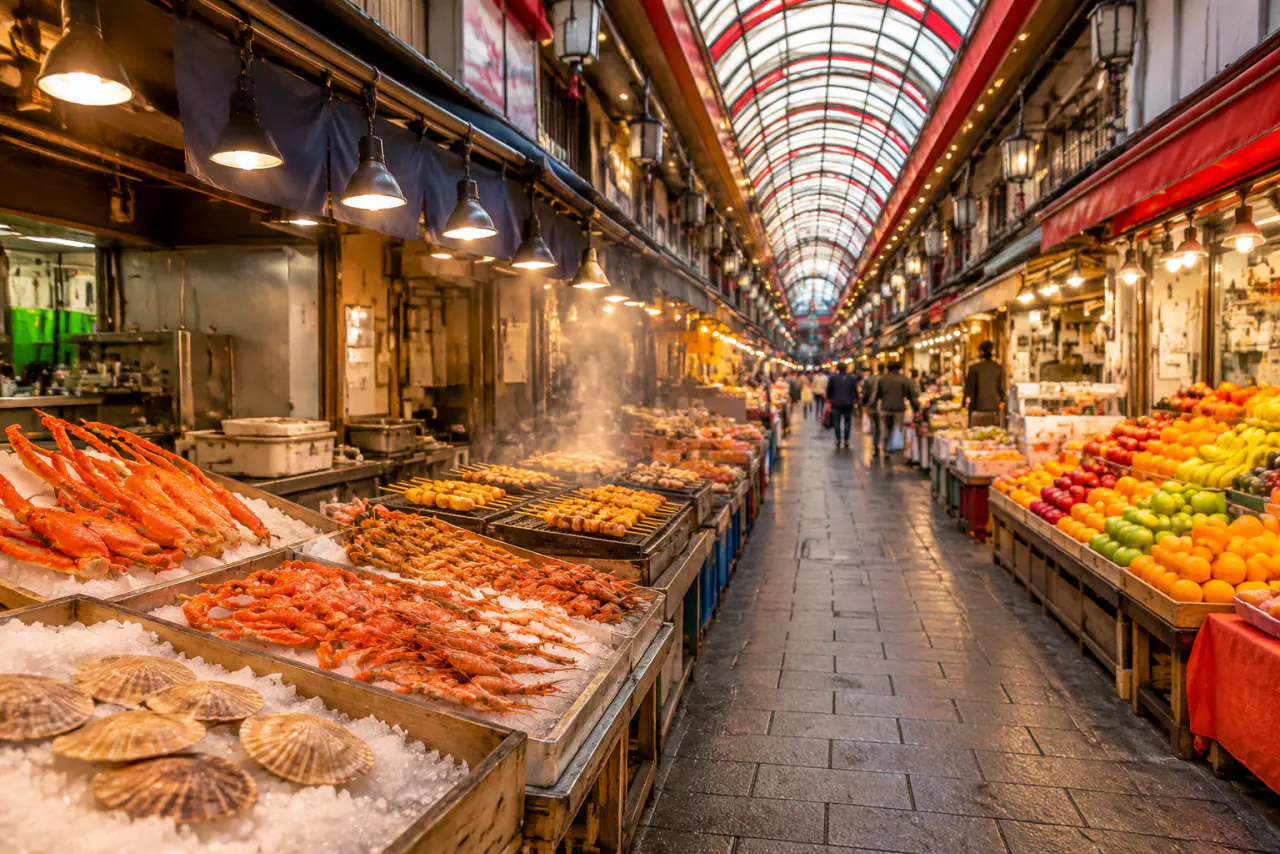
This old market next to Namba now caters mainly to tourists. You can eat grilled seafood, wagyu skewers, oysters, and fruit as you walk. Prices are considerably higher than at supermarkets, so treat it as a food-and-browsing experience. It's about a 10-minute walk from Dotonbori, making it easy to visit both together.
By 10–11 a.m., most shops are open and the market isn't too crowded. Many vendors close in the early evening.
-
 3
Osaka Castle
大阪城
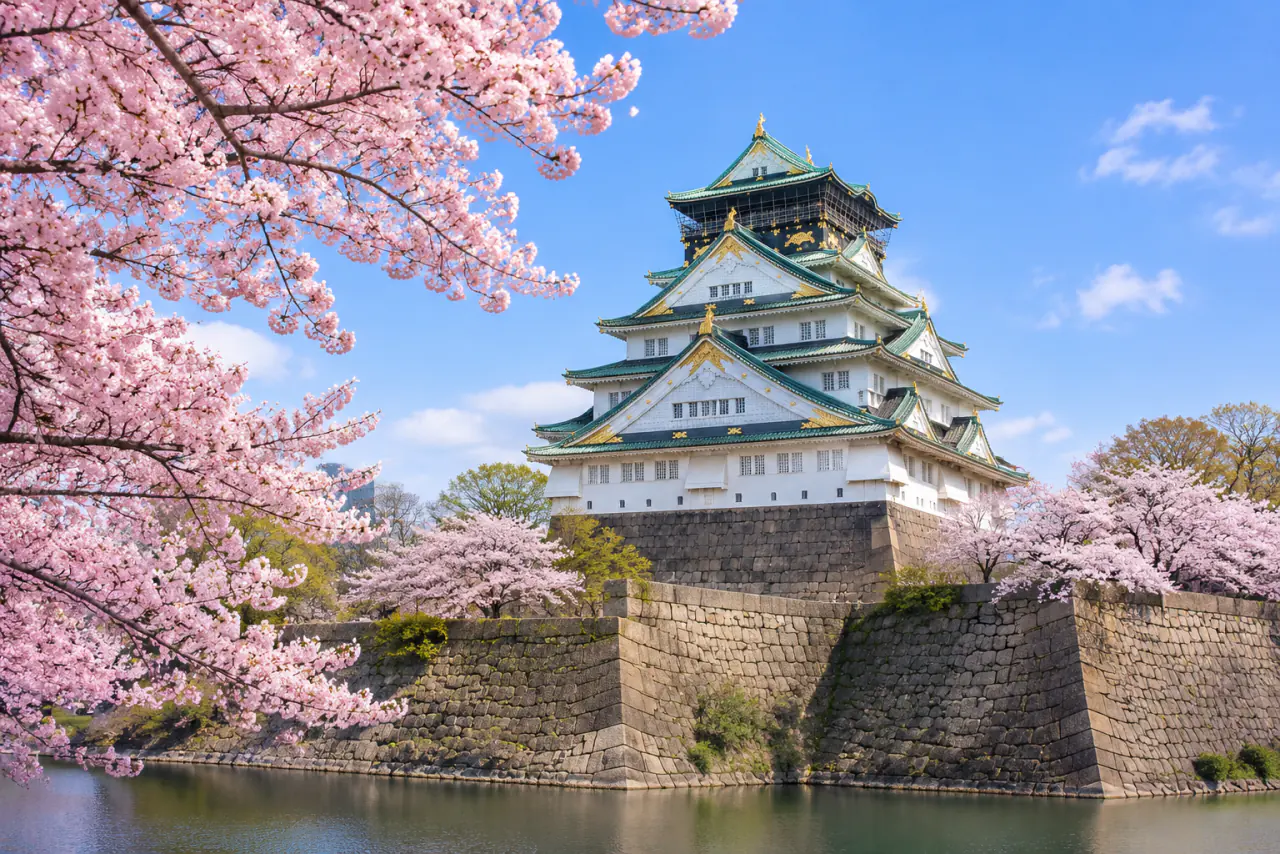
This famous castle was built by Toyotomi Hideyoshi. The current keep is a reinforced-concrete reconstruction from 1931, with a history museum inside and city views from the top floor. The huge stone walls, moat, and park outside are more impressive. Nishinomaru Garden is a popular cherry blossom spot, and a yakatabune boat ride around the moat is another good option.
The castle keep has an elevator, but lines are often long. If you only want a photo of the keep, the park is free and you can simply walk around it.
-
 4
Shinsekai & Tsutenkaku
新世界・通天閣
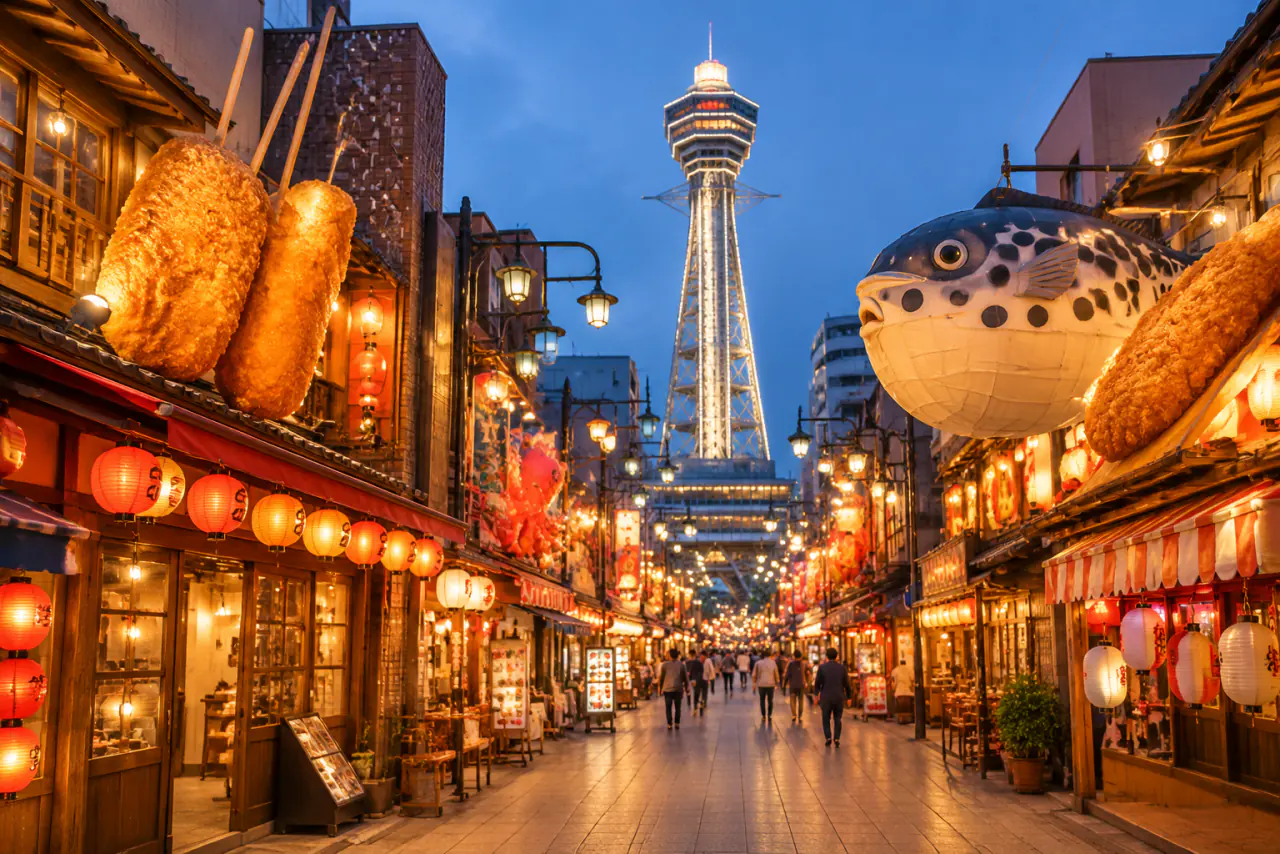
This downtown neighborhood retains a Showa-era feel, with colorful signs, kushikatsu restaurants, and Tsutenkaku Tower in the middle. Come during the day for kushikatsu and old-fashioned streets. Tennoji Park and Abeno Harukas, one of Japan's tallest buildings, are nearby. Go up toward evening for city views after dark.
Some nearby areas can feel rough at night. Stick to main streets when walking back to the station.
-
 5
Umeda Sky Building
梅田スカイビル
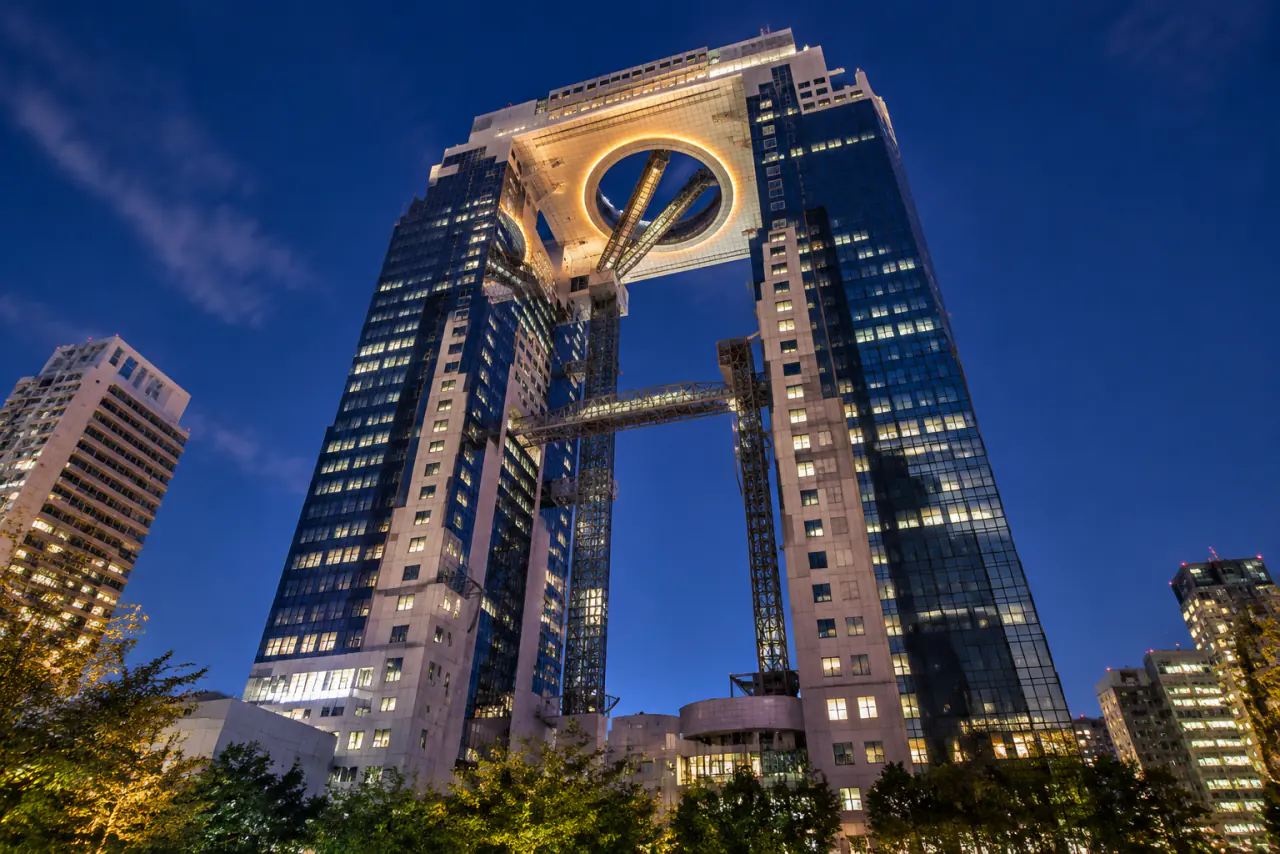
The two towers are linked at the top by the open-air Kuchu Teien Observatory, which offers 360-degree views of Osaka at night. It's a roughly 10-minute walk from Osaka Station. A retro-style restaurant street is underground. Come up after dark after browsing Umeda's department stores and station complex.
Go up about 30 minutes before sunset to see both the evening sky and the city lights.
-
 6
Universal Studios Japan
ユニバーサル・スタジオ・ジャパン
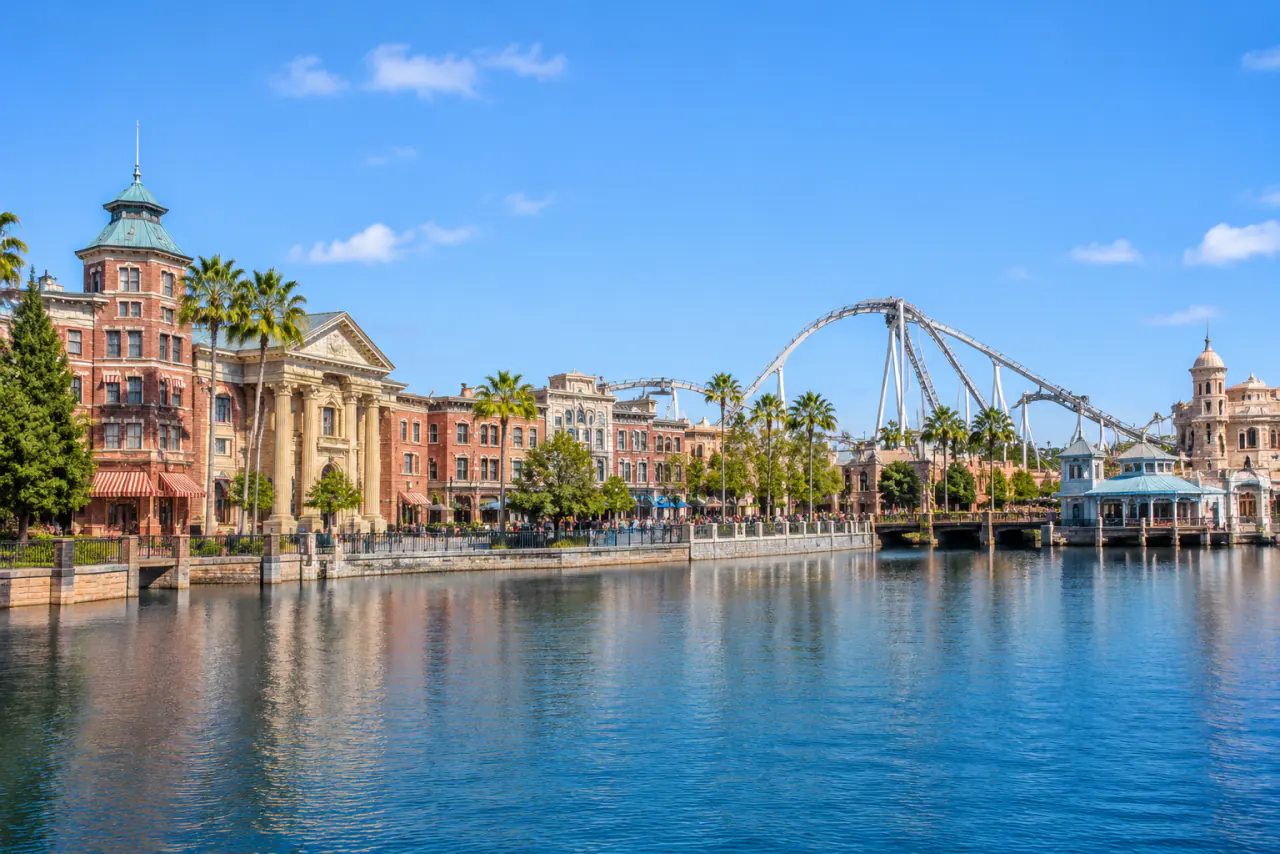
Super Nintendo World and The Wizarding World of Harry Potter are both here, and you'll need at least a full day. From Osaka Station, take JR about 15 minutes to Universal City Station. Ticket prices vary by date, with weekends and holidays being both more expensive and more crowded. If you want to ride many popular attractions, consider buying an Express Pass.
Entering Super Nintendo World often requires a timed-entry ticket. Get one through the official app as soon as you enter the park.
-
 7
Osaka Aquarium Kaiyukan
海遊館
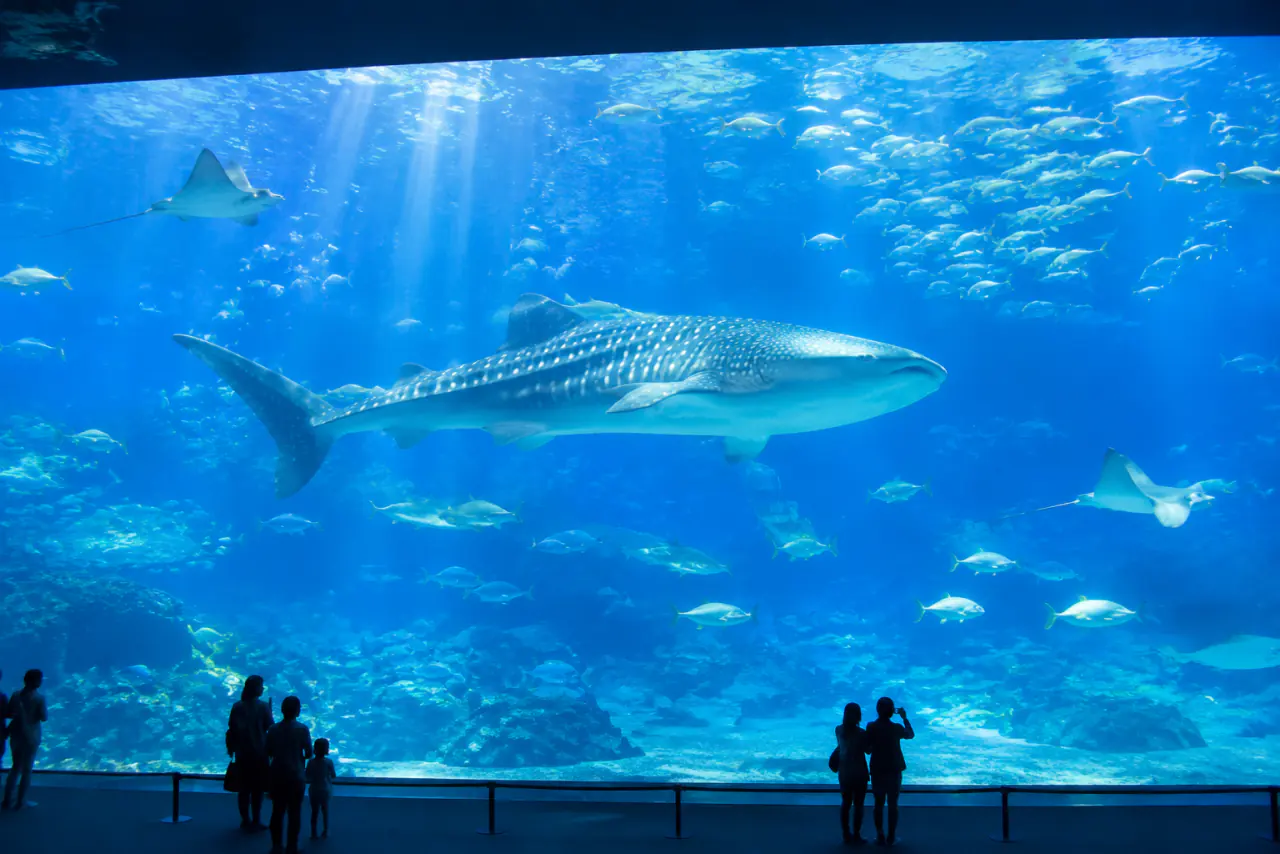
This world-class aquarium has whale sharks in its main tank. The route spirals down from the top, making you feel as if you're diving into the Pacific. It's highly recommended for families with children. The Tempozan Ferris Wheel is right outside. From Osakako Station on the Chuo Line, it's a 5–10-minute walk.
It is less crowded in the evening. Booking an entry time online can save you from waiting in line.
-
 8
Sumiyoshi Taisha
住吉大社
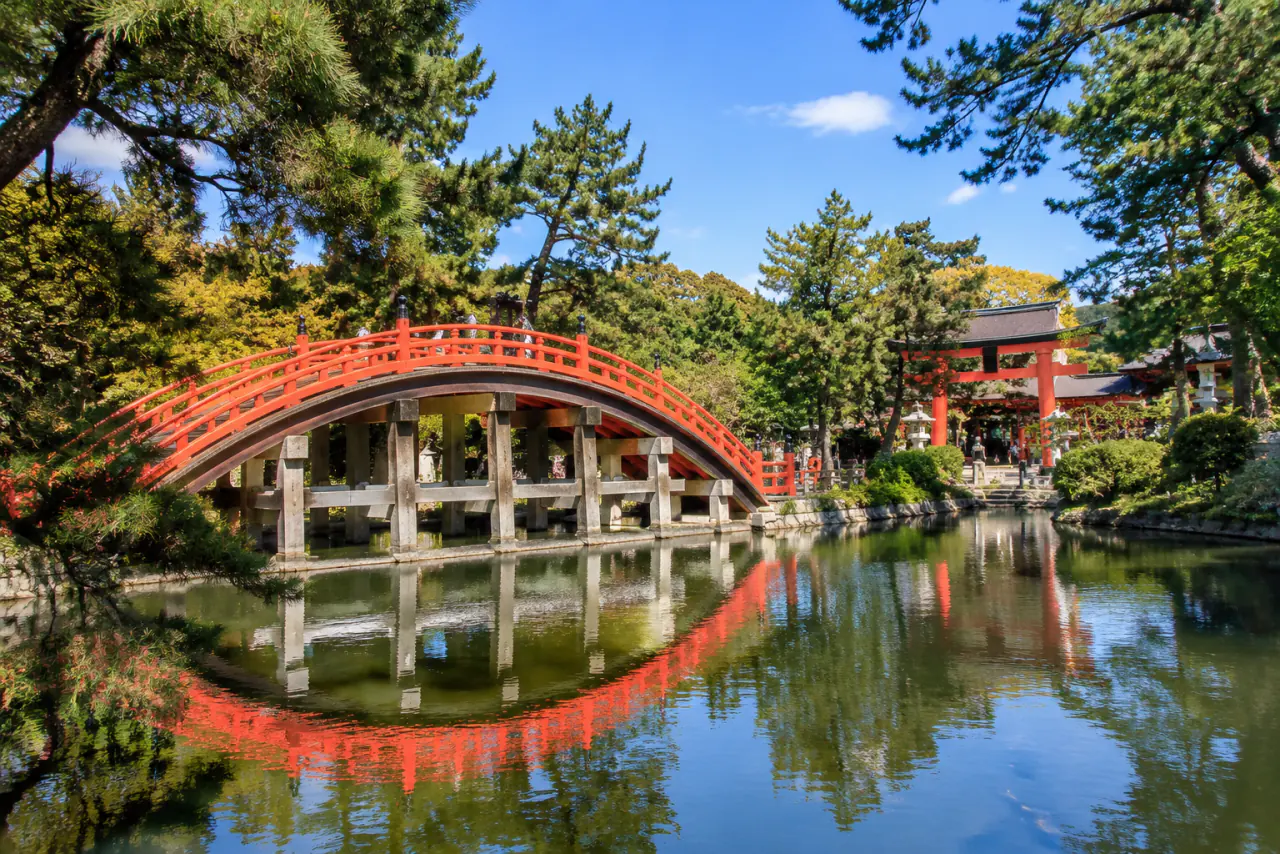
One of Osaka's oldest shrines, Sumiyoshi Taisha has several main halls designated as National Treasures and preserves an ancient shrine style from before the arrival of Buddhism. The steep vermilion Sorihashi Bridge at the entrance is the main photo spot. It gets far fewer visitors than Kyoto's shrines and is about 10 minutes from Namba by Nankai train.
This is one of Osaka's busiest places for hatsumode around New Year's. It's best to avoid that period.
-
 9
Expo '70 Commemorative Park
万博記念公園
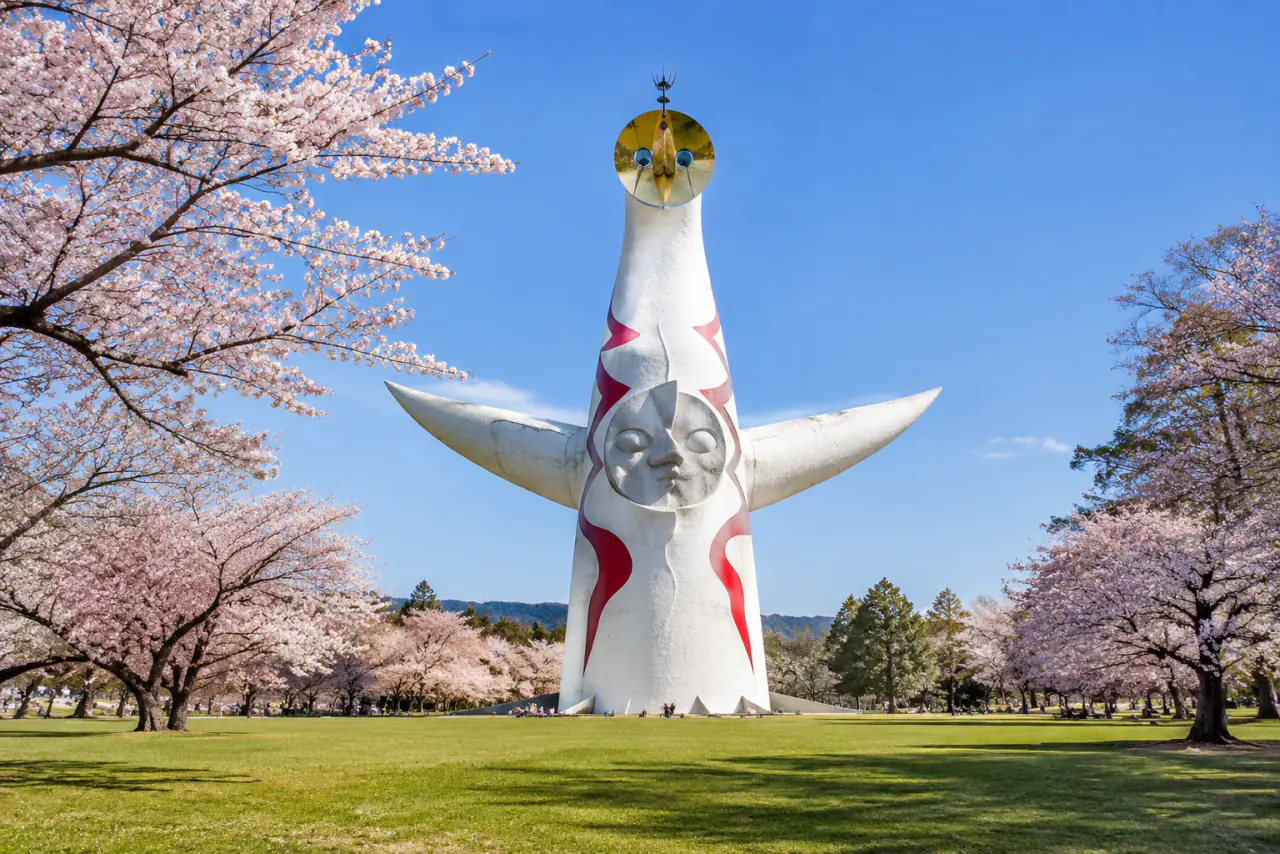
This is the former site of the 1970 Osaka Expo. Taro Okamoto's Tower of the Sun stands dramatically in the middle of the lawn. The large park offers seasonal flowers, including cherry blossoms in spring, poppies in early summer, and cosmos and fall foliage in autumn. From Umeda, take the subway and transfer to the monorail; the trip takes about 40 minutes.
You need to book online in advance to visit the inside of the Tower of the Sun.
-
 10
Minoh Falls
箕面大滝
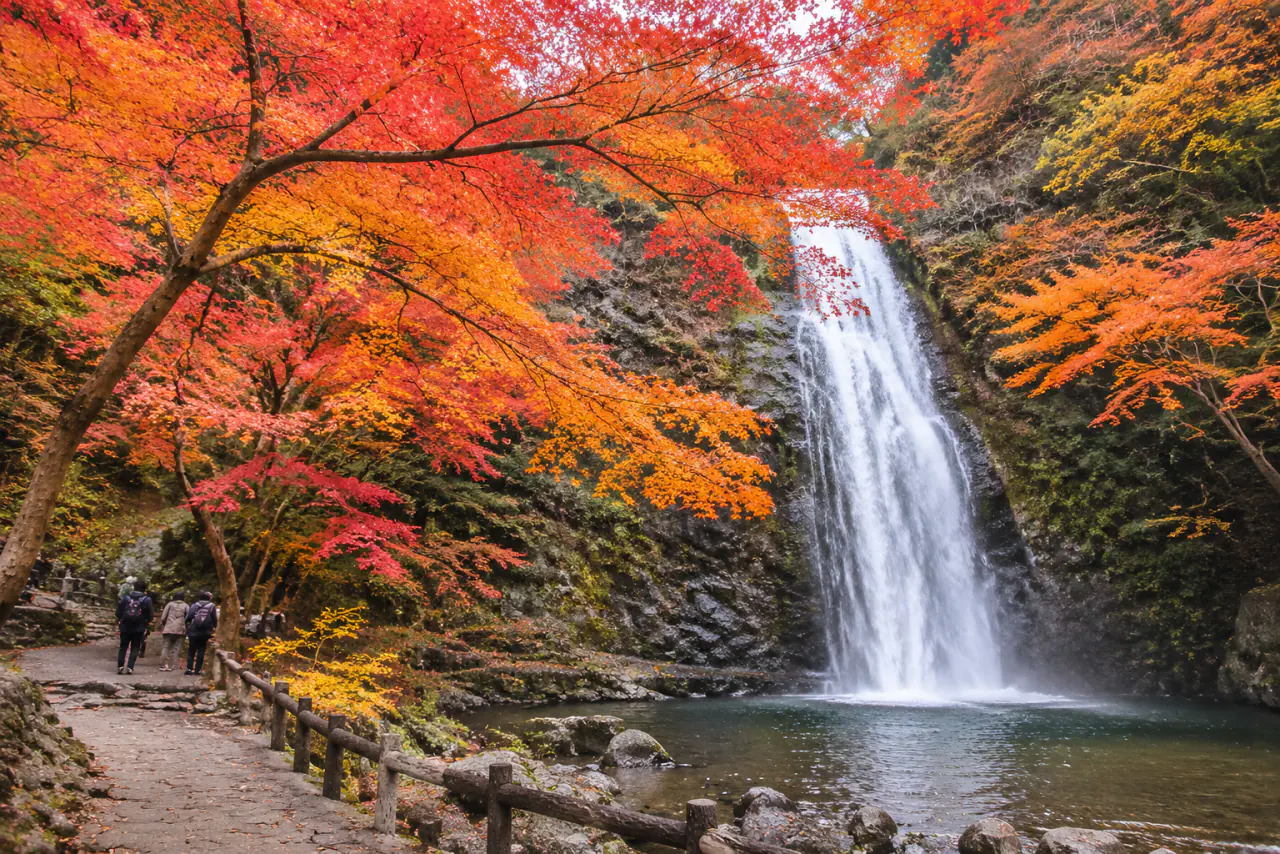
This easy hike is in the northern Osaka suburbs. From Hankyu Minoh Station, follow the valley about 3 km to the 33-meter waterfall, passing woods and small temples along the way. The scenery is best during the November foliage season. Shops along the route sell deep-fried maple leaves, which are crisp and sweet like cookies. The trip from Umeda by Hankyu takes about 30 minutes.
There are wild monkeys in the mountains. Don't wave food around or feed them.
What to eat
Takoyaki
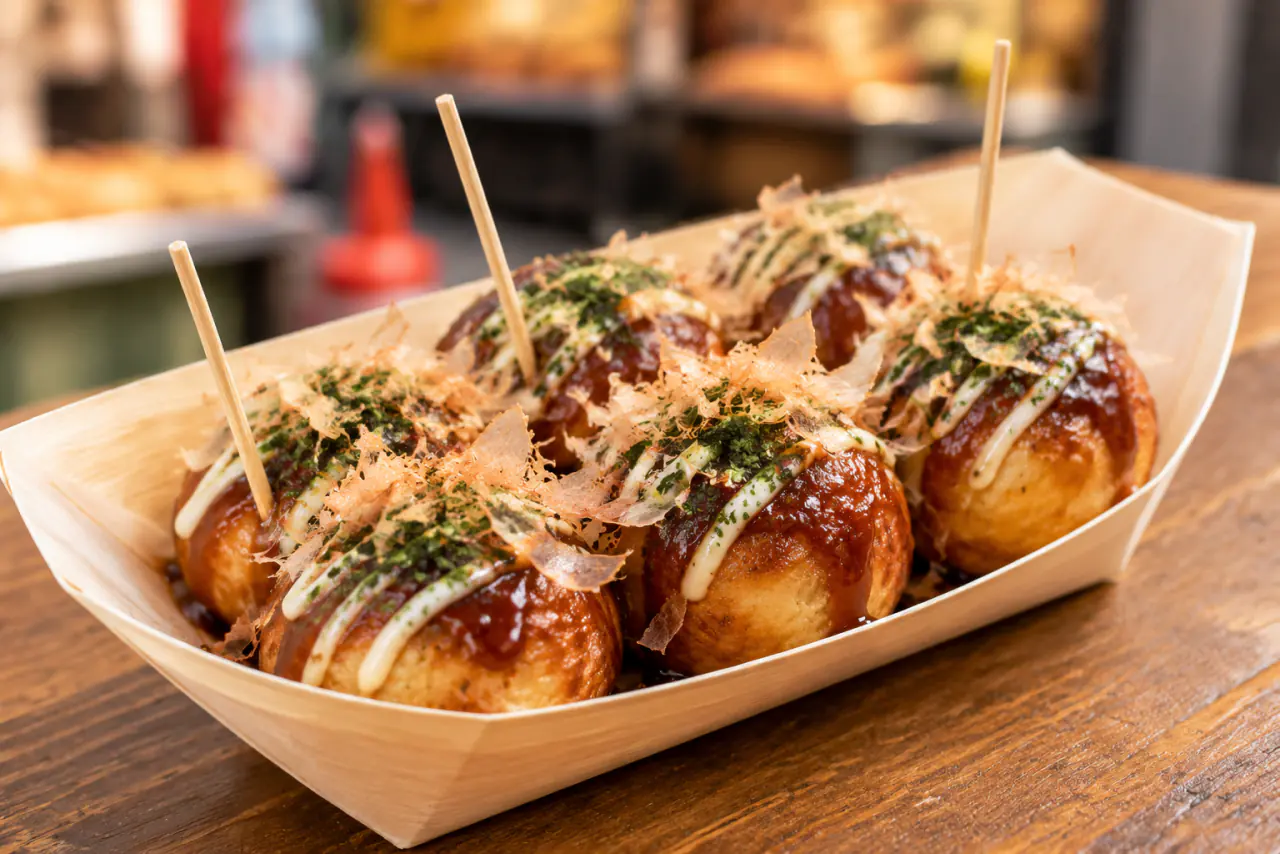
Chunks of octopus are cooked in batter and turned into balls on a griddle. The outside is lightly crisp, while the inside is soft and piping hot. Osaka locals eat them as a snack, usually topped with sauce, mayonnaise, and aonori. Some shops serve them with only dashi.
Street stalls around Dotonbori and Namba. You'll also find them throughout Shinsekai and Umeda. · About ¥500–800 for 6–8 pieces
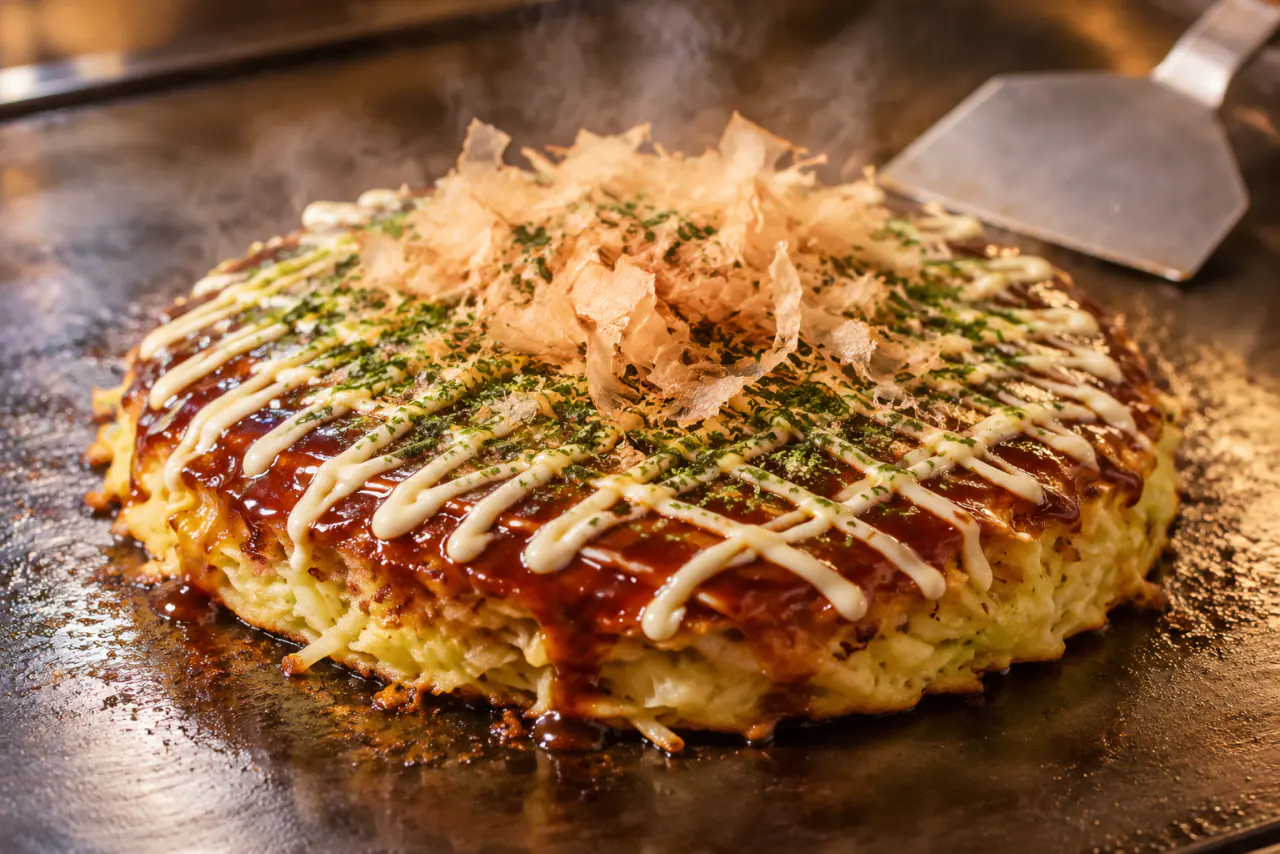
Okonomiyaki
Cabbage and batter are cooked into a thick pancake on a griddle, then topped with sweet sauce and mayonnaise. Many restaurants cook it on the griddle in front of you, and you cut it into pieces with a small spatula. It's hot, filling, and perfect with beer.
Long-running restaurants and chains around Namba, Shinsaibashi, and Umeda's underground malls. · About ¥1,000–2,000 per person
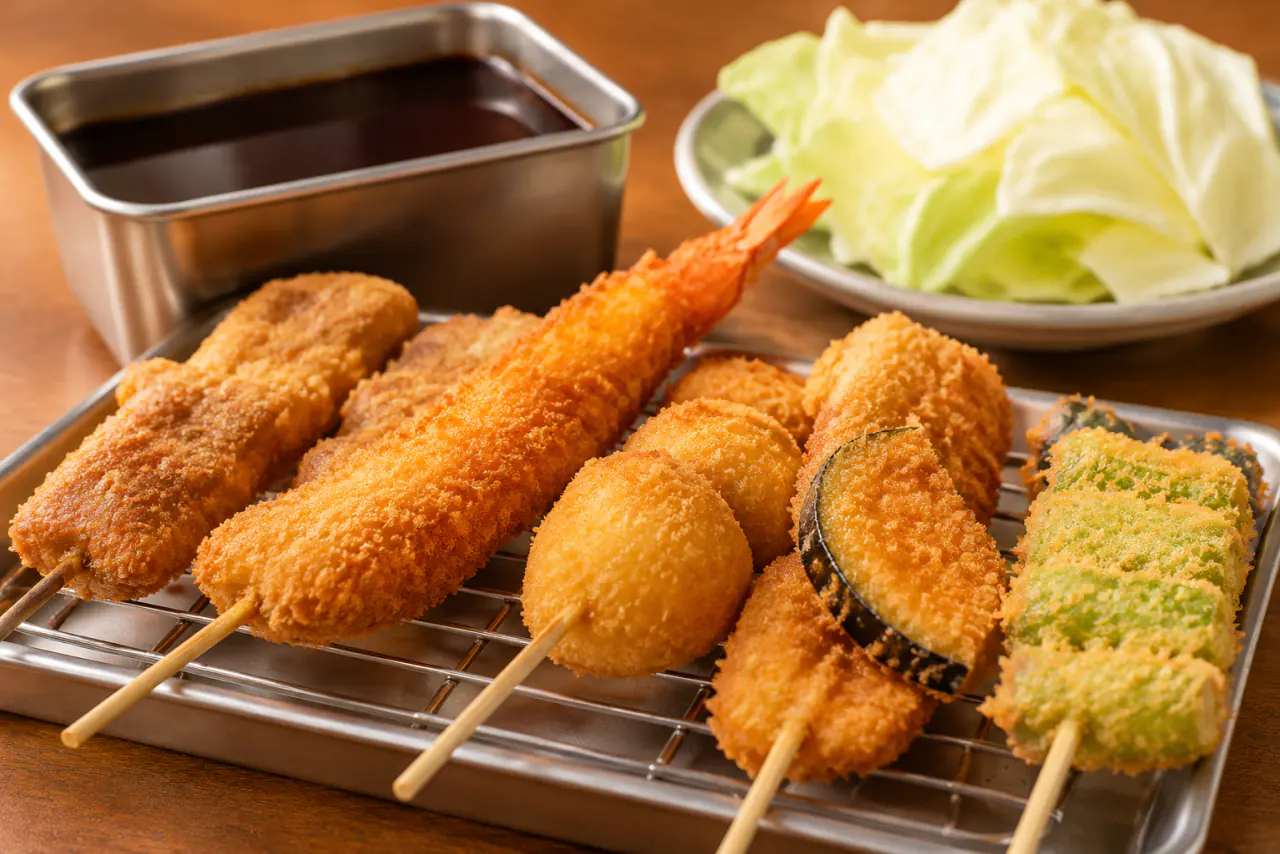
Kushikatsu
Meat, seafood, and vegetables are coated in fine breadcrumbs, deep-fried, and served on skewers with dipping sauce. Shinsekai is where the dish originated, and the restaurants are lively. Cabbage helps cut the richness. Skewers start at a little over ¥100 each.
Most concentrated around Shinsekai, with branches in Namba and Umeda. · About ¥1,500–3,000 per person
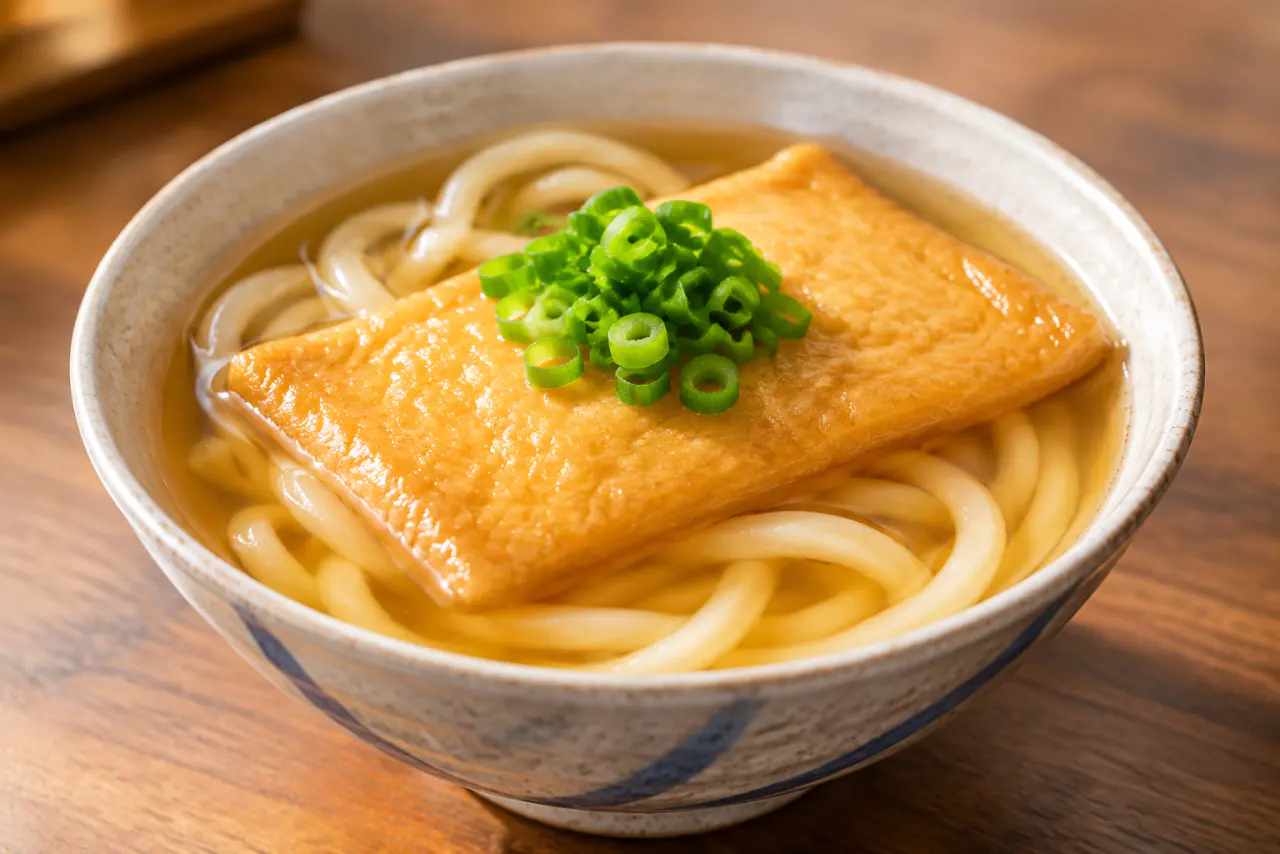
Kitsune udon
Osaka is the birthplace of kitsune udon. Sweet fried tofu sits on soft, smooth udon noodles in a kombu-and-bonito broth. The broth is light in color but full of flavor, completely different from the darker soy-based broth of the Kanto region.
Long-running udon shops in Shinsaibashi and Namba. You can also find it at standing noodle shops in stations. · About ¥600–1,200 per bowl
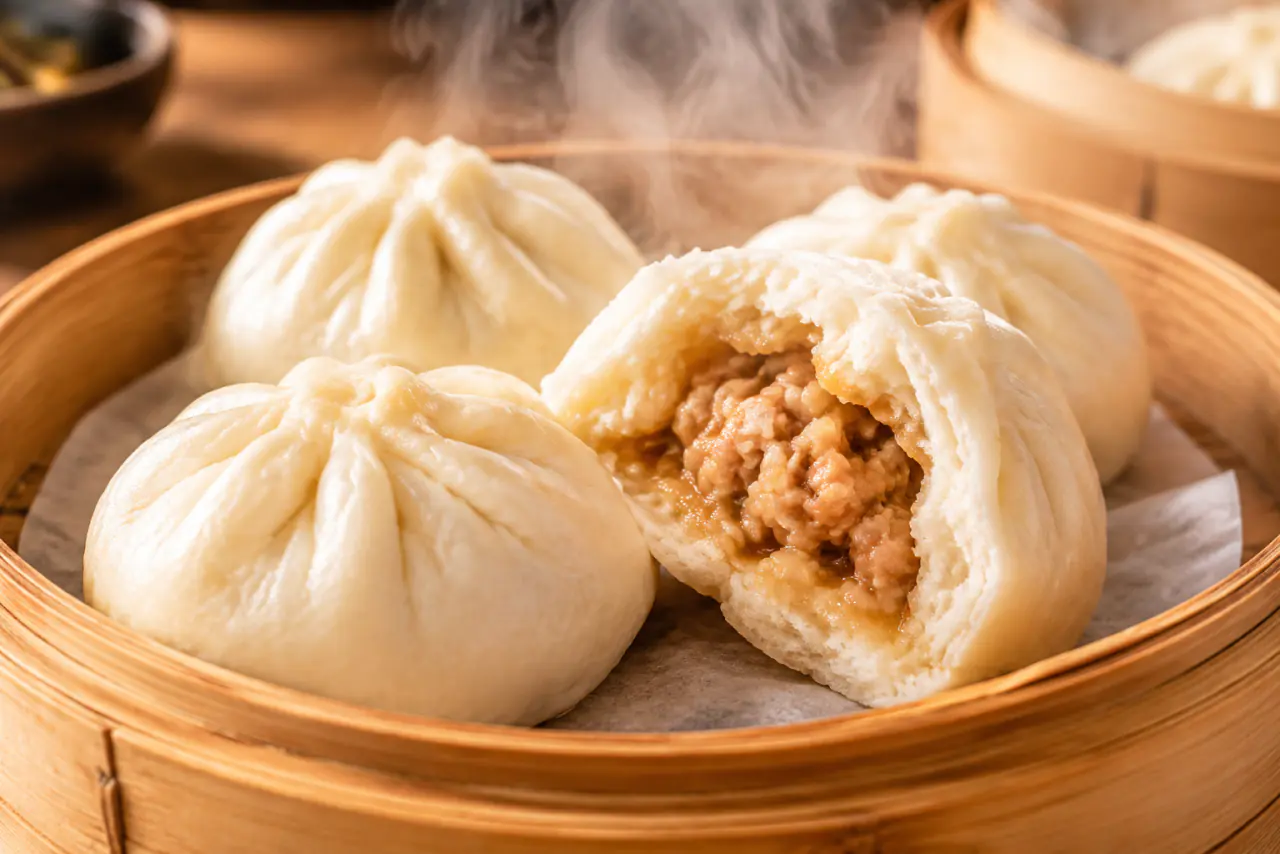
551 Horai pork buns
These pork buns are a childhood staple for many Osaka locals, with thick, fluffy dough and juicy pork filling with a hint of onion sweetness. The chain only operates in Kansai. At the Nankai-Shin-Osaka and Osaka stations, most people waiting in line are locals buying them as gifts to take home.
The Namba main store, Shin-Osaka Station, Osaka Station, and the basements of major department stores. · About ¥500 for two
Getting there · Where to stay
Nankai rapi:t takes about 35–40 minutes to Namba, with a separate limited express surcharge. The Airport Express takes about 45 minutes with no extra charge. JR HARUKA takes about 50 minutes to Shin-Osaka.
The JR Special Rapid takes about 30 minutes to Osaka Station. The Hankyu train from Kyoto-Kawaramachi to Osaka-Umeda takes about 45 minutes.
The Tokaido Shinkansen Nozomi takes about 2 hours 30 minutes to Shin-Osaka. Transfer to the subway or JR to reach central Osaka.
This is a domestic airport. The airport bus takes about 25–30 minutes to Umeda.
Namba and Shinsaibashi are best if you want to eat and shop every day, and they're convenient for Kansai International Airport. Umeda and Osaka Station are better for frequent trips to Kyoto and Kobe. The two areas are 10 minutes apart on the Midosuji Line.
Know this before you go
- At kushikatsu restaurants, dip each skewer in the communal sauce only once. Don't put a bitten skewer back in. Use a cabbage leaf to add more sauce.
- On Osaka escalators, stand on the right and let people pass on the left—the opposite of Tokyo.
- Osaka Prefecture accommodation tax: about ¥200–500 per person per night for rooms costing ¥5,000 or more. Pay it separately at check-in.
- Osaka Station in Umeda and the connected subway and private railway stations form a maze. Allow an extra 10–15 minutes for transfers.
- If you want to visit several paid attractions in one day, look into the Osaka Amazing Pass. For simply eating, shopping, and getting around, use an ICOCA card.