Cloudborne Travel
At the southern tip of Kansai, Wakayama is best known for three things: Koyasan, a Buddhist sanctuary in the mountains; the Kumano Kodo deep in the forest; and Shirahama Onsen and its beaches on the Pacific coast. It lacks the bustle of a big city, making it a good choice if you have already visited Kyoto and Osaka and want a slower pace.
The region is large and travel is slow, so do not try to see it all in one day. Koyasan takes about 2 hours from Namba, and an overnight temple stay is well worth it. The Kumano Kodo and Nachi Falls need 2–3 days. Shirahama can be combined with Kumano. From Osaka, take the JR Limited Express Kuroshio south along the coast for ocean views all the way.
Shirarahama is busiest in July–August. Koyasan is very cold and often snowy in winter, while the Kumano Kodo trails can be slippery during the rainy season.
Monthly weather
Based on WakayamaBest time to visit Monthly precipitation (mm) Open-Meteo (ERA5), 1996–2025 average
| Month | Average high (°C) | Average low (°C) | Monthly precipitation (mm) | Days with 1 mm or more of precipitation |
|---|---|---|---|---|
| Jan | 9.7 | 4.1 | 81 | 11 |
| Feb | 10.6 | 4.3 | 84 | 10 |
| Mar(Good time to visit) | 14.1 | 6.9 | 124 | 12 |
| Apr(Good time to visit) | 18.7 | 11.4 | 125 | 11 |
| May(Good time to visit) | 22.9 | 16.1 | 159 | 11 |
| Jun(Good time to visit) | 25.9 | 20.5 | 234 | 14 |
| Jul(Good time to visit) | 29.6 | 24.7 | 200 | 14 |
| Aug(Good time to visit) | 31.4 | 25.8 | 134 | 12 |
| Sep(Good time to visit) | 28.4 | 22.6 | 180 | 13 |
| Oct(Good time to visit) | 23.1 | 16.7 | 180 | 11 |
| Nov(Good time to visit) | 17.7 | 11.3 | 102 | 9 |
| Dec | 12.2 | 6.4 | 82 | 11 |
Sights
-
 1
Koyasan Okunoin
高野山 奥之院
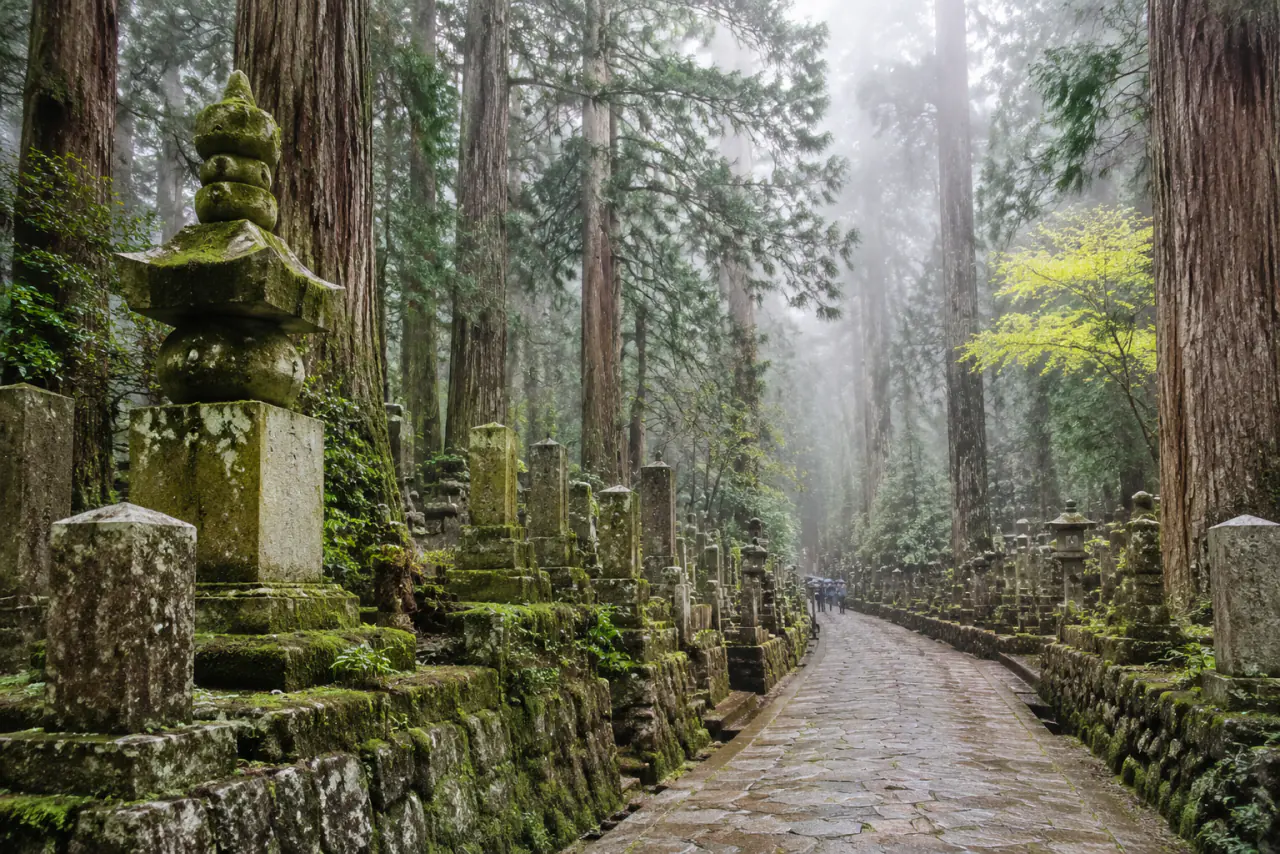
The final resting place of Kobo Daishi Kukai. The approach from Ichi-no-hashi to the mausoleum is about 2 km, lined with towering cedars and more than 200,000 gravestones and memorial stupas, from feudal lords to modern companies. It is remarkably cool and quiet. Most temple lodgings offer evening tours, and the atmosphere is even more intense at night.
Photography, food, and drinks are prohibited beyond Gobyo Bridge. Put your phone away before entering.
-
 2
Kongobu-ji & Danjo Garan
金剛峯寺・壇上伽藍
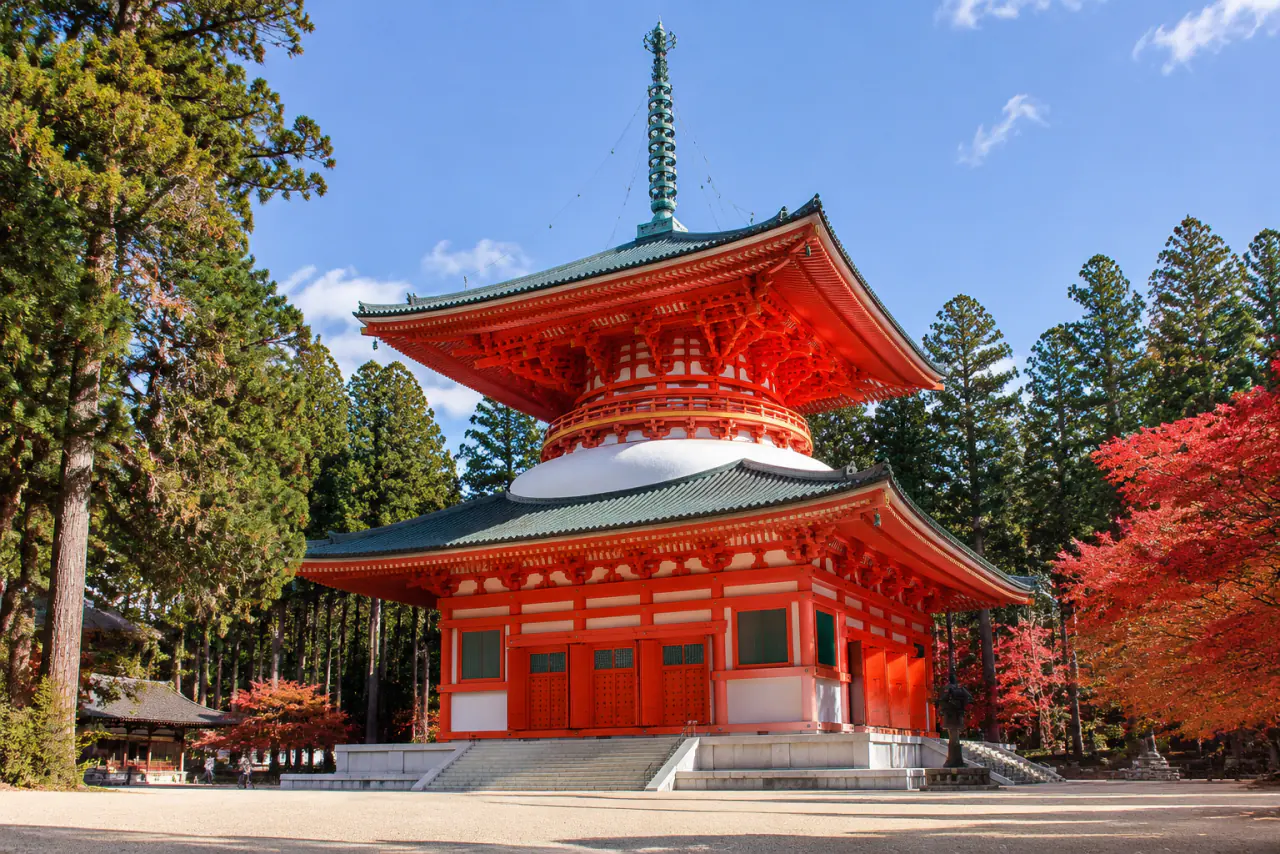
The head temple of Koyasan Shingon Buddhism, Kongobu-ji has Japan's largest rock garden, Banryu-tei, and grand halls decorated with painted sliding screens. Danjo Garan is a few minutes' walk west. Its red Konpon Daito is one of Koyasan's symbols. Together with Okunoin, these are Koyasan's highlights, and buses connect them around the mountain.
It is about 5 degrees colder on the mountain than on the plains, so bring an extra layer in fall and winter.
-
 3
Kumano Kodo Nakahechi
熊野古道 中辺路
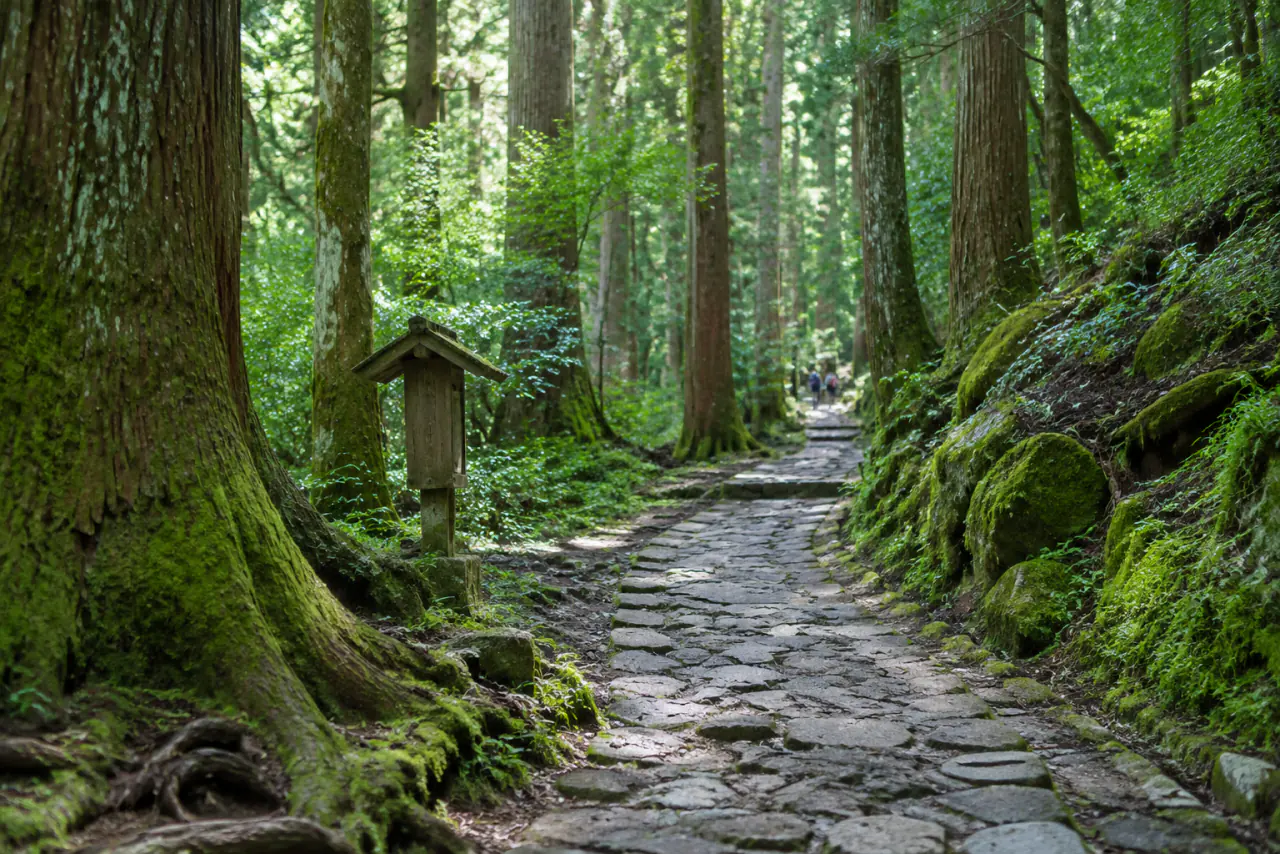
A thousand-year-old pilgrimage route and a World Heritage site. Beginners should walk from Hosshinmon-oji to Kumano Hongu Taisha, a route of about 7 km that takes 2–3 hours. It is mostly downhill, with forest paths and stone steps, small shrines, and villages along the way. Afterward, soak your feet in Yunomine or Kawayu Onsen to relax.
Bring rain gear and shoes with good traction. Bus services are infrequent, so check the last departure before setting out.
-
 4
Kumano Hongu Taisha
熊野本宮大社
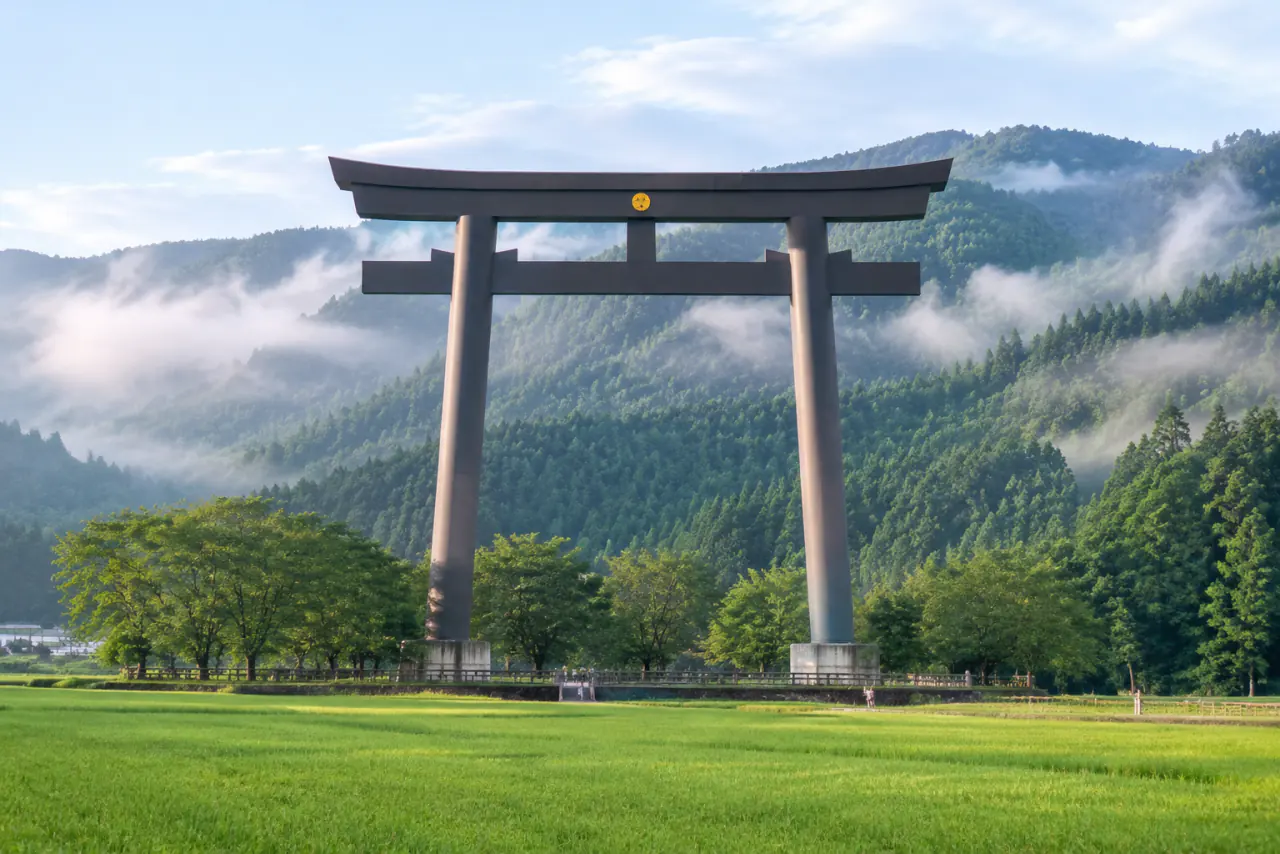
The center of the Kumano Sanzan, this shrine has simple, dignified buildings with cypress-bark roofs. A few minutes away is the former site, Oyunohara, marked by one of Japan's largest torii gates, about 34 meters high. It makes a striking sight standing in the middle of the fields. The ancient trail ends here, making it a good first stop on a Kumano trip.
After visiting the shrine, head to Tsuboyu at nearby Yunomine Onsen. It is the only World Heritage hot spring you can bathe in.
-
 5
Nachi Falls
那智の滝
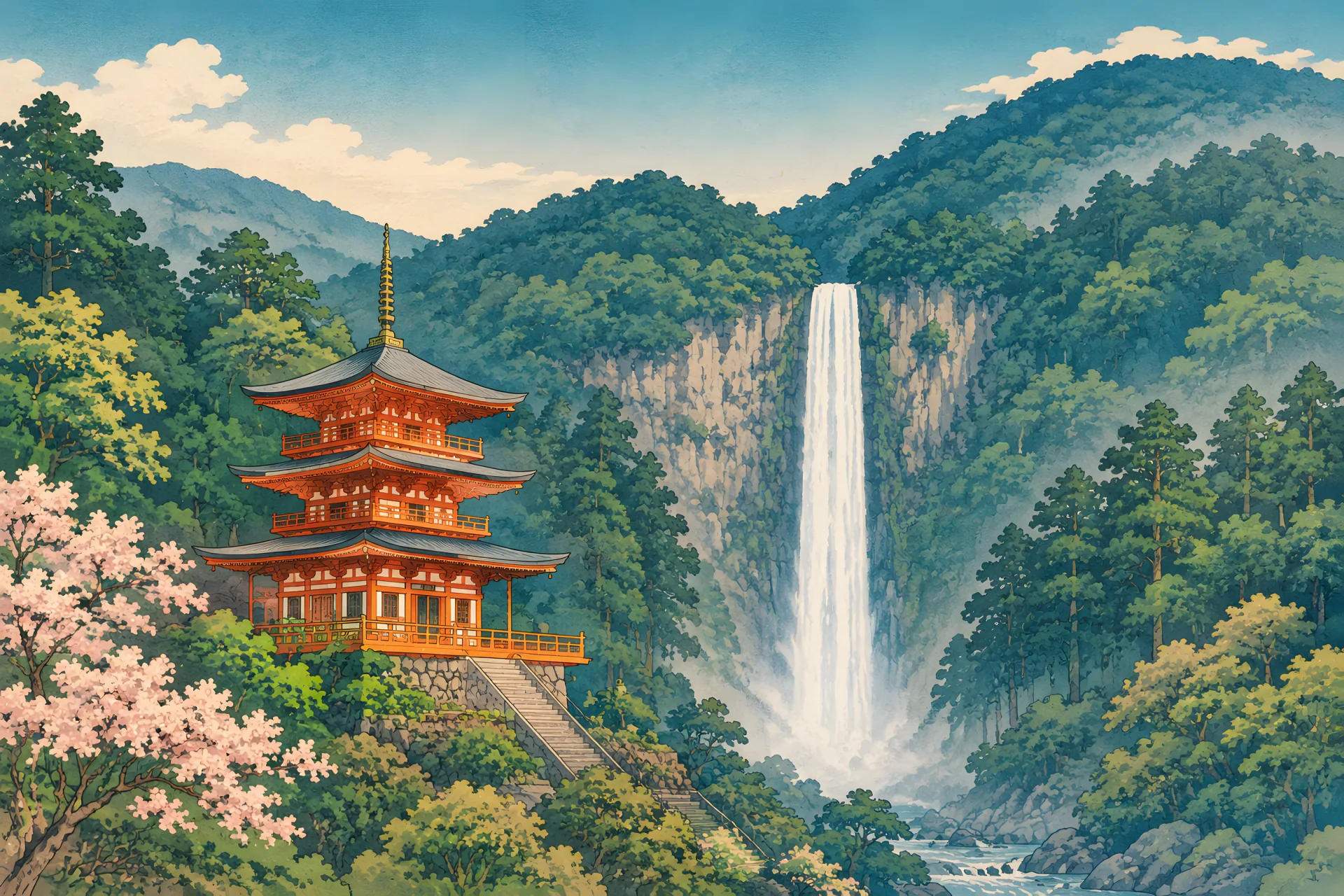
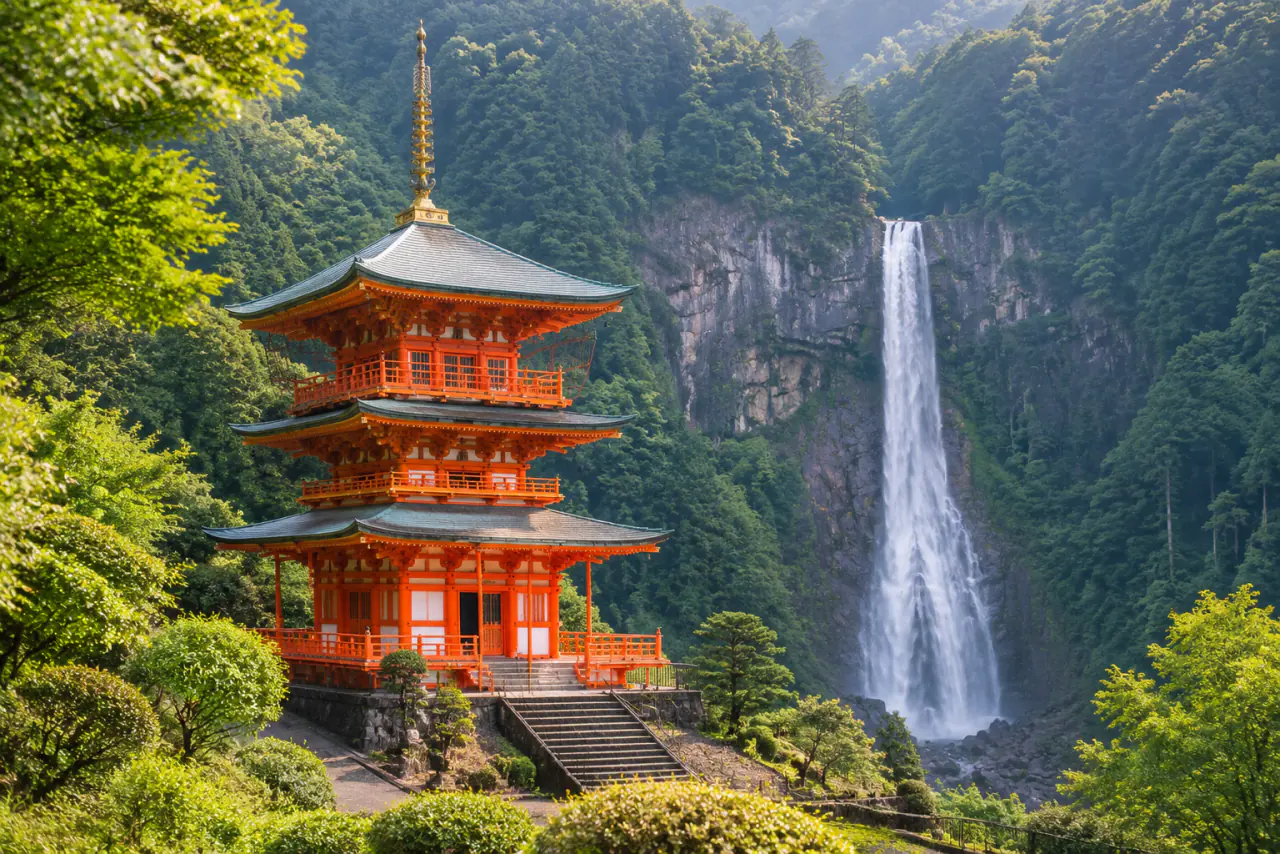
With a drop of 133 meters, Nachi Falls is Japan's tallest single-drop waterfall. From Seiganto-ji beside Kumano Nachi Taisha, the red three-story pagoda frames the falls in Wakayama's most iconic view. You can also climb the stone steps from Daimon-zaka, a walk of about 30 minutes through towering old-growth trees that evokes the area's pilgrimage history.
The stone steps at Daimon-zaka are slippery when wet. Wear shoes with good traction on rainy days and take the bus downhill on the return.
-
 6
Shirahama Beach & Shirahama Onsen
白良浜・白浜温泉 · Shirarahama & Shirahama Onsen
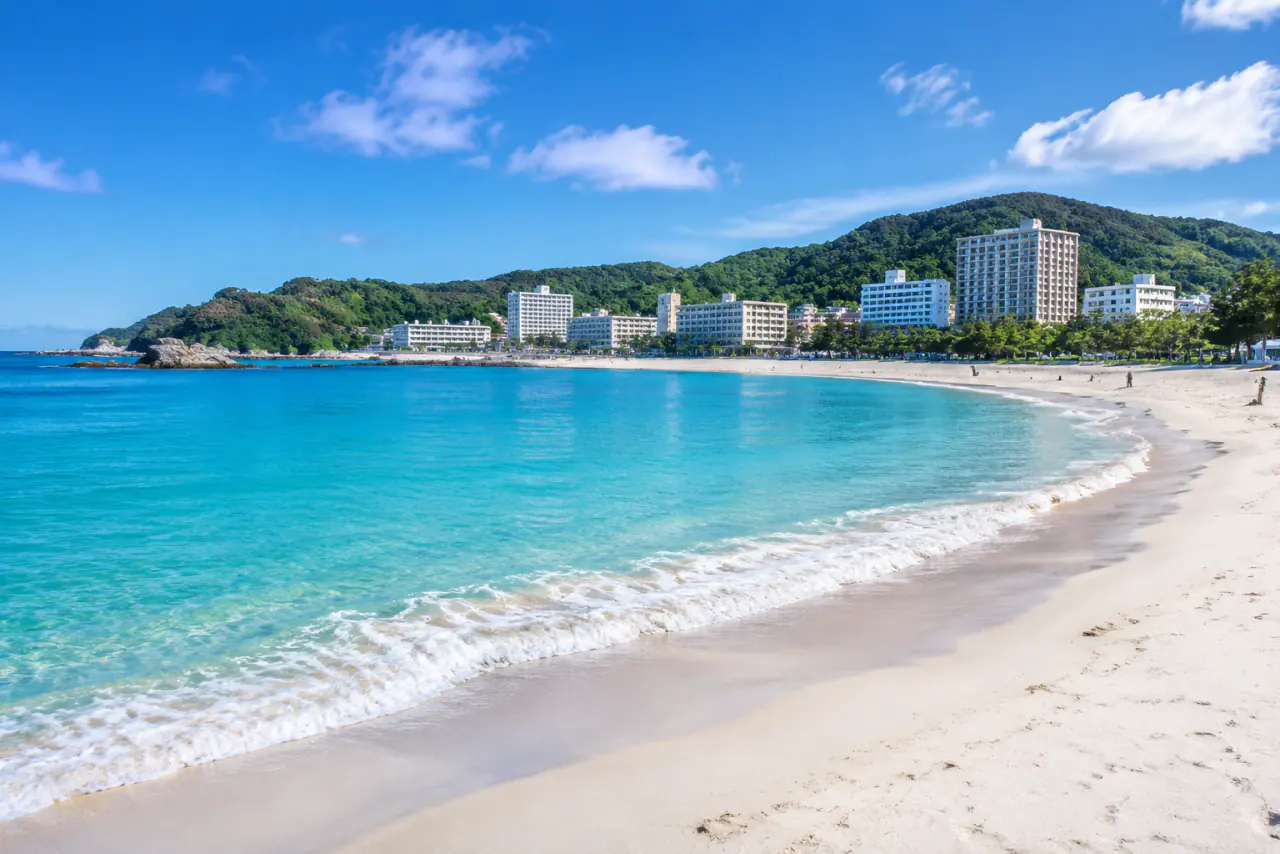
This beach has soft white sand and clear blue water, and is a favorite Kansai swimming destination in summer. There is a free open-air footbath by the beach, while nearby Saki-no-Yu is a seaside open-air hot spring facing the Pacific. Other attractions include the sea cliffs at Sandanbeki, sunset views at Engetsu Island, and Adventure World, home to giant pandas.
Hotels are expensive and hard to book on weekends in July–August. Visit Engetsu Island around sunset.
-
 7
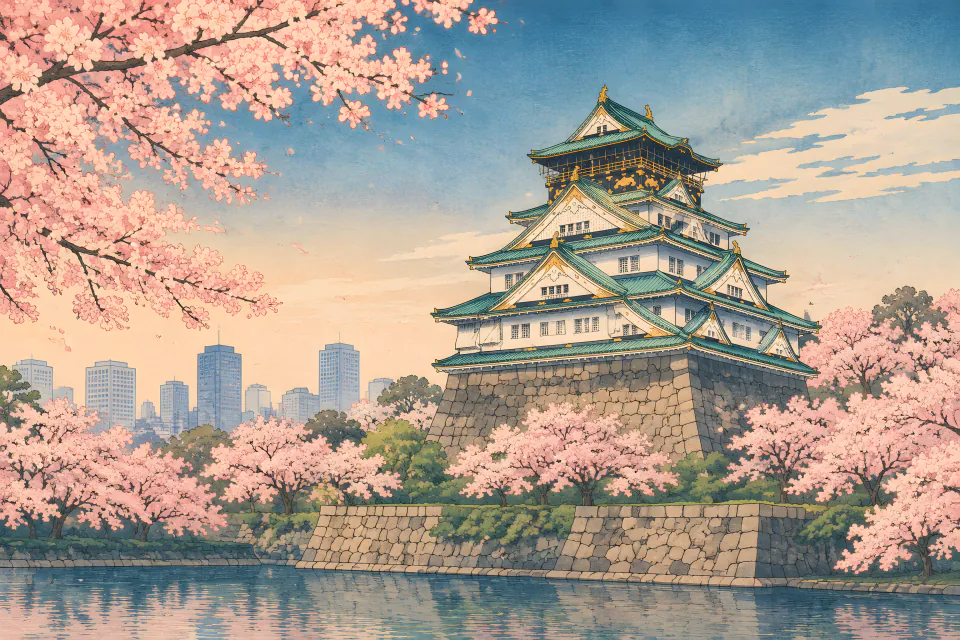
Wakayama Castle
和歌山城
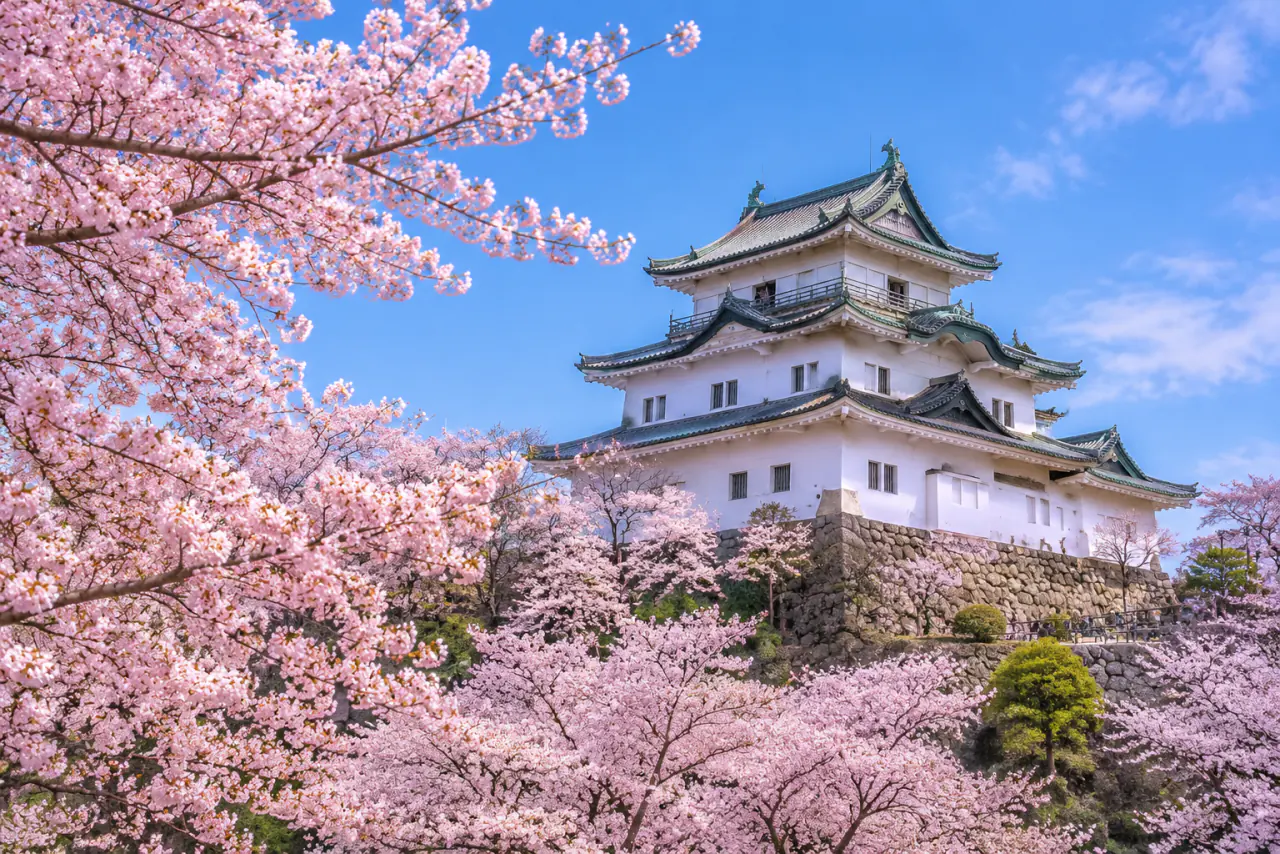
The former stronghold of the Kishu Tokugawa family, one of the three major branches of the Tokugawa clan. Its white keep stands on a hill in the city center, surrounded by well-preserved stone walls and gardens. About 600 cherry trees bloom in the park in spring, making it Wakayama City's top cherry-blossom spot. It is about a 10-minute walk from Wakayamashi Station and easy to visit on the way to the airport or Koyasan.
The keep is a postwar reconstruction. Focus instead on the stone walls and Momijidani Garden.
What to eat
Wakayama ramen
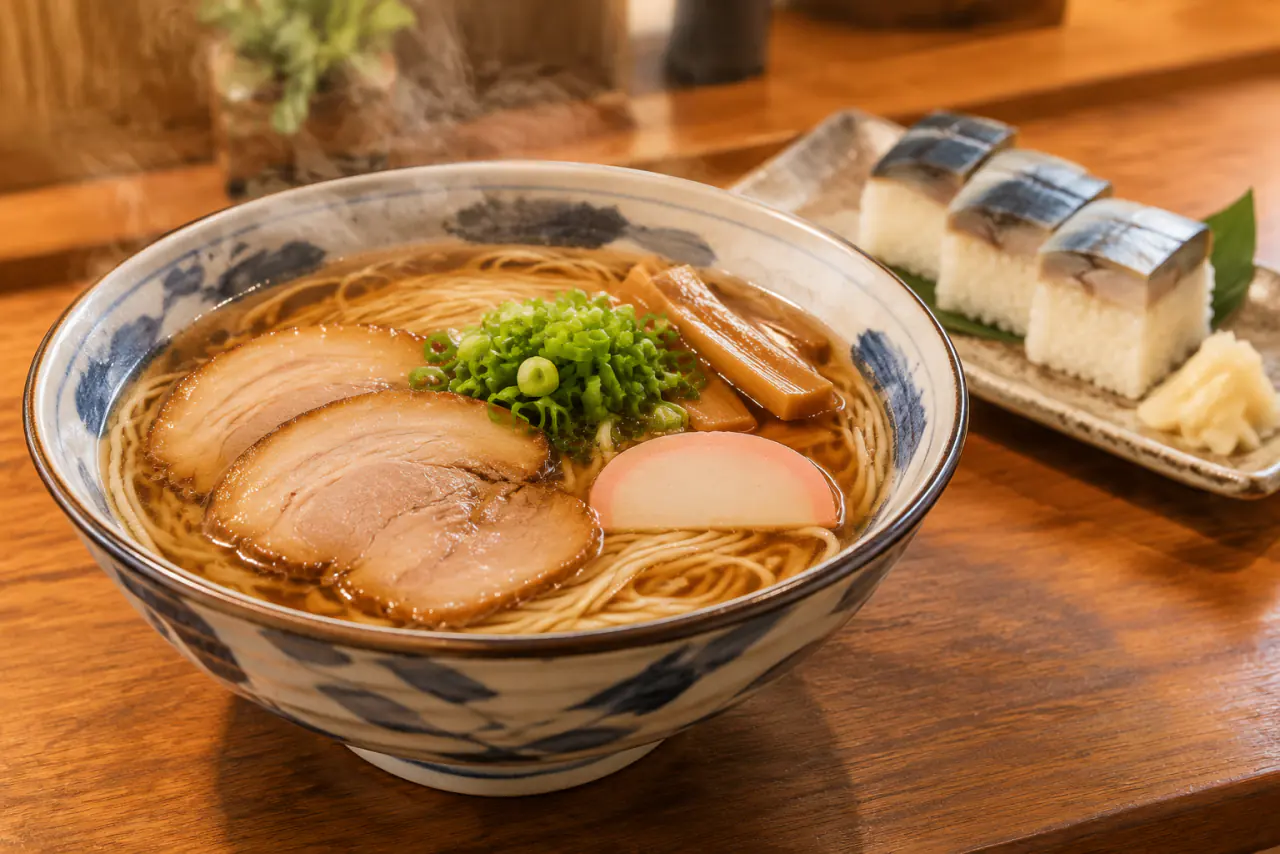
A rich, slightly salty pork-bone and soy-sauce broth with thin straight noodles. Local custom is to place haya-zushi, pressed mackerel sushi, and boiled eggs on the table. Take what you want and tell the cashier how many you had when you pay.
Long-running shops around Wakayama Station and Wakayamashi Station. · About ¥800–1,200 per bowl
Koyasan shojin ryori
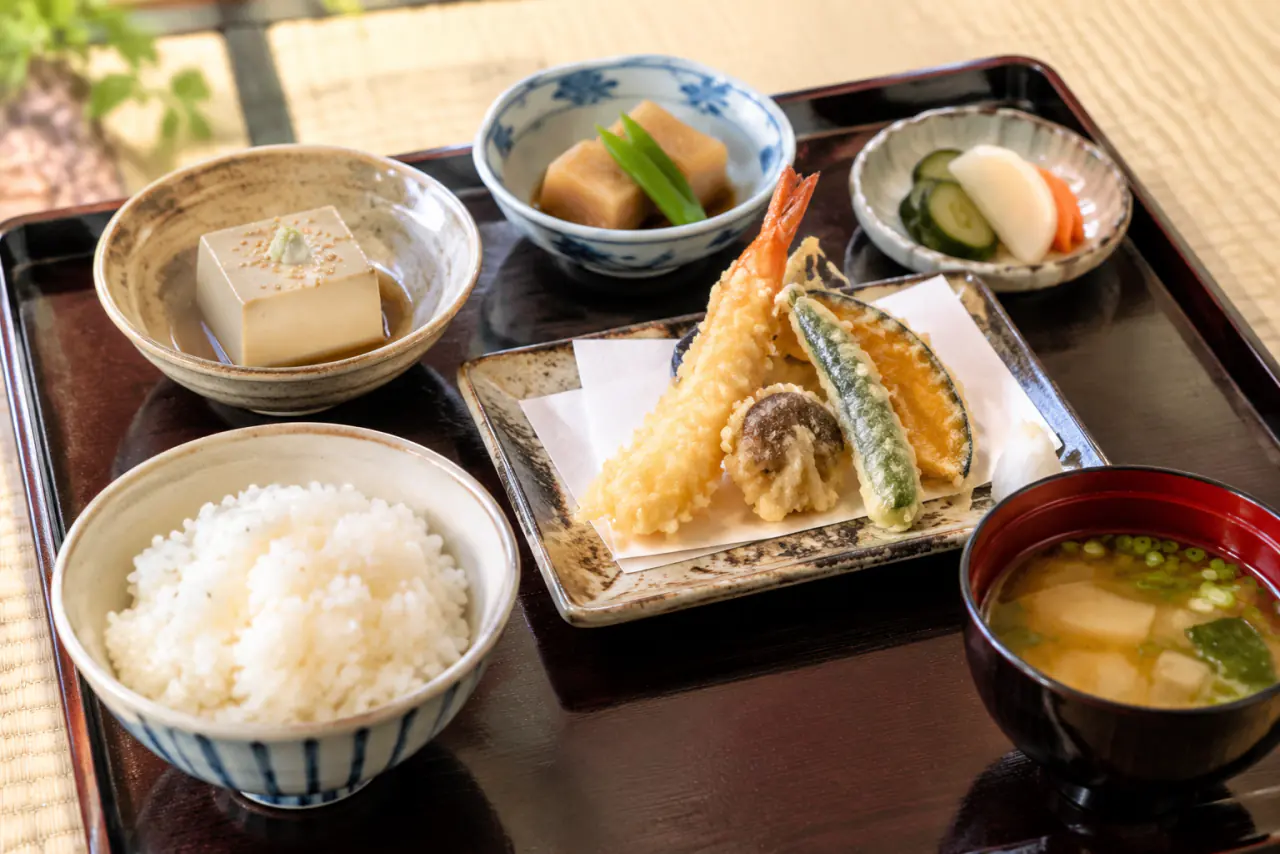
Vegetarian Buddhist cuisine served at temple lodgings, without meat, fish, or the five pungent roots. Specialties include sesame tofu, with a springy texture and nutty flavor, as well as koya tofu and tempura made with seasonal vegetables. The presentation is carefully arranged.
Dinner and breakfast at Koyasan temple lodgings; vegetarian restaurants are also found around the mountain. · About ¥3,000–5,000 per person for lunch
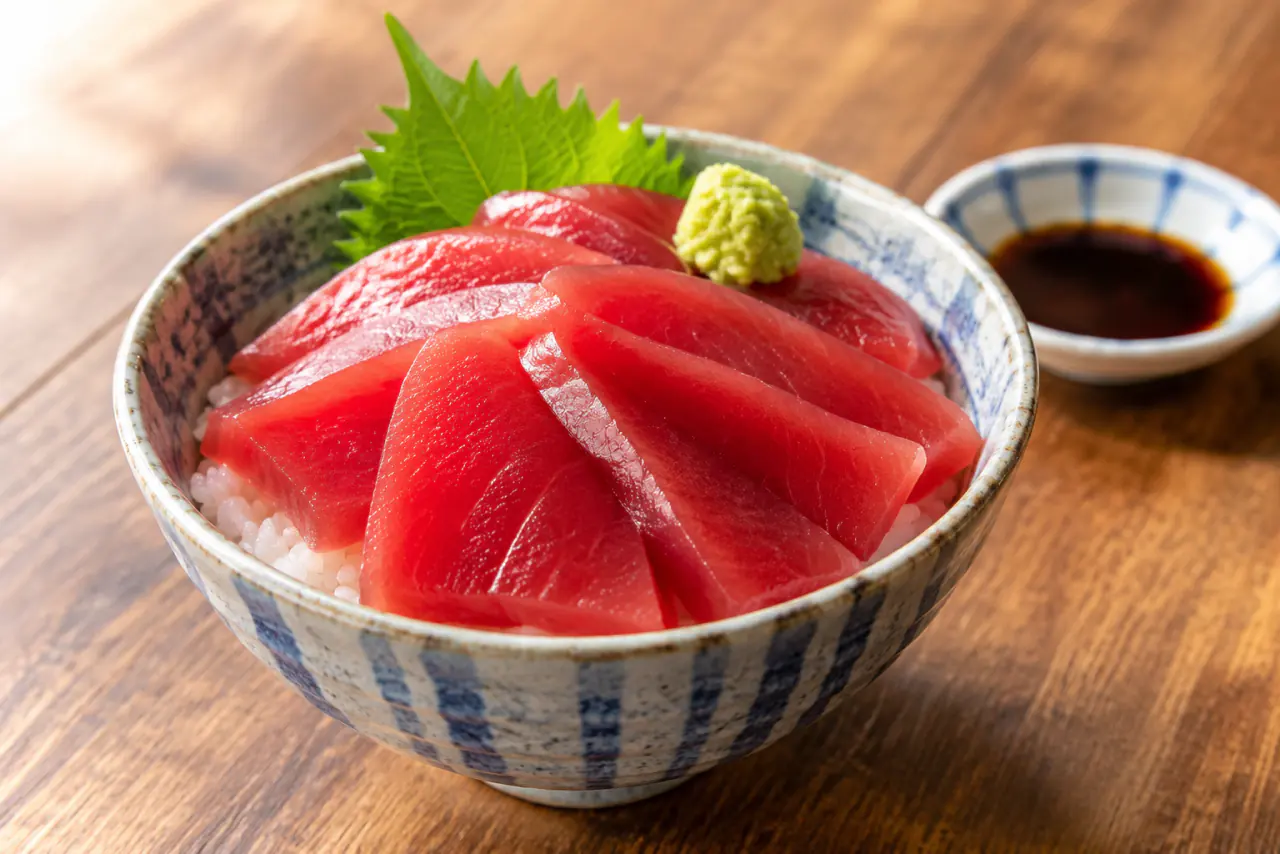
Kii-Katsuura tuna
Kii-Katsuura is one of Japan's major ports for fresh tuna. After auction, the fish goes straight to the table without being frozen, giving it a softer, sweeter texture than frozen tuna. Try it as sashimi, in a tuna rice bowl, or fried.
Seafood diners around Kii-Katsuura Station and the fishing port. · About ¥1,500–3,000 for a tuna rice bowl
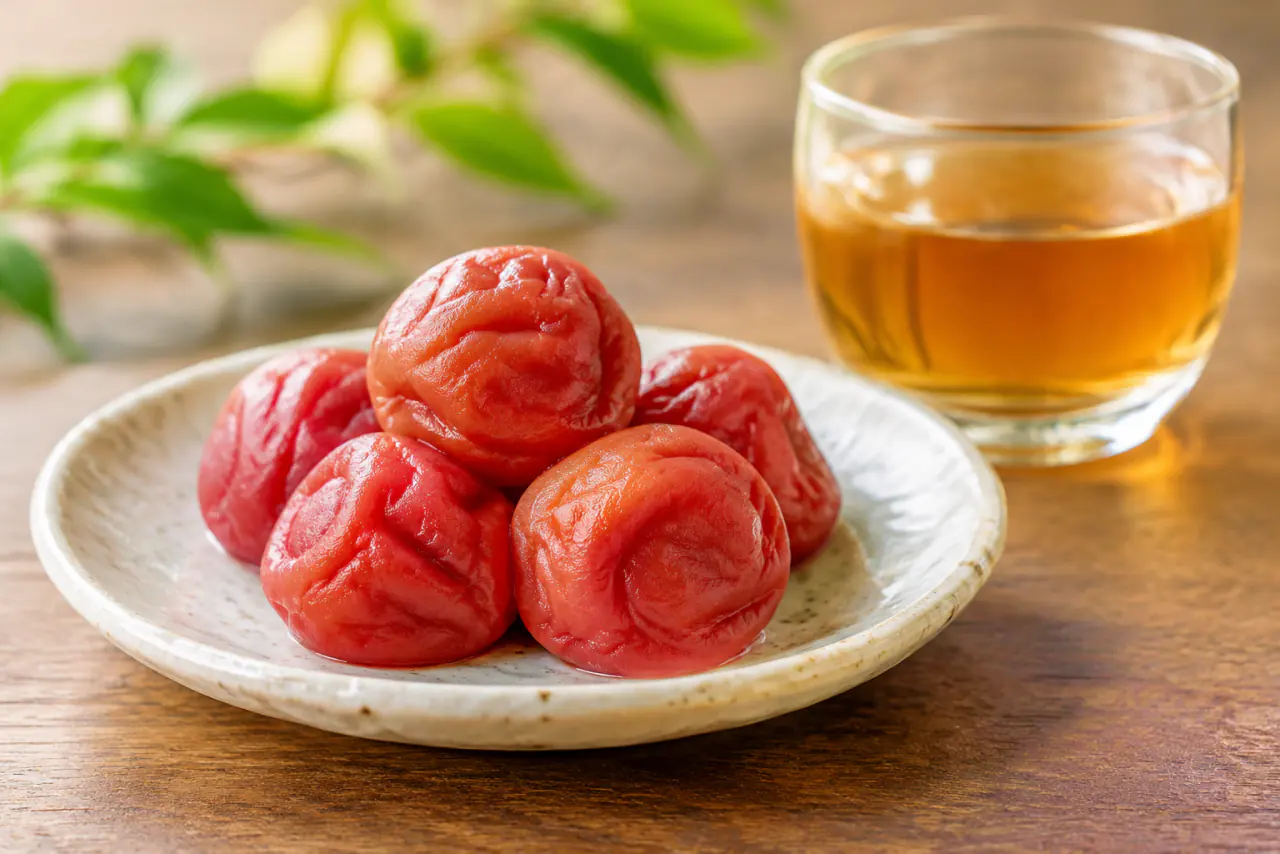
Kishu Nanko ume
Wakayama is Japan's largest plum-growing region. Nanko plums have thick, soft flesh and make umeboshi with a tart, salty flavor and a lingering sweetness. Honey-sweetened versions are easier for first-time tasters. Plum wine is also famous.
Specialty shops around Shirahama and Tanabe; also available at Wakayama Station and the airport.
Getting there · Where to stay
Take the Nankai Koya Line to Gokurakubashi, then transfer to the cable car up to Koyasan. The limited express takes about 1.5–2 hours.
The JR Limited Express Kuroshio takes about 2.5 hours to Shirahama and about 4 hours to Kii-Katsuura.
Take the JR Kansai Airport Rapid to Hineno and transfer to a train for Wakayama Station, for a total journey of about 1 hour. Shirahama is also closer from here than from central Osaka.
Haneda has flights to Nanki-Shirahama Airport that take about 1 hour 15 minutes, making this a good option for going straight to Shirahama and Kumano.
Stay at a temple lodging in Koyasan, eat Buddhist vegetarian meals, and join the morning service. In Kumano, stay at one of the hot-spring towns around Hongu. In Shirahama, choose a seaside hot-spring hotel with sunset views.
Know this before you go
- Book Koyasan temple lodgings in advance. Rooms are usually tatami-style with shared bathrooms, and you should note the curfew and dinner time.
- Buses around Kumano are infrequent. Plan each day's schedule backward from the bus timetable so you do not miss the last bus.
- Phone service can be unreliable along the ancient trail. Download offline maps and bring water and simple snacks.
- Renting a car is convenient here, but whether you can drive in Japan depends on your licence and the required documents. Check the official rules before driving; without a licence, use trains and buses.