Cloudborne Travel
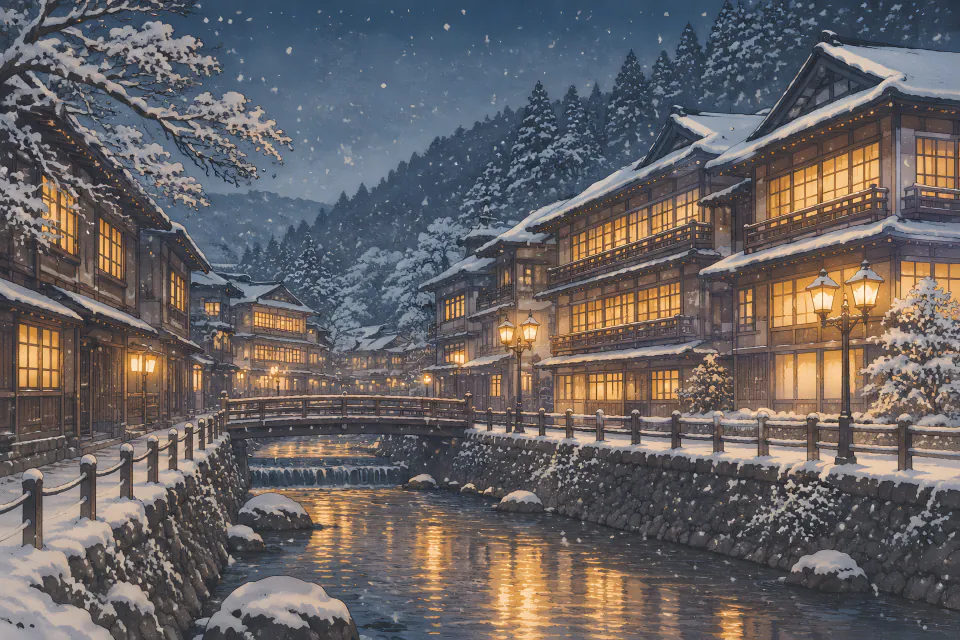
Niigata lies on the Sea of Japan side of Honshu. It gets heavy snow in winter, and this is the area featured in Yasunari Kawabata's Snow Country. For most travelers, Echigo-Yuzawa is the easiest base: the Joetsu Shinkansen takes about 1 hour 20 minutes from Tokyo, and you can soak in hot springs or ski right after leaving the station. A winter day trip is also easy.
The other major draw is offshore: Sado Gold Mine was added to the World Heritage list in 2024. On the island's south side, Shukunegi is an old fishing village with boat-shaped wooden houses. The island is large, so plan to stay one night. In summer and fall, you can link Kiyotsu Gorge Tunnel, Hoshitoge Rice Terraces, and Yahiko Shrine, but buses between rural sights are infrequent, so check the schedules in advance.
See snow and ski from December–March; Takada's illuminated cherry blossoms in early to mid-April; fall colors at Kiyotsu Gorge Tunnel from mid-October to early November. Weekend visits often require reservations.
Monthly weather
Based on NiigataBest time to visit Monthly precipitation (mm) Open-Meteo (ERA5), 1996–2025 average
| Month | Average high (°C) | Average low (°C) | Monthly precipitation (mm) | Days with 1 mm or more of precipitation |
|---|---|---|---|---|
| Jan(Good time to visit) | 5.8 | 1.1 | 175 | 25 |
| Feb(Good time to visit) | 6.6 | 0.8 | 117 | 20 |
| Mar(Good time to visit) | 10.6 | 3 | 122 | 19 |
| Apr(Good time to visit) | 16.2 | 7.4 | 95 | 14 |
| May(Good time to visit) | 21.7 | 12.9 | 102 | 12 |
| Jun | 25.3 | 18.1 | 120 | 12 |
| Jul | 29 | 22.8 | 201 | 16 |
| Aug | 30.7 | 24 | 156 | 14 |
| Sep(Good time to visit) | 26.9 | 20.1 | 145 | 14 |
| Oct(Good time to visit) | 20.7 | 13.5 | 147 | 15 |
| Nov(Good time to visit) | 14.7 | 8 | 160 | 19 |
| Dec(Good time to visit) | 8.7 | 3.4 | 194 | 24 |
Sights
-
 1
Sado Gold Mine
佐渡金山
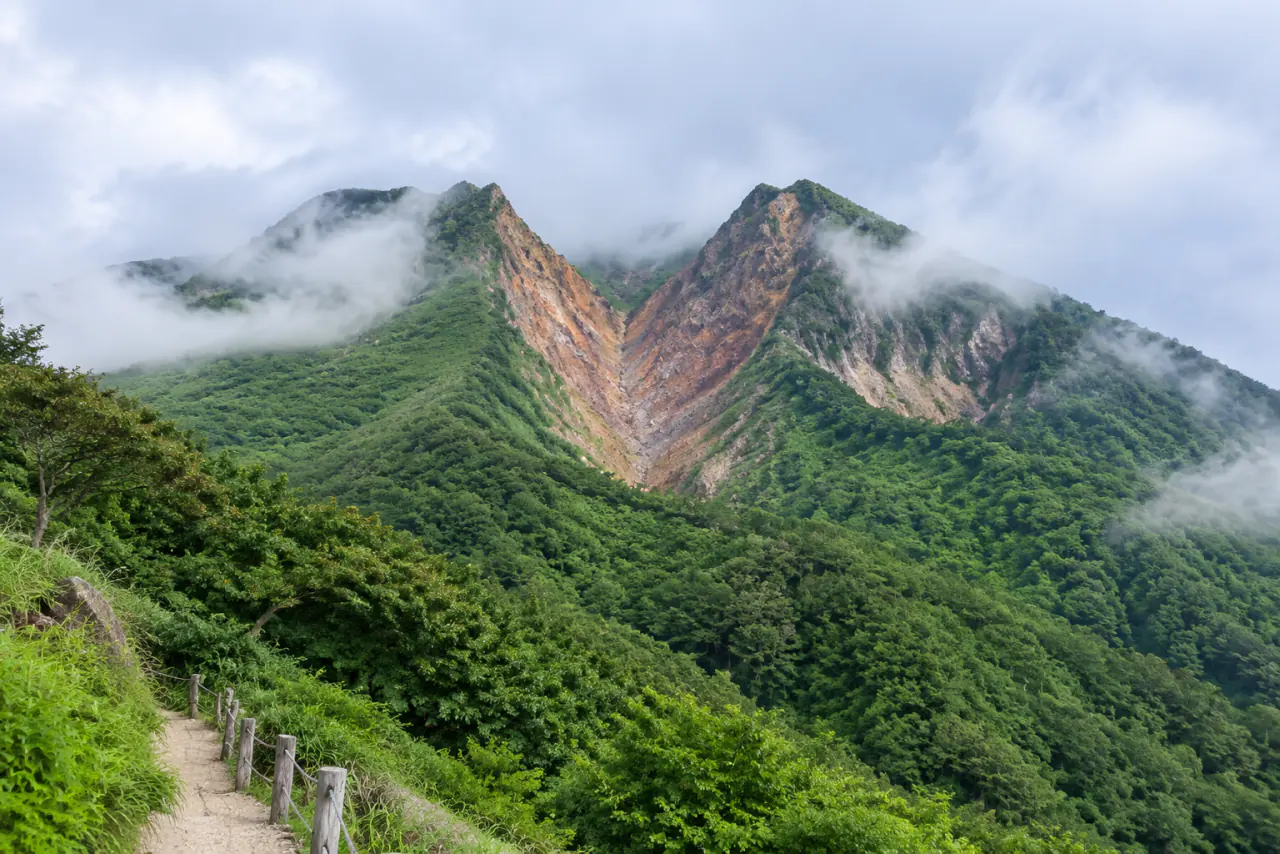
Gold and silver were mined here for nearly 400 years beginning in the Edo period. In 2024, it was added to the World Heritage list as Sado Island Gold Mine. At the Sohdayu Mine, moving figures recreate the miners' work. The Doyu Mine shows Doyu no Warito, a mountain split open by mining. Buses on the island require transfers and run infrequently, so consider booking a local day-tour bus.
The tunnels stay around 10℃ year-round, so bring a jacket even in summer.
-
 2
Shukunegi
宿根木
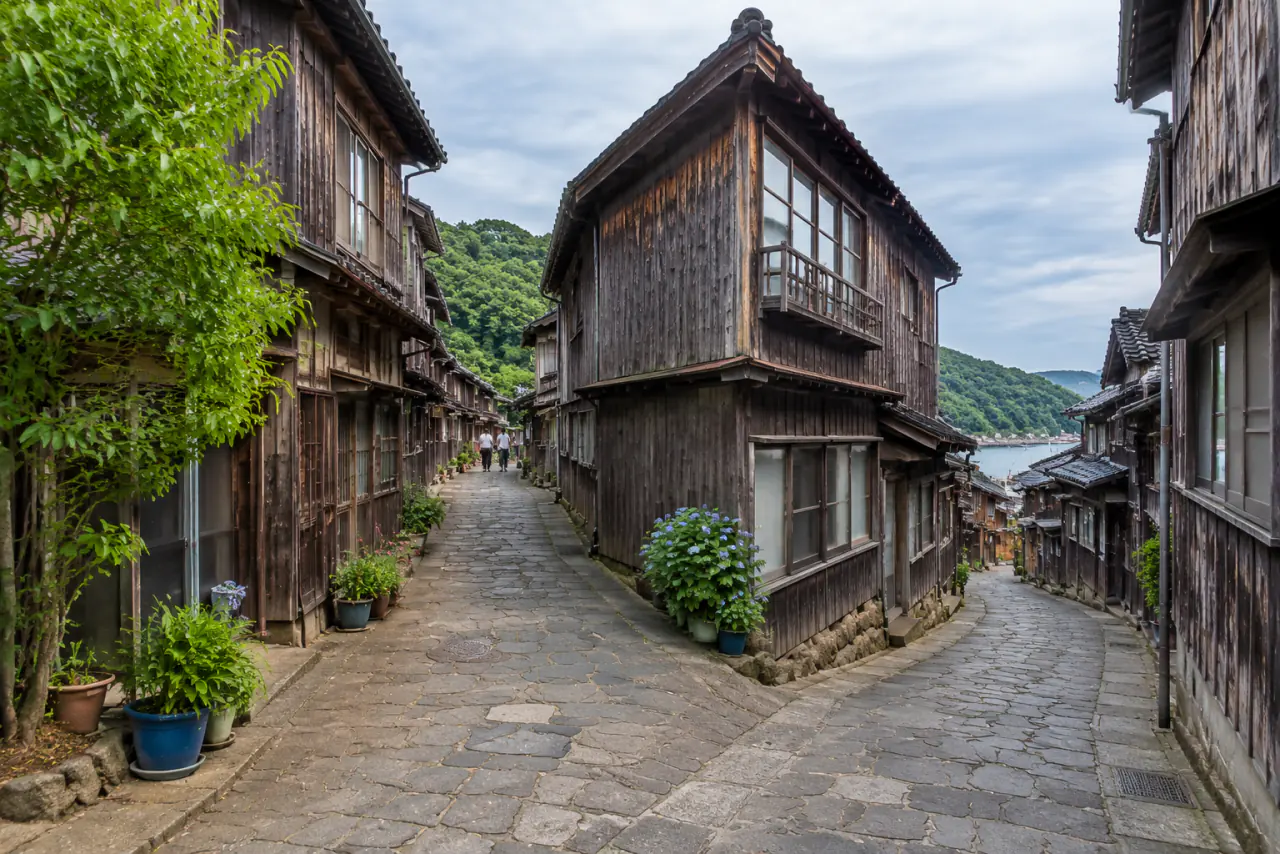
This small fishing village at the southern tip of Sado Island grew wealthy during the Edo period through the Kitamaebune trade. More than 100 wooden houses crowd its narrow lanes, including a distinctive triangular house known as the Boat House. Nearby Ogi Port offers rides in tarai bune, traditional washtub boats. The village is tiny and takes about 30 minutes to walk through, making it easy to combine with Sado Gold Mine for a 2-day island trip.
This is a residential village. Don't enter private yards to take photos, and keep your voice down.
-
 3
Kiyotsu Gorge Tunnel
清津峡渓谷トンネル
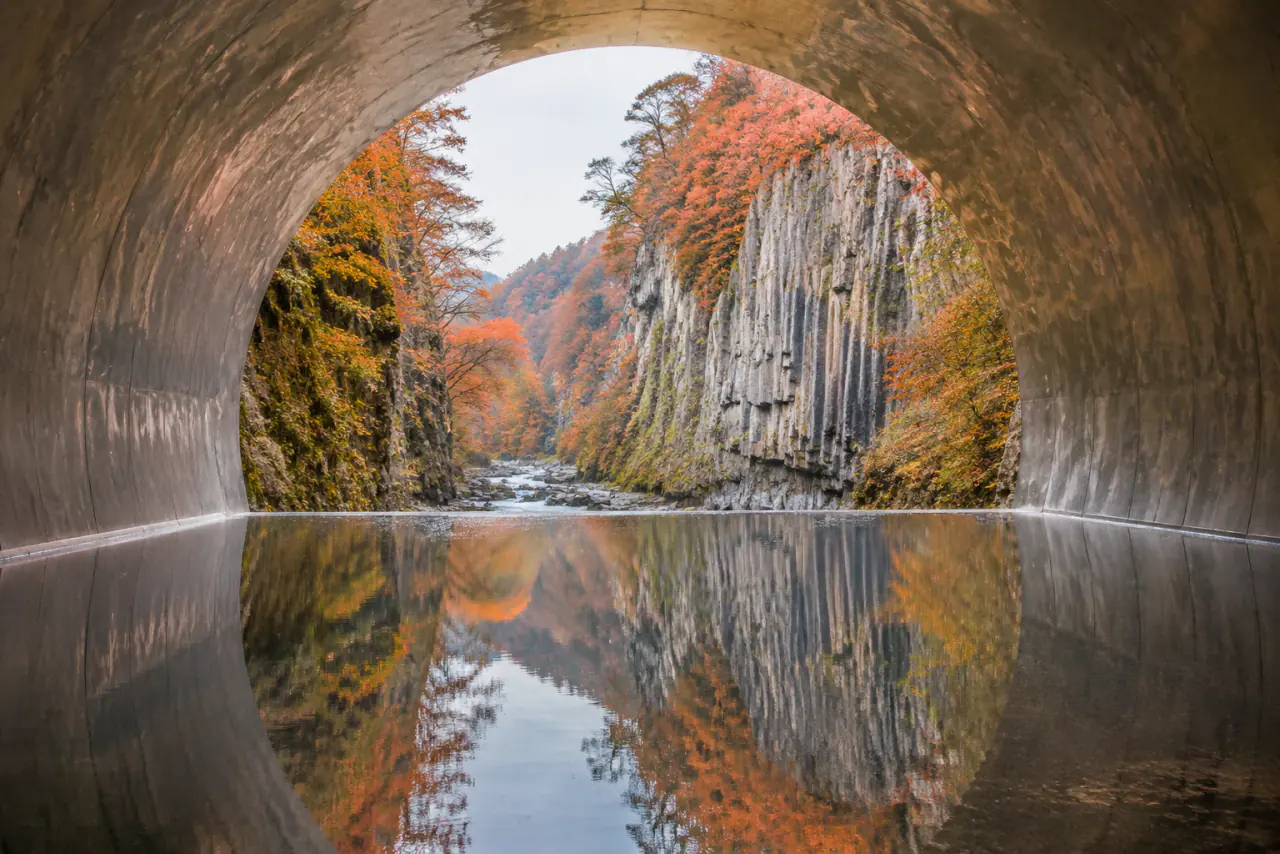
One of Japan's three great gorges, this site was transformed into the Tunnel of Light in 2018 by a team led by Chinese architect Ma Yansong. Walk about 750 meters to the end, where a shallow pool reflects the gorge in a circular frame. The bus from Echigo-Yuzawa Station takes about 25 minutes, followed by a walk of about 30 minutes.
During fall foliage season and long holidays, it often operates by reservation only. You can't enter without a ticket, so buy one on the official website first.
-
 4
Echigo-Yuzawa Onsen
越後湯沢温泉
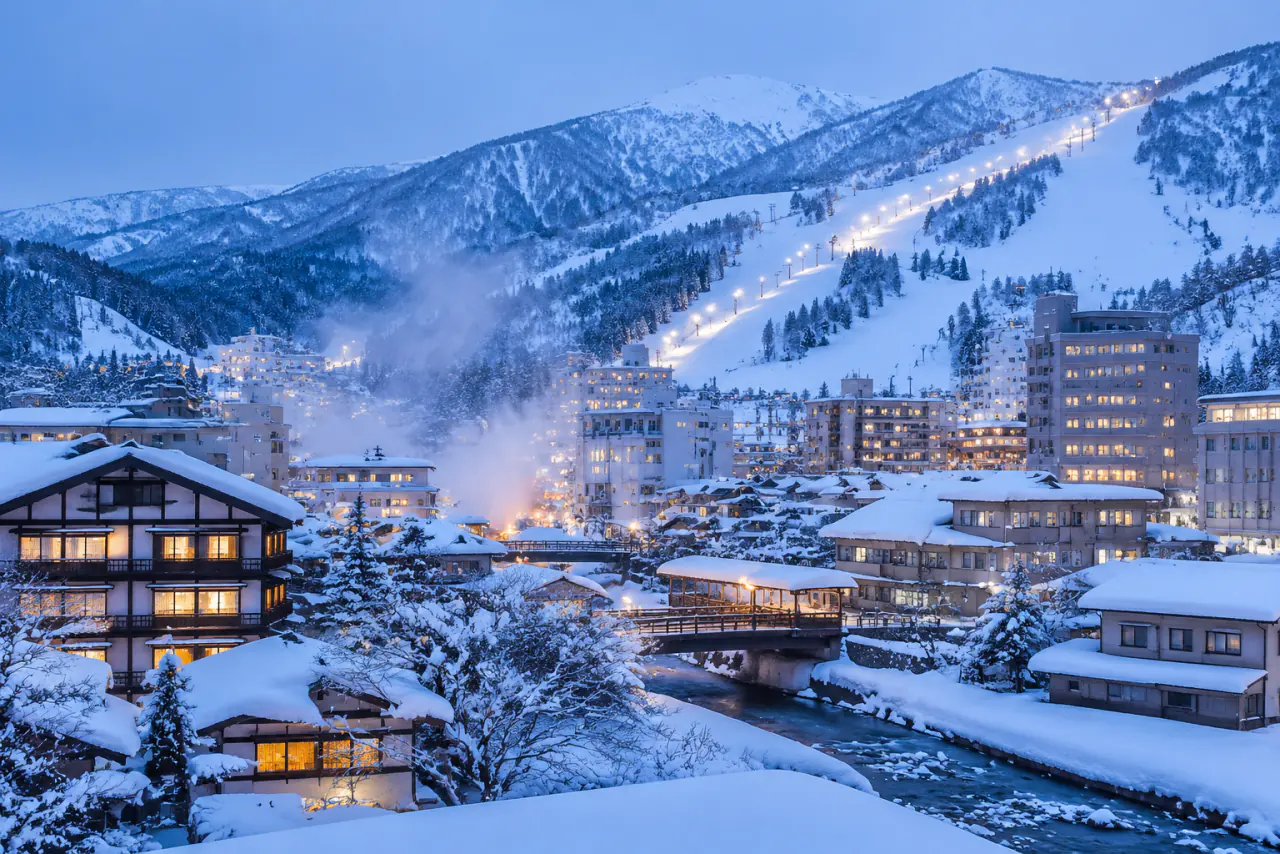
This is the snowy country at the beginning of Snow Country. The hot-spring district starts right outside the Shinkansen station. During ski season, some Shinkansen trains continue to GALA Yuzawa Station, where the ski resort is right outside and you can rent equipment. Ponshukan inside the station offers coin-operated tastings of sake from across Niigata. It's easy to visit as a day trip from Tokyo or stay overnight.
GALA Yuzawa operates only during ski season, so check the opening dates before you go.
-
 5
Hoshitoge Rice Terraces
星峠の棚田
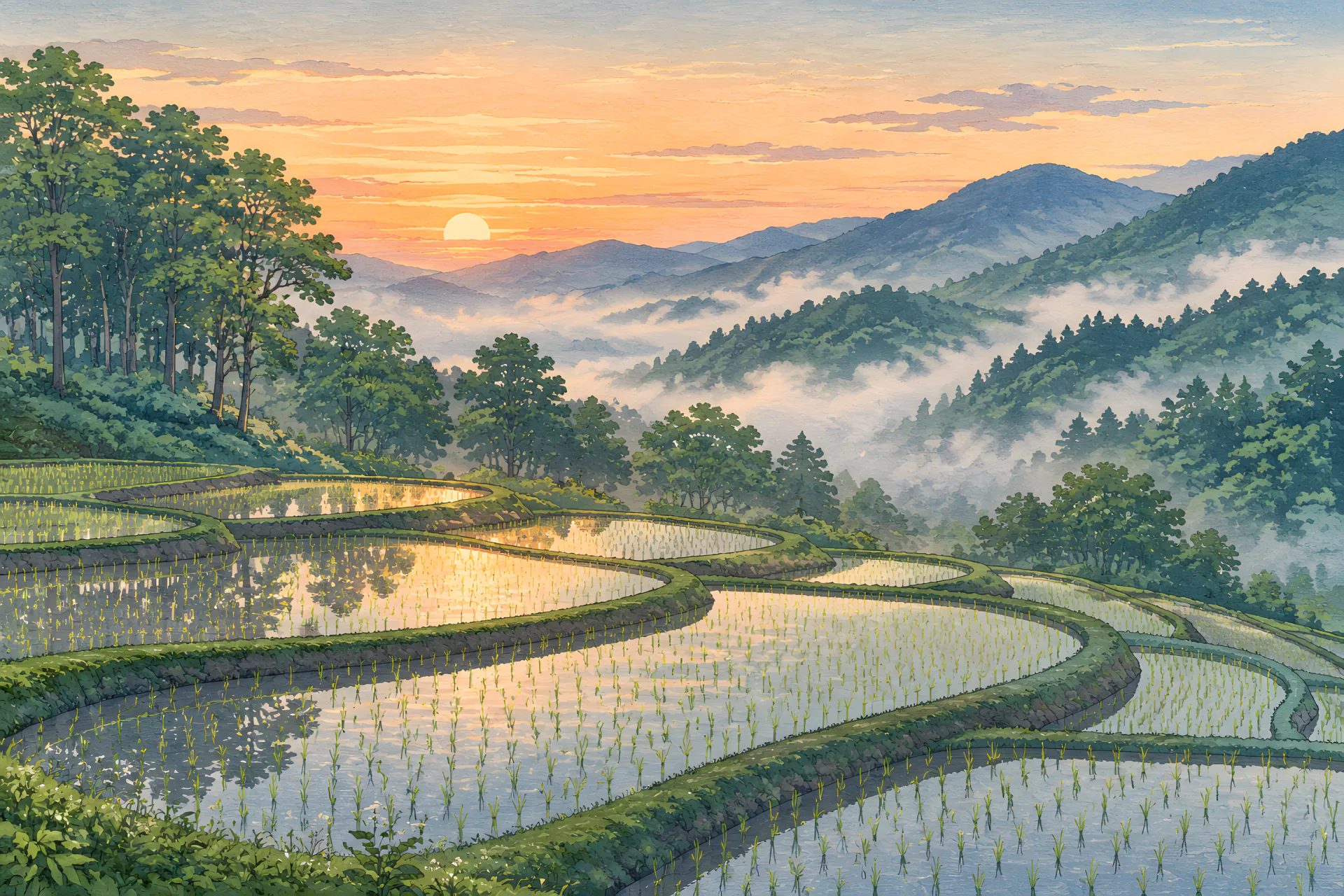
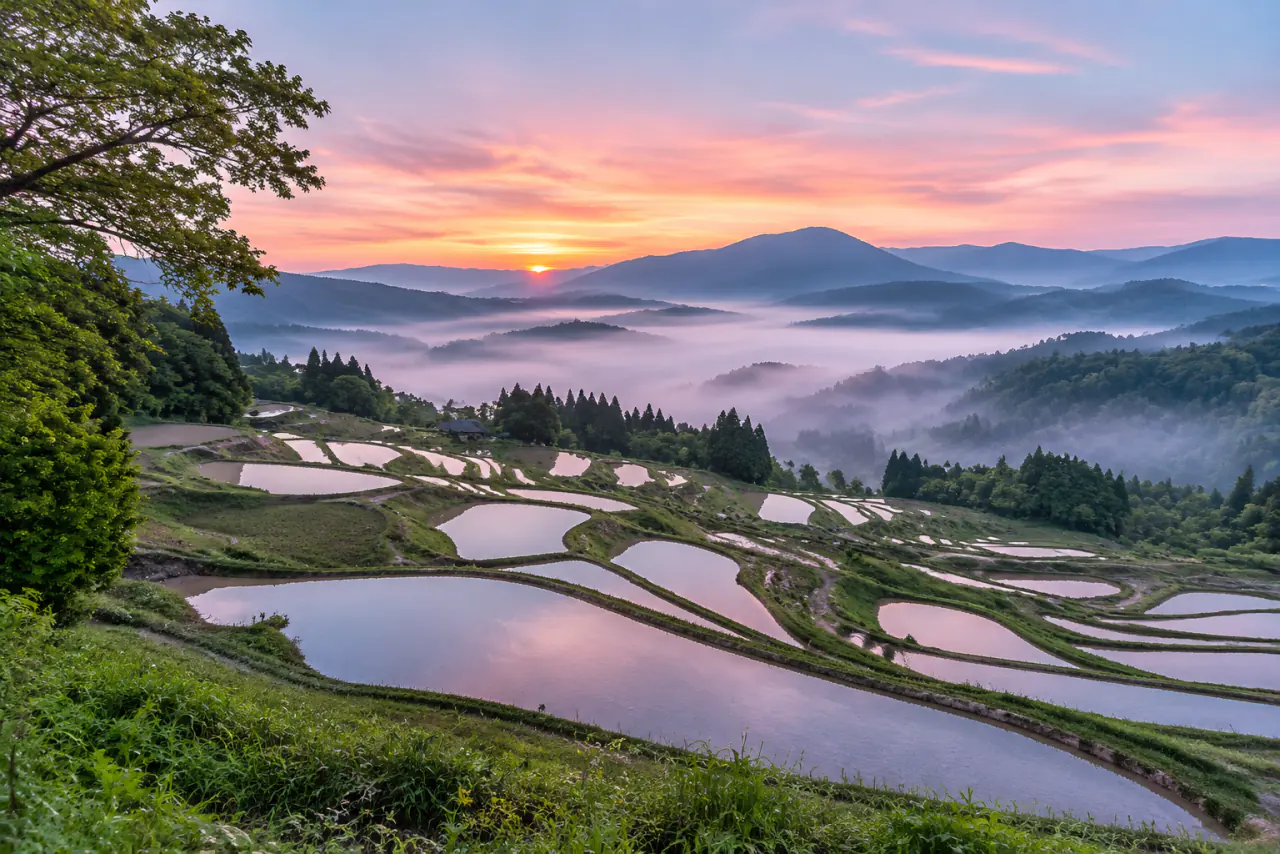
More than 100 rice terraces cascade down the hillsides of Matsudai in Tokamachi. After the fields are flooded in spring and on fall mornings, the water reflects the sky, sometimes with a sea of clouds. It's a favorite scene among photographers. There is no direct bus, so you'll generally need to hire a car or join a local sightseeing tour.
The terraces are private farmland. Take photos only from the viewing area, don't walk on the ridges, and don't fly a drone without permission.
-
 6
Yahiko Shrine
彌彦神社
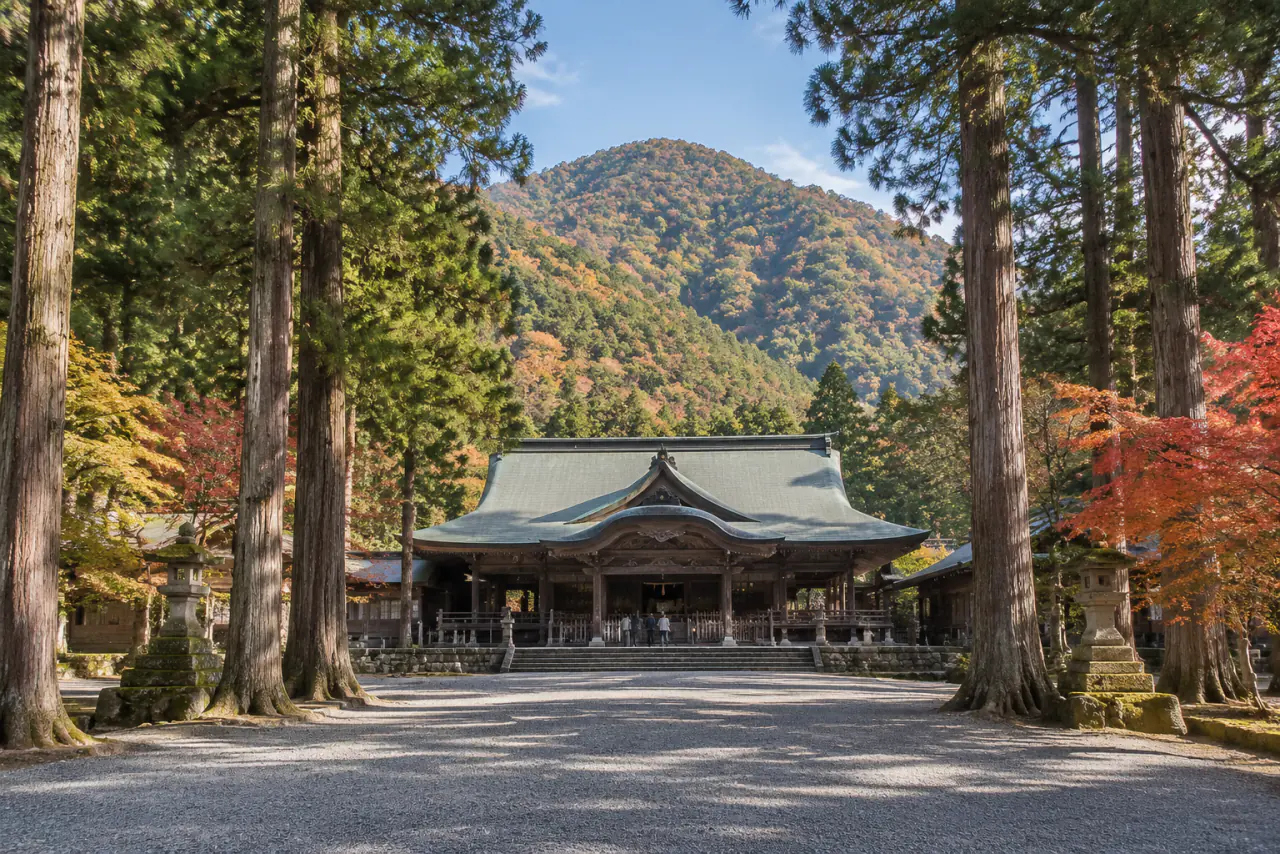
Echigo's Ichi-no-miya, with a quiet approach lined by ancient trees. A ropeway behind the shrine goes up Mount Yahiko, which is 634 meters high—the same height as Tokyo Skytree. From the summit, you can look over the Echigo Plain and the Sea of Japan, and on clear days, see Sado Island. A chrysanthemum festival takes place in November, when the nearby Maple Valley also turns red.
It's about a 15-minute walk from JR Yahiko Station. The ropeway is weather-dependent, so check operations before you go.
-
 7
Takada Castle Site Park
高田城址公園
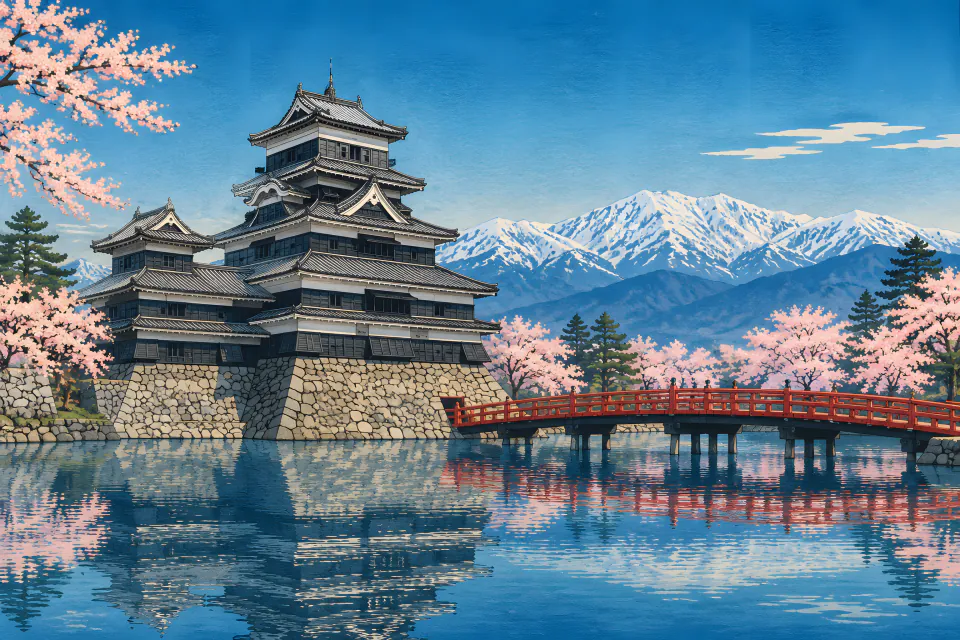
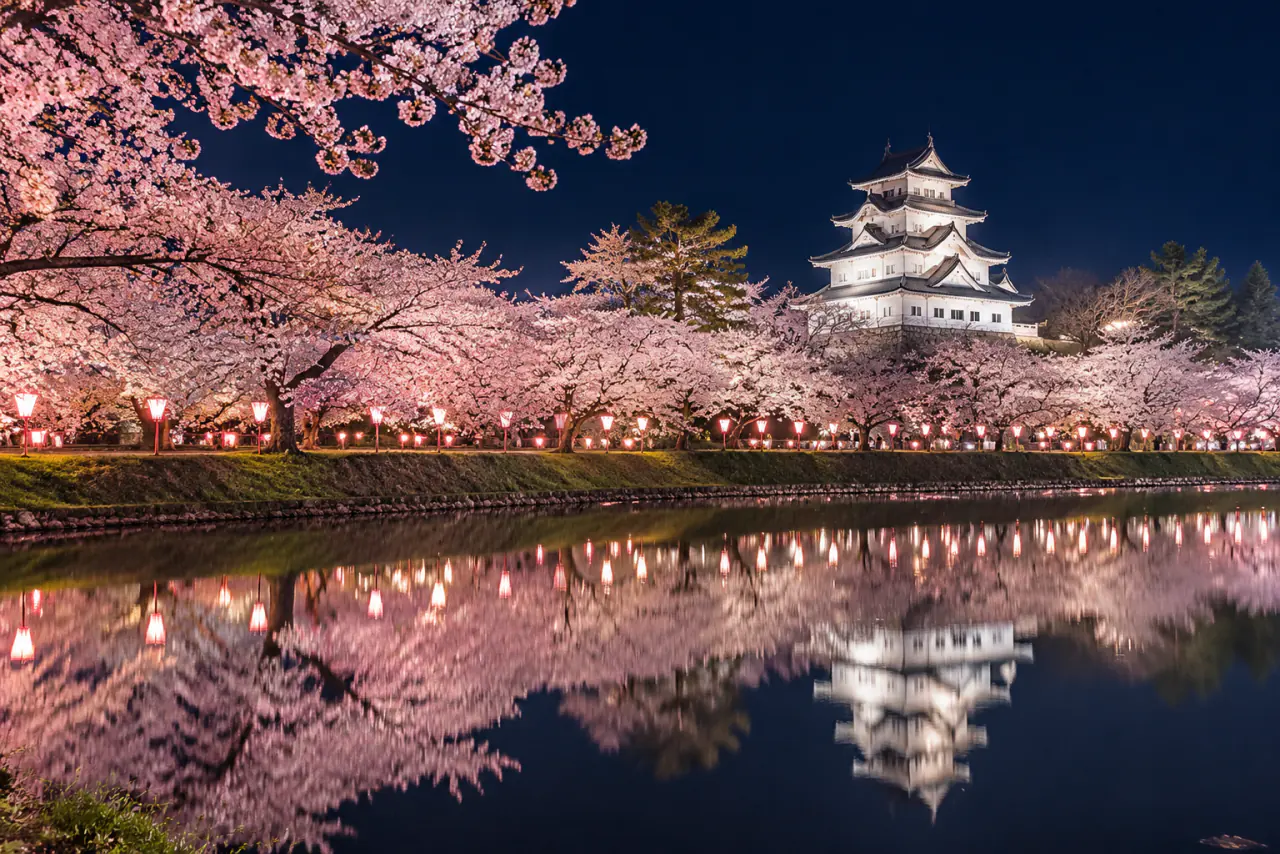
This castle site park in Joetsu is home to about 4,000 cherry trees. In early to mid-April, the trees are illuminated at night, and the pink blossoms reflect in the moat. The display is considered one of Japan's three great nighttime cherry blossom views. From Hokuriku Shinkansen's Joetsu-Myoko Station, transfer to Takada Station, then walk about 20 minutes.
Nights are still cold during cherry blossom season, so bring a warm jacket. Weekends are busiest in the evening.
What to eat
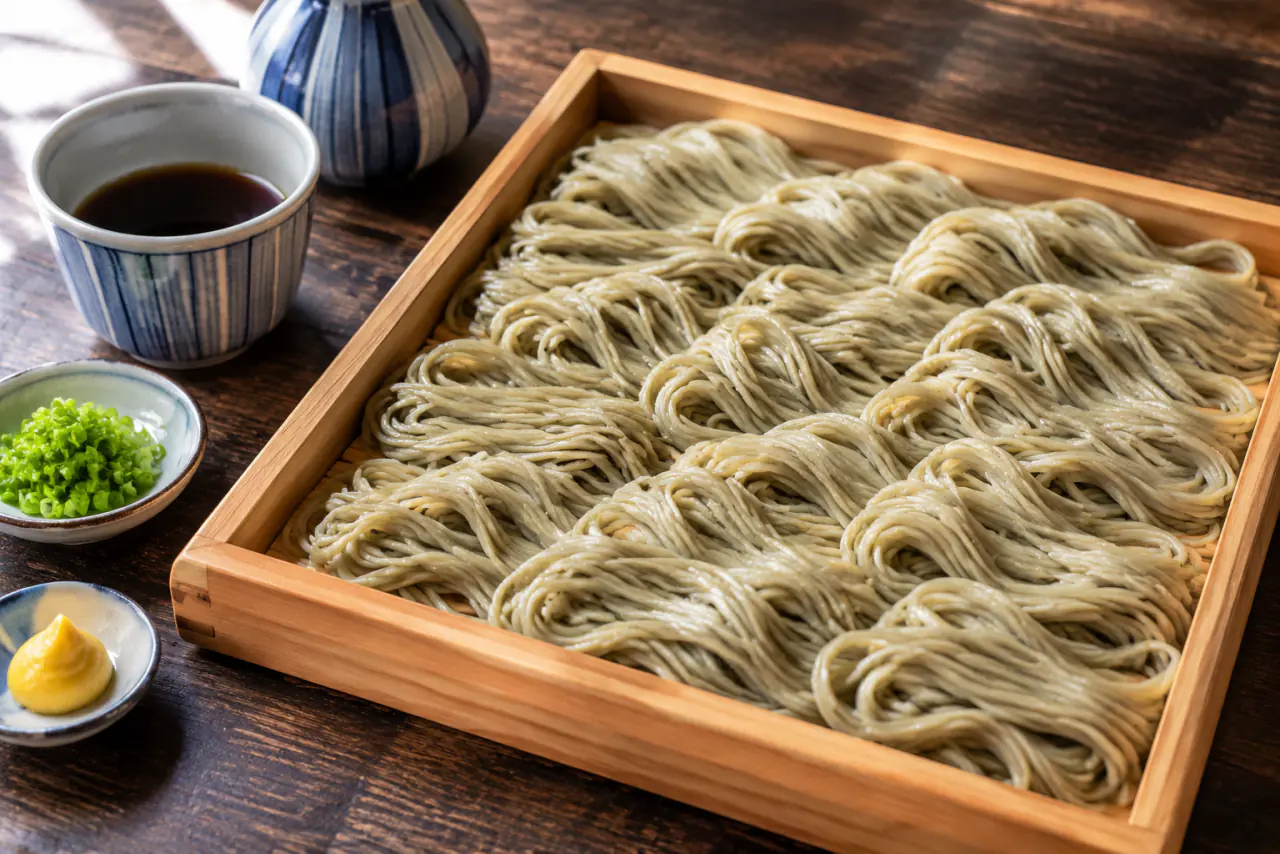
Hegi soba
This soba uses funori seaweed as a binder, giving it a smooth, springy texture. The noodles are served in small bundles on a square wooden tray called a hegi, usually for several people to share.
Traditional restaurants in Tokamachi and Ojiya; also available around Echigo-Yuzawa Station · About ¥1,000–2,000 per person
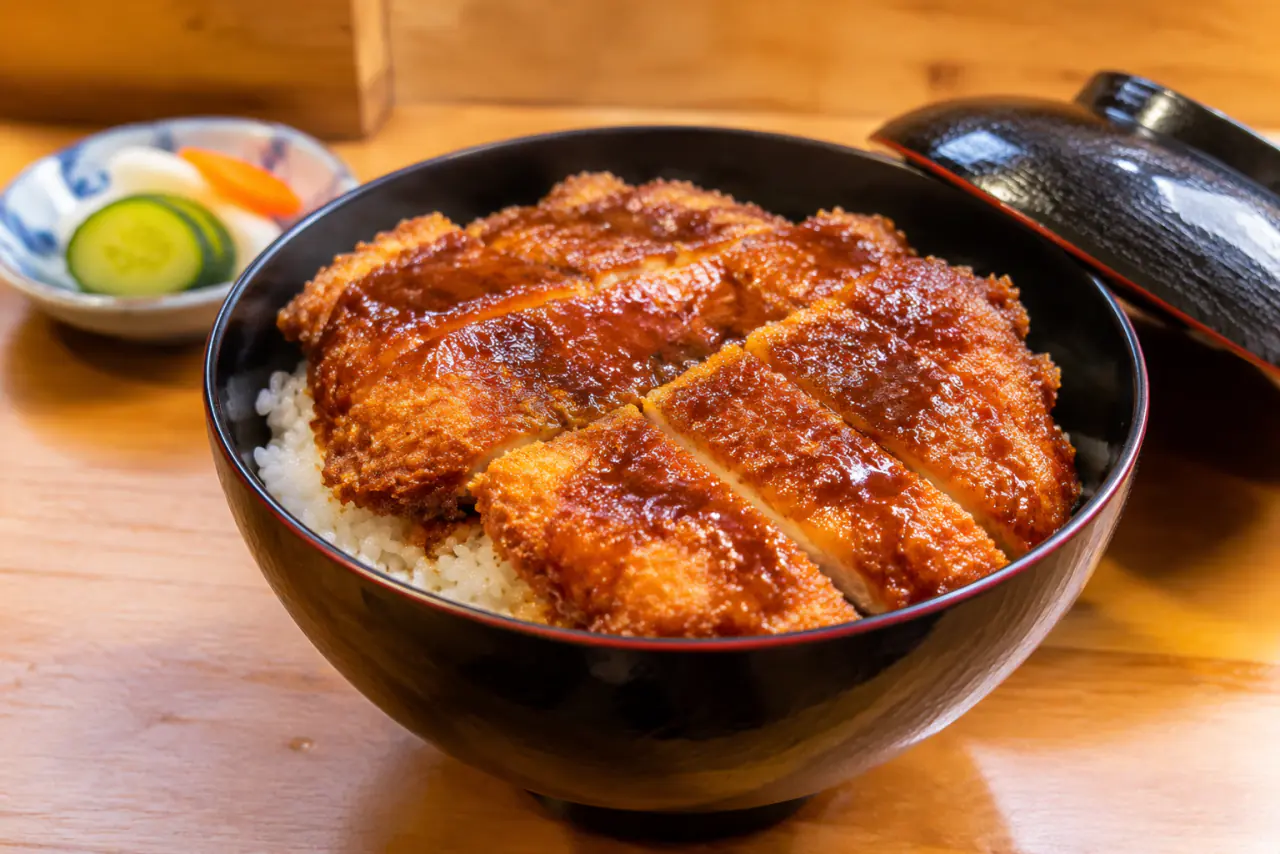
Tare katsudon
Niigata's version of pork cutlet rice has no egg. Thin pork cutlets are fried, dipped in a sweet-and-savory soy sauce, and placed directly over rice. The result is crisp without being greasy.
Around Niigata Station and Furumachi
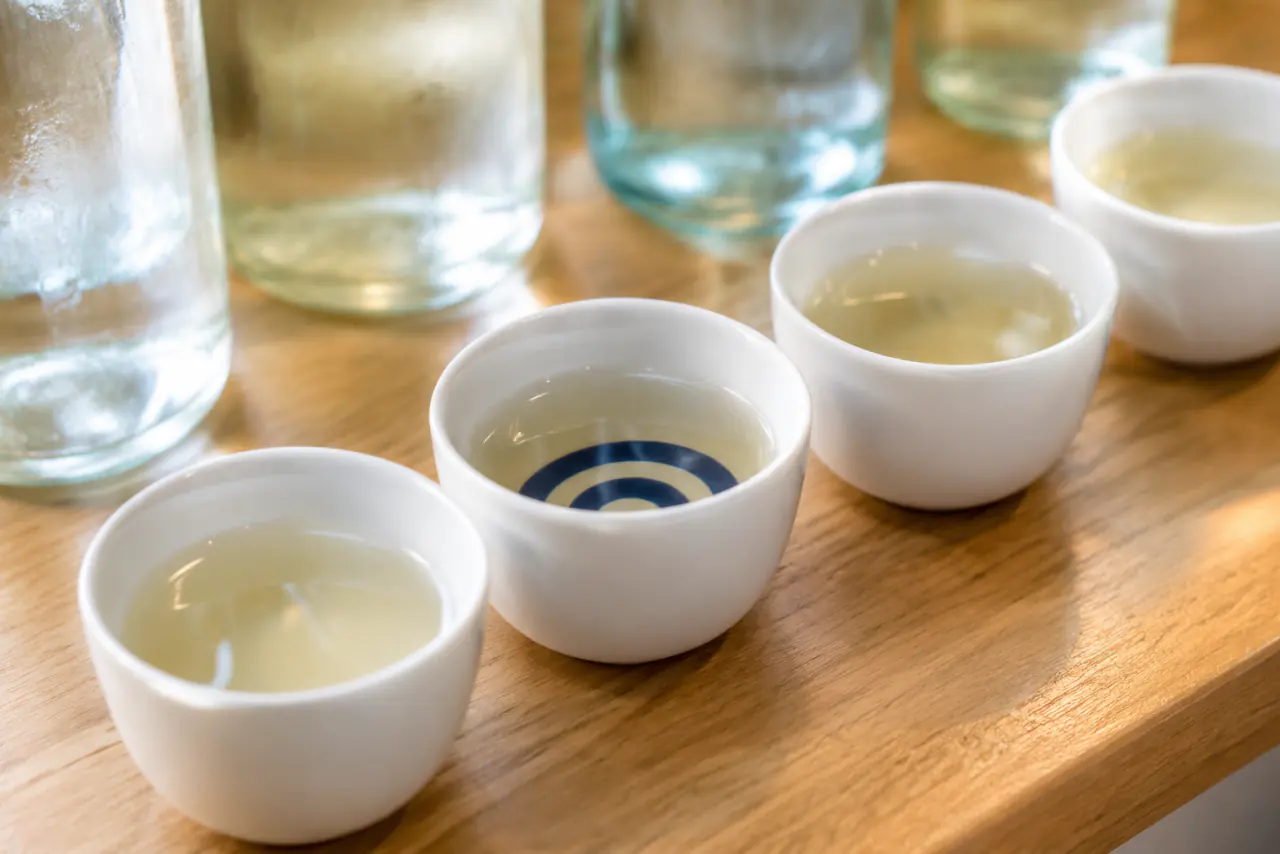
Niigata sake
Niigata has more breweries than almost anywhere else in Japan. Its signature style is tanrei karakuchi: light, clean, and dry. If you're not sure what to choose, visit a tasting counter in a station and compare several varieties before buying a favorite.
Sake tasting shops inside Echigo-Yuzawa Station and Niigata Station
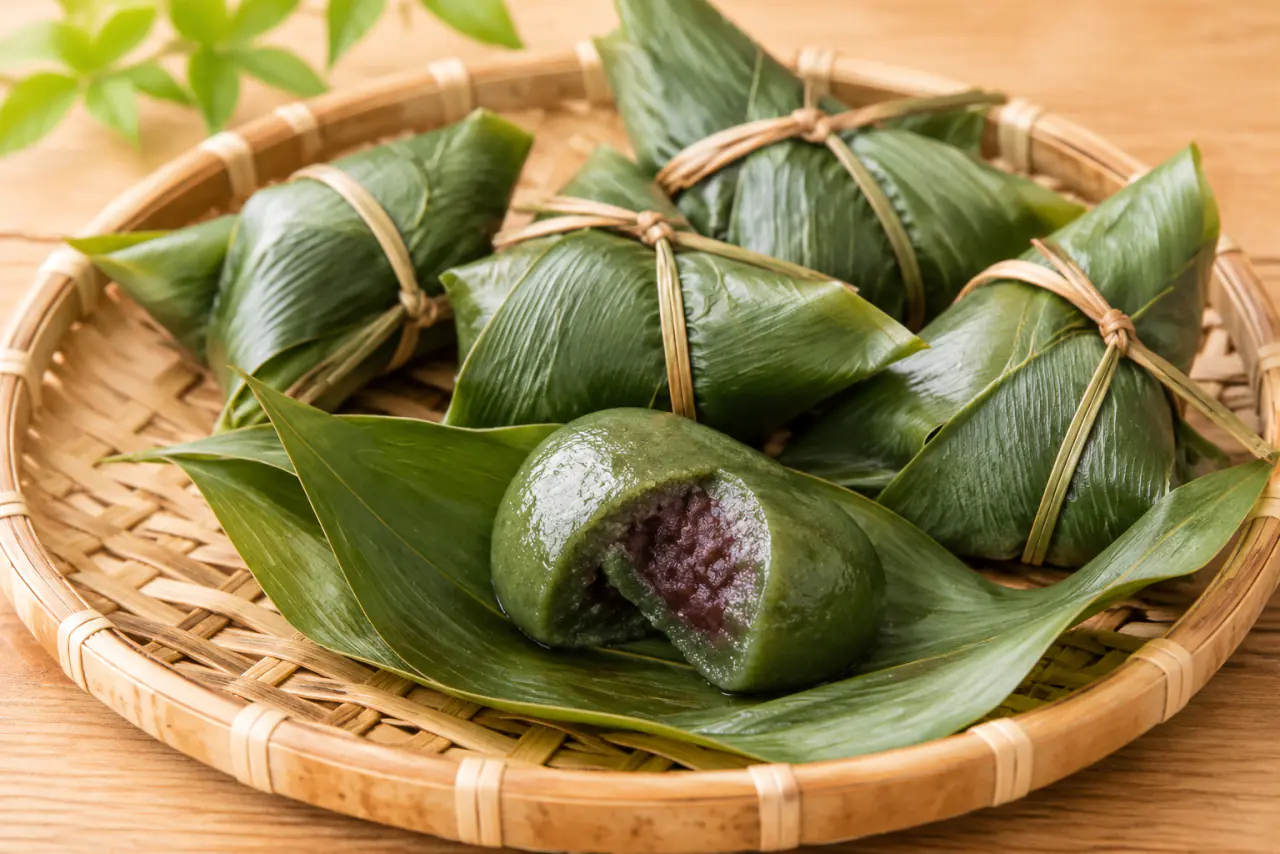
Sasa dango
These mugwort mochi dumplings are filled with sweet red bean paste and wrapped tightly in bamboo leaves. They're Niigata's most common souvenir. Freshly made ones are softest; if they harden, steam them briefly.
Souvenir shops at Niigata Station and Echigo-Yuzawa Station
Getting there · Where to stay
The Joetsu Shinkansen takes about 1 hour 20 minutes to Echigo-Yuzawa and about 1 hour 40 minutes–2 hours to Niigata Station
The airport bus takes about 25 minutes to Niigata Station and costs about ¥470; flights are available from Seoul and Taipei
Sado Kisen to Ryotsu Port: about 67 minutes by high-speed ferry or 2 hours 30 minutes by car ferry
If you're visiting for snow and hot springs, stay near Echigo-Yuzawa Station. The Shinkansen, ski resorts, and hot springs are all within walking distance. If you're going to Sado Island, stay near Niigata Station, which is close to the Sado Kisen ferry terminal, then spend one night on the island.
Know this before you go
- Snow is deep in winter, so wear nonslip, waterproof shoes. Take short, slow steps when the roads are icy.
- Whether your driver's licence and any required translation or permit are accepted for driving in Japan depends on your licence. For rural sights such as the rice terraces, consider a local sightseeing bus or private car.
- Sado Island is large and has infrequent buses. A day trip is enough for only one sight, so plan to stay one night.
- Skiers crowd the Joetsu Shinkansen toward Echigo-Yuzawa on winter weekends and around the year-end holidays. Reserve a reserved seat in advance.
- Niigata rice and sake make the easiest souvenirs to take home. Station souvenir shops have the widest selection.