Cloudborne Travel
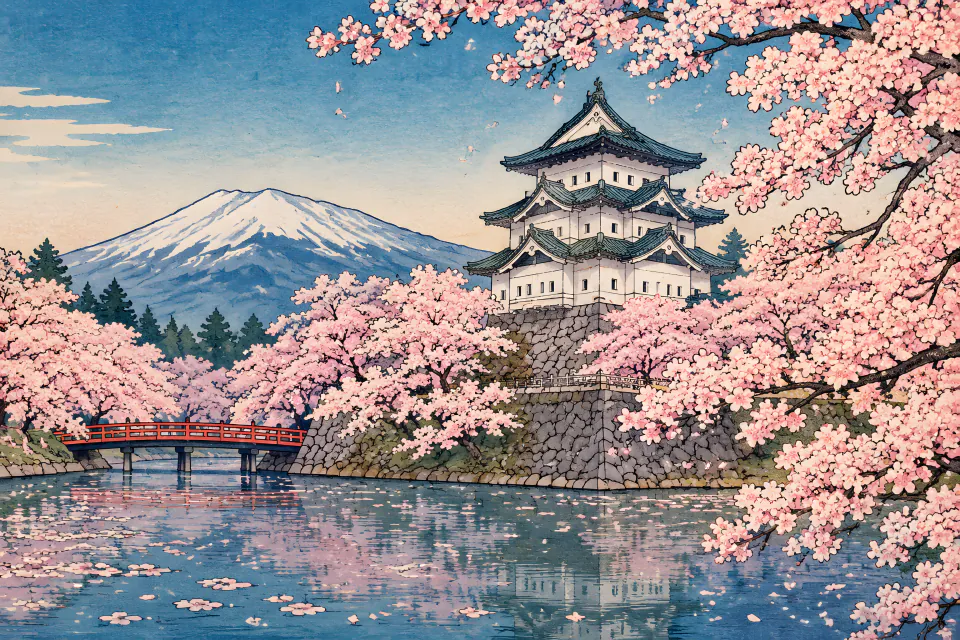
Akita lies on the Sea of Japan side of Tohoku, with heavy snow in winter and cool summers. Most visitors follow the route linking Kakunodate, Lake Tazawa, and Nyuto Onsen. All three are along or near the Akita Shinkansen Komachi line and can be covered in two days.
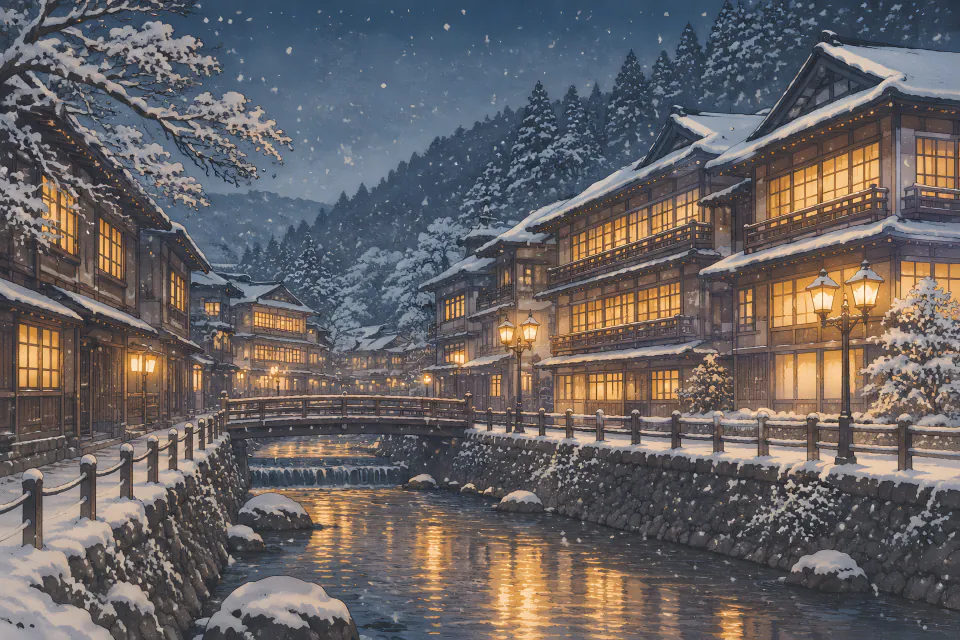
Kakunodate's samurai residences and weeping cherry trees, along with Nyuto Onsen's open-air baths surrounded by snow, are signature Tohoku scenes. Akita City, the prefectural capital, is known for the Kanto Festival in early August. The Oga Peninsula is home to the Namahage tradition. To see Akita dogs, visit an exhibit in Odate or near Akita Station.
Kakunodate's cherry blossoms bloom in late April, fall colors peak in late October, and the best time for snowy hot springs is January–February. The Kanto Festival takes place August 3–6 every year.
Monthly weather
Based on AkitaBest time to visit Monthly precipitation (mm) Open-Meteo (ERA5), 1996–2025 average
| Month | Average high (°C) | Average low (°C) | Monthly precipitation (mm) | Days with 1 mm or more of precipitation |
|---|---|---|---|---|
| Jan(Good time to visit) | 3.1 | -1.8 | 122 | 22 |
| Feb(Good time to visit) | 4 | -1.8 | 98 | 19 |
| Mar(Good time to visit) | 8.2 | 1.4 | 131 | 19 |
| Apr(Good time to visit) | 14.4 | 6.4 | 123 | 15 |
| May(Good time to visit) | 19.7 | 12 | 140 | 14 |
| Jun | 23.6 | 16.8 | 156 | 14 |
| Jul | 27.3 | 21.3 | 249 | 18 |
| Aug | 29 | 22.5 | 223 | 16 |
| Sep(Good time to visit) | 25.4 | 18.3 | 186 | 14 |
| Oct(Good time to visit) | 18.9 | 11.6 | 170 | 14 |
| Nov(Good time to visit) | 12.2 | 6 | 169 | 19 |
| Dec(Good time to visit) | 5.8 | 0.8 | 152 | 23 |
Sights
-
 1
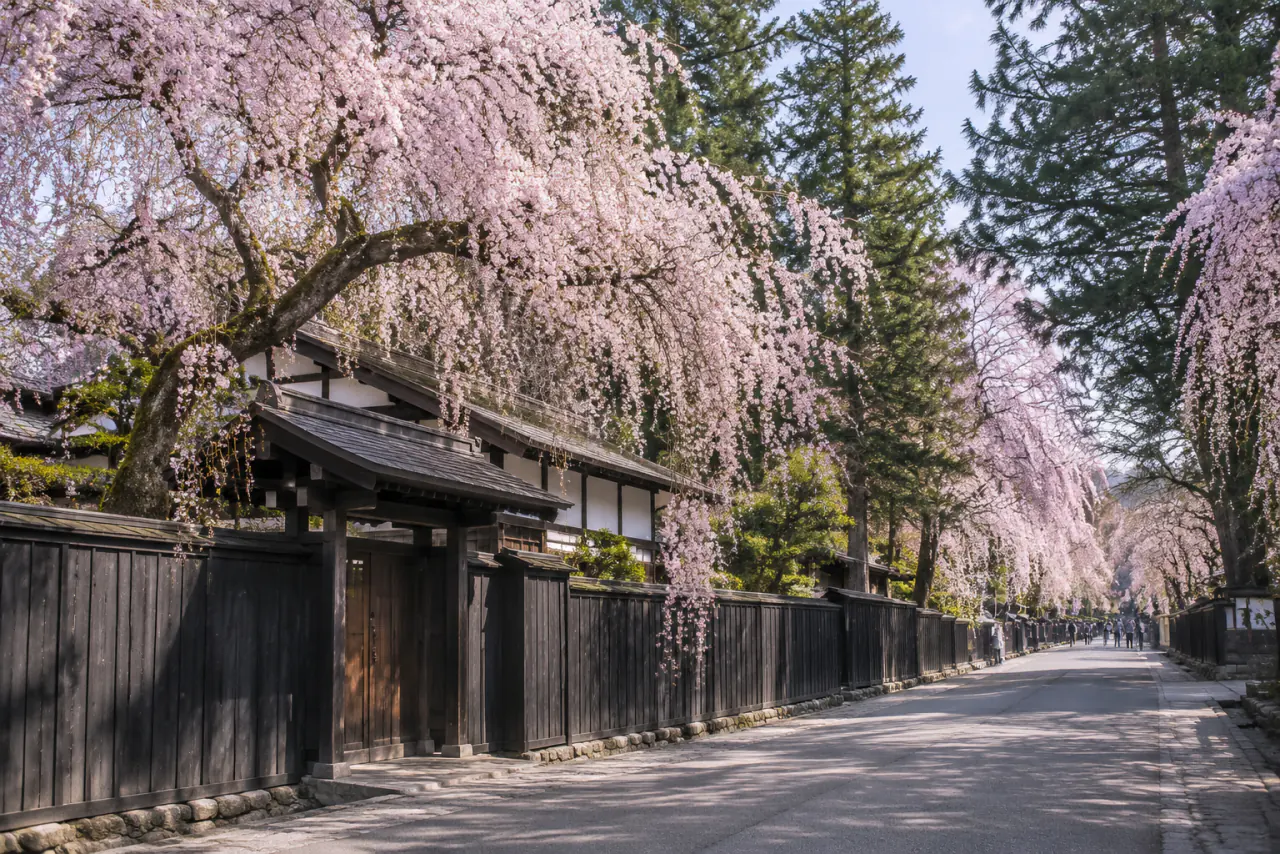
Kakunodate Samurai District
角館武家屋敷通り
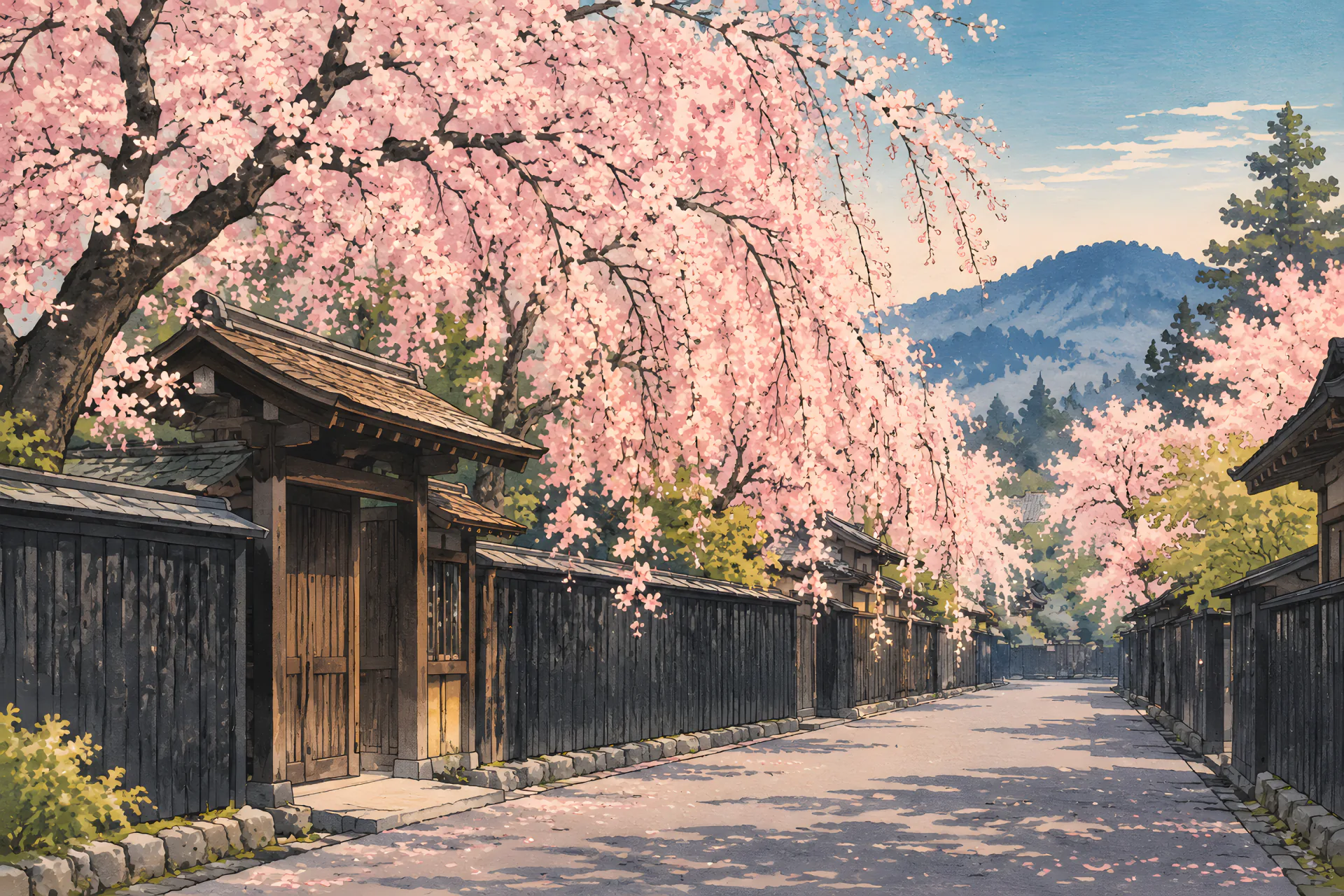
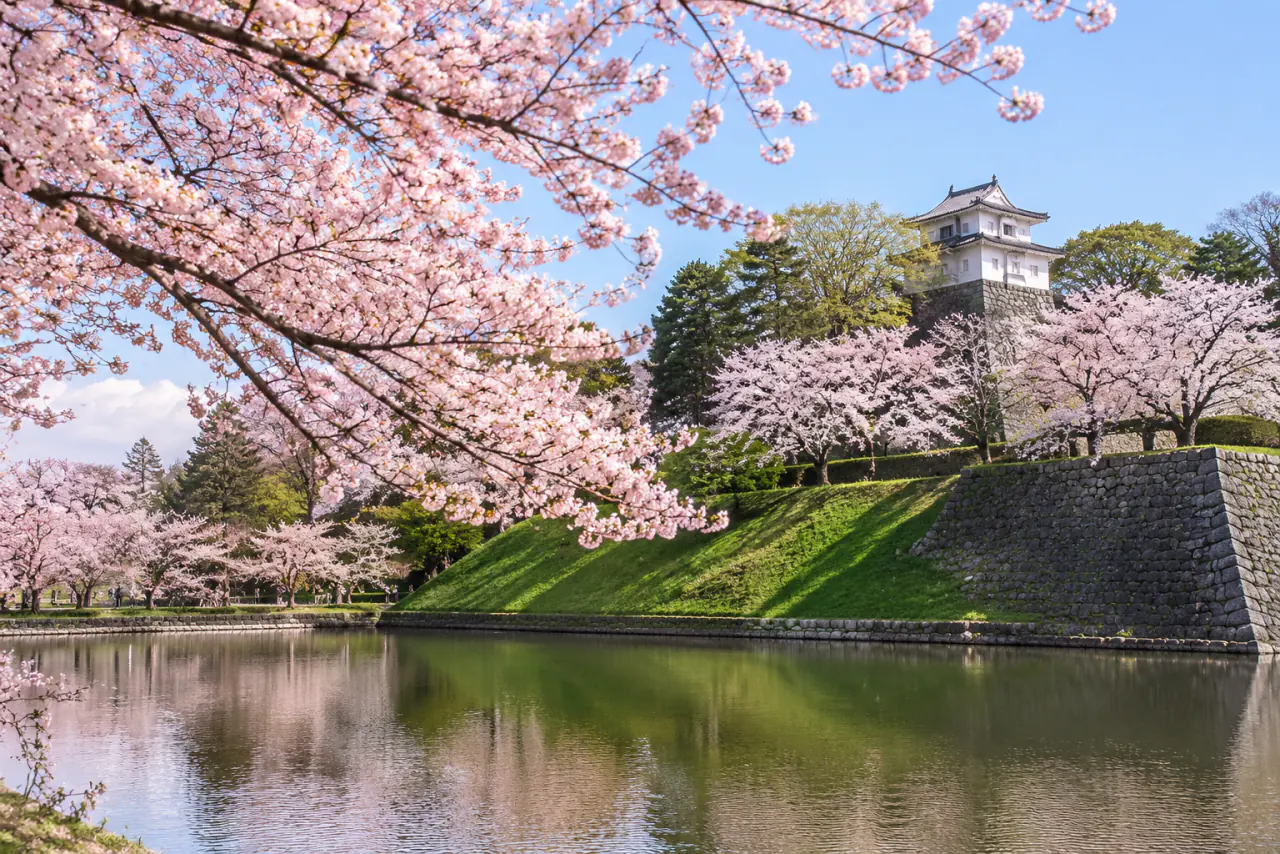
Samurai residences with black wooden walls line this broad historic street. You can visit homes such as the Ishiguro and Aoyagi residences. In late April, weeping cherry trees spill over the walls, while a cherry-blossom tunnel stretches for about 2 km along the Hinokinai River nearby. The fall colors and winter snow scenes are also beautiful.
During cherry-blossom season, arrive before 8 a.m. for the fewest crowds. The walk from Kakunodate Station takes about 20 minutes.
-
 2
Nyuto Onsen
乳頭温泉郷
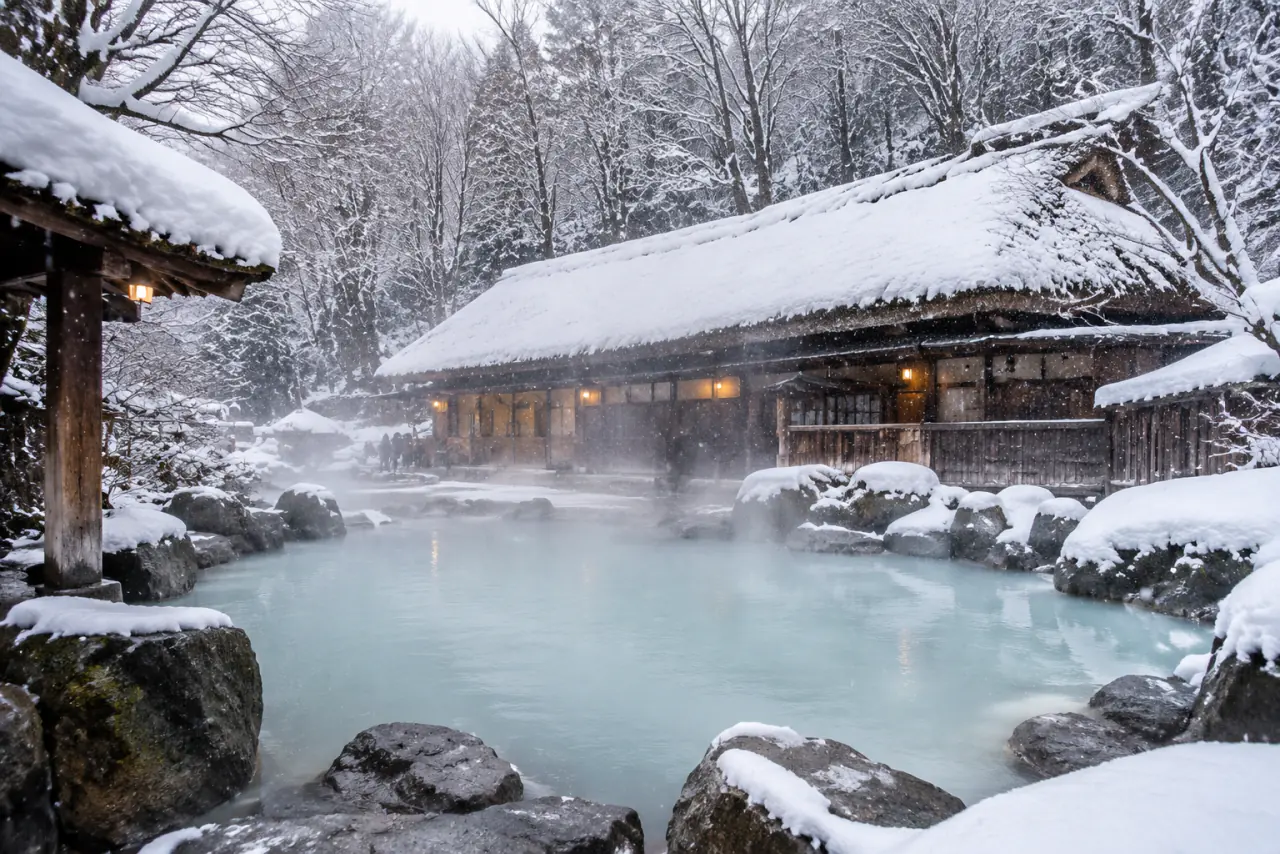
Seven ryokan, each with its own spring source, are scattered through a beech forest. The best known is Tsurunoyu, with thatched roofs and milky outdoor baths surrounded by snow in winter. You can bathe without staying overnight, and a pass lets you visit several baths. The bus from Tazawako Station takes about 50 minutes.
Rooms at Tsurunoyu fill quickly, so book several months ahead for winter. The mixed-gender bathing area has a women-only pool.
-
 3
Lake Tazawa
田沢湖
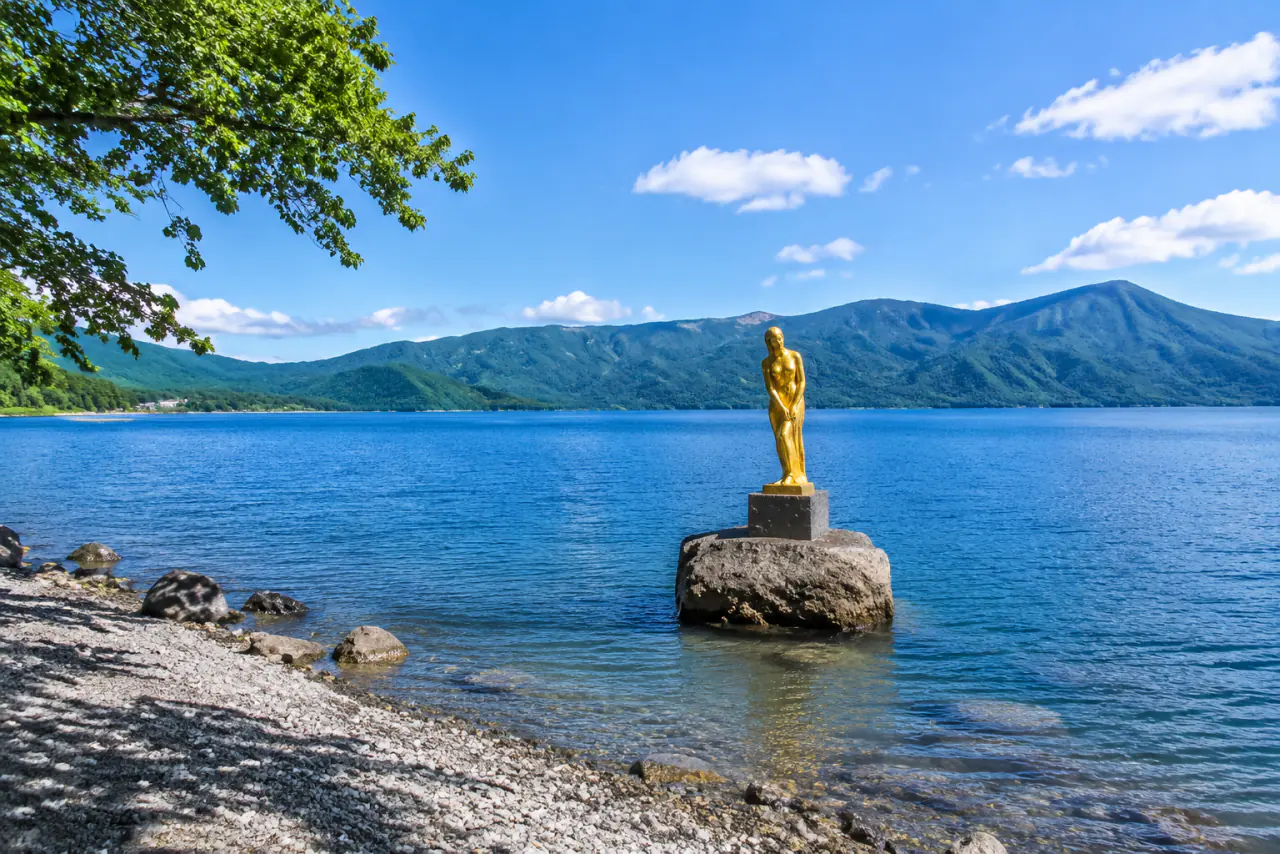
Japan's deepest lake is more than 400 meters deep. On clear days, its water is deep blue. The golden statue of Tatsuko is the signature photo spot. The loop around the lake is about 20 km. Take a sightseeing bus or boat, then continue into the mountains to Nyuto Onsen.
The bus from Tazawako Station takes about 15 minutes to the lakeshore. The loop bus does not run in winter.
-
 4
Dakigaeri Gorge
抱返り渓谷
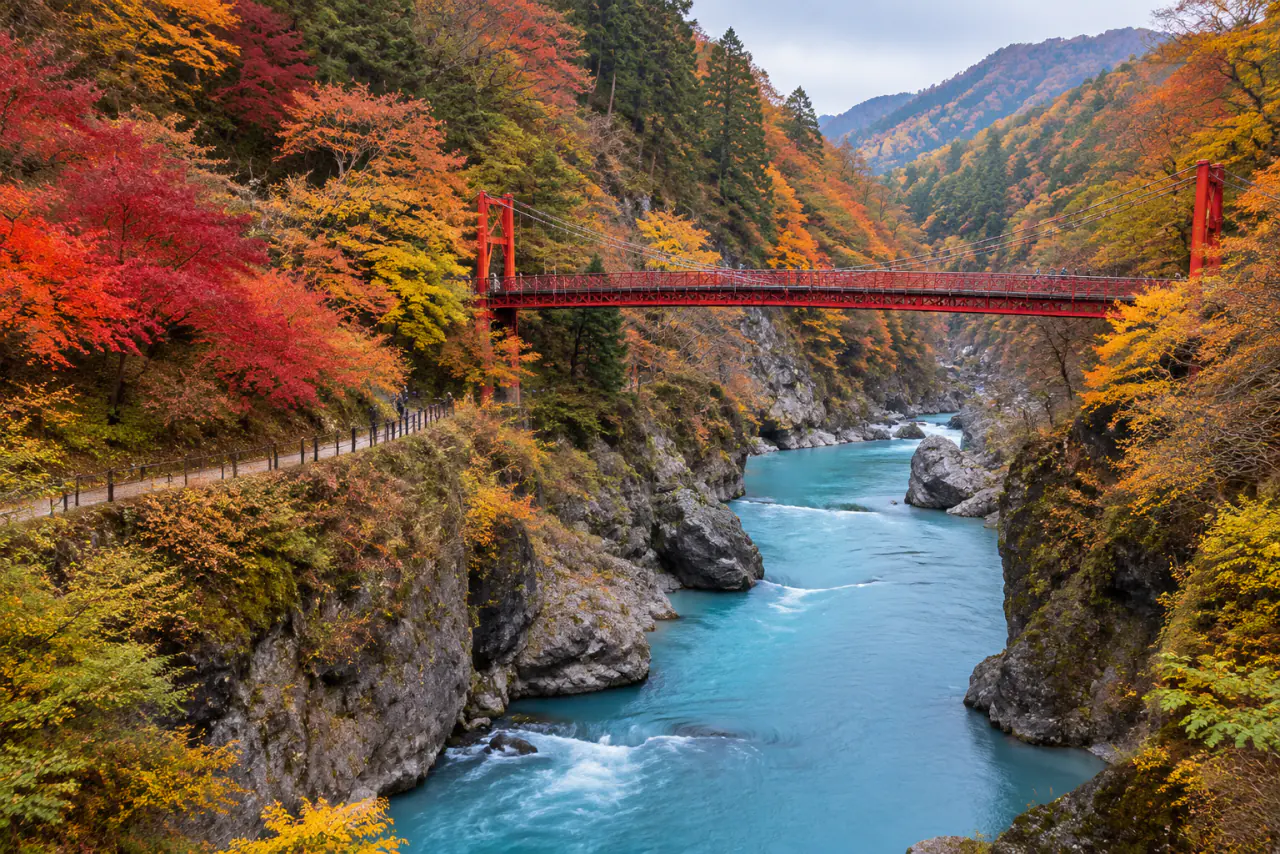
This gorge lies between Kakunodate and Lake Tazawa. The river is a milky blue, and the red suspension bridge framed by fall colors is one of the best photo scenes in autumn. The walk to Mikaeri Falls and back takes about 1–1.5 hours. The trail is level and follows the river. The best time to visit is from late October to early November.
Public transportation is inconvenient. Taking a taxi from Kakunodate and back is the most practical option.
-
 5
Senshu Park
千秋公園
The ruins of Kubota Castle are about a 10-minute walk from Akita Station. Cherry blossoms bloom beside the moat in spring, and lotus flowers fill it in summer. The gates and observation tower are reconstructions. If you're short on time, it's an easy walk while waiting for a train in Akita City.
-
 6
Namahage Museum
なまはげ館
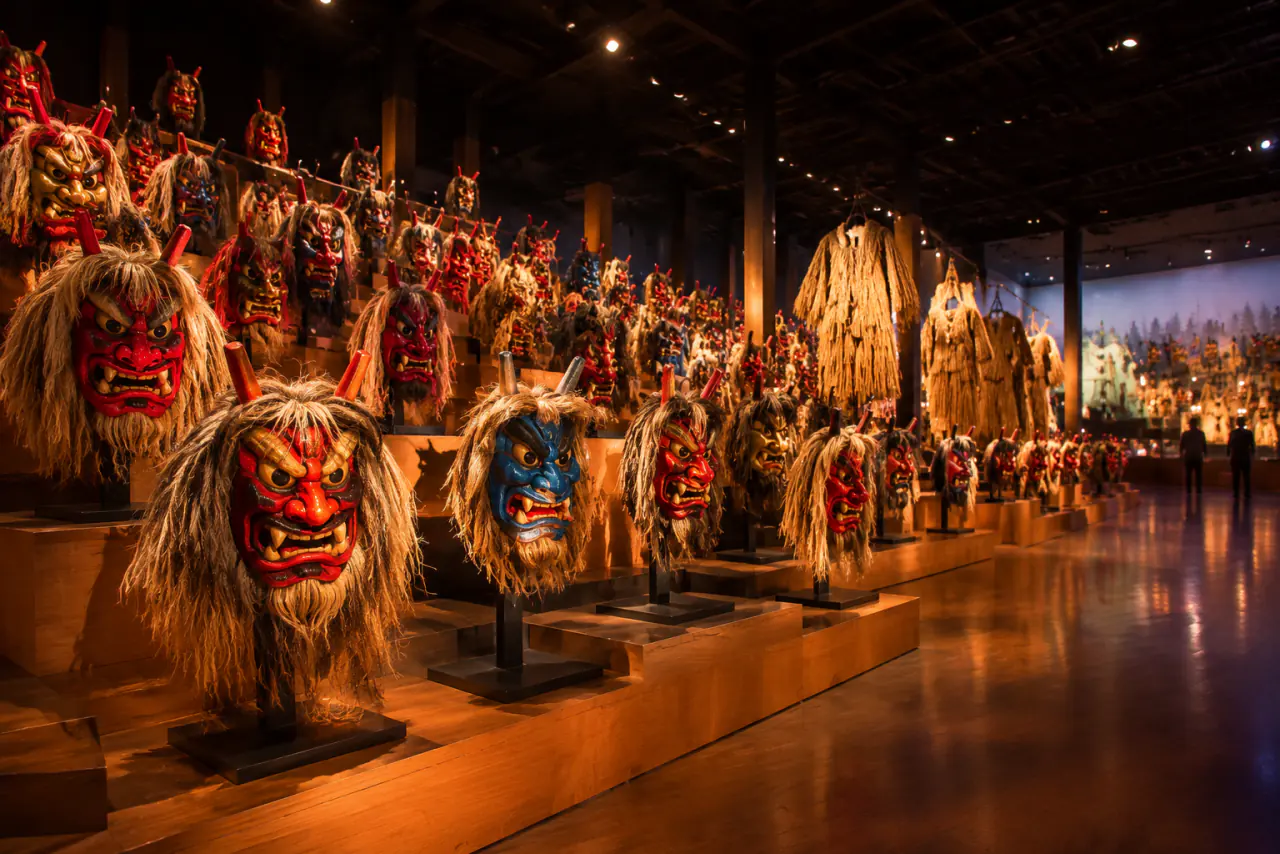
On New Year's Eve, people on the Oga Peninsula wear demon masks and go door to door frightening lazy people and children. This Namahage tradition is listed as a UNESCO Intangible Cultural Heritage. The museum displays more than 100 masks from different villages. The neighboring Folklore Museum holds live demonstrations, and plenty of visitors get a fright.
Transportation on the Oga Peninsula is limited. From Akita Station, take the JR Oga Line, then transfer to a bus or taxi.
What to eat
Kiritanpo hot pot
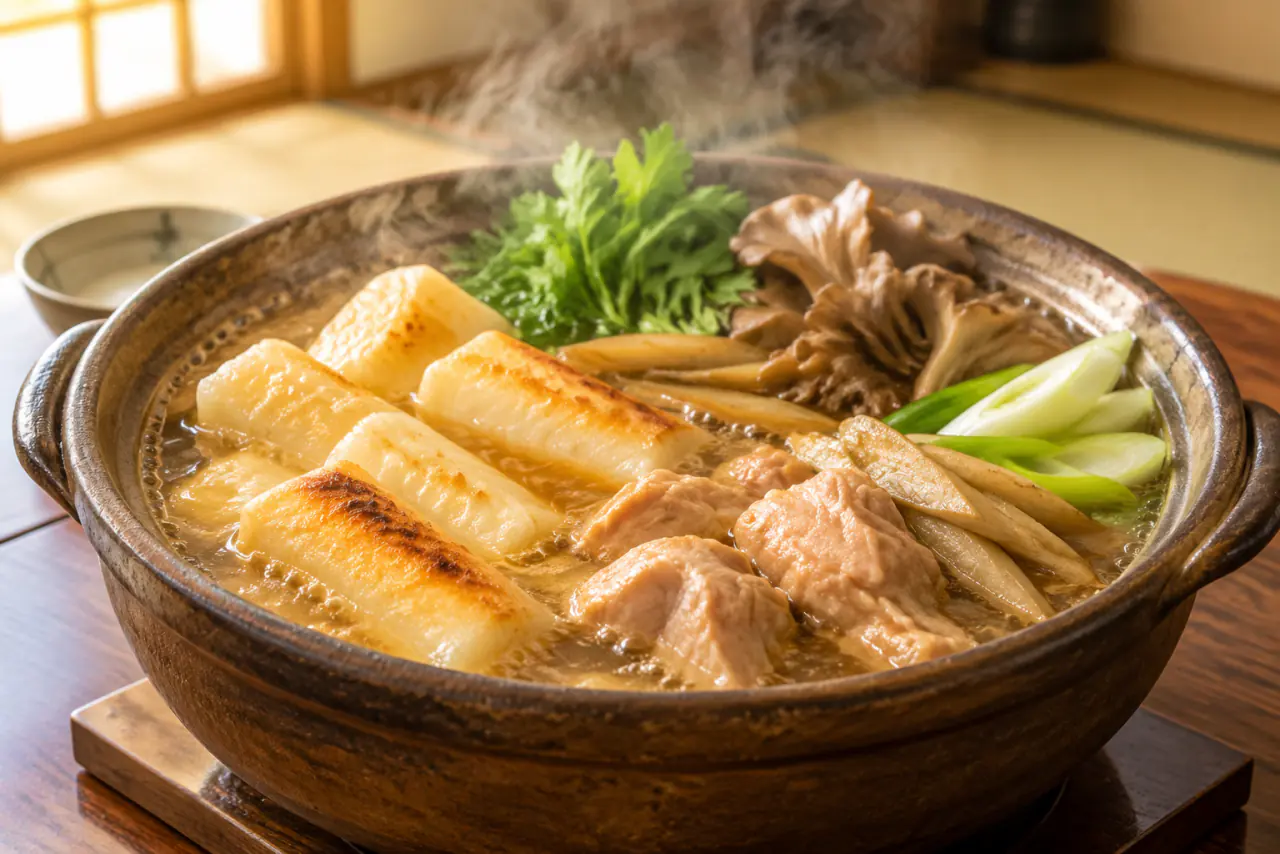
Freshly harvested rice is mashed, wrapped around cedar skewers, and grilled into kiritanpo. The pieces are simmered in a broth made with Hinai chicken, burdock root, maitake mushrooms, and Japanese parsley. The kiritanpo soaks up the broth and is especially comforting in fall and winter.
Local restaurants in Akita City and Kakunodate · About ¥2,000–4,000 per person
Inaniwa udon
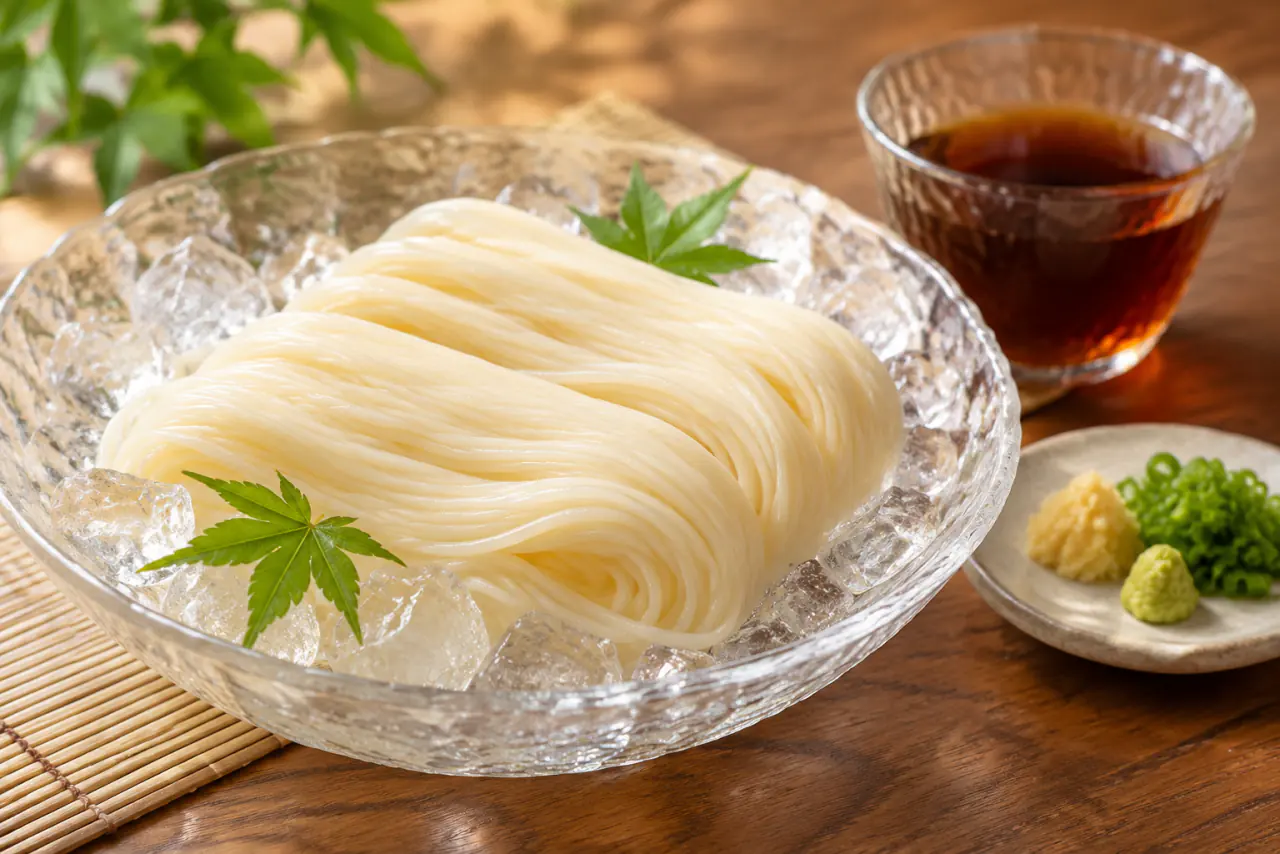
These handmade, hand-pulled noodles are much thinner than regular udon and have a smooth surface. They are best served cold, when their silky texture stands out. One of Japan's three great udon varieties, dried noodles make a good souvenir.
Akita City and the Inaniwa area of Yuzawa · About ¥900–1,500 per bowl
Hinai chicken
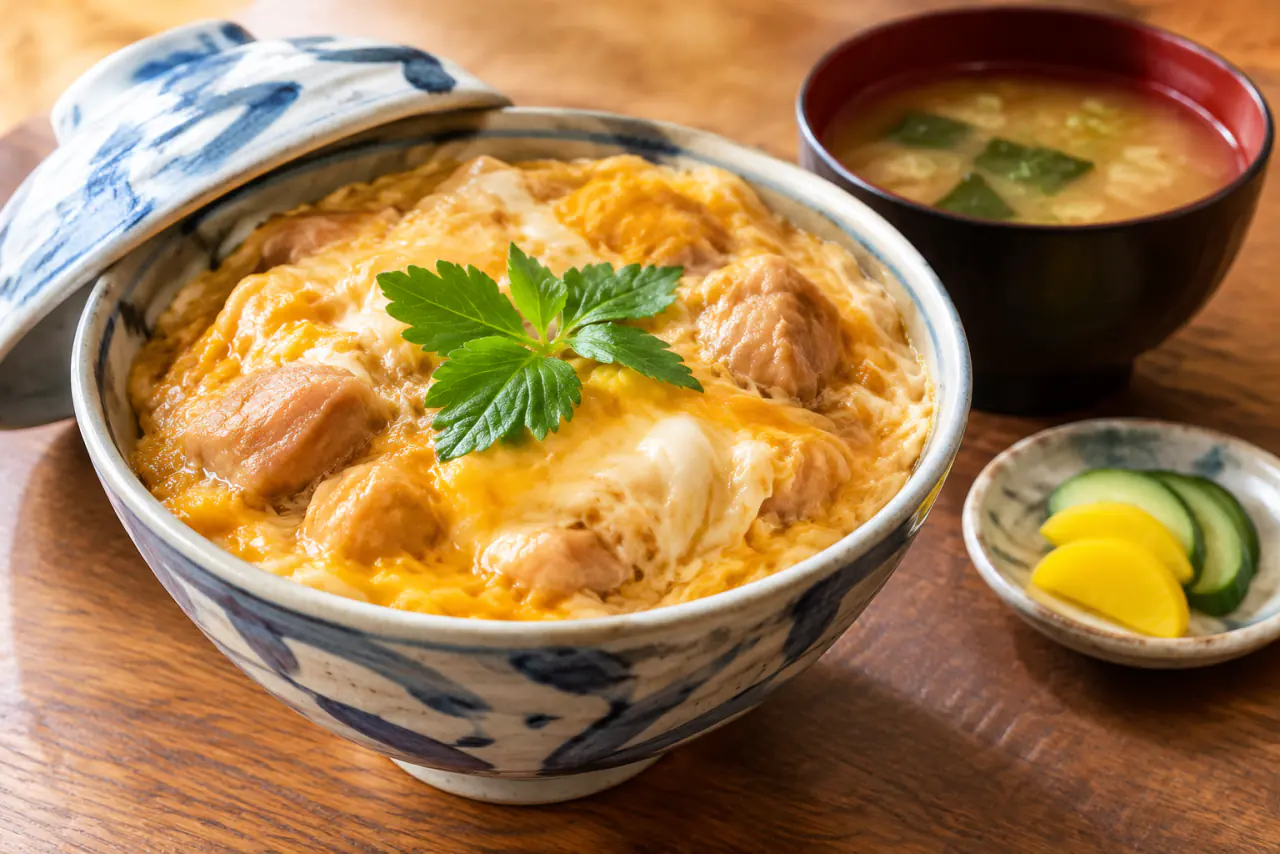
This local Akita breed has firm meat and a rich chicken flavor. It is most often served in oyakodon or as yakitori, and is also used for the broth in kiritanpo hot pot.
Around Akita Station and in Odate · About ¥1,200–2,000 per bowl of oyakodon
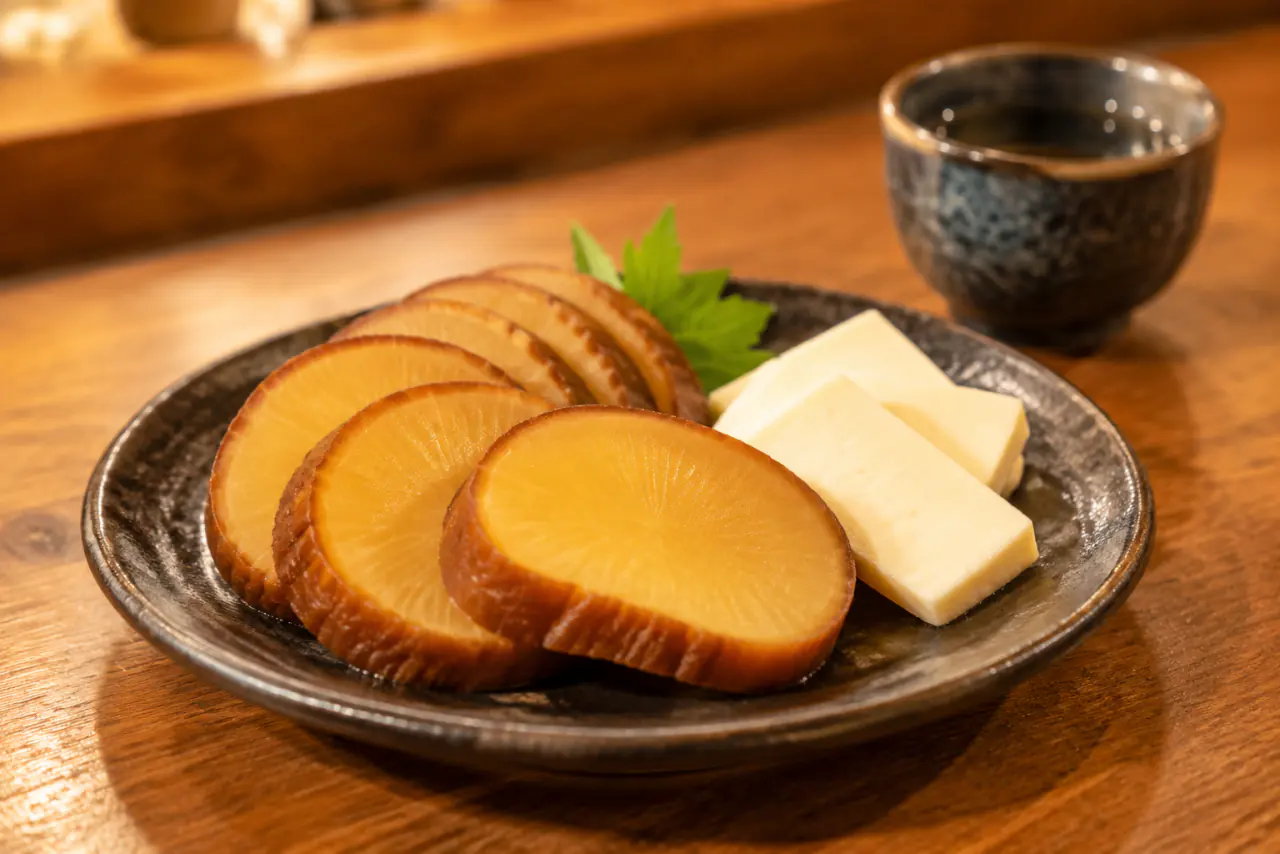
Iburigakko
Akita's damp winters make it ideal for hanging daikon above a stove to smoke before pickling it. The result has a smoky flavor and tastes good sliced with sake or cheese.
Supermarkets, souvenir shops, and izakaya around the region · About ¥500–1,000 per package
Getting there · Where to stay
The Akita Shinkansen Komachi takes about 3 hours to Kakunodate and as little as 3 hours 40 minutes to Akita
The Komachi takes about 35 minutes to Tazawako and about 45 minutes to Kakunodate
Take a bus to Nyuto Onsen in about 50 minutes
For a first visit, stay one night near Kakunodate or Tazawako Station, then spend one night at Nyuto Onsen. Akita City is a good base during the Kanto Festival.
Know this before you go
- Whether you can drive in Japan depends on your licence and required documents, so check the official rules. Nyuto Onsen and Lake Tazawa rely on Ugo Kotsu buses; check the schedules in advance.
- All Komachi seats are reserved. Book ahead during busy periods, especially in late April during Kakunodate's cherry-blossom season.
- The Kanto Festival offers paid viewing seats. Reserve ahead if you want to watch from a seat.
- Snow can be deep around Nyuto Onsen in winter. Bring slip-resistant shoes and gloves.