Cloudborne Travel
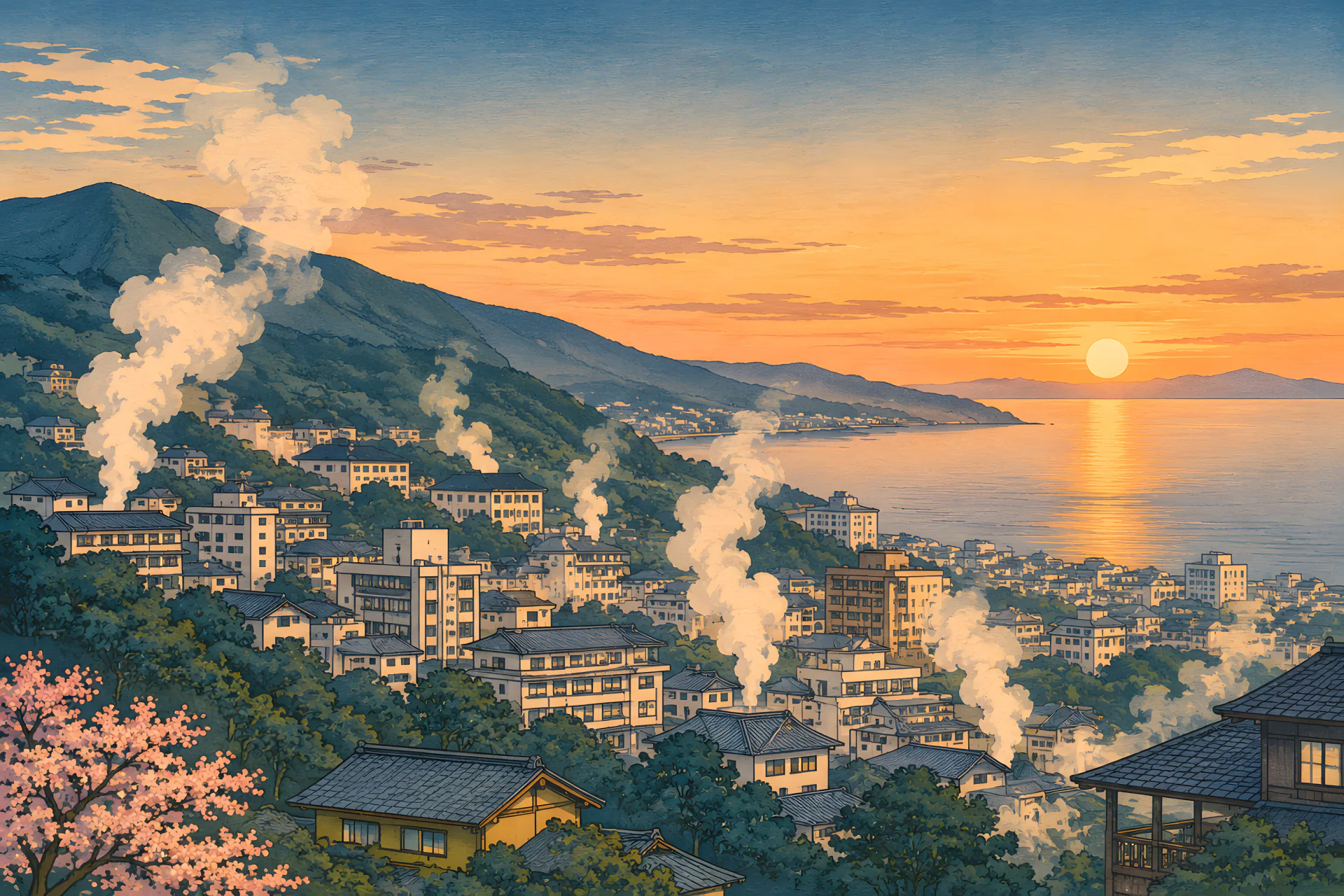
Known as Japan's hot-spring prefecture, Oita has the country's highest number of hot-spring sources and the largest volume of water gushing from them. Beppu is a lively old hot-spring city, with steam rising everywhere. You can see the Hells, try a sand bath, and eat food steamed in hot-spring vapor. Yufuin sits in a mountain basin. It's smaller and slower-paced, making it ideal for a night at a good ryokan.
The two towns are about an hour apart by bus, and many travelers plan two nights between them. Farther afield, you'll find Usa Jingu, the head shrine of Japan's 40,000-plus Hachiman shrines; Yabakei Gorge, known for its beautiful fall colors; and Kokonoe Yume Otsurihashi, a suspension bridge high above the ground. Buses between sights are infrequent, so join a tour or hire a car and driver if you want to see several places.
Hot springs are especially enjoyable in fall and winter. Yabakei Gorge and Kokonoe are covered in fall colors in November. Yufuin often has morning mist in winter. Beppu is very hot in summer, so keep your stay short.
Monthly weather
Based on OitaBest time to visit Monthly precipitation (mm) Open-Meteo (ERA5), 1996–2025 average
| Month | Average high (°C) | Average low (°C) | Monthly precipitation (mm) | Days with 1 mm or more of precipitation |
|---|---|---|---|---|
| Jan(Good time to visit) | 10.8 | 4.2 | 56 | 6 |
| Feb(Good time to visit) | 11.9 | 4.9 | 73 | 8 |
| Mar(Good time to visit) | 15.5 | 7.6 | 94 | 10 |
| Apr(Good time to visit) | 20.2 | 12 | 107 | 11 |
| May(Good time to visit) | 24.5 | 17 | 140 | 11 |
| Jun | 27.4 | 21.6 | 270 | 16 |
| Jul | 31.6 | 25.6 | 217 | 17 |
| Aug | 32.5 | 26.3 | 193 | 16 |
| Sep(Good time to visit) | 29 | 23.1 | 207 | 15 |
| Oct(Good time to visit) | 24 | 17.4 | 134 | 9 |
| Nov(Good time to visit) | 18.7 | 11.6 | 74 | 7 |
| Dec(Good time to visit) | 13.1 | 6.4 | 53 | 6 |
Sights
-
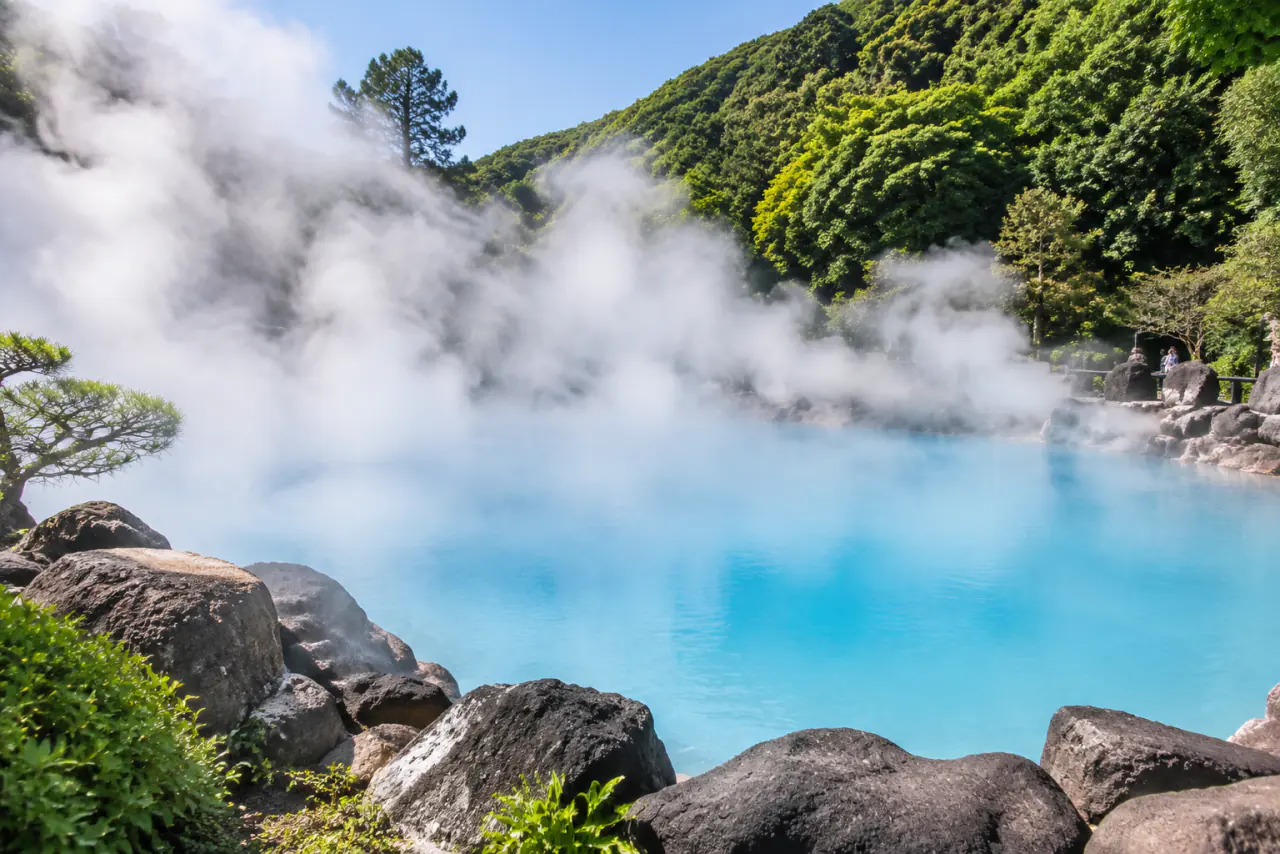 1
Hells of Beppu
別府地獄めぐり
Seven hot-spring sources that are for viewing, not bathing: cobalt-blue Umi Jigoku, blood-red Chinoike Jigoku, the periodically erupting Tatsumaki Jigoku, and more. Five are clustered in Kannawa and within walking distance. The other two are about 3 km away in Kamegawa and require a bus. The combination ticket is the best value.
The combination ticket is valid for two days, including the day of purchase and the following day. The hot-spring steamed pudding and eggs sold in the park are worth trying.
-
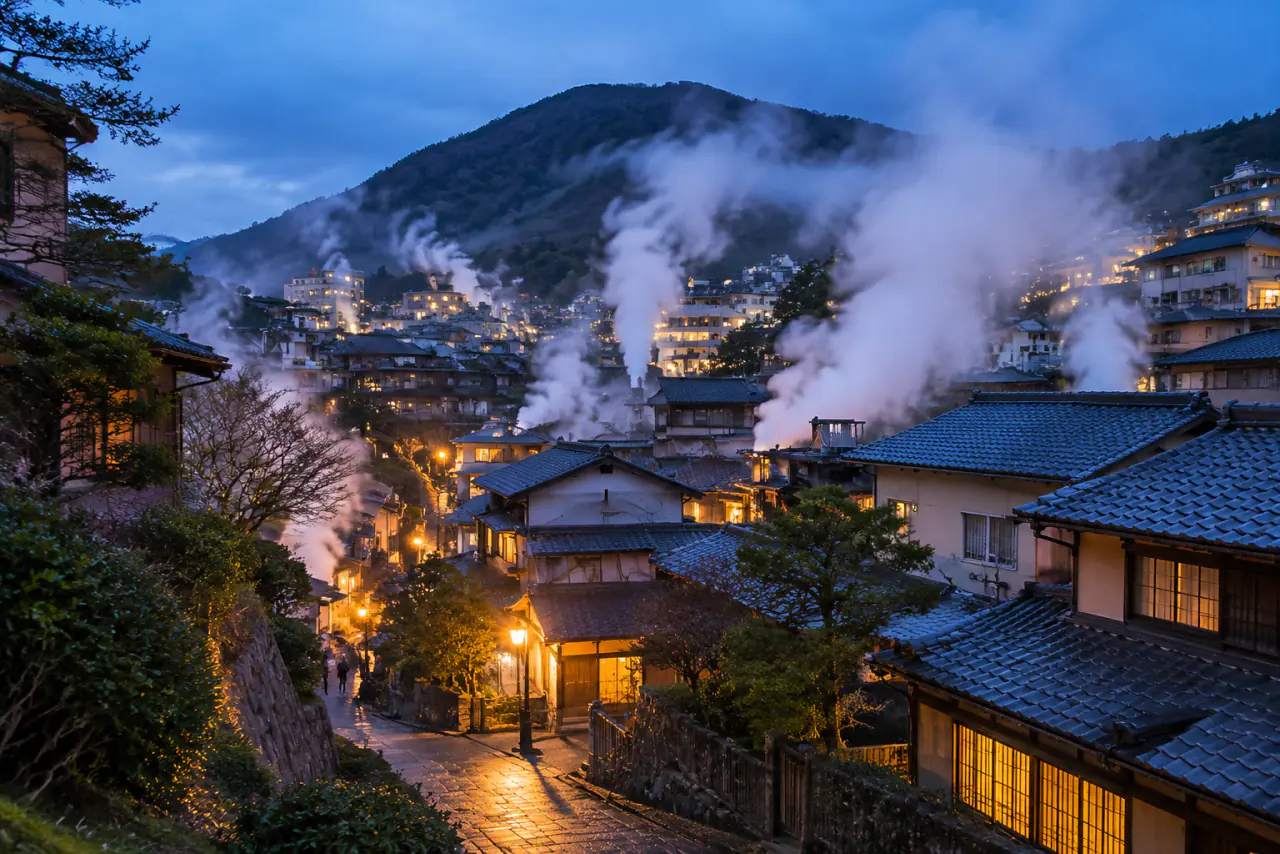 2
Kannawa Onsen
鉄輪温泉
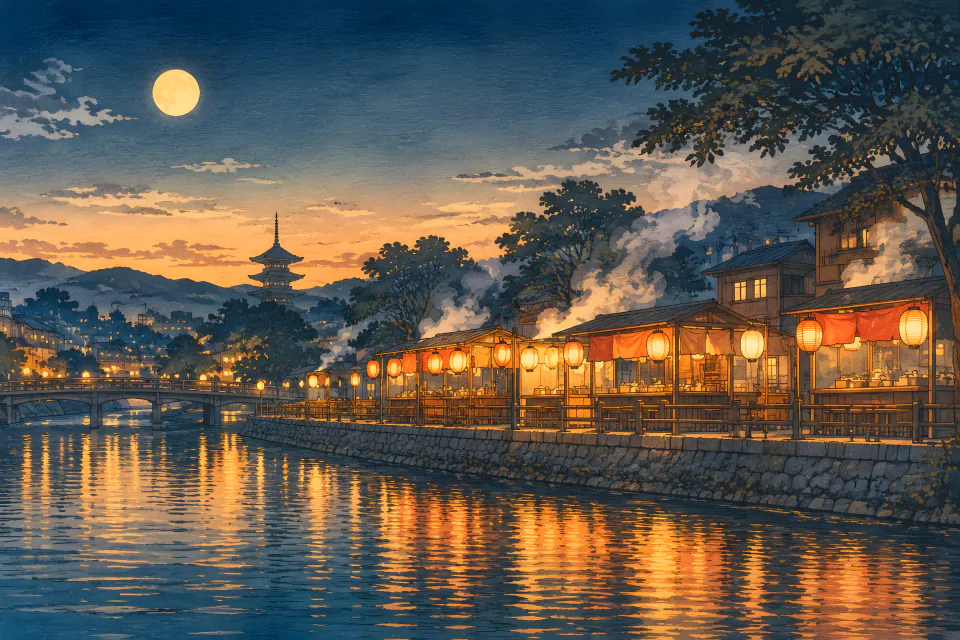
Beppu's most atmospheric hot-spring district, where steam rises from cracks in the pavement and storm drains. At Jigoku Mushi Kobo, you can steam seafood and vegetables in hot-spring vapor. Small neighborhood baths cost a few hundred yen per visit. The steam and streetlights make great photos at night.
At the hot-spring steam kitchen, you manage the heat with a timer. Lines can be long around mealtimes, so avoid 12 p.m.
-
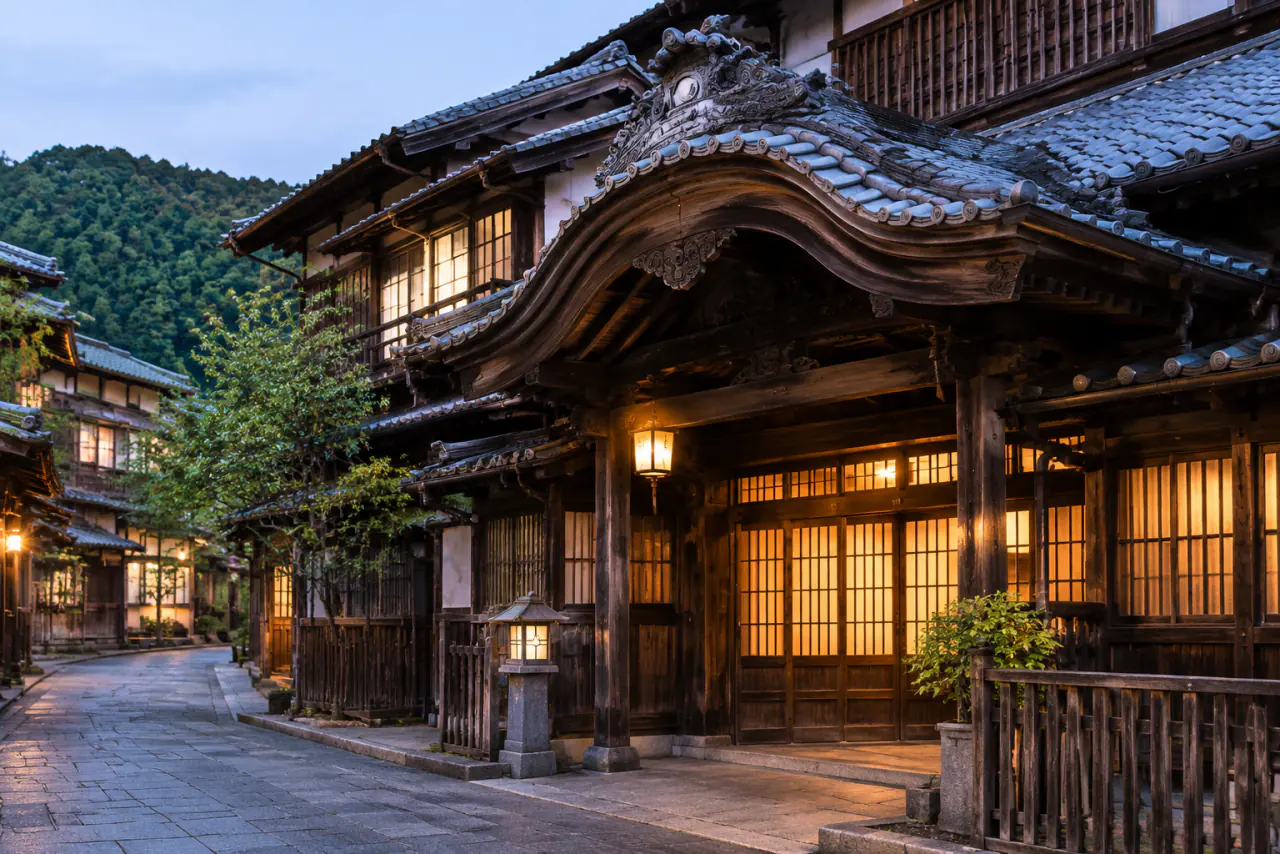 3
Takegawara Onsen
竹瓦温泉
A wooden public bathhouse that opened during the Meiji era, with an impressive karahafu roof. It's tucked into the old streets near Beppu Station. Besides a regular hot-spring bath, it offers sand baths, where staff cover you in hot sand. You'll work up a sweat in about ten minutes. It's a memorable experience.
The regular bath is very hot. Bring your own towel and soap. Sand baths are popular, and there may be a wait in the afternoon.
-
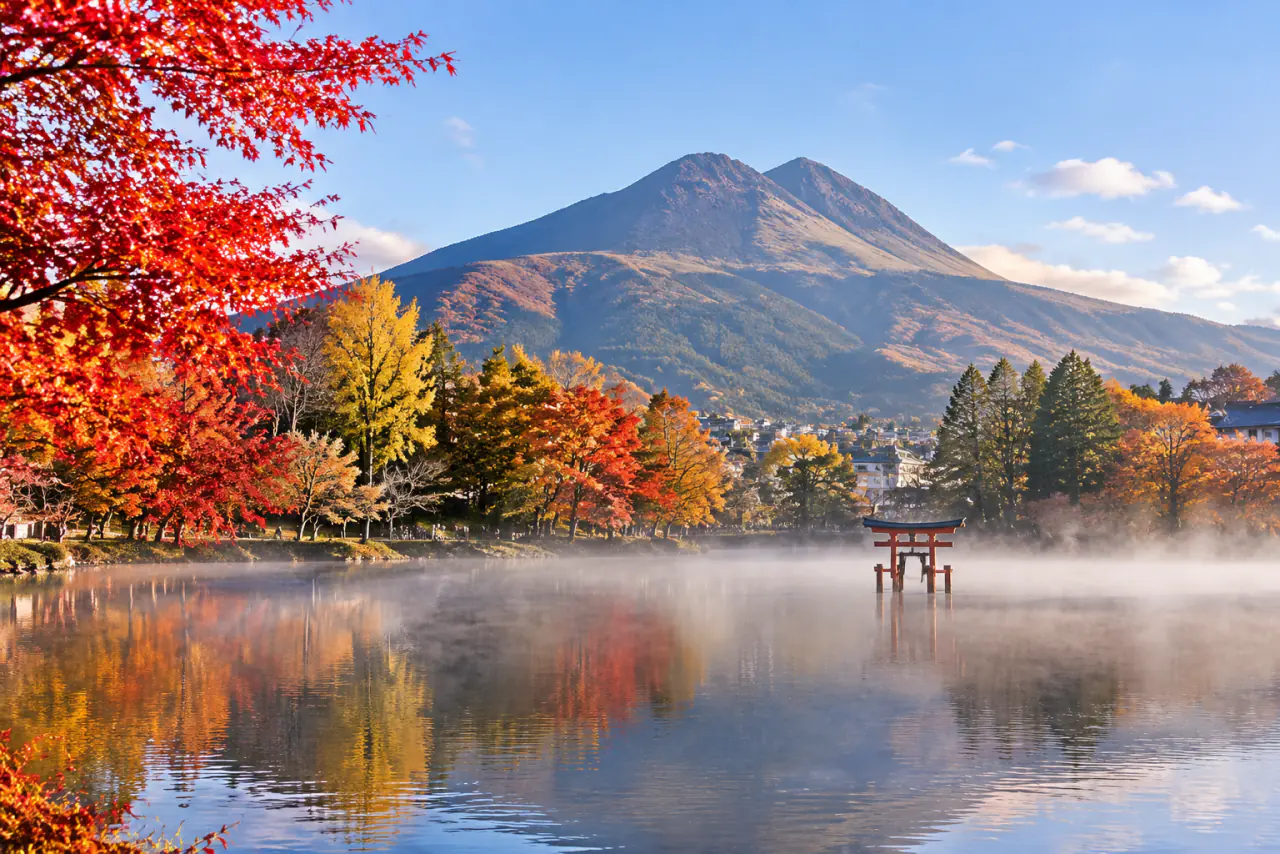 4
Yufuin Onsen
由布院温泉
From the station to Kinrin Lake, Yunotsubo Street is lined with general stores, dessert shops, and small art museums, with twin-peaked Mount Yufu in the background. Daytime crowds are heavy, but the town quiets down after day-trippers leave in the evening, making it worth staying overnight.
Kinrin Lake's morning mist is most visible on fall and winter mornings. Go before 7 a.m. You can leave your luggage at the station.
-
 5
Usa Jingu
宇佐神宮
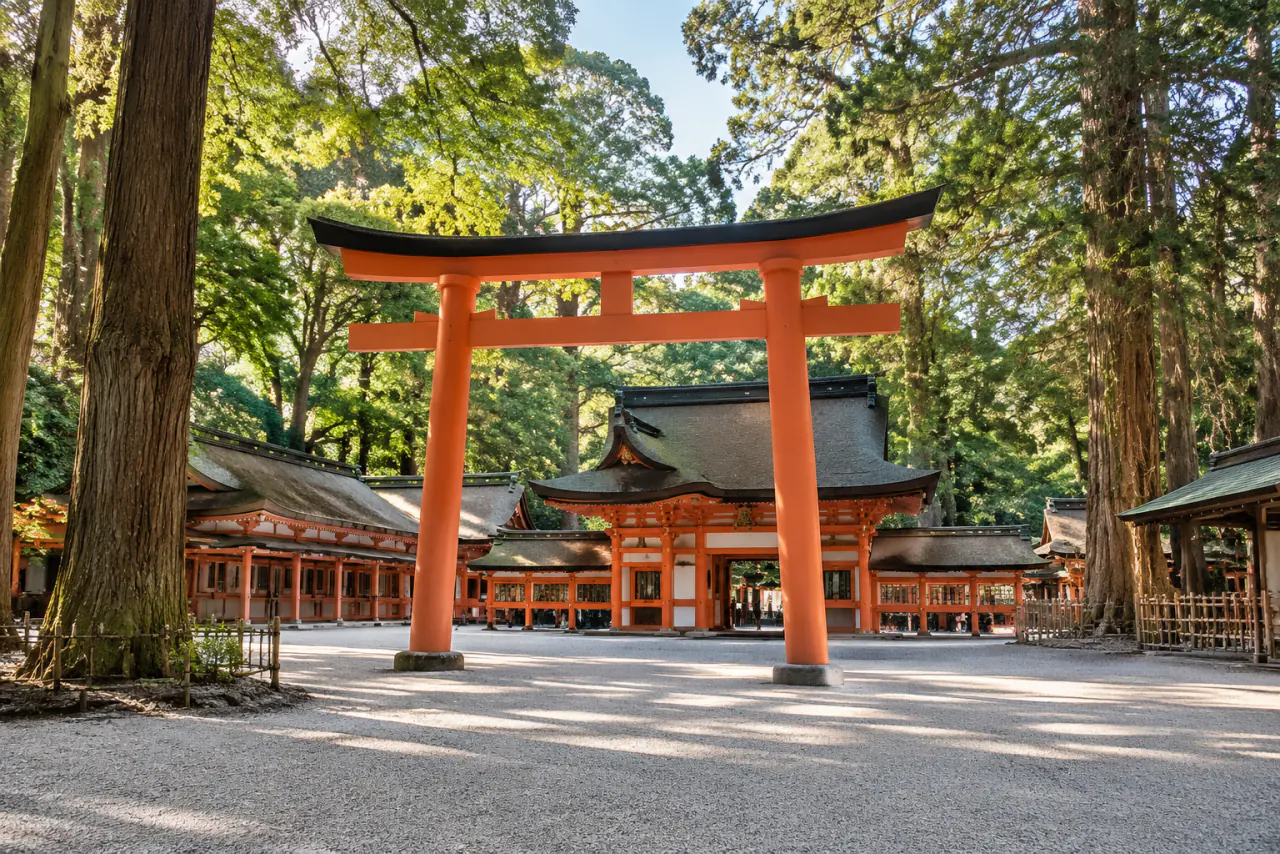
The head shrine of more than 40,000 Hachiman shrines across Japan, Usa Jingu has a vermilion main hall designated a national treasure. Its worship ritual is different from elsewhere: bow twice, clap four times, then bow once. The grounds are extensive, with an approach, ponds, and tree-lined paths. It's less crowded than Beppu and ideal for history lovers.
Take a JR train from Beppu to Usa Station, then transfer to a bus or taxi for about 10 minutes.
-
 6
Yabakei Gorge
耶馬渓
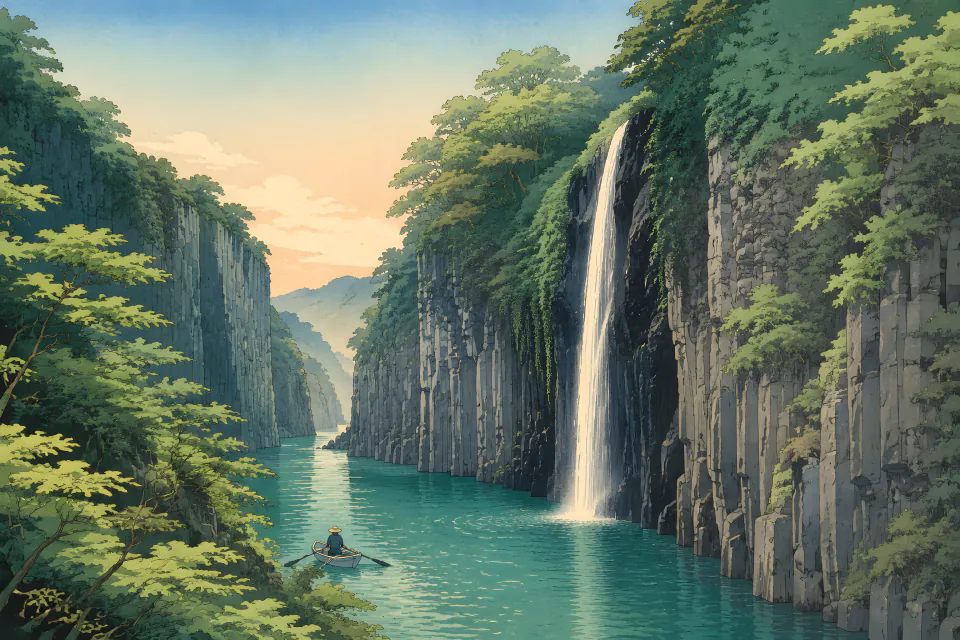
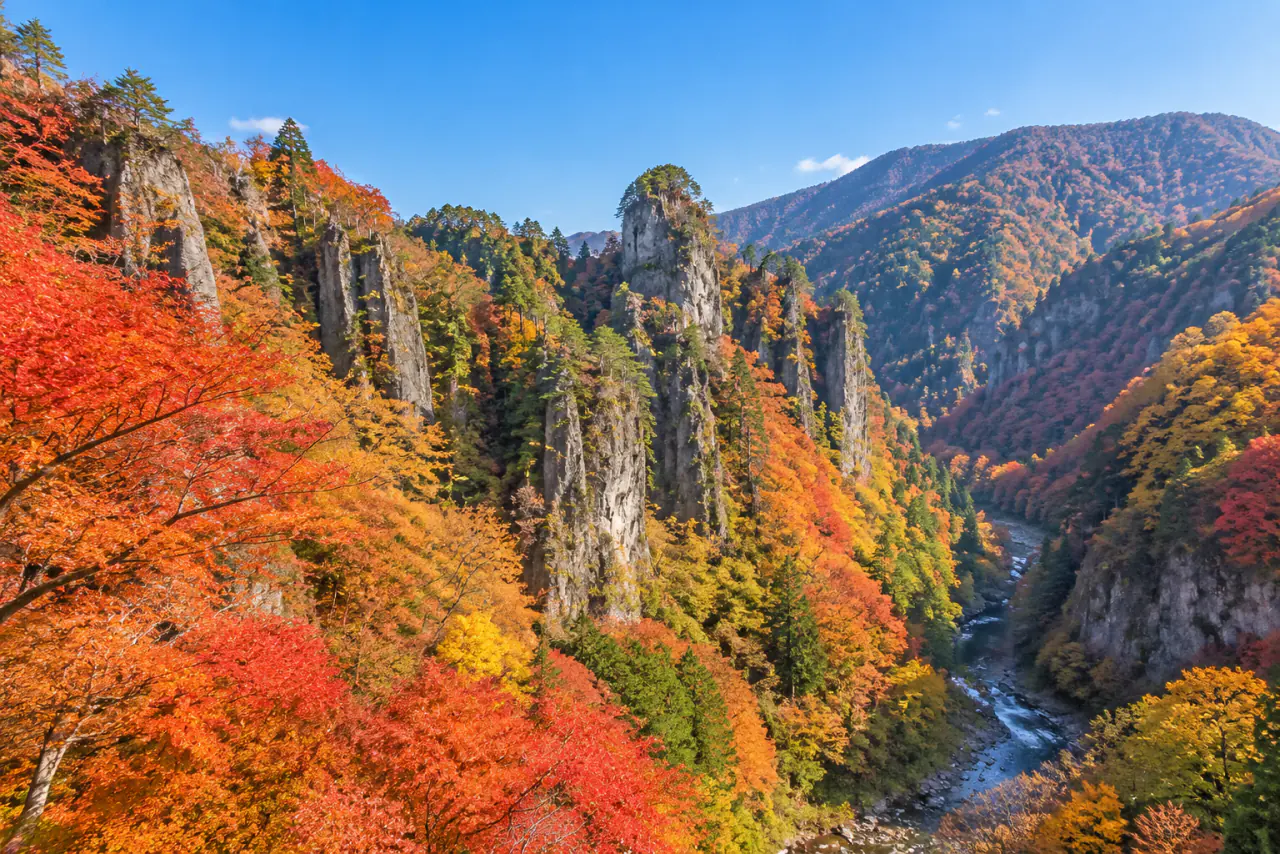
Strange rock peaks line the Yamakuni River and are considered one of Japan's three great scenic wonders. The gorge is at its best during fall foliage season. At the Hitome Hakkei viewpoint, you can see several peaks at once. Nearby, Aonodomon is a tunnel hand-carved by a monk over 30 years during the Edo period.
Take a bus from Nakatsu Station. Services are infrequent. Fall colors usually peak from mid- to late November, and traffic is heavy on weekends.
-
 7
Kokonoe Yume Otsurihashi
九重“夢”大吊橋
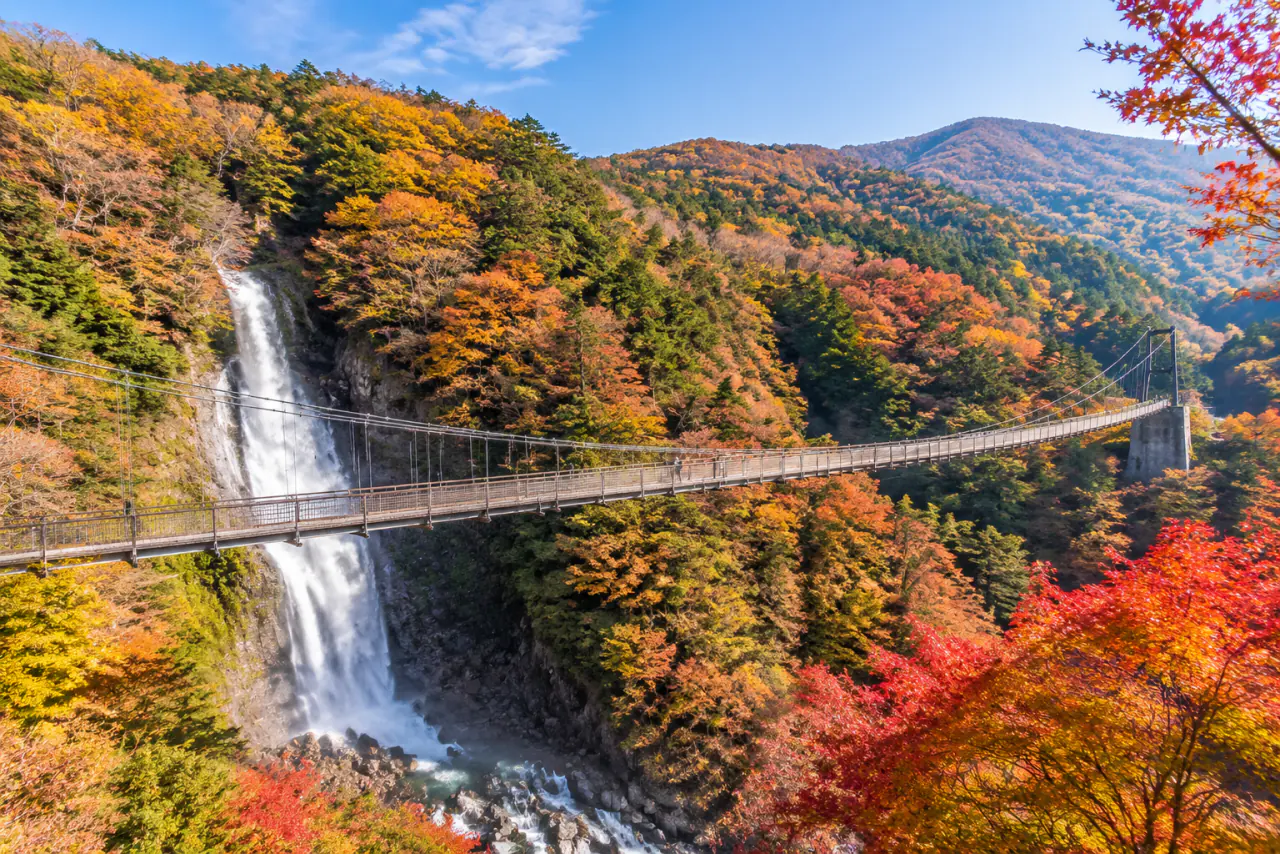
Japan's highest pedestrian suspension bridge is 390 meters long and 173 meters above the valley floor. You can feel it sway as you cross. The bridge offers views of Shindonotaki Falls, and the surrounding valleys turn bright red in fall. It's a good stop on a day-trip route between Yufuin and Aso.
By public transportation, take a bus from Bungo-Nakamura Station. Services are infrequent. People with a fear of heights should take care, and the bridge may close in strong winds.
What to eat
Jigoku-mushi
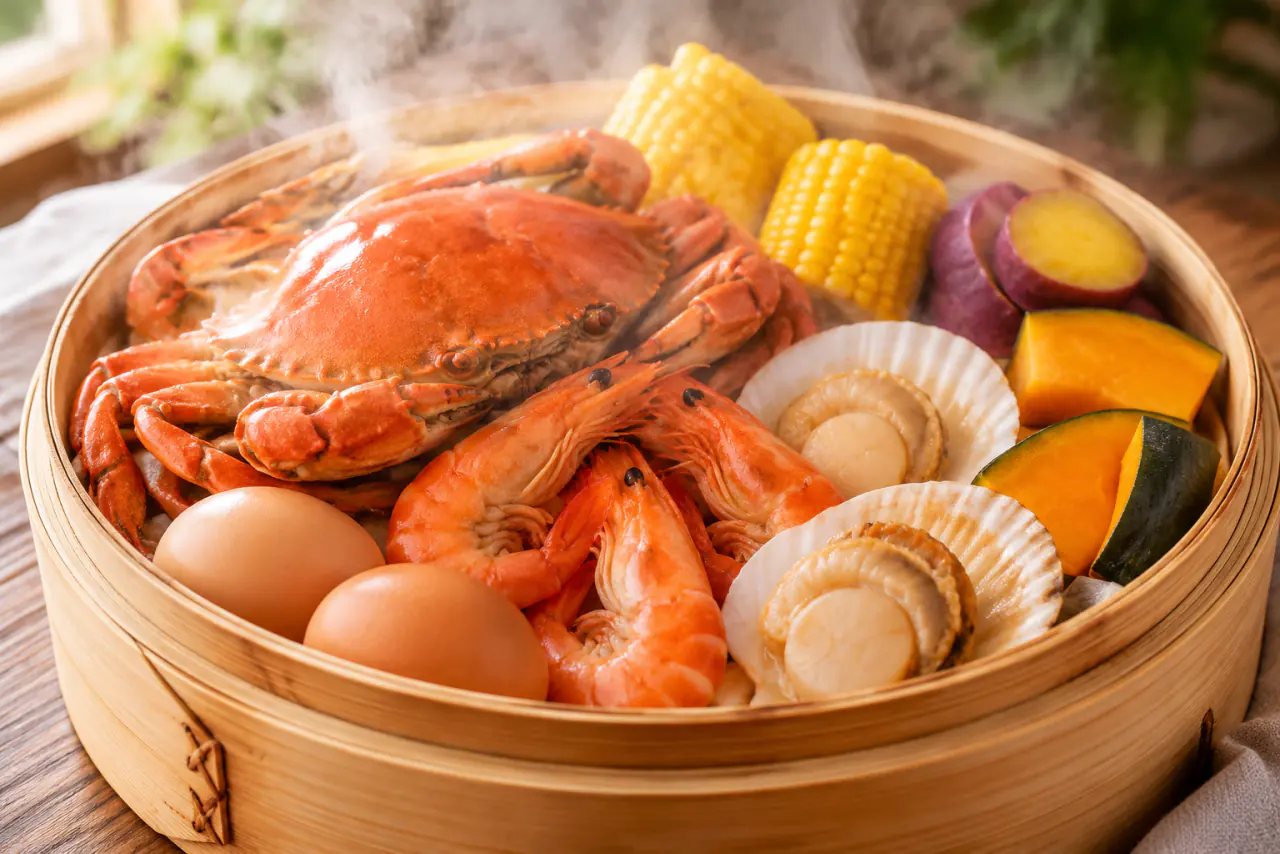
Seafood, chicken, vegetables, and eggs are cooked in hot-spring steam without seasoning, giving them a hint of salt from the spring water. The natural sweetness of the ingredients comes through clearly. It's healthy and fun.
Jigoku Mushi Kobo and restaurants around Kannawa Onsen in Beppu · About ¥1,500–3,000 per person
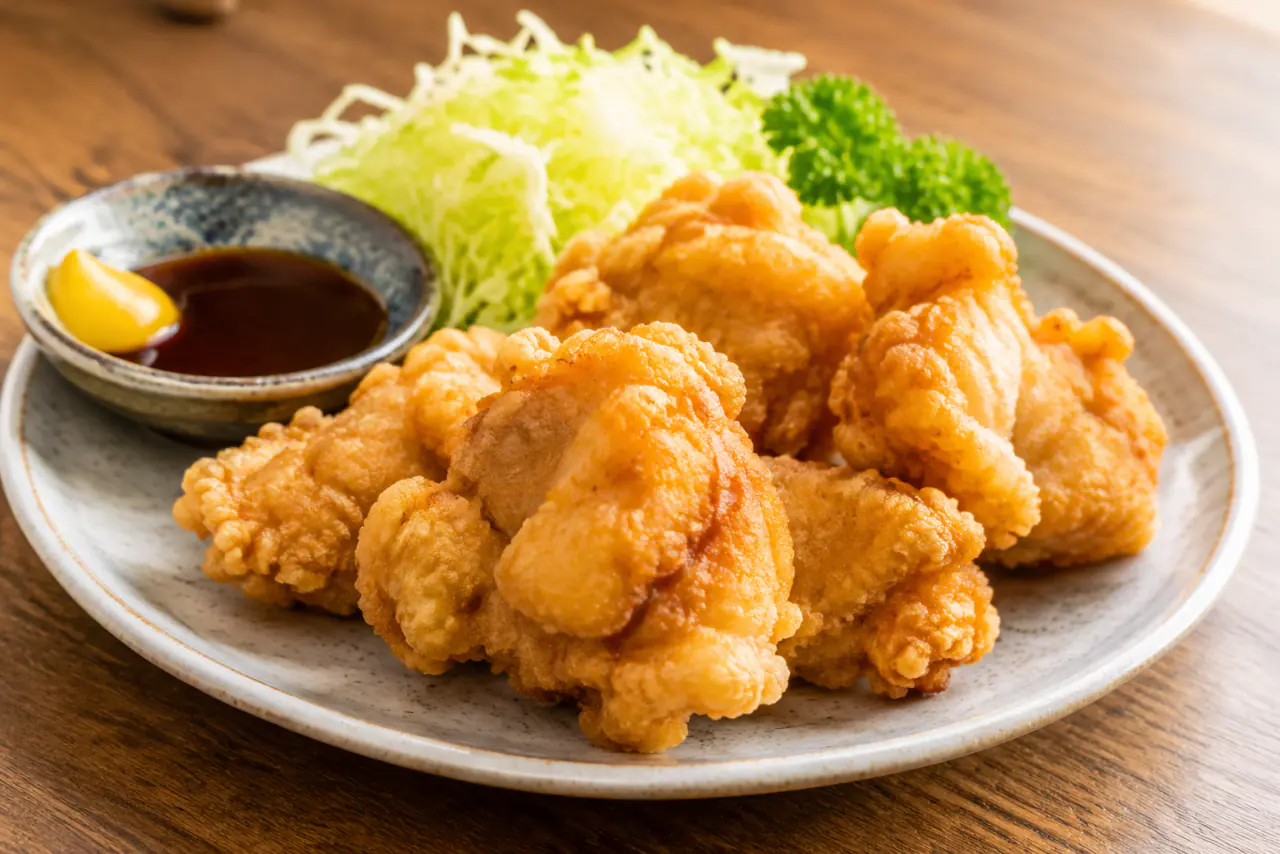
Toriten
A home-style Oita dish of marinated chicken coated in batter and fried tempura-style. It's served with vinegar-soy dipping sauce and Japanese mustard, and feels lighter than fried chicken. Nearly every diner in Oita serves it.
Diners and izakayas in Beppu and central Oita City · About ¥1,000–1,500 per set meal
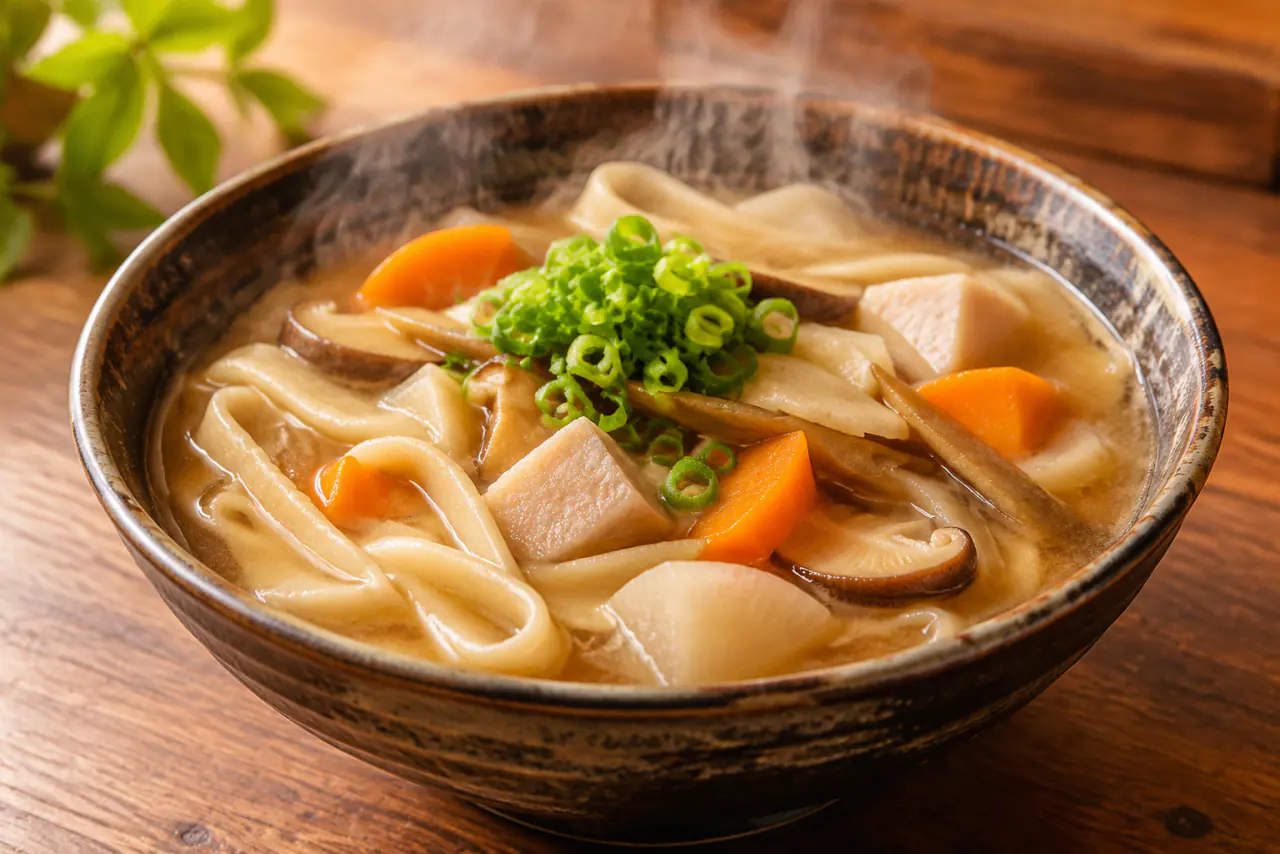
Dangojiru
Hand-rolled, flat, wide noodles are simmered with vegetables and shiitake mushrooms in miso soup. It's somewhat like Chinese noodle-skin soup. This local Oita dish is especially comforting in winter.
Local cuisine restaurants in Yufuin and Beppu · About ¥800–1,200 per bowl
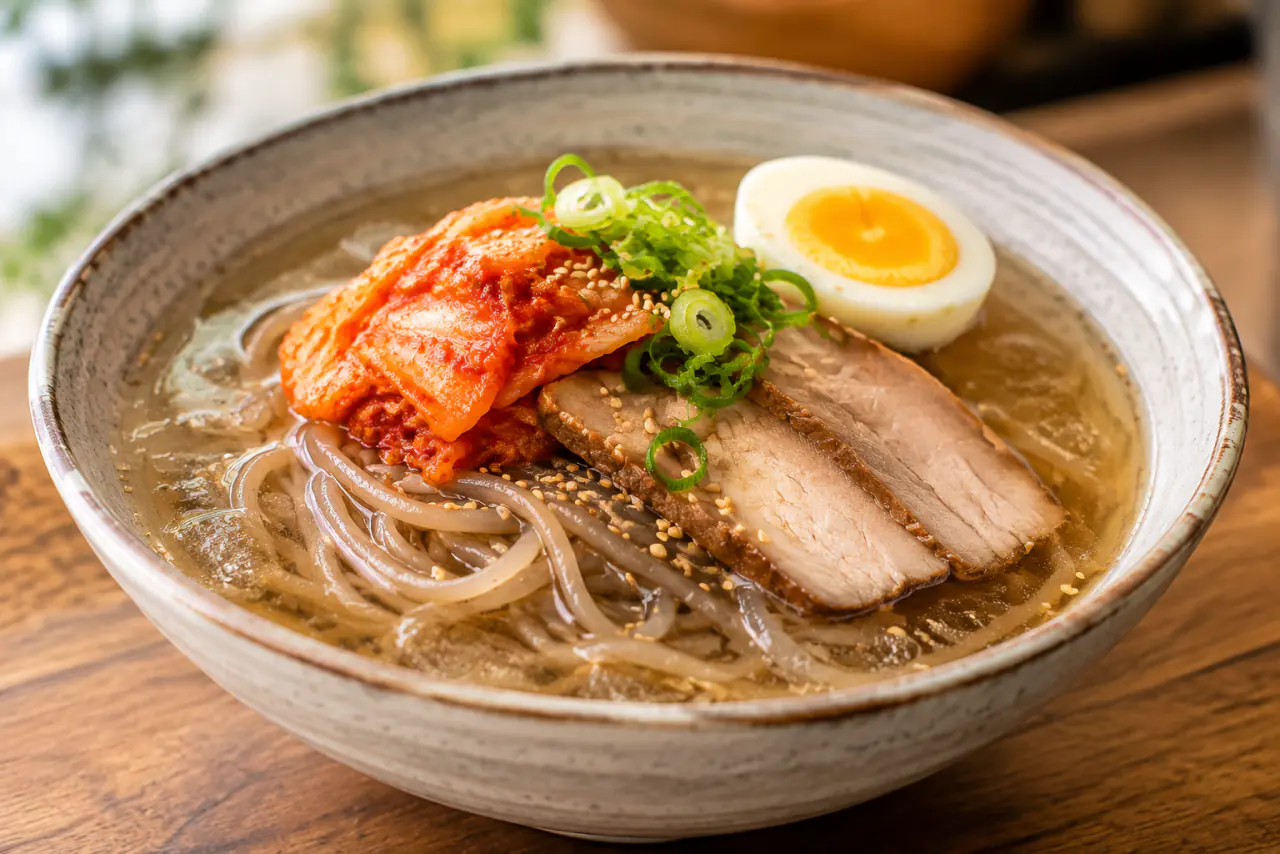
Beppu reimen
Beppu's take on Korean cold noodles uses thick noodles made partly with buckwheat flour, served with a Japanese-style broth, kimchi, and chashu pork. The texture is softer. It's just right after a soak in the hot springs.
Cold-noodle specialty shops and yakiniku restaurants around Beppu Station · About ¥800–1,200 per bowl
Getting there · Where to stay
Take the Sonic limited express from Hakata to Beppu in about 2 hours. To Yufuin, take the Yufuin no Mori in about 2 hours 15 minutes, or a highway bus in about 2.5 hours
The airport bus takes about 50 minutes to Beppu Station, for about ¥1,600; Oita Station is about 1 hour away
The Kyushu Odan Bus takes about 4 hours 20 minutes to Yufuin via Aso, and reservations are required for some sections. You can also take a JR limited express
In Beppu, stay around Beppu Station or Kannawa Onsen for easy access to the Hells. In Yufuin, stay at a hot-spring ryokan. Many have private open-air baths, and popular ones should be booked 1–2 months ahead.
Know this before you go
- All seats on the Yufuin no Mori are reserved. Trains often sell out in peak seasons, so book a month ahead.
- Beppu has frequent city buses. The bus to Kannawa for the Hells takes about 20 minutes.
- Most hot springs in Japan do not allow swimsuits. If you have tattoos, check the rules first or choose a private bath.
- Popular ryokan in Yufuin fill up quickly on weekends and during fall foliage season. Book as soon as your dates are set.