Cloudborne Travel
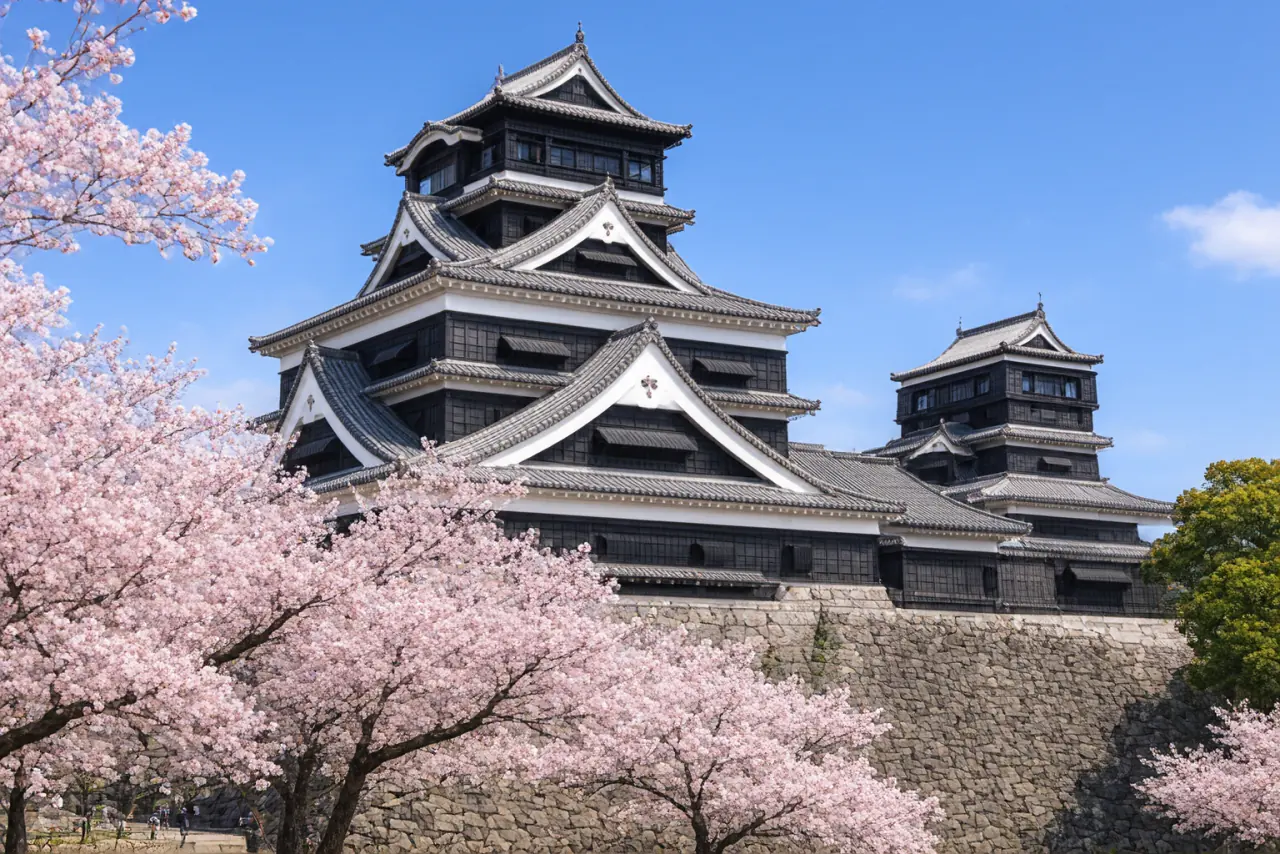
Kumamoto is the birthplace of Kumamon. The city centers on Kumamoto Castle, which has been open in stages during restoration since the 2016 earthquake. You can see the repair work in progress. The trip from Hakata by Shinkansen takes about 30 minutes, making Kumamoto a good place to spend 1–2 nights between Fukuoka and Kagoshima.
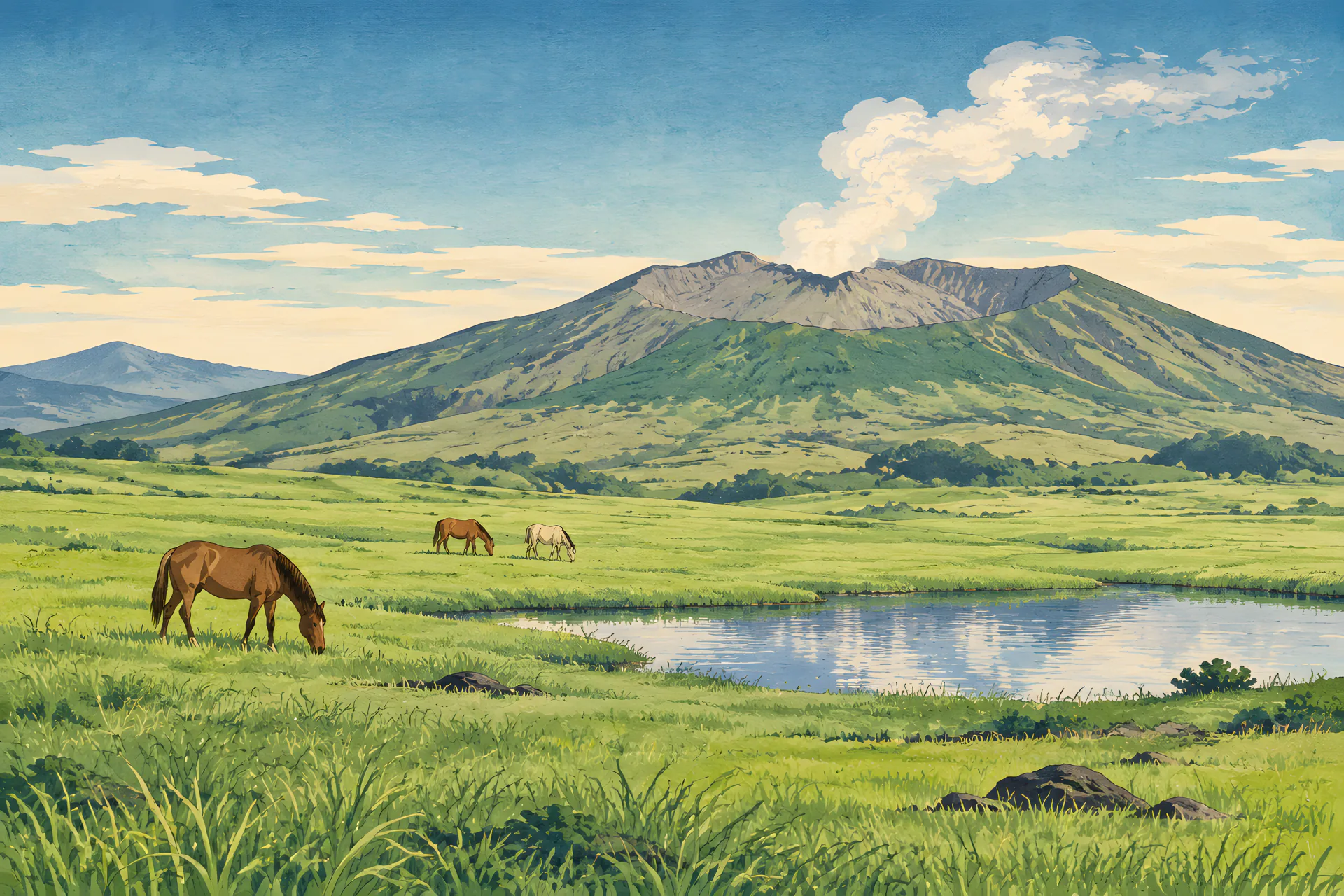
To the east lies Aso, one of the world's largest volcanic caldera basins, with grasslands, volcanoes, and ranches stretching into the distance. Kurokawa Onsen is farther north. Southwest is Amakusa, home to fishing villages with a history of hidden Christians. Public transportation to Aso and Kurokawa is limited, so a day tour or private car is the best option.
See cherry blossoms at Kumamoto Castle in spring, the greenest grasslands in Aso in summer, and colorful foliage in Kikuchi Gorge in fall. Kurokawa Onsen may have snowy scenery in winter, but mountain roads can be icy.
Monthly weather
Based on KumamotoBest time to visit Monthly precipitation (mm) Open-Meteo (ERA5), 1996–2025 average
| Month | Average high (°C) | Average low (°C) | Monthly precipitation (mm) | Days with 1 mm or more of precipitation |
|---|---|---|---|---|
| Jan | 10.5 | 4.6 | 77 | 10 |
| Feb | 12.1 | 5.5 | 102 | 11 |
| Mar(Good time to visit) | 15.7 | 8.3 | 139 | 13 |
| Apr(Good time to visit) | 20.2 | 12.5 | 142 | 12 |
| May(Good time to visit) | 24.2 | 17 | 186 | 12 |
| Jun | 26.8 | 21.3 | 385 | 17 |
| Jul | 30.4 | 25.1 | 278 | 16 |
| Aug | 31.8 | 25.8 | 157 | 14 |
| Sep(Good time to visit) | 29.2 | 22.9 | 152 | 12 |
| Oct(Good time to visit) | 24.4 | 17.2 | 99 | 9 |
| Nov(Good time to visit) | 18.6 | 11.5 | 98 | 9 |
| Dec | 12.7 | 6.4 | 79 | 10 |
Sights
-
 1
Kumamoto Castle
熊本城
One of Japan's three great castles, known for its steep Musha-gaeshi stone walls. The keep has reopened after earthquake repairs and now houses an exhibition. The top floor offers views across Kumamoto. An elevated viewing walkway brings you close to stone walls and turrets that are still being repaired.
Sakura-no-Baba Johsaien below the castle has a street of food stalls. You can buy a combo ticket that includes the exhibition hall. It gets very crowded during cherry blossom season.
-
 2
Suizenji Jojuen Garden
水前寺成趣園
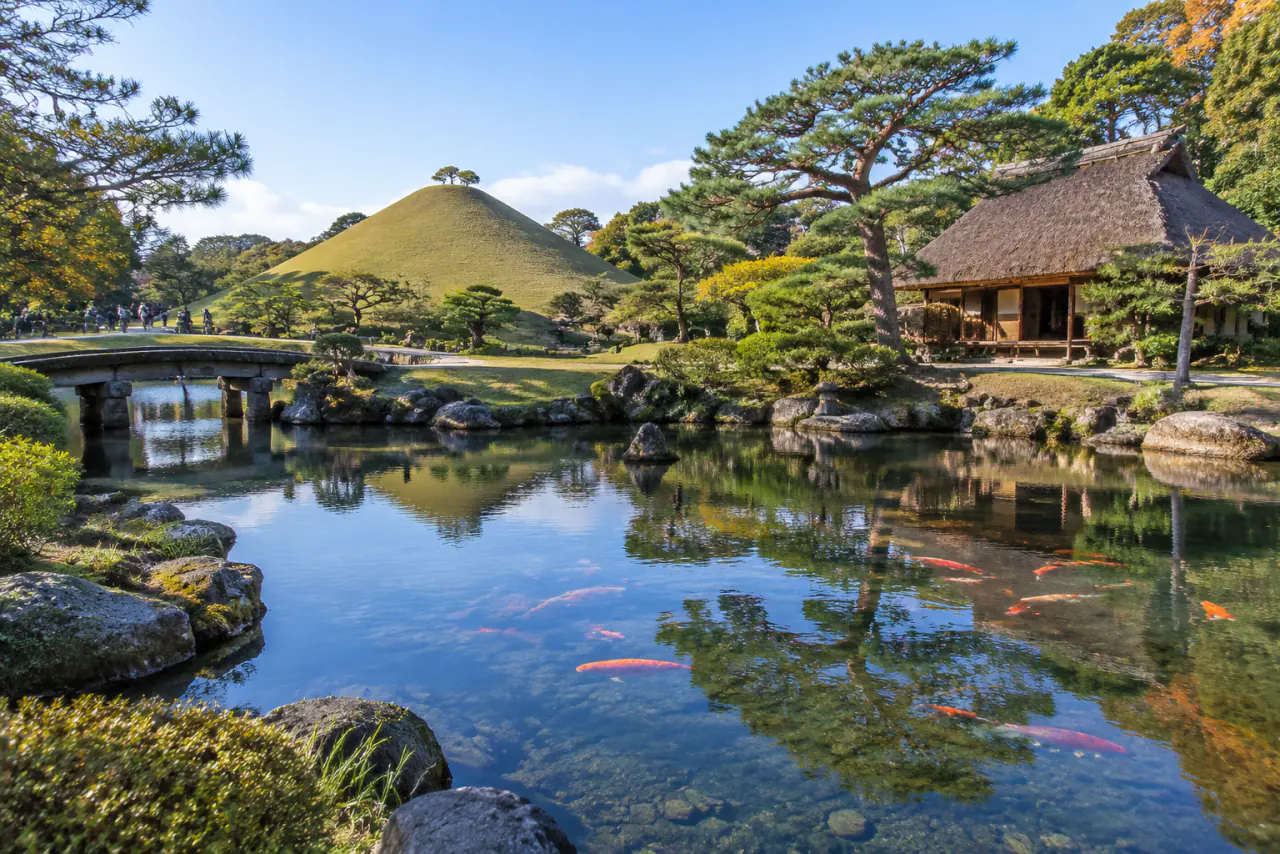
A strolling garden built by the Hosokawa family, lords of Kumamoto. It features a small hill modeled on Mount Fuji, and its pond is fed by Aso's underground water. The water is clear enough to see the carp. The garden is small and takes less than an hour to walk around. Stop at Kokin Denju-no-Ma by the pond for a cup of matcha.
The streetcar from Kumamoto Station to Suizenji Koen Station takes about half an hour.
-
 3
Mount Aso Nakadake Crater
阿蘇山中岳火口
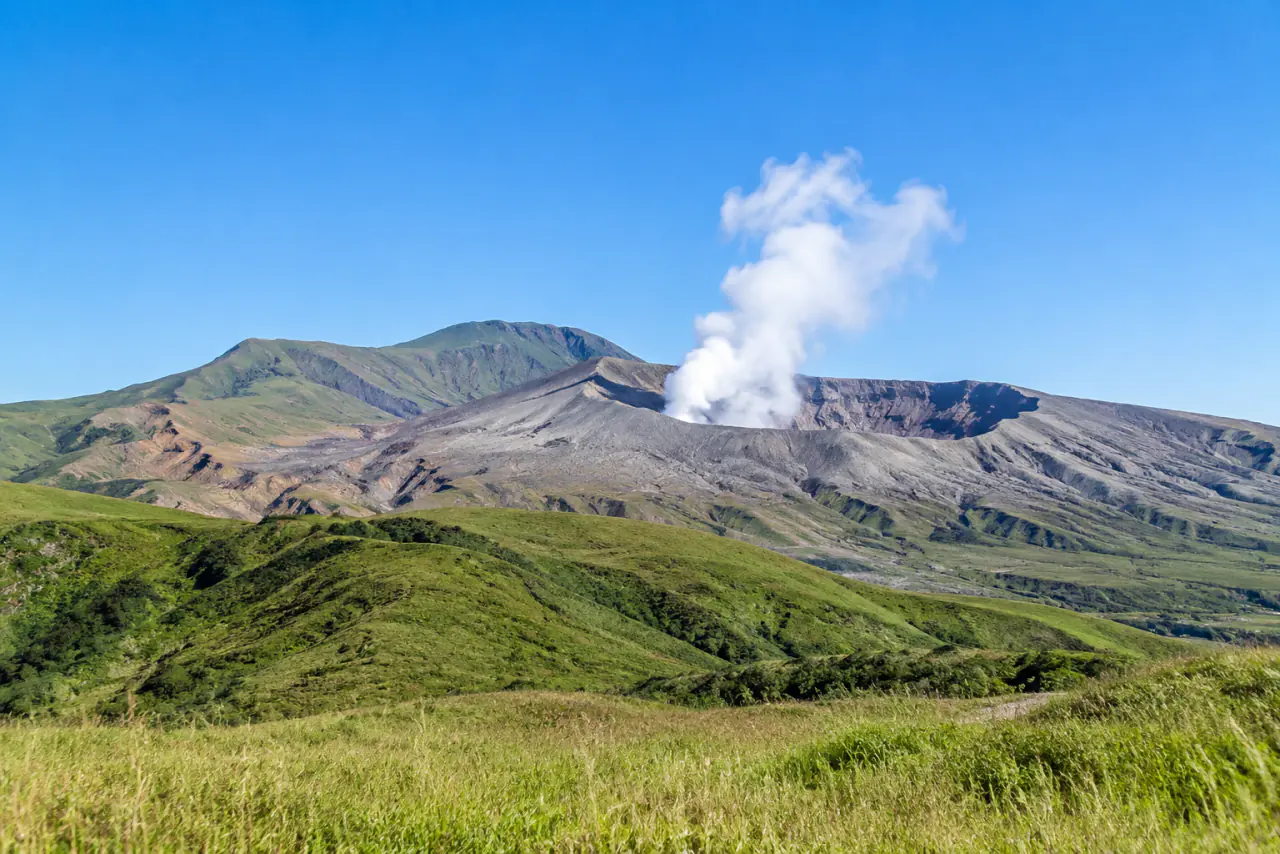
This active volcanic crater offers dramatic views of a smoking, blue-green crater lake from the rim when access is open. However, entry is often restricted because of volcanic activity and gases. As of fall 2026, viewing from the crater rim has not resumed. The areas you can visit depend on the day's restrictions.
Check the Aso Volcano Disaster Prevention Council's restriction information before you go. People with asthma or heart disease should not approach the crater.
-
 4
Kusasenri
草千里ヶ浜
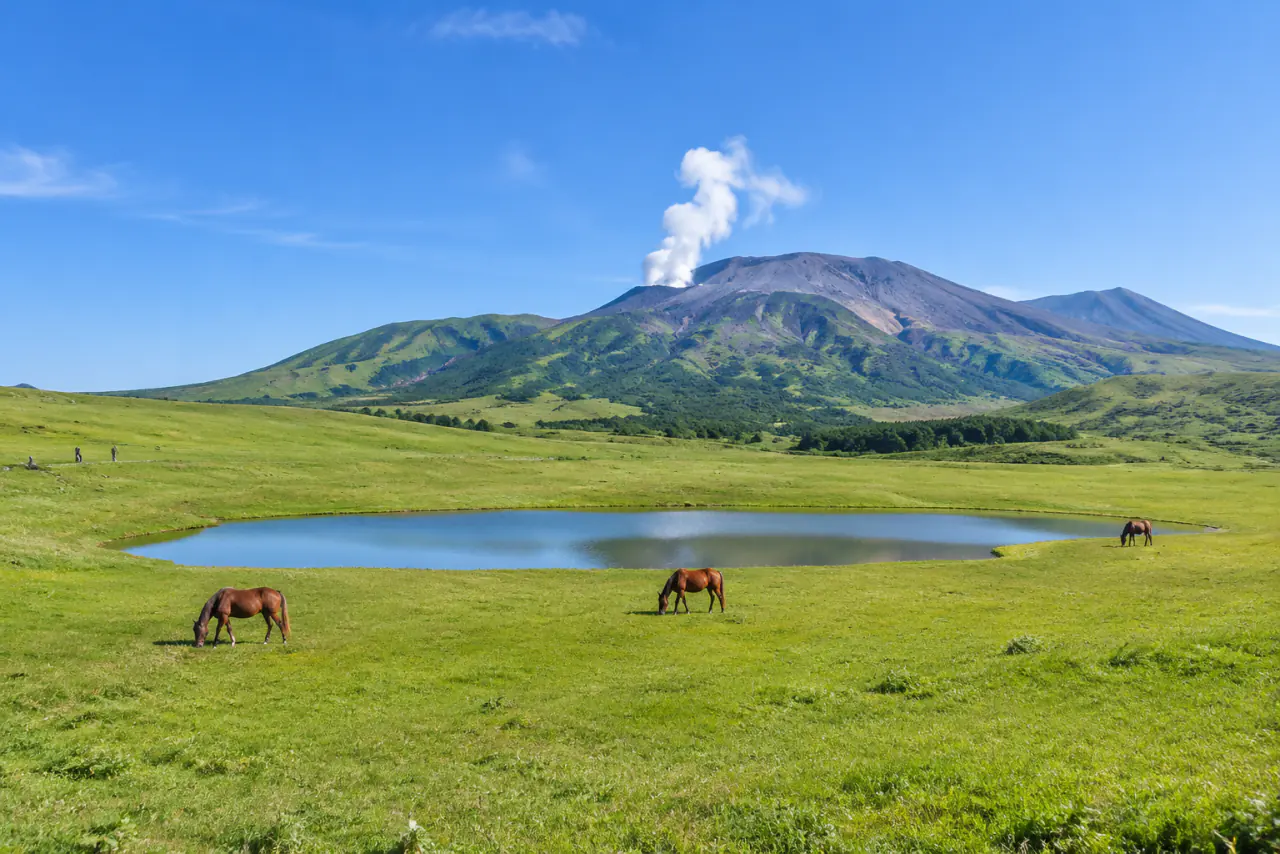
A broad, round grassland beside the crater, with a shallow pond in the middle. Mount Nakadake smokes in the distance, and horses often graze nearby. You can pay to ride around the grassland. When the crater is closed, this is the best alternative for views of Mount Aso.
Take a mountain bus from Aso Station. The grass is green in summer and brown in winter, and temperatures are much lower than in the city.
-
 5
Daikanbo
大観峰
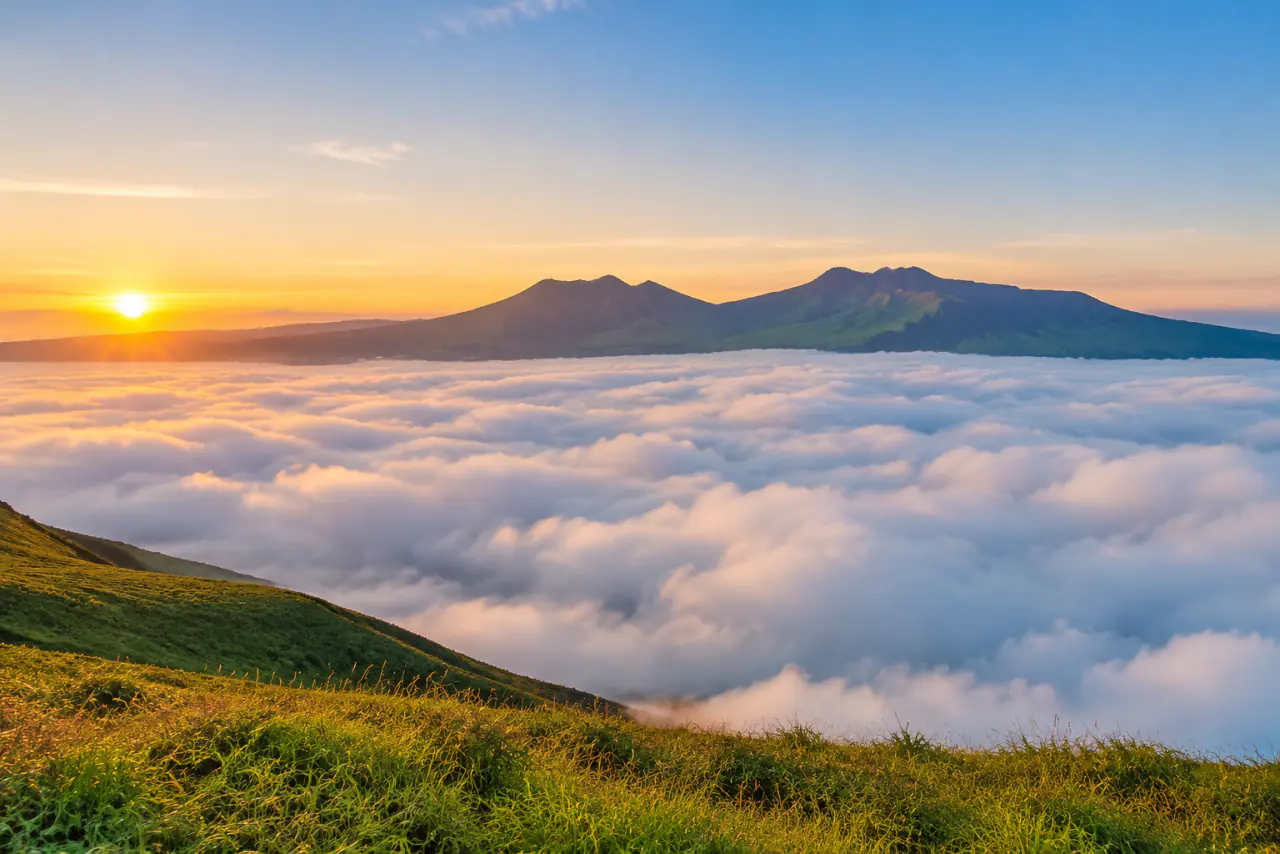
The highest point on Aso's outer rim. From here, you can see the entire volcanic basin, including villages, fields, and railways, with the Aso Five Peaks across the way. A sea of clouds often appears in the morning. The road to Kurokawa Onsen passes by here, and many day tours make a short stop.
The sea of clouds is most common on calm mornings in fall and winter. Stay nearby if you want to see it. The wind is strong, so bring a jacket.
-
 6
Kurokawa Onsen
黒川温泉
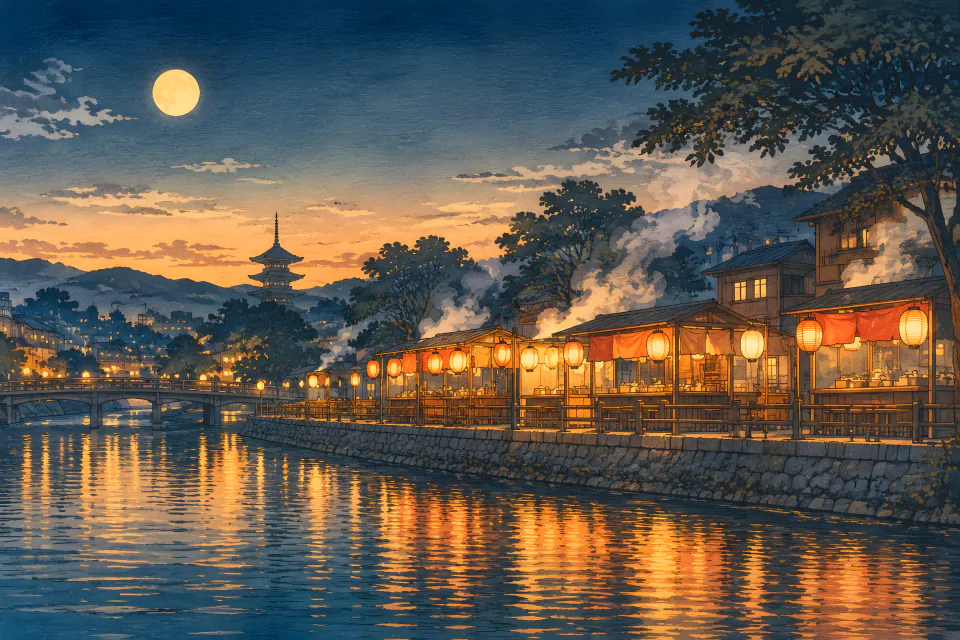
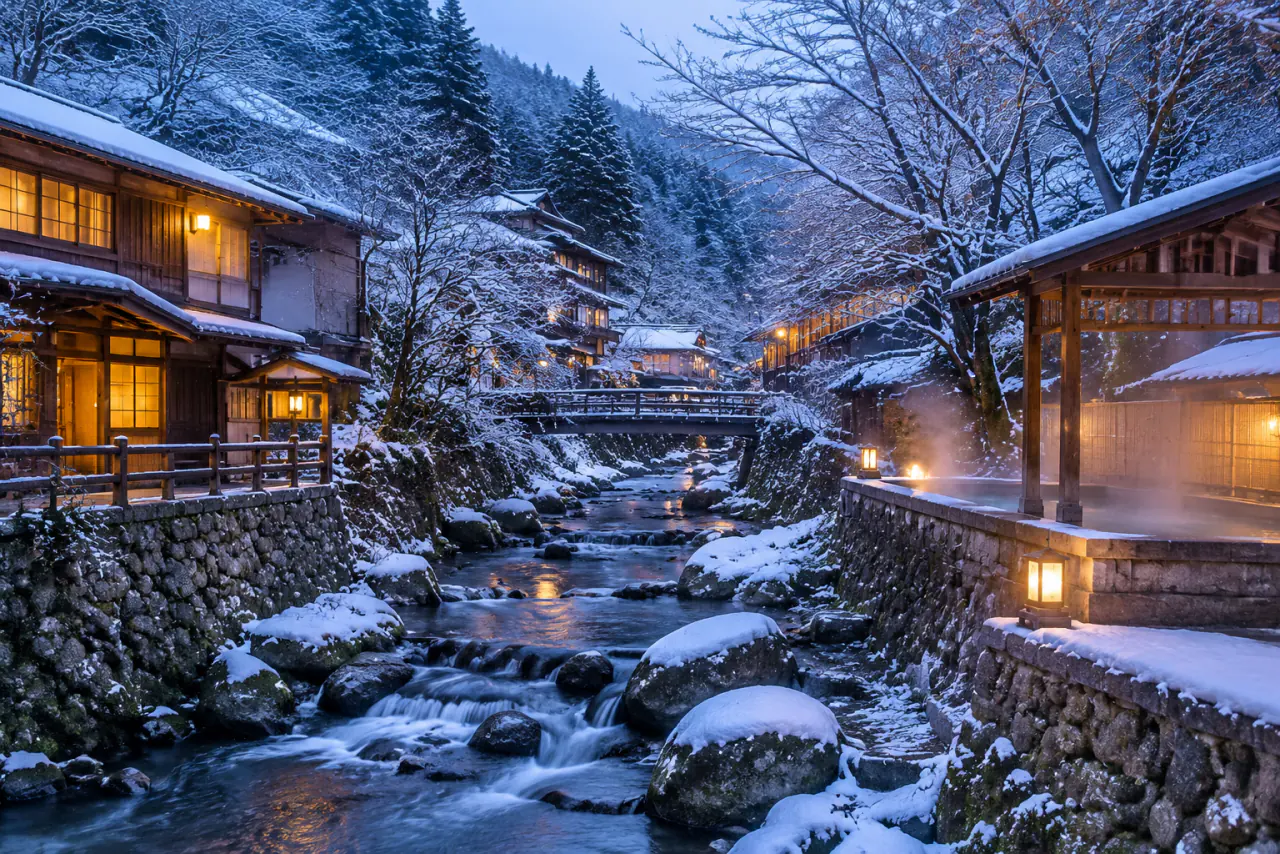
A small hot spring town hidden in a mountain valley. About 30 ryokan line the stream, all built with wood and stone, with no high-rises or neon signs. Buy a Nyuto Tegata pass to choose three ryokan for open-air baths. After soaking in the evening, walking along the stream in a yukata is especially relaxing.
Buy the Nyuto Tegata at Kaze-no-Yu. It costs about ¥1,500 and is valid for 6 months. Direct buses run from Fukuoka and Kumamoto; reservations are required.
-
 7
Kamishikimi Kumanoimasu Shrine
上色見熊野座神社
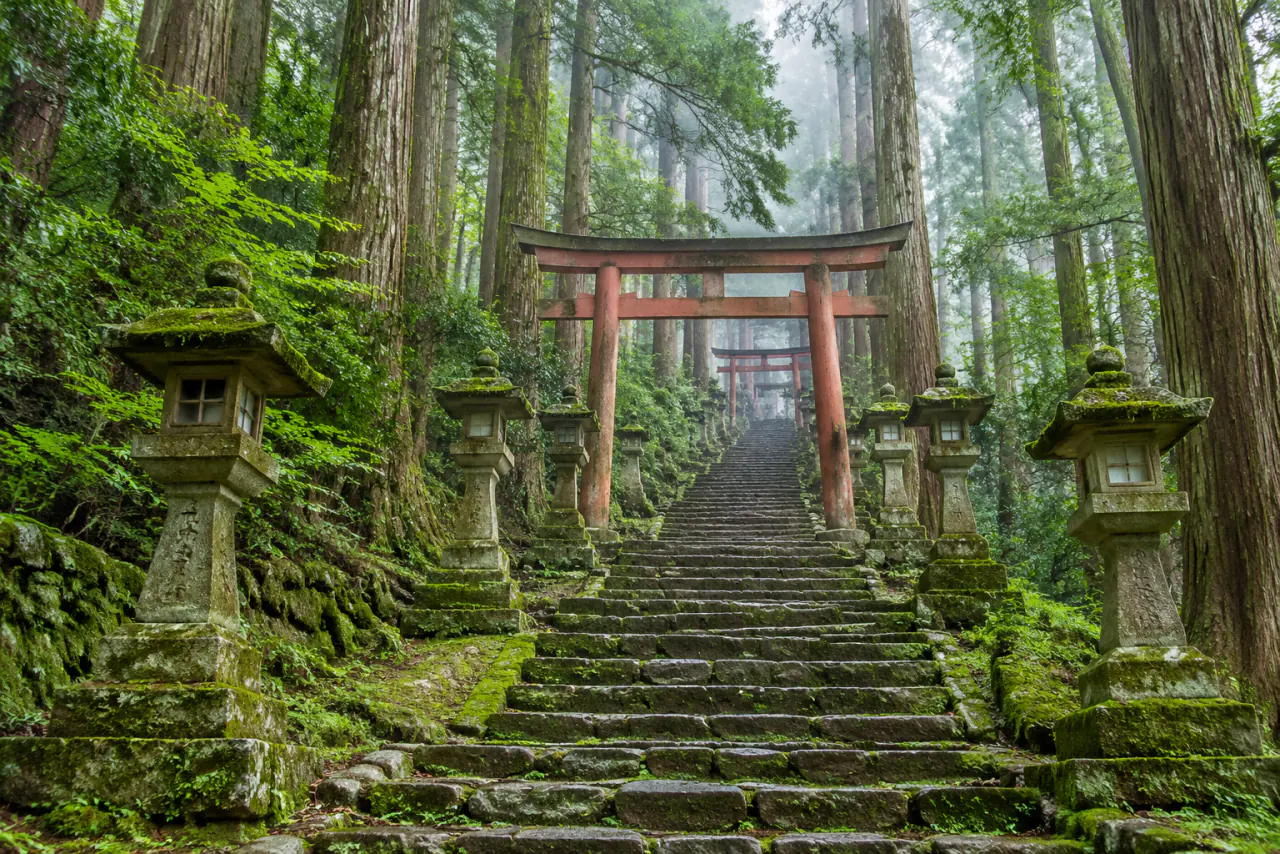
Moss-covered stone lanterns climb through the forest to a huge boulder weathered into a large hole. The woods are thick, and the moss is at its greenest after rain. The mysterious atmosphere has made it a popular stop for anime fans.
The shrine is in Takamori, south of Aso. Public transportation is inconvenient, so a private car is recommended. The stone steps are slippery; wear shoes with good traction.
-
 8
Kikuchi Gorge
菊池渓谷
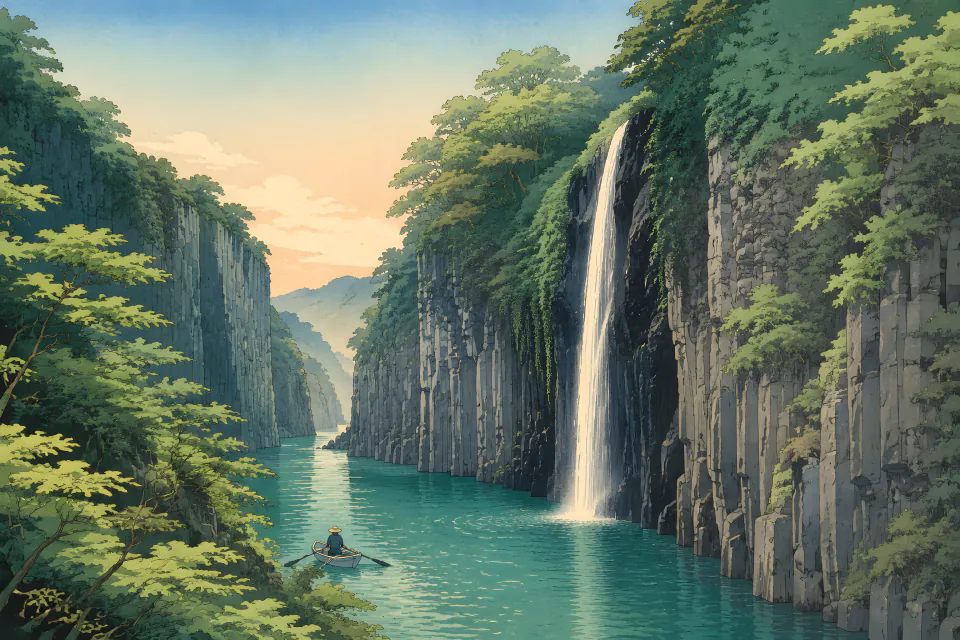
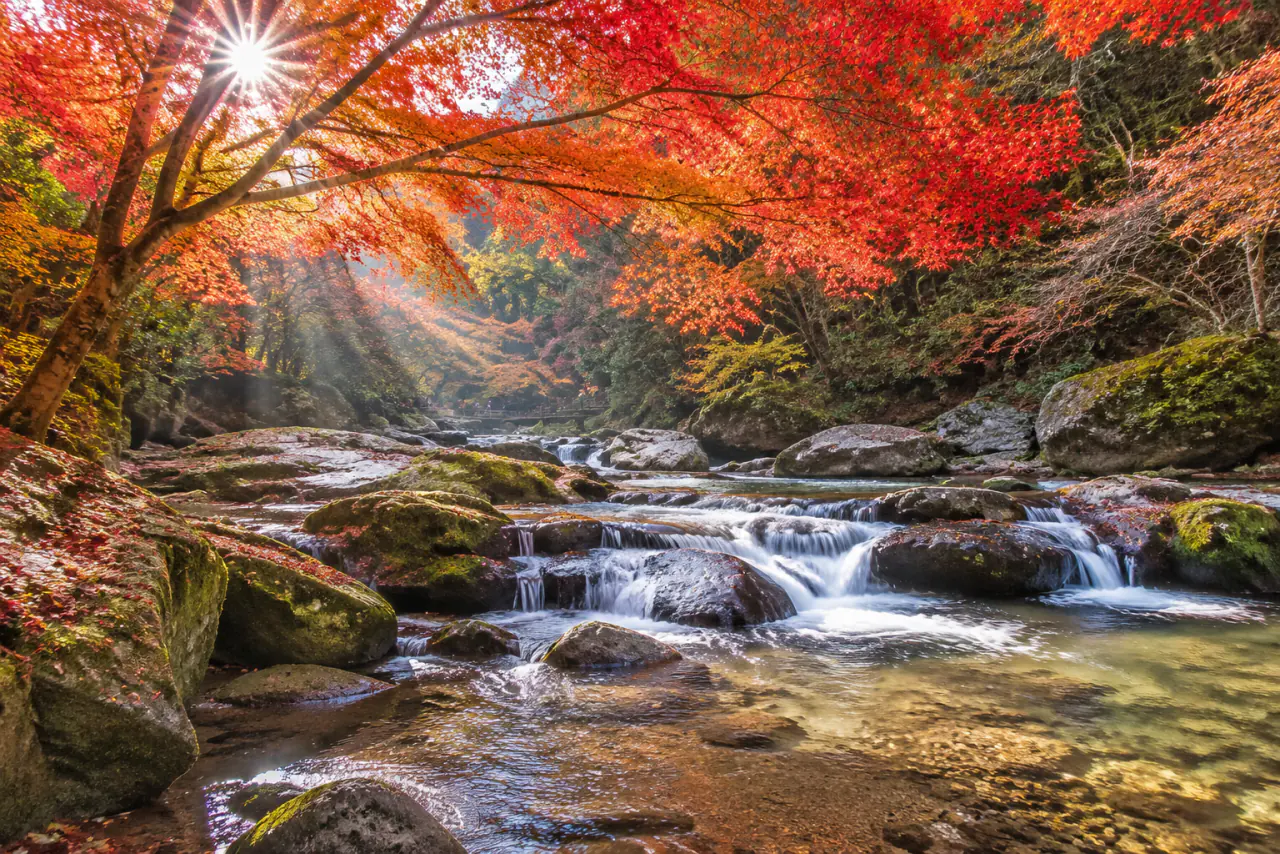
A gorge on the northern side of Aso's outer rim, with clear water and several small waterfalls along the trail. The water's edge is refreshingly cool in summer. November is the most popular time for fall colors, when sunlight filtering through the trees shines on the water.
Part of the gorge closes for a period in winter, so check the opening dates before you go. There is no direct public transportation; a private car is recommended.
What to eat
Basashi
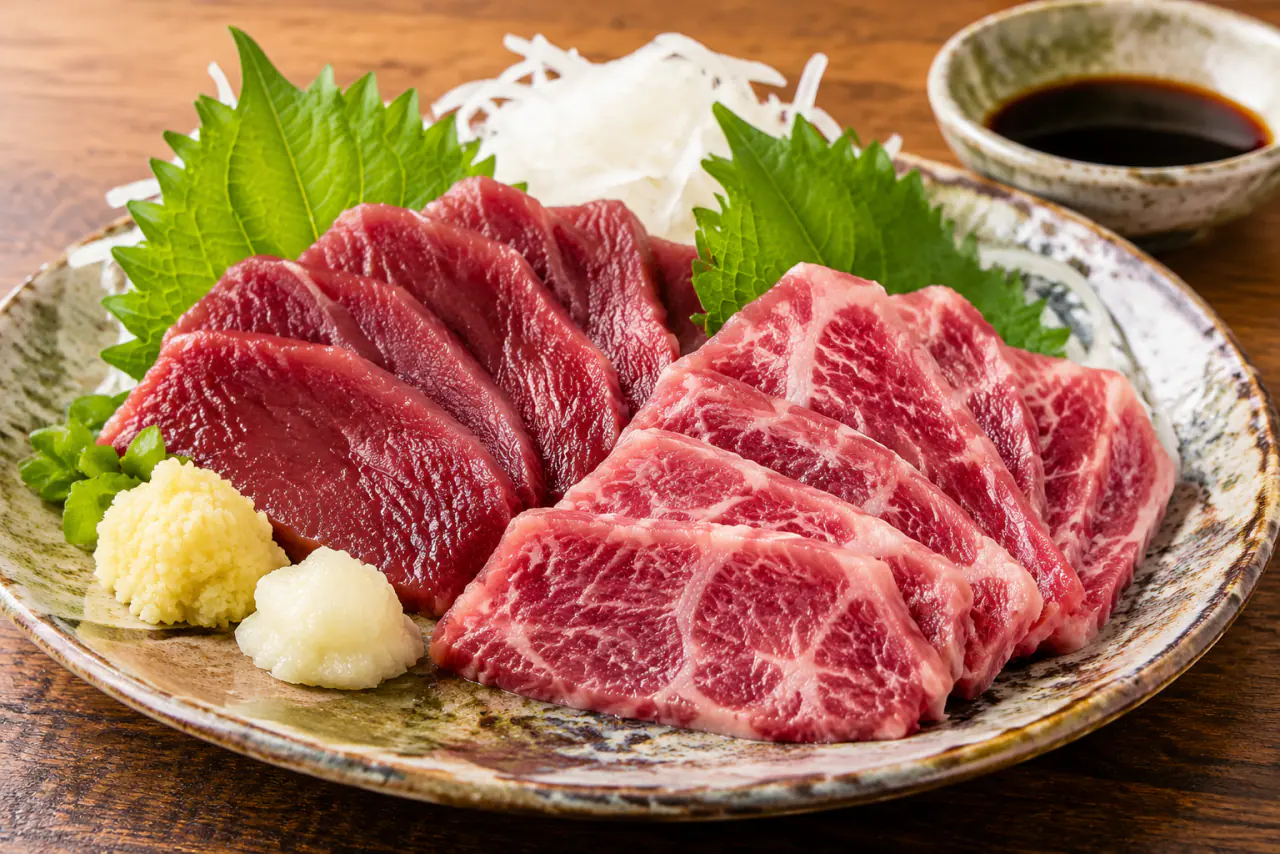
Kumamoto's best-known local dish: slices of raw horse meat served with sweet soy sauce, ginger, and garlic. Cuts range from lean red meat to marbled pieces. The meat is clean-tasting and not gamey. If you do not eat raw meat, try horse-meat sushi or grilled horse meat instead.
Izakaya around Kumamoto Station and in the Shimotori area · about ¥1,500–3,500 per plate
Kumamoto ramen
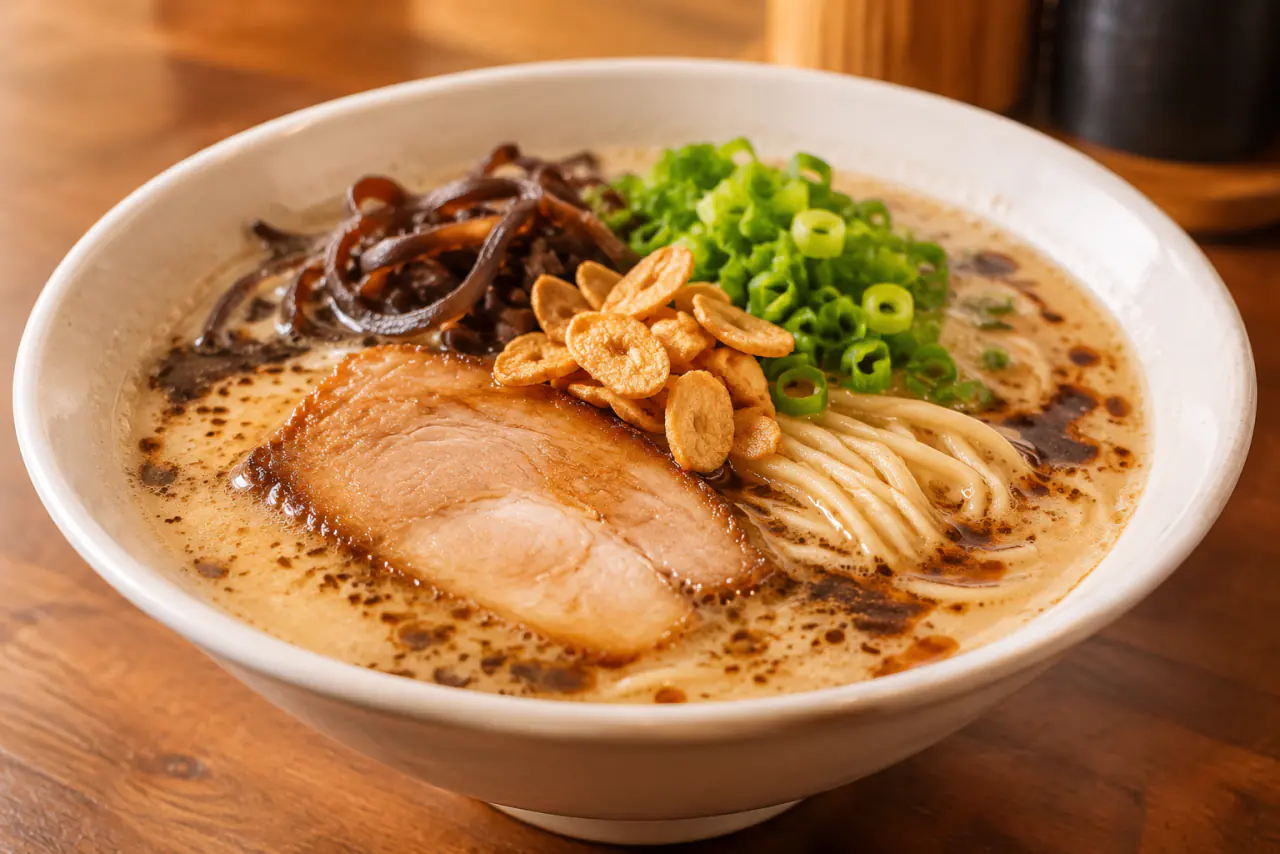
Like Hakata ramen, it is made with a pork-bone broth, but the noodles are thicker. Fried garlic chips and garlic oil give the soup a strong garlic flavor. This bowl is best for people who like bold flavors.
Ramen shops around Kumamoto Station, Shimotori, and Kamitori · about ¥800–1,200 per bowl
Taipien
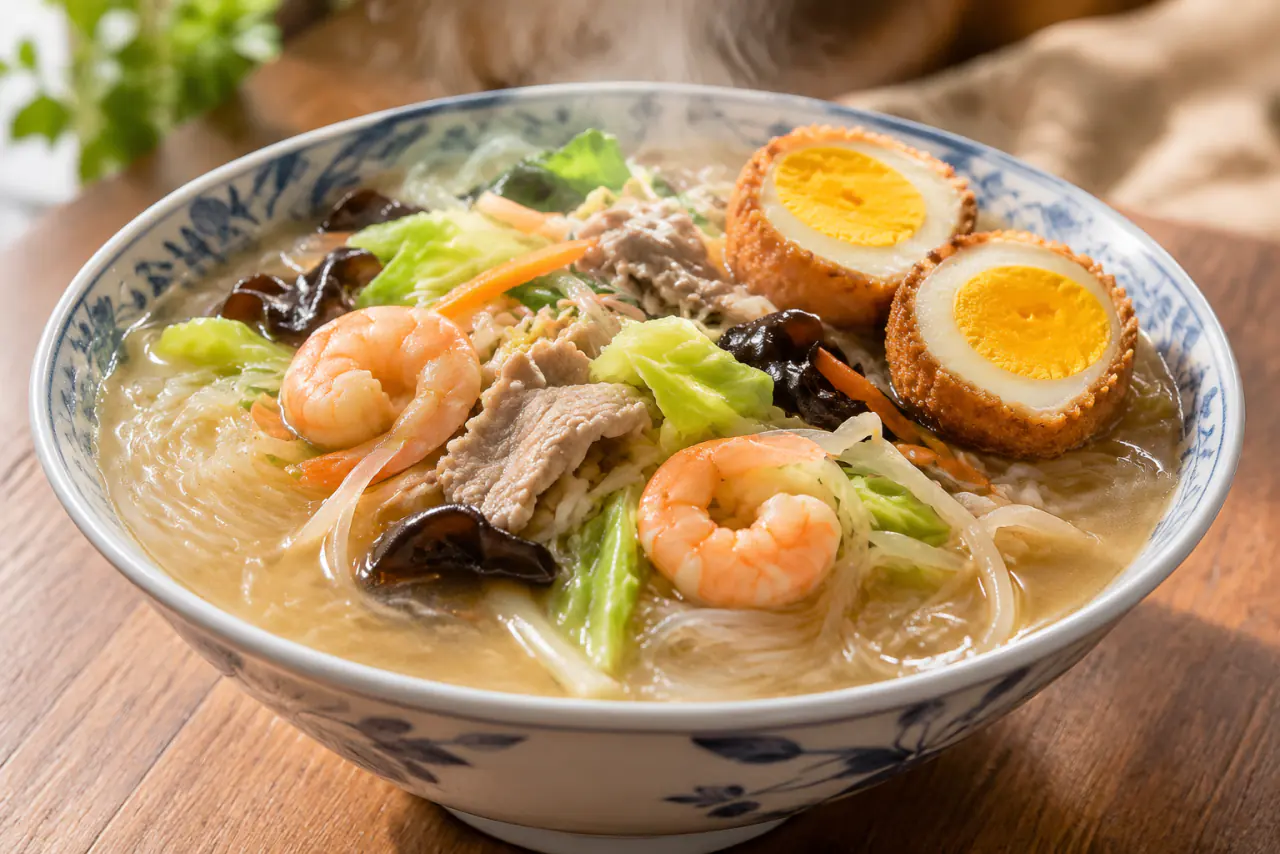
This Fujian dish brought by overseas Chinese became a Kumamoto comfort food. Glass noodles replace wheat noodles and come with shrimp, meat, and vegetables, topped with a fried egg. It is light and refreshing.
Chinese restaurants and school cafeterias in central Kumamoto · about ¥900–1,300 per bowl
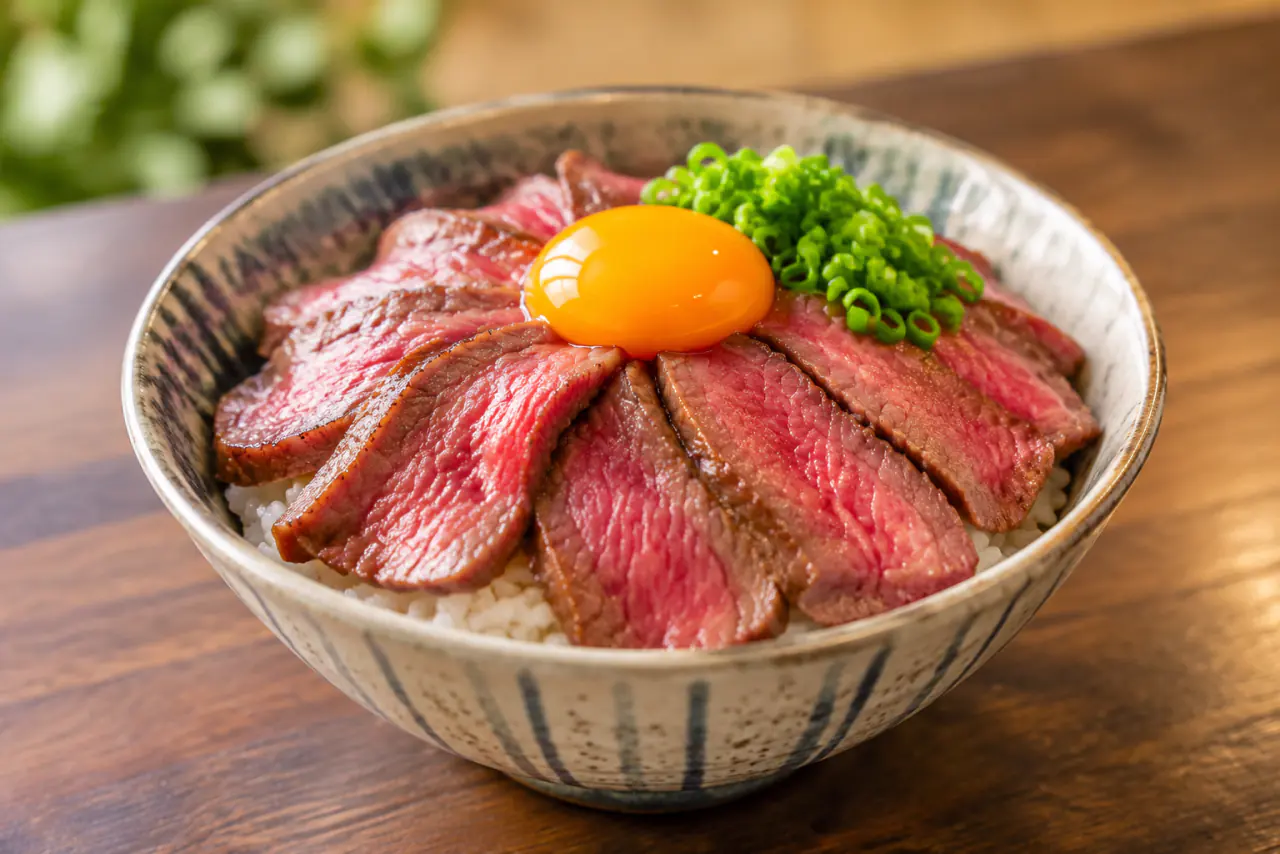
Akaushi beef
Brown-haired wagyu raised on the Aso grasslands. It is lean, lightly marbled, and full of flavor. The most common preparation is akaushi beef rice bowls, with thinly sliced beef covering the rice.
Restaurants around Aso Station and throughout the Aso area · about ¥2,000–3,000 per bowl
Getting there · Where to stay
Kyushu Shinkansen from Hakata to Kumamoto: about 33 minutes on Mizuho and about 40 minutes on Sakura
Kyushu Shinkansen from Kagoshima-Chuo to Kumamoto: from about 45 minutes
The airport bus takes about 1 hour to Kumamoto Station. You can also take the airport shuttle to Higo-Ozu Station and transfer to a JR train.
The Kyushu Odan Bus connects Kumamoto, Aso, Yufuin, and Beppu. There are only a few departures a day, and reservations are required on some sections.
In the city, stay near Kumamoto Station or the Shimotori and Kamitori shopping arcades. Kumamoto Castle is a short streetcar ride away. In the Aso area, consider staying one night at a ryokan in Kurokawa Onsen. The hot spring town is especially atmospheric in the evening.
Know this before you go
- The Mount Aso crater is often closed. Plan around Kusasenri and Daikanbo, and treat an open crater as a bonus.
- Whether you can drive in Japan depends on your licence and the required documents. For the Aso and Kurokawa areas, a day tour or private car is recommended.
- Streetcars are enough for getting around central Kumamoto. Kumamoto Castle and Suizenji are both on the network.
- Ryokan in Kurokawa Onsen fill up quickly. Book 1–2 months ahead for weekends and fall foliage season.