Cloudborne Travel
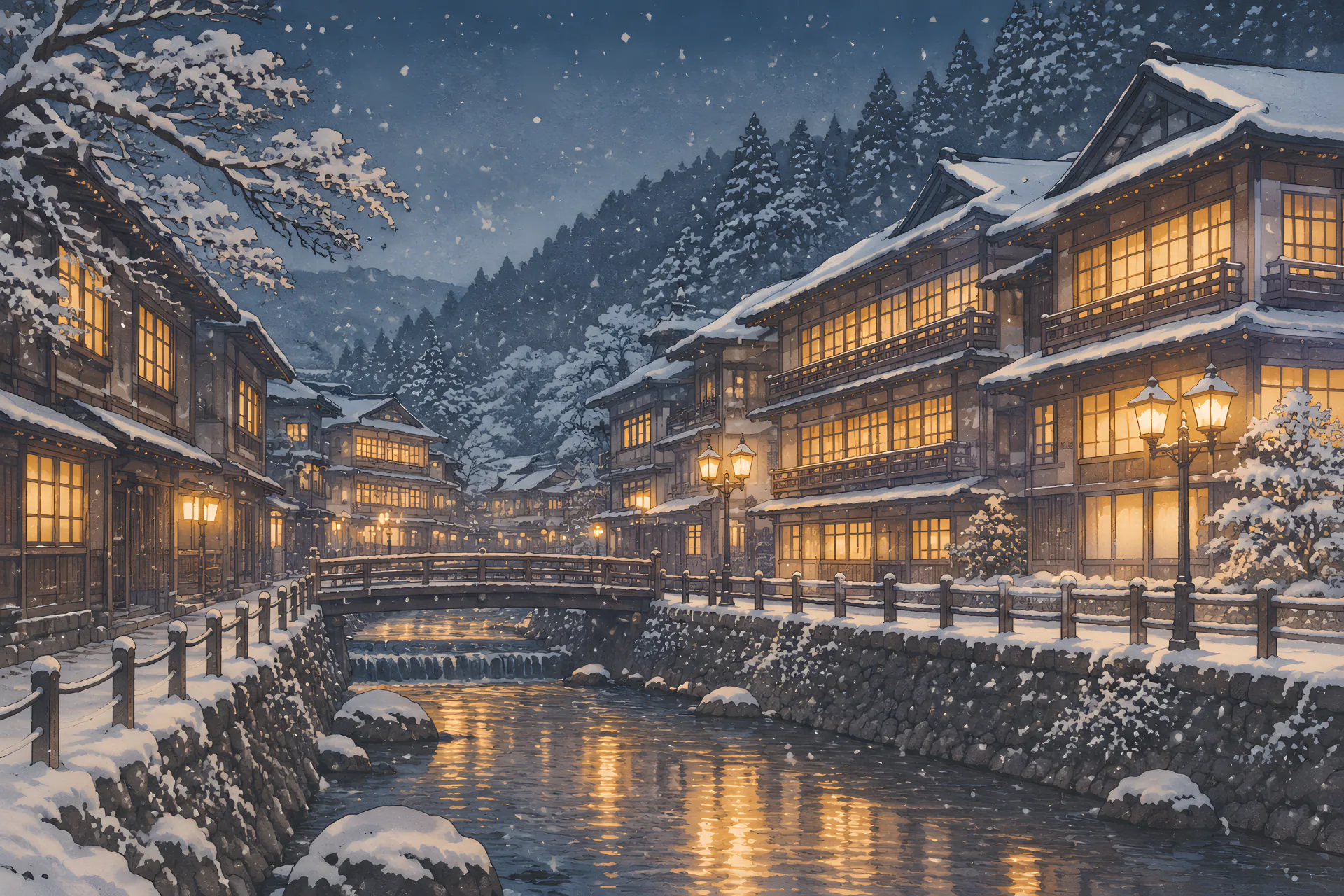
Yamagata lies between Miyagi and the Sea of Japan. It has mountains, snow, and hot springs in abundance. Its two signature winter scenes are the snow monsters on Mount Zao, formed when ice and snow coat the trees, and the gas lamps glowing outside Ginzan Onsen's wooden inns on snowy nights. In other seasons, you can climb Yamadera or take a boat down the Mogami River.
The Yamagata Shinkansen runs directly from Tokyo to Yamagata City in about 2.5 hours. From Sendai, the JR Senzan Line takes about 1 hour to Yamadera, so many people visit on a day trip. To reach Ginzan Onsen, change to a bus at Oishida Station. Stay overnight for the best night views, but inns are hard to book.
Zao's snow monsters are best from late January to February; Ginzan Onsen's snowy scenery is best from December–February; Yamadera's fall colors peak from late October to early November.
Monthly weather
Based on YamagataBest time to visit Monthly precipitation (mm) Open-Meteo (ERA5), 1996–2025 average
| Month | Average high (°C) | Average low (°C) | Monthly precipitation (mm) | Days with 1 mm or more of precipitation |
|---|---|---|---|---|
| Jan(Good time to visit) | 3 | -3.4 | 130 | 22 |
| Feb(Good time to visit) | 4 | -3.1 | 91 | 18 |
| Mar | 8.2 | -0.2 | 112 | 17 |
| Apr | 15.1 | 5 | 99 | 14 |
| May | 20.9 | 11 | 95 | 12 |
| Jun | 24.4 | 16.3 | 122 | 12 |
| Jul | 27.8 | 20.8 | 185 | 18 |
| Aug | 29.2 | 21.7 | 150 | 16 |
| Sep(Good time to visit) | 25.1 | 17.4 | 126 | 13 |
| Oct(Good time to visit) | 18.9 | 10.3 | 115 | 12 |
| Nov(Good time to visit) | 12.6 | 4.2 | 99 | 15 |
| Dec(Good time to visit) | 5.9 | -0.6 | 128 | 21 |
Sights
-
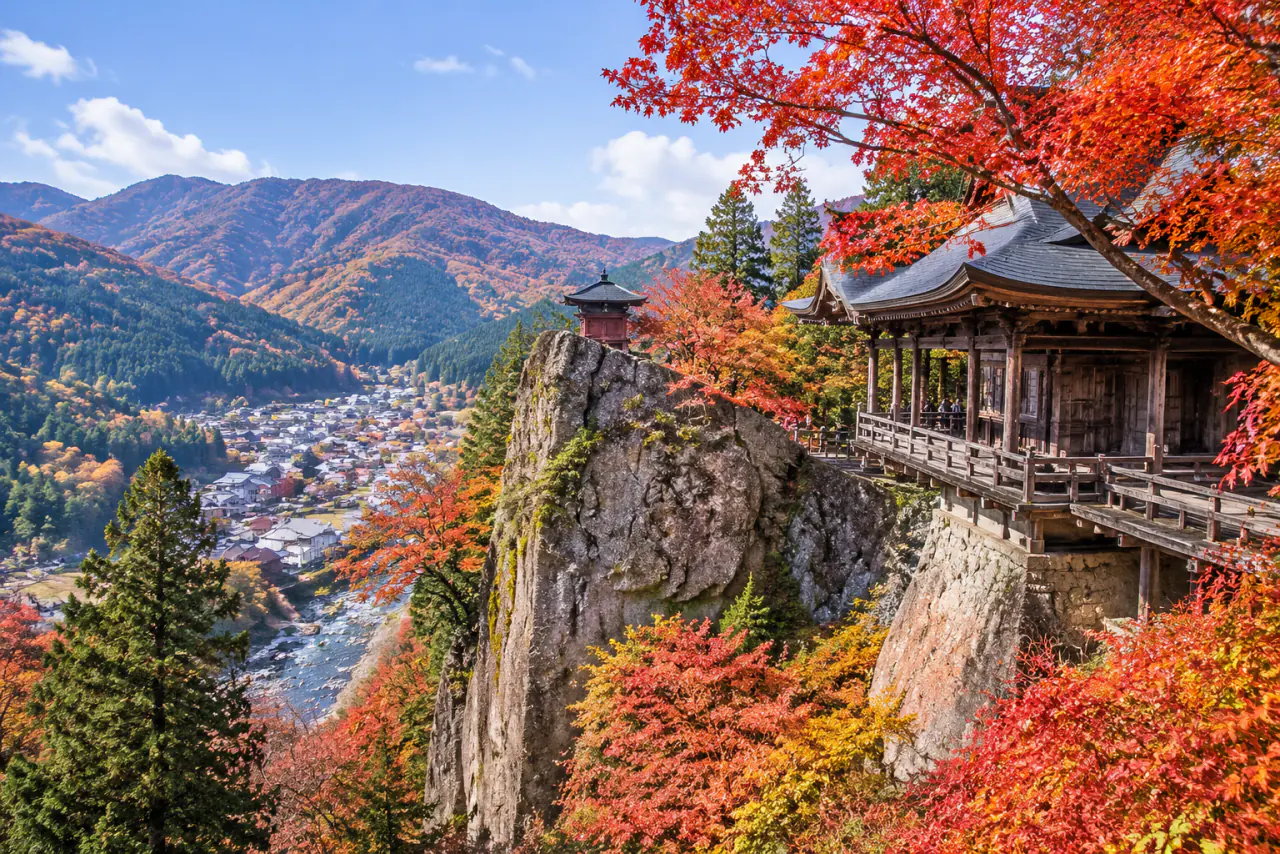 1
Yamadera (Risshaku-ji)
宝珠山 立石寺
This ancient temple is built into a rocky mountain. From the temple gate to Okunoin, there are about 1,015 stone steps, taking about 1.5 hours round trip. Godaido offers sweeping valley views and the best photo spot. Basho wrote his famous cicada haiku here. The temple is beautiful among summer greenery and fall colors.
The stone steps can be icy in winter, so wear nonslip shoes. Cash only. The trail closes around 3 or 4 p.m.
-
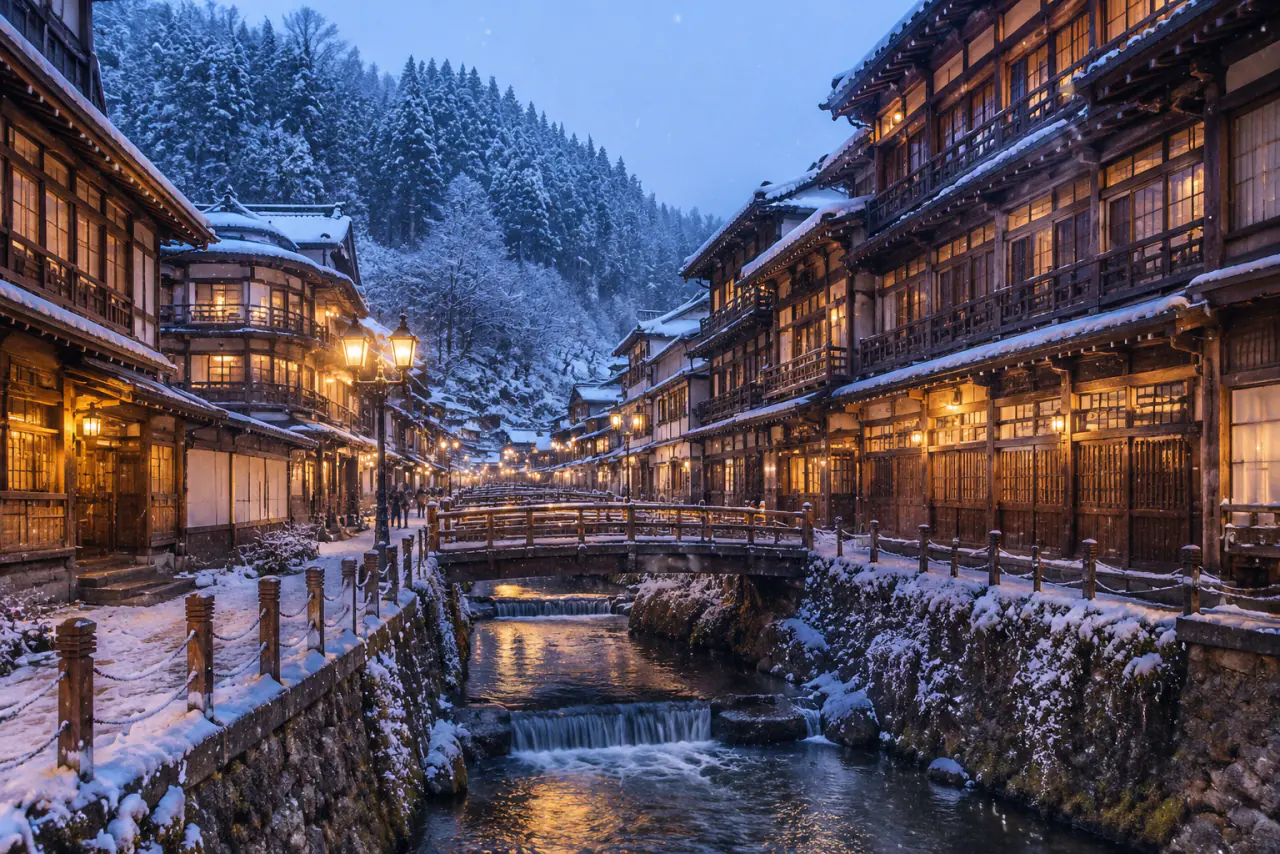 2
Ginzan Onsen
銀山温泉
Three- and four-story wooden inns line both sides of a small river. When the gas lamps come on at dusk, the town looks like a movie set, especially in the snow. The hot-spring district is small; 30 minutes is enough to walk around. The bus from JR Oishida Station takes about 40 minutes. Winter weekends draw many day-trippers.
Traffic restrictions apply to private cars and day-trippers in winter. Check the official website for the latest information before you go.
-
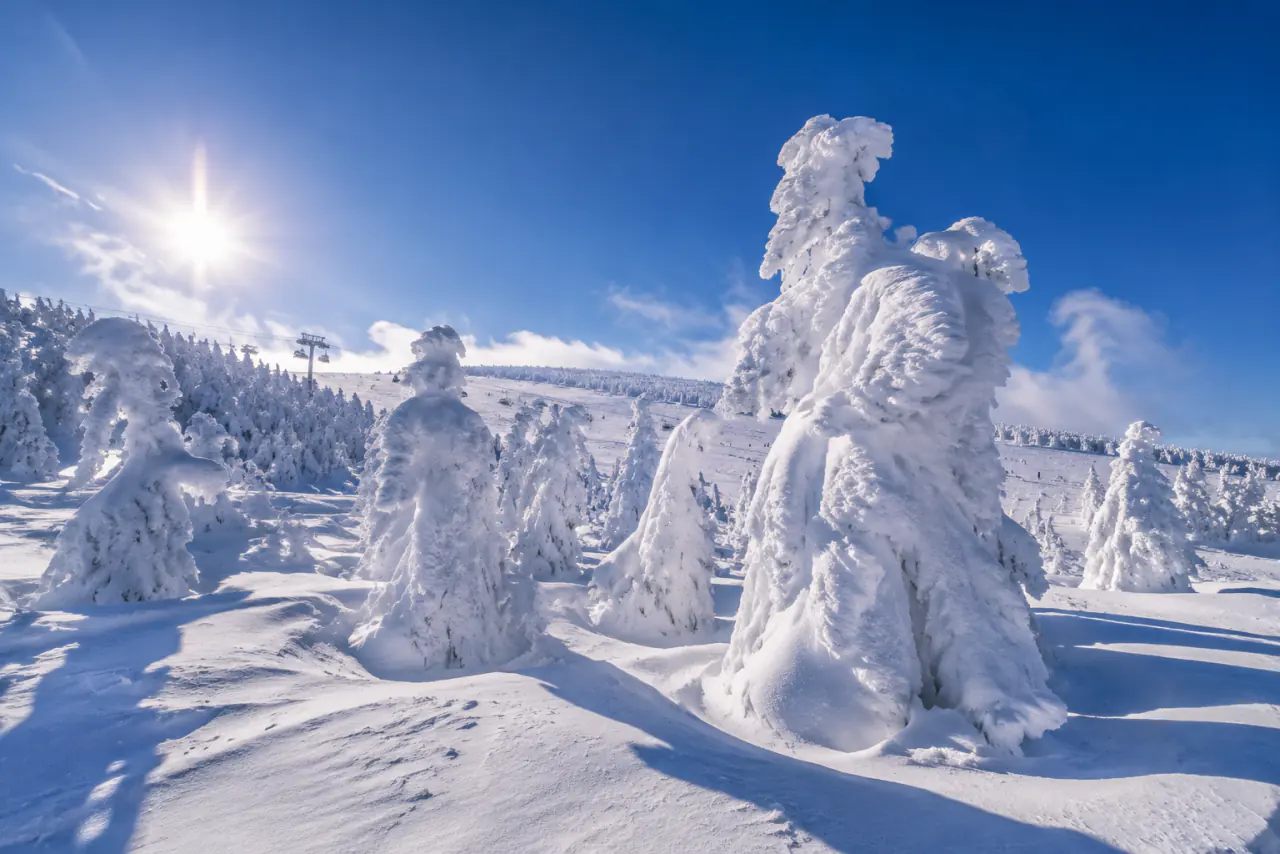 3
Zao Snow Monsters
蔵王の樹氷
In winter, strong winds blow snow and supercooled fog onto fir trees, freezing layer by layer and creating the famous snow monsters. From Zao Onsen, take the Zao Ropeway to Jizo Sancho Station and walk into the snow-monster grove. The monsters are most impressive from late January to February. Illumination is offered at night, and skiers can ski between them.
Temperatures at the summit often fall into the negative teens Celsius. Wear ski-level winter clothing. Strong winds can stop operations.
-
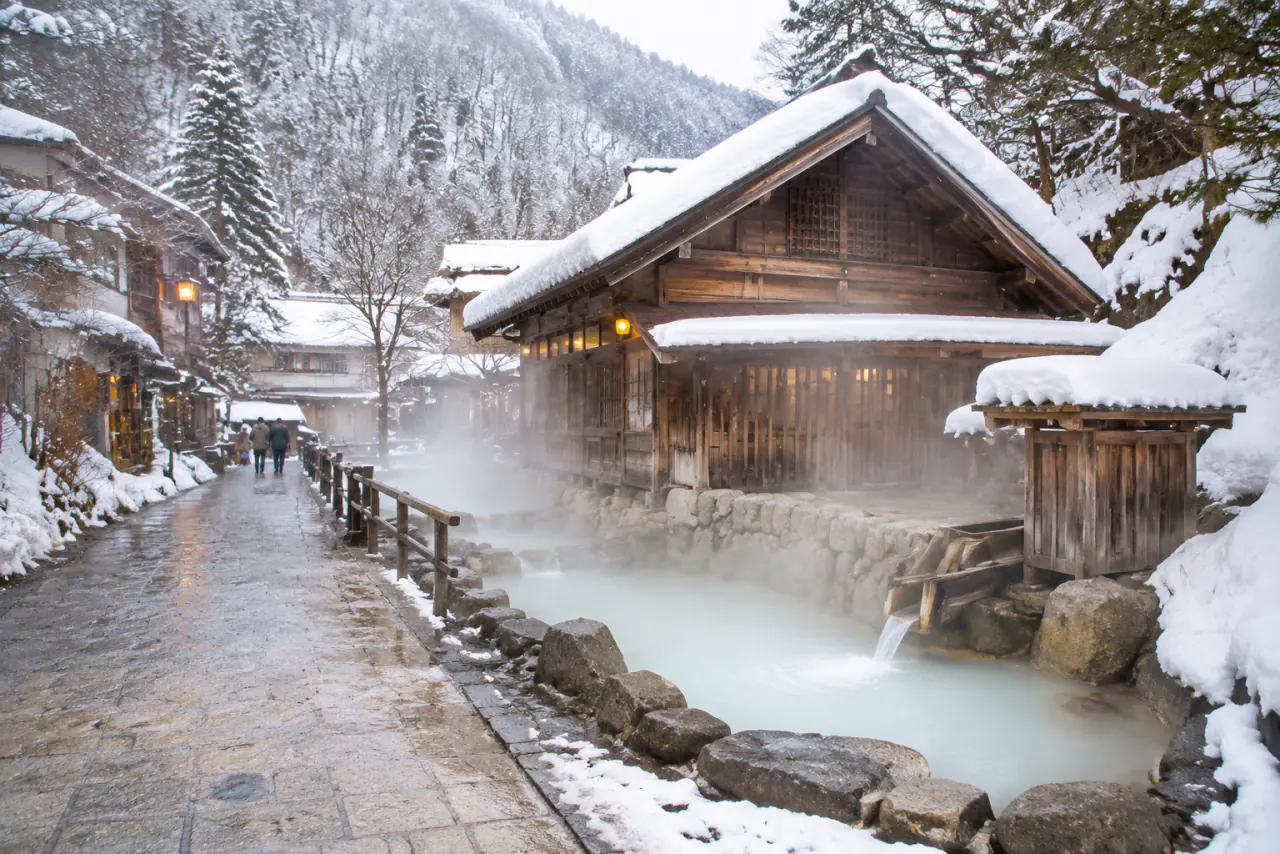 4
Zao Onsen
蔵王温泉
At about 900 meters above sea level, Zao's strongly acidic sulfur springs are milky white and have a powerful smell. In winter, the area becomes a large ski resort. In summer, you can hike to see Okama Crater. The hot-spring town has several inexpensive public baths, plus a large outdoor bath in the mountains that closes in winter.
The sulfur can tarnish silver jewelry, so remove it before bathing.
-
 5
Mogami River Boat Ride
最上川舟下り
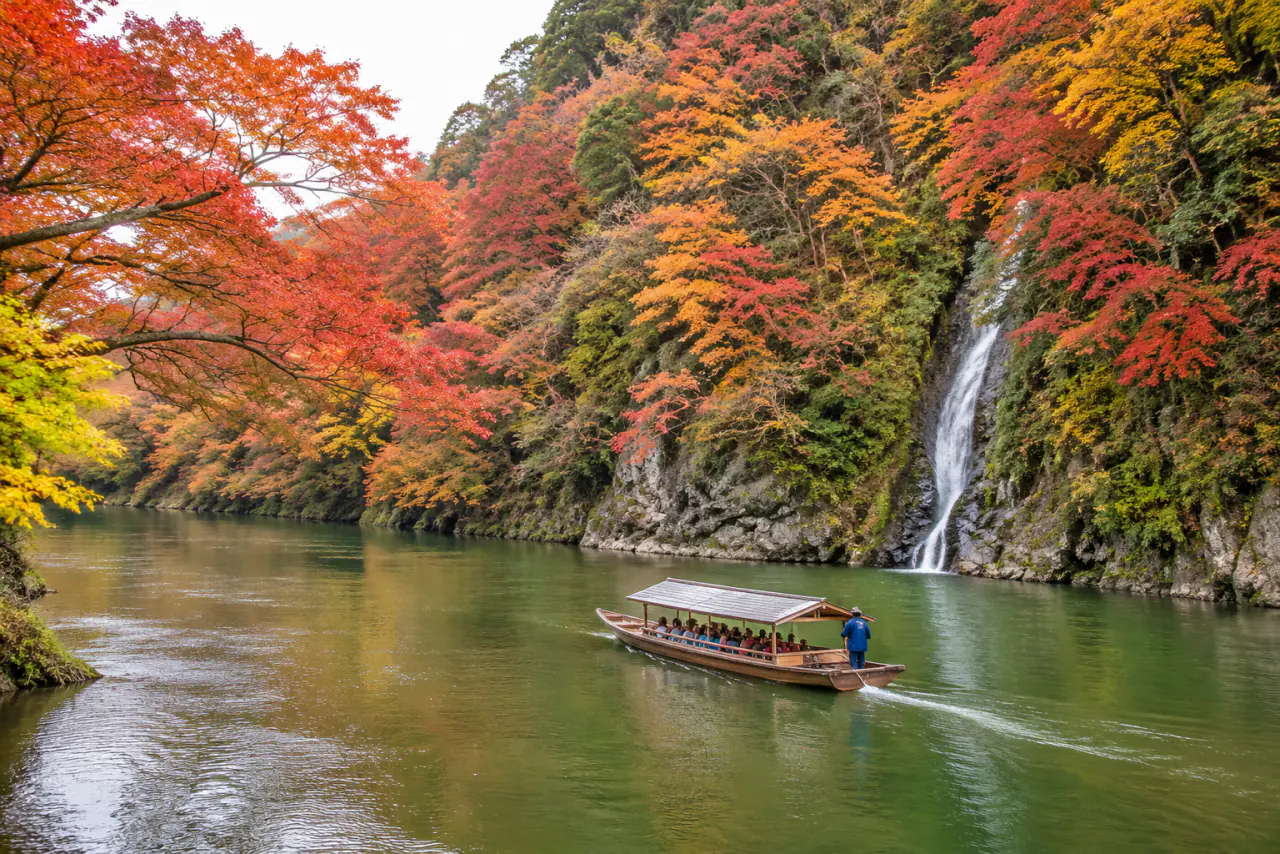
Ride a flat-bottomed wooden boat downstream through the Mogami Gorge for about 1 hour. Boatmen paddle while singing folk songs and telling stories. The gorge has steep walls and many waterfalls. Fall colors are beautiful, and in winter you can stay warm under a kotatsu. A bus from the endpoint returns to the departure point.
From Shinjo Station, take the JR Rikuu West Line to Furuguchi Station, then walk to the boarding area. Trains are infrequent.
-
 6
Mount Haguro
羽黒山
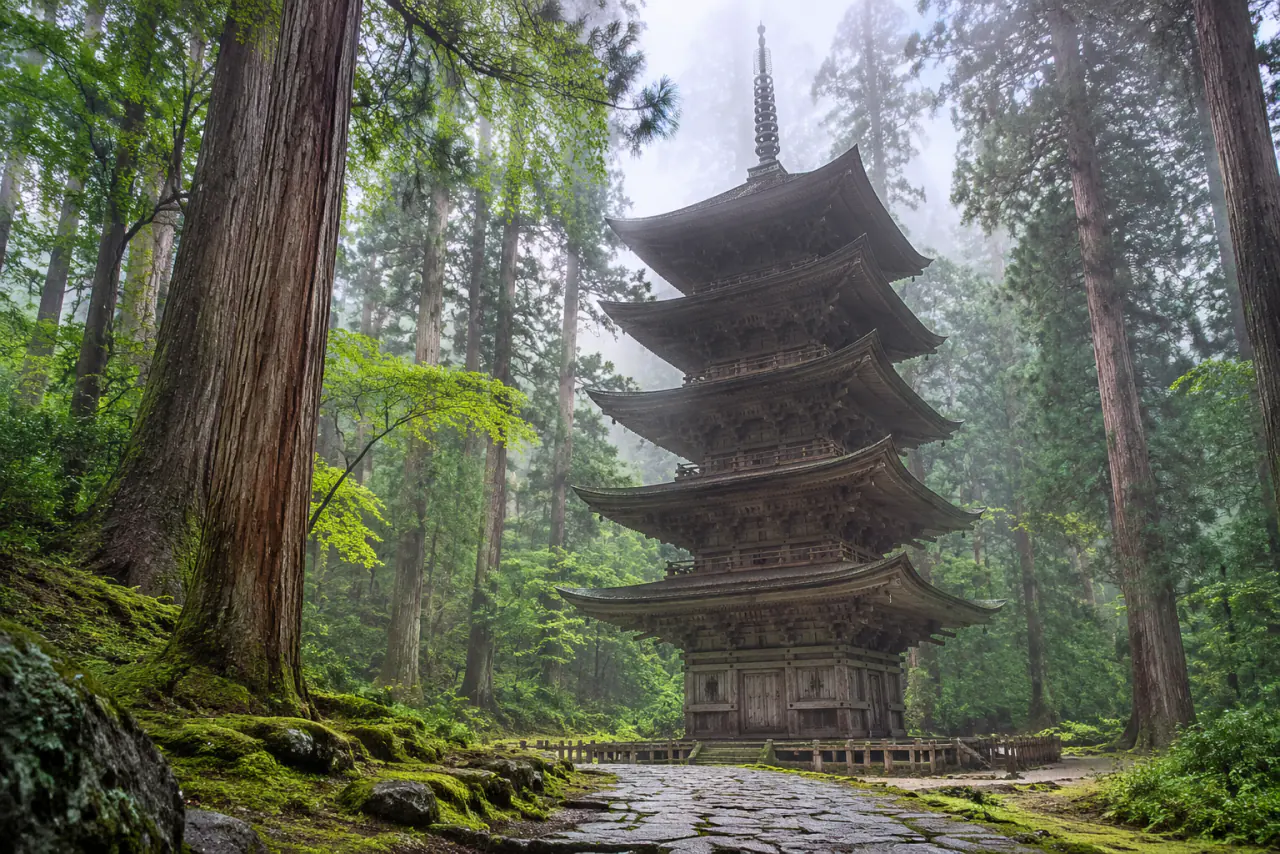
One of the Three Mountains of Dewa and a sacred mountain of Shugendo. From the base, climb about 2,446 stone steps through an old cedar forest. The National Treasure Five-Story Pagoda stands alone among the trees and has a striking atmosphere. The climb to the summit takes about 1 hour. If you prefer not to climb, take a bus directly to the summit.
The bus from Tsuruoka Station takes about 40 minutes to the base. Snow and ice can make the steps difficult in winter.
-
 7
Uesugi Shrine and Yonezawa
上杉神社 · Uesugi Shrine
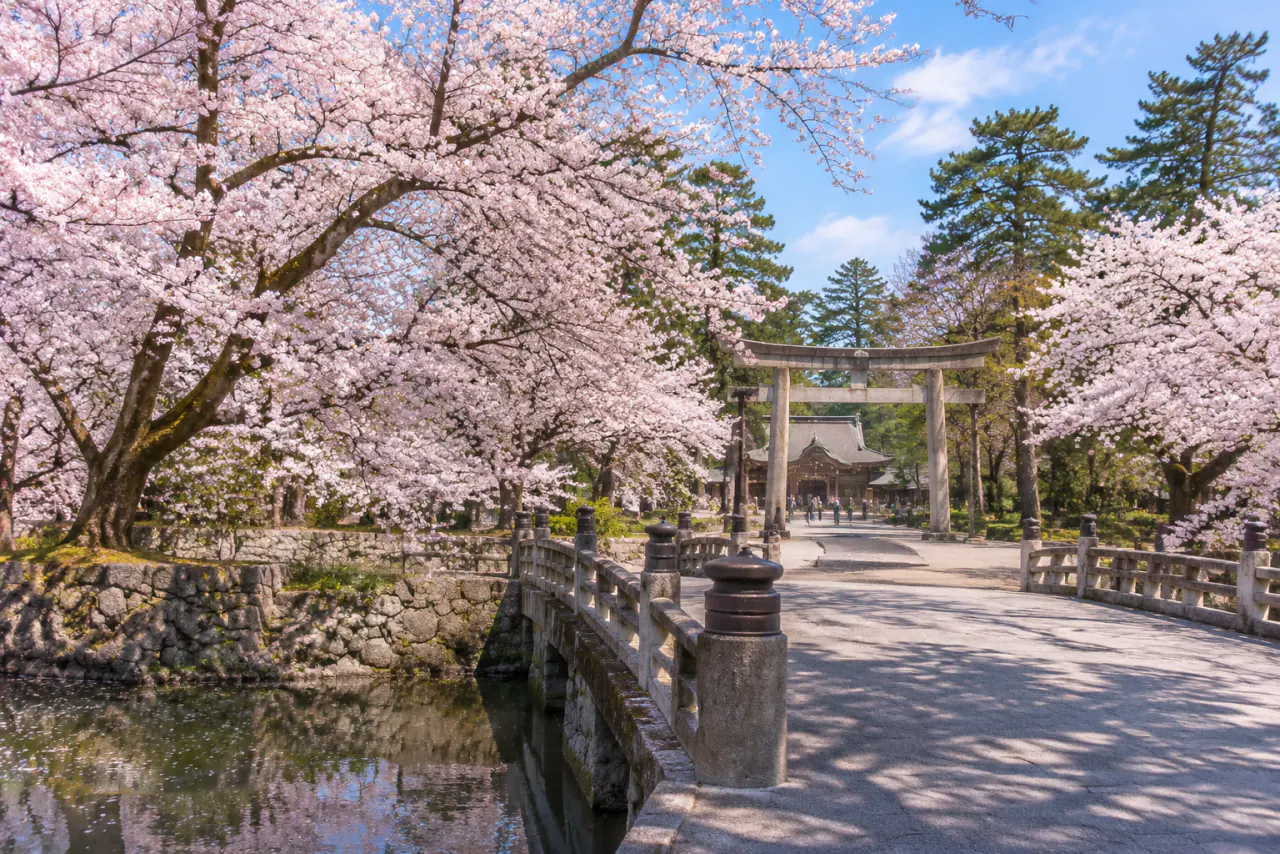
This shrine, dedicated to the Warring States-period warlord Uesugi Kenshin, stands on the site of Yonezawa Castle. Cherry trees line the moat. Yonezawa is a stop on the Yamagata Shinkansen, making it a convenient place to stop for Yonezawa beef and a quick visit. In February, the Uesugi Snow Lantern Festival fills the area with snow lanterns.
What to eat
Yonezawa beef
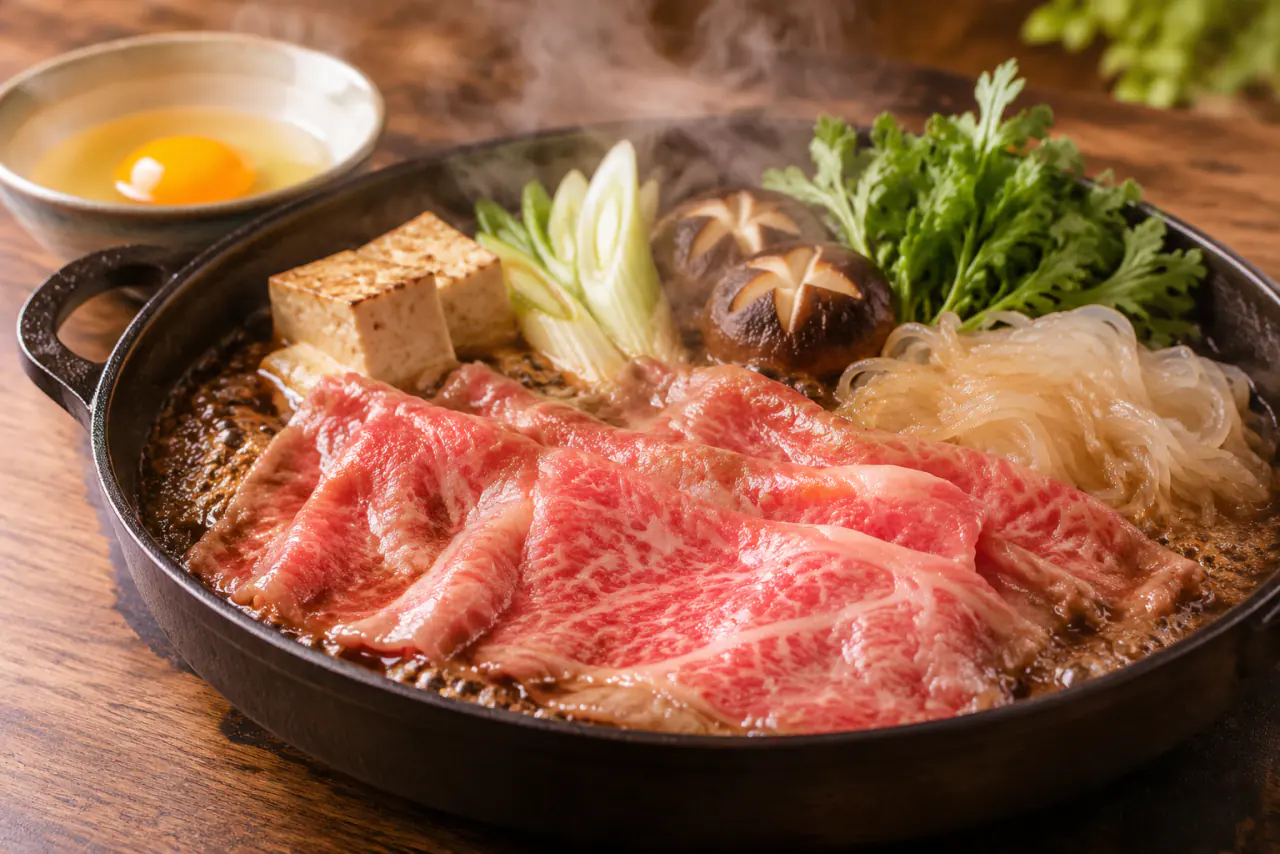
One of Japan's best-known wagyu brands, with fine marbling and a tender texture. Around Yonezawa Station, you'll find sukiyaki, steak, and bento shops. For a more affordable option, try a Yonezawa beef bento.
Around Yonezawa Station and in central Yamagata City · Sukiyaki: about ¥6,000–15,000 per person
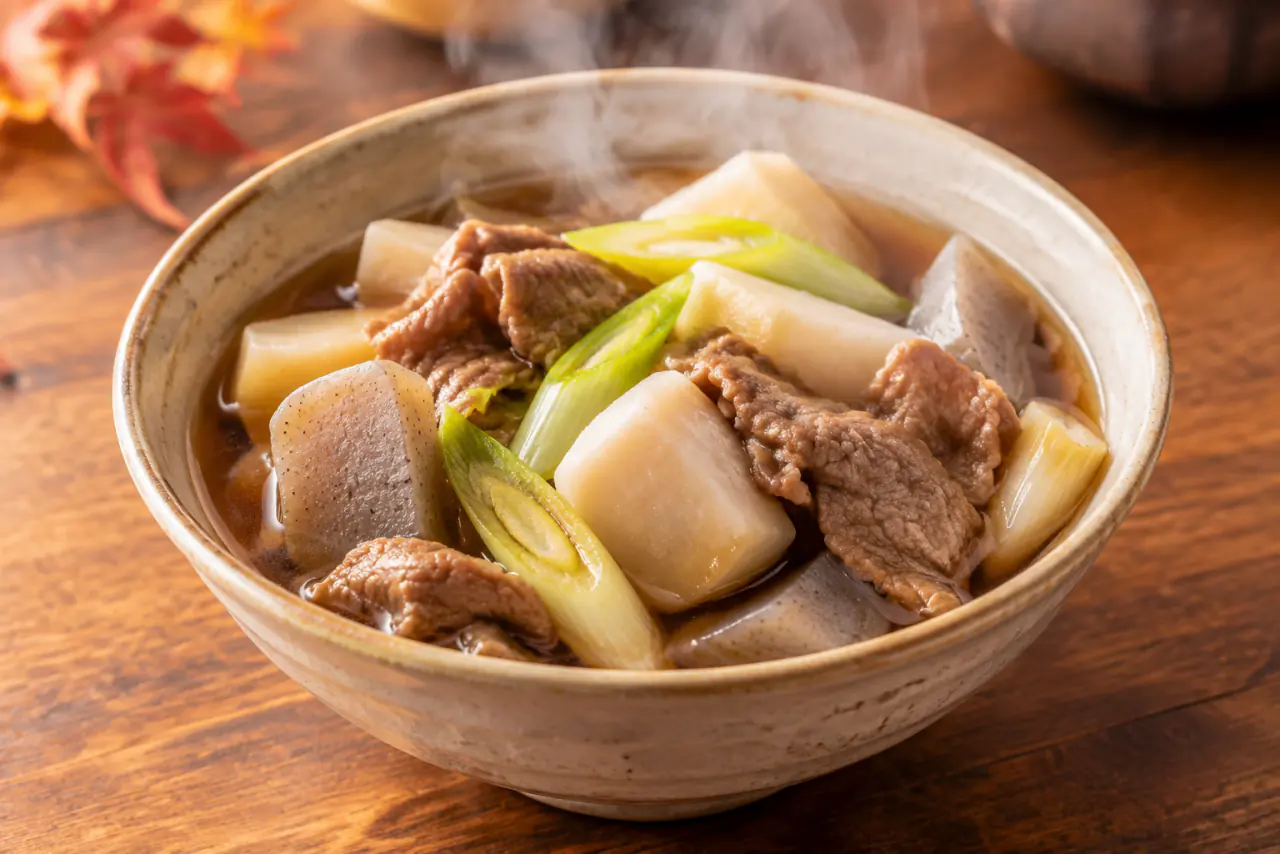
Imoni
Taro, beef, konnyaku, and green onions simmered in a soy-based broth. In fall, people in Yamagata gather by the river to cook it in large pots. Restaurants serve it year-round, and it makes a warming winter soup.
Local cuisine restaurants in central Yamagata City · About ¥600–1,000 per bowl

Yamagata cherries
Yamagata produces more than half of Japan's cherries. The popular Sato Nishiki variety is sweet and meaty. From mid-June to early July, you can visit farms for all-you-can-eat picking within a set time limit.
Fruit farms around Tendo and Higashine · About ¥2,000–3,000 per person for picking
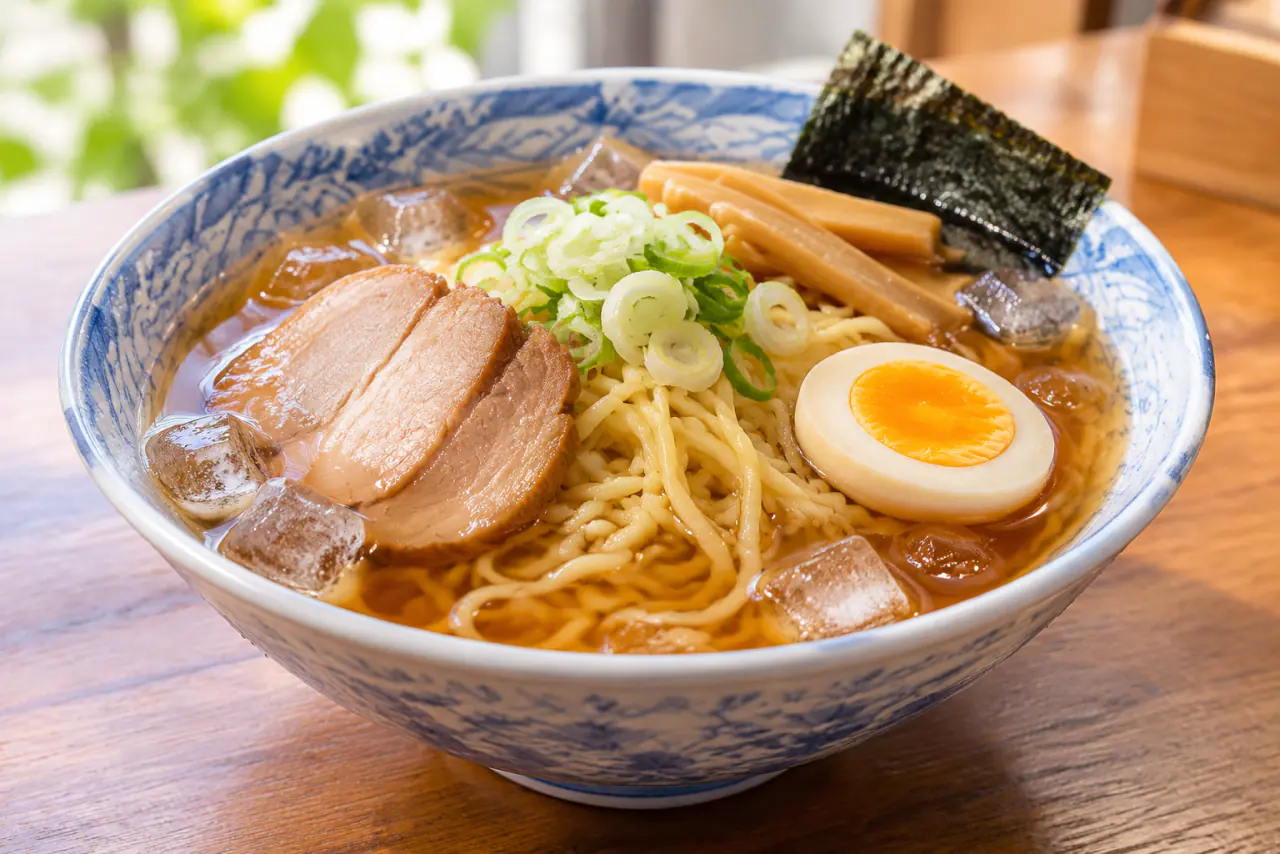
Cold ramen
A Yamagata invention served in chilled broth, sometimes with ice cubes floating on top, but it still tastes like soy-sauce ramen. It's especially popular on hot summer days, though many shops serve it year-round.
Central Yamagata City · About ¥900–1,200 per bowl
Getting there · Where to stay
Take the Tsubasa Yamagata Shinkansen to Yamagata in about 2.5–3 hours. No transfer is needed.
The JR Senzan Line takes about 1 hour to Yamadera and about 1 hour 15 minutes to Yamagata.
Take a bus to Zao Onsen in about 40 minutes.
Stay near Yamagata Station for convenient trips to Yamadera and Zao. Zao Onsen is a good base for winter skiing and seeing the snow monsters. Book Ginzan Onsen well in advance.
Know this before you go
- Check whether your licence is valid for driving in Japan and what translation or permit is required. Winter mountain roads are also not recommended for self-driving; use the Shinkansen and buses.
- Ginzan Onsen accommodations often sell out as soon as reservations open, so monitor booking dates well in advance in winter.
- Yamadera has many steps, so pack light and bring water. Some sections may close when winter paths are covered in snow.
- The Zao Ropeway stops in strong winds. If you have 2 days, keep 1 day as a backup for seeing the snow monsters.