Cloudborne Travel
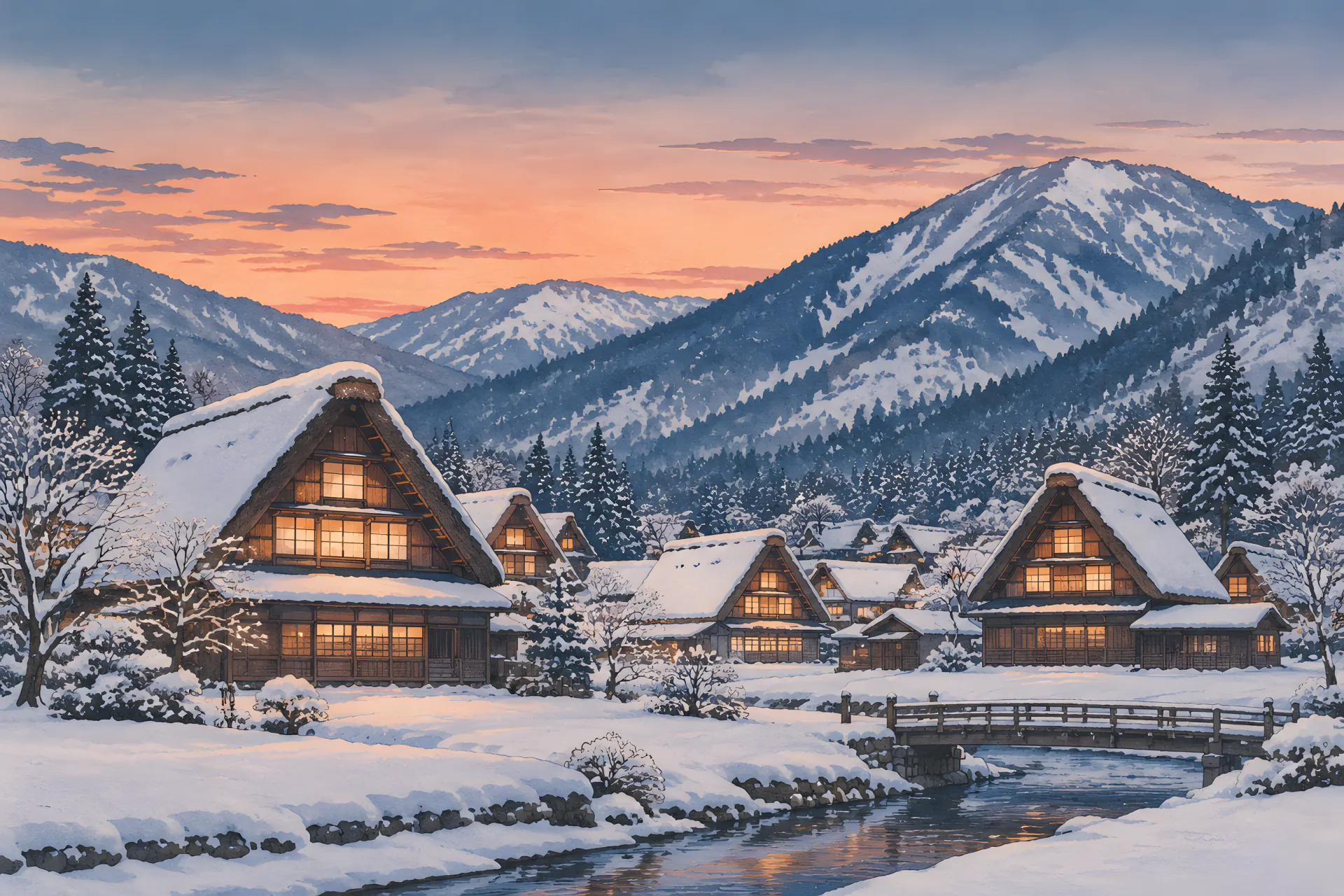
The Hida region in northern Gifu is central to travel in central Japan. Takayama's old town preserves Edo-period merchant houses, Shirakawa-go's gassho-style villages are a World Heritage Site, and the Shinhotaka Ropeway climbs above 2,000 meters for views of the Northern Alps. Takayama is about 2.5 hours from Nagoya by limited express, followed by about 50 minutes by bus to Shirakawa-go. It fits best into the classic Nagoya–Takayama–Shirakawa-go–Kanazawa route.
The areas closer to Nagoya in the south have plenty to see as well. Gero Onsen is considered one of Japan's three great hot springs, Gujo Hachiman is a small town surrounded by water, and Magome-juku is a historic post town on the Nakasendo. From here, you can hike to Tsumago in Nagano. The Hida region gets heavy snow in winter, and Shirakawa-go is at its most beautiful then, but transportation and accommodations should be booked early.
Shirakawa-go's snowy scenery in January–February; the Takayama Festival on April 14–15 and October 9–10; fall foliage from late October to early November. Book accommodations early during peak season.
Monthly weather
Based on GifuBest time to visit Monthly precipitation (mm) Open-Meteo (ERA5), 1996–2025 average
| Month | Average high (°C) | Average low (°C) | Monthly precipitation (mm) | Days with 1 mm or more of precipitation |
|---|---|---|---|---|
| Jan(Good time to visit) | 8.7 | 1.4 | 76 | 10 |
| Feb(Good time to visit) | 10 | 1.8 | 86 | 10 |
| Mar(Good time to visit) | 14.2 | 4.6 | 165 | 12 |
| Apr(Good time to visit) | 19.5 | 9.5 | 195 | 12 |
| May(Good time to visit) | 23.9 | 14.7 | 225 | 13 |
| Jun | 27.2 | 19.6 | 273 | 16 |
| Jul | 31 | 23.9 | 372 | 19 |
| Aug | 32.4 | 24.8 | 252 | 17 |
| Sep(Good time to visit) | 28.8 | 21.3 | 282 | 15 |
| Oct(Good time to visit) | 23.2 | 14.9 | 199 | 12 |
| Nov(Good time to visit) | 17.3 | 8.8 | 121 | 10 |
| Dec(Good time to visit) | 11.3 | 3.7 | 85 | 11 |
Sights
-
 1
Shirakawa-go (Ogimachi)
白川郷 荻町合掌造り集落
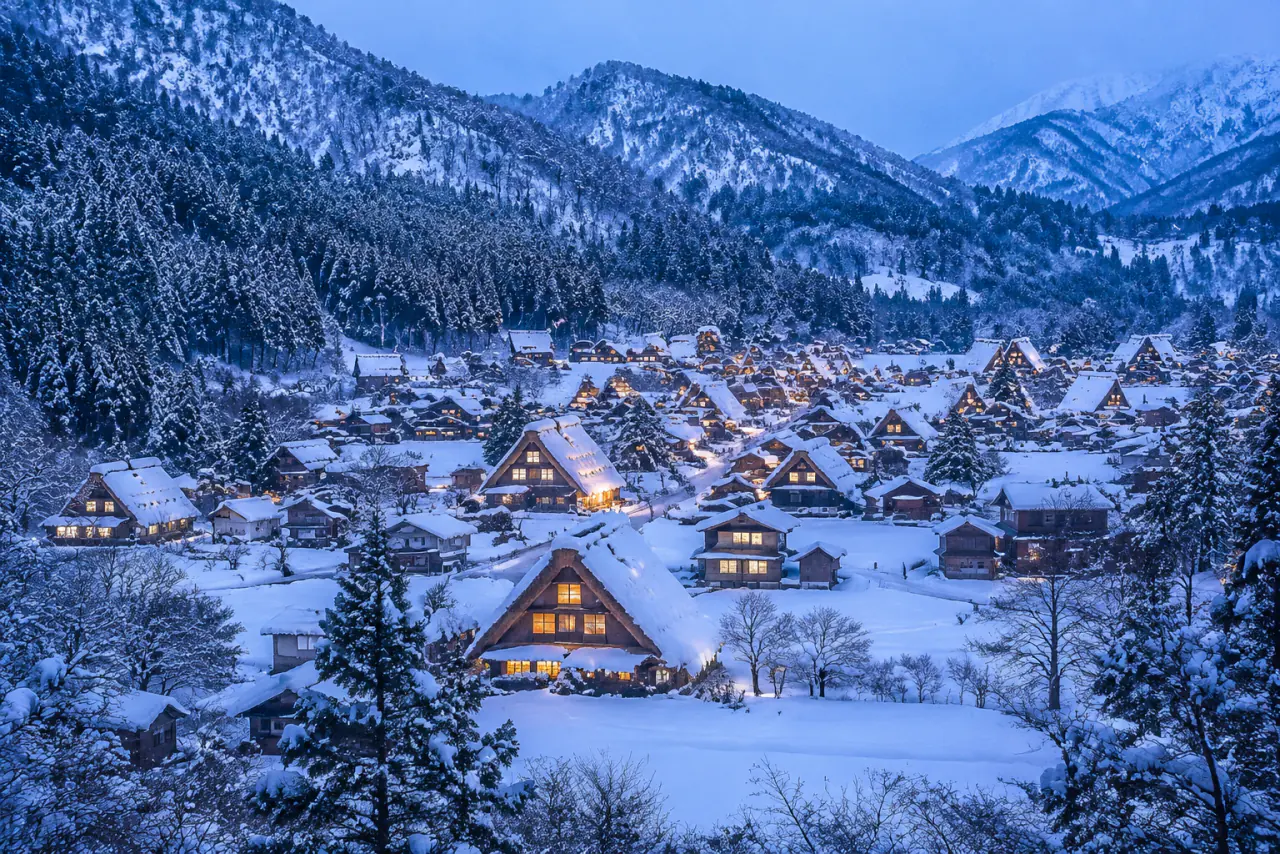
This gassho-style village became a World Heritage Site in 1995. More than 100 old houses with steep thatched roofs are scattered among the fields, and people still live in many of them. You can enter some houses, such as Wada House, to see their three-story attics. The Ogimachi Castle Ruins viewpoint north of the village looks over the entire area and offers a classic postcard view. The bus ride from Takayama takes about 50 minutes.
The winter light-up takes place on only a few nights and requires reservations. In 2027, the dates are 1/11, 1/17, 1/24, and 1/31. Do not enter private homes or fields.
-
 2
Takayama Sanmachi Old Town
高山 三町伝統的建造物群保存地区
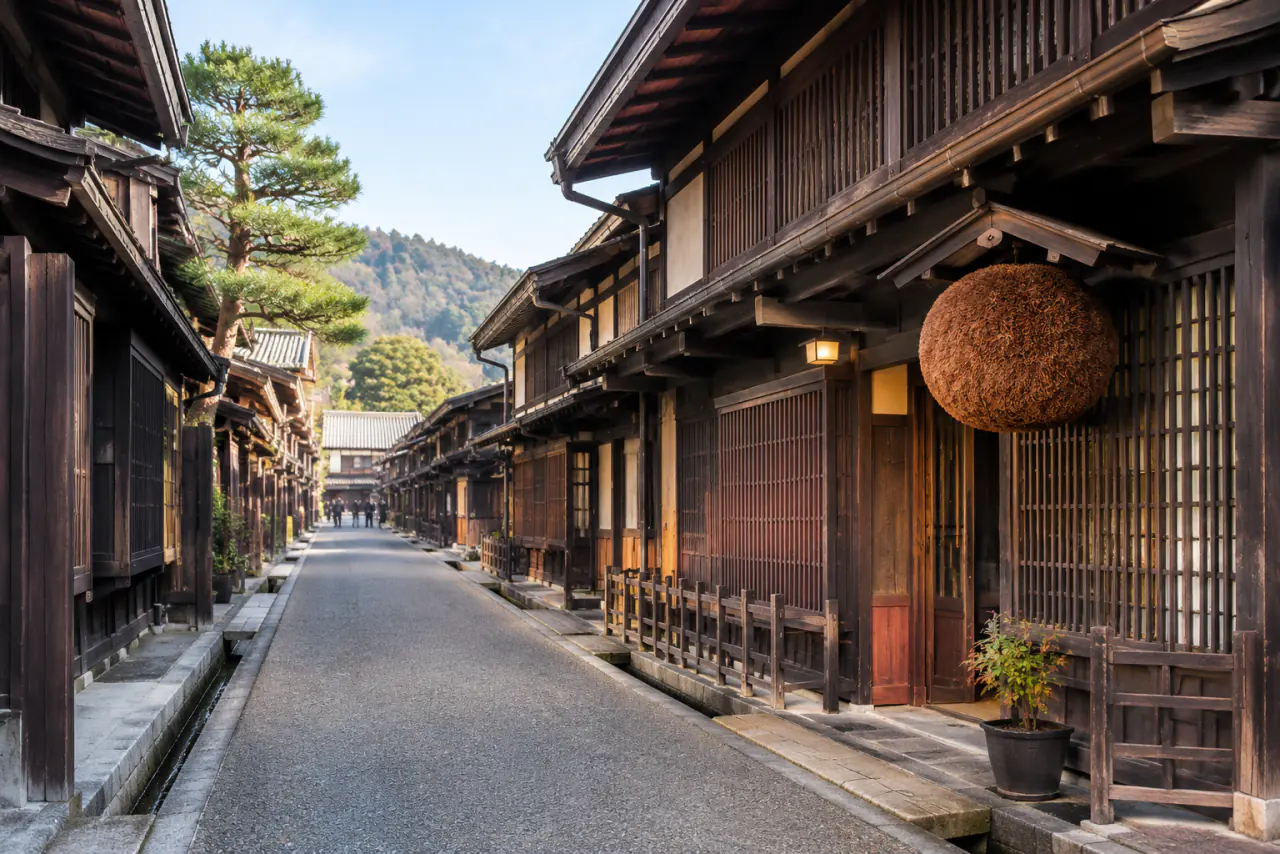
One traditional merchant house after another lines these streets, with lattice-fronted wooden buildings dating to the Edo period. Sake breweries have cedar-ball decorations, called sugidama, hanging by their entrances, and many offer paid tastings. The streets are packed with Hida beef sushi, dango, and miso shops, making it easy to spend two hours snacking as you walk. At the spring and fall Takayama Festivals, elaborate floats are pulled through the streets. The festival is one of Japan's three most beautiful.
Many shops close around 5 p.m. The easiest plan is to visit after exploring the morning market.
-
 3
Miyagawa Morning Market and Takayama Jinya
宮川朝市・高山陣屋
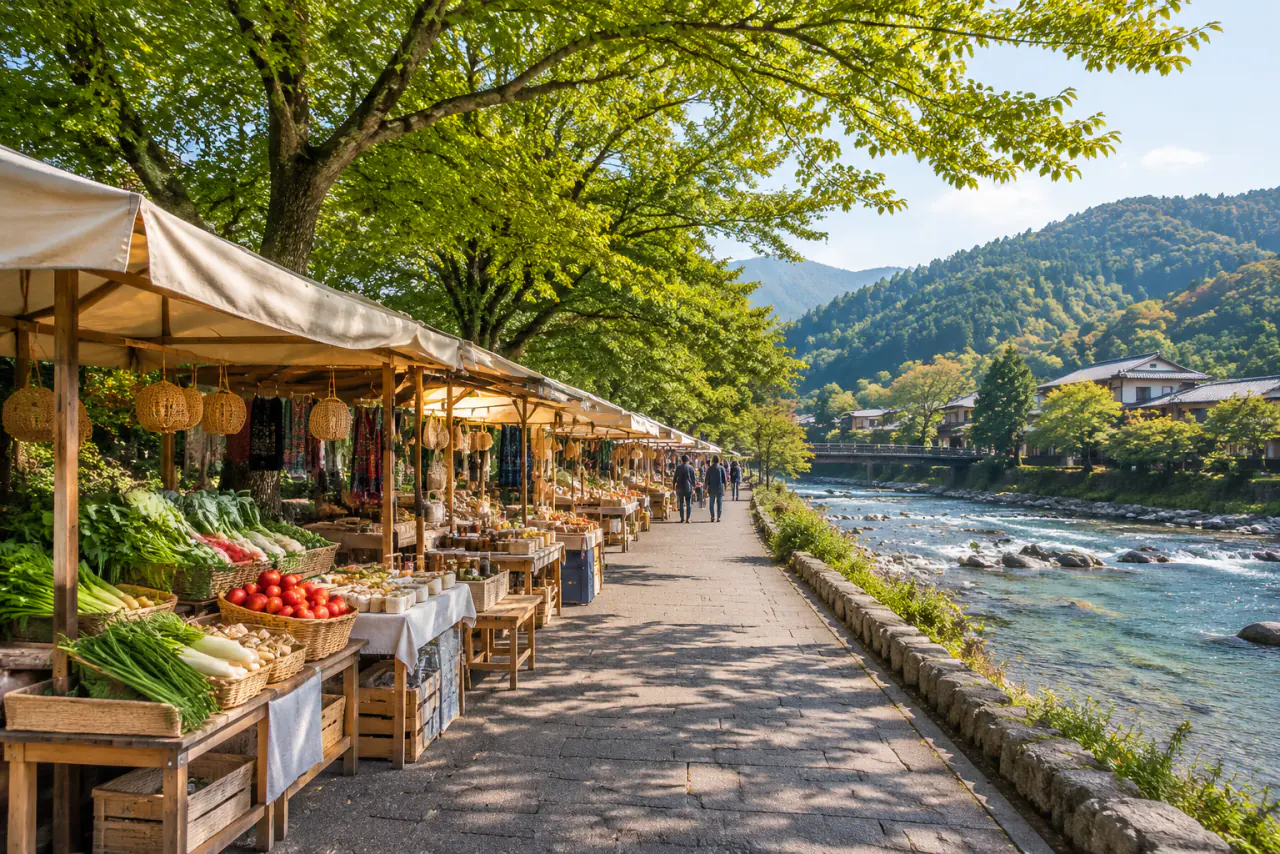
Every morning, farmers set up stalls along the Miyagawa River selling vegetables, pickles, apples, and handicrafts. There are also food stalls for snacks on the go. Another morning market is held in front of Takayama Jinya, the office used by the Edo shogunate to govern Hida. It is the only surviving building of its kind in Japan. Allow about 30 minutes inside.
The morning markets generally run from 7–8 a.m. until noon, and are liveliest early. Admission to Takayama Jinya is free for high school students and younger children.
-
 4
Hida-Furukawa
飛騨古川
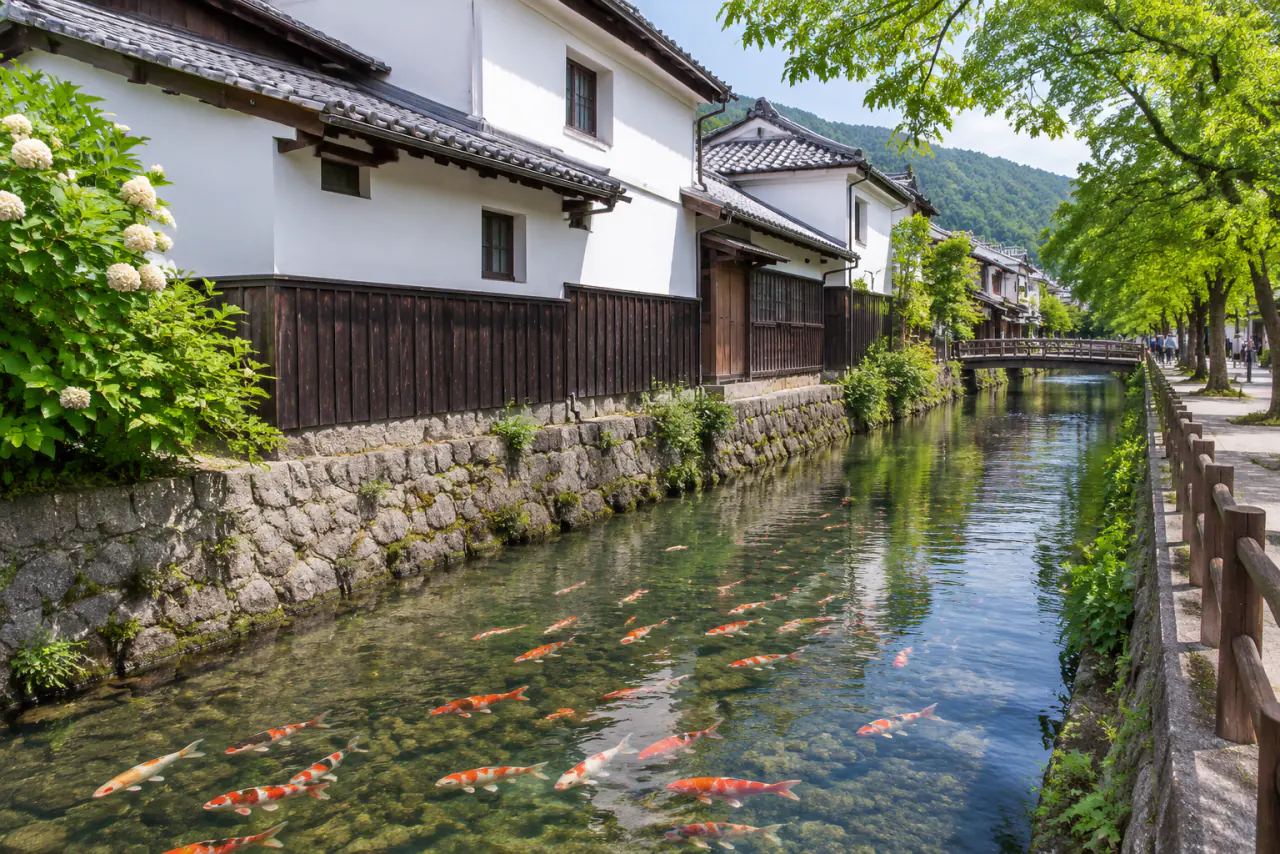
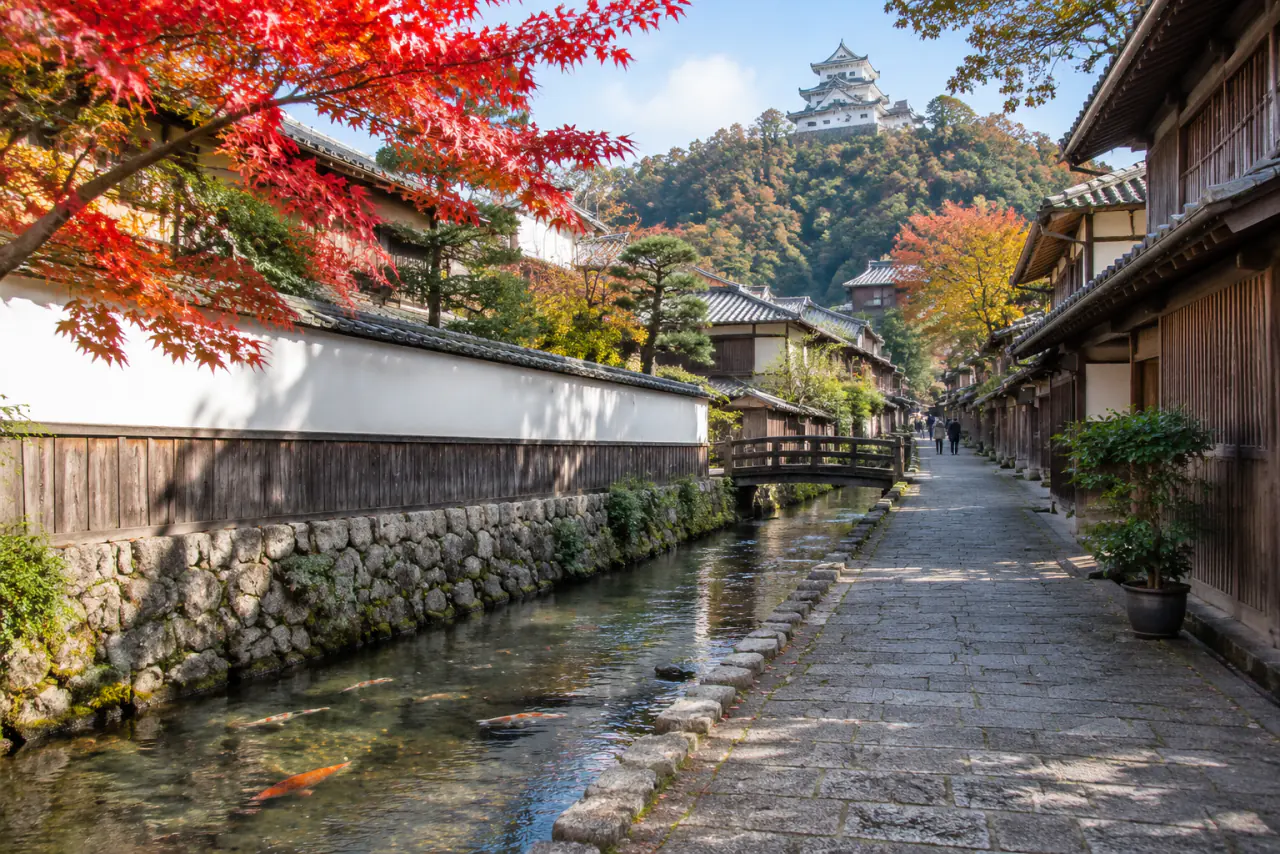
This town is about 15 minutes north of Takayama by JR train. White-walled sake breweries line the Seto River, whose canals are home to more than 1,000 colorful carp. It is much quieter than Takayama. The town also served as one of the models for the town in the anime film Your Name, and fans often take photos around the station and library. You can explore at a relaxed pace in half a day.
The carp are moved elsewhere for the winter, so you will not see them in the canals. JR trains are infrequent, so check the timetable in advance.
-
 5
Shinhotaka Ropeway
新穂高ロープウェイ
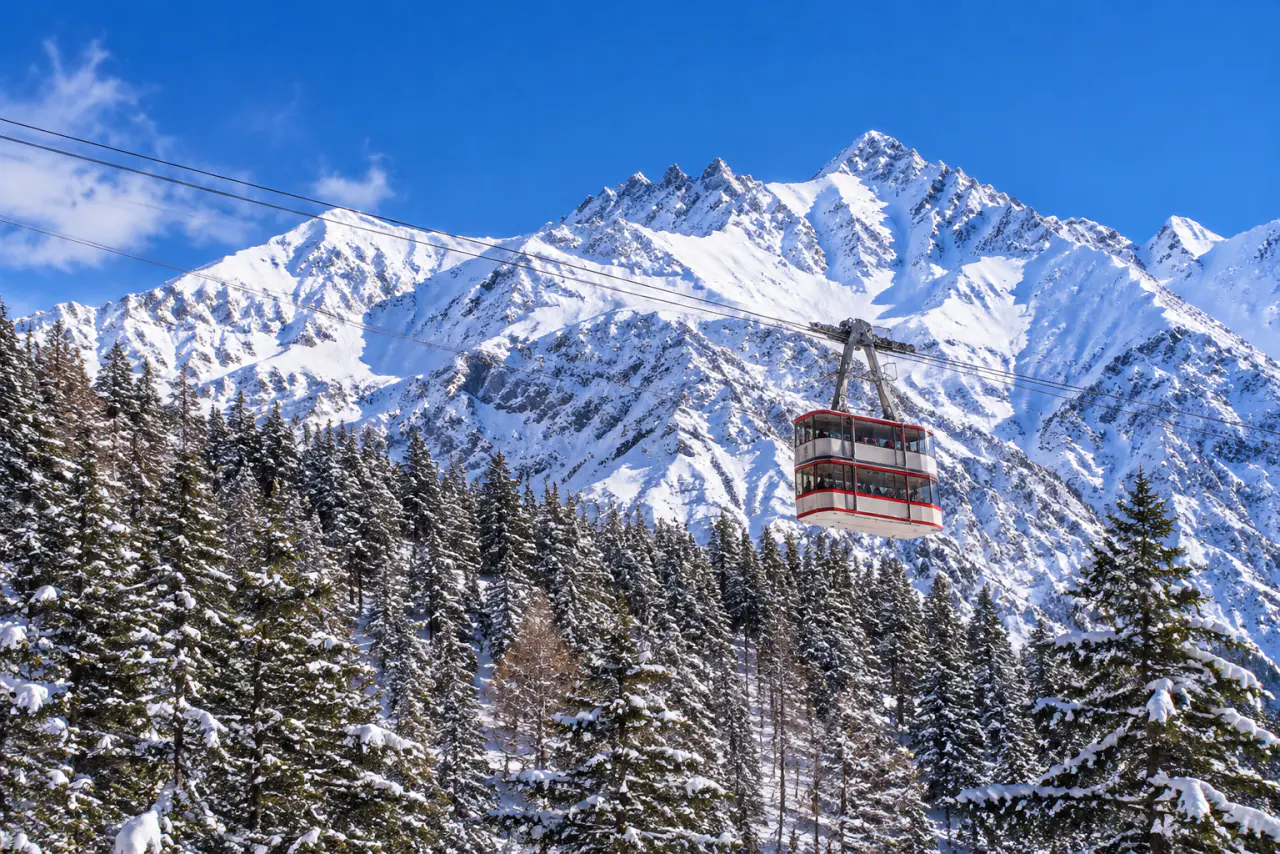
Two ropeway sections carry passengers from the hot-spring town to Nishihotakaguchi at about 2,156 meters. The second section is Japan's only double-decker ropeway. The summit observation deck faces Mount Yari and the Hotaka mountain range in the Northern Alps. In winter, the mountains are covered in snow; in fall, the slopes turn red. The Nohi bus ride from Takayama takes about 1 hour 30 minutes.
The summit is more than 10°C colder than the valley, so bring a down jacket. Clouds can hide the mountains; check the summit livestream before setting out.
-
 6
Gero Onsen
下呂温泉
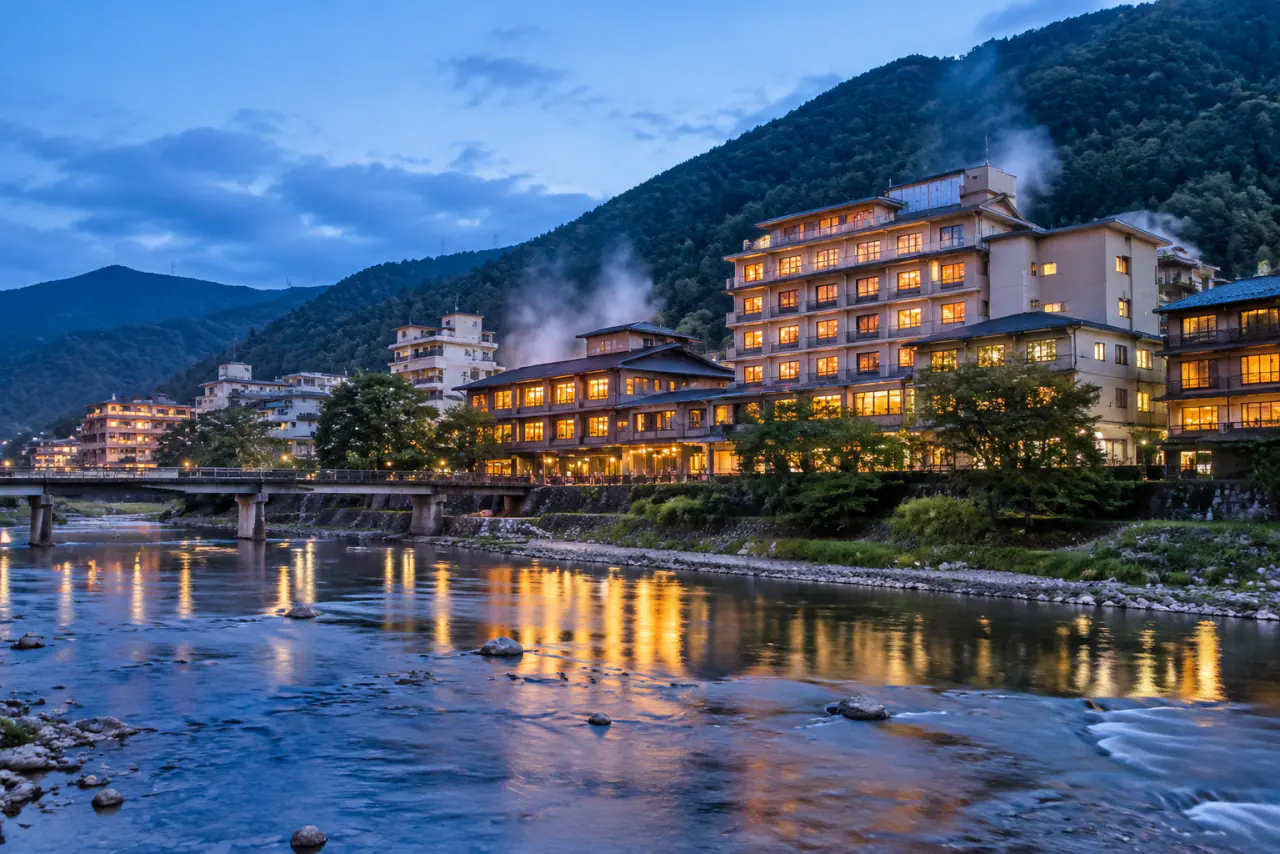
Gero Onsen was listed as one of Japan's three great hot springs as early as the Edo period. Its silky water is known as bijin-no-yu, or "beauty water." Cross the bridge from the station to reach the hot-spring district, where you will find several free foot baths and inns that offer paid bathing without an overnight stay. The town lies midway along the limited express route from Nagoya to Takayama, making it a good place to get off and spend a night.
Buy a Yumeguri Tegata wooden pass to bathe once at several participating inns.
-
 7
Gujo Hachiman
郡上八幡
This small mountain town is surrounded by clear streams. Canals run beside the old streets, and residents still wash vegetables and dishes in shared tiered water basins called mizubune. Gujo Hachiman Castle on the hill is a reconstructed wooden keep that looks especially beautiful with fall foliage. From July–September, the Gujo Odori dance is held for dozens of nights, with all-night dancing during the Bon Festival. The town is also Japan's center for food replicas, and you can try making one yourself.
Highway buses from Nagoya or Gifu are the most convenient option. Visitors can join the Gujo Odori dances.
-
 8
Magome-juku
馬籠宿
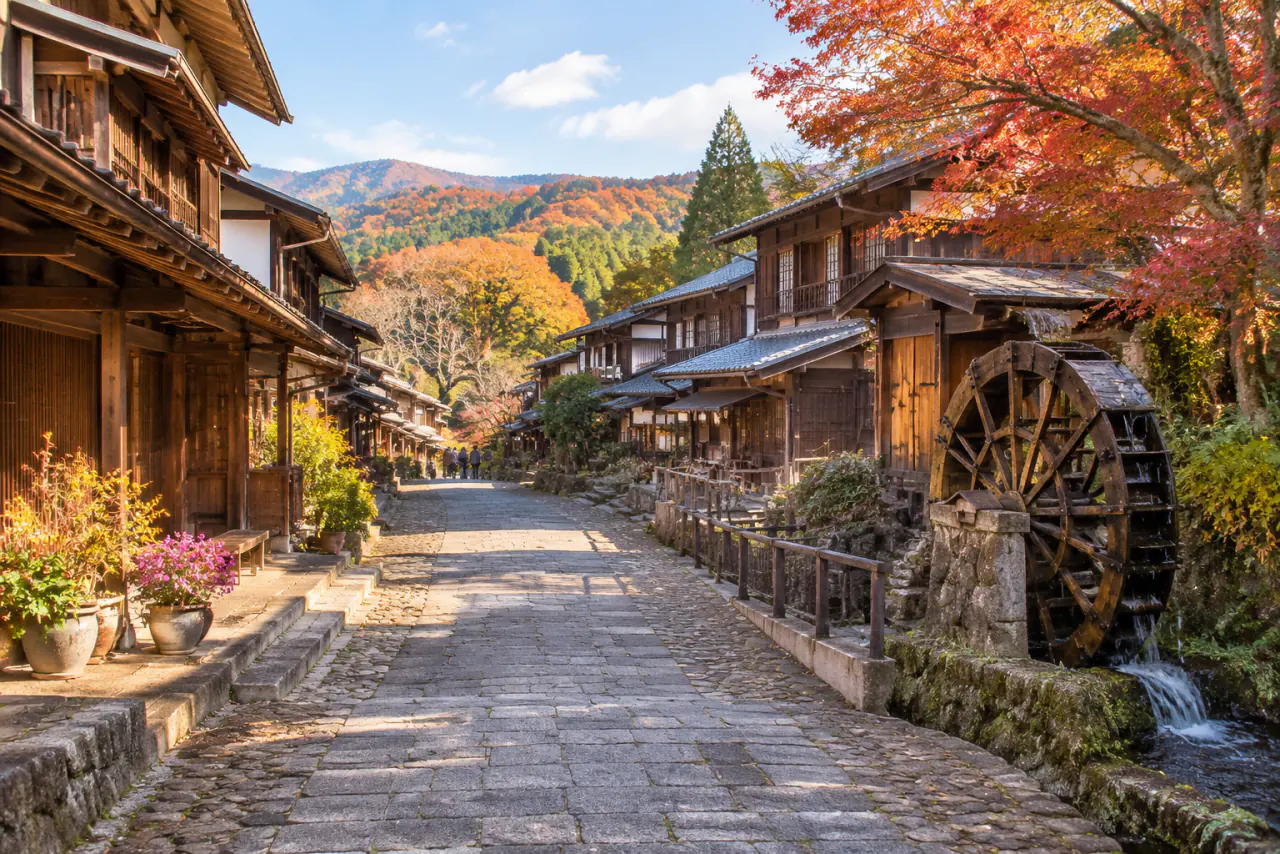
This post town on the Nakasendo was built along a slope, with wooden houses and waterwheels lining its stone-paved streets. It was the hometown of writer Shimazaki Toson. From here, the hike over Magome Pass to Tsumago-juku in Nagano is about 8 km and takes 2.5–3 hours. It is fairly easy because most of the route is downhill. The bus from JR Nakatsugawa Station takes about 25 minutes.
You can send luggage between the two towns. Mountain paths may be icy in winter, so wear shoes with good traction.
What to eat
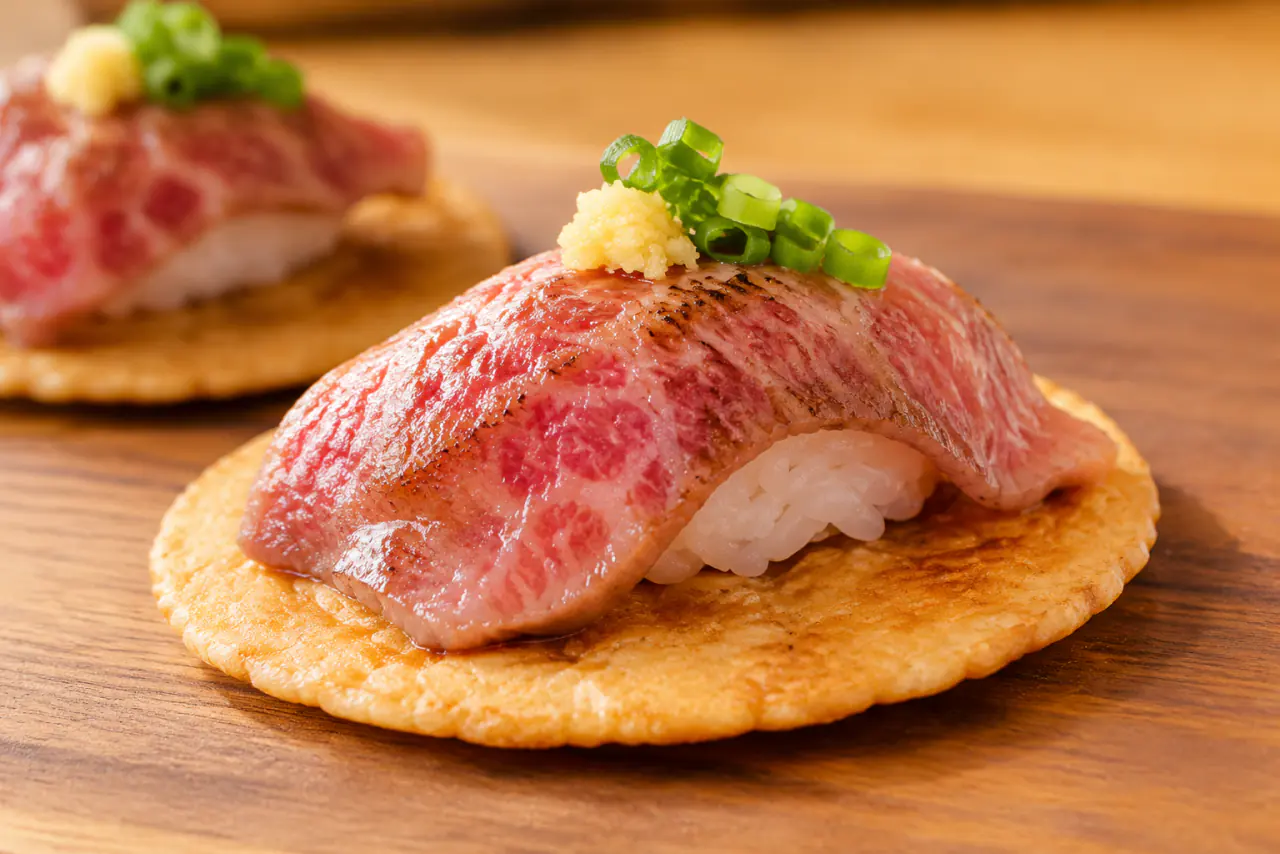
Hida beef
This wagyu from Gifu Prefecture has fine marbling and melts in your mouth. The most popular option in Takayama's old town is grilled Hida beef sushi served on rice crackers. You can also have it as yakiniku or steak.
Yakiniku restaurants in Takayama Sanmachi Old Town and around Takayama Station · Sushi: about ¥800–1,500 per serving
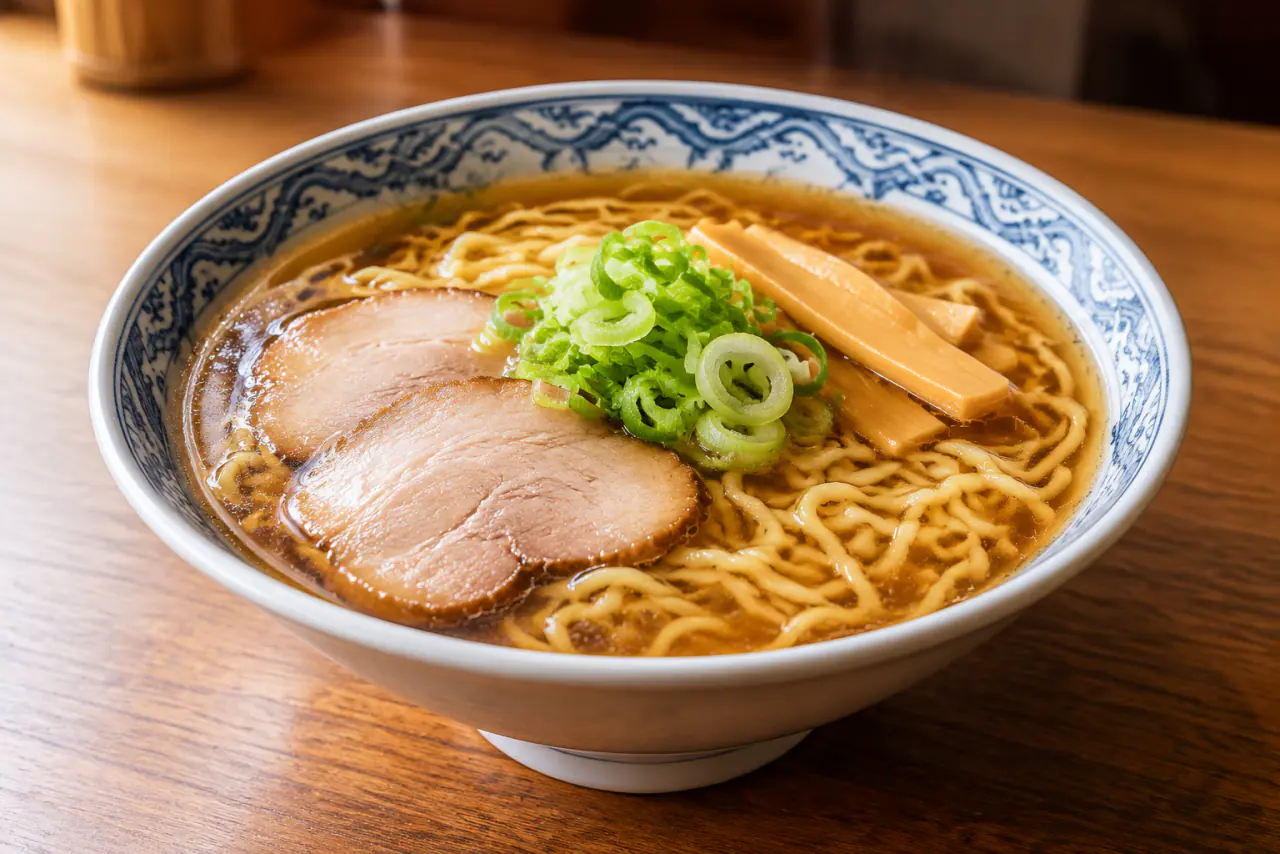
Takayama ramen
Locally called chuka soba, this dish combines thin, curly noodles with a clear soy-sauce and chicken-bone broth. It is light and not greasy, and the small portion is ideal for brunch.
Ramen shops between Takayama Station and the old town · About ¥800–1,100 per bowl
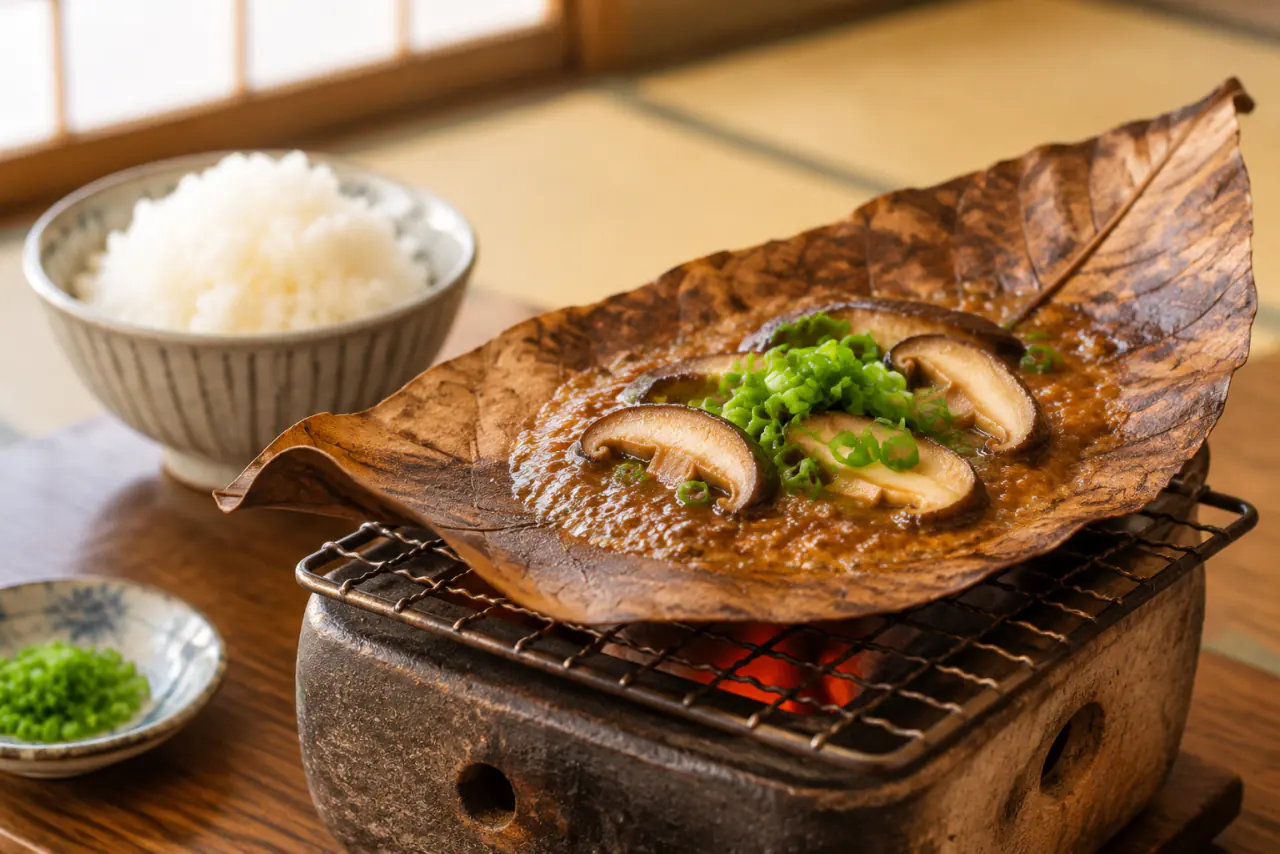
Hoba miso
Miso, green onions, and shiitake mushrooms are placed on a dried magnolia leaf and grilled over a small charcoal stove. The fragrant, slightly charred miso is eaten with white rice. It is common at ryokan breakfasts in Takayama, and adding Hida beef turns it into a main dish.
Ryokan breakfasts and local-cuisine restaurants in Takayama's old town
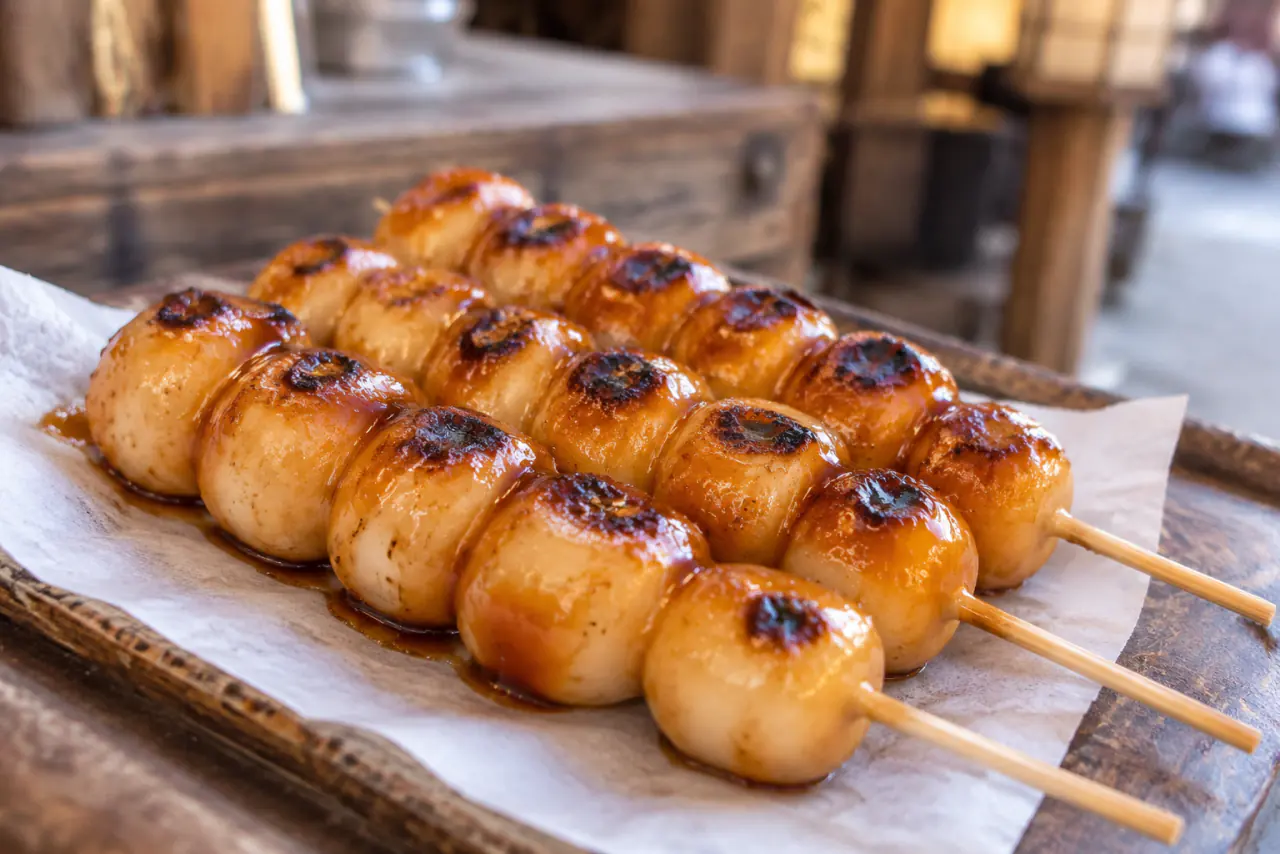
Mitarashi dango
The Hida version of grilled dango is not covered in sweet sauce. It is brushed with soy sauce and grilled until savory and crisp, making it completely different from the sweet versions found elsewhere. A skewer is inexpensive, and you will find them in the old town and at the morning market.
Takayama Sanmachi Old Town and Miyagawa Morning Market · About ¥100–200 per skewer
Getting there · Where to stay
JR Hida limited express to Takayama in about 2 hours 30 minutes, or Gero in about 1 hour 40 minutes
Nohi and other highway buses to Shirakawa-go in about 1 hour 30 minutes, or Takayama in about 2 hours 15 minutes; reservations required
JR Hida limited express or highway bus to Takayama, about 1 hour 30 minutes–2 hours 30 minutes
Meitetsu train to Nagoya in about 30 minutes, then transfer to the Hida limited express to Takayama
Stay near Takayama Station. The old town is a 10-minute walk away, and limited express trains and buses to Shirakawa-go and Shinhotaka leave nearby. To stay in a gassho-style house, spend a night in Shirakawa-go, but rooms are limited and must be booked well in advance.
Know this before you go
- Buses from Takayama to Shirakawa-go and Kanazawa have reserved seats only. Book online one month in advance during peak season.
- Roads in Shirakawa-go can be icy and snow-covered in winter. Wear shoes with good traction, and crampons are recommended.
- Whether you can drive in Japan depends on your driver's license and required translation or permit. The Hida region can be easily explored by limited express train and bus.
- Accommodations sell out well in advance during the Takayama Festival (4/14–15 and 10/9–10). Book six months ahead.
- Visitors from abroad can use the JR Takayama–Hokuriku Area Tourist Pass, which includes the limited express from Nagoya to Takayama and the bus to Shirakawa-go within 5 days.