Cloudborne Travel
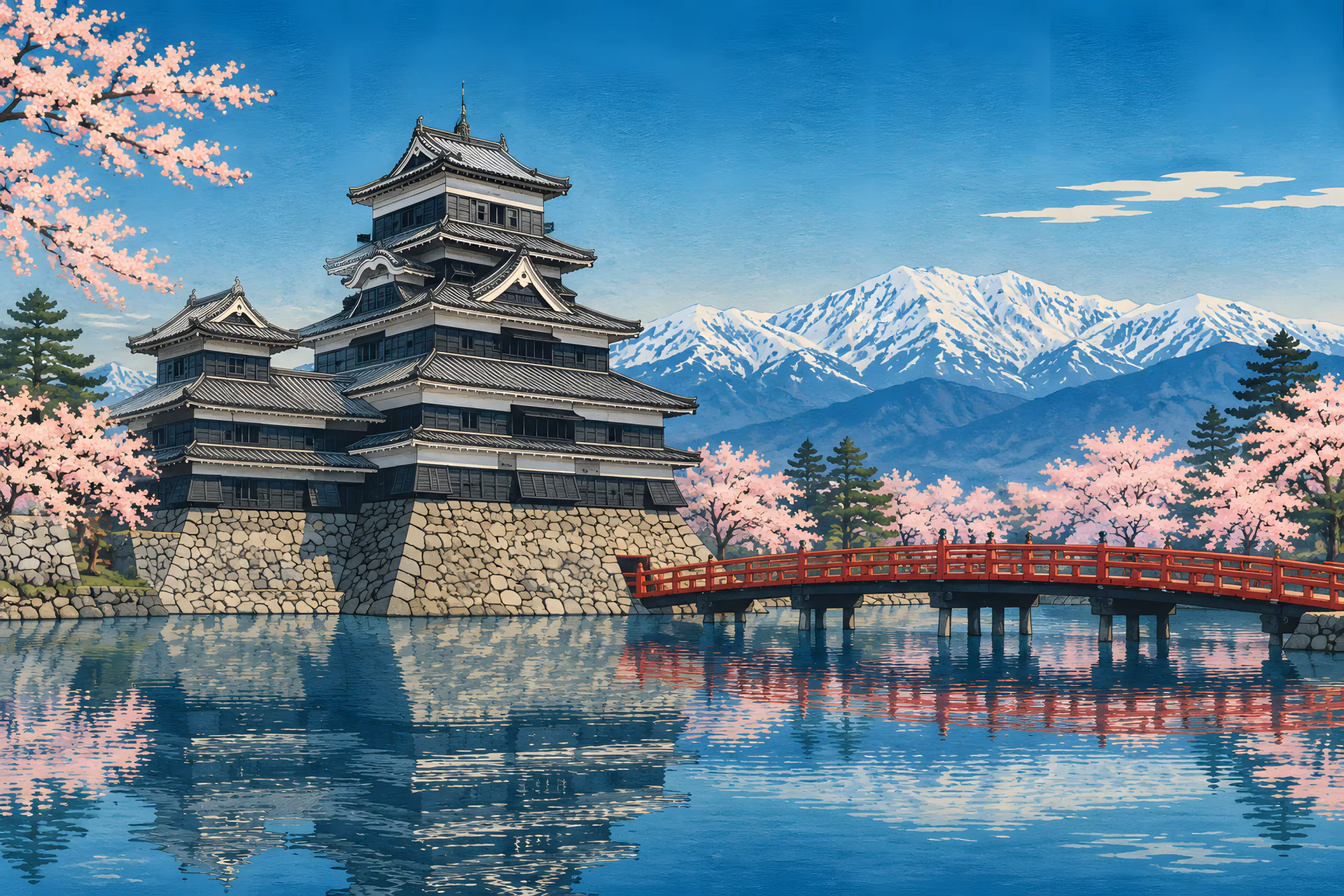
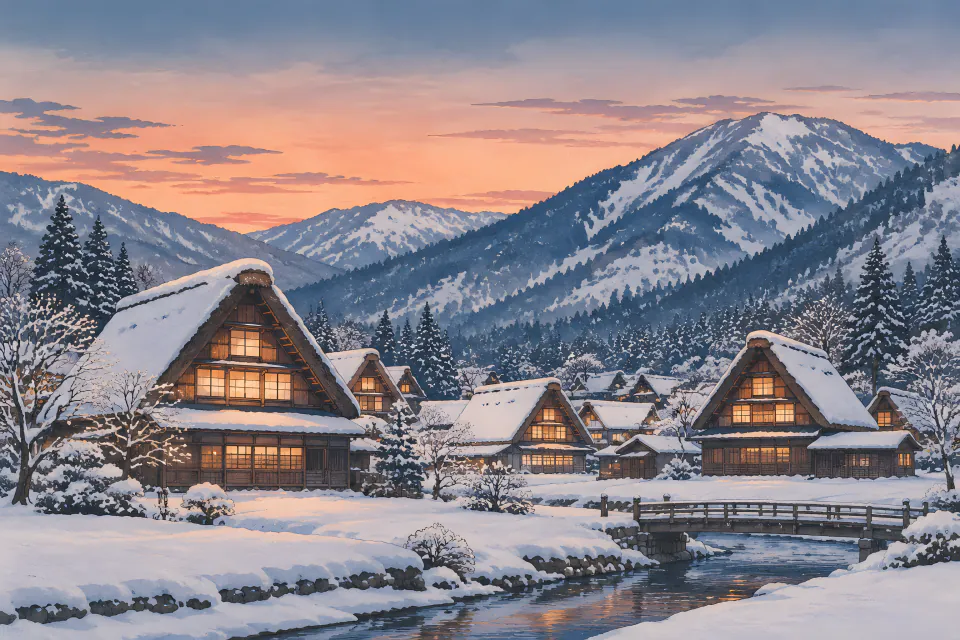
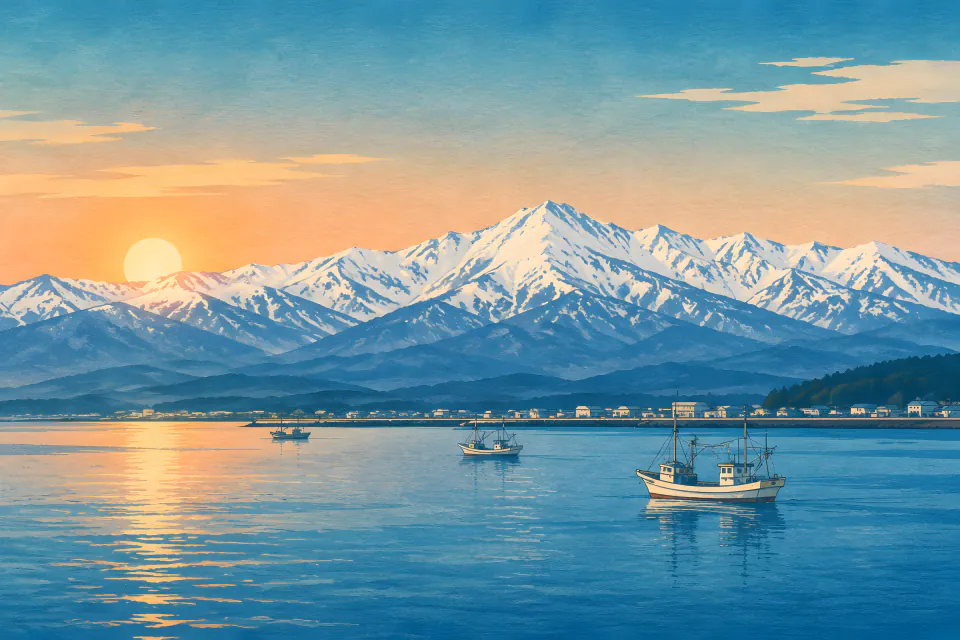
Known as the “Roof of Japan,” Nagano is home to the Northern, Central, and Southern Alps. In winter, the powder snow in Hakuba and Nozawa Onsen draws skiers from around the world. The monkeys bathing in the hot springs at Jigokudani are a classic winter sight. In summer, Kamikochi is cool and ideal for escaping the heat and hiking.
In the cities, Matsumoto has Matsumoto Castle, with its original black keep, while Nagano city is home to the thousand-year-old Zenkoji Temple. To the south, Tsumago-juku and Narai-juku in the Kiso Valley preserve the look of Nakasendo post towns from the Edo period. Nagano is large, so plan the northern area around Nagano city and the central area around Matsumoto separately. Staying one or two nights in each saves time compared with traveling back and forth from one base.
Skiing and snow monkeys from December–March; Kamikochi and Hakuba for cool weather in July–August; fall colors in the mountains from mid- to late October. Kamikochi closes in winter.
Monthly weather
Based on NaganoBest time to visit Monthly precipitation (mm) Open-Meteo (ERA5), 1996–2025 average
| Month | Average high (°C) | Average low (°C) | Monthly precipitation (mm) | Days with 1 mm or more of precipitation |
|---|---|---|---|---|
| Jan(Good time to visit) | 4.4 | -3 | 147 | 23 |
| Feb(Good time to visit) | 5.5 | -2.4 | 121 | 19 |
| Mar | 9.9 | 0.6 | 139 | 18 |
| Apr | 16.8 | 5.7 | 123 | 15 |
| May | 22.8 | 11.9 | 141 | 15 |
| Jun(Good time to visit) | 25.9 | 17 | 176 | 18 |
| Jul(Good time to visit) | 29.4 | 21.5 | 242 | 23 |
| Aug(Good time to visit) | 30.8 | 22.2 | 181 | 20 |
| Sep(Good time to visit) | 26.6 | 18.2 | 185 | 17 |
| Oct(Good time to visit) | 20.3 | 11.2 | 160 | 16 |
| Nov(Good time to visit) | 14.1 | 5 | 121 | 17 |
| Dec(Good time to visit) | 7.5 | -0.4 | 142 | 21 |
Sights
-
 1
Matsumoto Castle
松本城
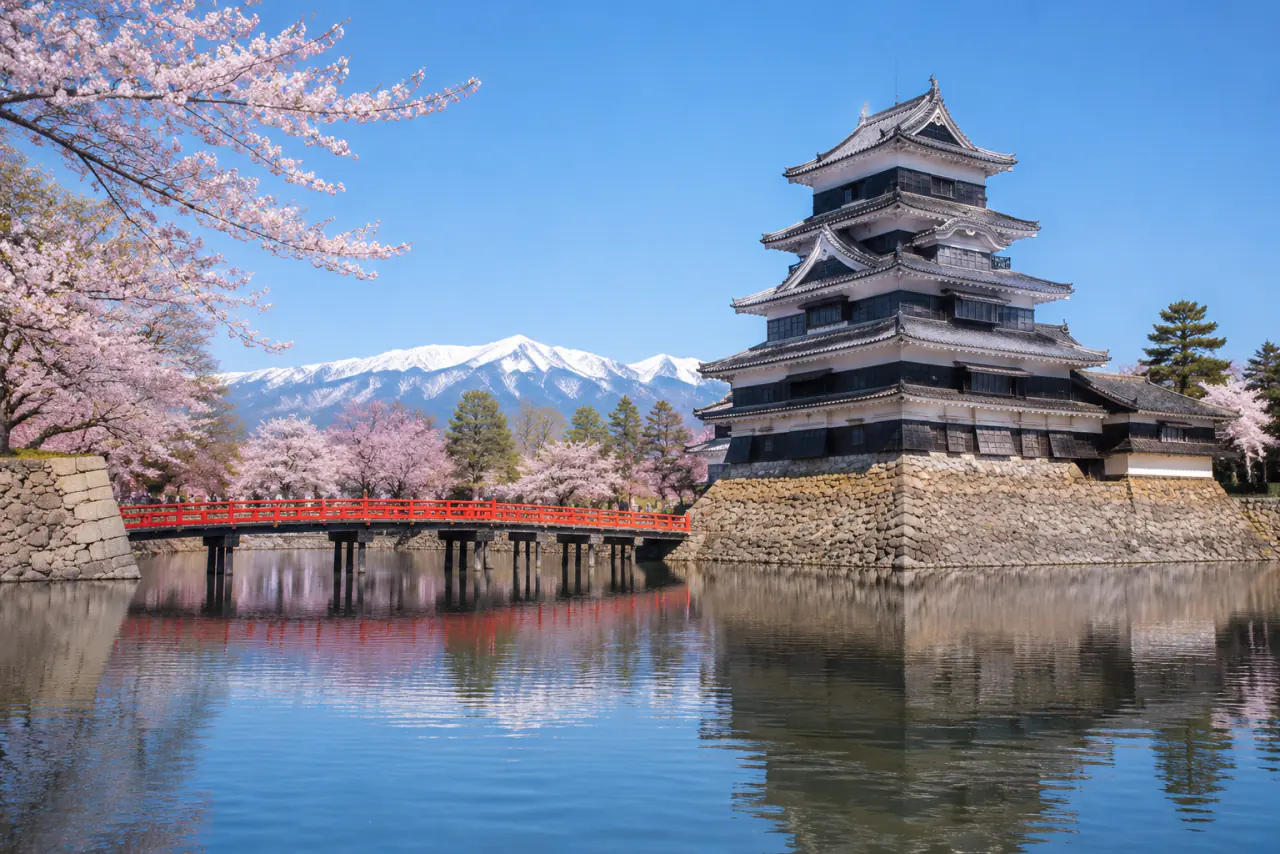
One of Japan’s 5 national treasure castle keeps, with black-lacquered exterior walls. It is often called “Crow Castle.” The keep has survived from the late 16th century, and its interior retains the original timber structure. Climb all the way to the sixth floor for views of Matsumoto and the Northern Alps. The best reflections are by the moat, which is lit up at night during cherry blossom season in early April.
You must remove your shoes inside the keep. The steepest stairs are about 61 degrees, so secure your backpack and use both hands on the railings. Lines are often long in the morning during peak season.
-
 2
Kamikochi
上高地
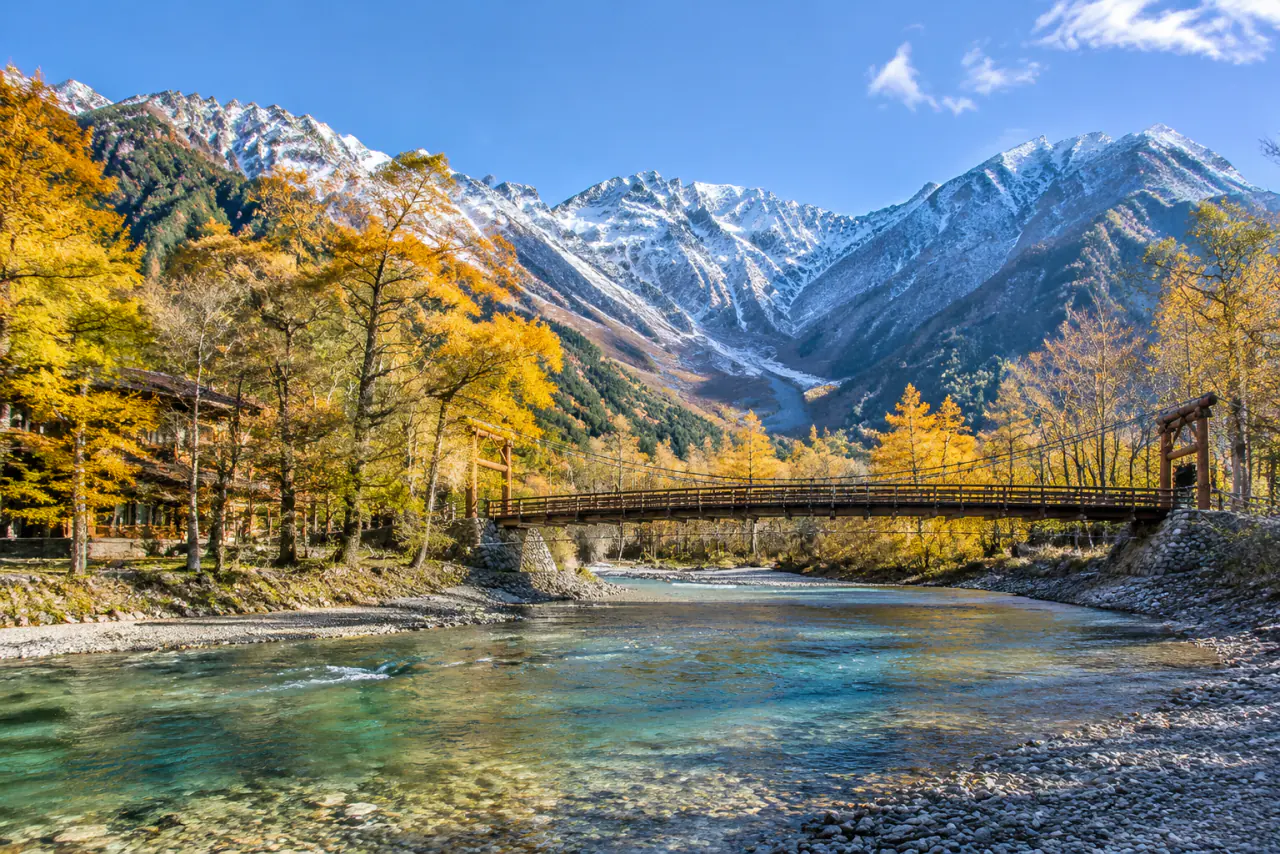
A high-altitude valley at about 1,500 meters, with the clear blue Azusa River and the Hotaka mountain range in the background. The round trip from Kappa Bridge toward Myojin Pond takes about 2 hours. The trail is flat and easy for beginners. Private cars are prohibited year-round, so change to a shuttle bus at Sawando or Hirayu. The ride takes about 30 minutes.
Open only from mid-April to mid-November (in 2026, April 17–November 15); mornings and evenings are cool, so bring a jacket and a bear bell.
-
 3
Jigokudani Monkey Park
地獄谷野猿公苑
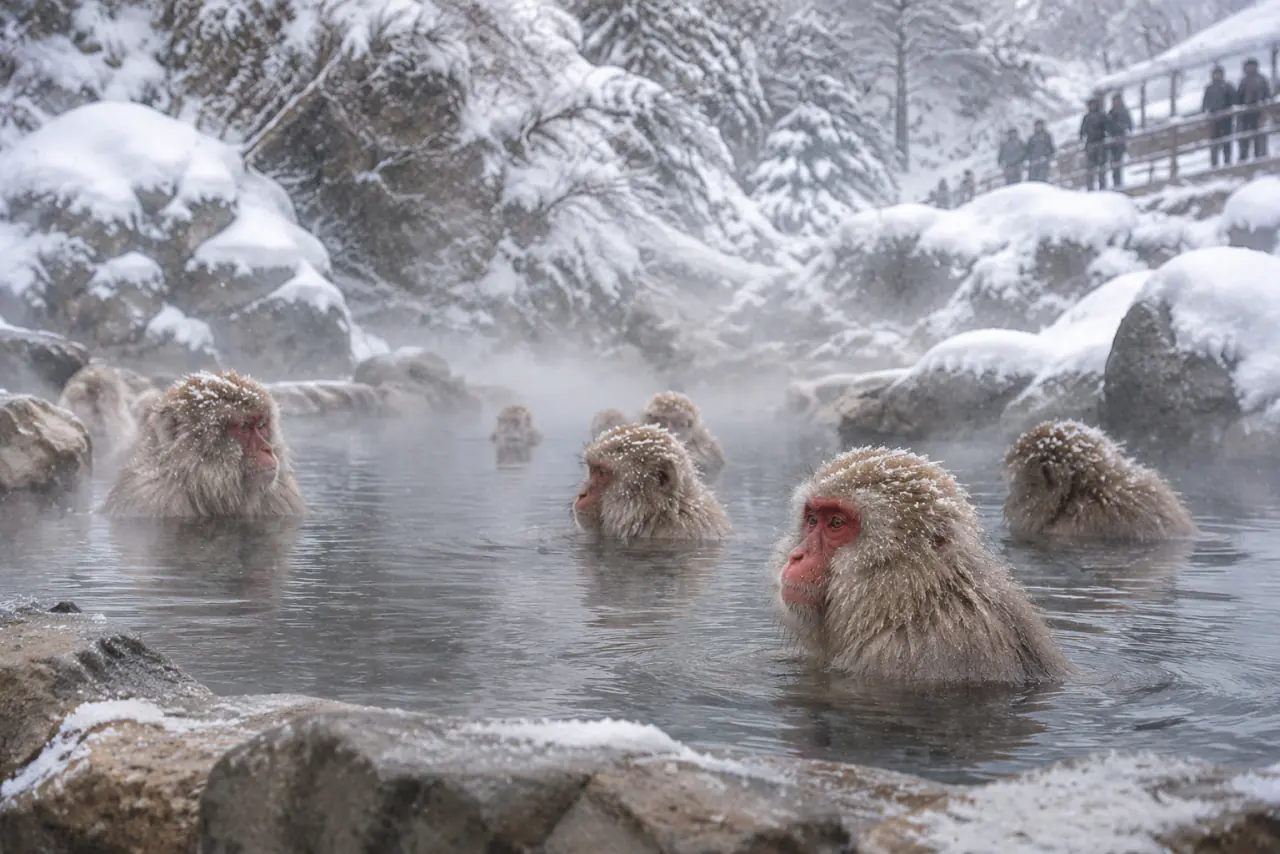
The only place in the world where you can see wild monkeys bathing in hot springs. In winter, the monkeys doze in the steaming pool amid the snow. They are known overseas as “snow monkeys.” From Nagano Station, take the Nagano Dentetsu train to Yudanaka, change to a bus for the entrance, then walk along a forest road for about 30–40 minutes. You can combine the visit with nearby Shibu Onsen in one day.
The monkeys mainly bathe from December–March. Do not feed or touch them, and do not stare at or provoke them. Wear slip-resistant snow boots on snowy days.
-
 4
Zenkoji Temple
善光寺
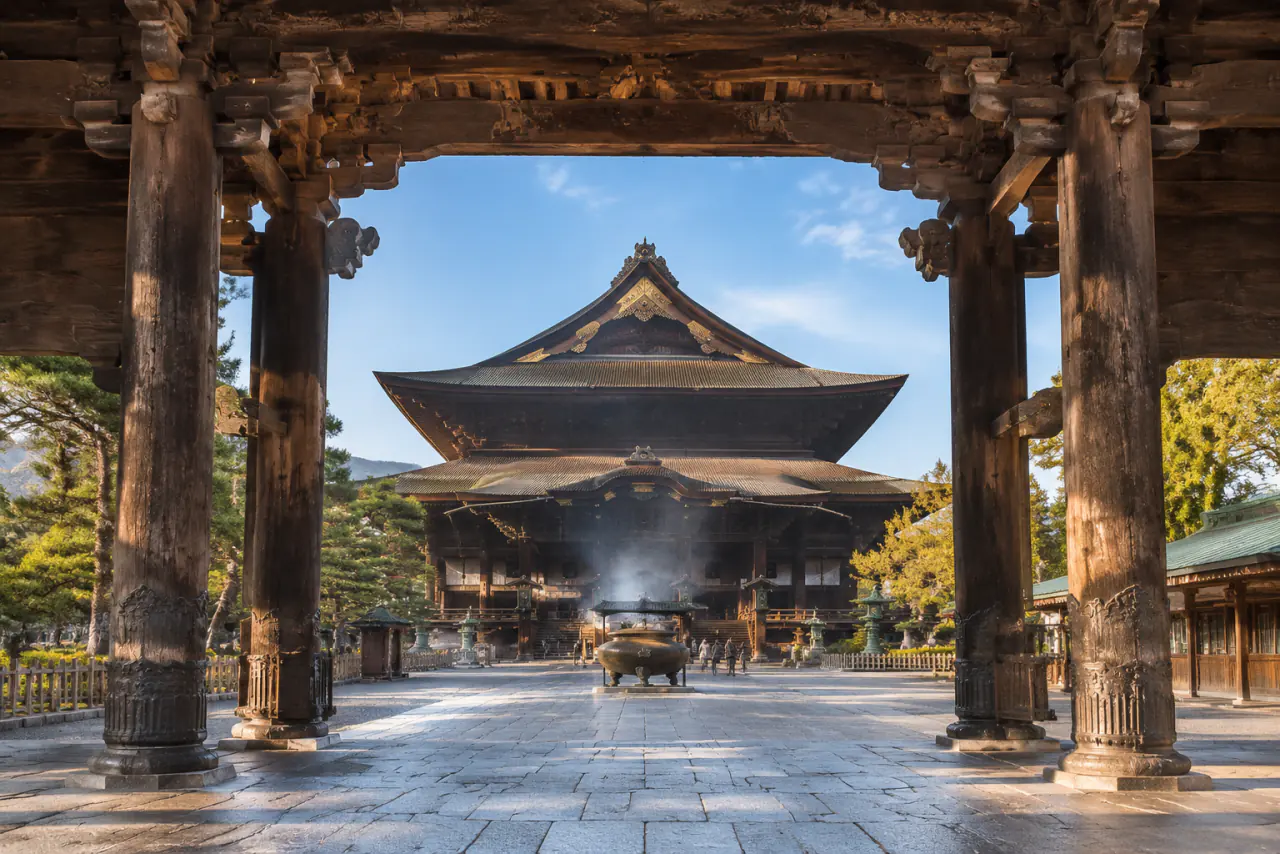
An ancient temple with about 1,400 years of history. It is open to all Buddhist sects and has long been associated with the saying, “You should visit Zenkoji once in your life.” The main hall is a national treasure. Its most unusual feature is the Kaidan Meguri, a pitch-dark passage beneath the main hall where you feel your way forward to find the legendary “key to paradise.” It is about a 30-minute walk or a bus ride from Nagano Station.
The morning service takes place early. Worshippers can kneel along the approach and receive a touch on the head from the head priest’s prayer beads. The inner sanctuary and Kaidan Meguri require a separate admission ticket.
-
 5
Tsumago-juku
妻籠宿
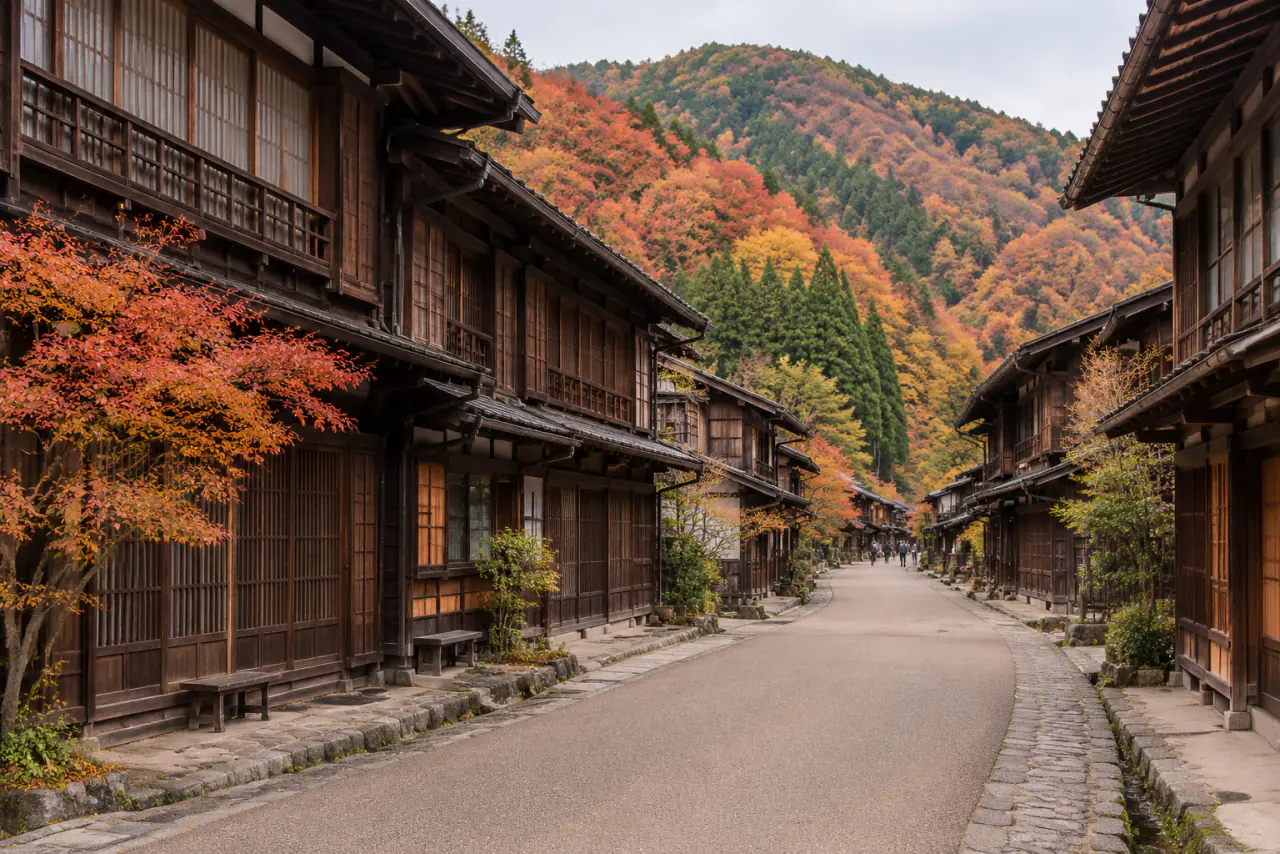
One of the best-preserved post towns along the Nakasendo. Even the utility poles have been hidden, making the whole street feel like a return to the Edo period. The classic route is to hike from Magome-juku on the Gifu side to Tsumago. The full trail is about 8 kilometers and takes 2.5–3 hours, crossing Magome Pass and passing stone paths, waterfalls, and teahouses. Take a JR train to Nagiso Station, then walk or take a bus.
Luggage delivery services are available along the route, so you can send large bags ahead to the other end. Bears are active in the mountain areas, so carry a bear bell.
-
 6
Hakuba
白馬
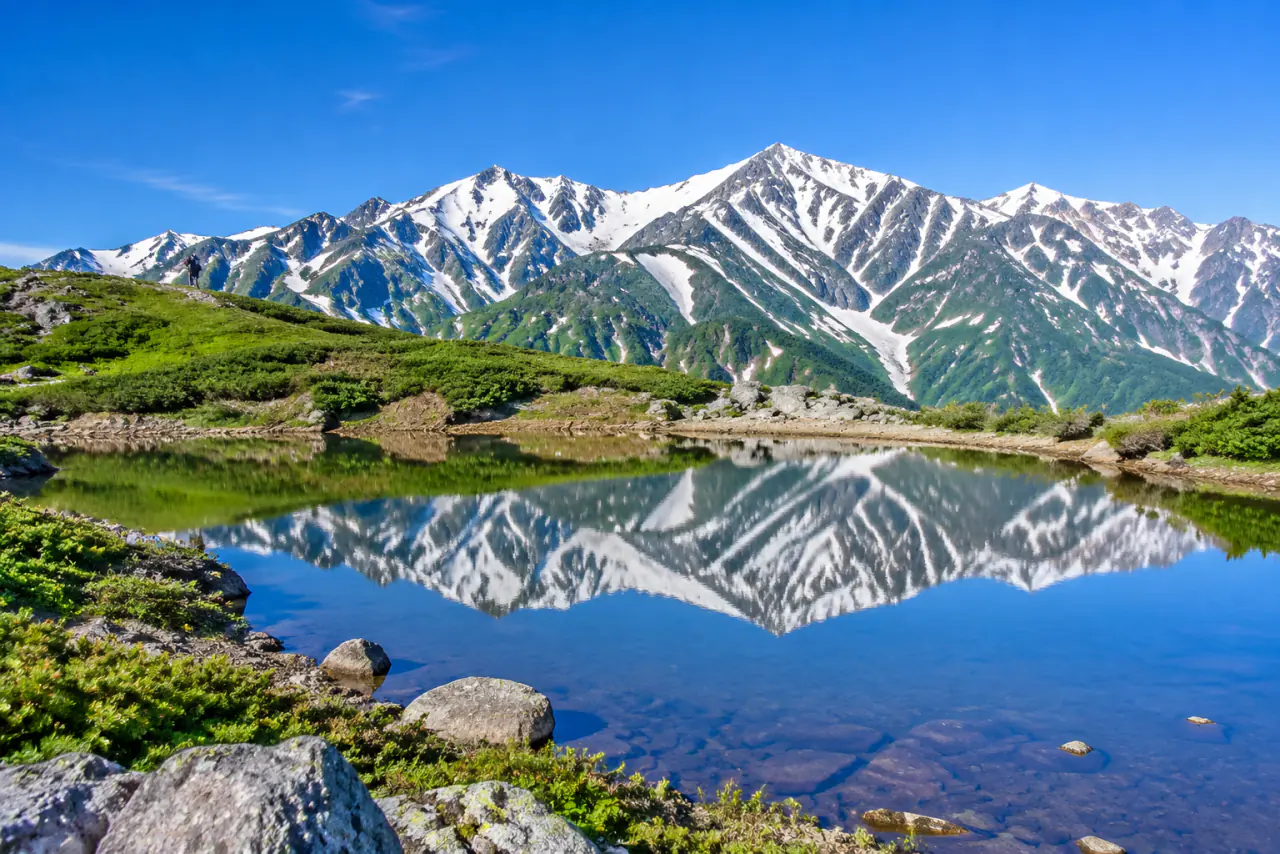
The main alpine skiing venue for the 1998 Nagano Winter Olympics, with around a dozen resorts nearby. It has excellent snow, many international visitors, and relatively good access to English. In summer, take the gondola up Happo Ridge and hike to Happo Pond for reflections of the Hakuba Three Peaks. The round trip takes about 3 hours. Buses and the JR Oito Line run from Nagano Station and Matsumoto.
Snow-season lodging and lessons fill up early, so book as soon as your dates are set. Mountain weather changes quickly, so bring a windproof jacket.
-
 7
Karuizawa
軽井沢
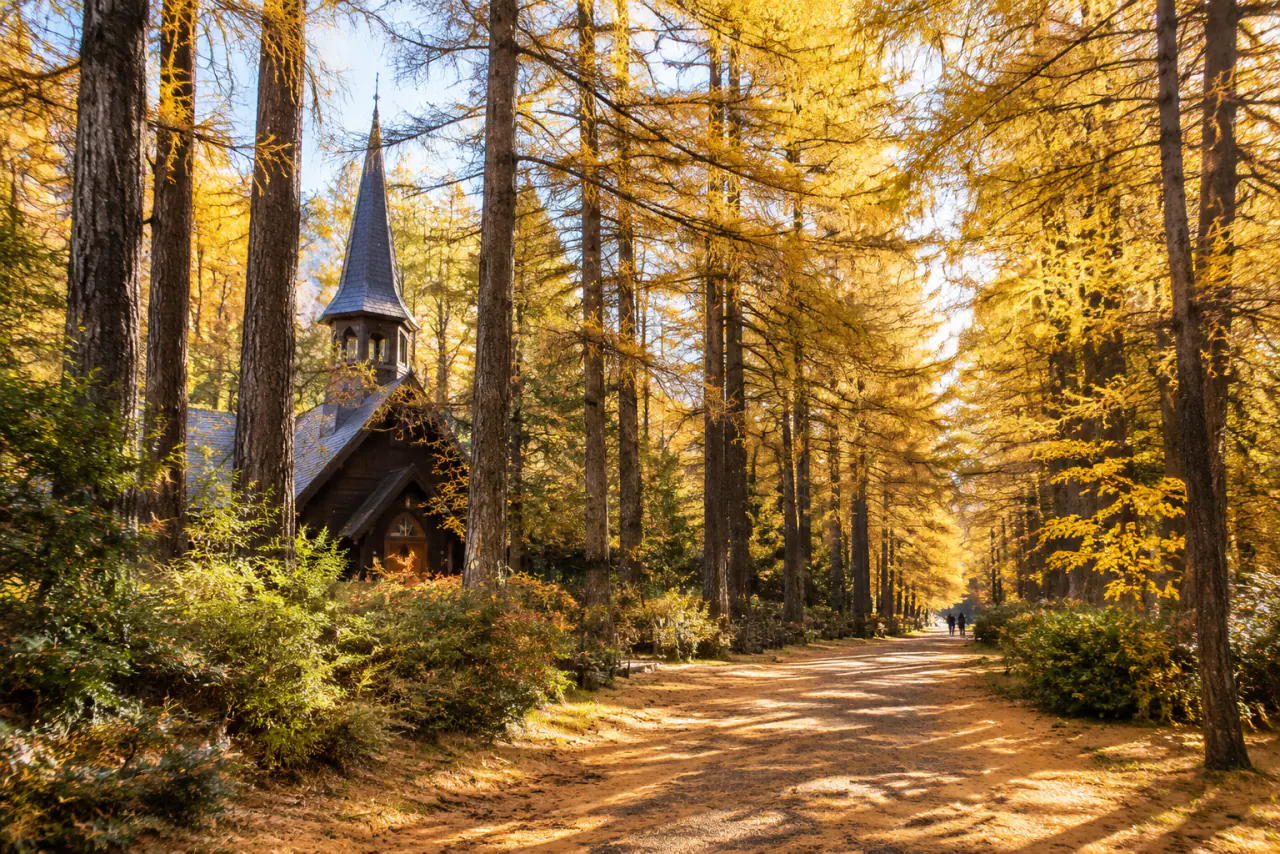
A summer resort developed by foreign missionaries during the Meiji era, with villas, churches, and cafés scattered among the trees. A large outlet mall is just outside the south exit of the Shinkansen station, while Old Karuizawa Ginza to the north is a traditional shopping street. Just over an hour from Tokyo, it is ideal for a day trip combining shopping and a walk. The larch trees turn golden in late October.
The sights around Old Karuizawa are spread out, so consider renting a bicycle. Summer weekends are busy with both people and cars.
-
 8
Nozawa Onsen
野沢温泉
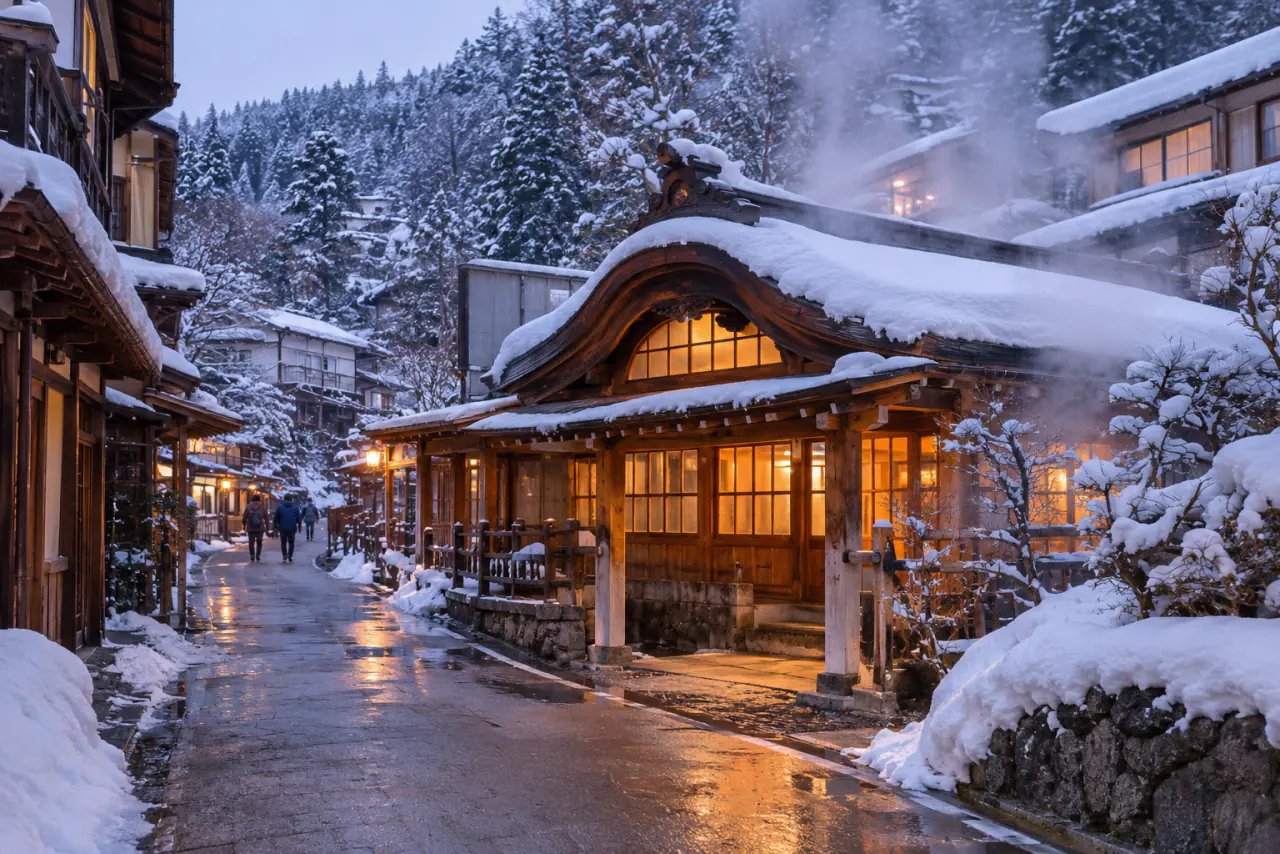
The ski resort and hot spring village are connected. The village has more than a dozen free public baths, or sotoyu, maintained and cleaned by local residents. Enjoying them one by one in a yukata is part of the fun. Snow is deep in winter, and the Dosojin Fire Festival, one of Japan’s three major fire festivals, takes place on January 15. From Iiyama Station on the Hokuriku Shinkansen, the bus ride takes about 25 minutes.
The sotoyu baths are very hot, so use a bucket to rinse yourself and adjust to the temperature first. Bring your own towel and leave a little change in the oil money box as a thank-you.
What to eat
Shinshu soba
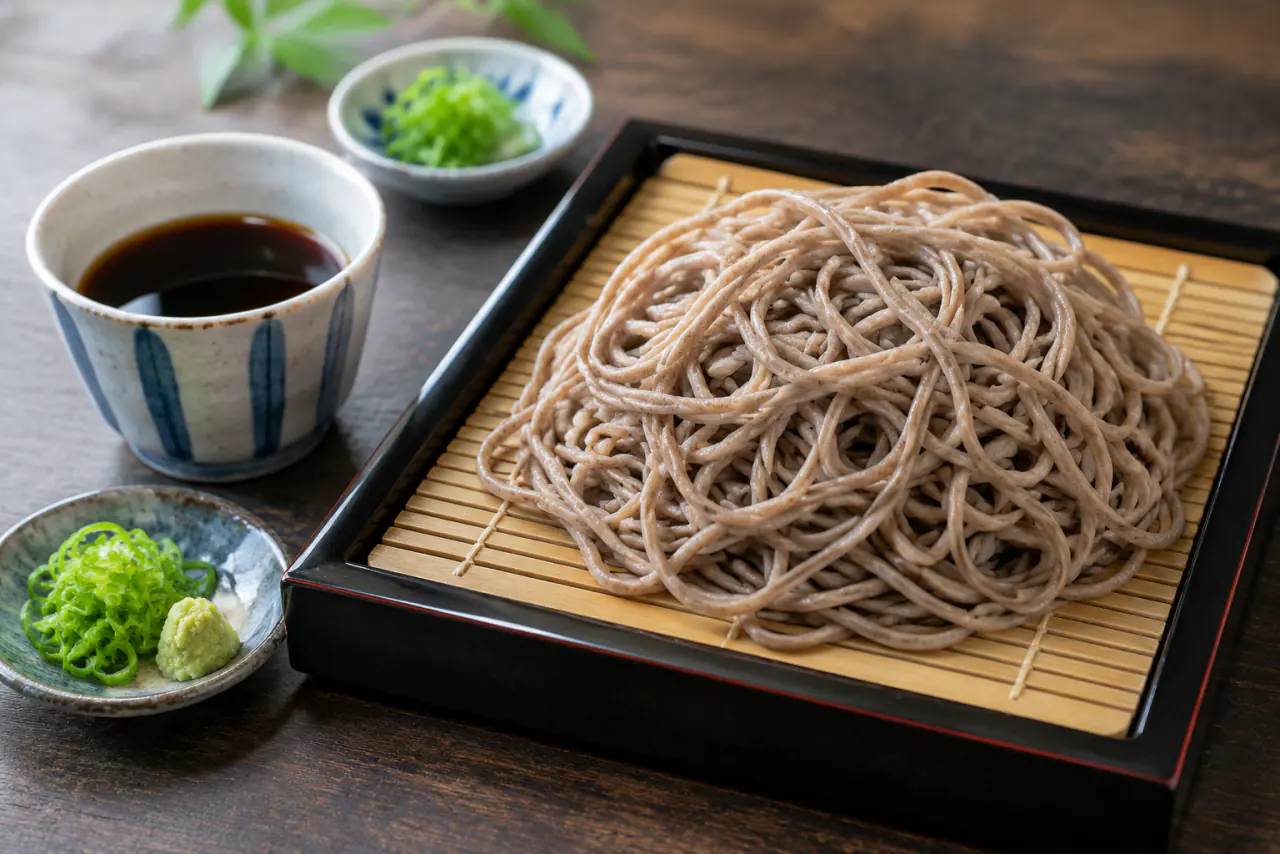
Nagano’s highlands have a large temperature difference between day and night, giving the buckwheat a strong aroma. The region is one of Japan’s leading soba producers. In summer, order cold zarusoba to enjoy the flavor of the noodles, with a little green onion and wasabi in the dipping sauce.
Many long-established restaurants in Togakushi, Matsumoto, and front of Zenkoji Temple · About ¥1,000–2,000 per person
Oyaki
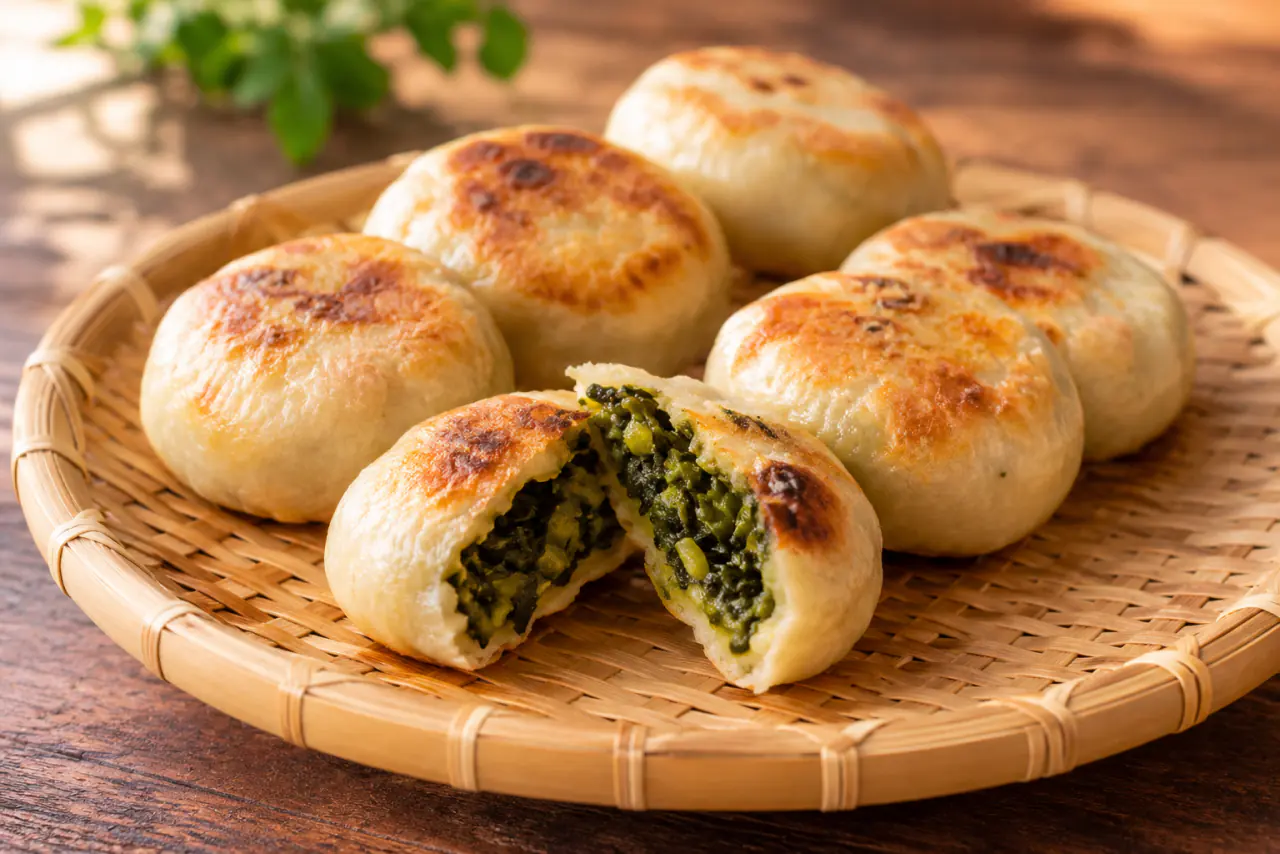
These round buns are made with wheat dough filled with nozawana greens, eggplant, red bean paste, and other fillings, then steamed or grilled. Fresh oyaki have lightly browned skins and are easy to eat while walking.
Along the approach to Zenkoji Temple, at Nagano Station, and at roadside rest areas · About ¥200–300 each
Sanzoku-yaki
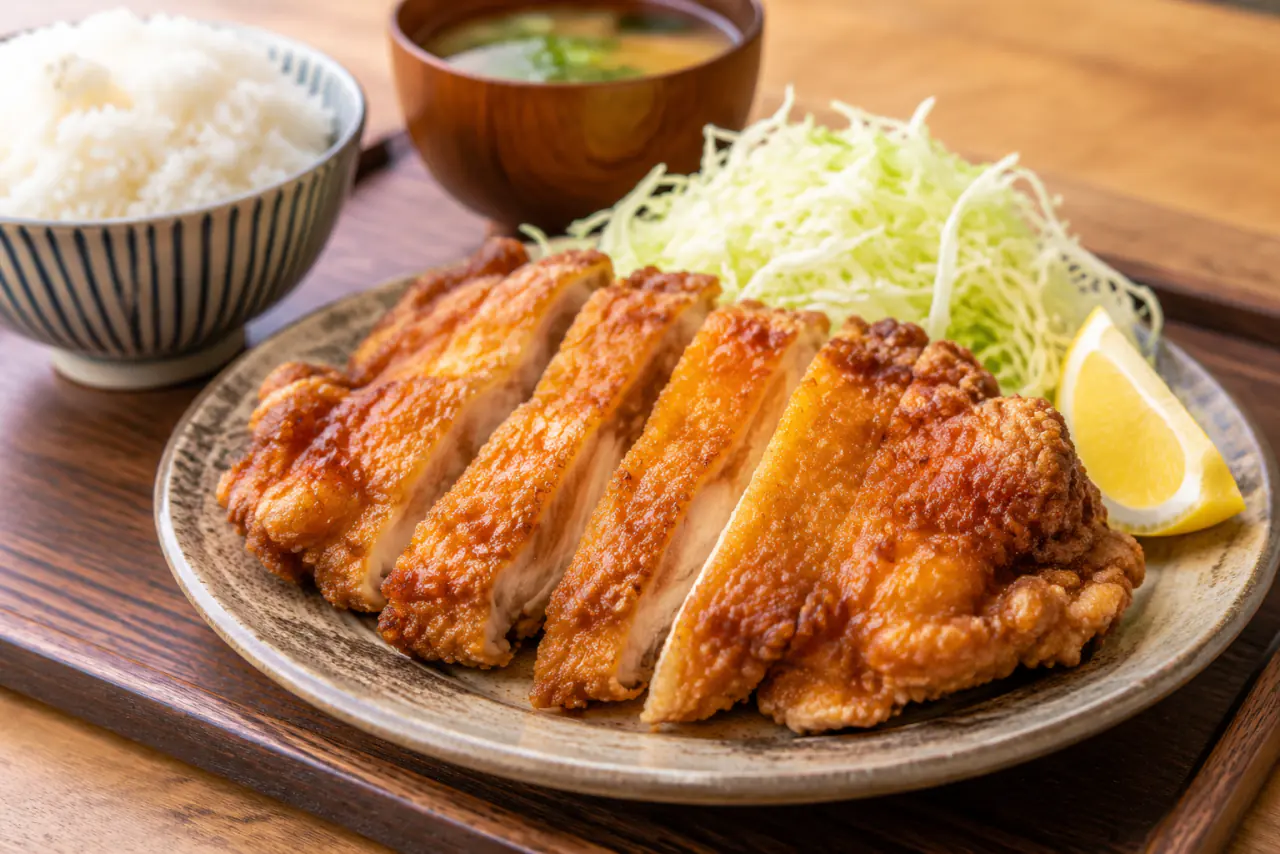
A fried chicken dish from the Matsumoto and Shiojiri area. A whole chicken thigh is marinated in garlic soy sauce, coated in starch, and fried. The pieces are large, with a crisp outside and juicy interior. The name is a pun on words meaning “to steal” and “to fry.”
Set-meal restaurants and izakayas in Matsumoto
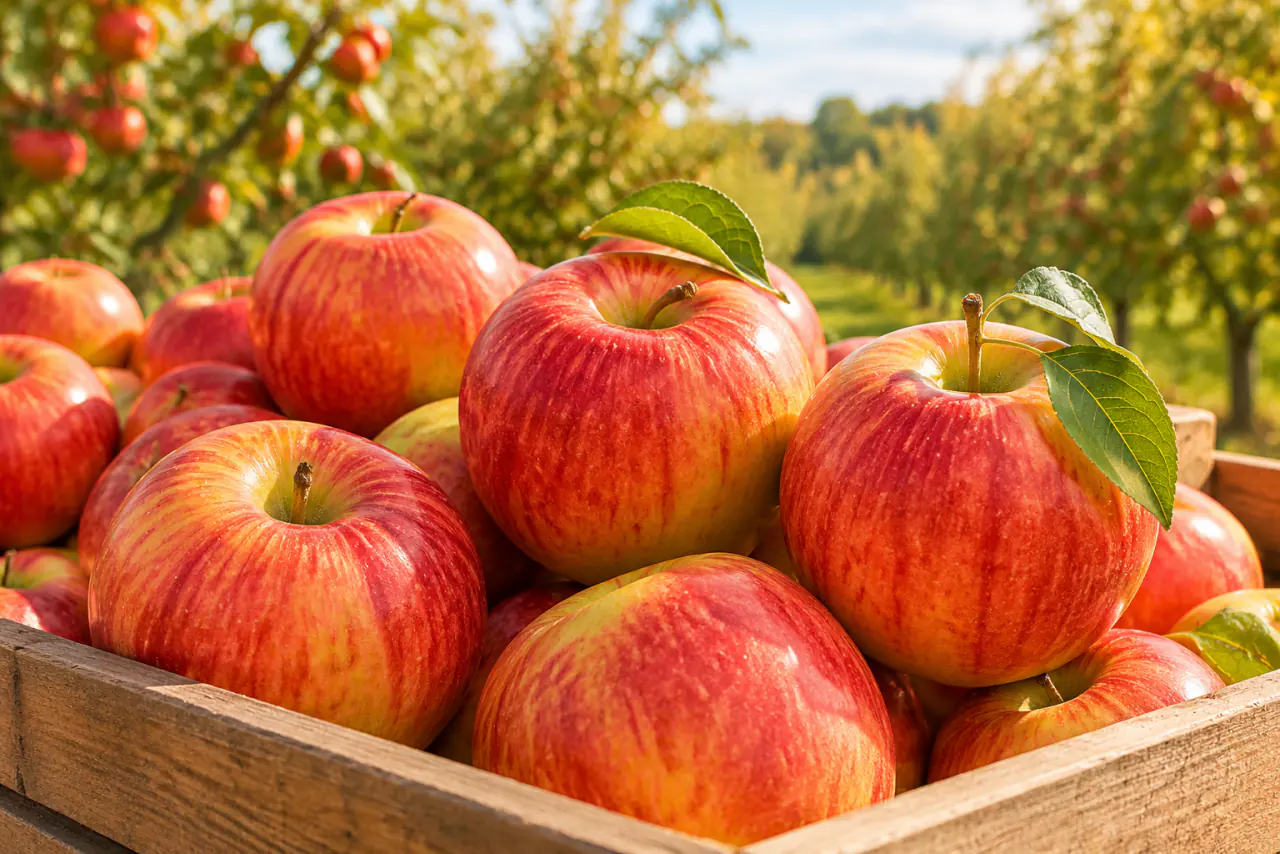
Shinshu apples
Nagano is Japan’s second-largest apple-producing region. The season runs from September–November, and apples from roadside farm stands are large and crisp. You can also find apple juice, apple pie, and dried apples.
Fruit stands and roadside rest areas around Nagano city and Matsumoto
Getting there · Where to stay
The Hokuriku Shinkansen takes about 1 hour 20 minutes–1 hour 40 minutes to Nagano and about 1 hour 10 minutes to Karuizawa
The JR Azusa limited express takes about 2 hours 40 minutes to Matsumoto
The JR Shinano limited express takes about 2 hours to Matsumoto and about 3 hours to Nagano
Cross the mountains via the Tateyama Kurobe Alpine Route to Ogizawa, then continue to Shinano-Omachi. Allow a full day (April–November only)
Stay near Nagano Station for easy access to Zenkoji Temple, Jigokudani, and Nozawa Onsen. Stay around Matsumoto Station for trips to Kamikochi and the Kiso Valley. For skiing, stay directly at a resort hotel in Hakuba or Nozawa Onsen.
Know this before you go
- Snow is deep in northern Nagano in winter. Wear waterproof, slip-resistant shoes. Indoor heating is strong, so dress in layers that are easy to remove.
- Driving rules in Japan depend on your licence and required documents. Check the official requirements before driving. Ski resorts and hot spring villages generally have bus service.
- Mountain sights such as Kamikochi and the alpine routes close in winter. Check the opening period before you leave.
- The northern area (Nagano, Yudanaka, and Nozawa) and central area (Matsumoto and Kamikochi) are far apart, so staying in separate locations saves time.
- Black bears live in the mountains. Carry a bear bell when hiking and do not leave food on forest roads.