Cloudborne Travel
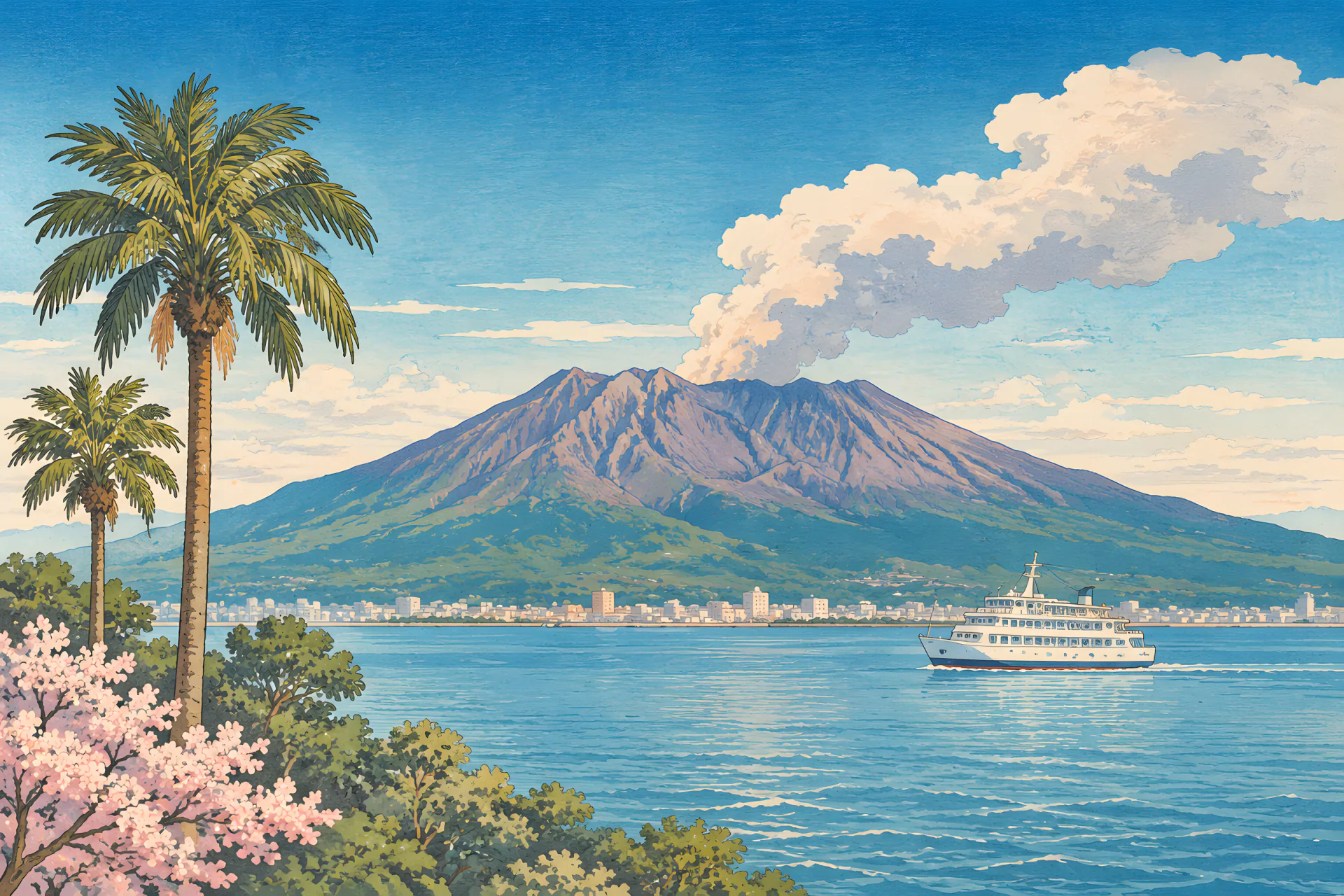
Sakurajima, which occasionally sends up plumes of smoke, sits just across from Kagoshima City. A 15-minute ferry takes you to the volcanic island, and on ashfall days, residents go out with umbrellas. The city is home to Sengan-en, the garden of the Shimazu family, lords of the Satsuma domain. Many figures from the Meiji Restoration also came from here, making it an interesting stop for history buffs.
An hour south is Ibusuki, where you can be buried in hot sand for a sand bath. Chiran preserves samurai residences and the Chiran Peace Museum for Kamikaze Pilots. Northeast, Kirishima has hot springs and a shrine. Yakushima lies offshore and requires a high-speed ferry or flight, so allow at least 2 days on its own. The southern end of the Kyushu Shinkansen is at Kagoshima-Chuo Station, making the city easy to reach from Fukuoka.
Spring and fall are the most comfortable. Winter is mild and good for sand baths. In summer, volcanic ash from Sakurajima often blows toward the city. Yakushima is rainy year-round, especially during the rainy season.
Monthly weather
Based on KagoshimaBest time to visit Monthly precipitation (mm) Open-Meteo (ERA5), 1996–2025 average
| Month | Average high (°C) | Average low (°C) | Monthly precipitation (mm) | Days with 1 mm or more of precipitation |
|---|---|---|---|---|
| Jan(Good time to visit) | 12.9 | 6 | 81 | 9 |
| Feb(Good time to visit) | 14.3 | 6.8 | 108 | 10 |
| Mar(Good time to visit) | 17.4 | 9.5 | 152 | 13 |
| Apr(Good time to visit) | 21.4 | 13.3 | 167 | 12 |
| May(Good time to visit) | 25.1 | 17.5 | 215 | 12 |
| Jun | 27.3 | 21.8 | 469 | 20 |
| Jul | 31.1 | 25.6 | 277 | 20 |
| Aug | 32.1 | 26.2 | 182 | 18 |
| Sep(Good time to visit) | 30 | 23.8 | 196 | 15 |
| Oct(Good time to visit) | 25.7 | 18.6 | 117 | 10 |
| Nov(Good time to visit) | 20.3 | 13 | 121 | 9 |
| Dec(Good time to visit) | 14.9 | 7.9 | 84 | 7 |
Sights
-
 1
Sakurajima
桜島
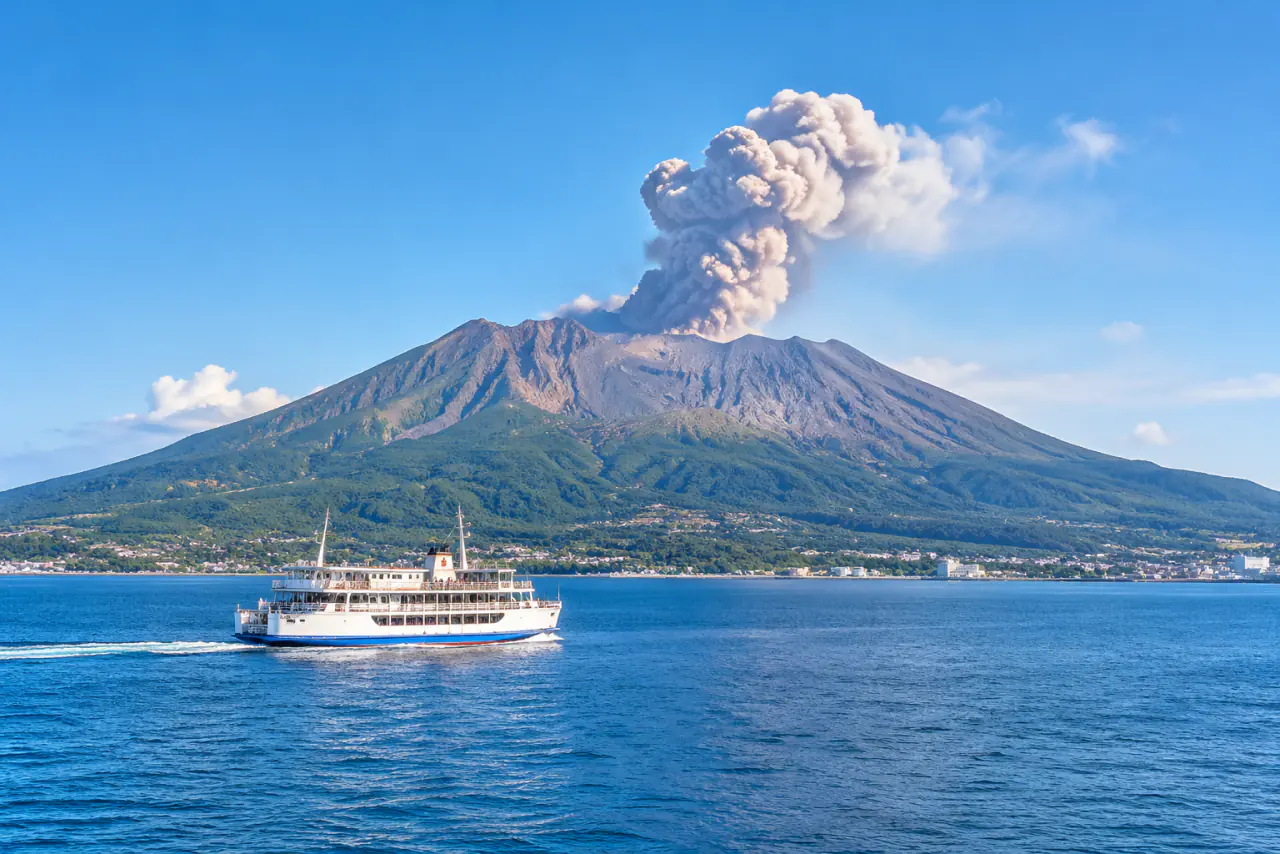
This active volcano is still erupting. It takes about 15 minutes to reach it by ferry from the city port, and the fare is very cheap. On the island, take the sightseeing bus to Yunohira Observatory for close-up views of the mountain and lava fields. Soak your feet at the foot bath near the port, then take the ferry back. Half a day is enough.
Ferry tickets can be paid for with credit cards and transit cards. Access near the summit may be restricted when volcanic activity is high. Wear a mask during ashfall.
-
 2
Sengan-en
仙巌園
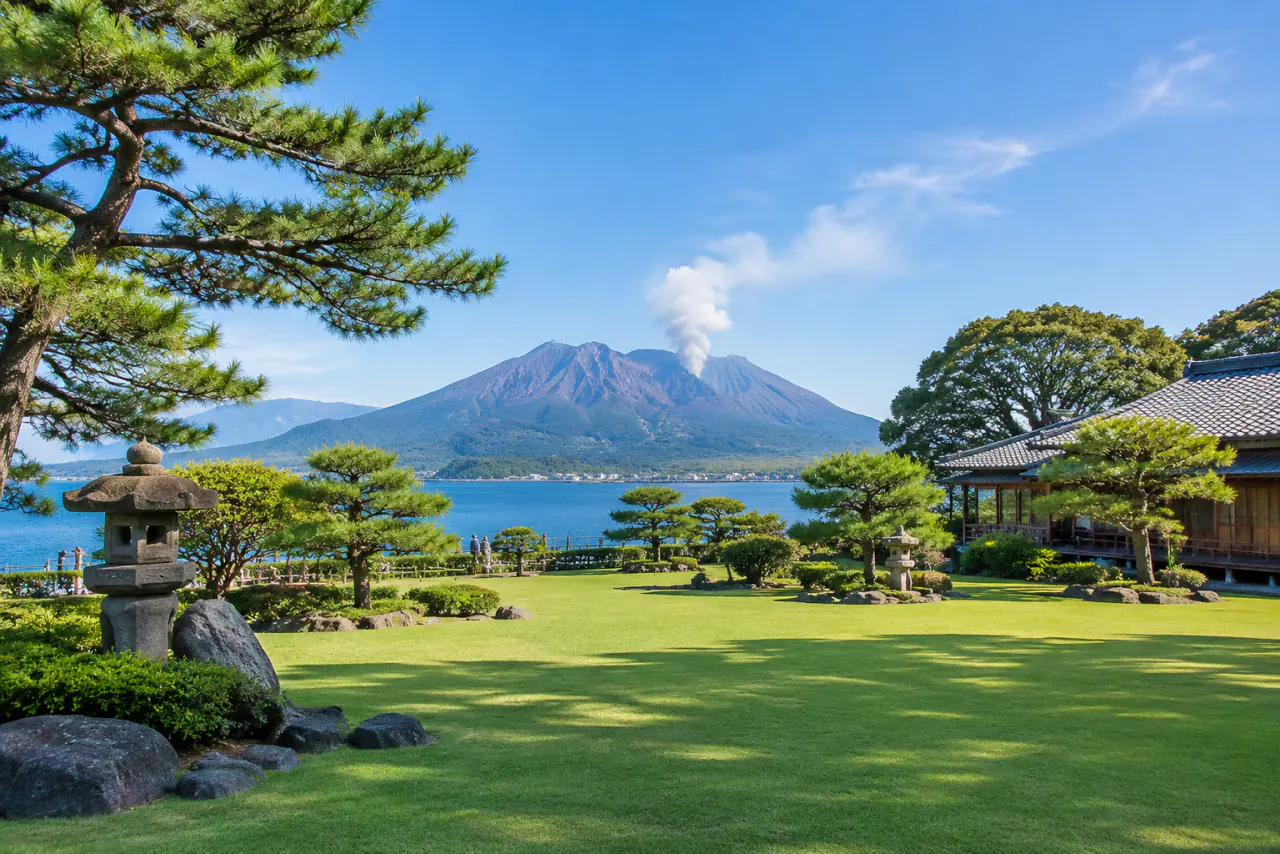
This villa garden of the Shimazu family, lords of the Satsuma domain, uses Sakurajima across the bay as a borrowed landscape, like a miniature mountain, and Kinko Bay as a pond. Its wide-open views are rare among Japanese gardens. The nearby Shoko Shuseikan Museum displays the remains of a modern factory from that era and is part of the World Heritage site commemorating Japan's Meiji Industrial Revolution.
Take the sightseeing bus and get off at Sengan-en-mae. While there, look for the garden's two-stick dango and the Satsuma kiriko glass workshop.
-
 3
Shiroyama Observatory
城山展望台
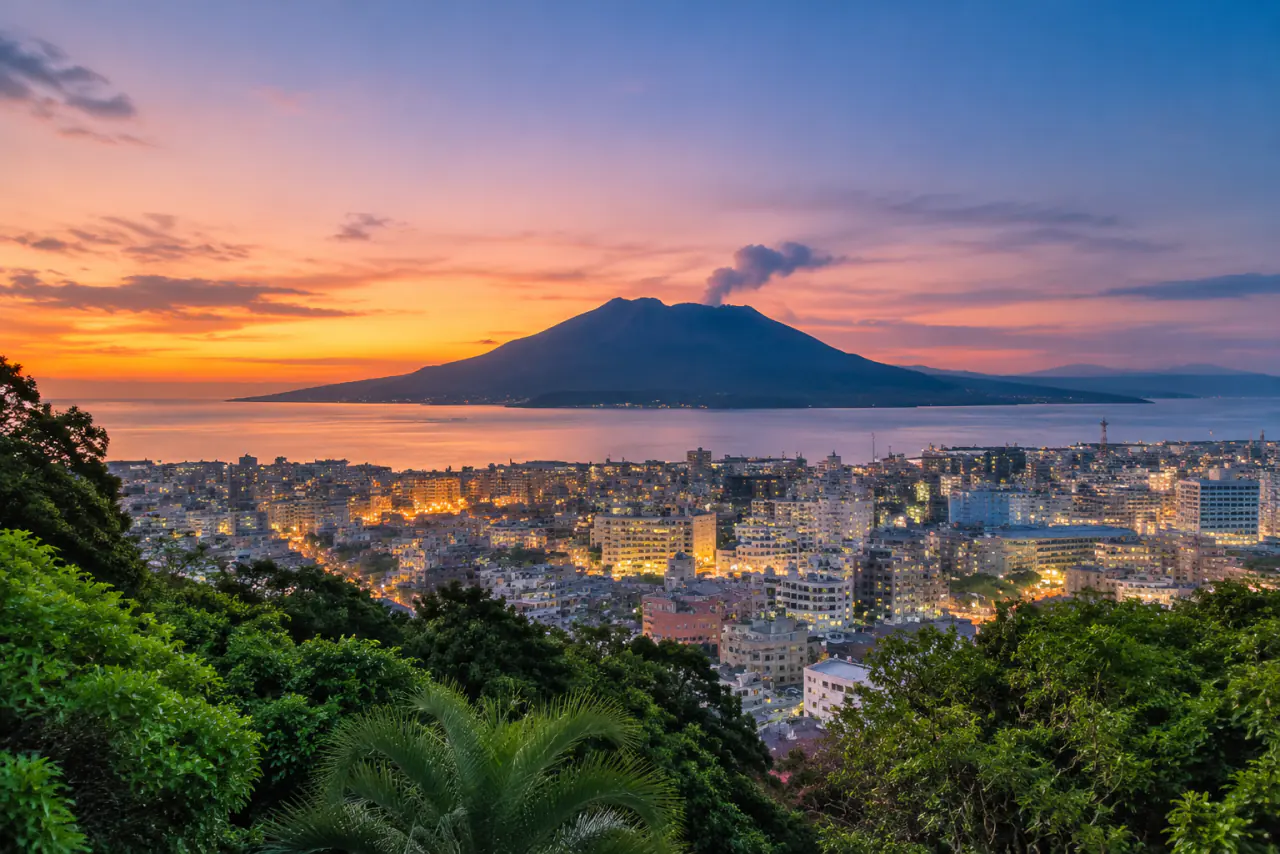
This small hill in the city center was the final battlefield of the Satsuma Rebellion. The observatory faces Kinko Bay and Sakurajima and offers the classic view of the volcano. You can also see the city lights at night. Along the path up the hill is the cave where Saigo Takamori hid during his final days.
Take the sightseeing bus and get off at Shiroyama. Sakurajima's silhouette is best at sunrise, so go in the morning if you can get up early.
-
 4
Ibusuki Sand Bath
指宿砂むし温泉
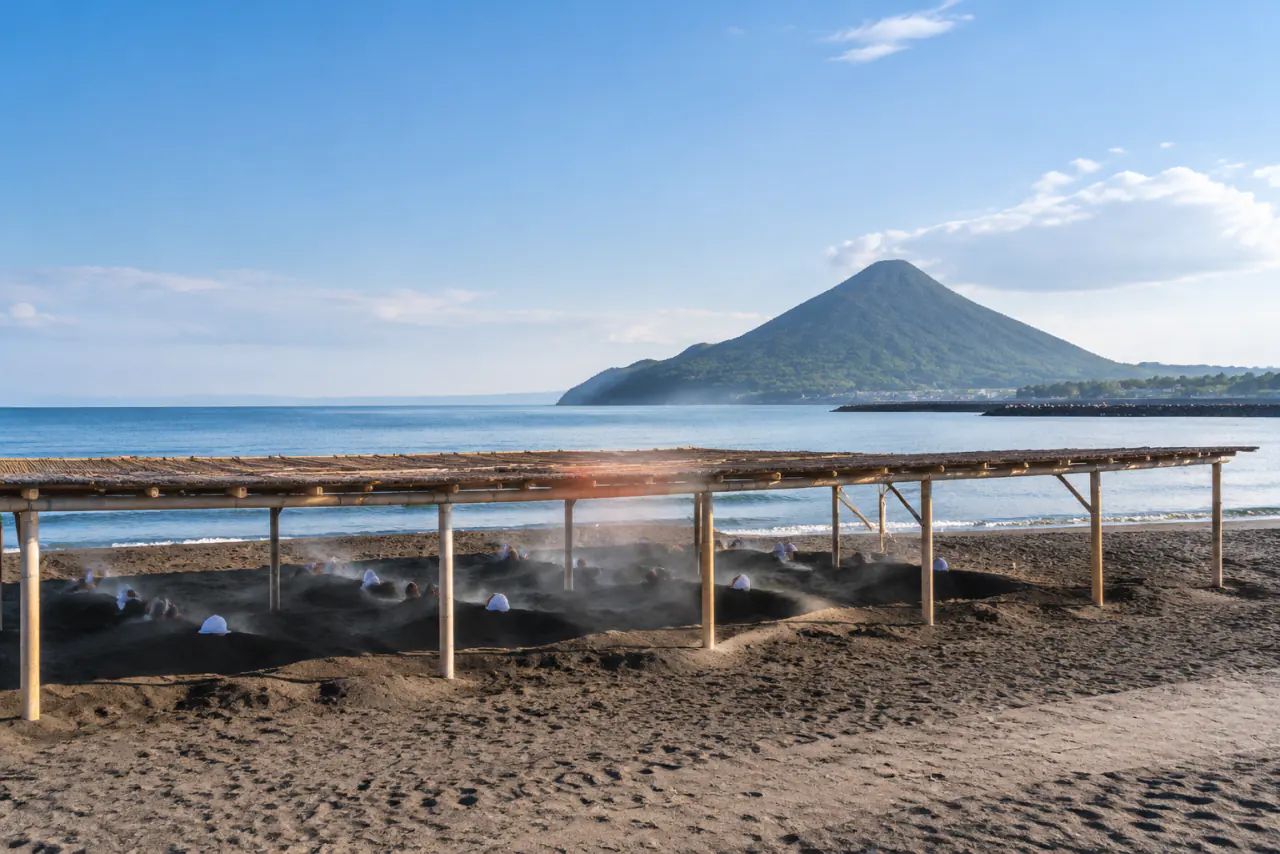
Change into a yukata and lie in hot sand by the sea. Staff use shovels to bury you up to your neck, leaving only your head exposed. After about ten minutes, you'll be sweating heavily. Rinse off, then soak in a regular hot spring. Saraku Sand Bath Hall is the best-known facility. It sits by the beach, with views of the sea.
The Ibusuki no Tamatebako sightseeing train takes about 50 minutes from Kagoshima-Chuo. All seats are reserved, so book ahead.
-
 5
Chiran Samurai Residences & Peace Museum
知覧武家屋敷・知覧特攻平和会館
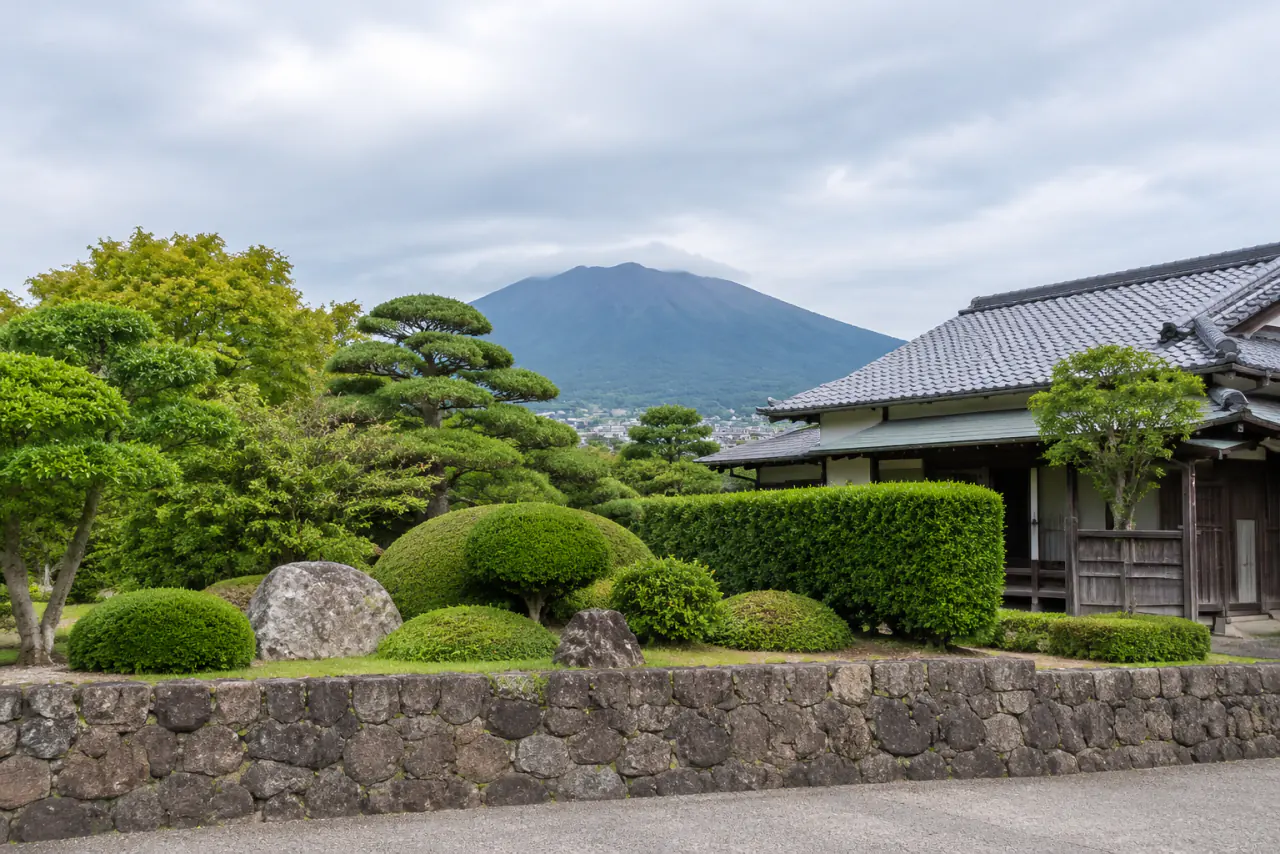
Chiran's samurai-residence district preserves seven gardens open to the public. The neatly trimmed hedges and stone walls have a distinctive charm. Nearby, the Chiran Peace Museum for Kamikaze Pilots tells the story of the young pilots who departed from here near the end of World War II and displays their farewell letters. The exhibits are sobering.
The bus from Kagoshima-Chuo Station takes more than 1 hour, and services are infrequent. You can combine it with Ibusuki in the same day.
-
 6
Kirishima Jingu
霧島神宮
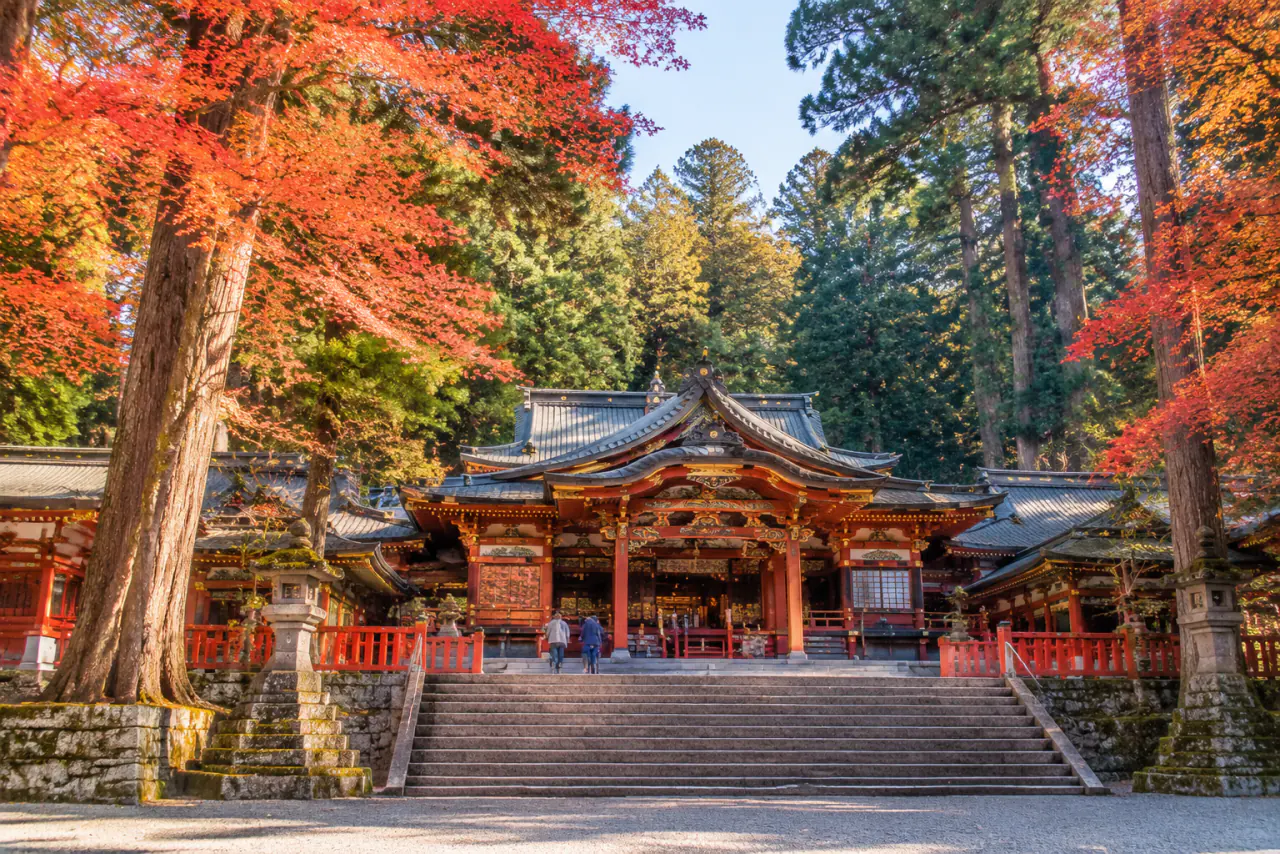
Surrounded by towering cedar trees, this vermilion shrine has finely carved, brightly colored buildings and is known as the Nikko of western Japan. The maple leaves along the approach are beautiful in fall. Nearby Kirishima Onsen lets you pair a day of bathing with a shrine visit.
Take the JR train to Kirishima-Jingu Station, then transfer to a bus for about 10 minutes. Kirishima Onsen is in the mountains and is colder in winter.
-
 7
Shiratani Unsuikyo, Yakushima
白谷雲水峡
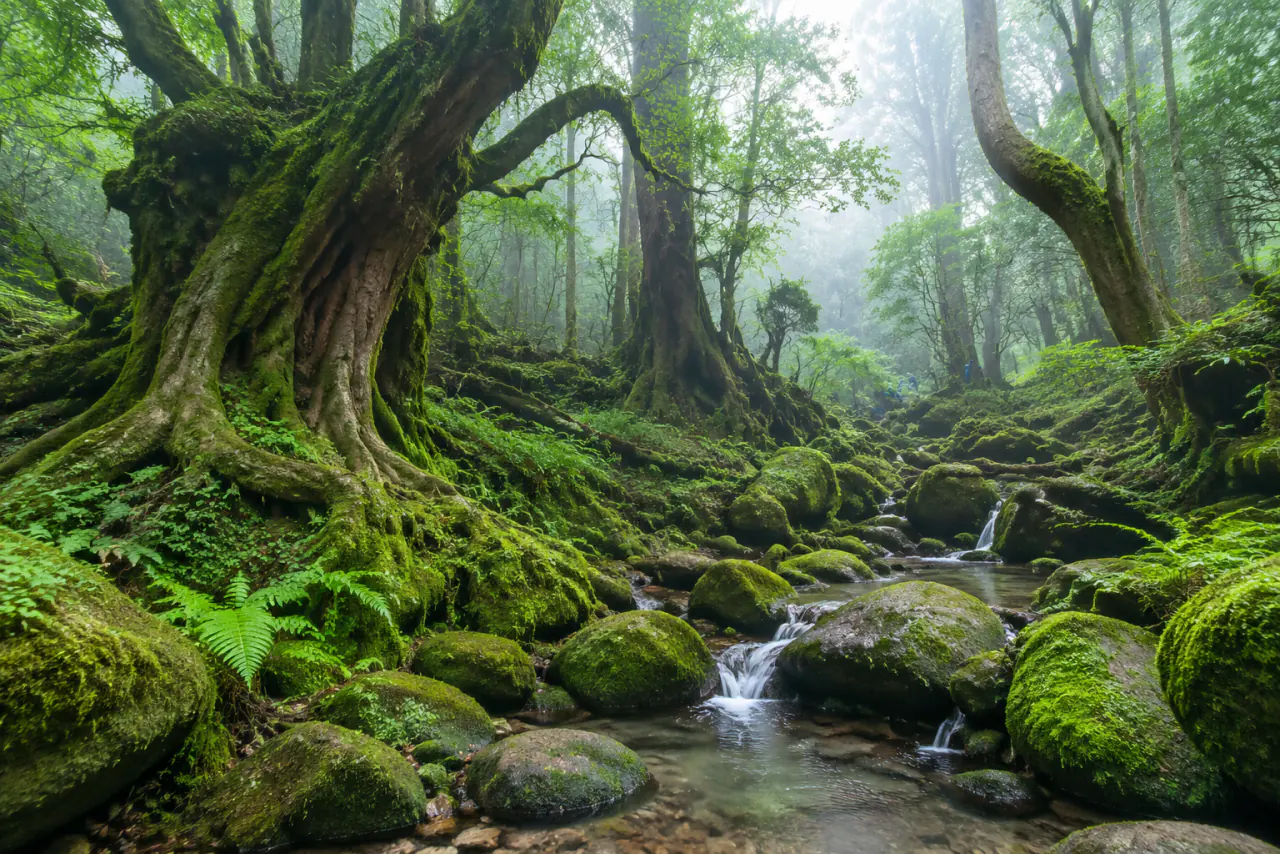
This primeval forest is thick with moss, streams, giant cedars, and moss-covered ground. It was one of the inspirations for Hayao Miyazaki's Princess Mononoke. The round trip to the mossy forest takes about 4 hours and is moderately difficult. It is much more manageable than the 10-hour route to Jomon Sugi and suits most visitors.
A forest conservation contribution is required. Yakushima gets frequent rain, so bring rain gear and slip-resistant hiking shoes.
-
 8
Jomon Sugi
縄文杉
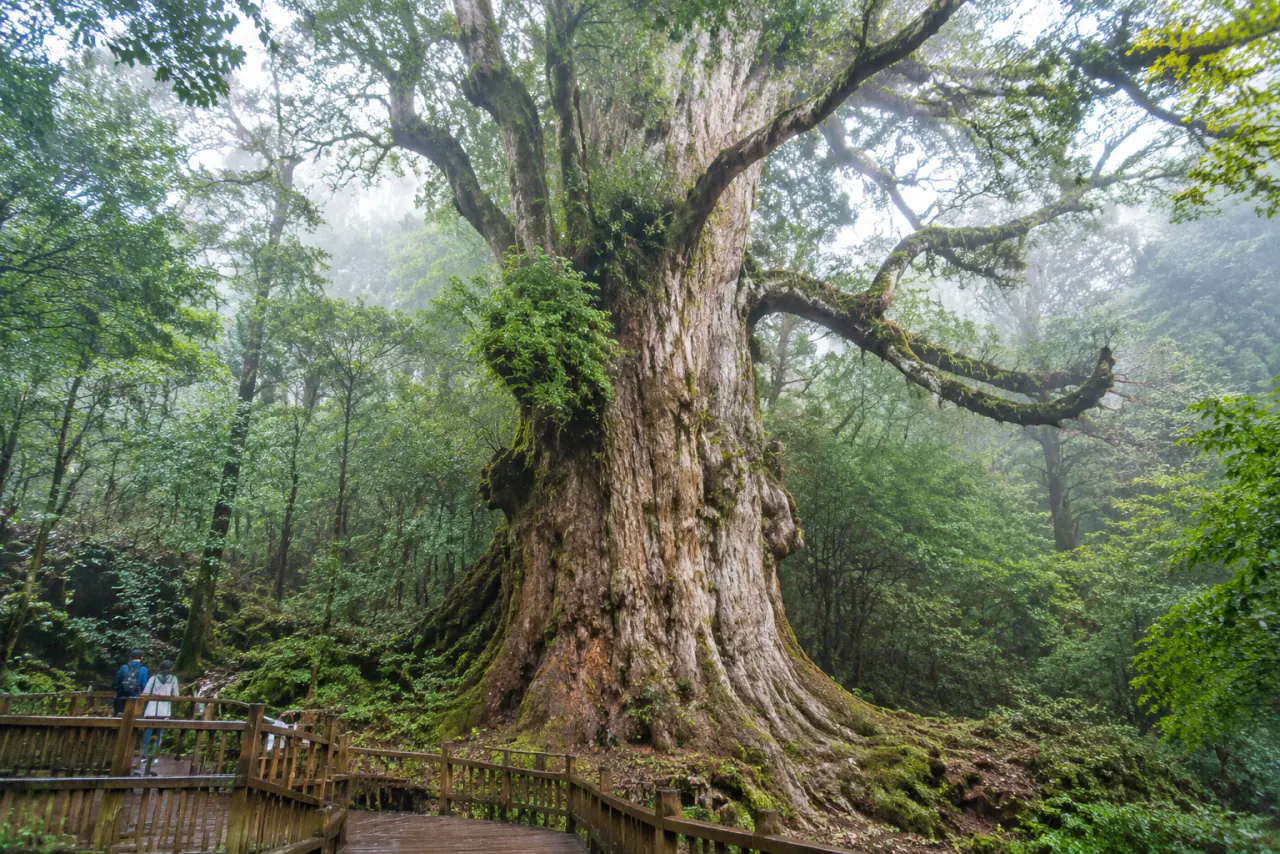
Yakushima's most famous ancient cedar is said to be several thousand years old, with a trunk so broad that you have to walk around it. But the round trip from Arakawa Trailhead is about 22 kilometers and takes around 10 hours. Most of the route follows old railway tracks, with a climb near the end. If your fitness is average, consider joining a guided group.
Take the mountain bus to Arakawa Trailhead around 5 a.m. or earlier. Order a boxed lunch and bus ticket the night before, and return before dark.
What to eat
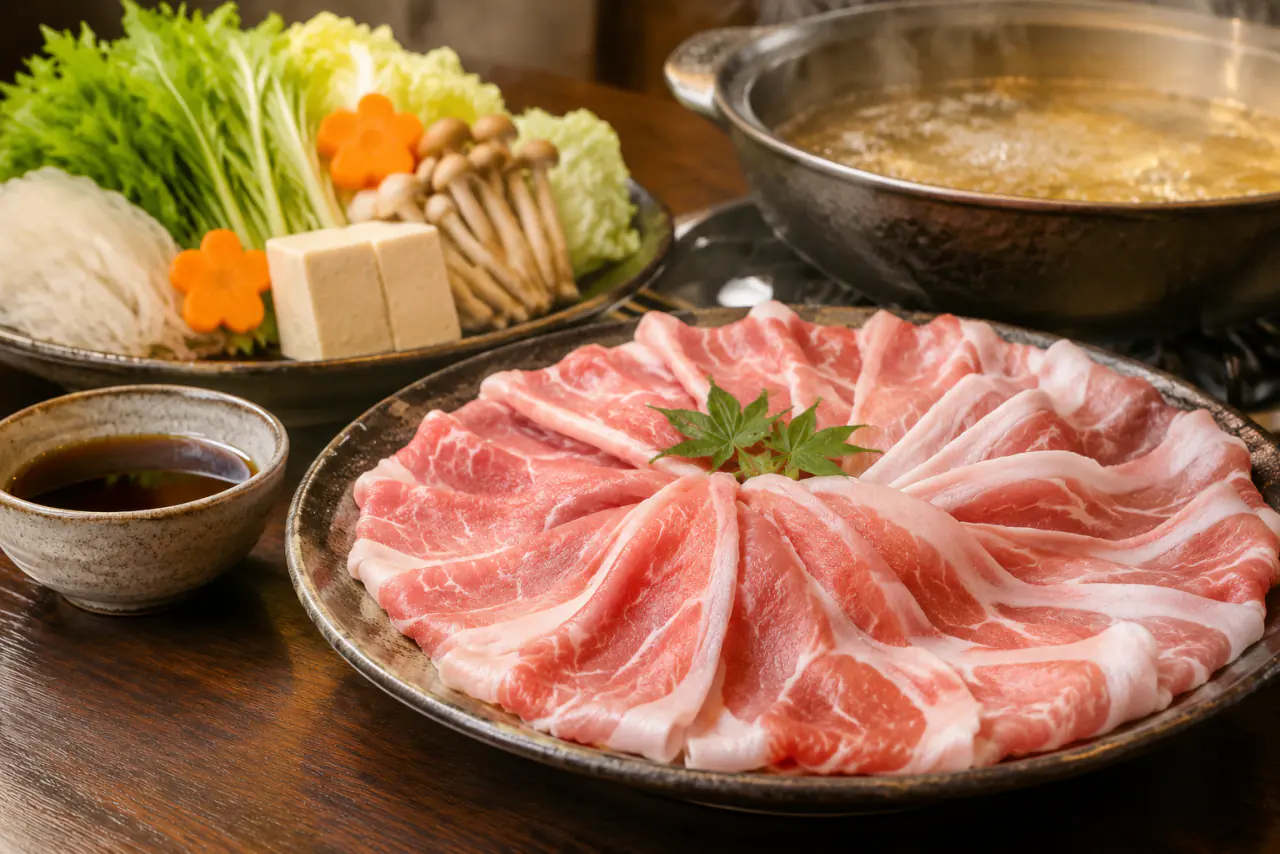
Kurobuta pork shabu-shabu
Kagoshima's Kurobuta pork has fine-grained meat and sweet fat. Swish it in the hot pot for a few seconds, then dip it in soba dipping sauce or ponzu. Tonkatsu is another classic way to enjoy the pork.
Specialty restaurants around Tenmonkan and Kagoshima-Chuo Station · About ¥3,000–6,000 per person
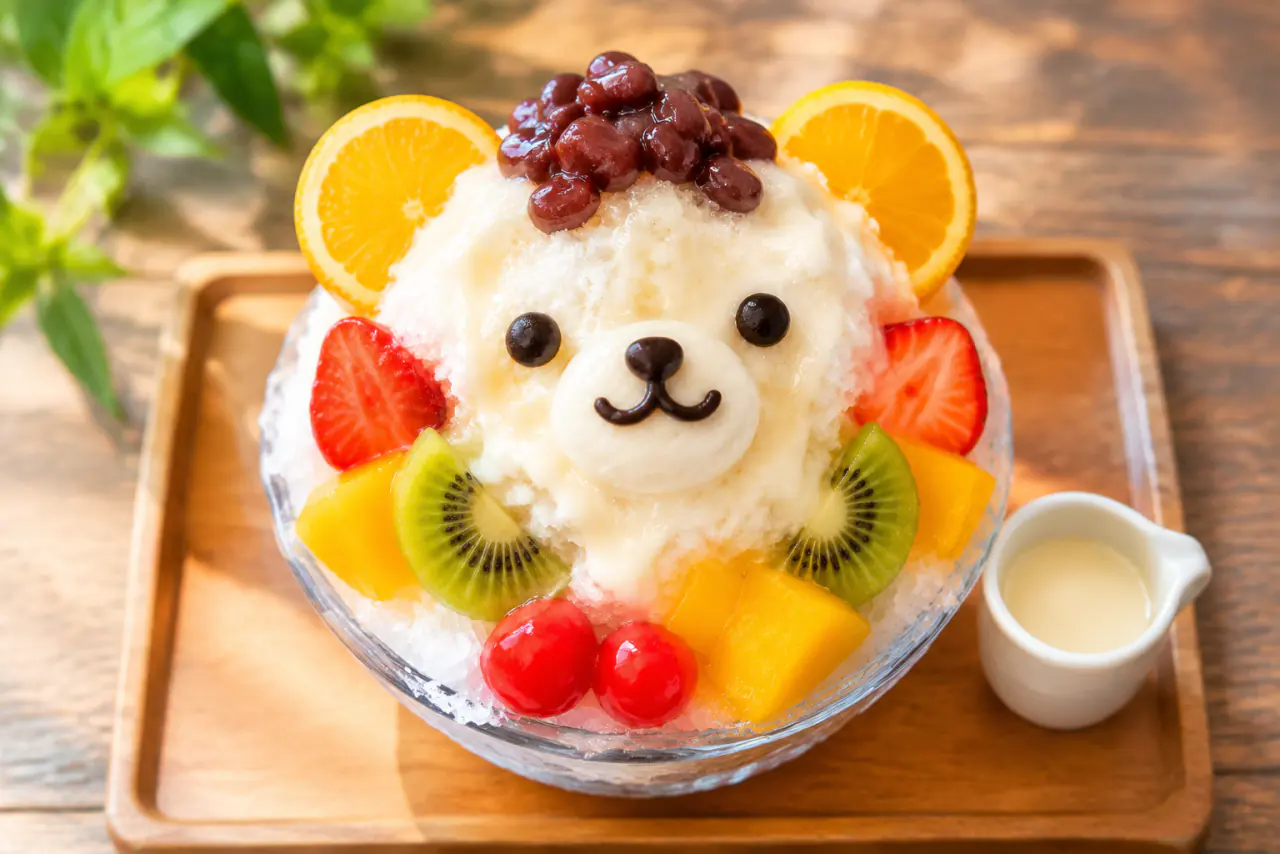
Shirokuma shaved ice
This shaved ice is topped with condensed milk, fruit, and red beans. From above, it looks like a polar bear's face. The portions are large, so one bowl is just right for two people. It is a Kagoshima summer staple.
Dessert shops and cafes around Tenmonkan · About ¥800–1,200 per bowl
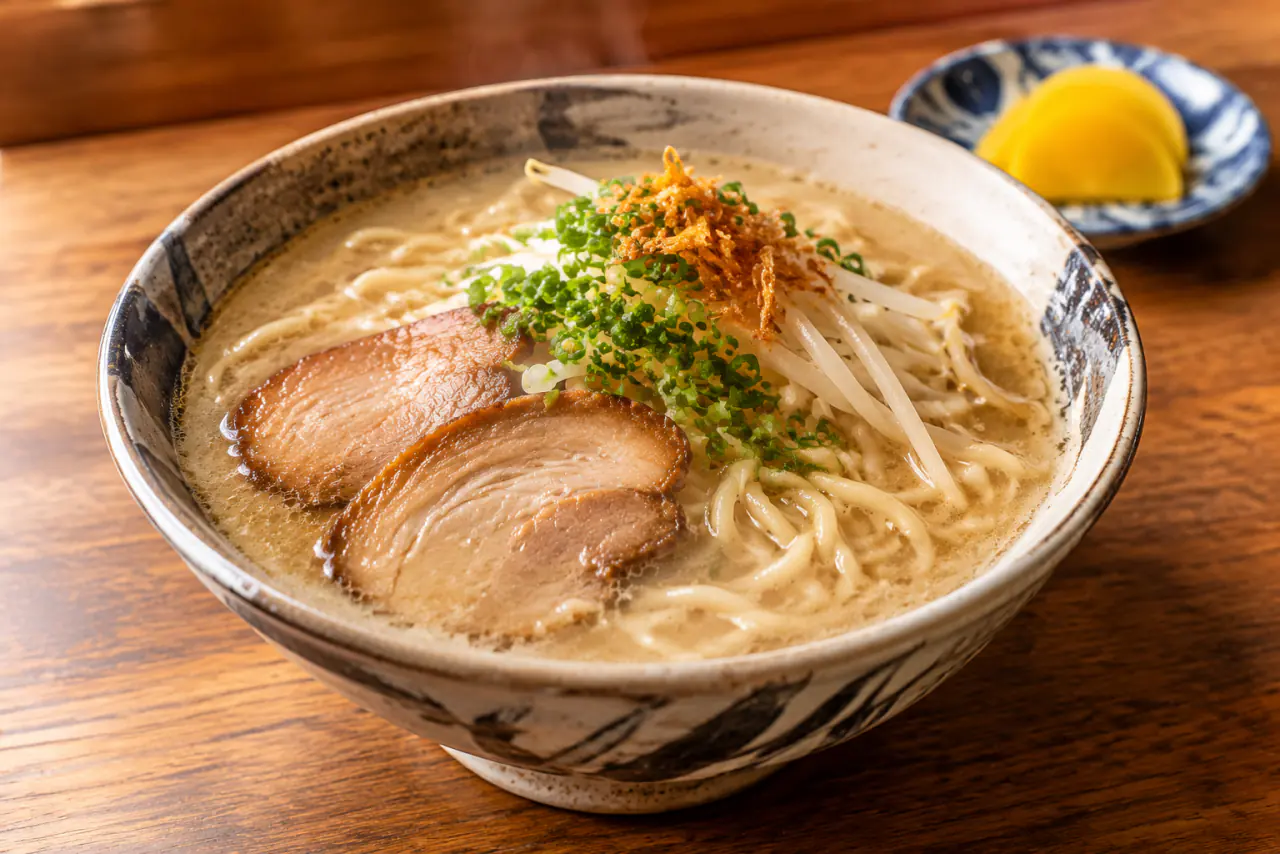
Kagoshima ramen
The broth is made with pork and chicken bones. It is lighter than Hakata ramen, with thicker noodles. Many shops first serve a dish of pickled radish to eat alongside the ramen. That is the local custom.
Around Kagoshima-Chuo Station and Tenmonkan · About ¥800–1,100 per bowl
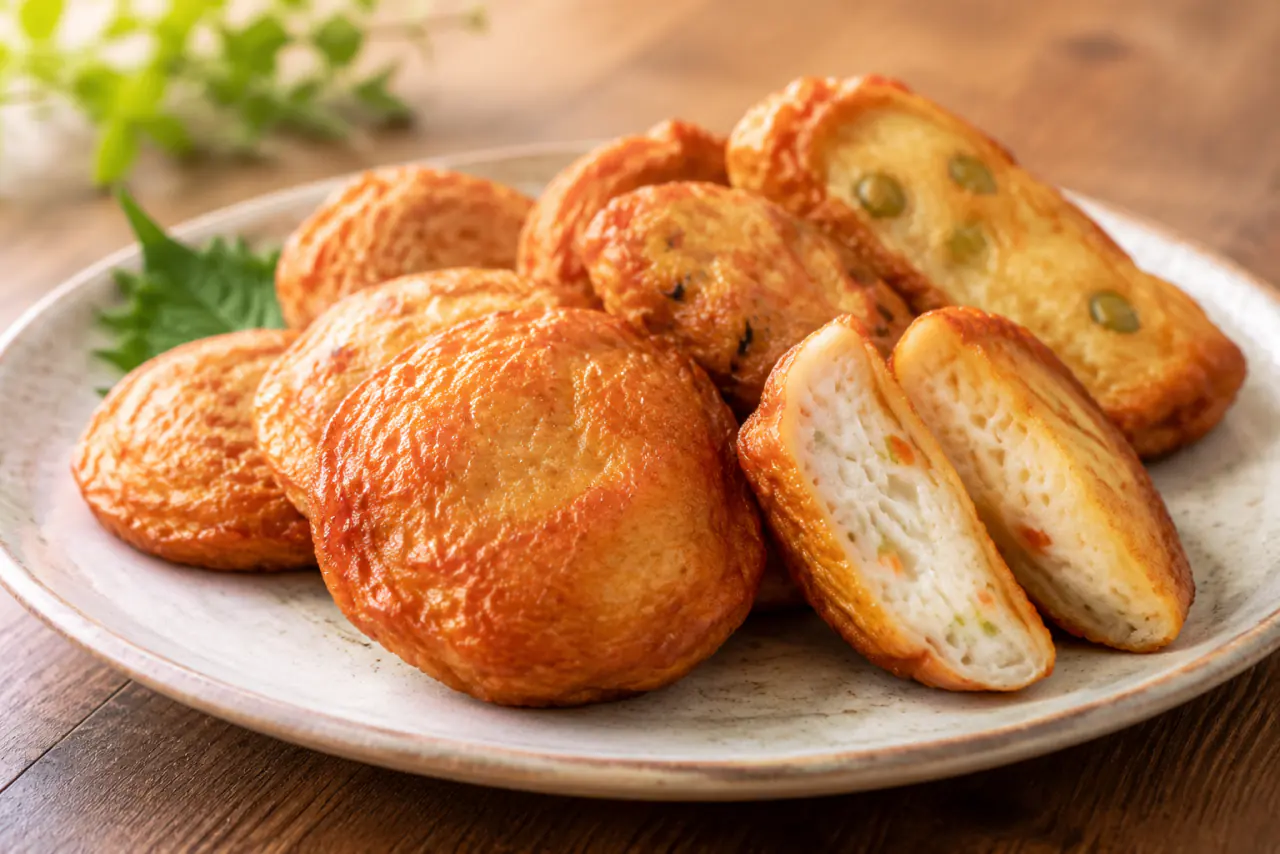
Satsuma-age
Fish paste is seasoned with a little sweet rice wine and sugar, then deep-fried. The texture is soft and springy, with a mild sweetness. Varieties include vegetables and cheese. Freshly fried pieces are best eaten hot as you walk.
Long-running shops and souvenir stores around Kagoshima-Chuo Station and Tenmonkan · About ¥150–400 each
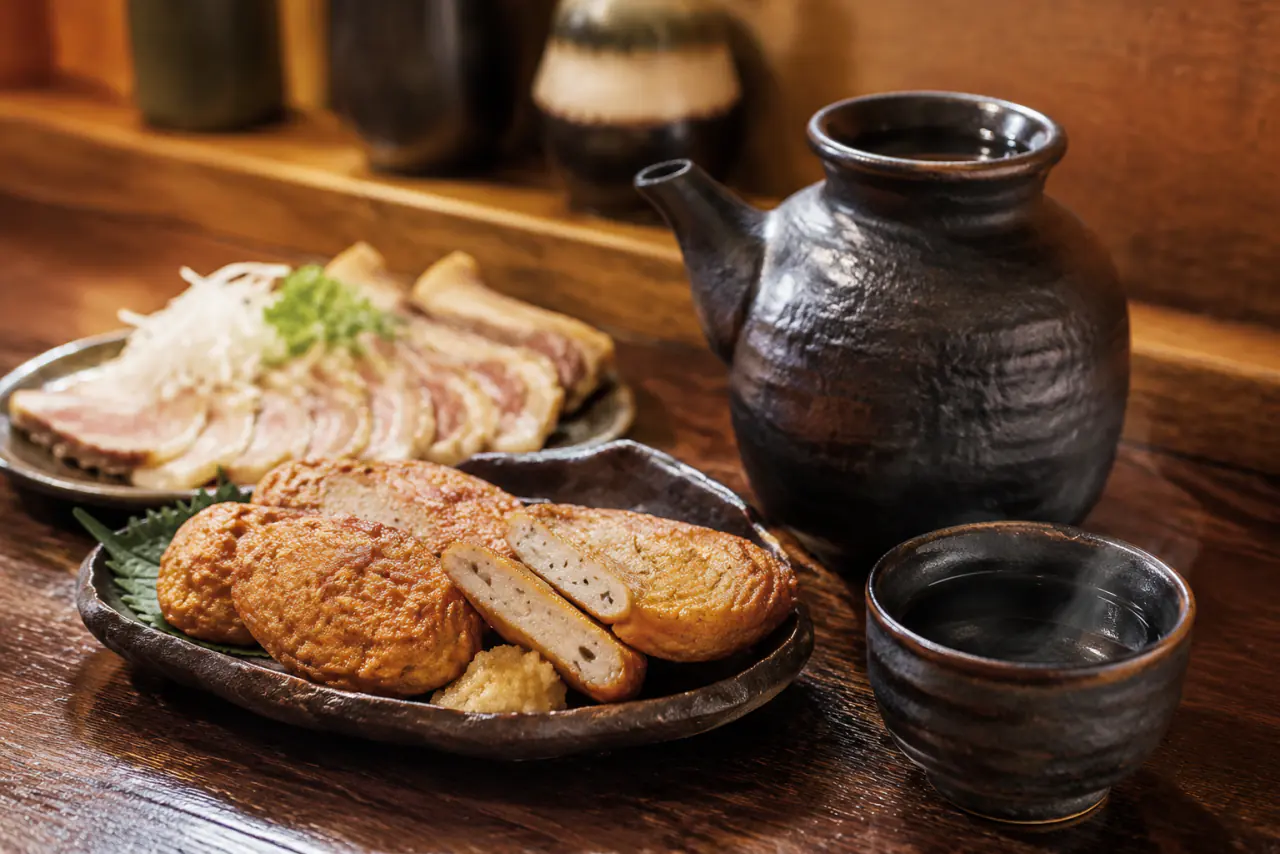
Imo shochu
This distilled spirit is made from sweet potatoes and has a roasted sweet-potato aroma. Locals often mix it with hot water, which softens the alcohol and brings out the fragrance. It pairs well with Kurobuta pork and Satsuma-age.
Izakaya and liquor shops in Tenmonkan · About ¥500–800 per glass
Getting there · Where to stay
Kyushu Shinkansen from Hakata to Kagoshima-Chuo; Mizuho trains take about 1 hour 20 minutes
Airport bus to Kagoshima-Chuo Station takes about 40 minutes. Services are frequent, and reservations are not required.
Kyushu Shinkansen from Kumamoto to Kagoshima-Chuo takes about 45 minutes at the fastest
High-speed ferries from Kagoshima Port take about 1 hour 50 minutes. Flights are also available. Services are easily suspended in strong winds.
Stay around Kagoshima-Chuo Station or Tenmonkan. The former is convenient for the Shinkansen and airport buses, while the latter has the greatest concentration of restaurants and shops. Stay in Ibusuki for sand baths, Kirishima for hot springs, and Miyanoura or Anbo on Yakushima.
Know this before you go
- The city sightseeing bus is the easiest way to reach urban attractions. Some day passes also include the Sakurajima ferry, so check the coverage before buying.
- Sakurajima often sends volcanic ash into the air. Bring a mask and glasses. Ash can easily get under contact lenses.
- Ferries and flights to Yakushima are easily canceled because of weather. Leave at least 1 buffer day after your return trip.
- Driving in Japan depends on your licence and the required documents. To visit Yakushima and Chiran, you can use buses, private cars with drivers, or guided tours.