Cloudborne Travel
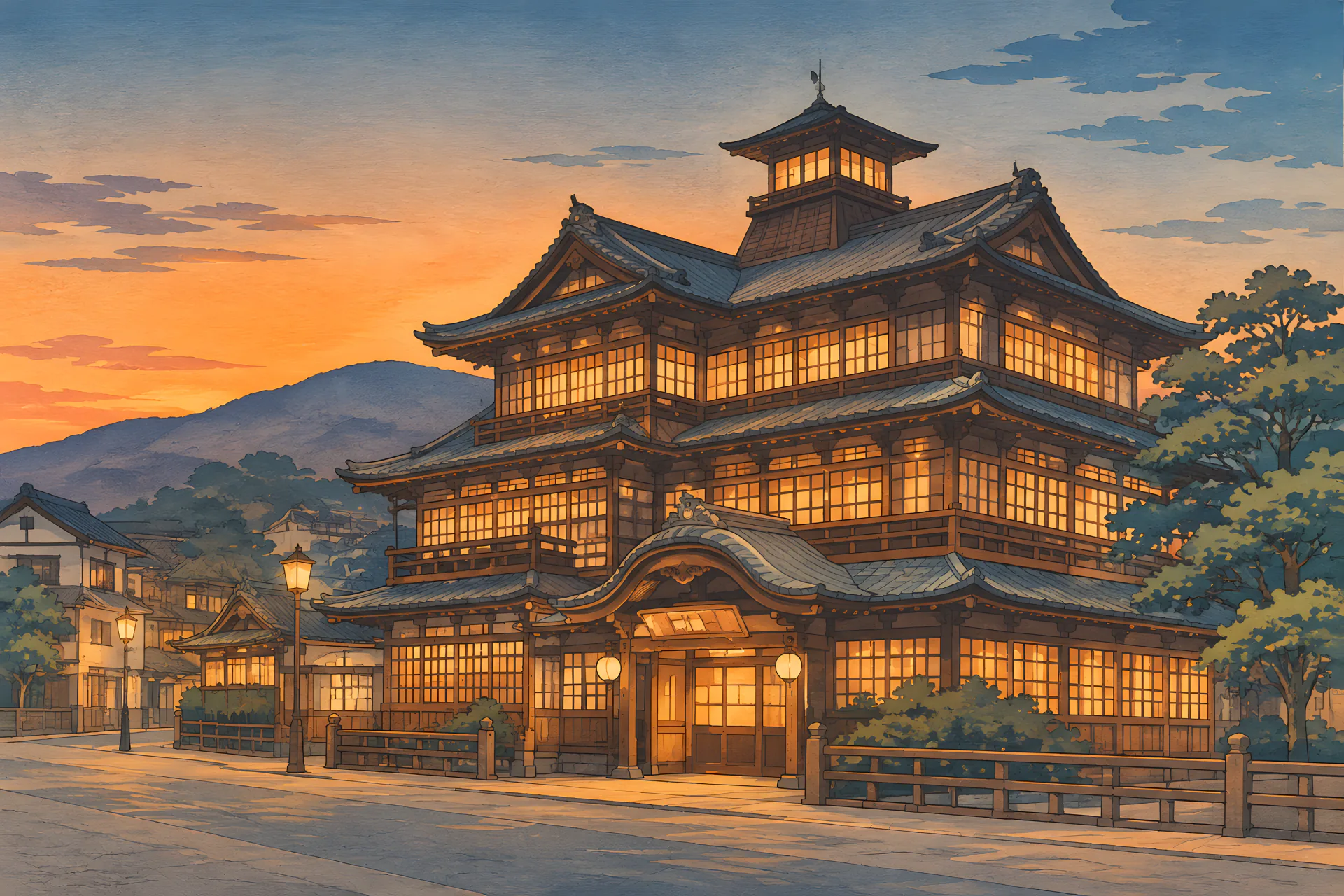
Ehime Prefecture sits in northwestern Shikoku, facing the Seto Inland Sea. Matsuyama, the prefectural capital, has streetcars. At one end is Matsuyama Castle, with one of Japan's original Edo-period keeps. At the other is Dogo Onsen, said to be 3,000 years old and considered one of the inspirations for the bathhouse in Spirited Away. Both are in the city, just over 20 minutes apart by streetcar.
To the north, the Shimanami Kaido crosses six islands from Imabari to Onomichi in Hiroshima. Its bridges have dedicated bike lanes, making it a bucket-list route for cyclists worldwide. To the south are quiet old towns such as Uchiko and Ozu, plus seaside Shimonada Station. Ehime is also Japan's best-known citrus-growing region, with mikan everywhere from fall through early spring.
Spring and fall are the most comfortable seasons for cycling the Shimanami Kaido. Summer is intensely sunny, and winter brings cold sea winds. The mikan season runs from November to March.
Monthly weather
Based on MatsuyamaBest time to visit Monthly precipitation (mm) Open-Meteo (ERA5), 1996–2025 average
| Month | Average high (°C) | Average low (°C) | Monthly precipitation (mm) | Days with 1 mm or more of precipitation |
|---|---|---|---|---|
| Jan | 10.1 | 4 | 69 | 11 |
| Feb | 11.2 | 4.4 | 82 | 11 |
| Mar(Good time to visit) | 15 | 7.2 | 117 | 12 |
| Apr(Good time to visit) | 19.8 | 11.7 | 130 | 11 |
| May(Good time to visit) | 24 | 16.6 | 164 | 11 |
| Jun | 26.9 | 21.1 | 263 | 16 |
| Jul | 30.8 | 25.2 | 236 | 17 |
| Aug | 32 | 26 | 169 | 16 |
| Sep(Good time to visit) | 29 | 22.8 | 187 | 14 |
| Oct(Good time to visit) | 23.9 | 16.9 | 141 | 10 |
| Nov(Good time to visit) | 18.3 | 11.1 | 90 | 9 |
| Dec | 12.6 | 6 | 78 | 11 |
Sights
-
 1
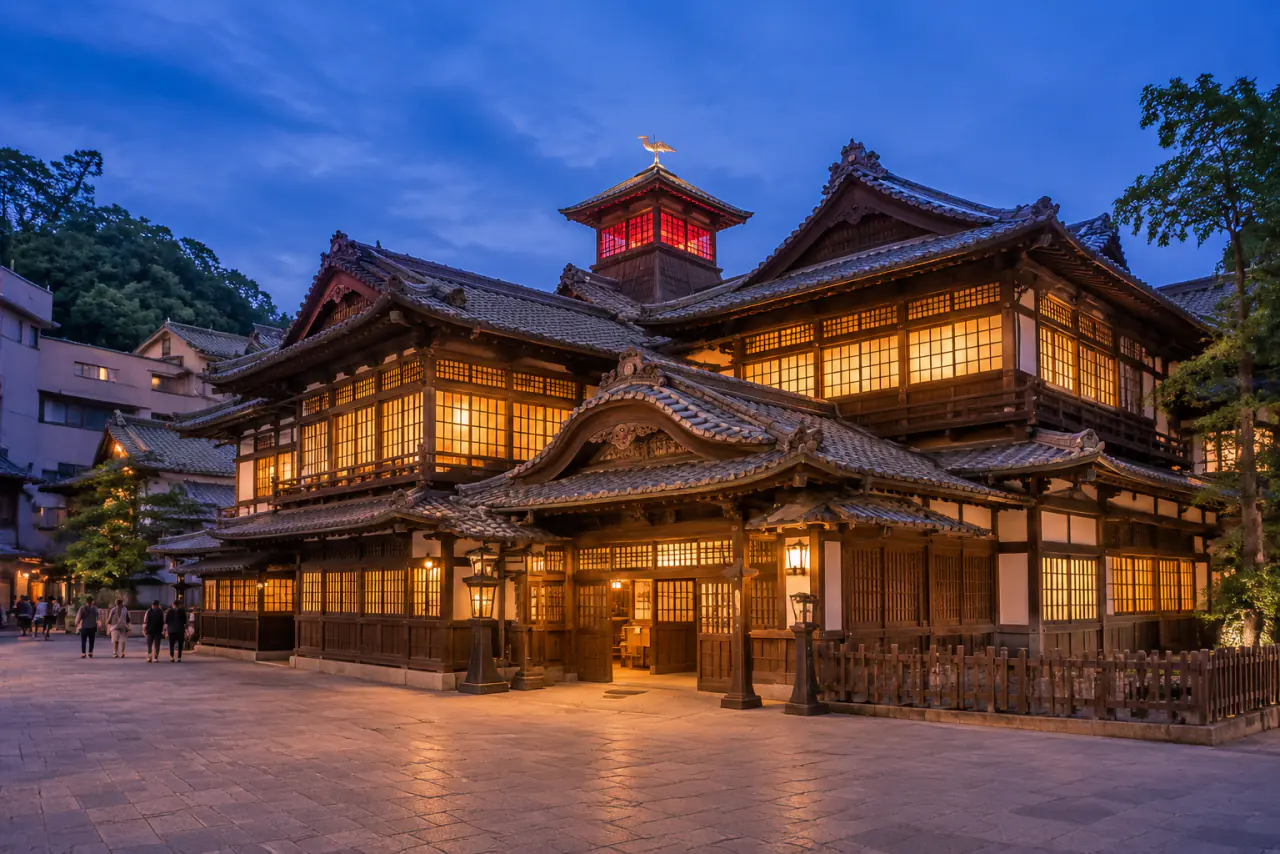
Dogo Onsen Honkan
道後温泉本館
Built in 1894, this wooden public bathhouse was the first public bath in Japan to be designated an Important Cultural Property. A preservation and restoration project lasting about 6 years was completed in December 2024. The simplest option is to bathe in Kami no Yu on the first floor. Pay extra to relax and have tea on the second floor. The nearby Asuka-no-Yu and Tsubaki-no-Yu baths are also worth trying.
It is less crowded when the doors open at 6 a.m. and after dinner. The three-bath pass is valid for two days and costs about 20% less than buying separate tickets.
-
 2
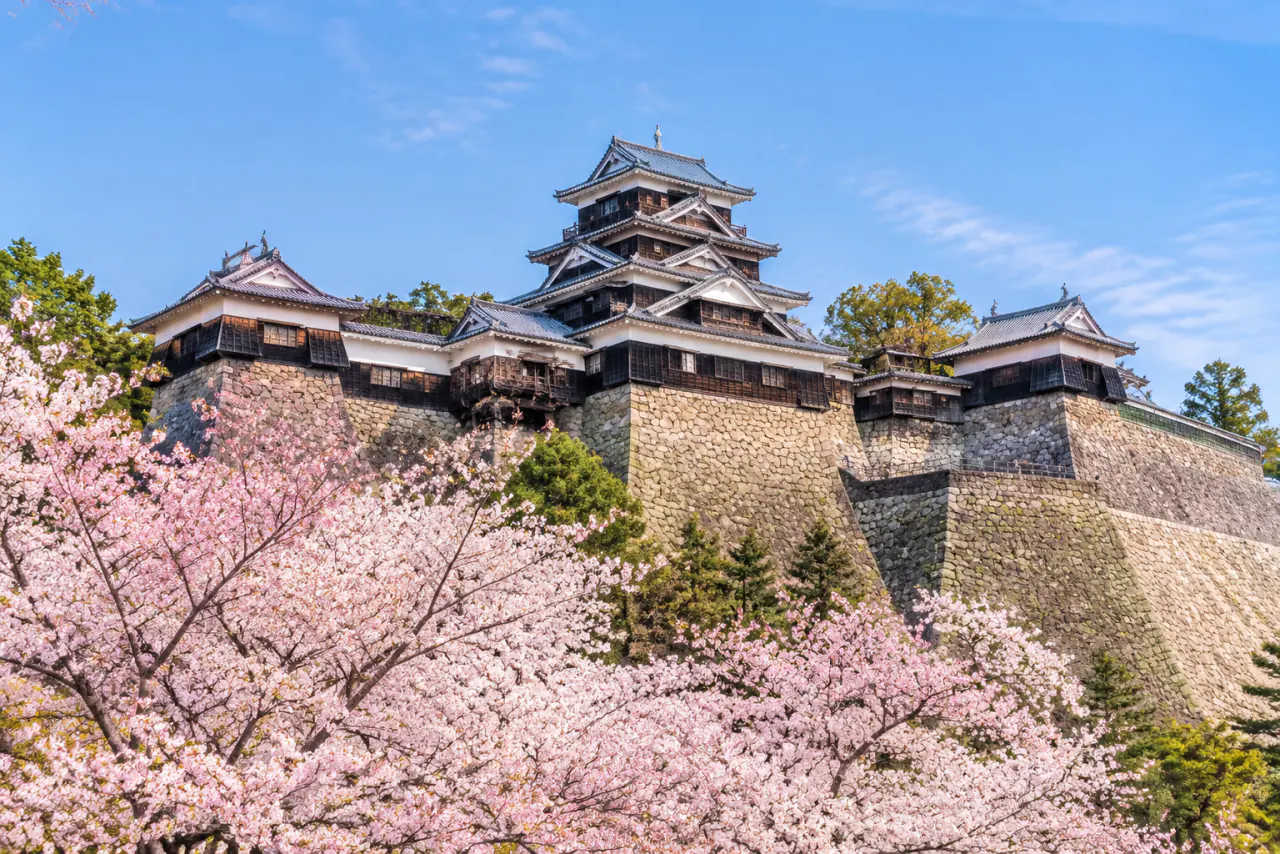
Matsuyama Castle
松山城
This castle stands atop Mount Katsuyama in the city center and is one of Japan's 12 original castle keeps. Its many layers of walls are impressive. Take the ropeway or chairlift up. On the way down, you can take either one, or walk for about 20 minutes. The top floor of the keep overlooks the entire Matsuyama Plain and the Seto Inland Sea. The grounds are full of cherry blossoms in spring.
The chairlift has no cover and stops in the rain. The ropeway and chairlift use the same ticket, so you can choose either one.
-
 3
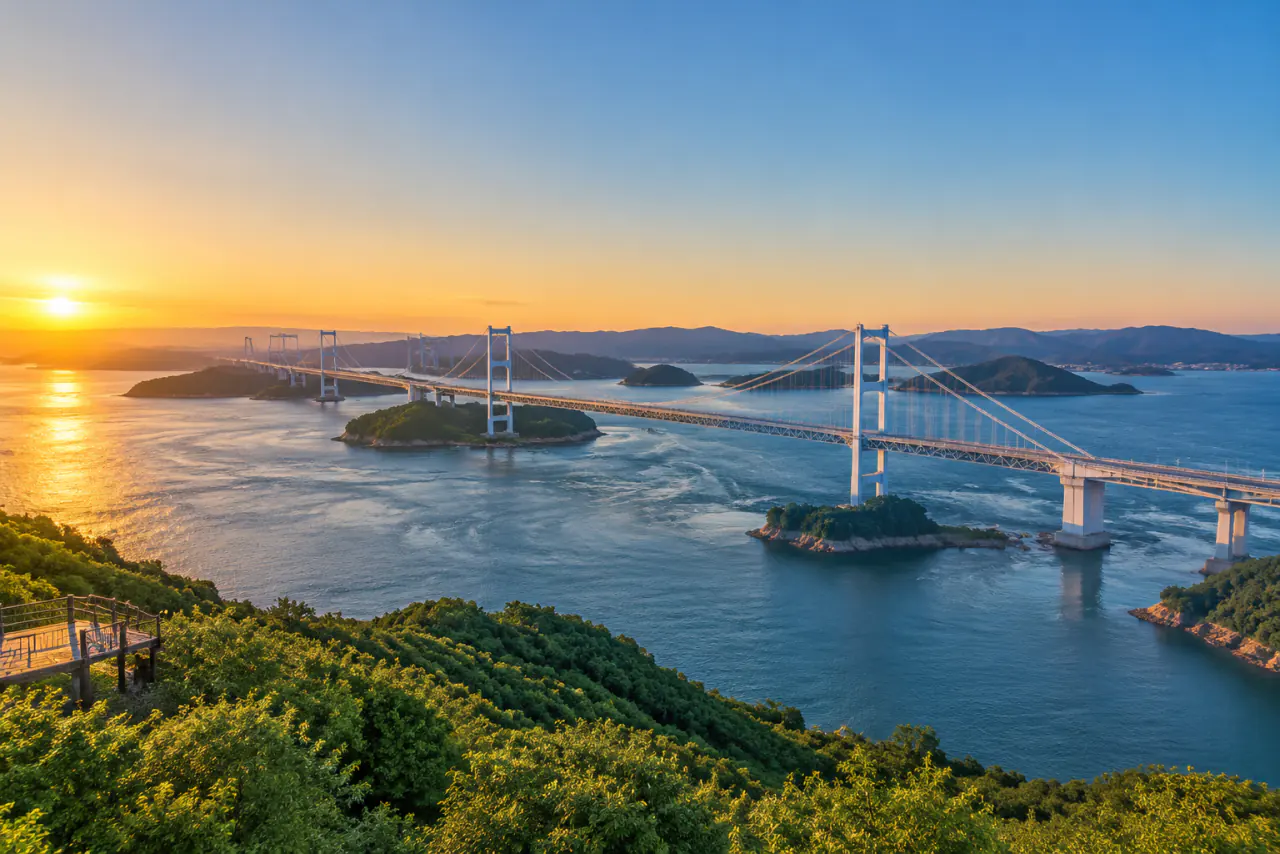
Shimanami Kaido & Mt. Kiro Observatory
しまなみ海道・亀老山展望公園
The route from Imabari to Onomichi is about 70 kilometers long and crosses six islands and seven major bridges. The bridges have bike lanes, and blue lines painted on the road make the route easy to follow. Cycling the entire route in one day is exhausting, so you can ride just the section from Imabari to Oshima. The Mt. Kiro Observatory on Oshima overlooks the Kurushima Kaikyo Bridge and offers the best view along the route.
There are around a dozen rental-bike locations along the route, and some allow one-way returns. If you run out of energy, ride part of the way and switch to a bus or boat.
-
 4
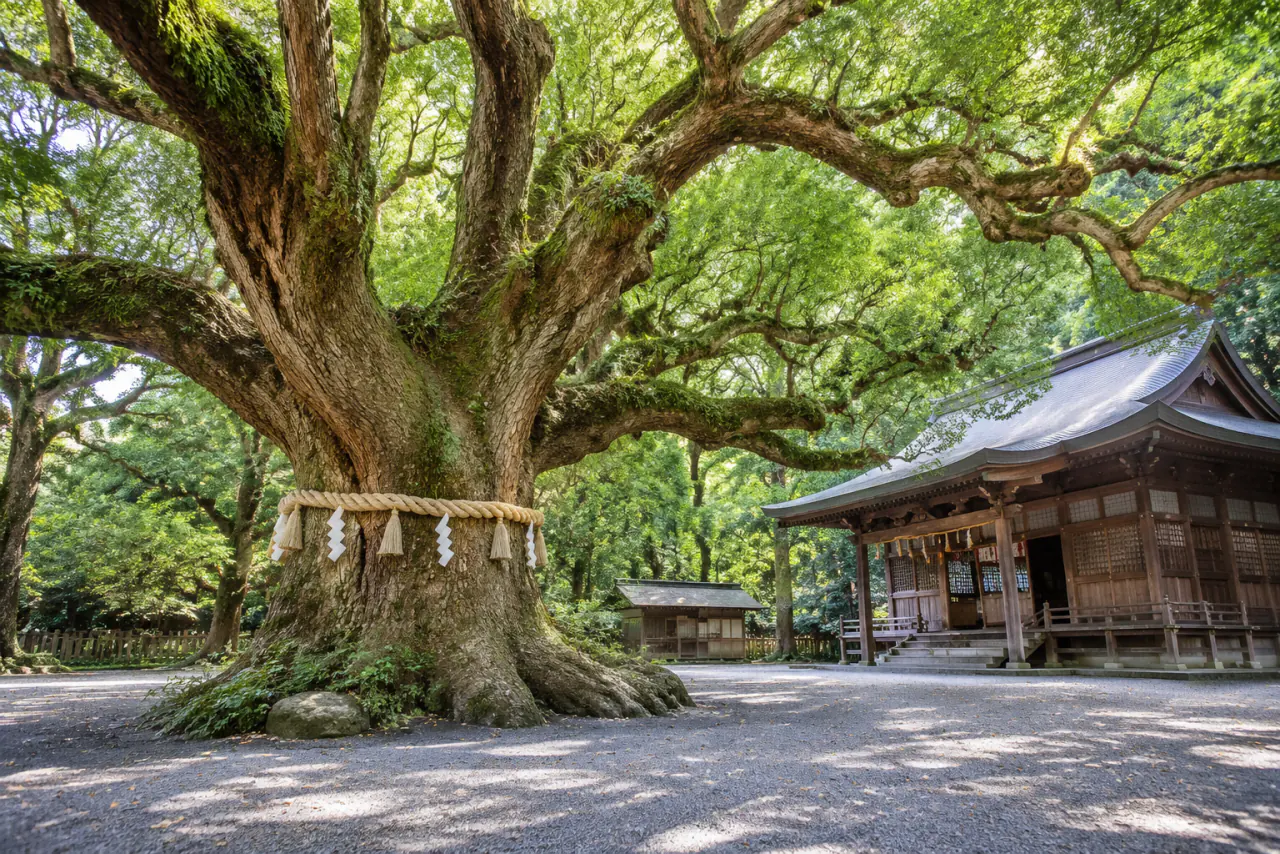
Oyamazumi Shrine
大山祇神社
This ancient shrine on Omishima is dedicated to the mountain and sea gods. Generations of warriors came here to pray for victory and later offered armor and swords, so the treasure museum holds a large collection of weapons designated as National Treasures and Important Cultural Properties. The grounds contain a camphor tree said to be about 2,600 years old. Stop here along the way when cycling the Shimanami Kaido.
-
 5
Uchiko & Ozu
内子・大洲
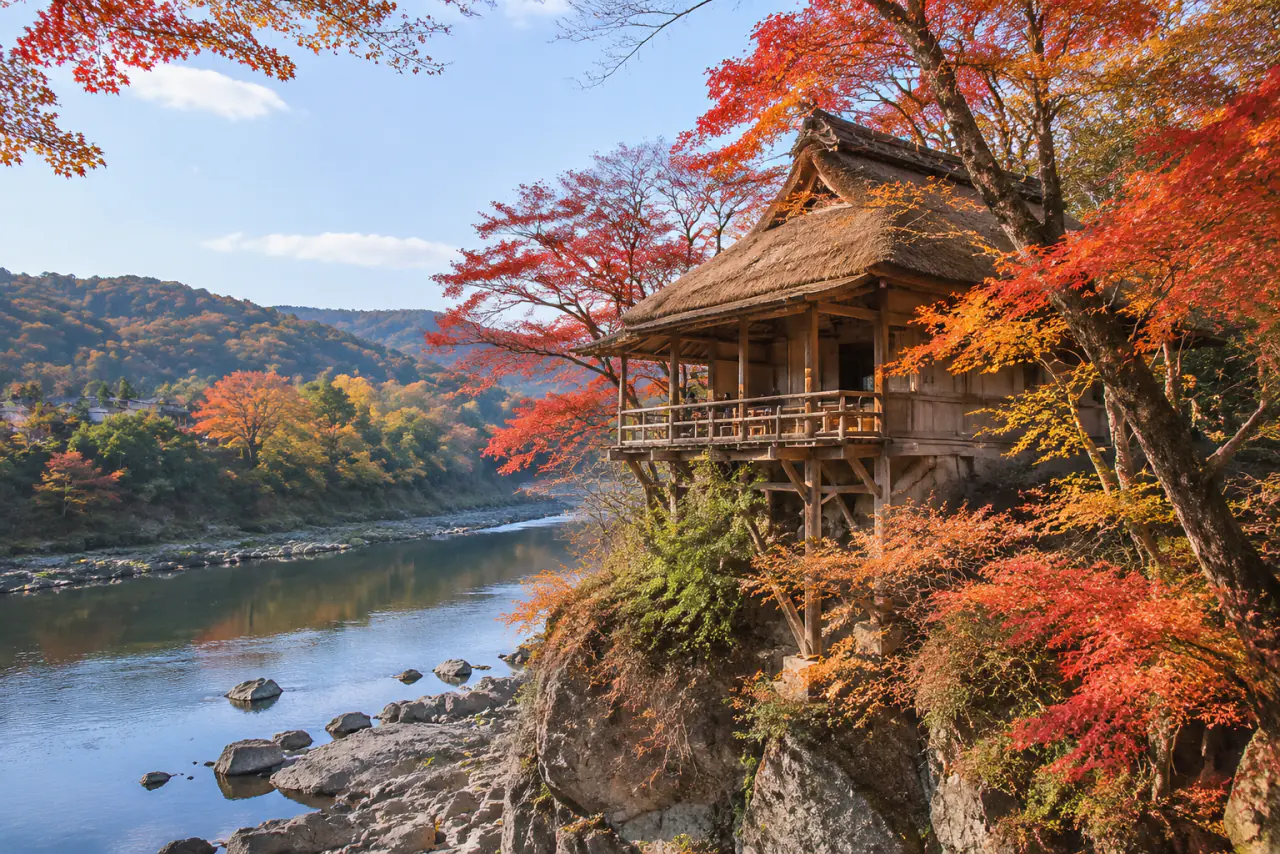
These two quiet towns south of Matsuyama are each about 30 minutes away by JR limited express. Uchiko grew wealthy from wood wax and retains white-walled streets and the 1916 Uchiko-za kabuki theater. Ozu has a wooden reconstruction of Ozu Castle and Garyu Sanso, a villa built on a riverside cliff. The fall foliage is beautiful.
-
 6
Shimonada Station
下灘駅
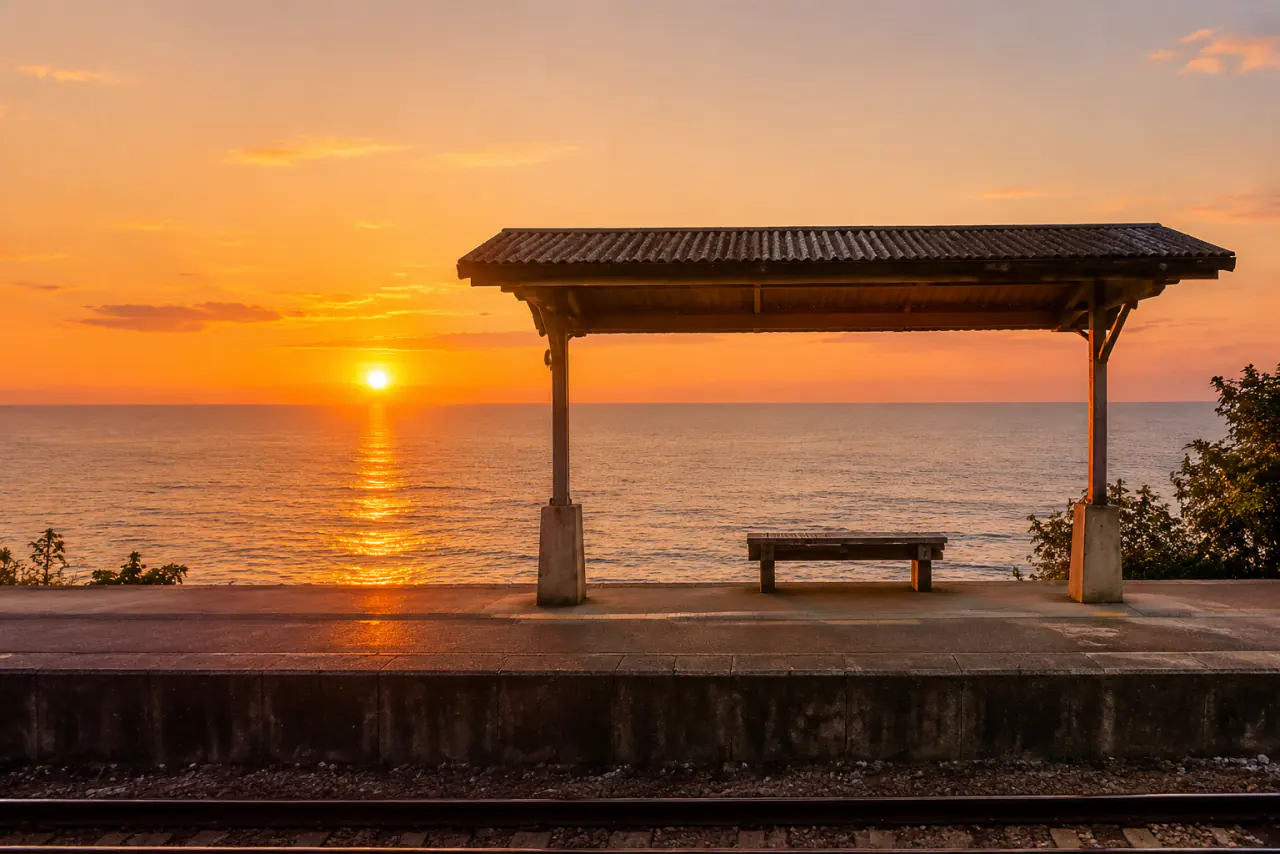
This unmanned station has just one platform, with the Iyo Sea directly in front. It has appeared in many Japanese TV dramas and commercials, and the sunset is especially photogenic. From Matsuyama Station, take a local train on the JR Yosan Line for about 1 hour. The sightseeing train Iyonada Monogatari also stops here for a few minutes.
Trains run only once every 1–2 hours, so check the return schedule before arriving.
-
 7
Mount Ishizuchi
石鎚山
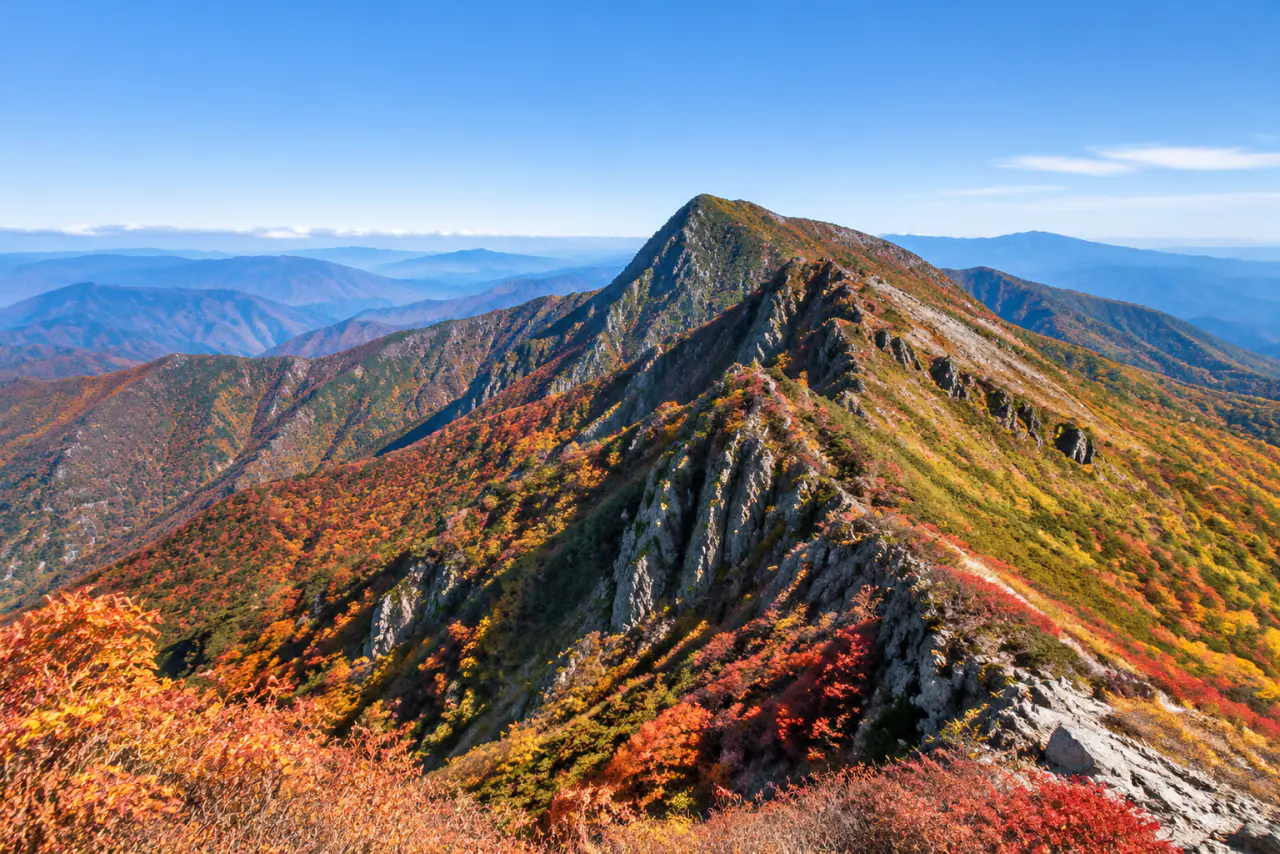
Western Japan's highest peak, Mount Ishizuchi is also a sacred mountain on the ancient Shugendo pilgrimage route. Take the Ishizuchi Tozan Ropeway to the middle of the mountain, then allow about 3 hours one way to the summit. The route includes steep sections with fixed chains, but an easier bypass is available. The fall foliage arrives earlier here than in the lowlands and is at its best from late September to mid-October. Snow in winter requires specialized gear.
Weather changes quickly on the mountain. Bring a windproof jacket and enough water. Do not attempt the climb casually in winter.
What to eat
Tai meshi
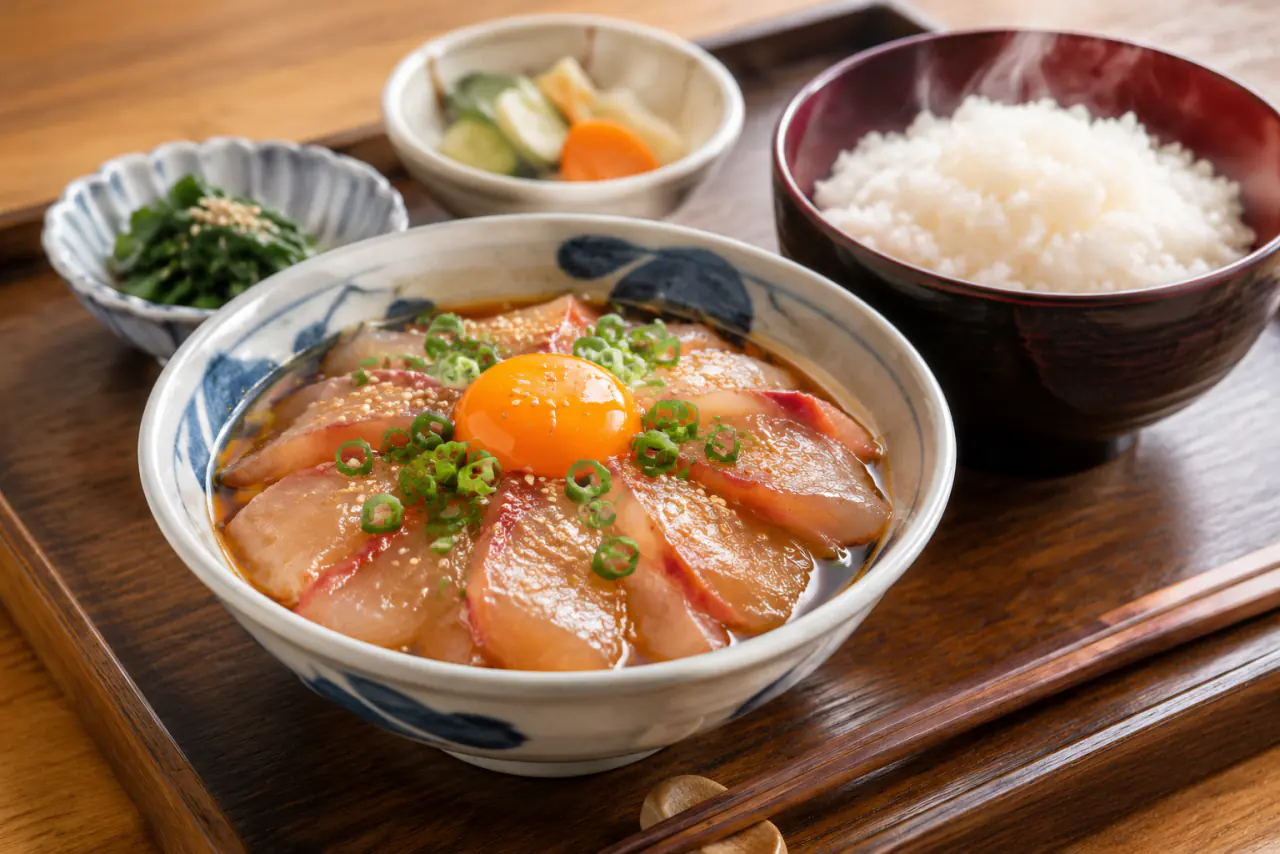
Ehime has two styles of tai meshi. Around Matsuyama, a whole sea bream is simmered with rice. In the southern Uwajima style, raw sea bream slices are soaked in a sauce with raw egg and poured over hot rice. Both are worth trying.
Dogo Onsen shopping street and the Okaido area in central Matsuyama · About ¥1,500–2,500 per person
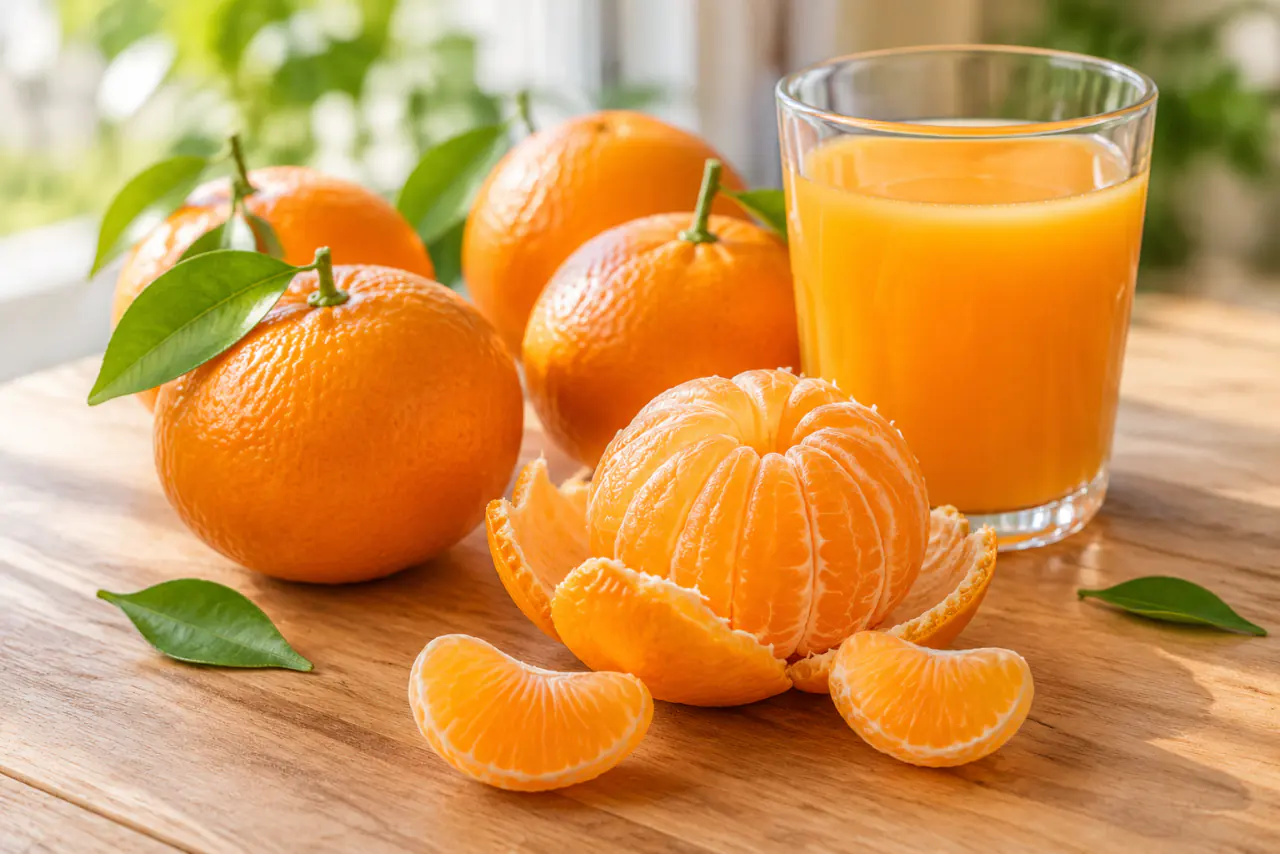
Ehime mikan
Ehime is Japan's leading citrus-growing region. Besides the familiar satsuma mandarins, it produces premium varieties such as Beni Madonna and Kanpei. Fresh-squeezed juice shops at stations and on shopping streets let you compare different varieties.
Matsuyama Station, Dogo Onsen shopping street, and Matsuyama Airport
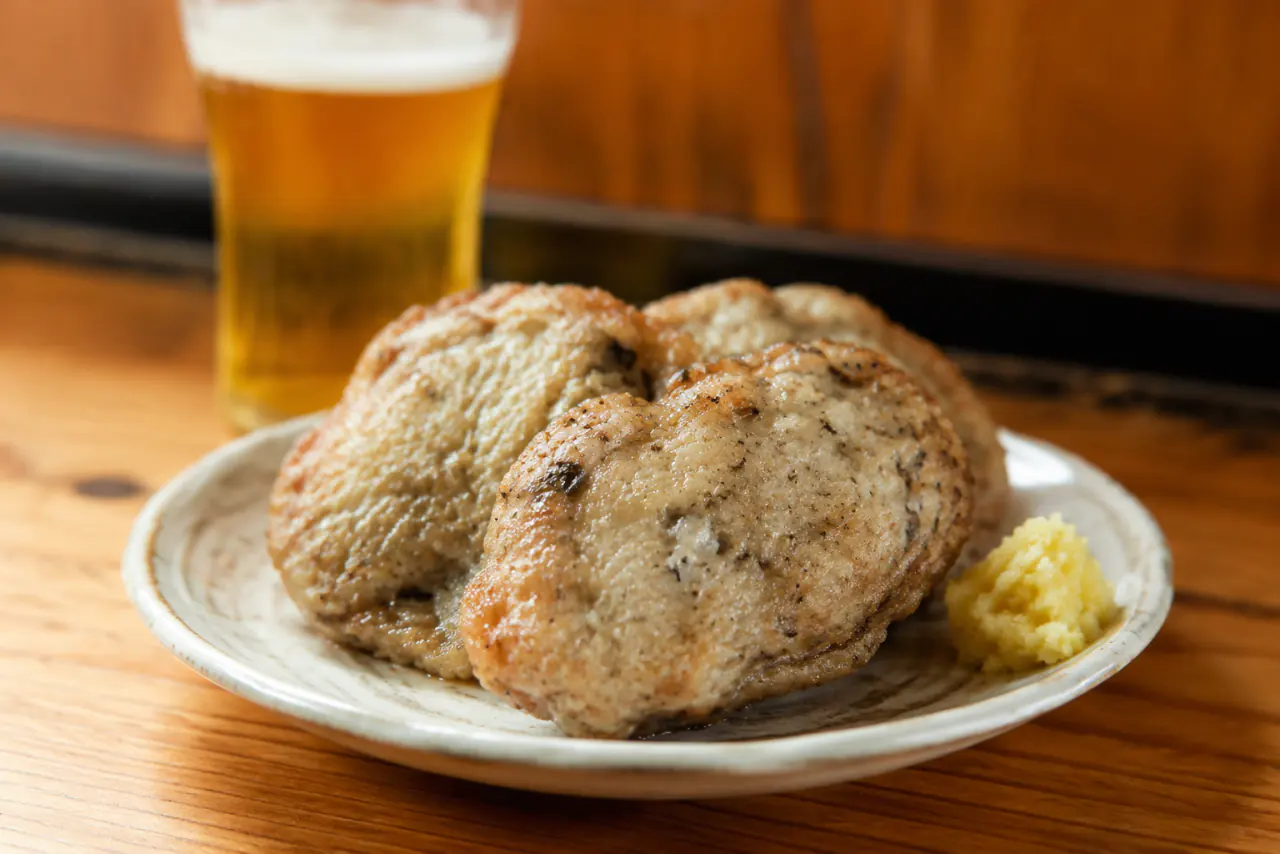
Jakoten
A fish cake from the Uwajima and Yawatahama areas, made by grinding small fish with their bones and skin, flattening the paste, and frying it. It is gray-brown, with a coarse texture from the fish bones and a rich savory flavor. Freshly fried jakoten is best with beer.
The souvenir area at Matsuyama Station and Dogo Onsen shopping street · About ¥200–300 per piece
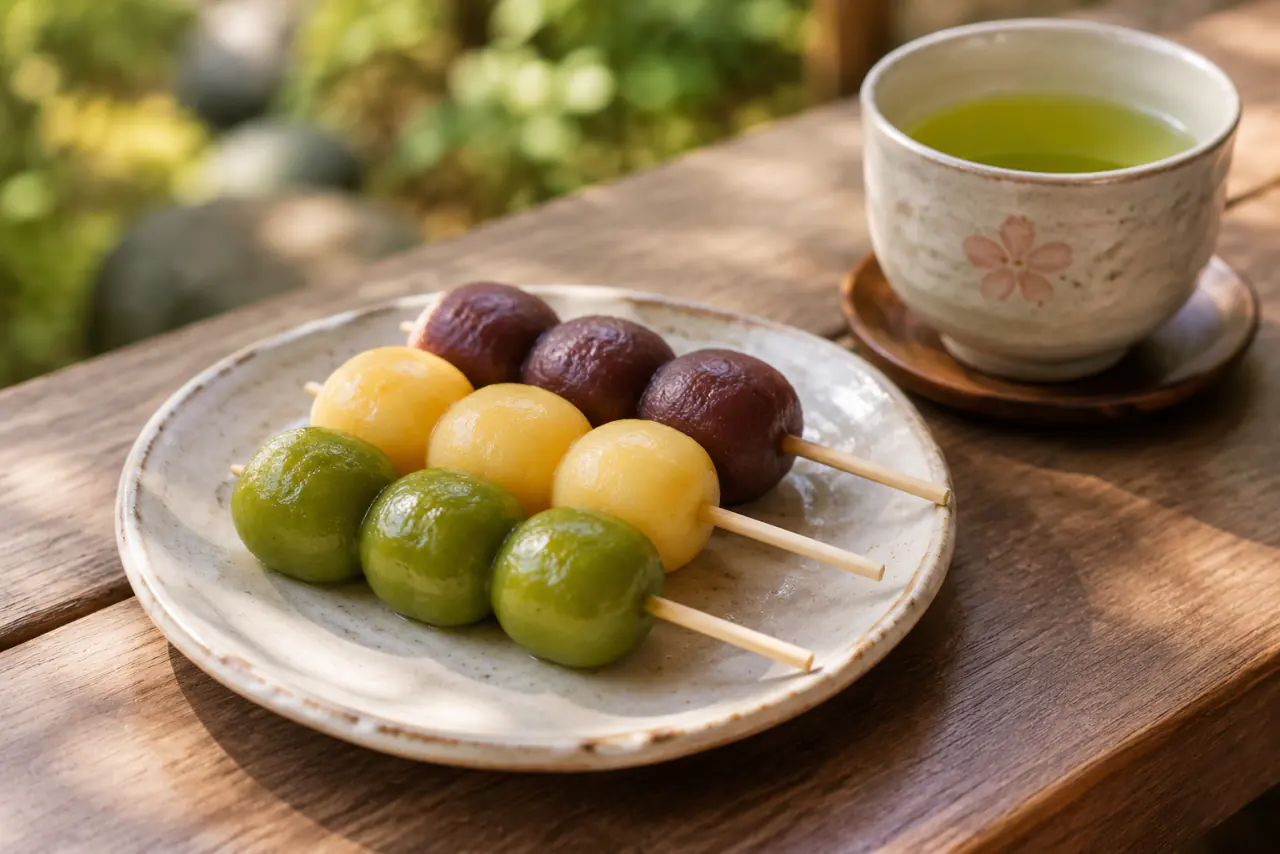
Botchan dango
These three-color skewered dumplings have green, yellow, and brown layers flavored with matcha, egg, and red bean paste. They are named after the hero's dumpling stop in Natsume Soseki's novel Botchan. One is just right after a soak in the hot springs.
Long-running shops on Dogo Onsen shopping street
Getting there · Where to stay
The JR Shiokaze limited express takes about 2 hours 40 minutes to Matsuyama Station
The airport bus takes about 1,000 to JR Matsuyama Station and about ¥1,200 to Dogo Onsen
Take a high-speed ferry from Hiroshima Port to Matsuyama Sightseeing Port. The trip takes just over 1 hour, followed by a bus into the city
The JR Shiokaze/Ishizuchi limited express takes about 2.5 hours to Matsuyama Station
Stay one night at a ryokan in Dogo Onsen. For the rest of your trip, stay around Okaido in central Matsuyama. If you plan to cycle the Shimanami Kaido, stay in Imabari or Onomichi the night before.
Know this before you go
- Matsuyama's streetcars, operated by Iyo Railway, will no longer be covered by the ALL SHIKOKU Rail Pass from March 2026. You will need to buy a separate ticket.
- Dogo Onsen Honkan can have long lines when busy. Its official website shows real-time wait times for each bathhouse, so visit during a less crowded period.
- Protect yourself from the sun and stay hydrated when cycling the Shimanami Kaido. The bridges are windy, so secure your hat.
- Trains are infrequent to small stations such as Shimonada and Uchiko. Always check the schedule in advance.