Cloudborne Travel
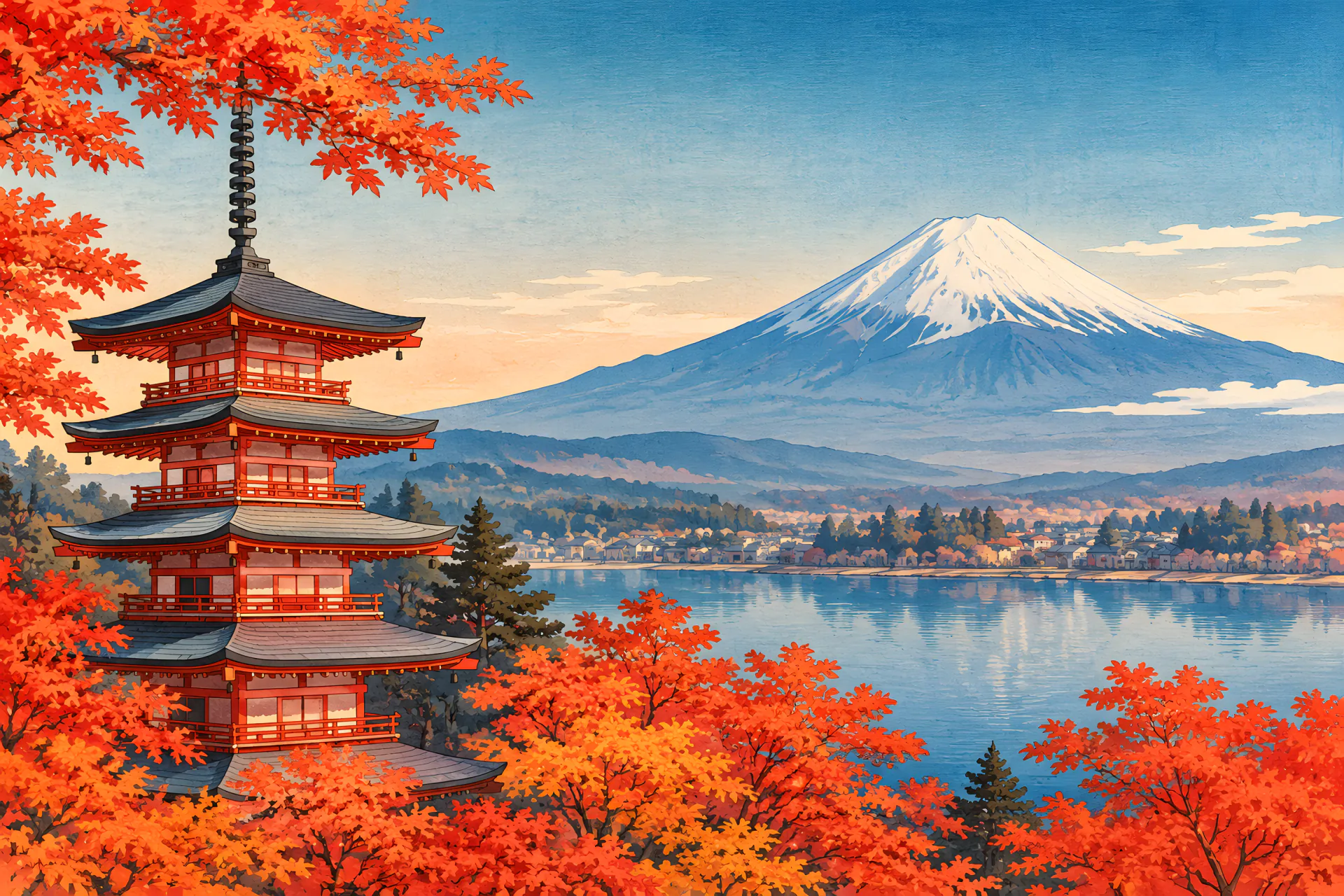
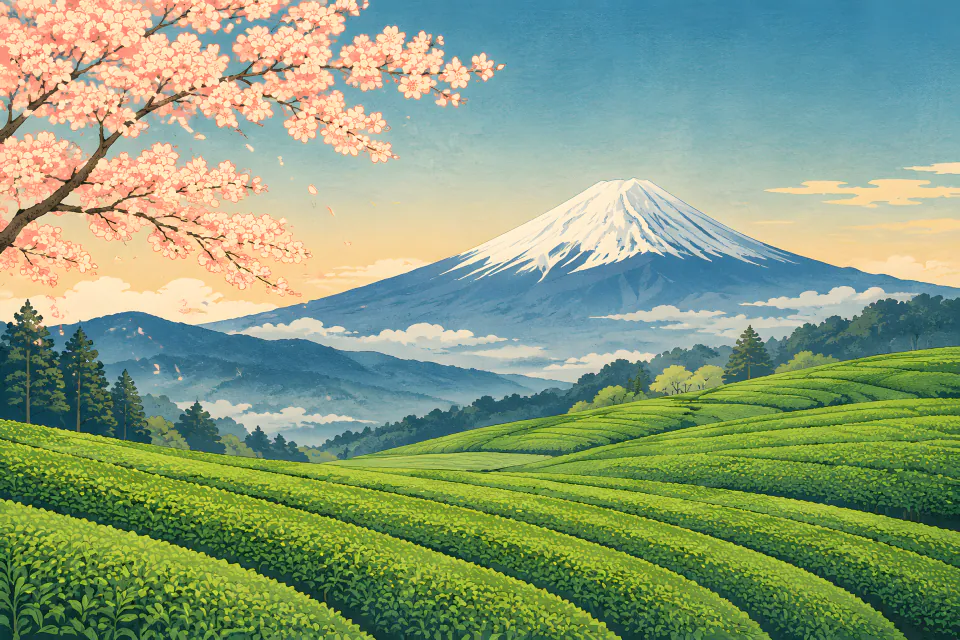
When people say they're going to see Mt. Fuji, they usually mean the Fuji Five Lakes in Yamanashi. The highway bus from Shinjuku to Lake Kawaguchi takes less than 2 hours. From the lakeshore, Chureito Pagoda, and old villages, you can photograph Fuji head-on. In summer, you can also start the climb from the Yoshida Trail's 5th Station. A day trip feels rushed. Stay one night around Lake Kawaguchi for a much better chance of seeing the mountain the next morning.
The Kofu Basin in northern Yamanashi is known for fruit and wine. Peaches and grapes are sweet and inexpensive in summer, and the fall colors at Shosenkyo Gorge are worth a detour. Popular Fuji viewpoints around the Fuji Five Lakes can get very crowded, and places such as Fujiyoshida have begun restricting access. Follow local rules when taking photos: don't block roads or enter private property.
The air is clearest from November–February, making it the best time to see the mountain. April brings cherry blossoms and moss phlox. Clouds often cover Fuji in summer, but July–September is climbing season.
Monthly weather
Based on KofuBest time to visit Monthly precipitation (mm) Open-Meteo (ERA5), 1996–2025 average
| Month | Average high (°C) | Average low (°C) | Monthly precipitation (mm) | Days with 1 mm or more of precipitation |
|---|---|---|---|---|
| Jan(Good time to visit) | 8.5 | -0.4 | 61 | 7 |
| Feb(Good time to visit) | 9.8 | 0.2 | 75 | 8 |
| Mar(Good time to visit) | 13.9 | 3.9 | 126 | 12 |
| Apr(Good time to visit) | 19.7 | 9.3 | 126 | 13 |
| May(Good time to visit) | 24.6 | 14.8 | 138 | 13 |
| Jun | 27.6 | 19.5 | 175 | 16 |
| Jul | 31.4 | 23.6 | 202 | 18 |
| Aug | 32.2 | 24.2 | 149 | 18 |
| Sep(Good time to visit) | 28.6 | 20.8 | 176 | 15 |
| Oct(Good time to visit) | 22.8 | 14.3 | 175 | 13 |
| Nov(Good time to visit) | 17.1 | 8.2 | 86 | 9 |
| Dec(Good time to visit) | 11.2 | 2.9 | 60 | 7 |
Sights
-
 1
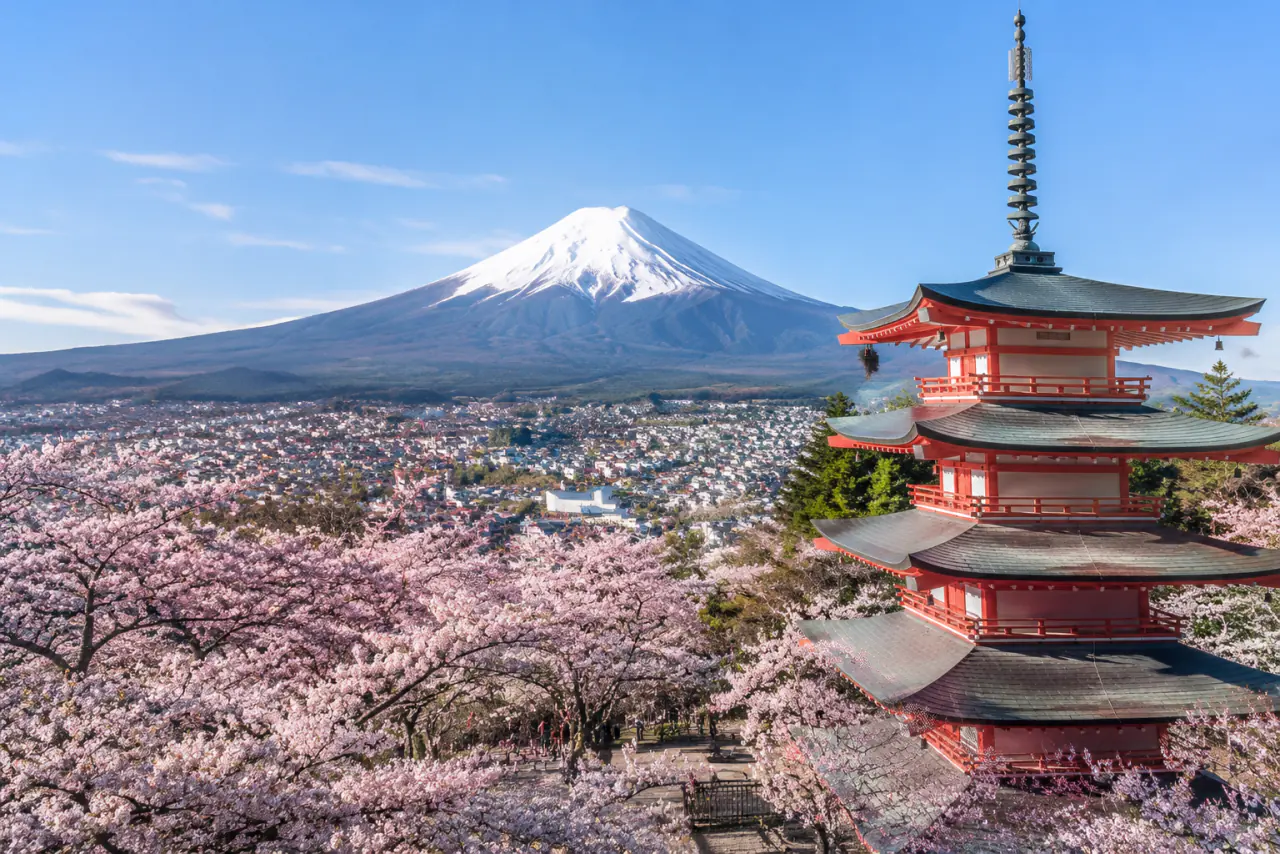
Arakurayama Sengen Park (Chureito Pagoda)
新倉山浅間公園 忠霊塔
The classic view of a red five-story pagoda, cherry blossoms, and Mt. Fuji is here. From Shimoyoshida Station on the Fujikyu Line, walk about 10 minutes to the foot of the hill, then climb nearly 400 steps to the viewpoint. It looks best during the cherry blossom season in early to mid-April and the fall foliage season in November. On ordinary days, early morning is quieter and the light is softer.
During cherry blossom season, vehicles are banned from nearby roads, and access to the viewpoint is rotated in timed sessions. You may wait 1–3 hours. Do not enter residential alleys nearby to take photos.
-
 2
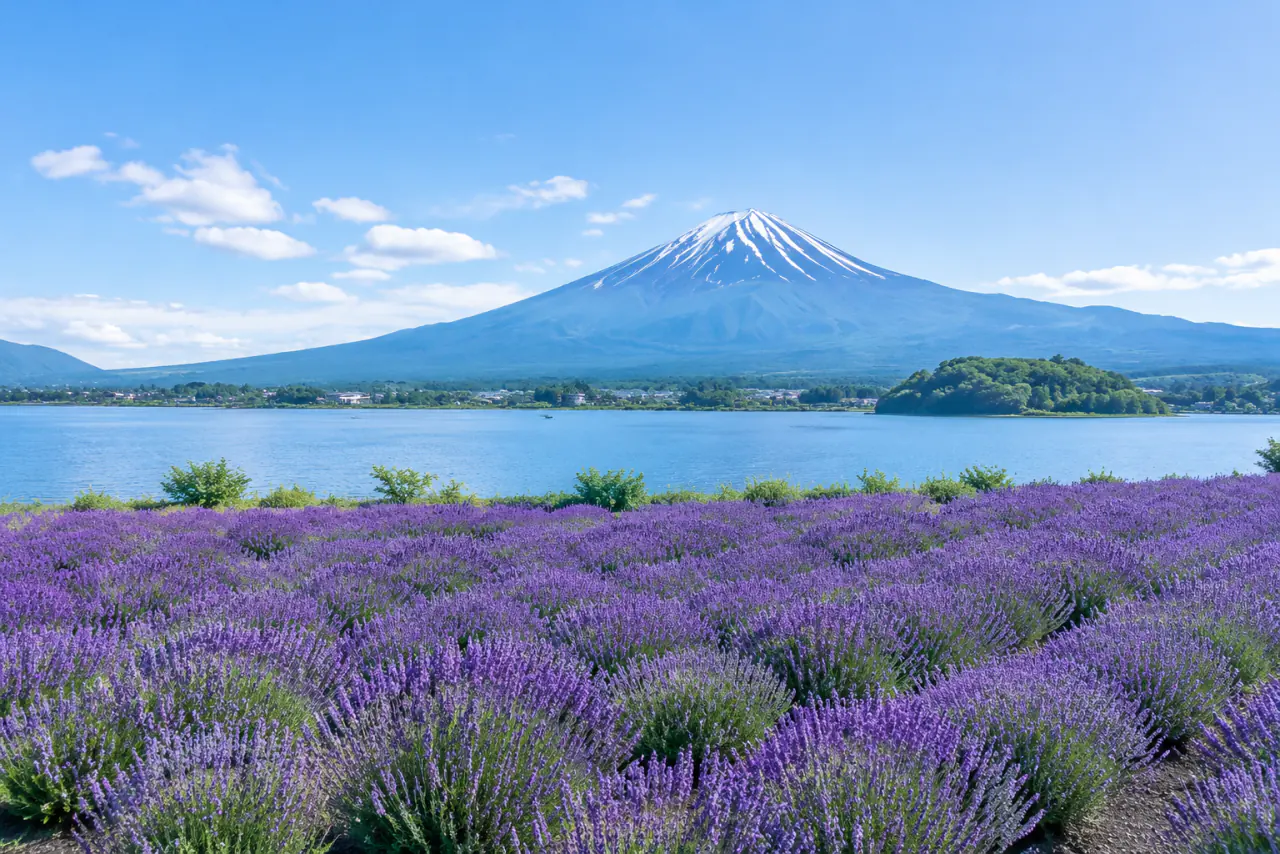
Lake Kawaguchi (Oishi Park)
河口湖 大石公園
The easiest of the Fuji Five Lakes for transportation and accommodation, Lake Kawaguchi offers views of Mt. Fuji across the lake from Oishi Park on the north shore. Lavender blooms from late June through July, while kochia turns red in fall, giving each season a different foreground. Sightseeing buses circle the lake, and you can also rent a bicycle and ride along the shore.
Go early for the best chance of seeing the mountain. Clouds often gather after 10 a.m. Buses around the lake are very crowded on weekends, so leave extra time for the return trip.
-
 3
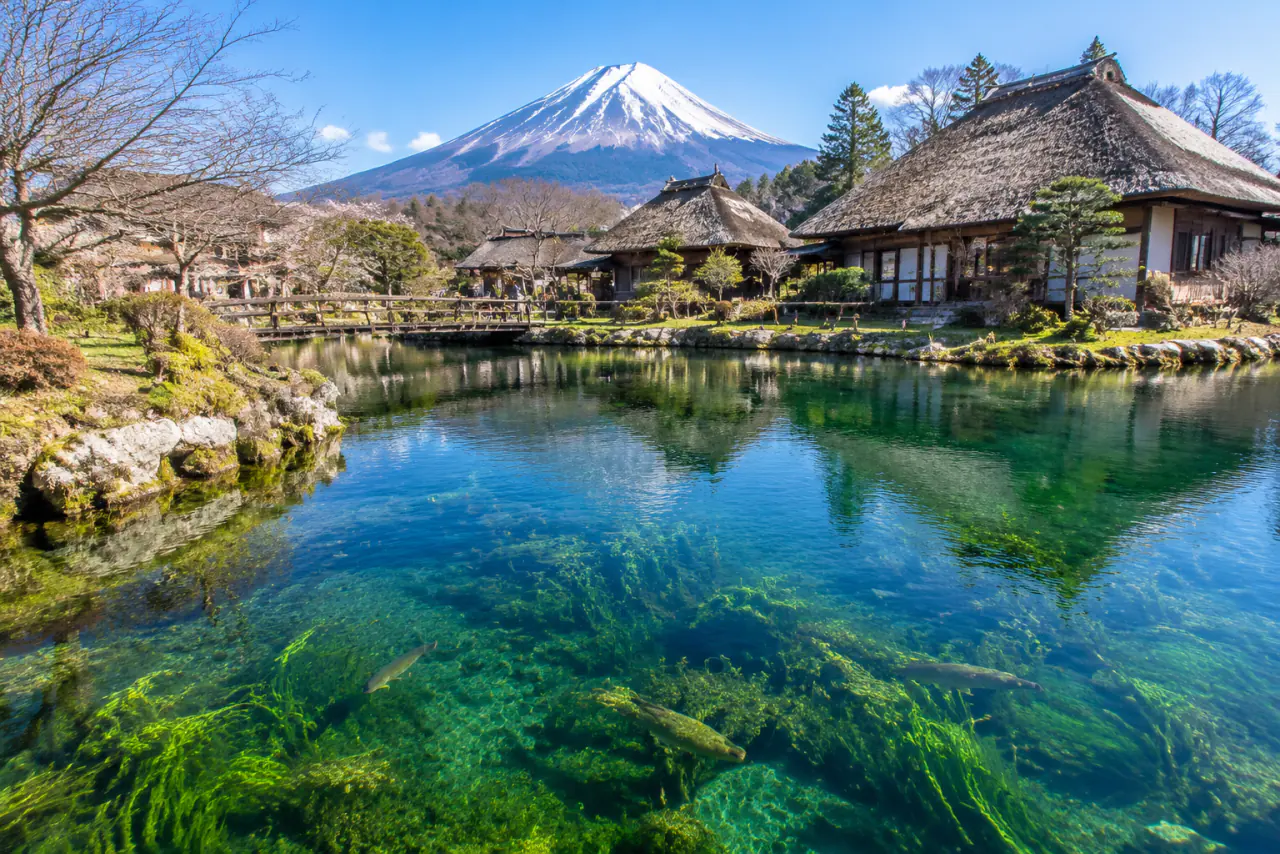
Oshino Hakkai
忍野八海
Eight spring-fed ponds, formed by Mt. Fuji's snowmelt after years of underground travel. The water is so clear that you can see plants and fish on the bottom. The village has thatched houses and waterwheels, with Mt. Fuji as a backdrop. The site is free and not large; you can see the main ponds in half an hour. Buses run from Kawaguchiko Station and Mt. Fuji Station.
Tour groups crowd the site during the day. Go before 9 a.m. for a quieter visit. The ponds are protected, so don't throw in coins or reach into the water.
-
 4
Mt. Fuji Yoshida Trail
富士山 吉田ルート
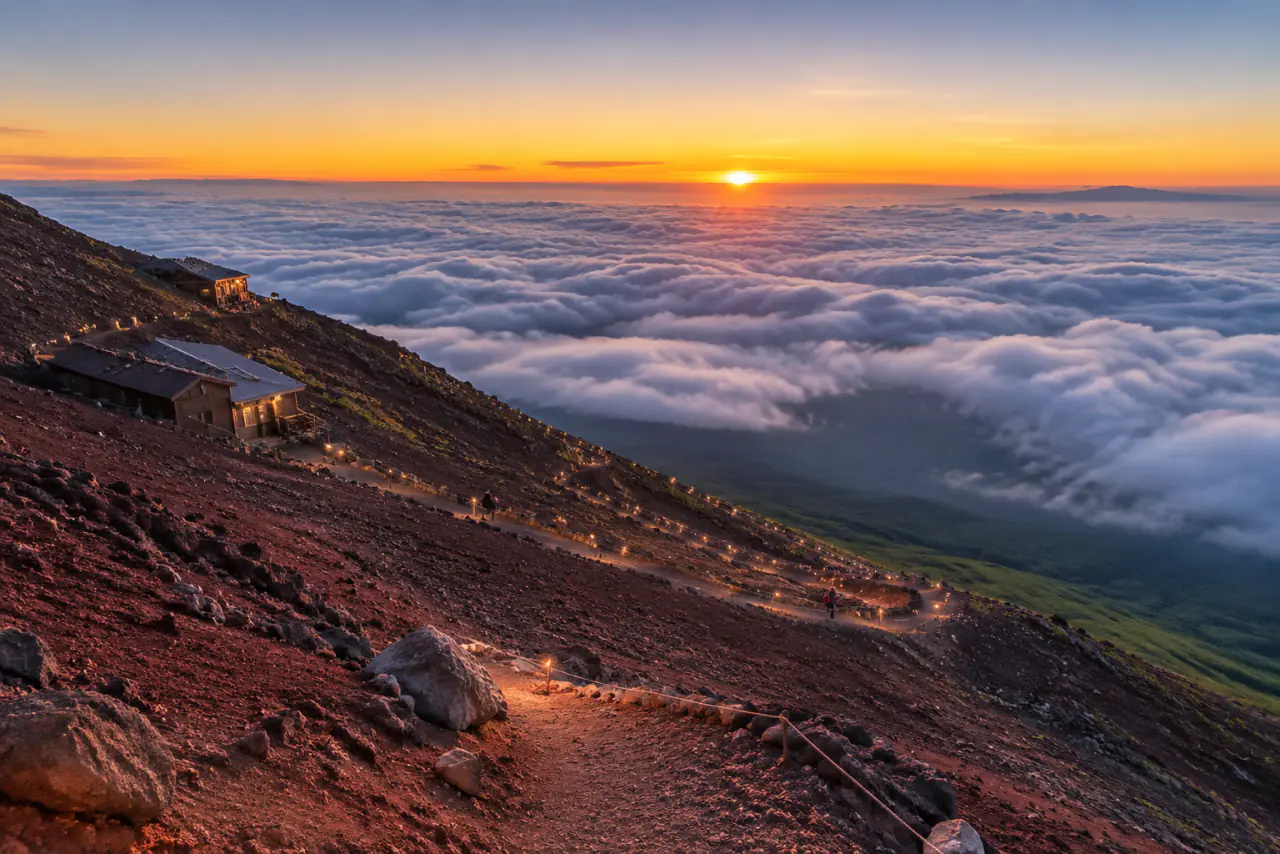
Starting at the Fuji Subaru Line 5th Station, at an elevation of about 2,305 meters, this is the best route for first-time climbers, with the most mountain huts and supply points. The ascent takes about 6 hours. A common plan is to set out in the afternoon, stay at a hut at the 8th Station, then continue before dawn to see the sunrise. The 2026 climbing season runs from July 1 to September 10.
Online reservations and a fee are required. Daily visitor numbers are capped, and a mountain-hut reservation is required for entry from the afternoon through early morning.
-
 5
Saiko Iyashi-no-Sato Nenba
西湖いやしの里根場
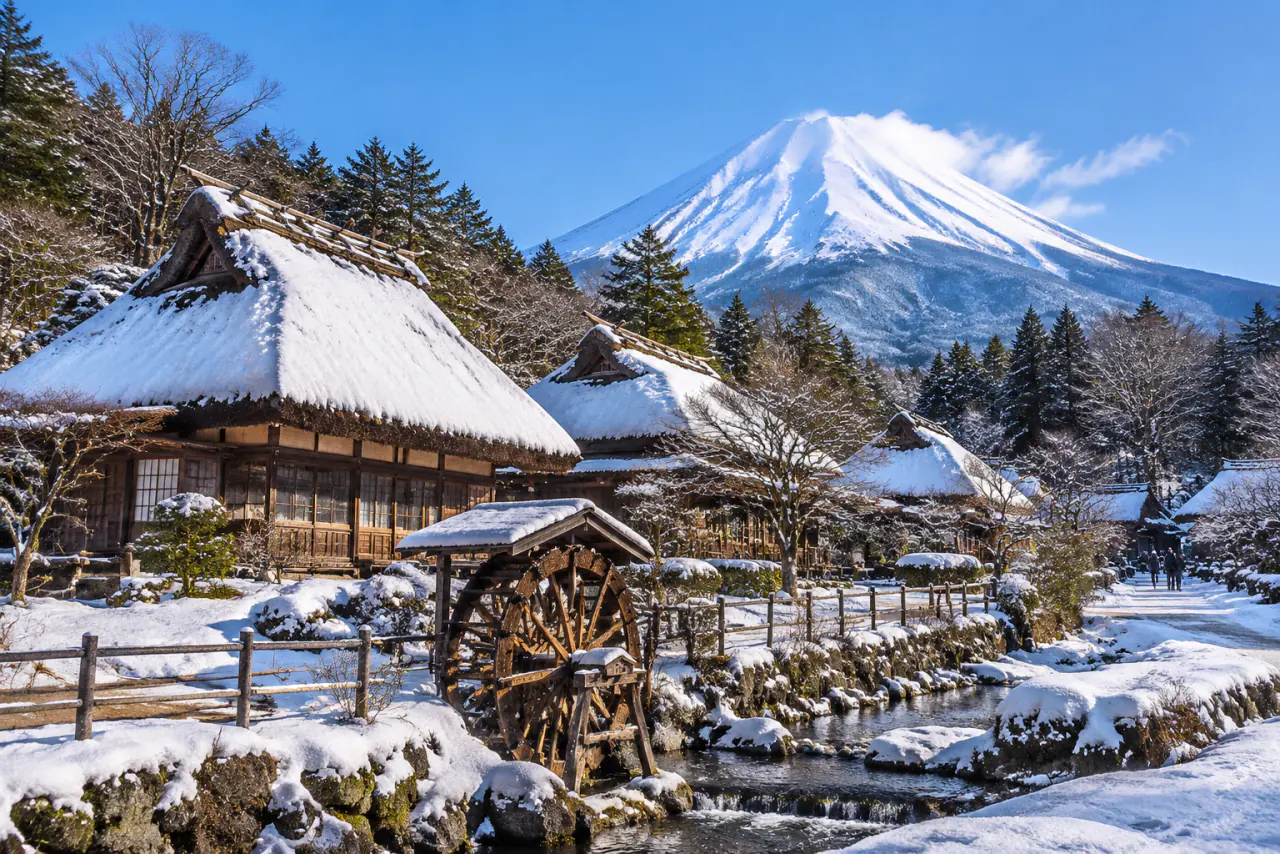
A restored thatched-roof village on the shore of Lake Saiko, with about twenty traditional houses arranged along the slope. Inside are craft workshops, small museums, and teahouses. On clear days, you can see Mt. Fuji from the village entrance. Quieter than Oshino Hakkai, it is a good place to slow down and take photos. After a snowfall, it has the feel of a Japanese folktale. Take the Saiko sightseeing bus from Kawaguchiko Station.
The village has many slopes and stone steps, which become slippery after snow. Wear shoes with good traction.
-
 6
Fuji Shibazakura Festival
富士芝桜まつり
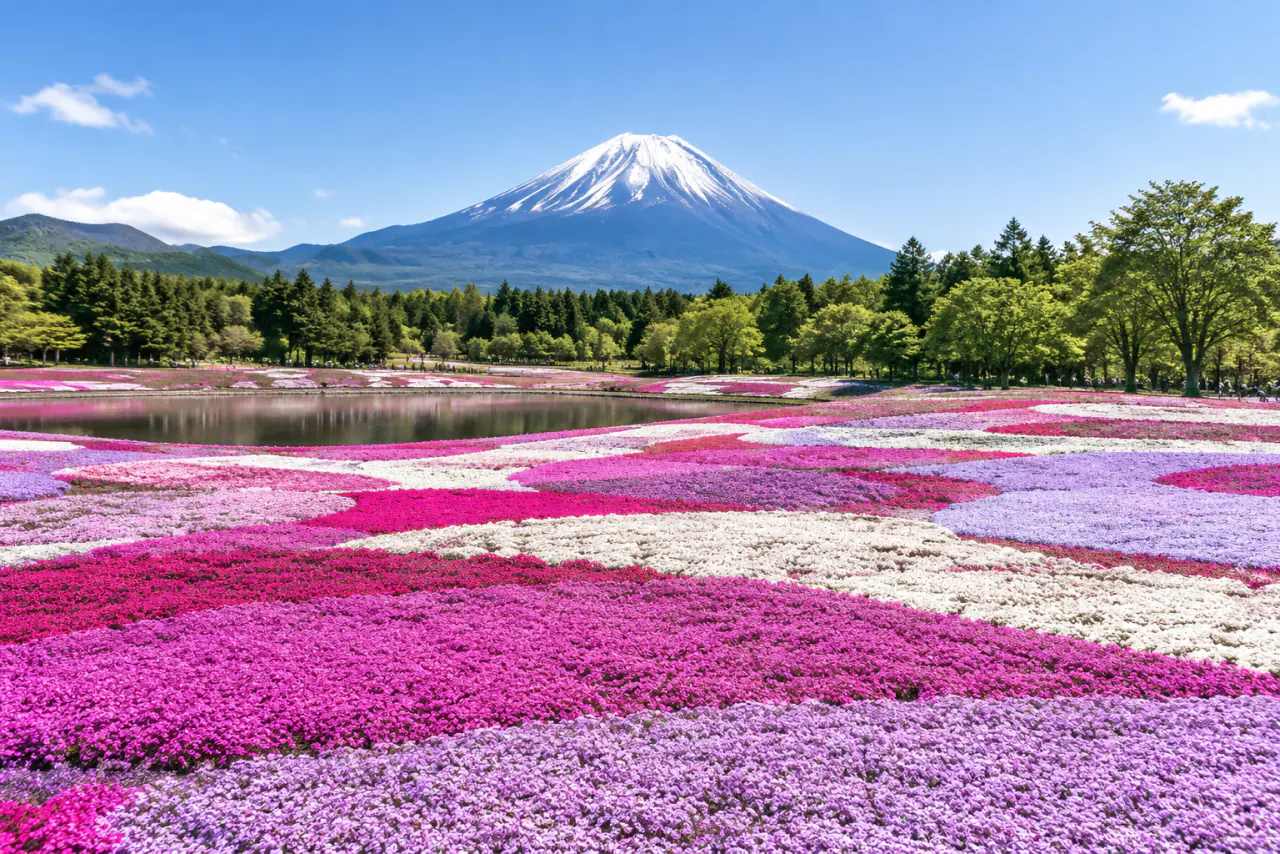
The festival venue near Lake Motosu is planted with about 500,000 moss phlox plants. Pink, white, and purple flowers form a vast carpet with Mt. Fuji behind them. The festival runs from mid-April to late May each year, with peak bloom generally around early May. A seasonal shuttle bus runs from Kawaguchiko Station and takes about 40 minutes.
Traffic is very heavy during Golden Week (late April to early May), so avoid it if possible. Flower conditions are updated daily on the official website.
-
 7
Shosenkyo Gorge
昇仙峡
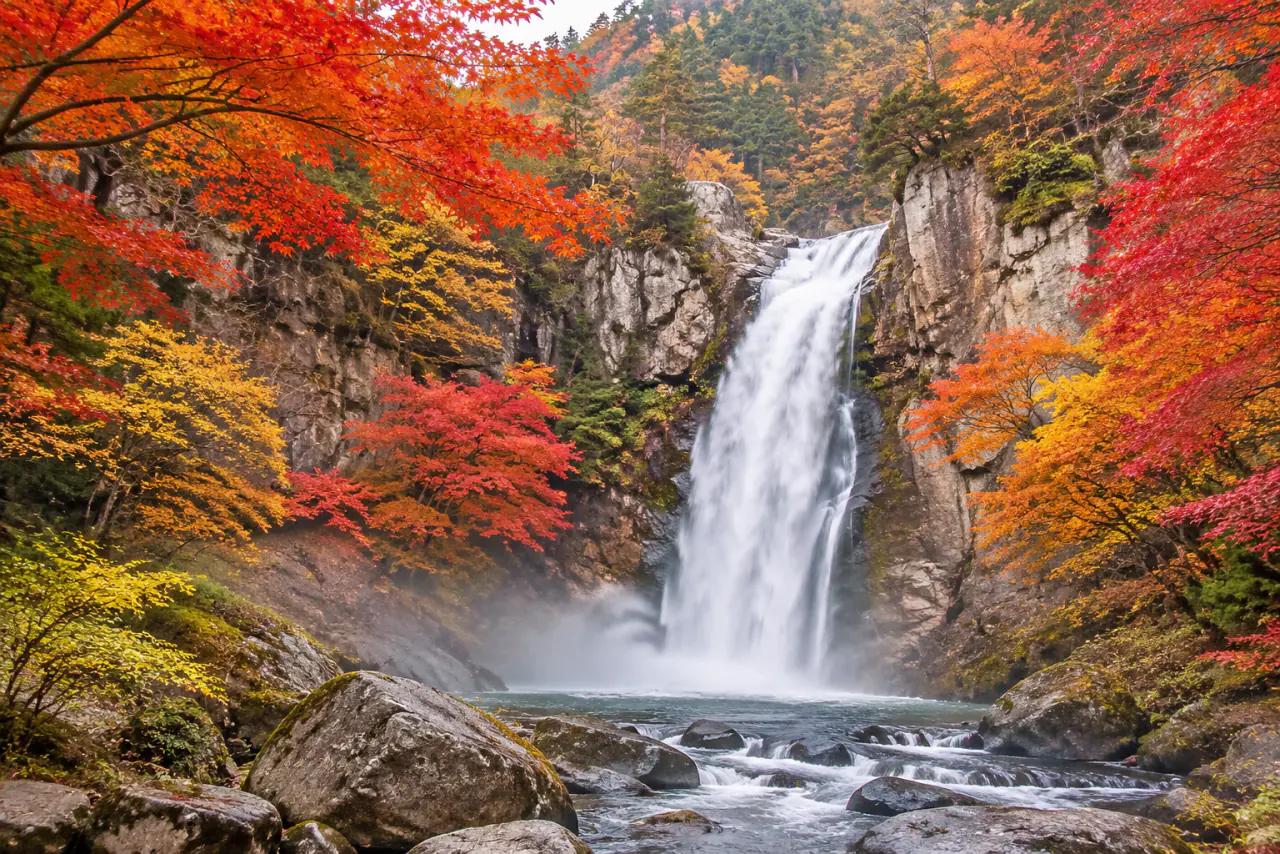
This granite gorge north of Kofu has a riverside trail that takes about 1 hour. Strange rock formations and pine trees line the gorge, ending at the 30-meter-high Sengataki Waterfall. You can also take a cable car to the summit for views of Mt. Fuji and the Southern Alps. The gorge is most beautiful in November, when the leaves change. Combine it with fruit and winery visits in Kofu for a full day. Buses run from Kofu Station.
Walking from downstream to upstream is easier. Take a bus back to Kofu near the waterfall.
-
 8
Fuji-Q Highland
富士急ハイランド
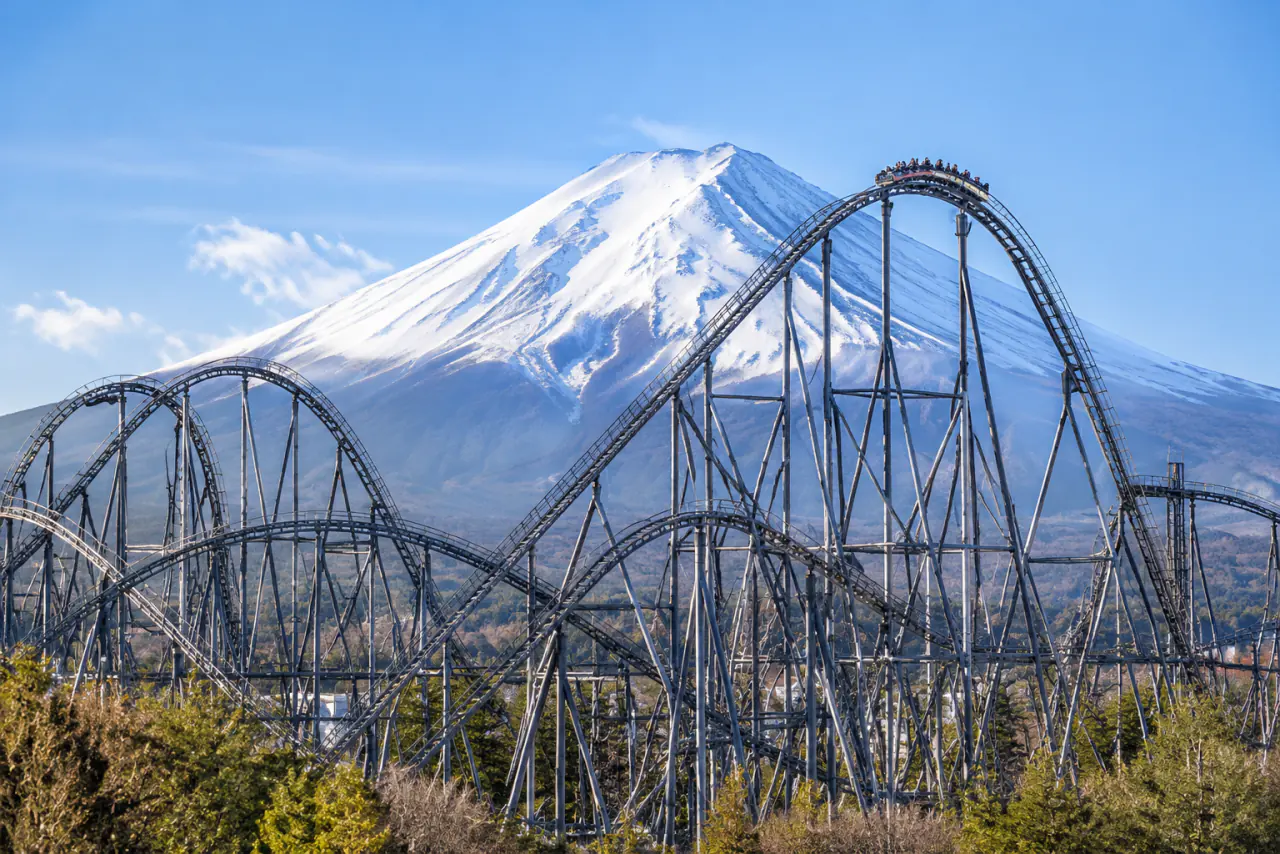
This amusement park is famous for its extreme roller coasters. Several major rides have held world records, and the park also has a haunted house billed as one of the world's most difficult. The park sits beside Mt. Fuji, which you can see from the top of a roller coaster. The Fujikyu Line has a station with the same name, just one stop from Kawaguchiko Station.
Popular rides can have very long lines, so enter early on weekends. Some roller coasters stop operating in high winds.
What to eat
Hoto noodles
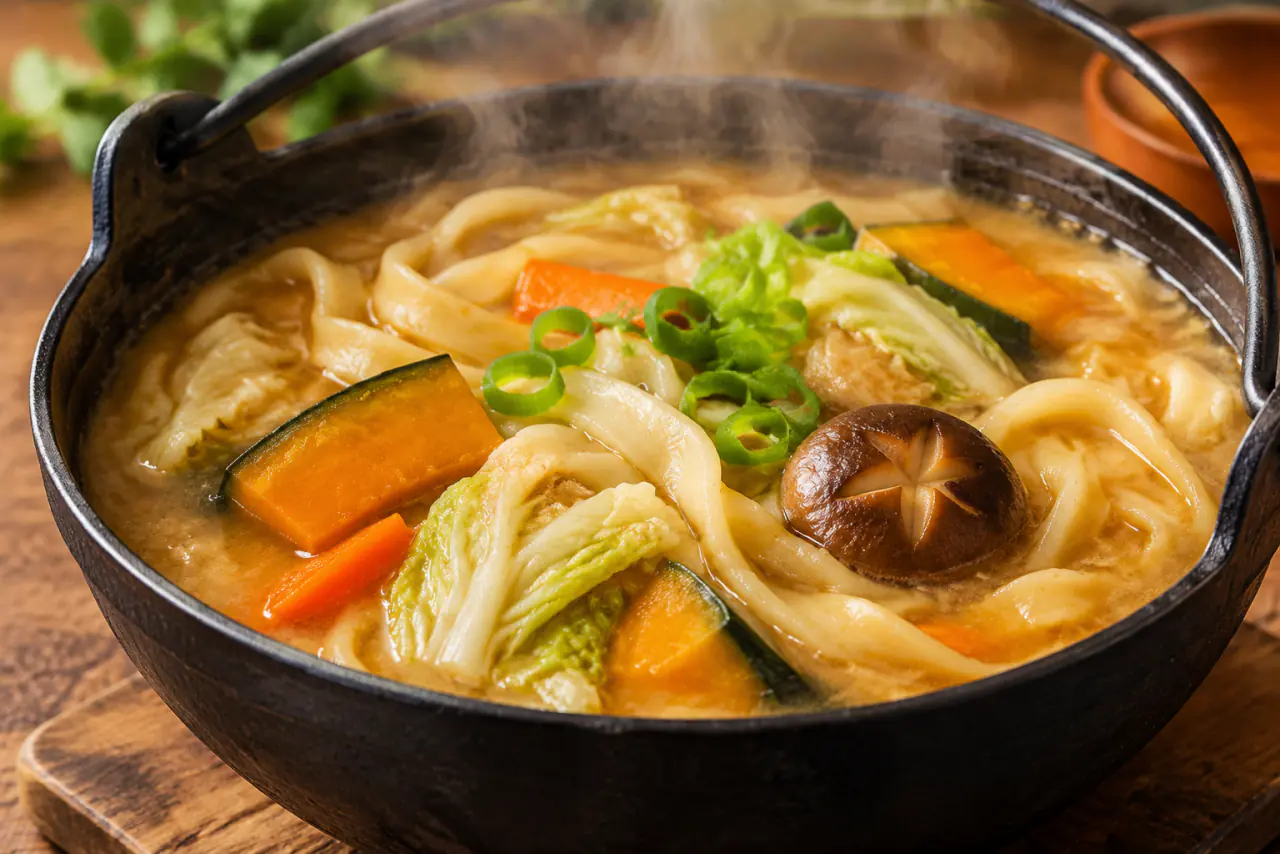
Yamanashi's regional hot pot: wide, flat noodles simmered with pumpkin and vegetables in a thick miso broth. The noodles go in uncooked, which makes the broth especially thick. A bowl is warming in winter and filling enough to serve as a full meal.
Hoto specialty restaurants around Kawaguchiko Station and in central Kofu · About ¥1,300–2,000 per person
Yoshida udon
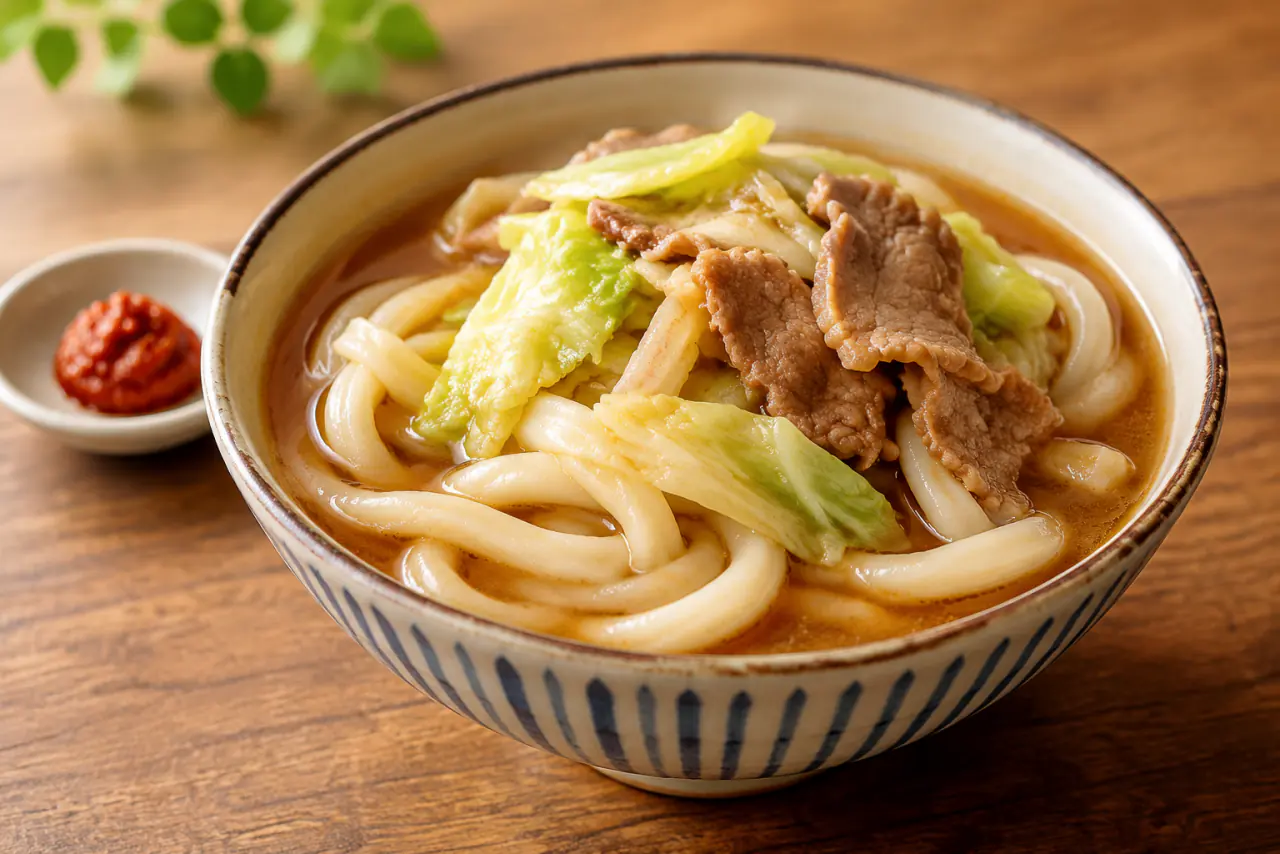
Fujiyoshida's udon is thick, firm, and very chewy. The broth combines soy sauce and miso, with cabbage and horse meat, plus a spoonful of spicy suridane seasoning. Many shops open only for lunch.
Udon shops in Fujiyoshida · About ¥500–800 per bowl
Shingen mochi
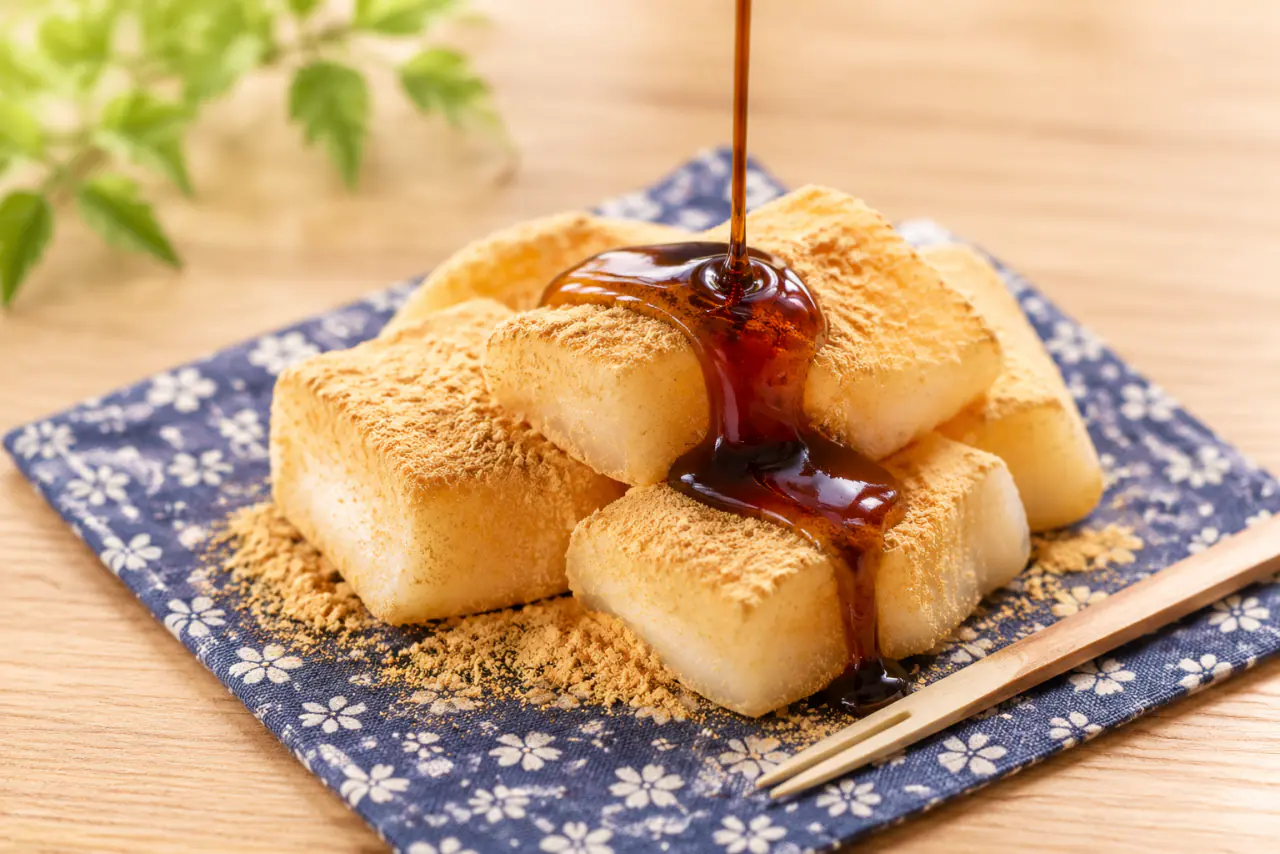
Small pieces of sticky rice cake coated in soybean flour and drizzled with brown sugar syrup before eating. Wrapped in a small cloth bundle, it is one of Yamanashi's most common souvenirs. The soybean flour spills easily, so unwrap it and eat it over the cloth.
Souvenir shops at Kawaguchiko Station, Kofu Station, and highway service areas
Koshu wine and fruit
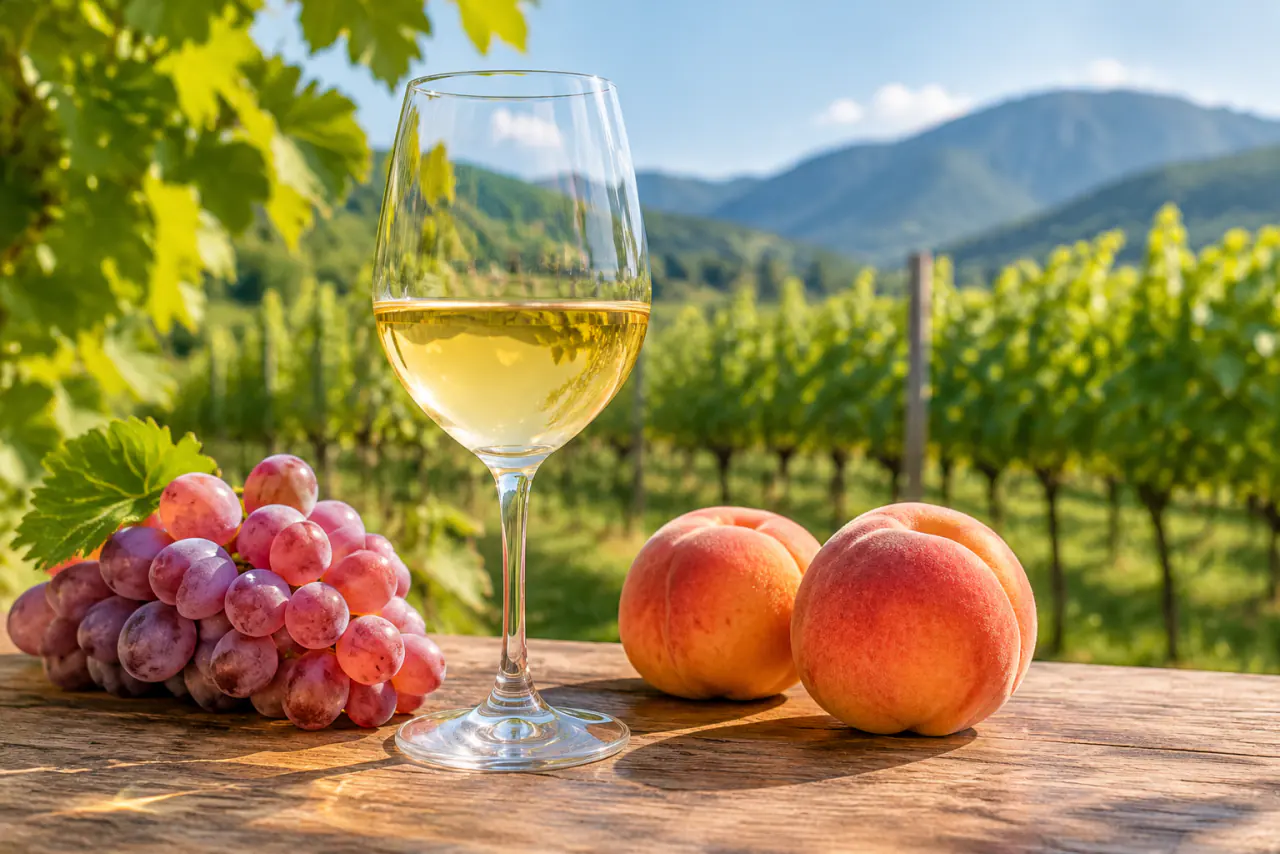
The Kofu Basin is Japan's largest producer of peaches and grapes, which are sold along the roads from July–September. White wine made from local Koshu grapes is crisp and on the dry side. Wineries around Katsunuma offer tastings.
Wineries and farm stands around Katsunuma and Isawa Onsen
Getting there · Where to stay
The bus from Shinjuku to Kawaguchiko Station takes about 1 hour 45 minutes and costs about ¥2,000–2,200. Reservations required.
The JR Fuji Excursion limited express runs directly to Lake Kawaguchi in about 2 hours. All seats are reserved.
The JR Chuo Line limited express Azusa or Kaiji takes about 1 hour 30 minutes to Kofu.
Stay near Kawaguchiko Station or at a hot-spring ryokan on the lake's north shore. Buses and sightseeing buses leave from Kawaguchiko Station, and north-shore rooms often offer views of Mt. Fuji across the lake. For a lower budget, stay around Mt. Fuji Station.
Know this before you go
- Mt. Fuji is often hidden by clouds. Set aside at least one morning specifically for mountain views instead of relying on a single afternoon.
- Buses around Lake Kawaguchi and the Fuji Excursion limited express fill up during peak season. Reserve seats in advance for both directions.
- Driving rules in Japan depend on your licence and required documents. Check the official requirements before driving; between the Fuji Five Lakes, use sightseeing buses or a one-day tour.
- Popular viewpoints are also residential areas. Don't take photos in the middle of the road, linger where you block people, or litter.
- Bring a headlamp, warm clothing, and rain gear for the climb. Even in summer, temperatures near the summit can approach 0℃.