Cloudborne Travel
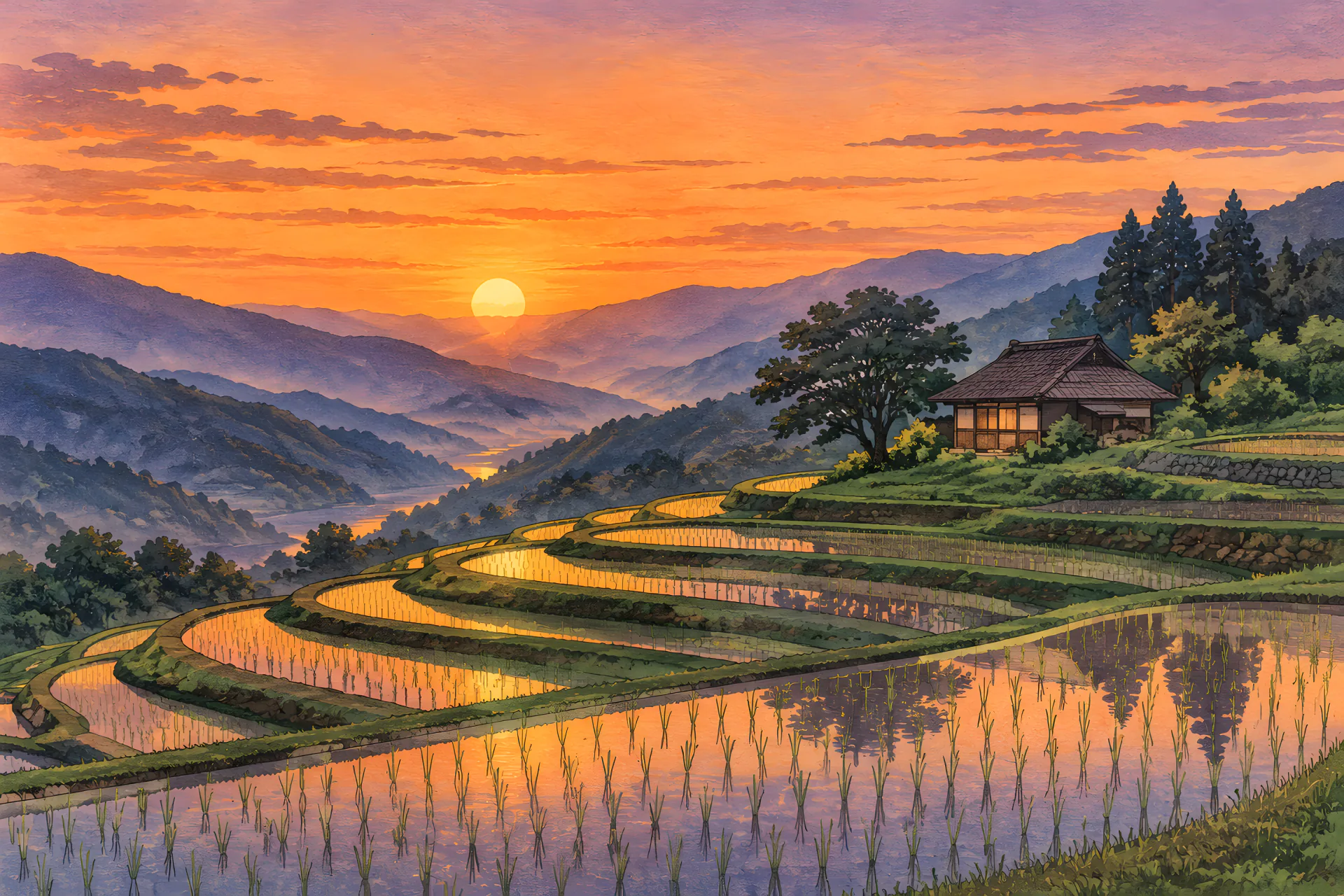
For many visitors, Chiba is their first stop in Japan—Narita Airport is here, and so is Tokyo Disney Resort. Beyond those two attractions, Chiba has plenty of places suited to a half-day or full-day visit: Naritasan Shinshō-ji is only a short drive from the airport, Sawara Historic District feels like a little Edo, Mount Nokogiri offers views over Tokyo Bay from its cliffs, and Inubōsaki is the easternmost point of the Kantō Plain.
The most practical way to visit is to use Chiba as an airport buffer: if your flight arrives early, spend half a day in Narita before heading into the city; before a late flight home, visit Naritasan Shinshō-ji. Tokyo Disney Resort deserves a full day on its own. Buses are infrequent on the Bōsō Peninsula, so taking the JR Uchibō Line or an express bus from Tokyo is more realistic. Focus on one direction per day.
Canola flowers bloom in late winter and early spring on the Bōsō Peninsula, where it is warmer than Tokyo. Yōrō Valley's autumn colors peak from late November to early December. The coast is crowded in summer.
Monthly weather
Based on ChibaBest time to visit Monthly precipitation (mm) Open-Meteo (ERA5), 1996–2025 average
| Month | Average high (°C) | Average low (°C) | Monthly precipitation (mm) | Days with 1 mm or more of precipitation |
|---|---|---|---|---|
| Jan(Good time to visit) | 8.9 | 3.9 | 80 | 8 |
| Feb(Good time to visit) | 9.5 | 4 | 82 | 9 |
| Mar(Good time to visit) | 12.7 | 6.9 | 145 | 13 |
| Apr(Good time to visit) | 16.8 | 11.4 | 147 | 13 |
| May(Good time to visit) | 20.9 | 16.1 | 156 | 12 |
| Jun | 24 | 19.7 | 192 | 14 |
| Jul | 27.7 | 23.5 | 158 | 13 |
| Aug | 29.1 | 24.9 | 123 | 12 |
| Sep(Good time to visit) | 26.1 | 22.1 | 198 | 15 |
| Oct(Good time to visit) | 21.1 | 16.8 | 238 | 15 |
| Nov(Good time to visit) | 16.3 | 11.7 | 130 | 12 |
| Dec(Good time to visit) | 11.4 | 6.5 | 82 | 8 |
Sights
-
 1
Naritasan Shinshō-ji
成田山新勝寺
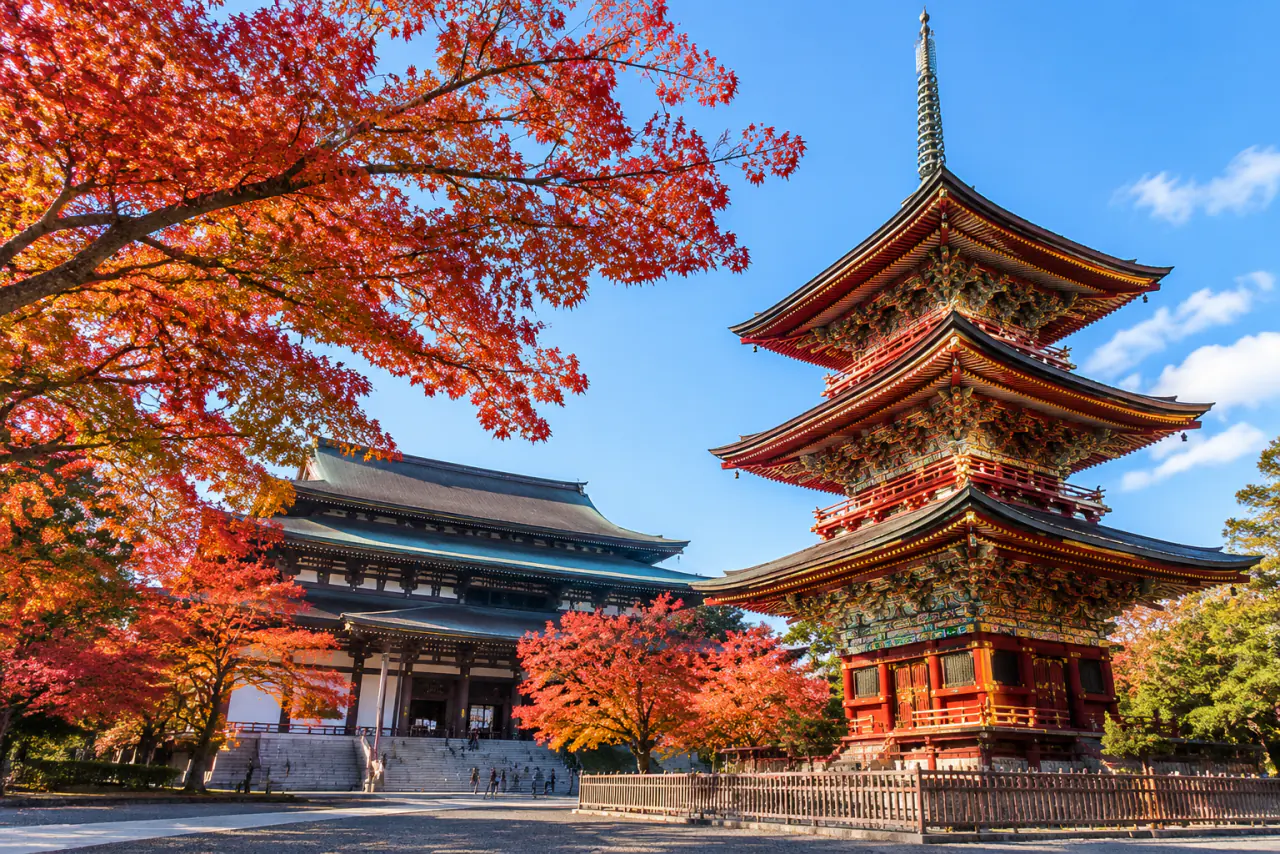
This thousand-year-old temple is Japan's most popular destination for hatsumōde, the first temple visit of the year. From JR or Keisei Narita Station, walk along Omotesandō for about 13 minutes. The street is lined with old inns, eel restaurants and souvenir shops. The temple grounds include the Main Hall and a three-story pagoda. Behind them, Naritasan Park has ponds and maple trees, with beautiful autumn colors in mid-to-late November.
It is convenient to visit before your flight home. Store large luggage in a locker at the airport or Narita Station.
-
 2
Tokyo Disney Resort
東京ディズニーリゾート
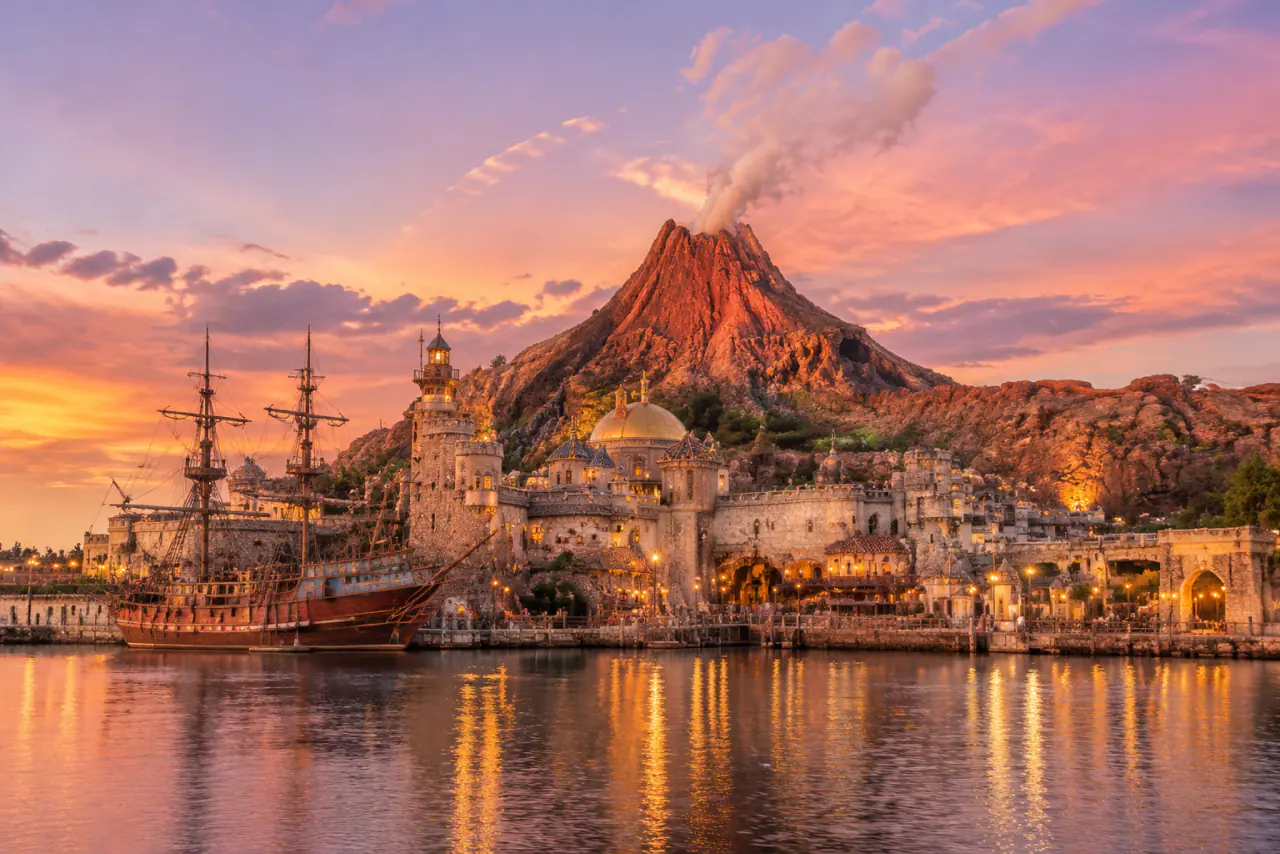
Tokyo Disneyland and Tokyo DisneySea are next to each other. DisneySea is unique in the world, with harbor and volcano themes, and appeals to adults. Disneyland is better suited to families with children. Ticket prices vary by date, and tickets are only sold for specified dates and must be bought online in advance. Paid priority access can shorten waits for popular attractions. Check show and parade times in the official app ahead of time.
Weekends and Japanese school holidays are the busiest. Choose a weekday if possible, and queue at the entrance 30 minutes before opening.
-
 3
Sawara Historic District
佐原の町並み
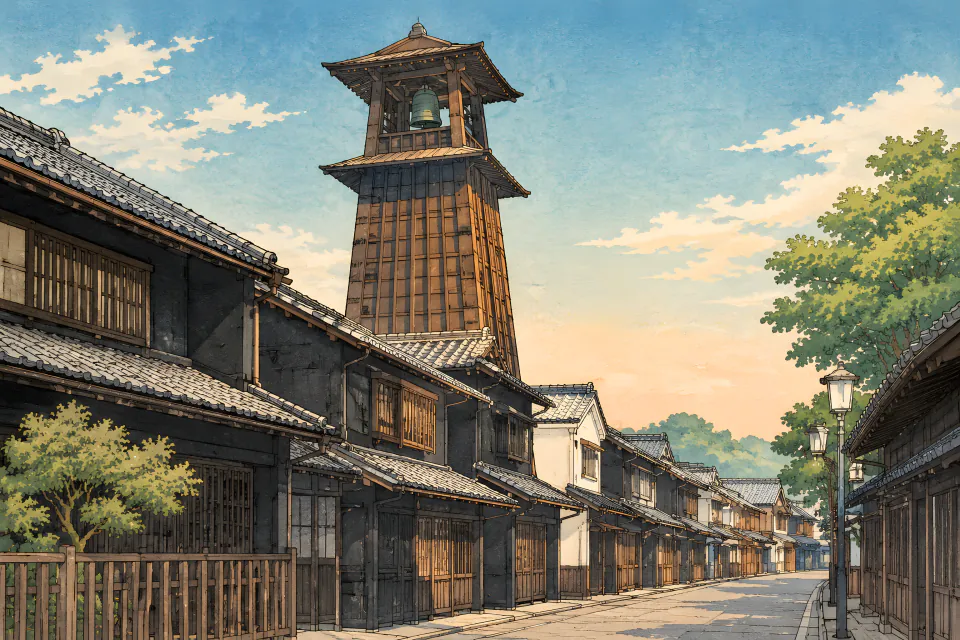
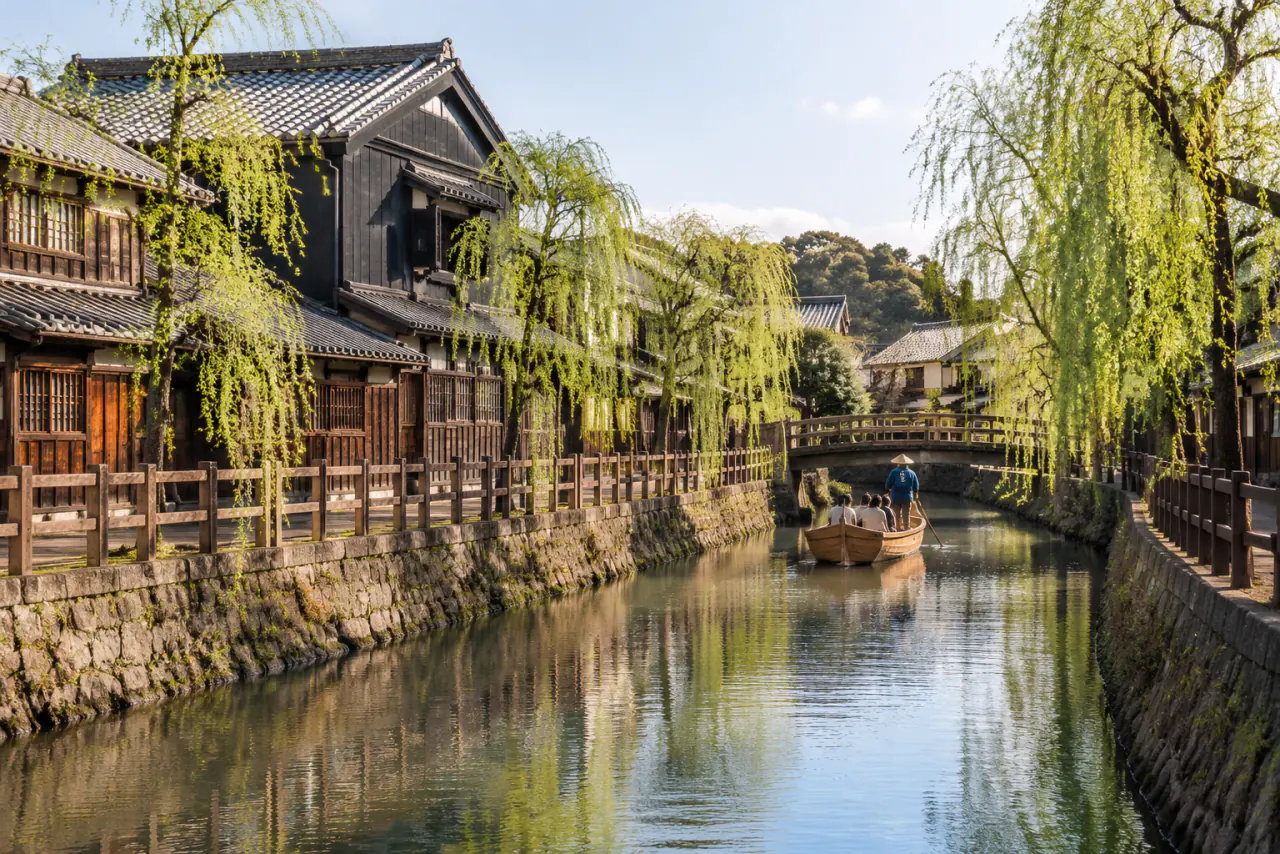
This merchant town prospered during the Edo period through shipping on the Tone River. Wooden shops and warehouses line both sides of the Ono River. It was the first area in the Kantō region to be designated a Preservation District for Groups of Traditional Buildings. You can take a slow boat along the river, and the nearby former home of Inō Tadataka, who created one of Japan's first complete maps, is also worth seeing. It is about a 10-minute walk from JR Sawara Station.
The Sawara Grand Festival features large float processions in July and October. Weekdays are quiet and ideal for taking photos at a leisurely pace.
-
 4
Mount Nokogiri and Nihon-ji
鋸山・日本寺 · Mount Nokogiri & Nihon-ji
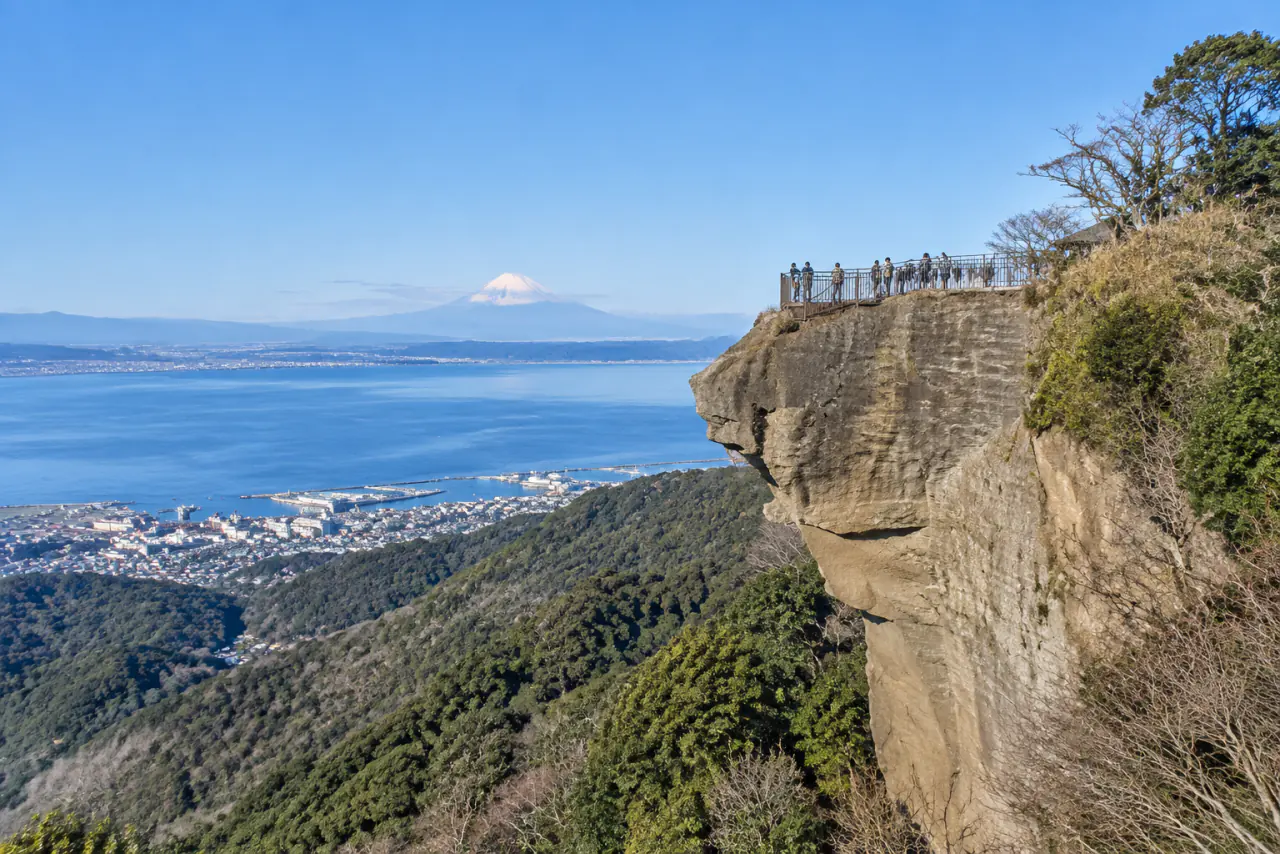
This former quarry has cliffs cut into a jagged, sawtooth shape. The entire mountain belongs to Nihon-ji, home to a 31-meter stone Buddha, the Hyaku-shaku Kannon carved into the rock face, and more than 1,000 statues of arhats. The best-known spot is Jigoku Nozoki, a rock that juts out over a cliff. From it, you can look down over Tokyo Bay and see Mount Fuji on clear days. Take the ropeway up from near Hamakanaya Station.
The mountain is all stairs, so wear walking shoes. The temple stops admitting visitors after 3 p.m.
-
 5
Inubōsaki Lighthouse
犬吠埼灯台
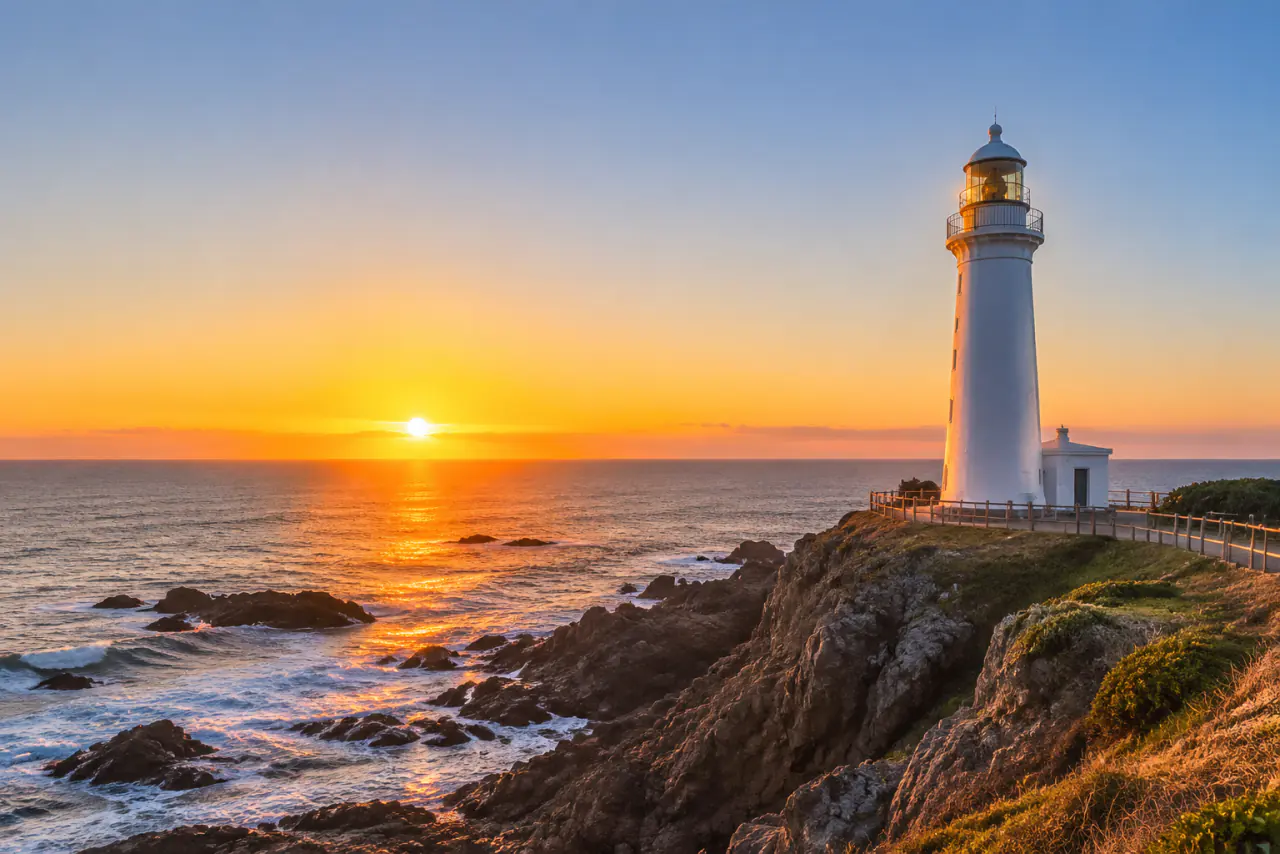
This cape marks the easternmost point of the Kantō Plain. Apart from outlying islands and high mountains, it is the first place in Japan to see the New Year's sunrise. The white brick lighthouse, designed by a British engineer in 1874, is open for views over the Pacific. A coastal path offers wide-open scenery. From Chōshi, take the Chōshi Electric Railway to Inubō Station, then walk about 10 minutes.
The Chōshi Electric Railway is a popular local line. Its stations sell nure senbei, a local specialty.
-
 6
Yōrō Valley
養老渓谷
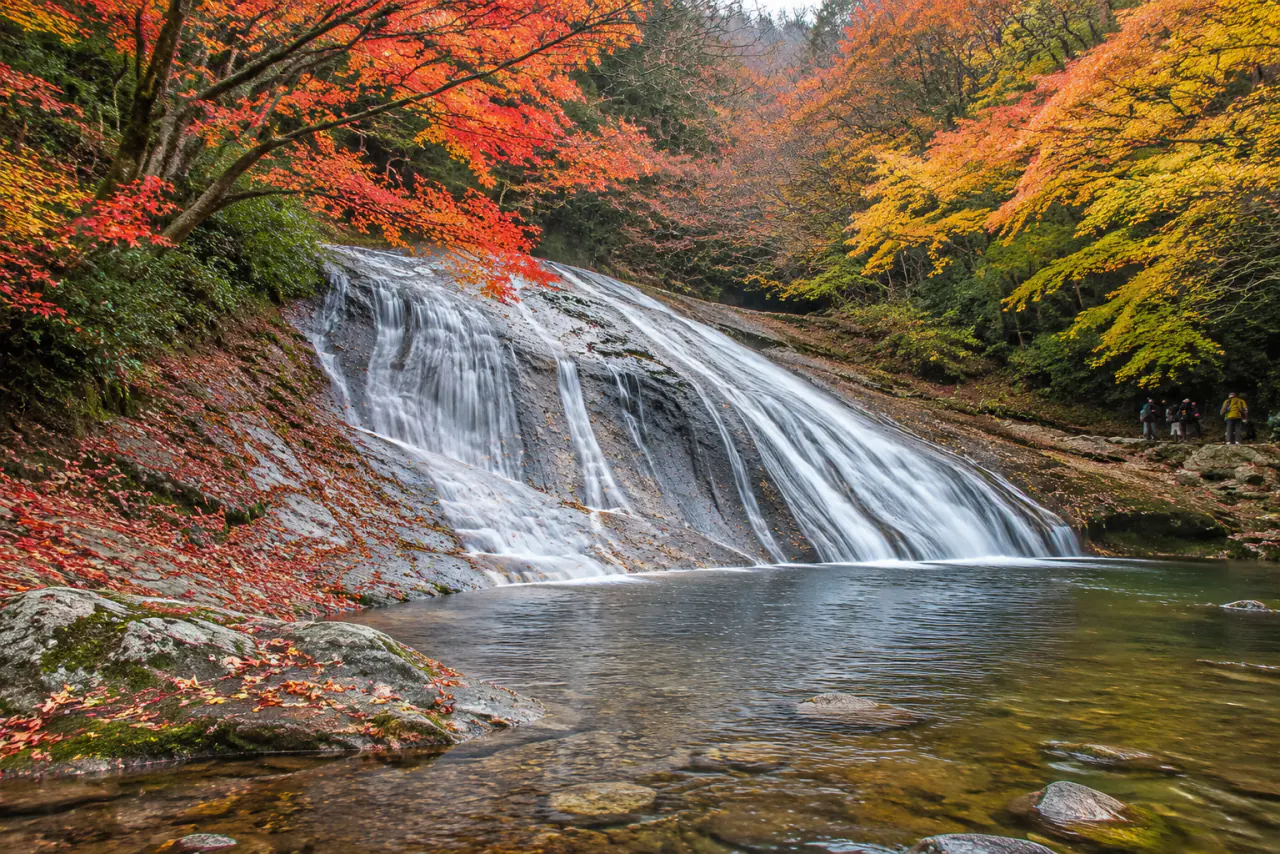
The Yōrō River cuts through the Bōsō Hills, creating a valley with several easy riverside trails and waterfalls. The largest, Awamata Falls, is about 30 meters high. The valley's autumn colors arrive late by Kantō standards, peaking from late November to early December. It is a good choice if you miss the colors in Kyoto or Nikko. Take the nostalgic Kominato Railway; canola flowers and cherry blossoms bloom along the line in spring.
The Kominato Railway runs infrequently, so check the timetable first. Some trails are slippery after rain.
-
 7
Mother Farm
マザー牧場
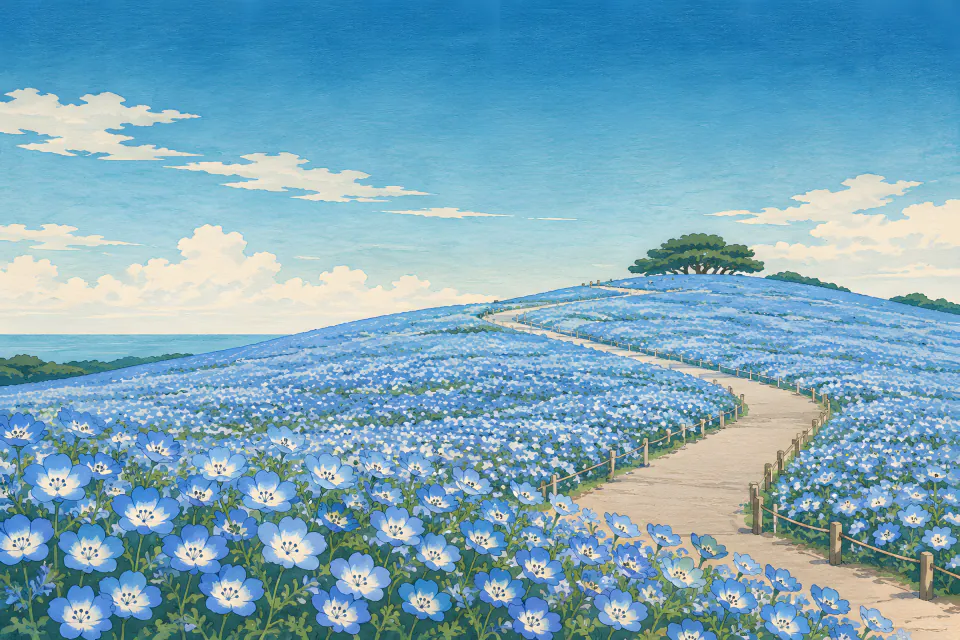
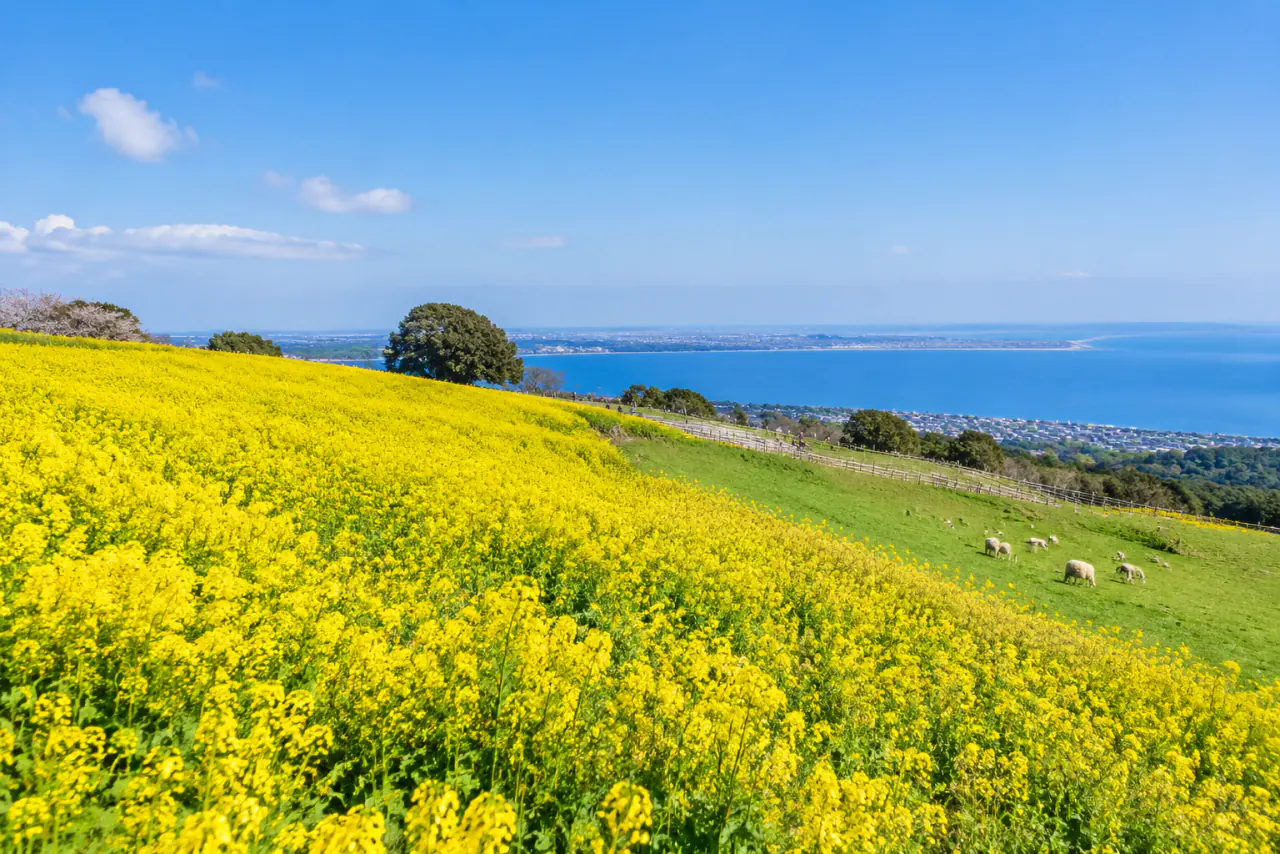
This large tourist farm sits in the hills of the Bōsō Peninsula. You can see and feed sheep, alpacas and cows, and try milking a cow. In spring, the canola fields on the hillsides are spectacular. Depending on the season, you may also see nemophila, hydrangeas and cosmos. The farm's soft-serve ice cream made with freshly milked milk is popular. It is a good place to spend a full day with children.
The bus from JR Sanukimachi Station takes about 25 minutes. Services are infrequent, so check the timetable in advance.
What to eat
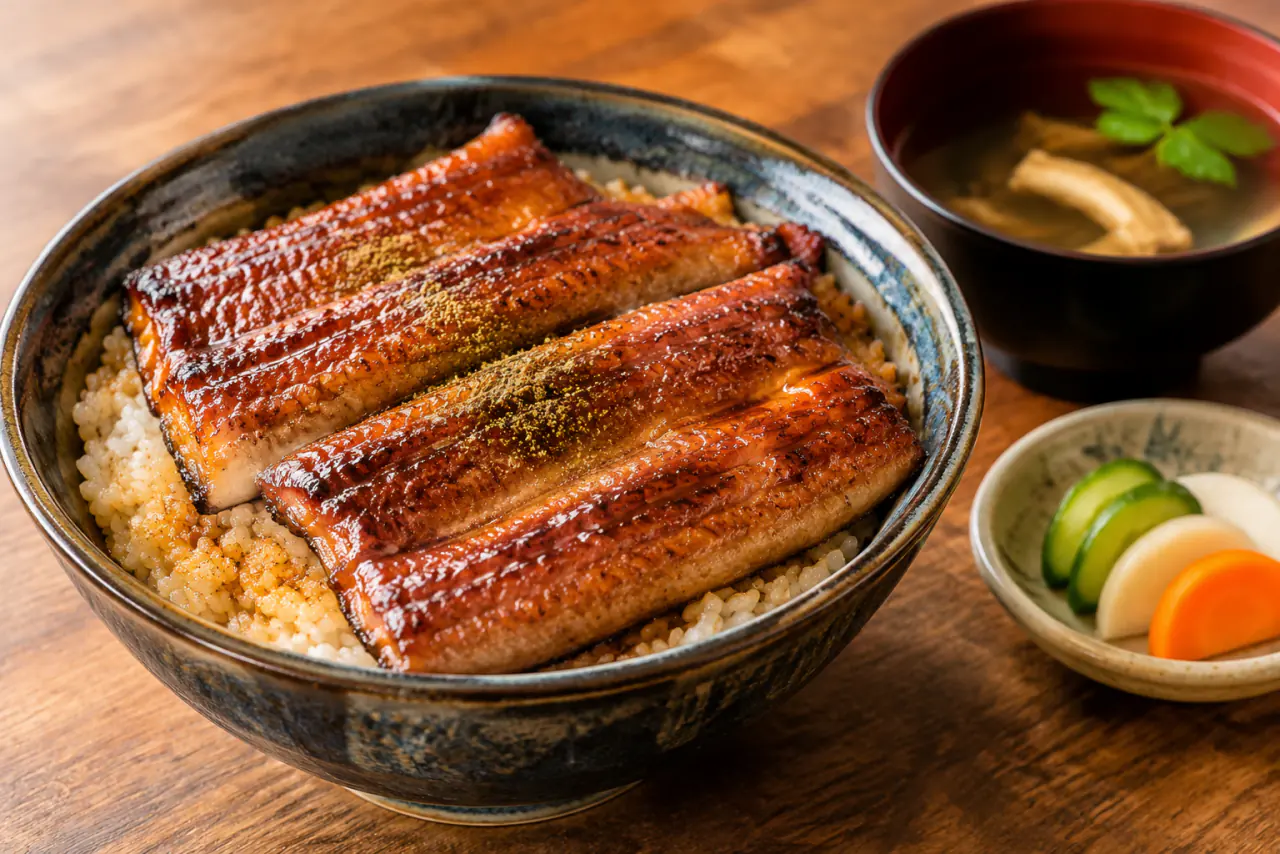
Narita eel rice
Omotesandō at Naritasan Shinshō-ji is lined with eel restaurants. At many of them, staff prepare and grill the eel over charcoal in front of the entrance, filling the street with its aroma. The Kantō style steams the eel before grilling it, giving it a soft, tender texture. It makes a good final meal before your flight home, and a convenient way to use up yen. Lunch lines can be long, so avoid peak meal times.
Omotesandō at Naritasan Shinshō-ji · About ¥3,500–6,000 per person
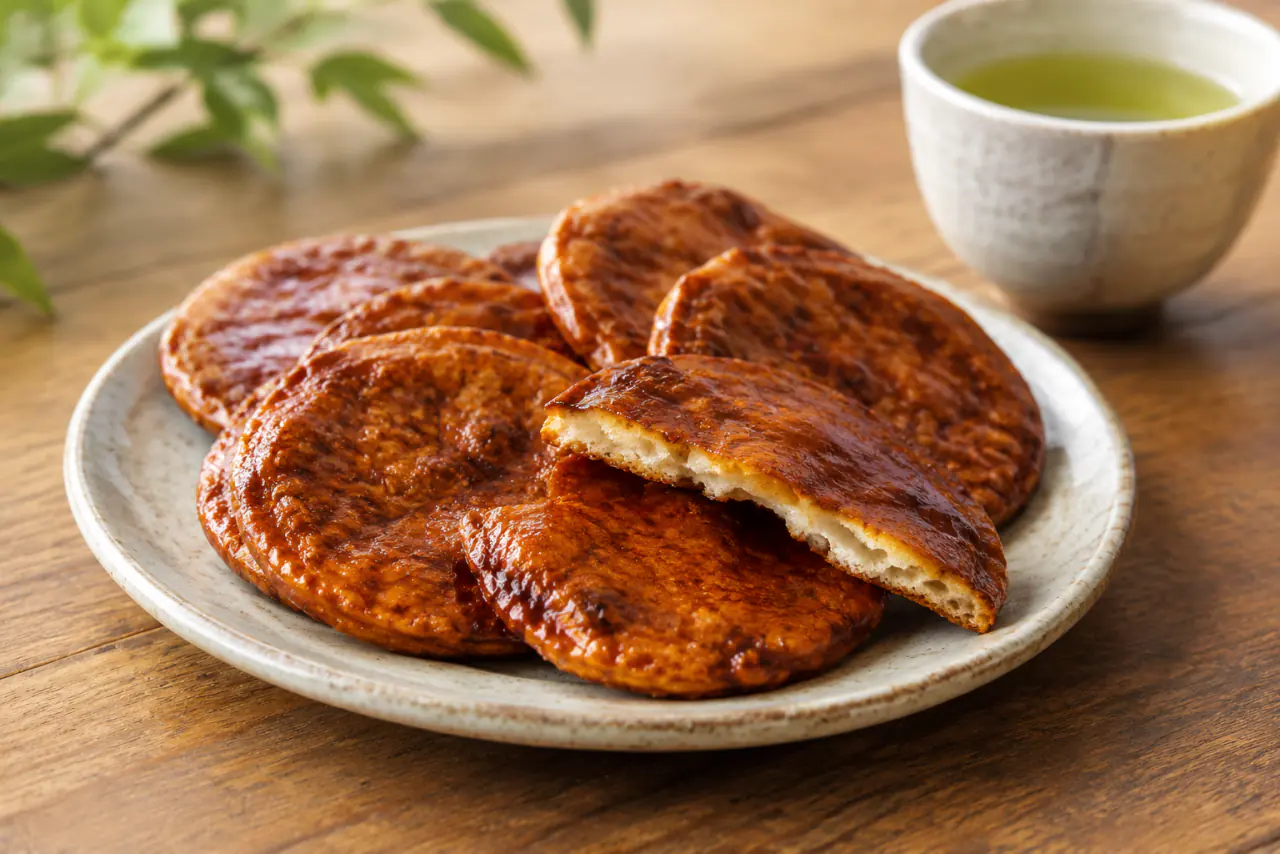
Chōshi nure senbei
A grilled rice cracker is dipped in soy sauce while still hot, giving it a soft, chewy texture and a rich sweet-salty flavor. Chōshi is a soy sauce-producing area, and this style originated here. The Chōshi Electric Railway survived a financial crisis in part by selling nure senbei, so buying a bag at one of its stations is also a way to support the local railway.
Chōshi Electric Railway stations and around Inubōsaki · About ¥500–1,000 per bag
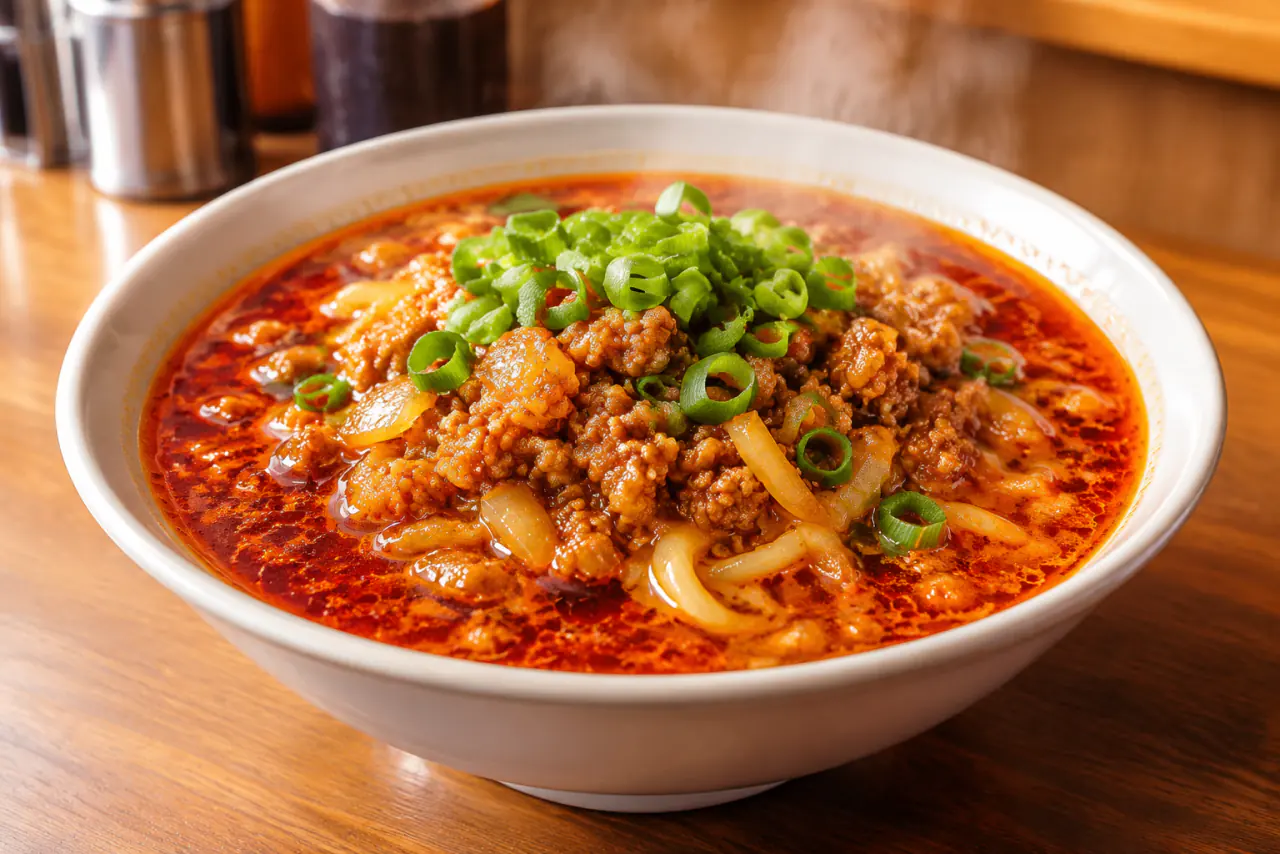
Katsuura tantanmen
This local noodle dish comes from the fishing port of Katsuura on the Bōsō Peninsula. It is completely different from Chinese sesame dan dan noodles: a soy sauce broth is topped with red chili oil, stir-fried onions and ground meat. It is spicy and warming, and is said to have been eaten by fishermen after going out to sea in cold weather.
Katsuura city on the east coast of the Bōsō Peninsula · About ¥900–1,200 per bowl
Getting there · Where to stay
Take the Keisei Line or JR to Narita Station, about 10 minutes, then walk for just over 10 minutes to Naritasan Shinshō-ji. It works well for a layover or a half-day visit before a late flight.
The JR Keiyō Line takes about 15 minutes from Tokyo Station to Maihama Station. From there, take the Disney Resort Line or walk directly to the parks.
Take the JR Uchibō Line to Hamakanaya Station for Mount Nokogiri. You can also take the Tokyo Bay Ferry from Kurihama in Kanagawa to Kanaya Port in about 40 minutes.
For an early flight, stay in Narita or at a hotel near the airport. For Tokyo Disney Resort, stay around Maihama at an official or partner hotel. Visits to the Bōsō Peninsula are usually day trips from Tokyo.
Know this before you go
- Several options connect Narita Airport and Tokyo, including the TYO-NRT low-cost bus, Skyliner and N'EX. Choose based on the area where you are staying.
- Tokyo Disney Resort tickets are date-based and limited in number. Buy them through official channels one or two months ahead during peak seasons.
- Driving is the easiest way to explore the Bōsō Peninsula, but the rules depend on your licence. Check whether you need a Japanese licence or an approved translation before driving.
- The Tokyo Bay Ferry from Kanagawa to Kanaya Port lets you combine Kamakura, Yokosuka and Mount Nokogiri in a loop.