Cloudborne Travel
Mie lies between Osaka and Nagoya. Its main draw is Ise Jingu, Japan's highest-ranking shrine, rebuilt every twenty years for the past 2,000 years. After paying your respects, eat Ise udon and Akafuku mochi on the old street in front of the torii. For many Japanese people, it's a once-in-a-lifetime trip.
South of Ise is the Shima Peninsula, with the winding waters of Ago Bay, pearl farms, and ama diving culture. To the west, Iga is the birthplace of ninjas. To the north, Kuwana has a major light show. Kintetsu limited express trains take about 1.5–2 hours from Osaka or Nagoya. Plan to stay at least one night.
Spring and fall are the most comfortable seasons for visiting the shrines. Ise Jingu is extremely crowded around New Year's, summer is best for the sea in Shima, and winter is the season for light shows.
Monthly weather
Based on TsuBest time to visit Monthly precipitation (mm) Open-Meteo (ERA5), 1996–2025 average
| Month | Average high (°C) | Average low (°C) | Monthly precipitation (mm) | Days with 1 mm or more of precipitation |
|---|---|---|---|---|
| Jan(Good time to visit) | 9.2 | 3.3 | 68 | 7 |
| Feb(Good time to visit) | 10.2 | 3.5 | 74 | 8 |
| Mar(Good time to visit) | 13.9 | 6 | 128 | 11 |
| Apr(Good time to visit) | 18.7 | 10.6 | 148 | 11 |
| May(Good time to visit) | 23 | 15.6 | 183 | 12 |
| Jun | 26.3 | 20.1 | 233 | 15 |
| Jul | 30.3 | 24.4 | 230 | 18 |
| Aug | 31.4 | 25.4 | 194 | 16 |
| Sep(Good time to visit) | 28 | 22.2 | 235 | 16 |
| Oct(Good time to visit) | 22.7 | 16.2 | 218 | 12 |
| Nov(Good time to visit) | 17.3 | 10.5 | 104 | 8 |
| Dec(Good time to visit) | 11.7 | 5.5 | 69 | 7 |
Sights
-
 1
Ise Grand Shrine Naiku
伊勢神宮 内宮(皇大神宮)
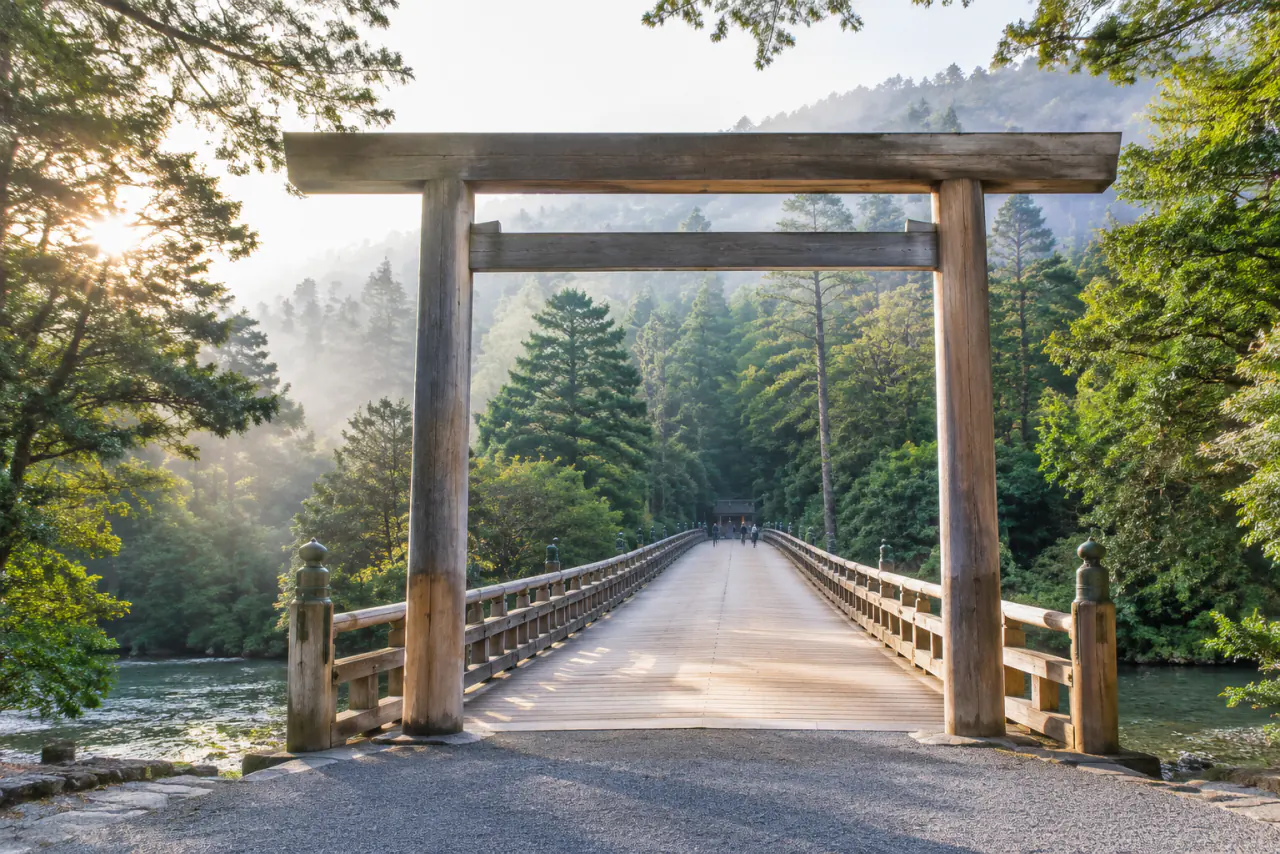
Naiku, dedicated to Amaterasu, is the heart of Ise Jingu. After crossing Uji Bridge, follow the gravel approach through a forest of ancient cedars. At the main sanctuary, visitors can pray only from outside the white curtain, and photography is not allowed. The entire forest is quiet and solemn, completely unlike Kyoto's busy shrines. Admission is free. It opens at 5 a.m.
Go at 6–7 a.m. for the quietest visit. Photography is prohibited on the steps leading to the main sanctuary.
-
 2
Ise Grand Shrine Geku
伊勢神宮 外宮(豊受大神宮)
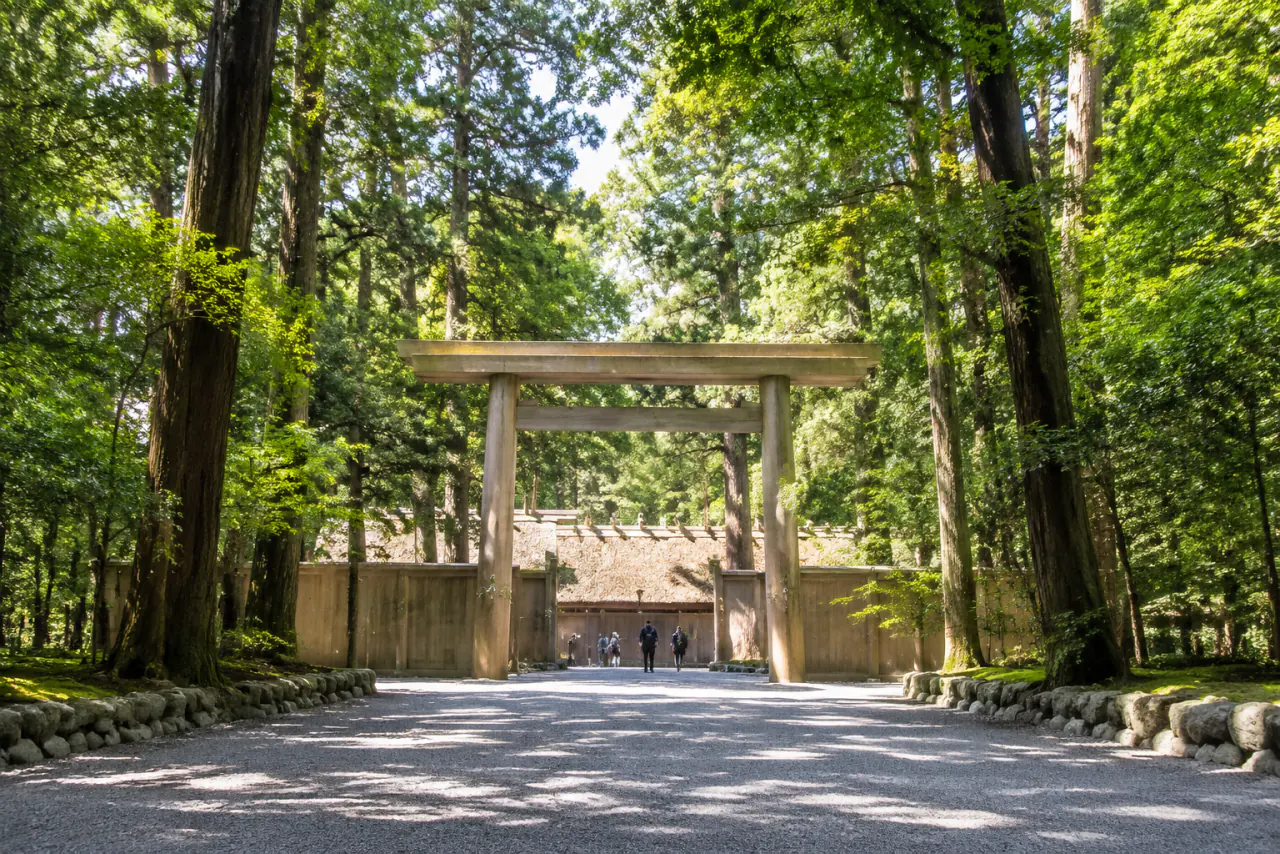
Traditionally, visitors pray at Geku before Naiku. Geku is about a 5-minute walk from Iseshi Station. Its flat approach is quieter than Naiku's. The nearby Sengukan Museum introduces the Shikinen Sengu rebuilding ceremony. Afterward, take a bus to Naiku in about 15 minutes.
Geku and Naiku are about 5 km apart. Take a bus or taxi instead of walking.
-
 3
Oharai-machi & Okage Yokocho
おはらい町・おかげ横丁
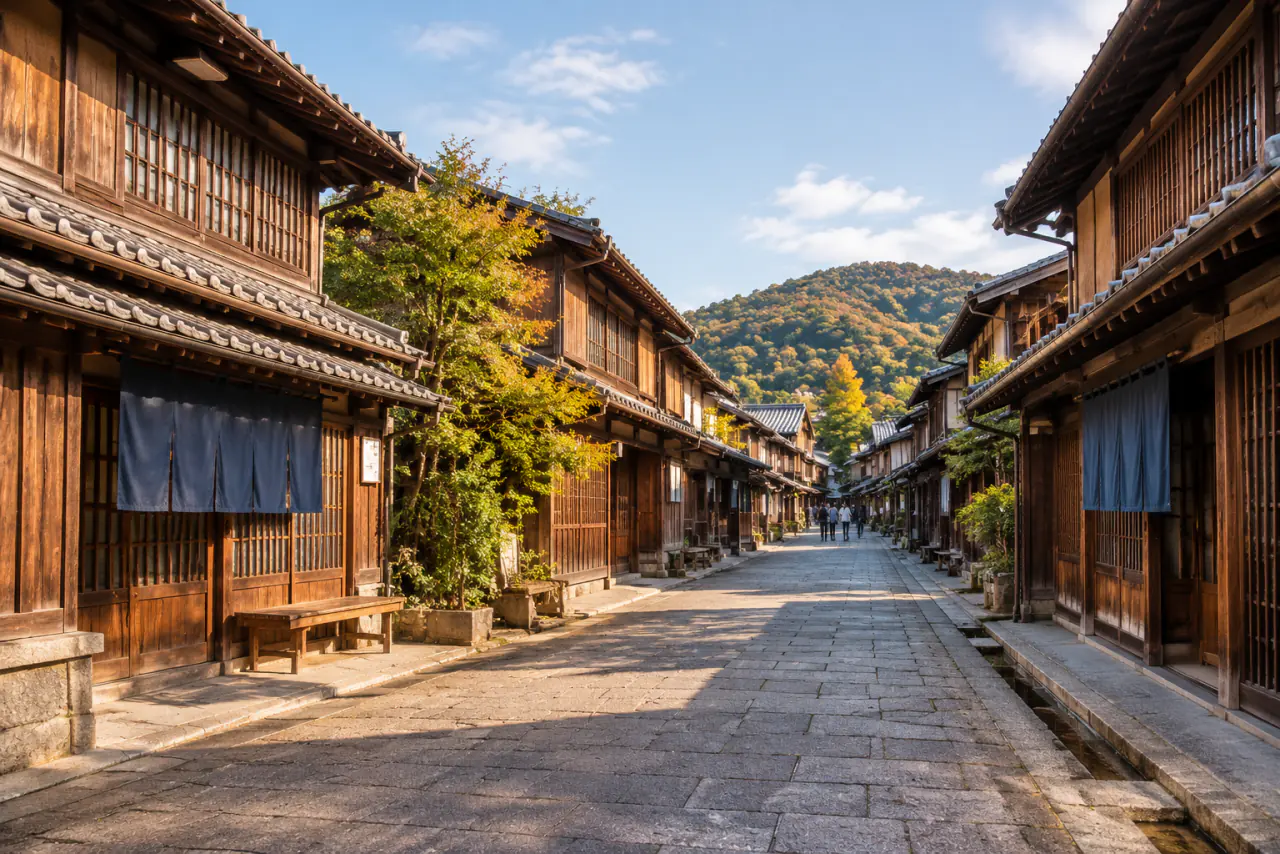
This old shopping street stretches about 800 meters in front of Naiku. Wooden buildings line the approach, selling Ise udon, charcoal-grilled seafood, Akafuku mochi, and souvenirs. Okage Yokocho, in the middle, recreates streetscapes from the late Edo period through the Meiji period. It's the best place to have lunch after visiting the shrine.
Many shops close around 5 p.m., so don't wait until evening to eat.
-
 4
Meoto Iwa
夫婦岩
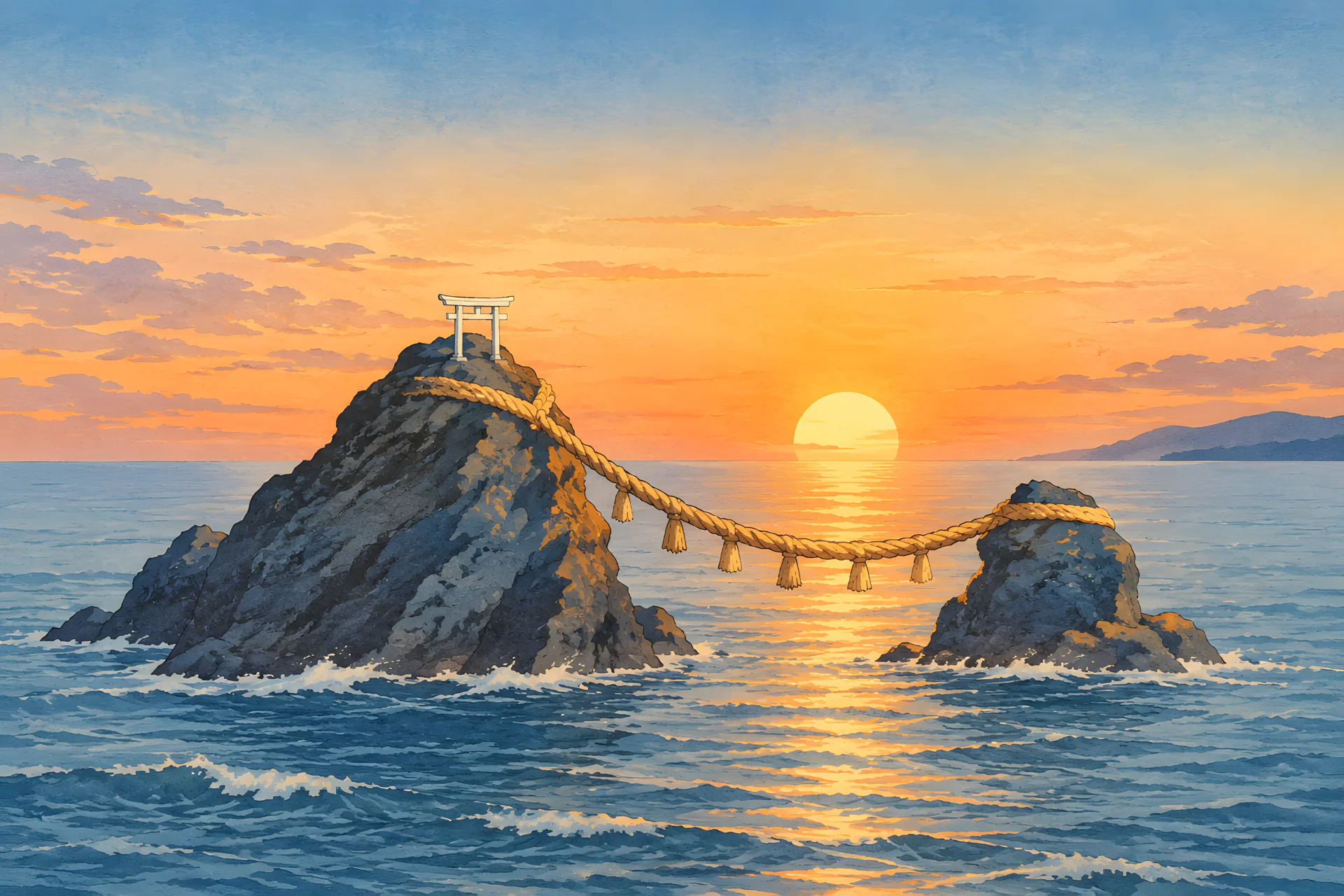
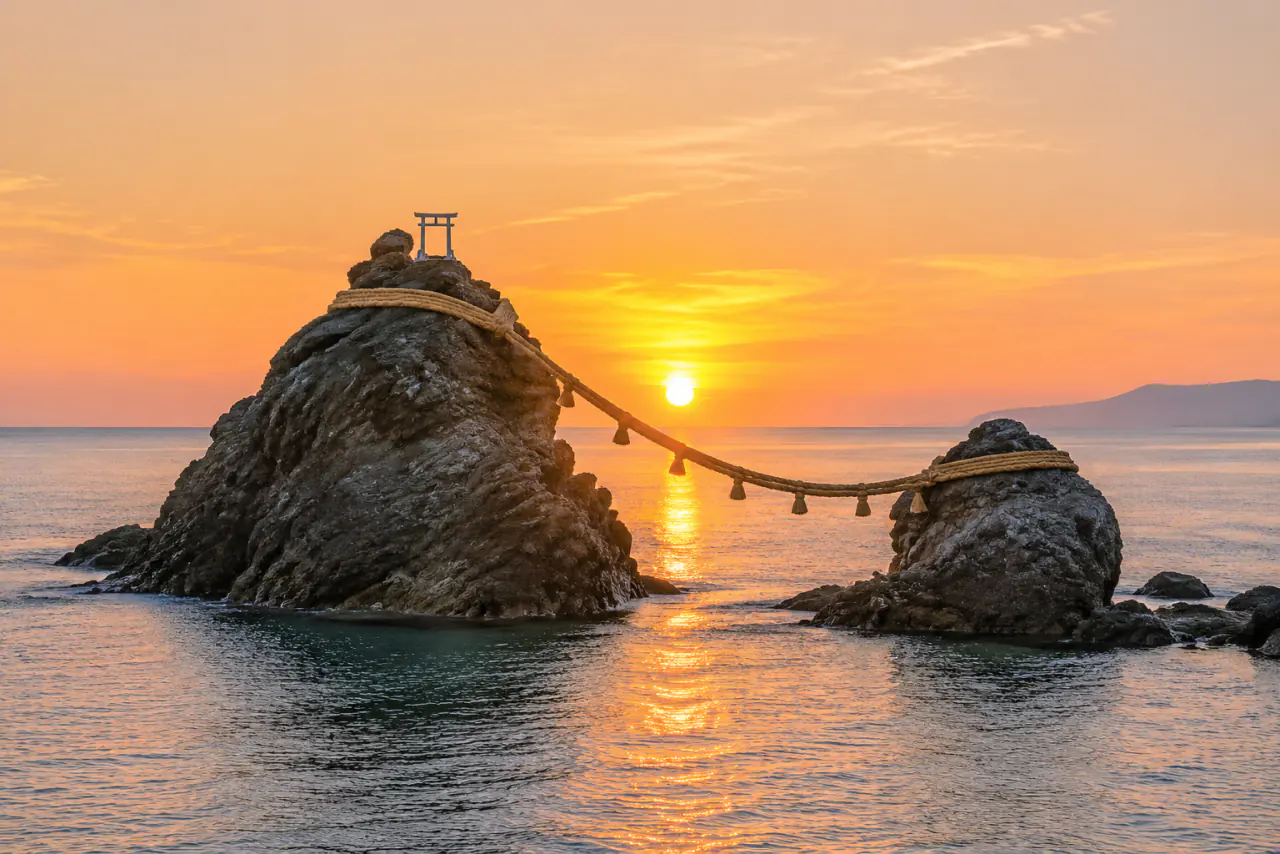
Two rocks of different sizes rise from the sea at Futamiura, linked by a thick sacred rope to symbolize marital harmony. In good weather from May–July, the sun rises between the rocks, and Mount Fuji may be visible in the distance. Located between Ise and Toba, Meoto Iwa can be combined with a visit to Toba Aquarium.
Check the sunrise time for the day and arrive at the shore 20 minutes early.
-
 5
Yokoyama Observatory, Ago Bay
横山展望台・英虞湾
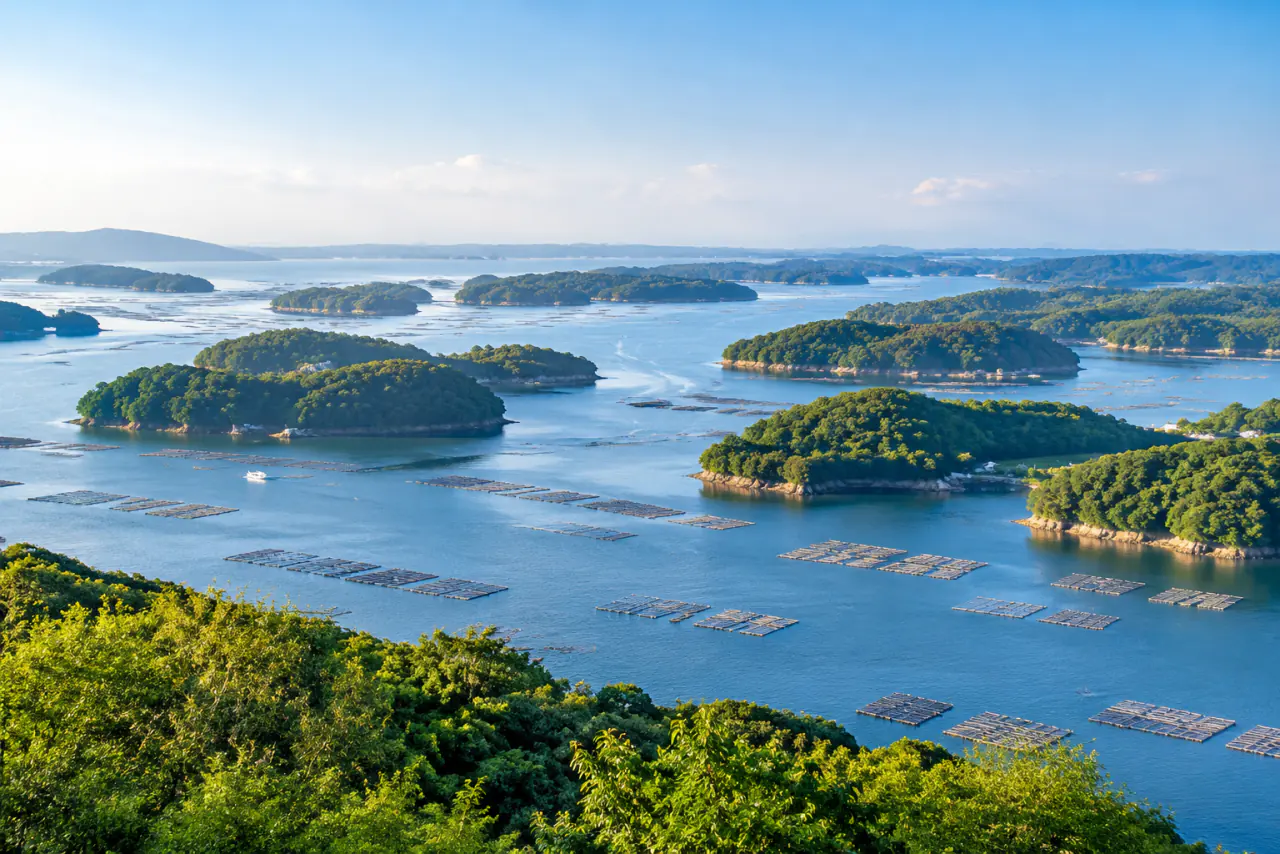
From the observatory, look down on Ago Bay, where more than sixty islands dot its winding waters and wooden rafts used for pearl farming line the sea. It's one of Ise-Shima National Park's signature views. You can also take a sightseeing cruise from Kashikojima for a closer look at the bay and pearl farms.
It's about a 10-minute taxi ride from Ugata Station. On clear days, the morning light is best.
-
 6
Iga-ryu Ninja Museum
伊賀流忍者博物館
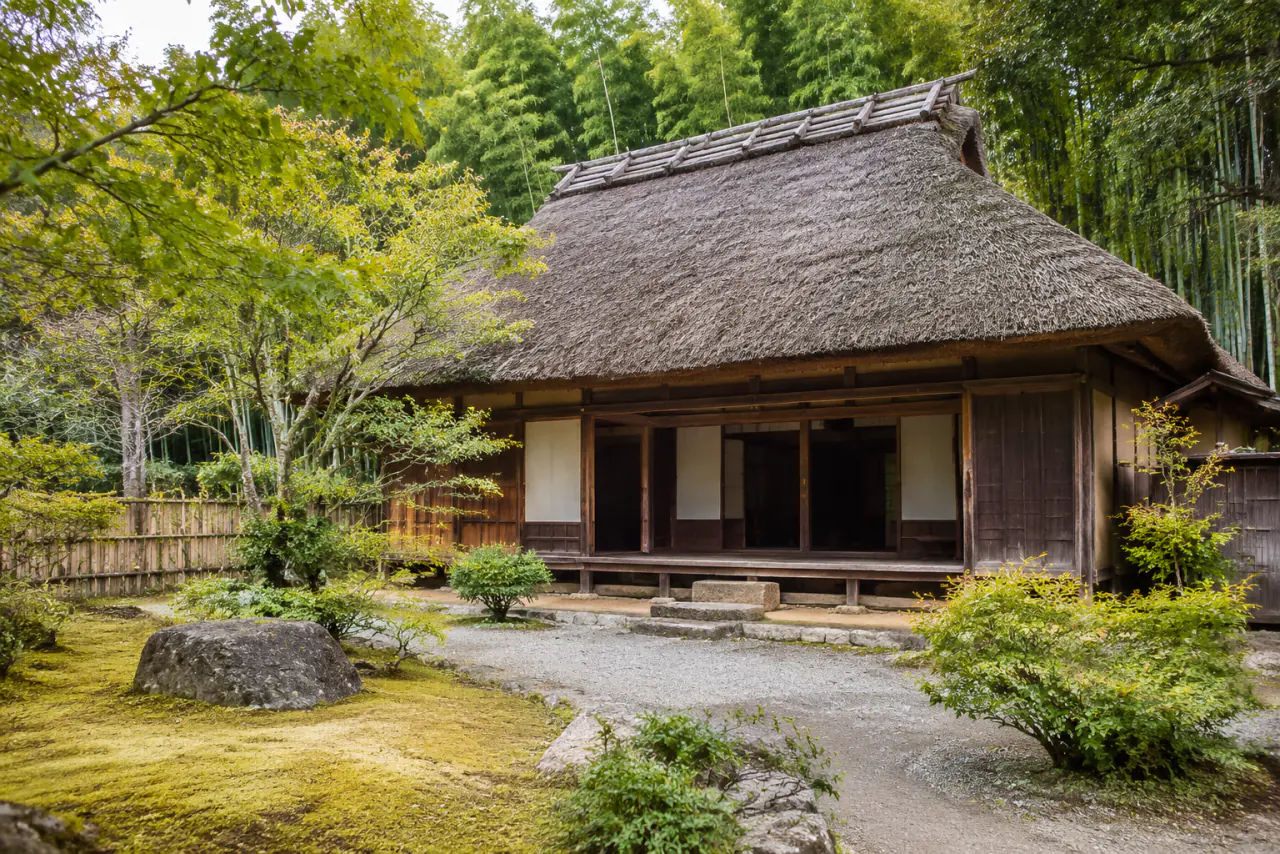
Iga is one of Japan's birthplaces of ninjas. The museum has a ninja house packed with secret mechanisms, including revolving walls, hidden doors, and underground passages. Staff demonstrate the features, and there are also shuriken and ninja performances. Iga Ueno Castle is next door, making this a good stop for families.
Getting here from Osaka requires transfers between Kintetsu and the Iga Railway and takes longer than the route to Ise. Set aside half a day.
-
 7
Nabana no Sato
なばなの里
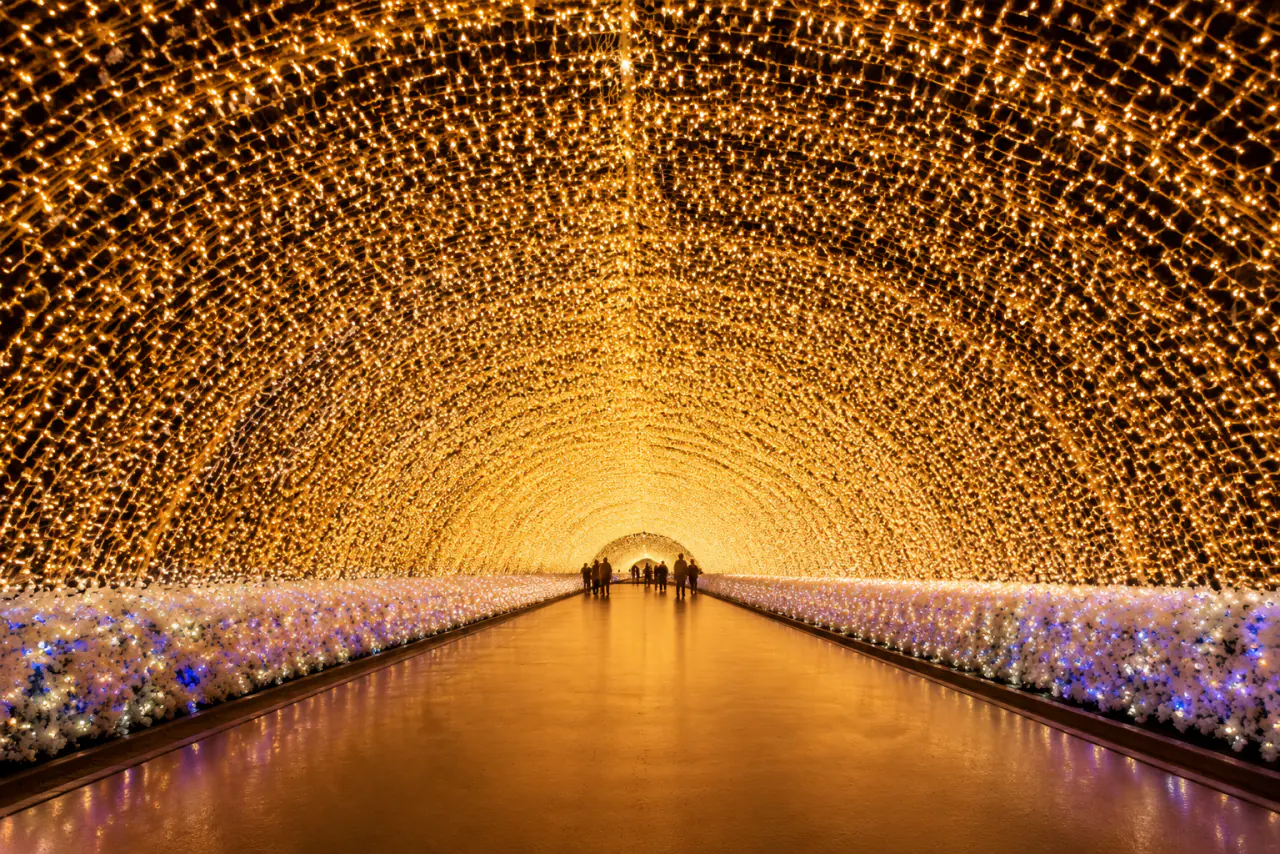
This large garden in Kuwana combines seasonal flower displays with a huge greenhouse. Its hydrangea and iris gardens in early summer are said to be among Japan's largest. The biggest draw is the light show from fall and winter through spring, when millions of bulbs form tunnels and themed displays. It's about 40 minutes by highway bus from Nagoya Station.
The light show is extremely crowded on weekend evenings. Go on a weekday or arrive later after dark.
-
 8
Akame 48 Waterfalls
赤目四十八滝
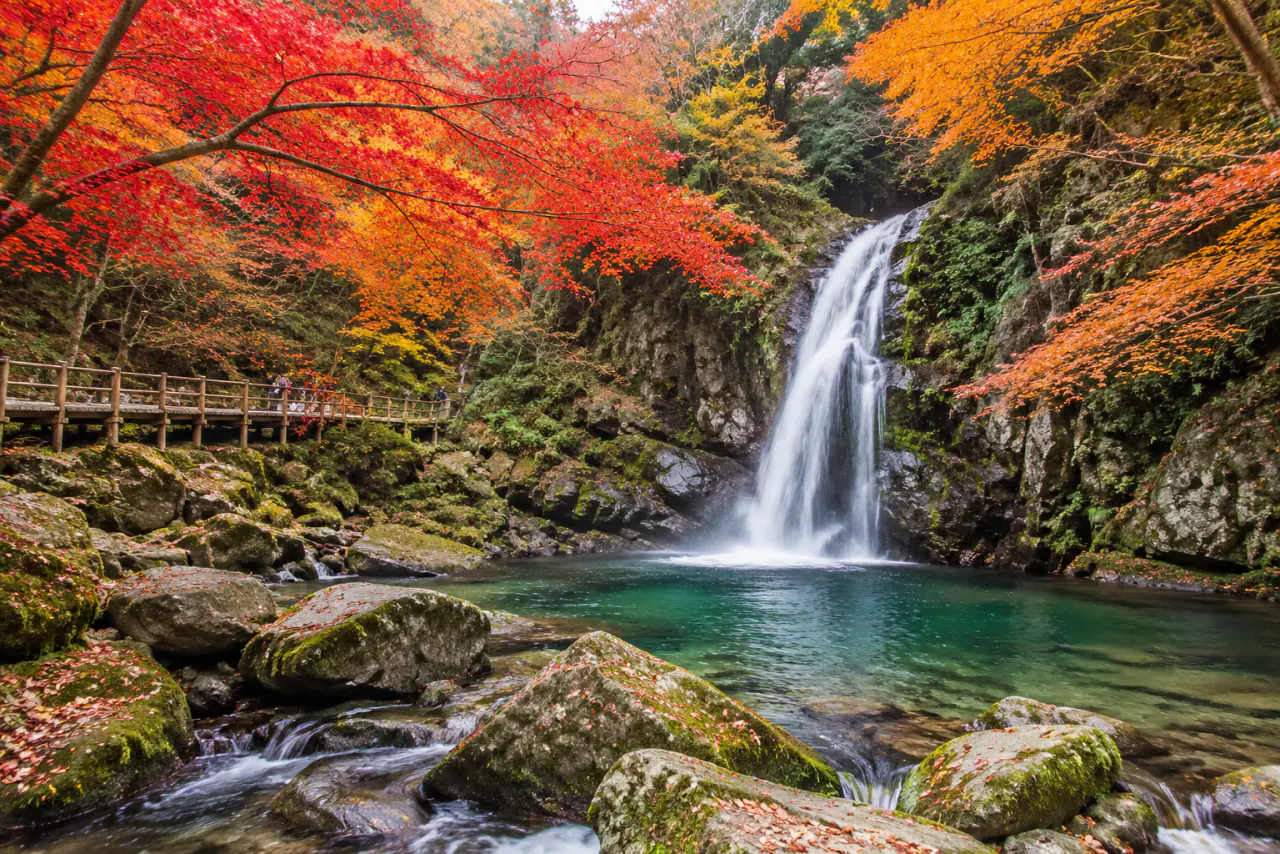
Follow the valley upstream for about 4 km, passing one waterfall and deep pool after another. The water is a clear green. Most of the route consists of maintained paths and stairs, and the one-way walk takes about 1.5 hours. The area is said to have been a place where ninjas trained, and the fall foliage is beautiful. From Kintetsu Akameguchi Station, take a bus for about 10 minutes.
You can turn back halfway. The stone steps are slippery after rain, so wear shoes with good traction.
What to eat
Ise udon
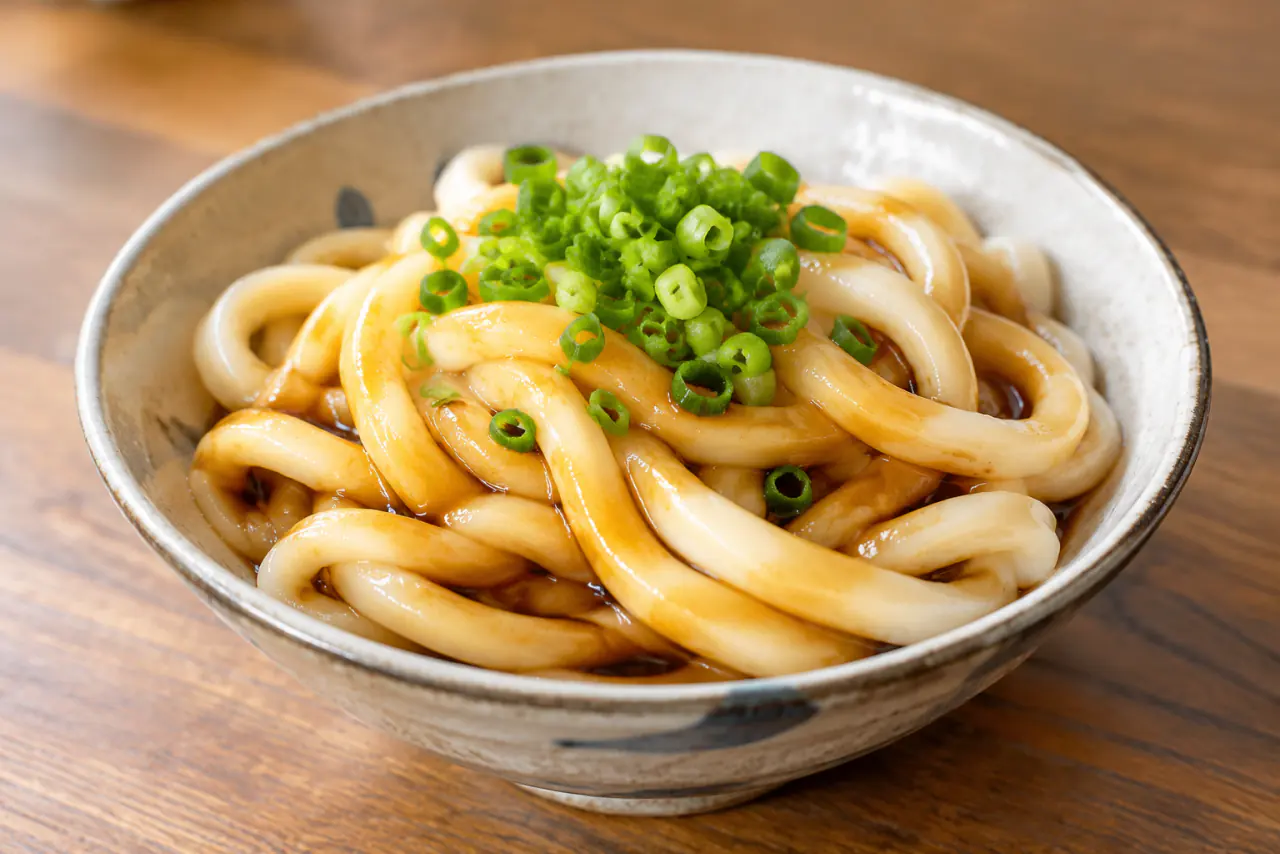
The noodles are remarkably thick but cooked until very soft, so they require almost no chewing. They're tossed with a dark, sweet-and-savory sauce. The dish was originally designed to let pilgrims eat quickly and get back on the road, and the recipe has changed little in hundreds of years.
Traditional noodle shops along the Oharai-machi approach and around Iseshi Station. · About ¥600–1,000 per bowl
Tekone sushi
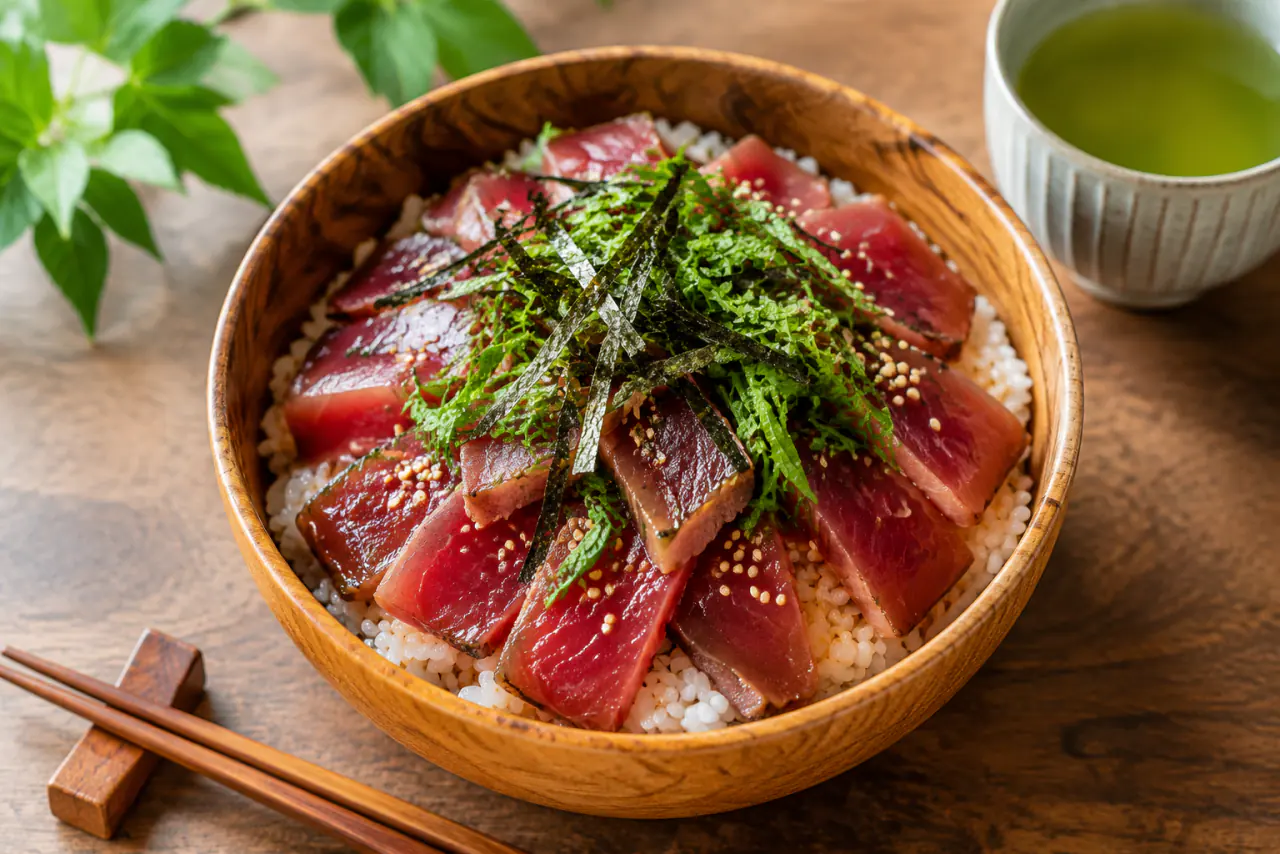
This Shima fishermen's dish features raw bonito or tuna marinated in soy sauce, served over vinegared rice and topped with shiso and nori. It was originally mixed by hand on boats, hence the name. The flavor is light and savory.
Restaurants in Oharai-machi, Toba, and Shima. · About ¥1,300–2,500 per person
Akafuku mochi
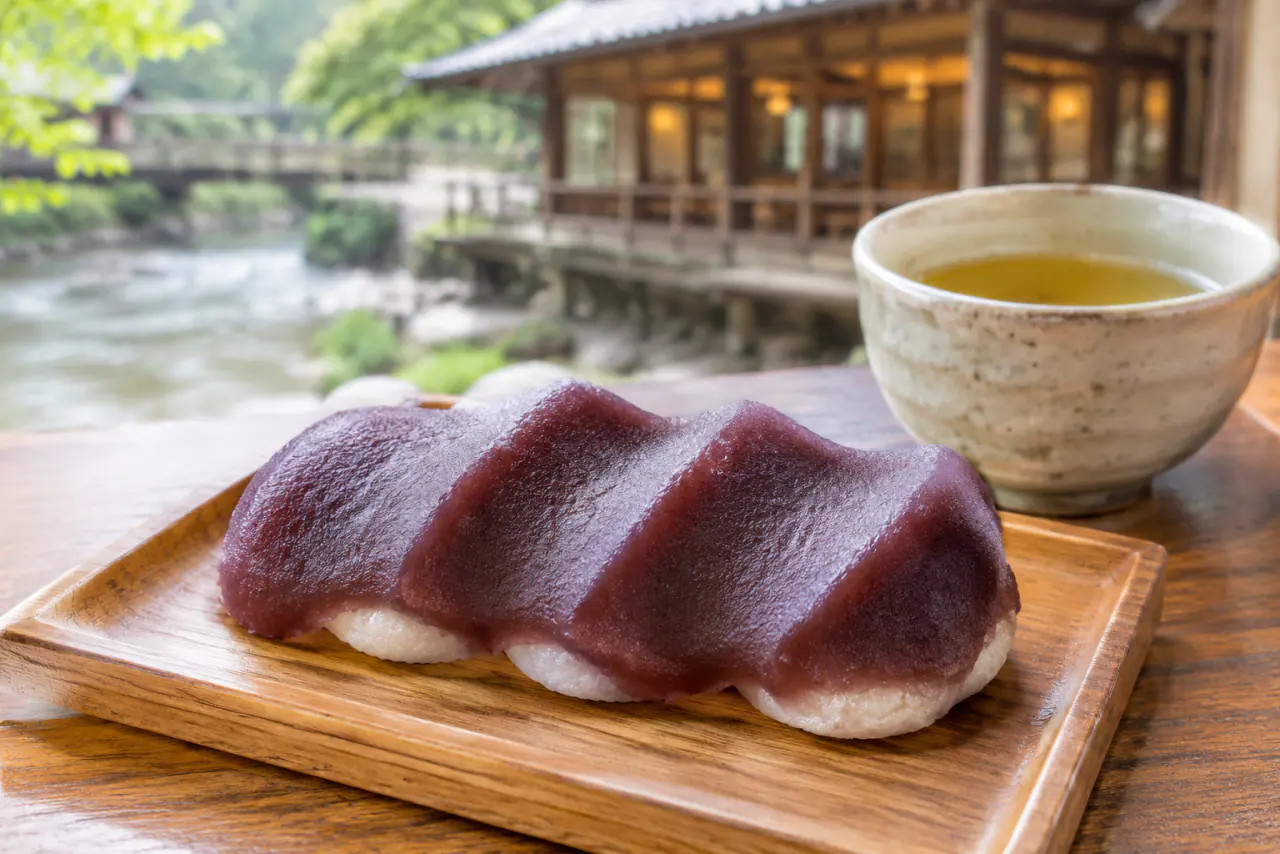
Ise's most famous sweet consists of soft mochi covered with red bean paste. Three ridges pressed into the top represent the flowing waters of the Isuzu River. The main shop is in front of Naiku. For the most local experience, enjoy it with a bowl of bancha tea by the river.
Akafuku's main shop in Oharai-machi in front of Naiku. It's also sold at stations and the airport.
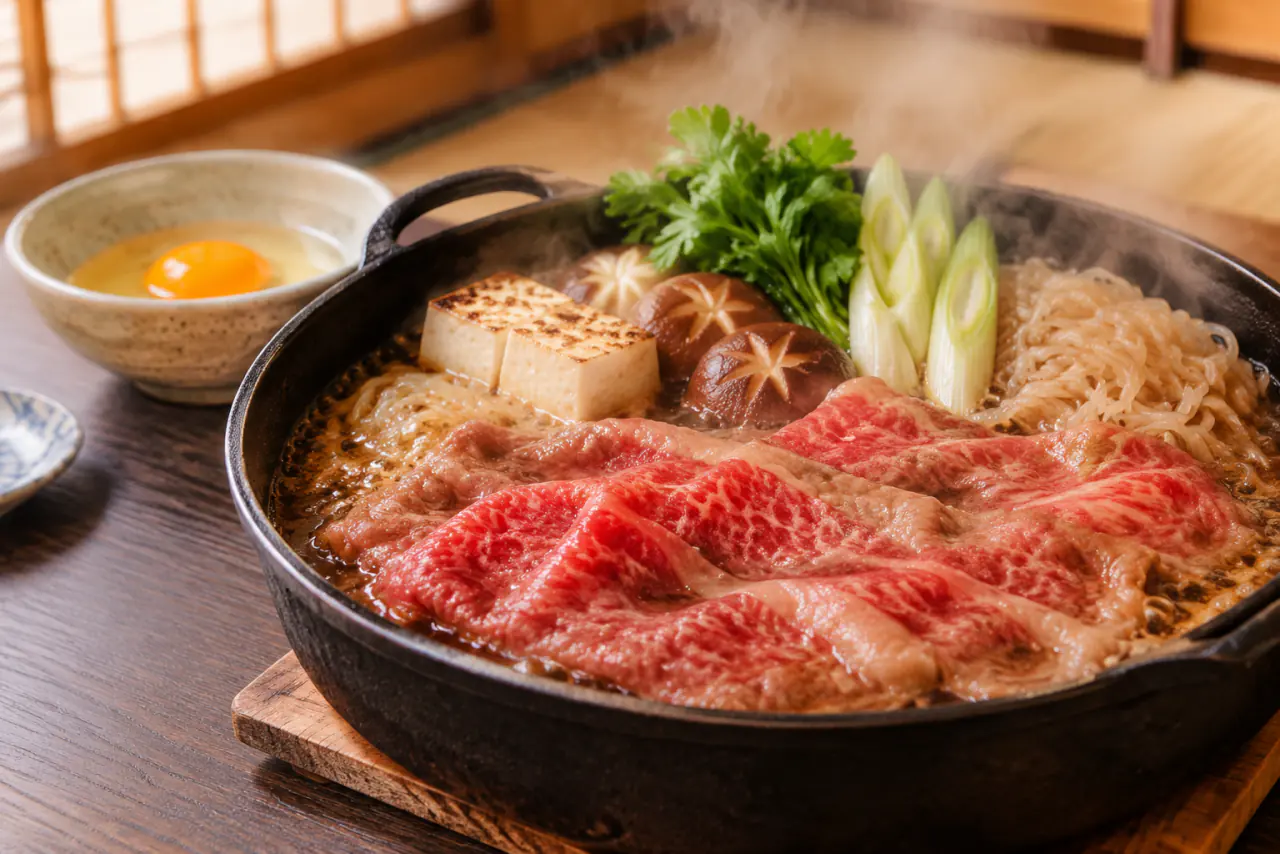
Matsusaka beef
One of Japan's three great wagyu brands, Matsusaka beef has a low melting point and a sweet aroma. Sukiyaki and charcoal-grilled beef are the specialties in Matsusaka. On a smaller budget, try a Matsusaka beef bento or croquette.
Long-established restaurants around Matsusaka Station. There are also branches in central Ise. · About ¥5,000–15,000 per person for lunch
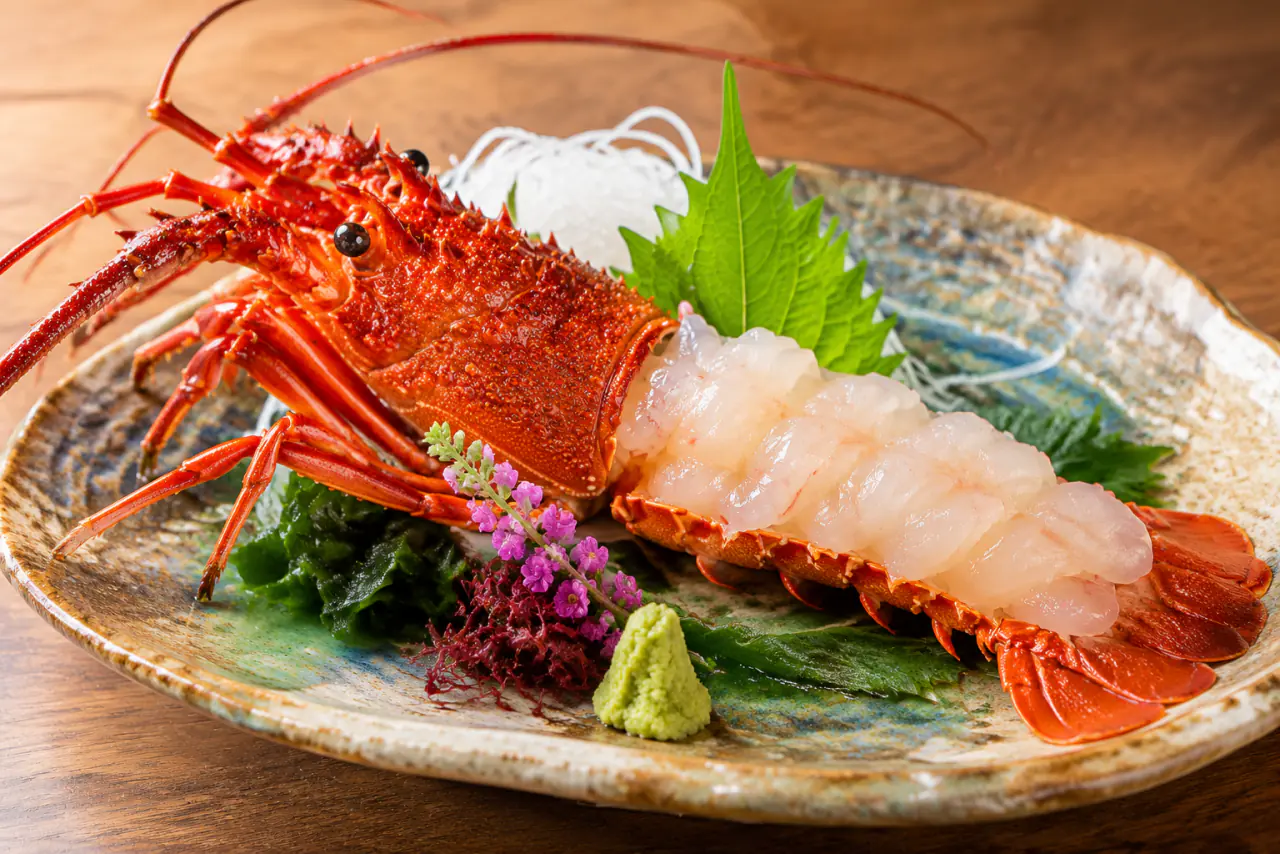
Ise lobster
The lobster caught off the coast of Shima has firm, sweet meat and is served as sashimi, grilled over charcoal, or in miso soup. Fall and winter are the fishing season. A lobster meal at a seaside inn is one of the main reasons to stay in Shima.
Seaside hot-spring inns and seafood restaurants in Toba and Shima.
Getting there · Where to stay
The Kintetsu limited express takes about 1 hour 45 minutes to Ujiyamada. The Shimakaze sightseeing train runs directly to Kashikojima in about 2 hours 20 minutes.
The Kintetsu limited express takes about 1 hour 20 minutes to Ujiyamada. Nagoya is also the closest major city to Chubu Airport.
The Kintetsu limited express takes about 2 hours to Ujiyamada. Some trains require a transfer at Yamato-Yagi.
If you're visiting only the shrine, stay near Iseshi Station or Ujiyamada Station. For the sea and Ise lobster, stay at a seaside hot-spring inn in Toba or Shima.
Know this before you go
- Ise Jingu's hours change with the seasons. It opens as early as 5 a.m. and closes as late as around 5–7 p.m. Check the official website before you go.
- Visitor numbers are extremely high during the first three days of the New Year, with traffic controls and lines lasting for hours. First-time visitors should avoid this period.
- Kintetsu limited express trains require a separate limited express ticket. Reserve seats online in advance for weekends and holidays.
- Attractions on the Shima Peninsula are spread out and buses are infrequent. If your licence is not valid for driving in Japan, join a local one-day bus tour. Licence rules depend on your licence and destination; check the official source before driving.
Source (2026-11)
Ise Jingu: Visitor information, Wikipedia: Kintetsu limited express