 Cloudborne Travel
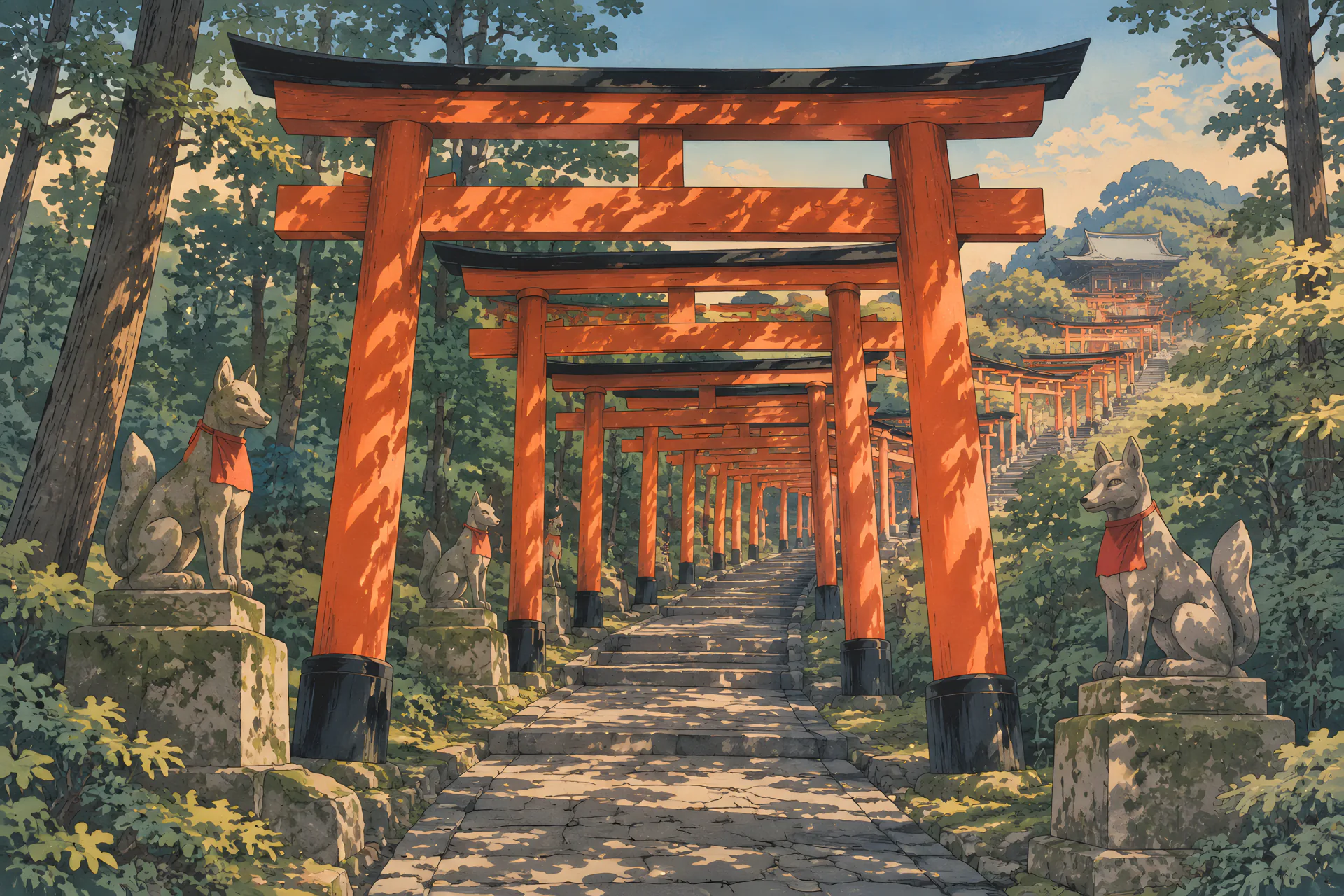
かんさい · Kansai
Kansai
Historic cities, great food, and hot springs—the perfect introduction to Japan
Kansai is one of the easiest regions to visit on your first trip to Japan: see temples and old streets in Kyoto, eat and shop in Osaka, feed the deer and see the Great Buddha in Nara, and enjoy Kobe's harbor views at night. Most cities are less than an hour apart by train. Choose one or two cities as your base and take day trips to the main sights without changing hotels every night.
For a longer trip, add Himeji Castle, Kinosaki Onsen, Mount Koya, the Kumano Kodo, or Ise Jingu. These destinations take two or three hours each way, so staying overnight is best. Cherry blossom and fall foliage season are the busiest and most expensive times in Kansai, so book hotels one or two months ahead. Summers are hot and humid. Winter is quieter and better for taking your time at the temples.
When to goLate March–early April for cherry blossoms and mid- to late November for fall foliage are the most beautiful—and busiest—times. Winter is quieter and cheaper, while summers are hot and humid.
Major citiesKyoto · Osaka · Nara · Kobe · Himeji · Ise
7 prefectures
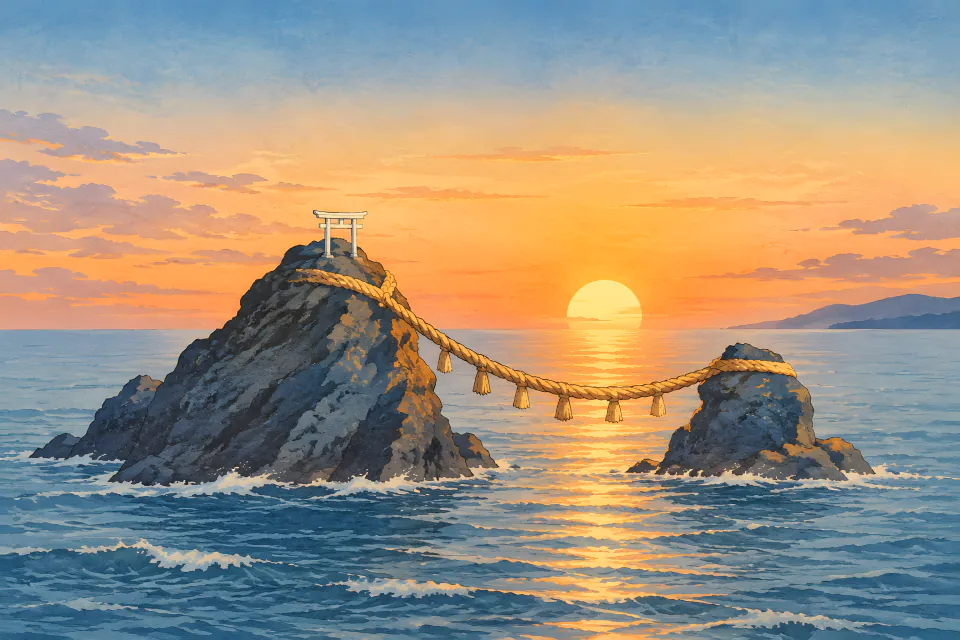
Mie
Home of Ise Jingu, ama divers, and ninjas
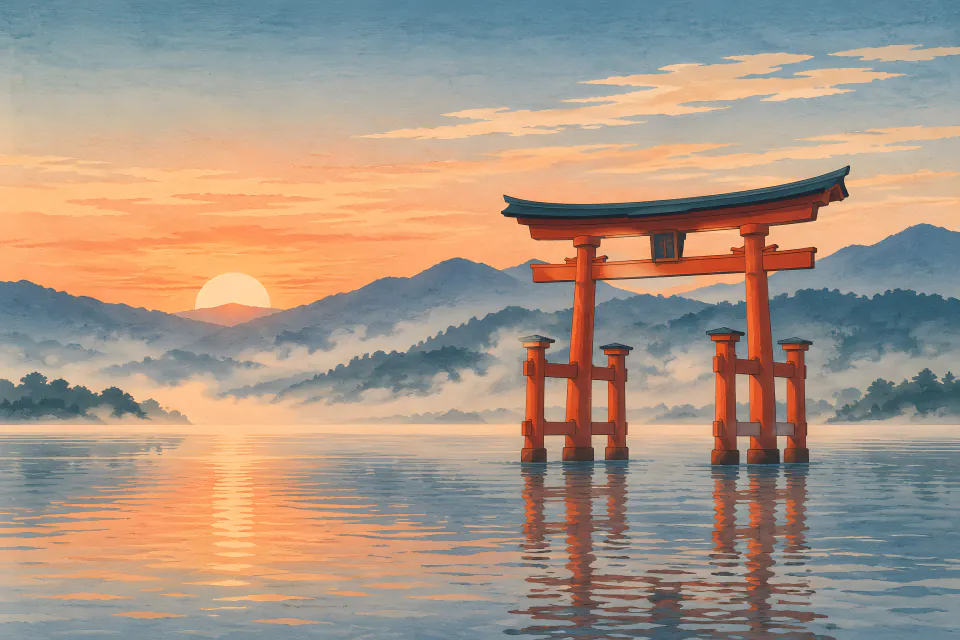
Shiga
Old castle towns and mountain temples by Lake Biwa
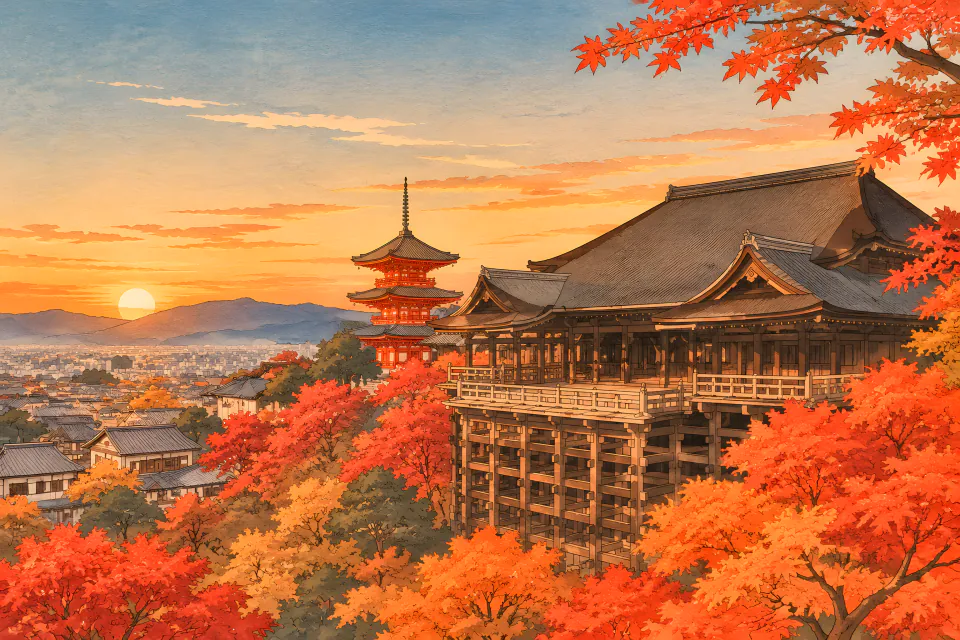
Kyoto
A thousand-year-old capital, best explored one neighborhood at a time
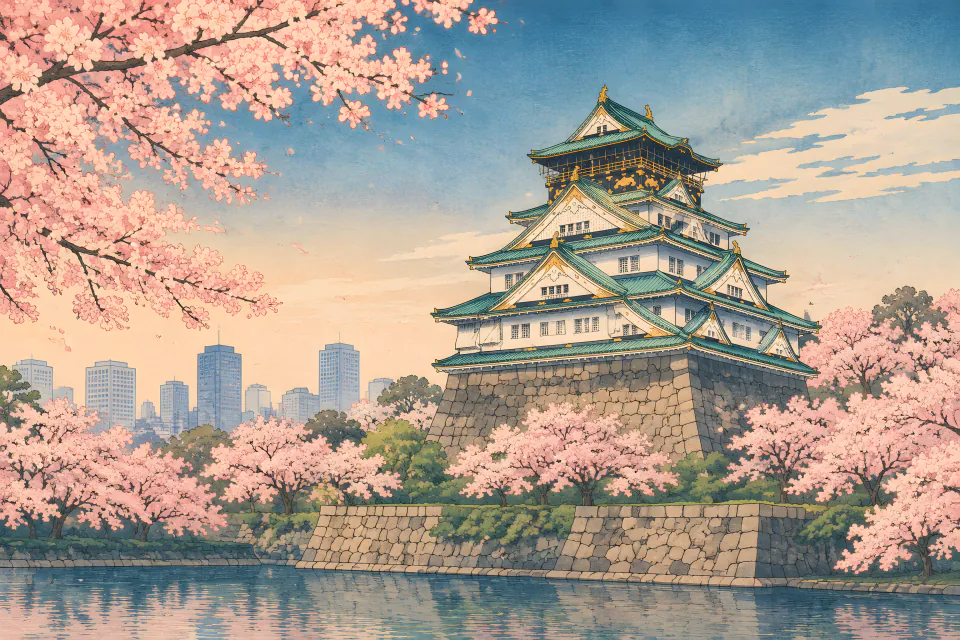
Osaka
Kansai's home base for food, fun, and shopping
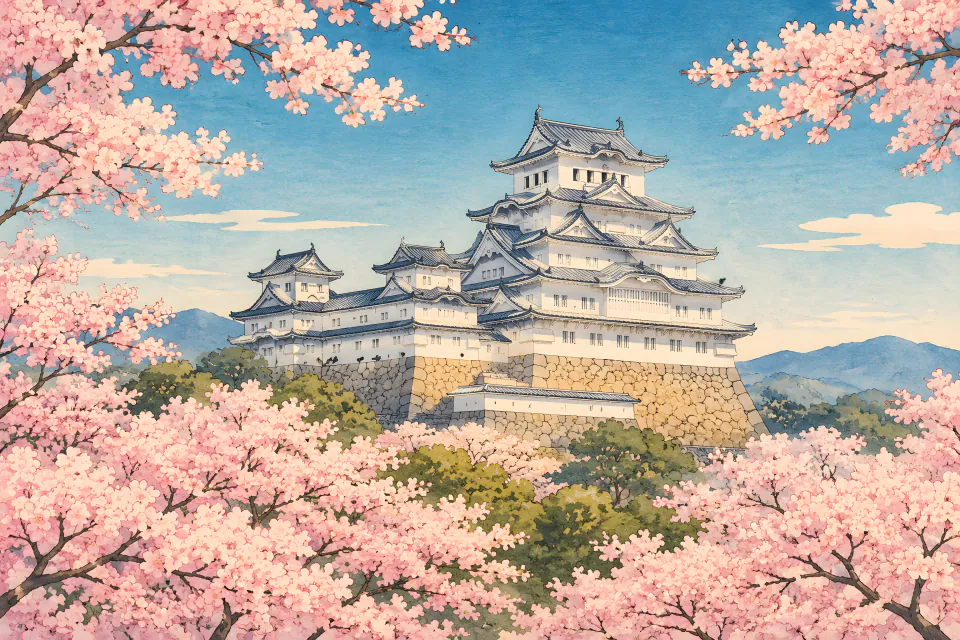
Hyogo
Kobe's waterfront, Himeji Castle, and hot springs in one prefecture
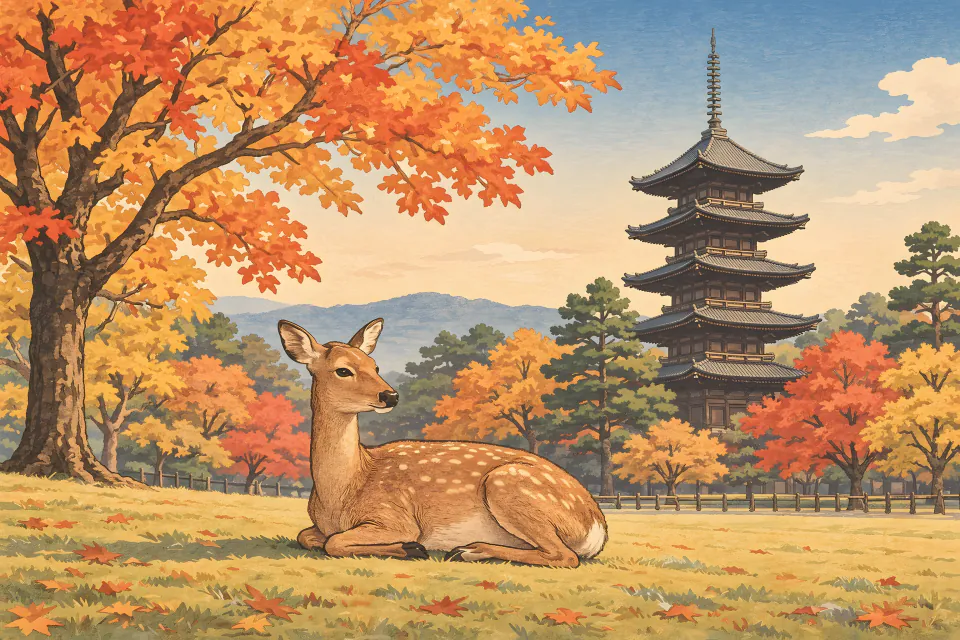
Nara
See the Great Buddha and feed the deer—older than Kyoto
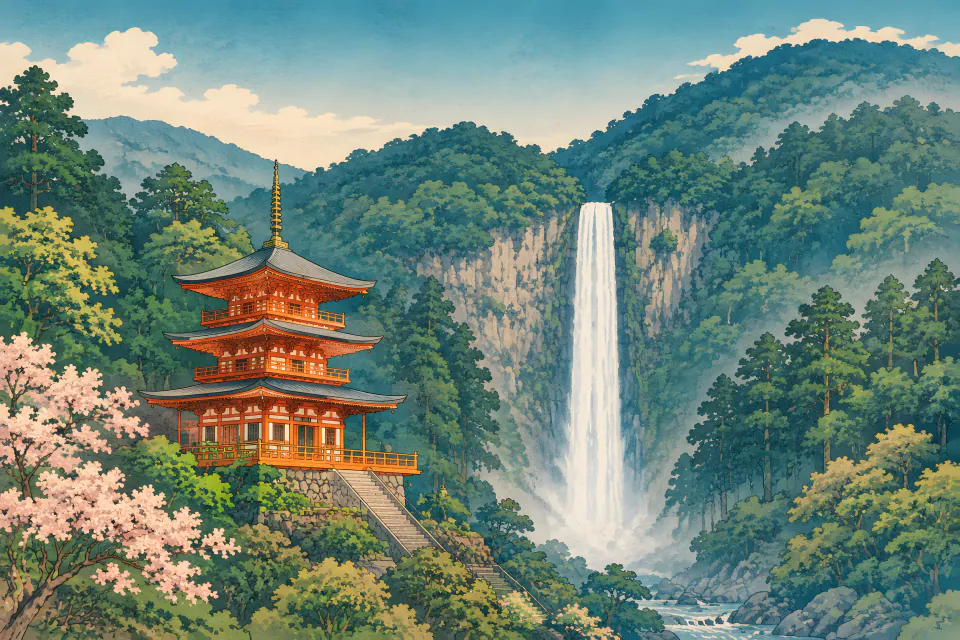
Wakayama
Temple stays, ancient trails, and seaside hot springs
Getting in and out
The JR limited express HARUKA takes about 75–80 minutes to Kyoto. Discounted one-way tickets for international visitors cost about ¥2,700. The Nankai Railway takes about 35–45 minutes to Namba.
The Tokaido Shinkansen Nozomi takes about 2.5 hours from Tokyo. Kyoto is about 15 minutes away by Shinkansen. Transfer to the subway for Umeda and Namba.
It serves domestic flights only, making it convenient for flights from Tokyo, Hokkaido, and Okinawa. Airport buses run directly to Umeda and Kyoto Station.
It is closer to Ise-Shima in Mie: first travel to Nagoya, then take a Kintetsu limited express for about 1 hour 20 minutes to Ise.
Is the pass worth it?
About ¥12,000 for 5 consecutive days. It covers the Shinkansen between Shin-Osaka and Okayama, the HARUKA, and limited express trains to Kinosaki Onsen, Amanohashidate, and Shirahama. It pays off only if you take longer trips.
About ¥2,700–6,700 for 1–4 days. Sold only through overseas channels, it lets you enter stations by scanning a code on your phone. It covers JR trains only, not the Shinkansen. The paper version stopped being sold at the end of September 2026.
About ¥2,700 from Kansai Airport to Kyoto and about ¥1,900 to Osaka/Shin-Osaka—much cheaper than regular fares. It is most useful when you are taking the airport train only once.
Kansai's transportation IC card. Use it on subways, private railways, buses, and at convenience stores. If you are mainly traveling around the cities, tapping an IC card is often easier than buying a pass.